

Melbourne Design Week 2026 turns the city into a living lab

Share
From sculptural furniture and glowing glassware to First Nations storytelling and radical material reuse, this year’s Melbourne Design Week 2026 (MDW) arrives with an expansive program that pushes design beyond object making and into culture, community and conversation.
Across 11 days and more than 400 events, exhibitions and installations, the festival will transform galleries, warehouses, studios and public spaces into sites of experimentation. A restless energy runs through the 2026 program. Design translates as ritual, protest, hospitality and environmental repair.
That spirit lands sharply in Richmond and Abbotsford, where Est and WRAP will stage a multilayered program at Park House exploring placemaking, circularity and public life through exhibitions, workshops and dining experiences.
At the centre sits Taking Shape, a large-scale group exhibition bringing together 20 Australian artists and designers whose practices interrogate utility, materiality and social responsibility. Furniture, textiles, lighting and spatial interventions collide in a tactile survey of contemporary Australian design thinking. Repurposed materials and refined craft processes anchor the exhibition, giving physical form to broader questions around sustainability and cultural memory.
The wider Est x WRAP program expands that dialogue into public participation. Families can step into storytelling workshops with First Nations artist Peter Hood, while a weaving session developed with the Australian Tapestry Workshop channels creativity into playful experimentation. Elsewhere, chef Johnny Hasan’s Root to Stem dining experience reframes waste through food, drawing on circular approaches and cultural knowledge to shape an intimate culinary encounter.
The program reflects a wider shift unfolding across MDW, where designers are increasingly looking beyond finished products and toward systems, rituals and relationships.
Design with memory and meaning
Questions of identity and future making pulse through Blak Chat: First Nation Creative Futures, a gathering that extends the thinking of Alison Page into a wider conversation around Indigenous design futures. Combining First Nations creatives and thinkers, the event explores how design can carry story, Country and cultural continuity into contemporary practice.
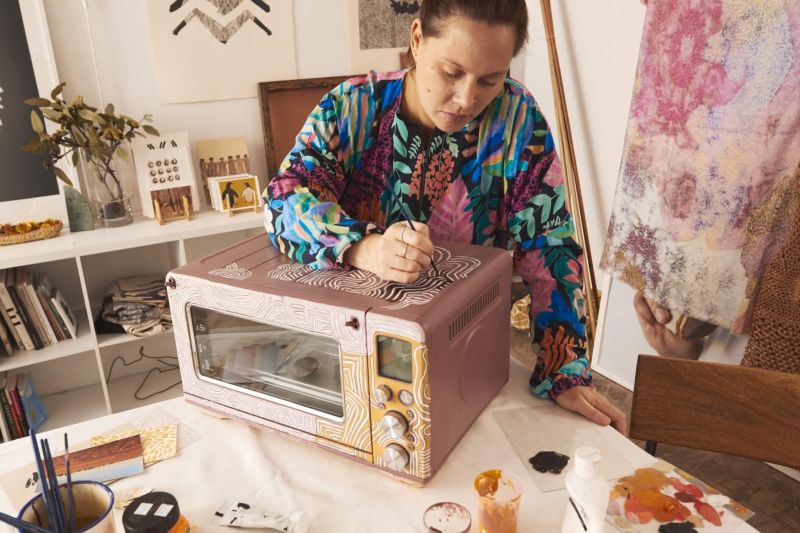
That same sensitivity toward narrative emerges in Table Manners, where dining becomes both performance and provocation. The exhibition examines the rituals embedded in the shared table, unpacking how objects choreograph behaviour, intimacy and social exchange. Ceramics, furniture and installation merge into environments that feel theatrical yet deeply familiar.
Material memory also sits at the heart of RE:BORN, an exhibition driven by transformation and salvage. Existing materials find fresh purpose through inventive making processes that challenge assumptions around waste and permanence. Rather than framing sustainability as sacrifice, the project reveals beauty inside reinvention. It’s presented by Cultivated and Romance Was Born.
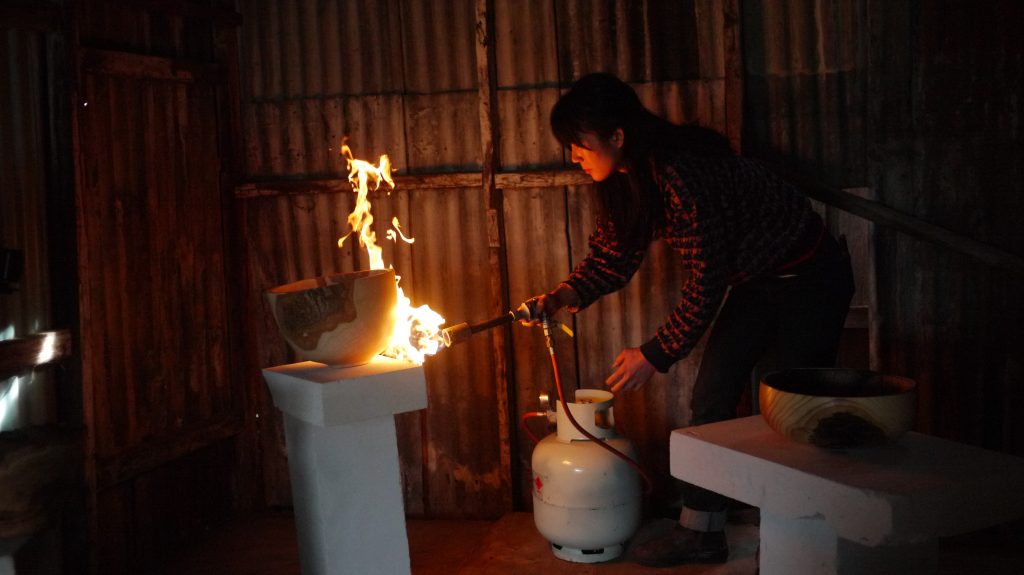
That fascination with tactility carries into Hand of the Maker, a collaboration between Robert Gordon and HotHaus Glass Studio. Ceramics and glass intermingle throughout the exhibition, celebrating the subtle irregularities and physical traces left by the maker’s hand. The works are elemental and intimate, shaped through heat, pressure and instinct.
Light, texture and transformation
Across the program, lighting emerges as a powerful medium for atmosphere and emotional response. Lustre leans into illumination as sculpture, presenting works that blur the line between functional object and spatial installation. Reflection, translucency and surface become active participants within the exhibition, allowing light itself to behave like material.
Elsewhere, LOST HiDE explores leather through an entirely different lens. The exhibition repositions offcuts and overlooked materials as sites of innovation, turning discarded fragments into richly textured contemporary pieces. Craftsmanship remains central, though the project also asks urgent questions about consumption and value inside modern production systems.
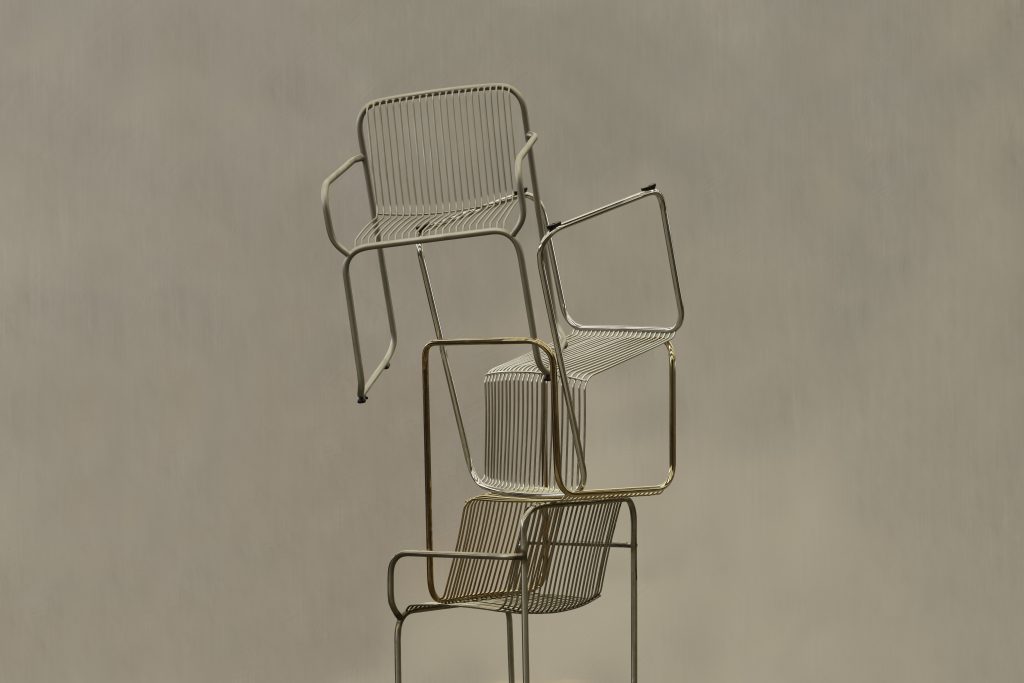
Furniture continues to command attention throughout MDW, particularly through the Australian Furniture Design Award, which once again spotlights the country’s leading designers and emerging talents. Long recognised as a key moment within the festival, the award offers a snapshot of Australian furniture design at its most ambitious. Experimental forms sit alongside deeply resolved pieces shaped through timber, metal and recycled materials, revealing an industry increasingly engaged with sustainability and local manufacturing.
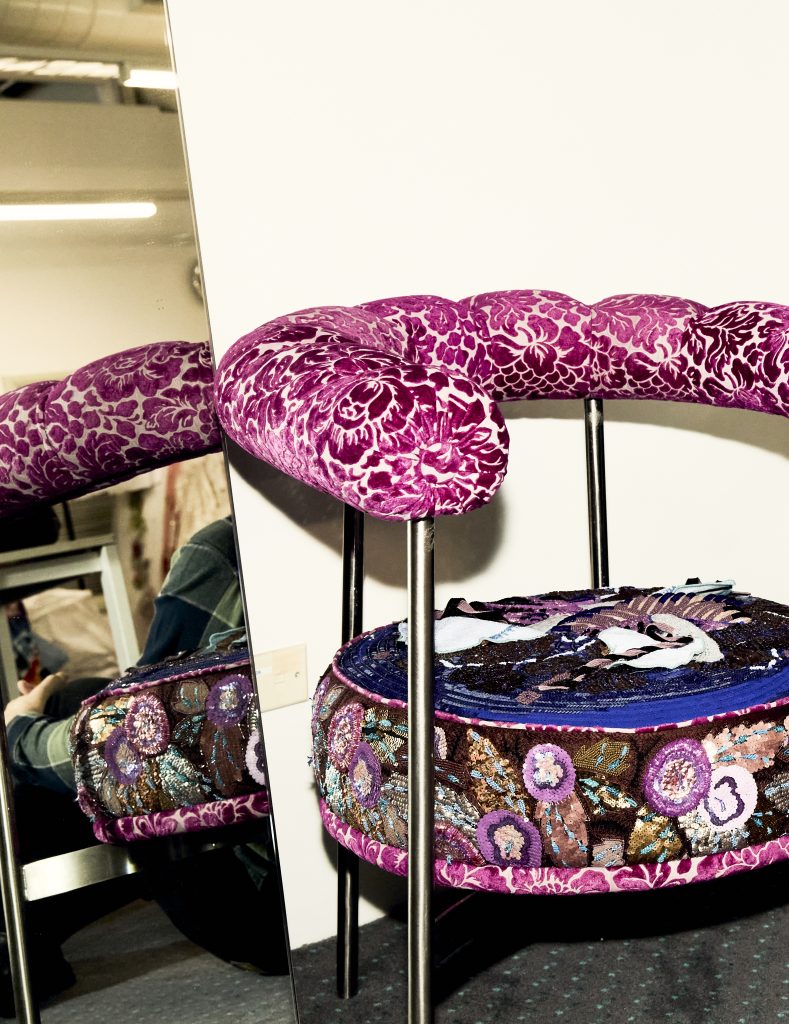
What makes this year’s program especially compelling is the way in which these projects speak to one another across disciplines and locations. A thread of care runs through the festival: care for materials, care for place and care for cultural knowledge and the communities that gather around design.
A city shaped by ideas
That collective energy has long defined MDW, though the 2026 edition feels particularly expansive in ambition. Exhibitions spill beyond gallery walls into restaurants, retail spaces and evolving residential precincts. Design moves fluidly between public and private life.
The Est and WRAP collaboration captures that shift with precision. Its program positions creativity inside the rhythms of everyday living, connecting art, architecture and hospitality through shared experience. As WRAP co-founder Sarah Weston notes, “The goal centres on creating an ecosystem of experimentation that encourages audiences to see design differently.”
Throughout Melbourne, visitors will encounter projects that challenge conventions while remaining grounded in material craft and human connection. Some exhibitions arrive with a sense of spectacle. Others unfold quietly through texture, conversation or ritual. Together they form a portrait of contemporary Australian design that feels deeply local yet globally engaged.
For 11 days in May, Melbourne becomes a testing ground for new ideas and new ways of living. Design enters the streets, the table, the workshop and the public imagination.
Melbourne Design Week runs from 14 to 24 May at venues across the city.
Top image: Robert Gordon, HotHaus, ‘Hand of the Maker’. Photo: Martina Gemmola.
You Might also Like

Related Stories

© Niche Media 2026