

Flexibility is not a brief
Flexibility is not a brief

Share

Flexible workplaces promise choice and adaptability. But when flexibility is not clearly defined, the resulting environment can look responsive while being harder to use in practice.
‘We need a flexible workplace’ may be one of the most familiar requests in contemporary workplace design. It sounds clear, but in practice it can mean almost anything.
For a business, flexibility may mean accommodating growth or contraction without another significant fitout. For a team, it may mean moving between focused work and group activity. For an individual, it may mean choosing a setting that suits the task. For workplace managers, it may mean changing the space without excessive cost or disruption.
Yet the design response is often consistent: moveable furniture, operable walls, unassigned work points, multipurpose rooms and a wider variety of settings. These elements can support flexibility, but they do not create it on their own.
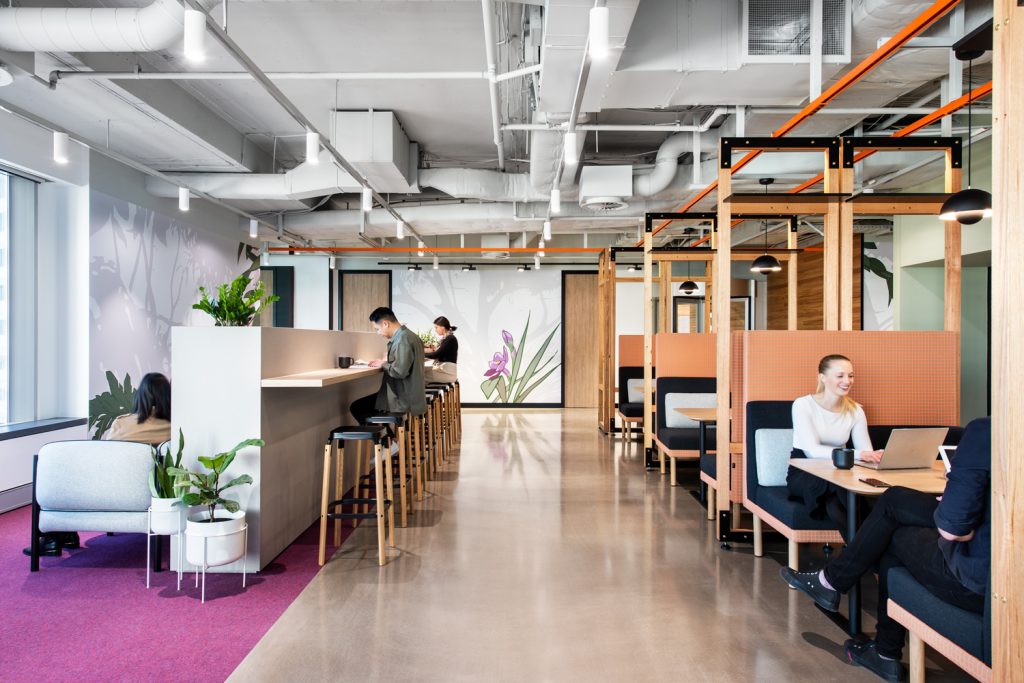
A workplace can look adaptable while remaining inflexible in use. Furniture may stay where it was installed, multipurpose rooms can settle into one function, and shared settings may gradually become controlled by certain teams. Employees are left with more places to work, but less clarity about where to go, or how the environment is meant to operate.
Until an organisation defines who needs flexibility, what it should achieve and how often change is expected, ‘we need a flexible workplace’ is not a brief. It is the starting point for one.
More choice can make the workplace harder to use
Choice only improves the workplace when people can understand and access the options easily.
An unassigned desk offers limited value when employees cannot find their team, while a focus room will not support concentration if it is routinely used for calls. A moveable setting is not genuinely adaptable when people do not feel permitted to change it.
In these environments, people can spend time finding and securing a suitable place to work before they can begin. The aim should be to provide clear options that support the work people need to do.
Belonging requires some stability
Flexibility is about options. Belonging is about connection. A good workplace brief needs to account for both.
The physical environment cannot create belonging on its own, but design can make it harder or easier for people to connect.
Employees ask practical questions: Where will I find my team? Where can I focus without feeling in the way? Will I have the same access to good settings as more senior or frequent users?
These are not soft questions. They are briefing basics.
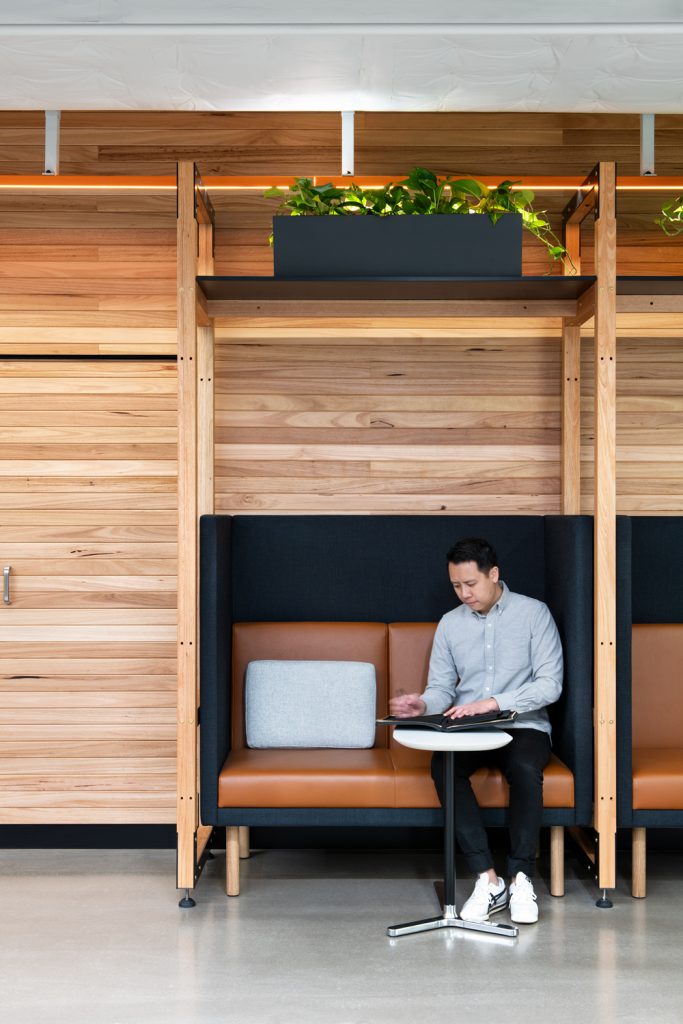
A workplace designed entirely around movement and choice can lose the anchors that help people orient themselves, while fixed ownership can limit collaboration and future change.
The design challenge is to decide what should adapt and what should remain dependable. A workplace can offer varied settings while retaining recognisable team areas, clear landmarks and shared destinations. Flexibility works better when change is easy to understand rather than limitless.
Designers need to challenge vague briefs
Organisations often begin projects with competing ambitions. They want more collaboration and more uninterrupted focus. They want fewer work points, but enough capacity for peak attendance. They want choice while maintaining a strong team identity.
These tensions cannot be resolved by including every possible type of setting.
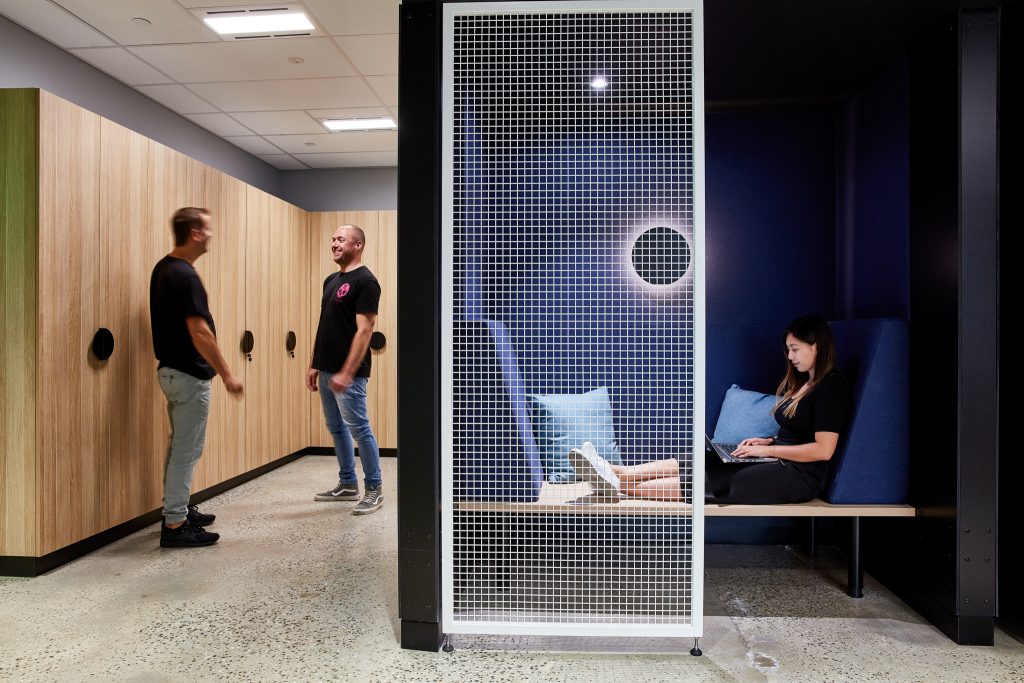
The designer’s role is to identify the trade-offs and help the organisation decide which outcomes matter most. Does the workplace need to adapt daily, occasionally or over several years? Who will manage flexible settings, and what storage and technology will be needed?
A multipurpose room without enough storage may quickly settle into one use, while a setting that takes too much effort to reconfigure is unlikely to change often. These details determine whether the design works in daily use.
Sometimes the most useful contribution a designer can make is to challenge the request rather than accept it at face value.
Data shows patterns, not the whole experience
Occupancy information, booking records and surveys can strengthen a brief, but data alone cannot explain how people experience the workplace.
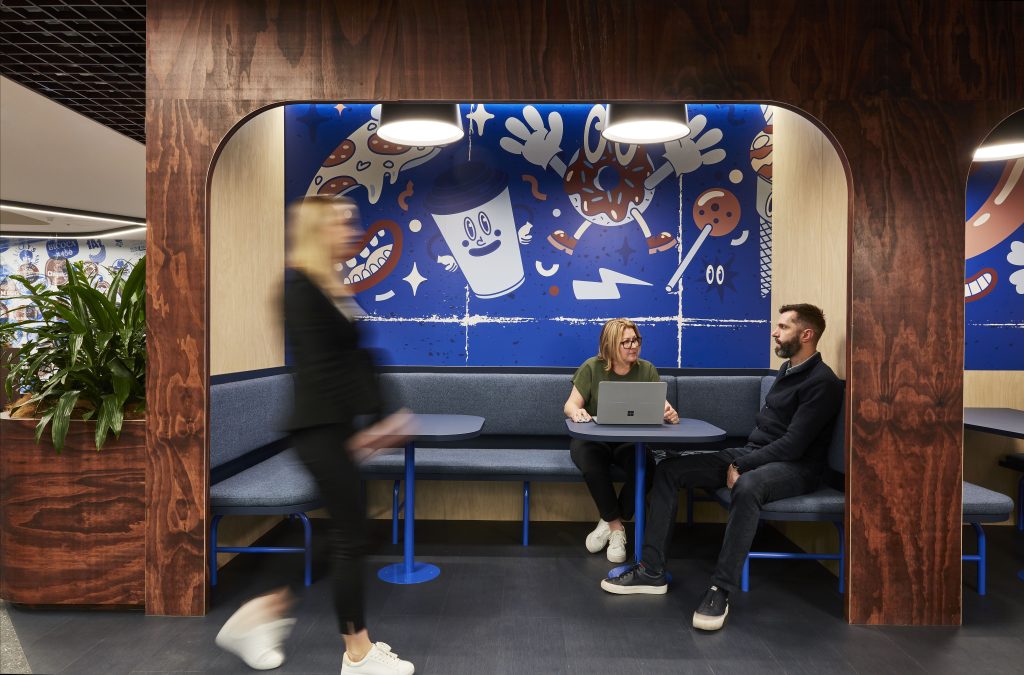
A room may appear underused because it is uncomfortable, poorly located or technologically unreliable. Attendance figures may show how many people are present, but not whether they can find colleagues, concentrate or access the settings they need.
This was also a recurring theme in ‘The Enduring Value of a Physical Workplace: 2019–2025 Insights Report‘, a six-year research collaboration involving Davenport Campbell, UNSW Interior Architecture students, young employees and industry designers.
The research found that even a well-designed workplace can fail when the rules and processes around it limit people’s choice and control. It also highlighted the risk of relying on numbers without understanding the experience behind them.
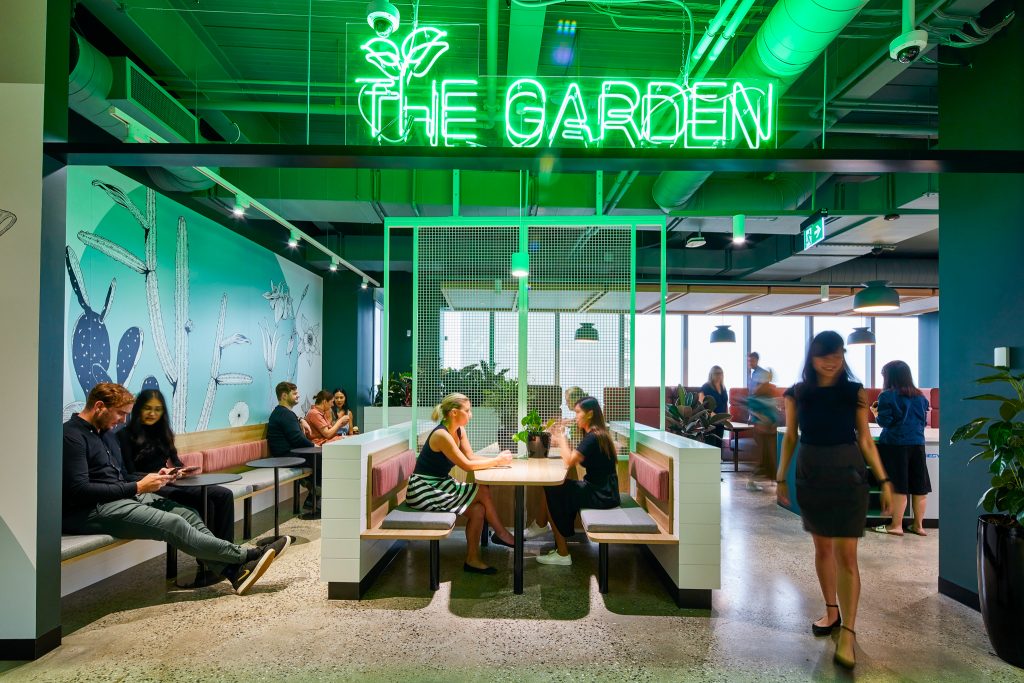
A strong briefing process therefore combines data with observation and engagement across different roles and working styles, rather than relying only on the most senior or vocal users.
Design for use
A flexible workplace should be judged by whether people understand the choices available, whether spaces can change without unnecessary effort and whether the workplace continues to support the organisation as work evolves.
The best flexible workplaces absorb meaningful change without making the working day more complicated.
That begins with a clearer question: what needs to change, for whom and why?
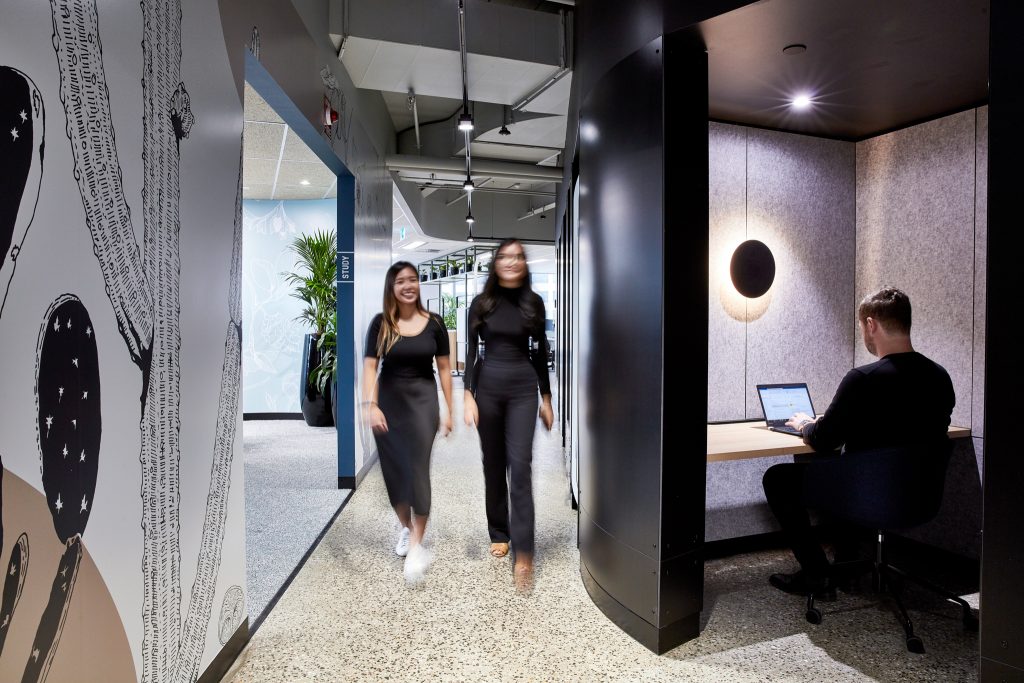
Photography: Supplied.
Author
Neill Johanson is a Registered Architect and interior designer with more than 30 years’ experience advising organisations on workplace, property and accommodation decisions. He has been with Davenport Campbell since 2004 and leads the development of workplace strategies that align an organisation’s cultural, operational and business needs with the design of its physical environment.
You Might also Like


Related Stories

© Niche Media 2026