

Breathe’s IDEA-winning projects share a common home truth
Breathe’s IDEA-winning projects share a common home truth

Share
At the 2025 Interior Design Excellence Awards (IDEA), Breathe Architecture won two awards for projects completed more than a decade apart, both espousing the firm’s enduring clarion call for smaller, more sustainable housing.
A lot can happen in 12 years in the world of A+D. New studios rise up, projects reach completion, material innovations emerge, social media accelerates through evermore-fleeting ‘micro-trends’ and regulations evolve… some a little more slowly.
For Melbourne-based sustainable architecture firm Breathe, a core mission has remained in that time: to design smaller and more sustainable housing in Australia. According to Breathe, house size and sustainability (social, environmental and economic) indeed go hand-in-hand.
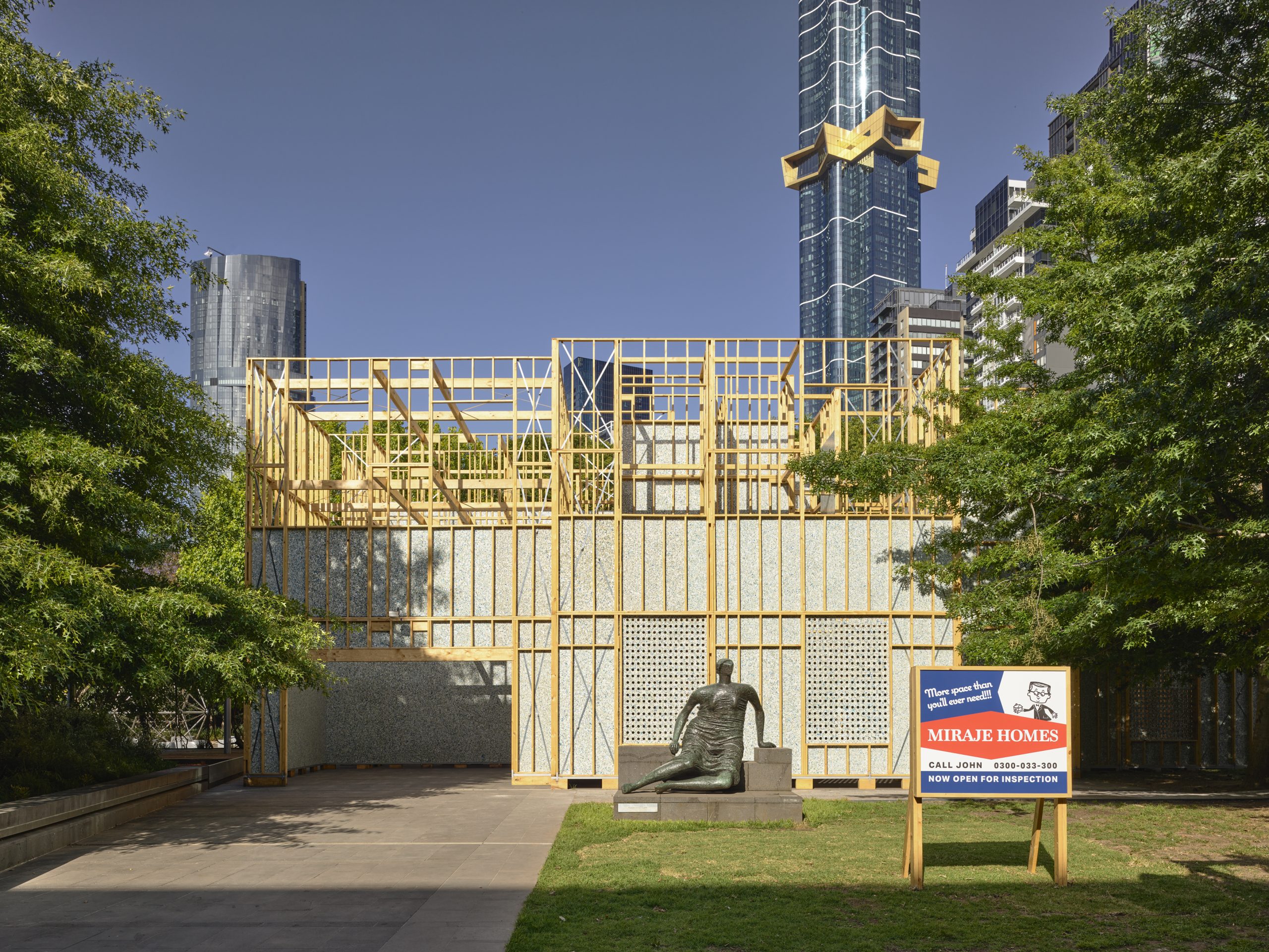
The team unambiguously interrogated these ideas in an installation at the National Gallery of Victoria between 2024 and 2025. Designed for the NGV’s 2024 Architecture Commission, Home Truth provoked reflections on comfort, equity, sustainability and excess in modern homes.
The big idea behind Home Truth
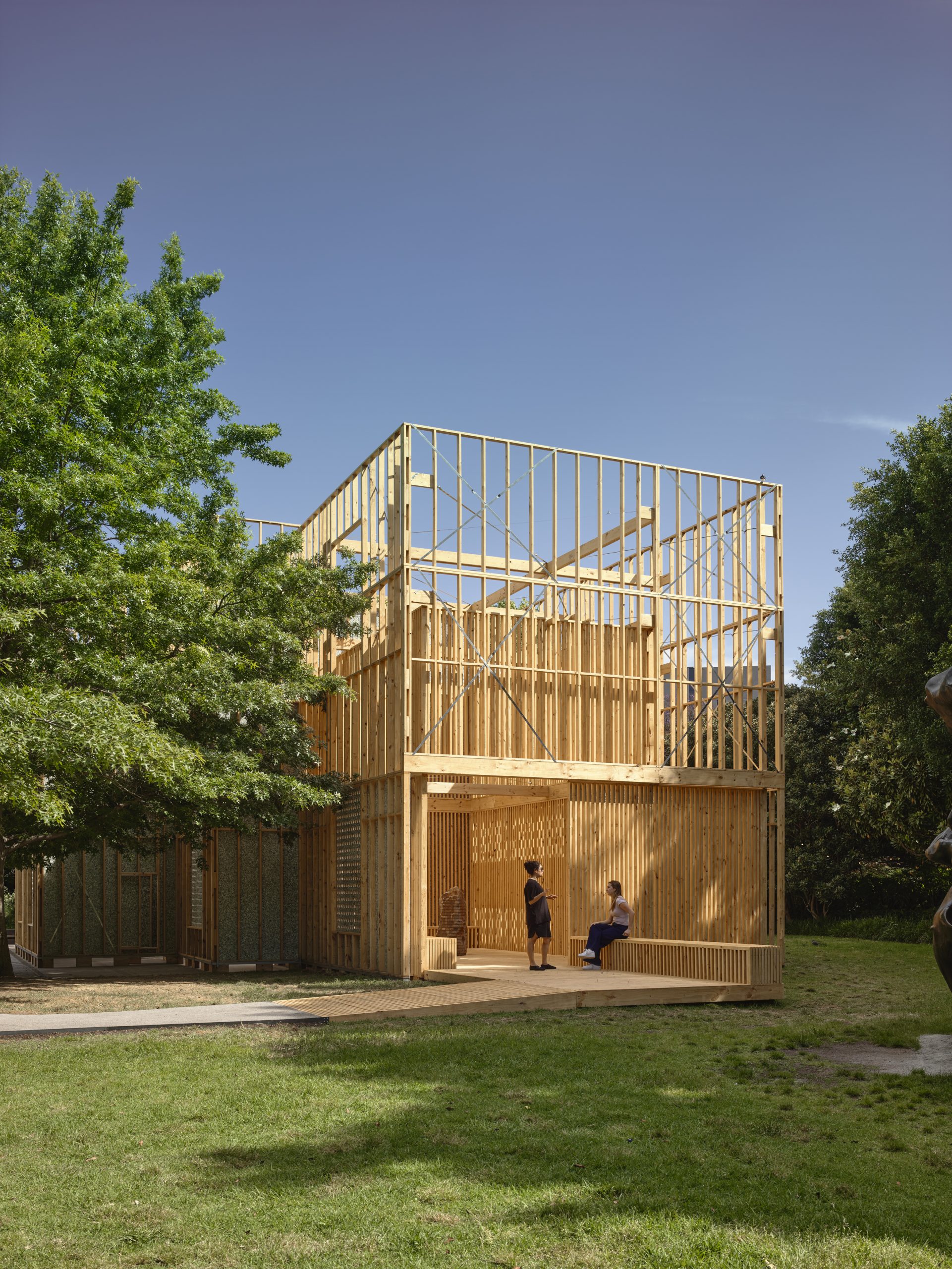
The installation took the form of a ‘house-within-a-house’, using a 236-square metre external frame to represent the silhouette of the average Australian home. Within this frame, a small, quiet, timber volume invited audiences to ponder: what is enough? Home Truth used a total of three materials – sustainably sourced Victorian pine, SaveBoard and steel ballasts – all designed for disassembly and reuse.
The project, led by circularity lead Irma Del Valle Nachon, won the Event category award at IDEA 2025. Juror Matiya Marovich commended Home Truth for “using design as a tool for good”.
“Home Truth shares a message we all need to hear in this moment,” he said.
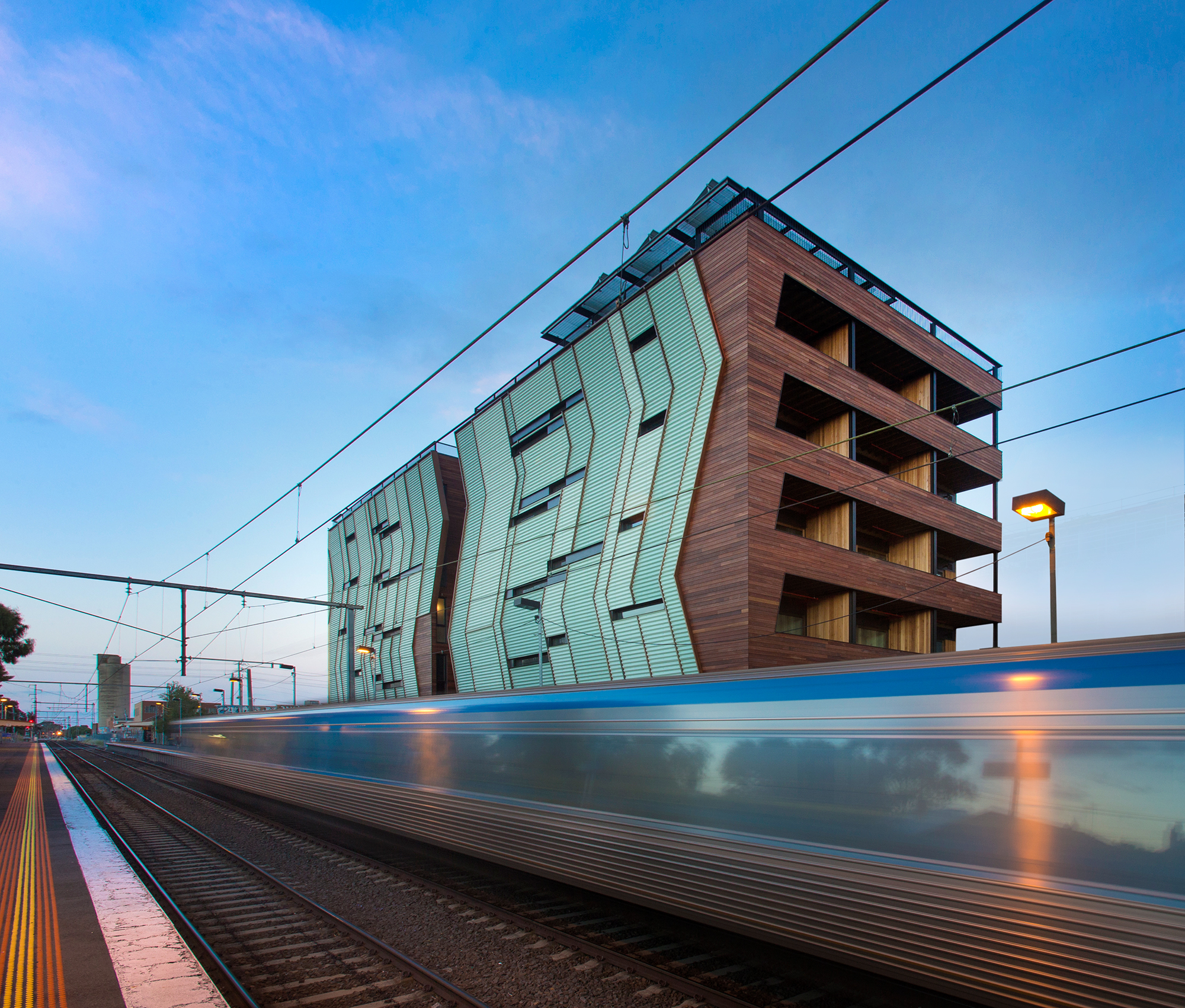
The same night, Breathe took home a second IDEA trophy for a project that expressed a parallel message in a more permanent form 12 years earlier. Its medium-density housing project in Melbourne, The Commons, was named winner of the inaugural Enduring award, sponsored by Miele. Design began in 2007 and was completed in 2013. The building, located in Brunswick, was a prototype for the ethical, sustainable urban housing that would form the basis of the Nightingale model. The IDEA accolade recognised this enduring quality, innovation and impact within the design industry.
For Breathe co-founder Jeremy McLeod, The Commons demonstrated how we can “live bigger by living smaller”.
“Home Truth, 10 years after the completion of The Commons, is still talking about this same issue that – in a housing crisis, in a climate crisis – Australia builds the biggest housing in the world,” he tells Australian Design Review.
“Building housing, not building another asset class“
The story of The Commons begins in Germany and Stockholm, where McLeod was visiting friends with Breathe’s co-founder Tamara Veltre.
“It was interesting for us seeing how housing was done in Northern Europe,” McLeod recalls. “It was all about community. It was about some shared amenity. It was about really simple things like access to light and ventilation.”
Their friends’ apartment buildings had guest houses, quality recycling hubs, shared laundries and no car park. New housing in Melbourne looked “unsustainable and depressing” by comparison, according to McLeod.
“It was inexpensive and it was built off a feasibility spreadsheet, which said: you need a car, you need a laundry, you need air-conditioning, you need two bathrooms – here are all the things that the valuers have put value on. And what the valuers didn’t put value on was sustainability or community, so you could see why our housing looked like it did.”
The Commons’ original design team – which included McLeod, Bonnie Herring and Kai Cheong, with Veltre managing finances – wanted to design homes for people to live in centred on sustainability and community. “It was about building housing, not building another asset class,” McLeod says.
The struggle to get The Commons off the ground
Pushing this agenda in Melbourne proved difficult.
“Perhaps the problem, but also perhaps the gift, was my naivety because I came at it from a research position,” McLeod says. “What I didn’t understand was how hard it would be through planning to shift the status quo, particularly around car parking. As it turned out, we were [perhaps] the first apartment building since the ‘50s to be built without car parking in Melbourne. We didn’t realise that it was just so entrenched and how hard that would be to convince everyone.”
Banks, valuers and real estate agents struggled with the lack of car parking, challenging project funding.
“We knew that there would be people who would want to come and live in Brunswick to buy. What we didn’t understand was how difficult that would prove to be in trying to finance the project,” McLeod says. “At that time, the valuers were just riding down the value of the apartments by $40,000 an apartment because we’d have a car park attached to it.”
Builders, “used to a very particular way of doing things”, also resisted Breathe’s desire to build differently, he says.
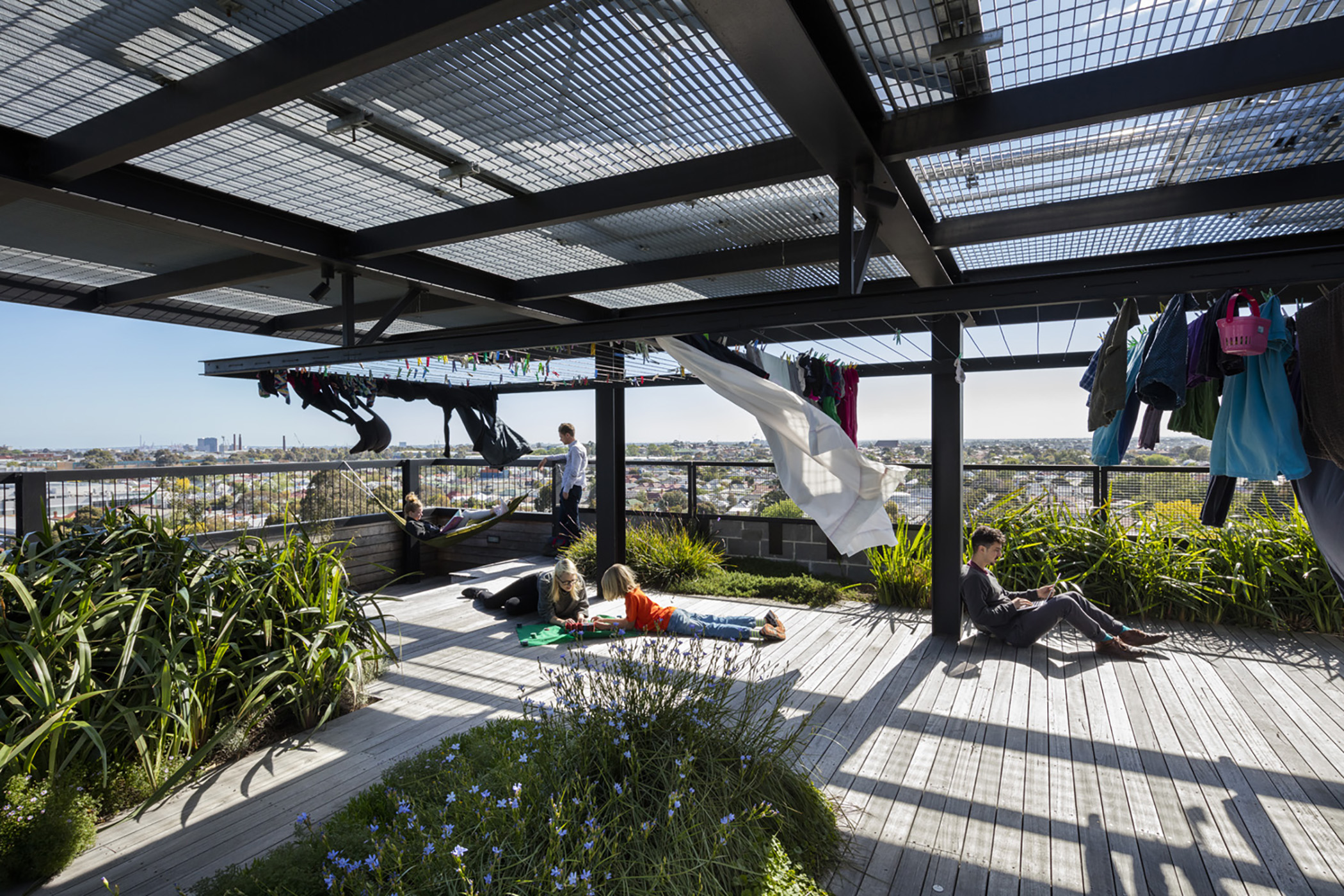
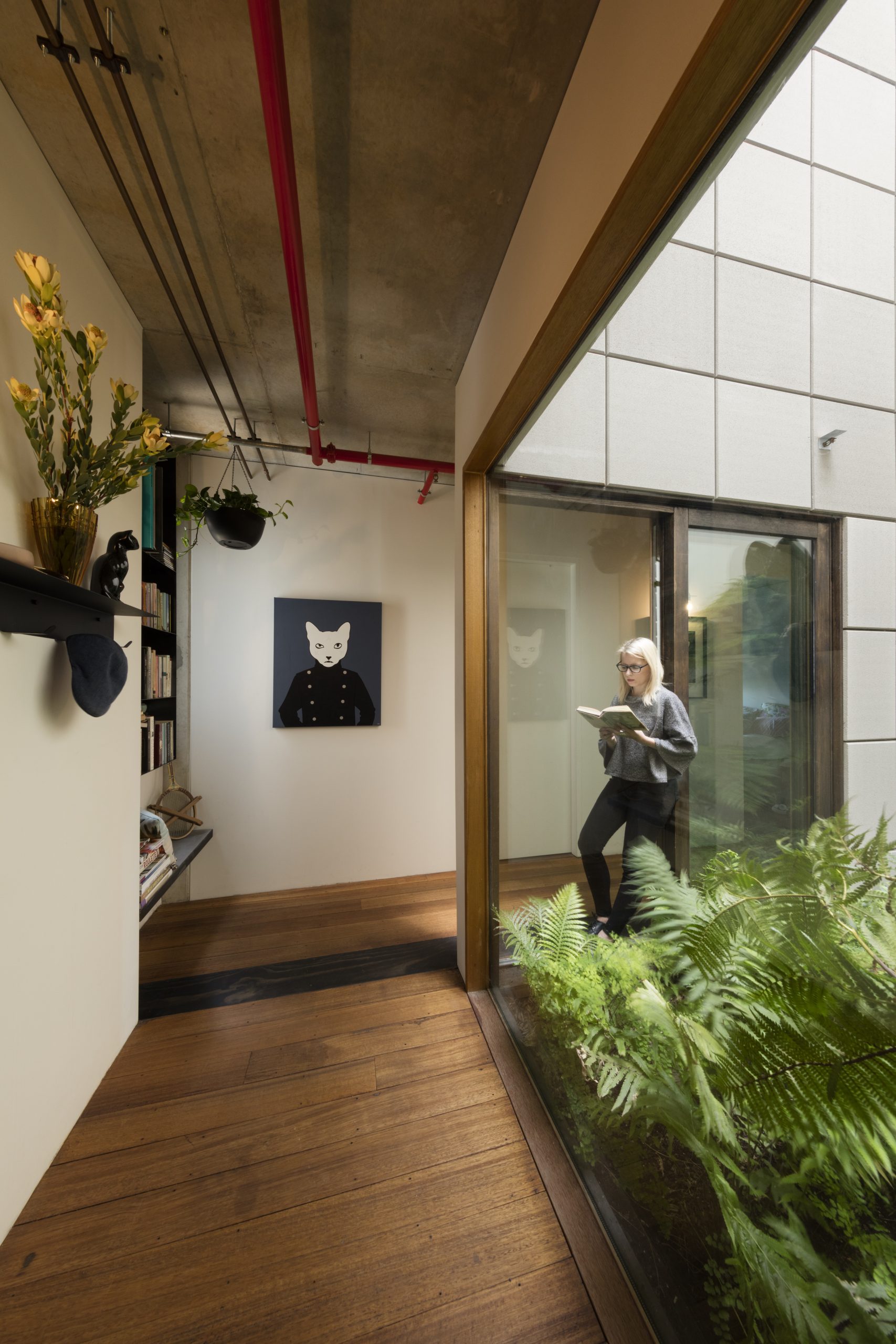
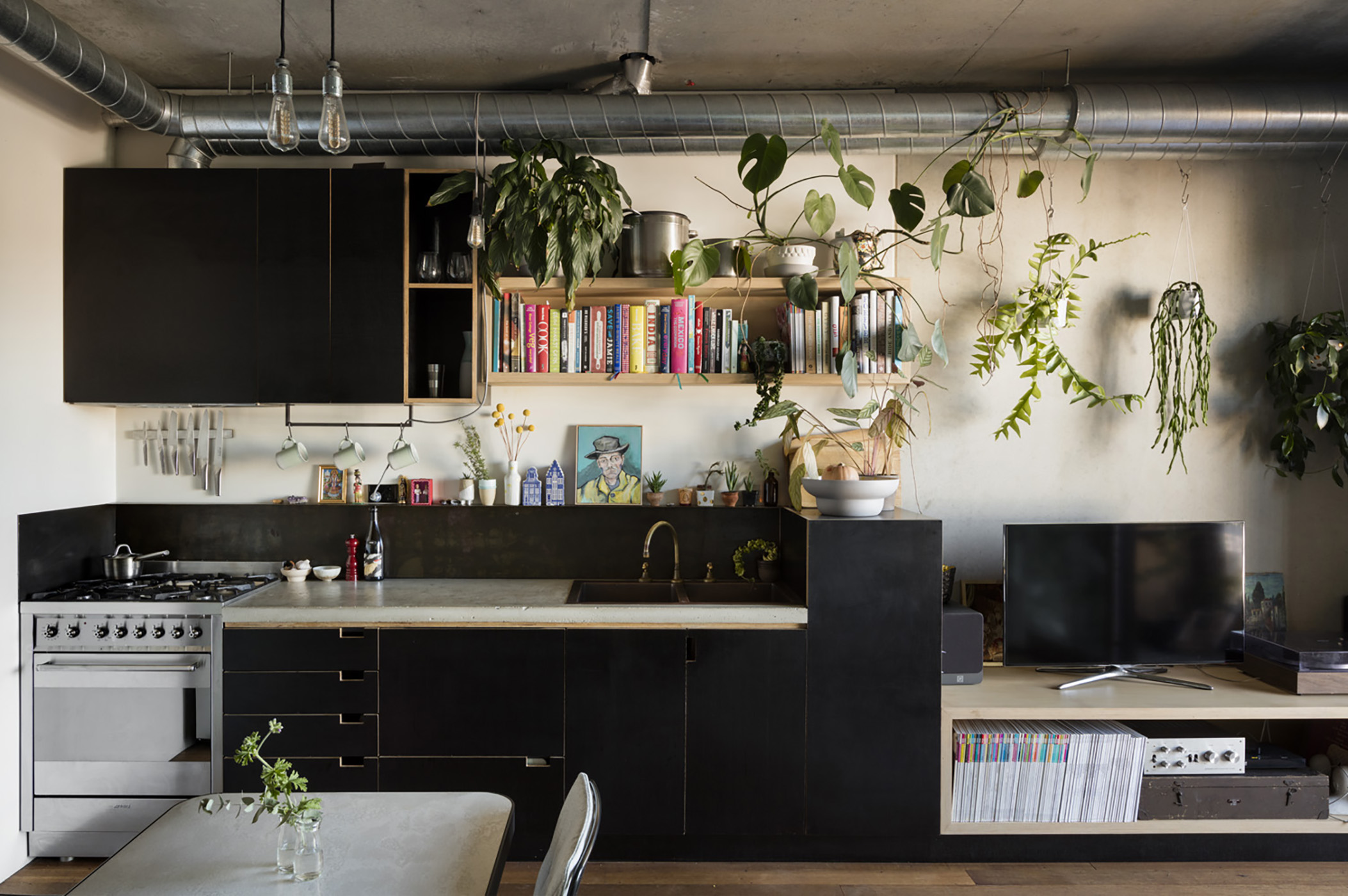
“Trying to build a building using timber walls inside the apartment rather than steel studs – because we want to sequester carbon, not expend carbon – I didn’t realise how hard that would be to get a builder to actually do that,” McLeod says. “To use recycled timber flooring, I didn’t realise how hard it would be to get a commercial builder to do that. To peel out the ceilings and expose the concrete soffits and then curate all the services carefully… And just having timber decking on the roof and timber decking on the balconies, it was obviously very different to what the apartment market was used to.”
McLeod credits The Commons’ eventual construction, seven years after the project began, to a foreman entrenched in sustainability. “We were just incredibly lucky,” he says. Ethical developer Small Giants also came on board to support the project, seeing it through to completion in 2013.
The enduring appeal of The Commons
The finished project was a bold statement of environmental responsibility – fossil-fuel-free, 100 percent electric and boasting high thermal efficiency, powered by renewable energy. By reducing reliance on cars through proximity to public transport and shared mobility hubs, the project aligns with a vision of a lower-carbon future.
Generous communal spaces such as gardens, shared laundries and rooftop amenities (taking up what was traditionally expensive real estate for penthouses) encourage interaction and cultivate a spirit of community.
Interior design-wise, the approach was “ethic over aesthetic”.
“We had a really, really clear mandate during this project, which was: if we don’t need it, we take it out,” McLeod says.
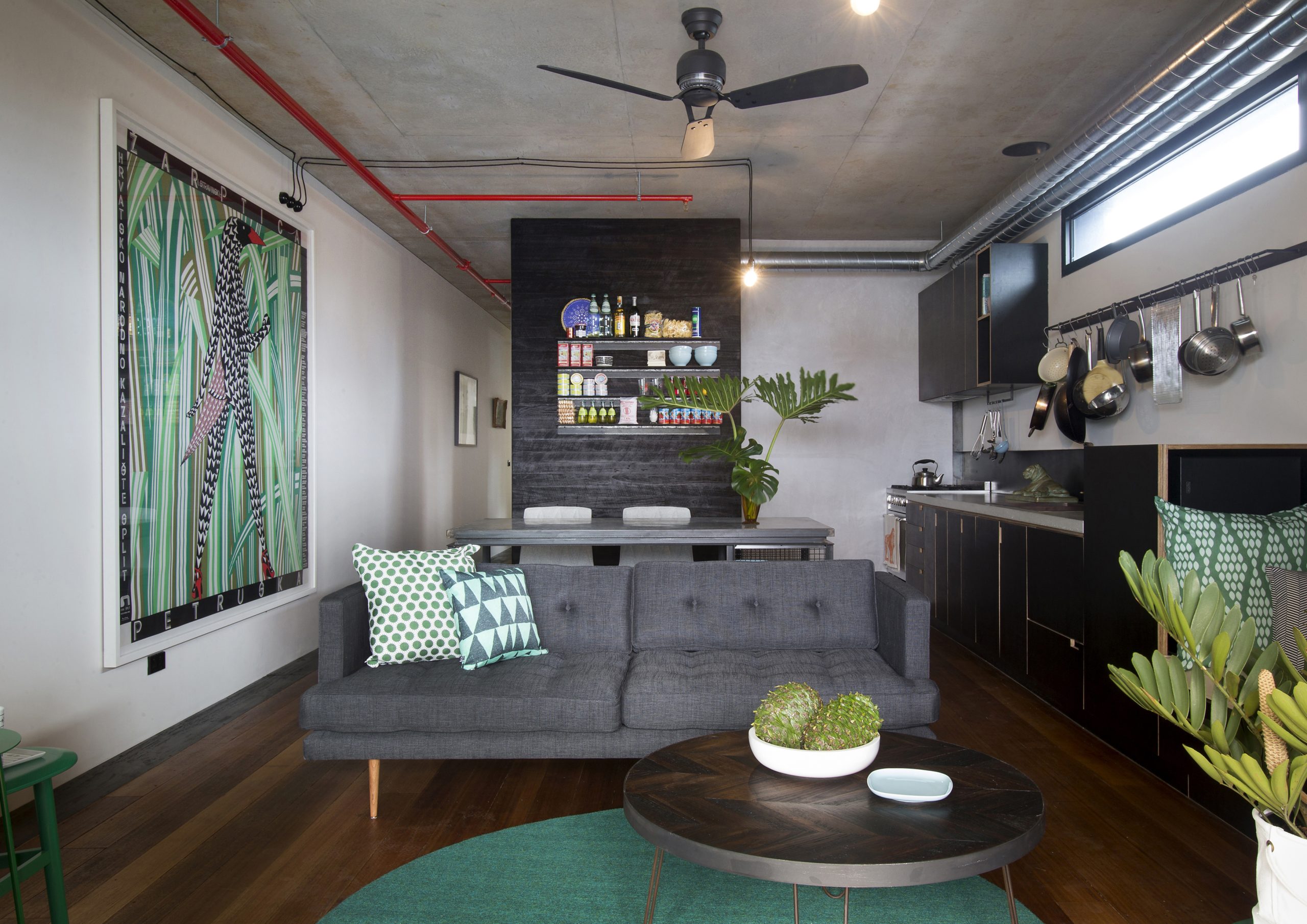
This “rigorous reductionism”, for which Breathe is now known, saw the studio ask tap manufacturer Consolidated Brass to skip the energy-hungry, toxic chrome-plating process and just buff the seams of the taps supplied. “We had to have a series of meetings with them. They thought we were mad,” he says. A similar negotiation occurred regarding the door handles manufactured by Lockwood. Both companies ended up supplying to The Commons at a discount.
“Over time, those products became highly sought after,” McLeod says. “Lockwood – to buy the raw brass door furniture – it’s now sold at a premium.”
When asked if The Commons’ interiors have dated at all, McLeod admits there is one thing that “was probably a bridge too far”.
“We wanted to pull all the tiles out of the bathroom, because we can save 17 cubic metres of carbon for every square metre of tiling that we take out. That was what we were seeing back in 2013. So we pulled all the tiles out, and then we used the fibre cement sheet that went behind the tiles, and we just gave that a clear finish.
“There’s the question of, ‘Great, you save all of this carbon, but when you see the bathroom, is it too austere? … Is it too much when it’s the start of your day and you need a bit of joy, so should you expand a bit of carbon there to give people a little bit of joy?’ And I think that we may have been pushing up the edges there.”
This didn’t, however, bother McLeod, a resident of The Commons for seven years, when he was in the shower. “I respected the commitment to the ideal,” he smiles.
A catalyst for community
McLeod and Veltre only intended to live in The Commons for 18 months for an in-depth post-occupancy evaluation on thermal performance and indoor air quality. The reason they stayed so long was the lifelong friendships formed.
“I think that architecture can be a catalyst for social cohesion,” McLeod says. “But if I think about what made The Commons epic, it was [that] the people who came to The Commons came with a particular values alignment. They came there expecting that community would be important, expecting that sustainability would be important and, as a result, it became a self-fulfilling prophecy that those people banded together to do incredible things.”
Looking back on a legacy
Thirteen years on from the completion of The Commons, have anyone’s attitudes changed?
“Valuers? Yes. Builders? No,” McLeod says. “When we finished The Commons, I remember one resident had to go to five different banks to get his mortgage through. He kept on getting the price revalued and revalued, and it kept on being valued at $40,000 below what the contract price was.
“If you fast forward now, The Commons has turned from being one of the cheapest apartment buildings in Brunswick to being a retirement home for rich hippies. It’s got some of the highest square-metre sales rates in Brunswick, which I’m not particularly proud of. That definitely wasn’t our intent, and that’s helped inspire us to put a resale caveat on Nightingale, capping the upside of that.”
Reflecting more than a decade later, McLeod says The Commons has enacted positive change worthy of the seven-year “labour of love” to make it happen. He, Veltre and Breathe’s Ali Whelan were “touched” to ascend the stage at the IDEA gala and accept the program’s first-ever Enduring award.
“It’s a very important project for us,” he says, adding that The Commons came at a pivotal point in his and Veltre’s careers. “We decided that we were going to actively take control of our own destinies and try and shape the destiny of the city.”
Lead image by Scott Gick Media. Left to right: Breathe senior associate and design lead Ali Whelan, co-founders Jeremy McLeod and Tamara Veltre with Miele projects state sales manager NSW/ACT Alice Byrnes at the IDEA gala 2025.
You Might also Like


Related Stories

© Niche Media 2026