

From the campfire to the Artichoke: lighting as a timeless connector

Share
Humans have always gathered around light. From campfires and candles to more modern interpretations of layered lighting designs and cult-classic lighting centrepieces. As Meik Wiking, founder of the Happiness Research Institute said in his bestseller, The Little Book of Hygge, “Lighting is essential to creating the right atmosphere”.
Lighting creates experiences. It helps us set a mood, switch between focusing and relaxing, and achieve a sense of hygge in our homes. According to Cult sales manager for NSW and VIC, Delaney Brocket, modern trends are reflecting these tenets of lighting design. Layered lighting schemes are being implemented in a shift away from single overhead light sources. Warmer colour temperatures and dimmable, customisable systems that let people shift a space’s mood through the day are also becoming the standard for hotels and luxury residential.
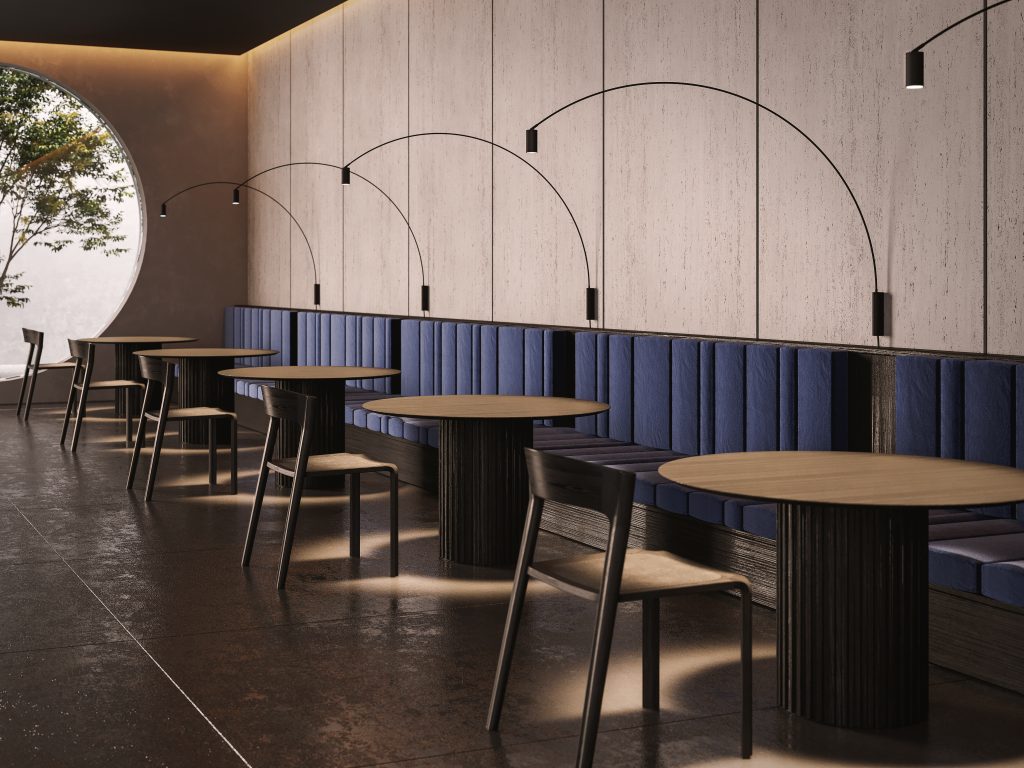
Increasingly, people want their spaces to support the various facets of their day. From working and relaxing at home or catching up with friends in a restaurant to unwinding in a hotel guestroom. Designers have a real opportunity to leverage lighting to create this versatility in their spaces. Lighting works best when ambient, task and accent light sources work together, rather than relying on one flat source. Dimmable light in the evenings supports circadian rhythms and makes spaces feel more restful, while cooler, brighter light suits daytime focus areas such as workplaces.
Materiality matters too: light filtered through fabric, timber or hand-blown glass creates a softness that pendant placement and diffusion can’t achieve with a bare bulb. Ultimately, getting the balance right comes down to designing light as an experience, not just a utility. By treating lighting as a key material in its own right, as important as timber and stone in achieving a fully realised concept, designers can transform a room’s ambience, highlight architectural details and create emotional depth in a space.
As the home of hygge, Denmark is unsurprisingly the birthplace to many visionary lighting designers. Masters of ambient lighting, Danish designers are responsible for some of the most iconic designs, such as Louis Poulsen’s PH 5 pendant light and Poul Henningsen’s Artichoke light through to contemporary cult classics like the paper shade by HAY. Design philosophies across these brands share a focus on soft diffusion, clean forms, and combinations of simple shapes.
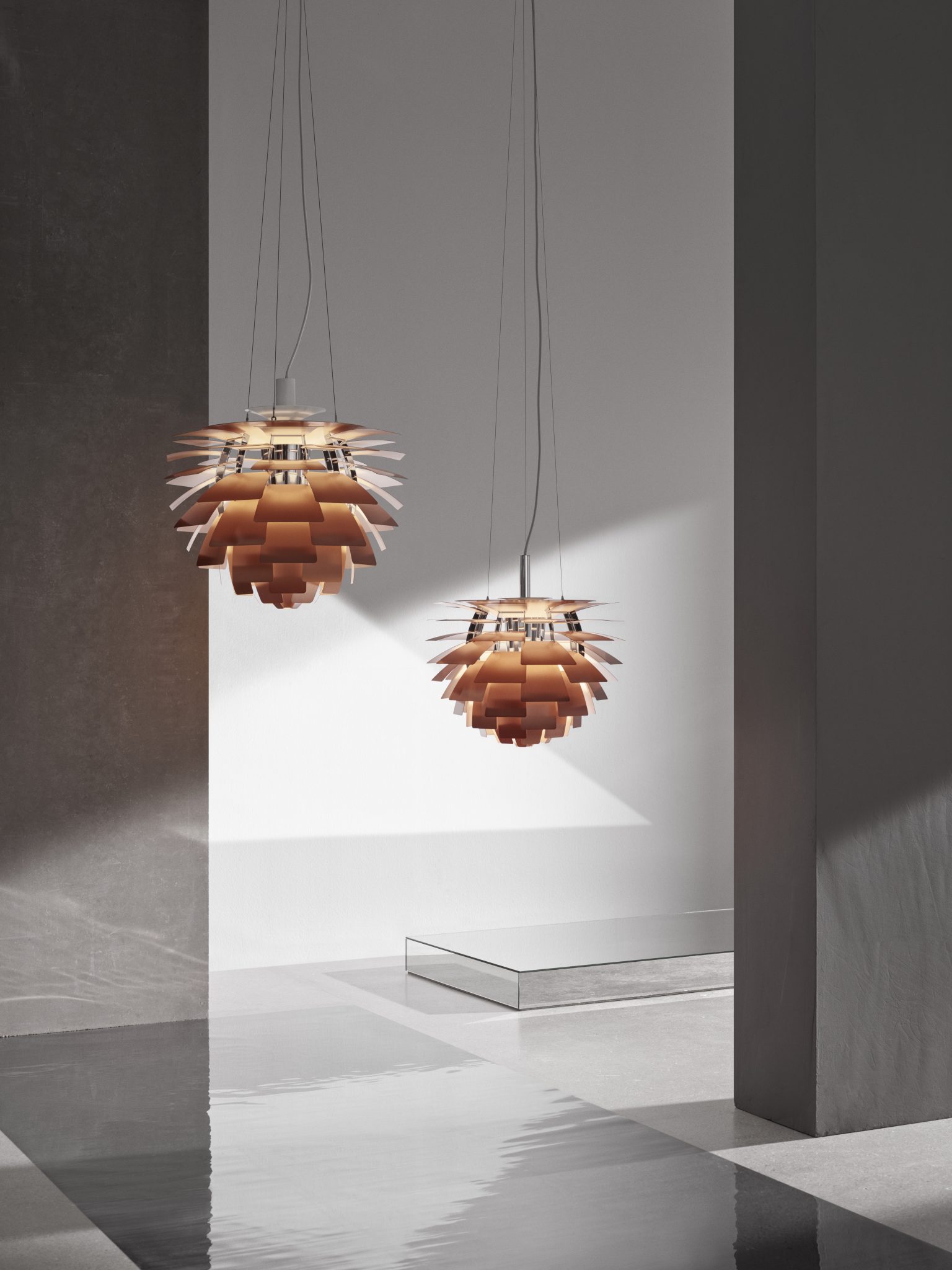
Each of these designs perfectly marries function and sculpture. For example, Poul Henningsen designed the Artichoke to gracefully diffuse light and eliminate glare from every angle, and that problem-solving is baked into the aesthetic form. Owing to this robust design logic, the Artichoke hasn’t dated the way more trend-driven pieces have. It also has a strong sense of artistry and presence, reading as a sculpture as well as a light fitting, which is why it still anchors a room today the same way it did when it launched in 1958.
An appetite for pieces like this with significant design heritage and story persists. There is also a growing resurgence of sculptural, statement pendants as ‘wearable art’ for a room. Take the Ronde pendant by Gubi; it’s playful yet sophisticated design makes it one of the most versatile pieces, appropriate above a desk or dining table. While the Crown family of designs by Nemo gives a sleek, modern take on the chandelier. Inspired by the formation of a snowflake, the range of iterations and sizes can be utilised in different spaces to create a coherent, curated design language.
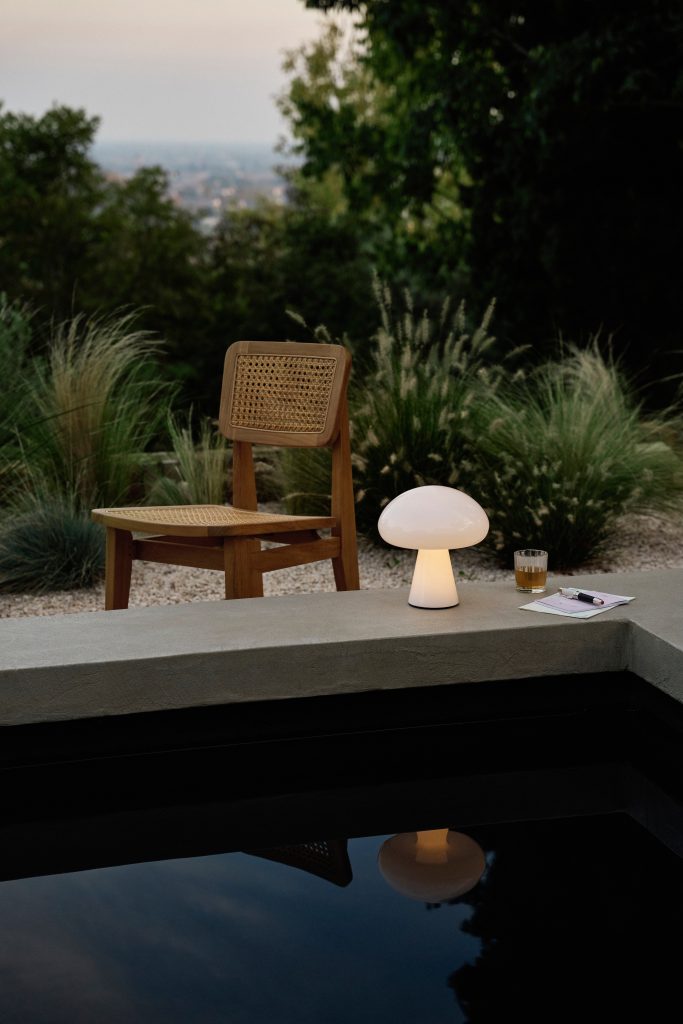
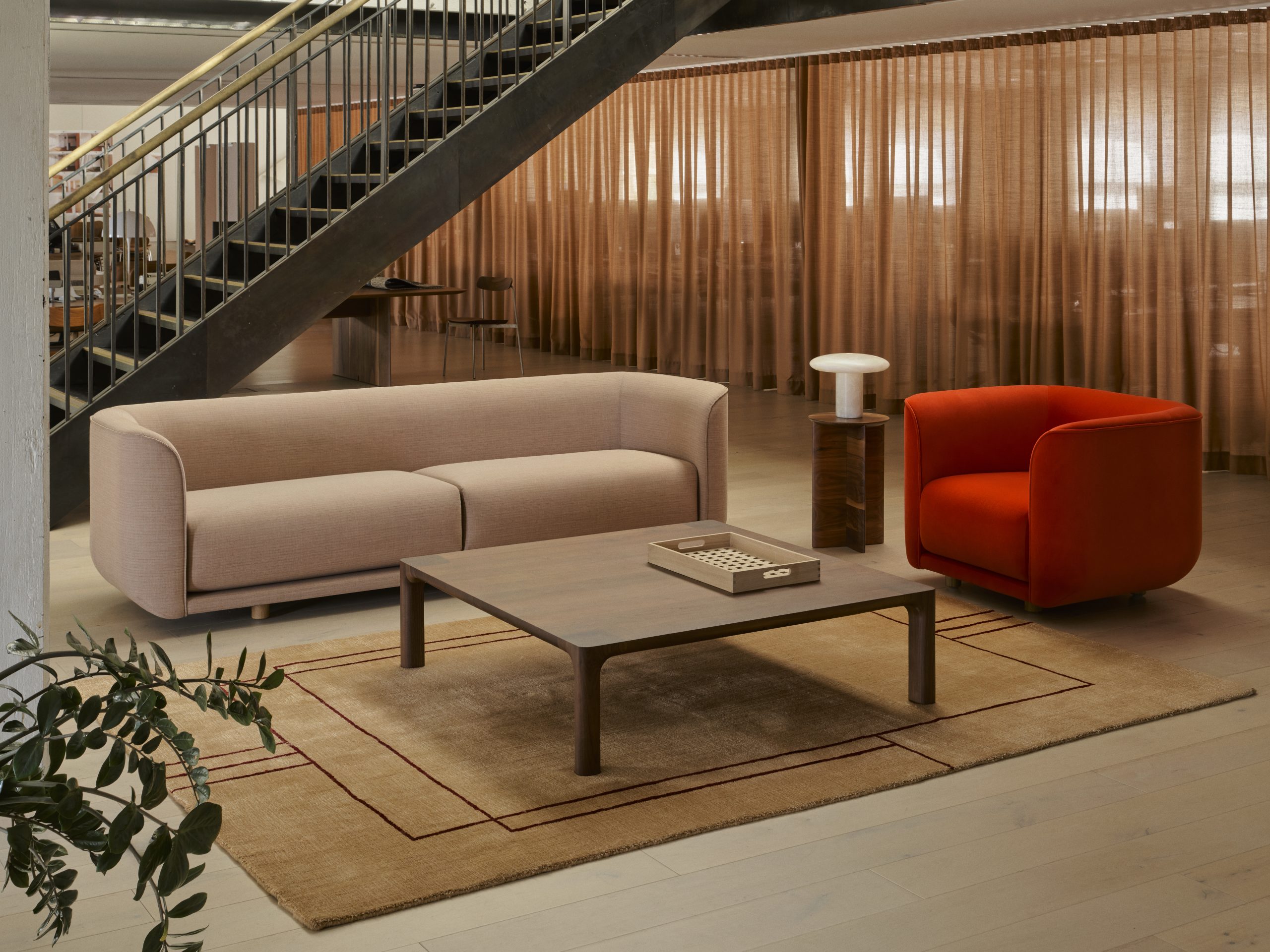
Just as permanent light fittings can transform a space, portable lights give people the flexibility to bring light with them wherever they choose to be in their home. With its friendly mushroom design, the Obello portable lamp designed by US designer Bill Curry in 1971 is an illuminated companion. Relaunched in 2022 by Gubi, the lamp’s pastel hues and glossy finish make it a timeless piece for all ages and spaces.
Just as lighting connects people, Cult makes connections between brands and designers. As collaborative partners, many of their pieces are the result of long-standing relationships with designers and brands: from Danish icons and global names like Fritz Hansen, &Tradition or Louis Poulsen, to the local designers they champion through their own collections.
Images: Supplied by Cult.
You Might also Like


Related Stories

© Niche Media 2026