

Where are Margaret Preston’s missing masterpieces?

Share
As the NGV prepares a landmark 2026 retrospective, four significant works by Margaret Preston remain unaccounted for and the Gallery is asking the public to help complete the picture.
Nearly a century after Margaret Preston helped forge a distinctly Australian modernism, her work continues to shape how this country sees itself. Bold still lifes, native flora rendered with conviction and a relentless pursuit of a national visual language placed Preston at the centre of Australia’s cultural shift away from Europe and towards place.
Now, as the National Gallery of Victoria (NGV) prepares the first major retrospective of her work in more than two decades, four paintings have emerged as conspicuous absences. Last recorded at auction or held in private collections, the works span key moments in Preston’s career. Their recovery would deepen the narrative of an artist whose influence remains both foundational and contested.
Opening at The Ian Potter Centre NGV Australia in September 2026, the exhibition will assemble nearly 250 works drawn from public collections across the country. Icons such as Flannel flowers 1938 and Shoalhaven Gorge, New South Wales 1940-41 will anchor the survey, supported by significant loans from the National Gallery of Australia (NGA), the Art Gallery of New South Wales (AGNSW) and the Art Gallery of South Australia (AGSA). Yet it is what is missing that has prompted the Gallery’s public call.
Four works that trace an evolution
The paintings the NGV is seeking form a loose chronology of Preston’s artistic development. Still life lobsters 1901 is among her earliest surviving works and one of the largest paintings she ever produced. Completed in Adelaide when she was just 26, the work signals a confidence and ambition already taking shape. It was last known to be held in a private South Australian collection.
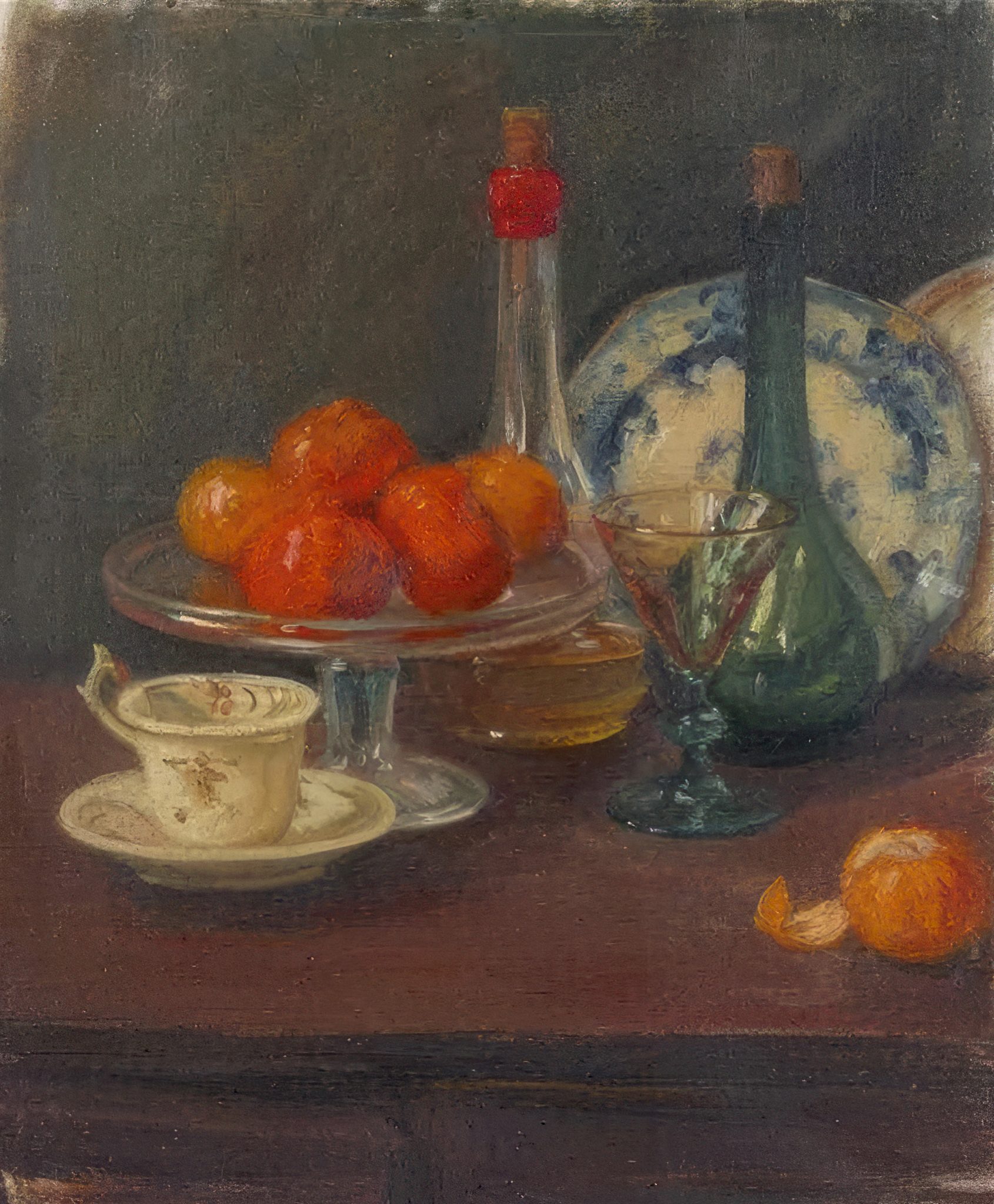
Painted several years later, Still life with mandarins c.1908 offers a more intimate domestic view. Created while Preston was living with the family of fellow artist Bessie Davidson, the composition reflects the technical rigour she absorbed during her studies in Paris. The work last appeared at auction in 2006.
Abroad and absorbing influence
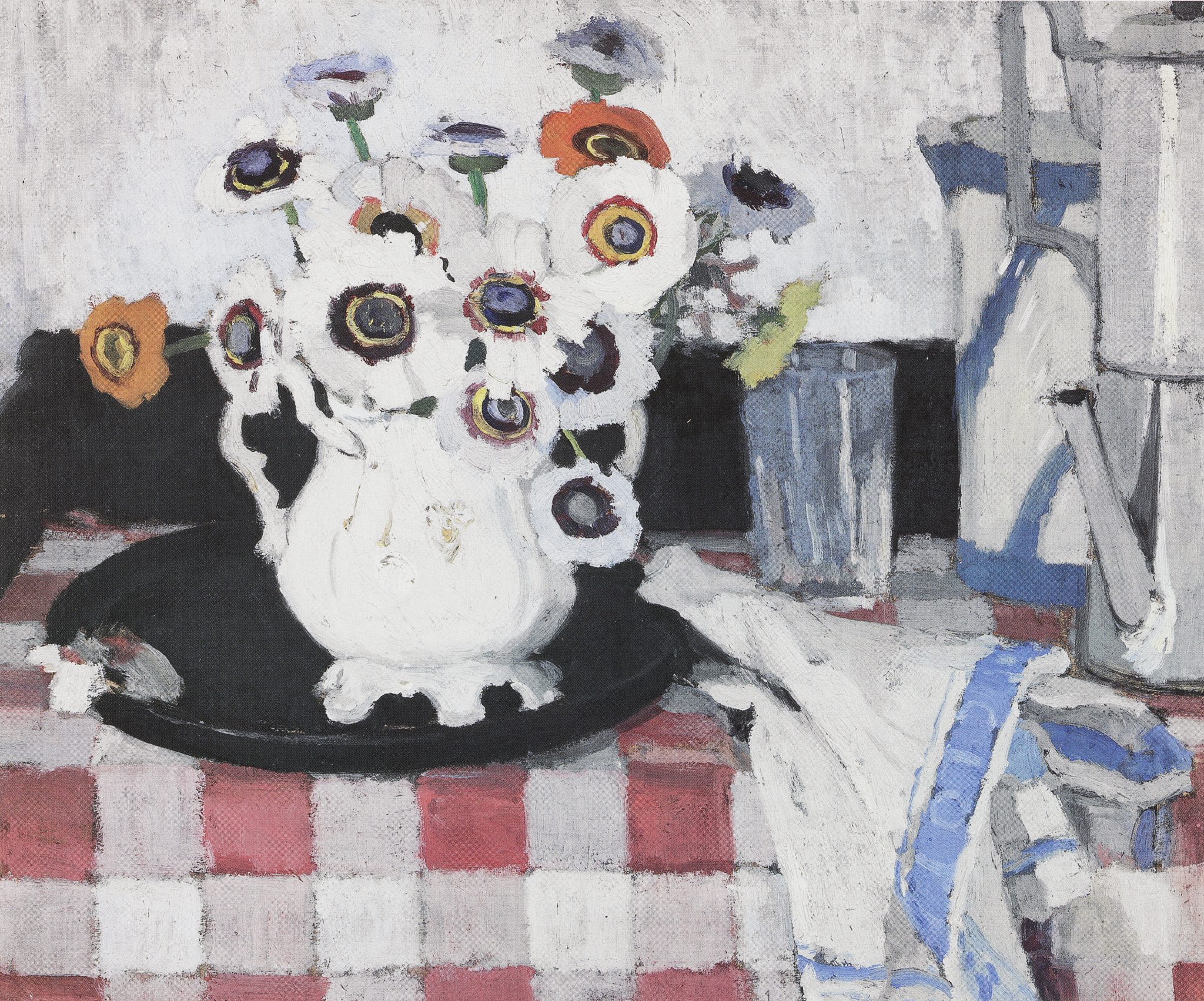
The 1915 Still life, completed in Bonmahon on Ireland’s southern coast, captures Preston at a pivotal moment. Exhibited at the New English Art Club that same year, the work reveals her growing engagement with Post Impressionism alongside the influence of Japanese Ukiyo-e woodblock prints. Records indicate it was last sold at auction in 1995.
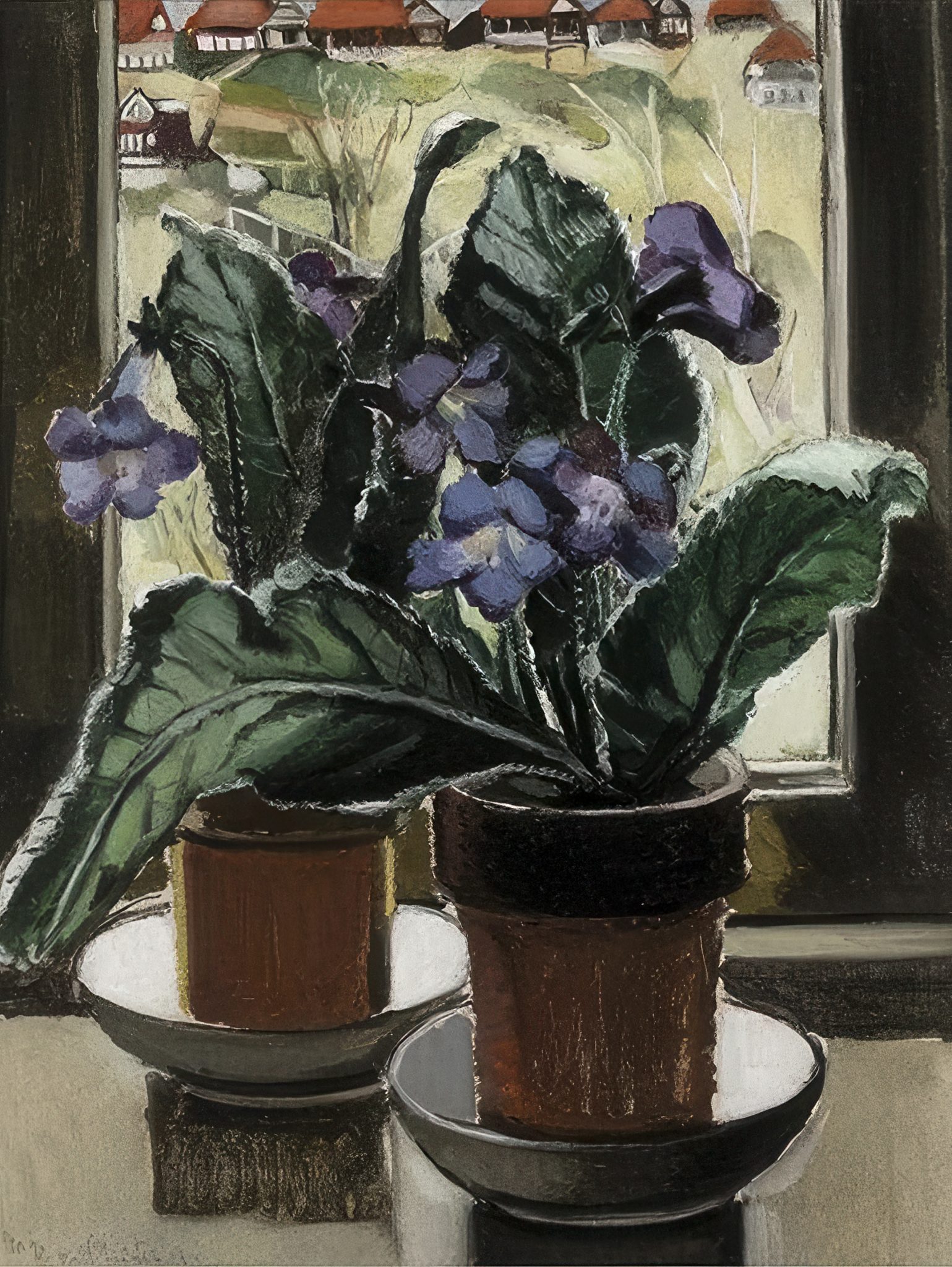
From a later and more assured period comes Gloxinia 1928. Painted in Sydney, the work exemplifies Preston’s modernist confidence, with strong geometry, controlled light and subtle references to Mosman Bay. Its whereabouts were unknown during the Art Gallery of New South Wales retrospective in 2005, though it briefly resurfaced at auction in 2014.

Reframing Preston for a contemporary audience
According to NGV director, Tony Ellwood AM, the 2026 exhibition will move beyond a conventional survey. Alongside charting Preston’s career, the exhibition will place her work in conversation with contemporary First Nations artists, addressing her use of Indigenous iconography and the cultural complexities that continue to surround it.
Born in Adelaide in 1875, Preston studied across Australia and Europe before returning with a determination to build an independent artistic identity rooted in place. Her advocacy for modernism and experimentation reshaped Australian art in the early 20th century, while her legacy continues to provoke debate.
If the missing works are found, they will help complete a story still unfolding. Until then, the question remains open, inviting collectors and custodians to step forward and help bring Preston’s full body of work back into view.
The Margaret Preston exhibition will run from 4 September 2026 to 31 January 2027 at The Ian Potter Centre NGV Australia.
If you have any information regarding the whereabouts of the above Margaret Preston artworks, please contact preston@ngv.vic.gov.au.
Lead image: Still life lobsters c.1901
Images supplied by NGV.
You Might also Like

Related Stories

© Niche Media 2026