

Crafting our cultural identity – artisan’s legacy and the future of Australian craft organisations
Crafting our cultural identity – artisan’s legacy and the future of Australian craft organisations

Share
For more than half a century, artisan has championed makers who help shape Australia’s cultural identity. As funding pressures mount across the creative sector, the evolution of Queensland’s peak body for craft and design reveals how cultural social enterprises like artisan are indispensable to a thriving, sustainable design ecosystem. By artisan CEO Carmel Haugh.
At the opening of her latest exhibition less discernible edges at artisan’s Brisbane gallery, metalwork maven Anna Varendorff offered an arresting observation.
“Without craft practice – thinking about materials and methods of making, intentions of making and the uniqueness of objects – we’re drowning in a capitalist system of ordinariness,” she said. “The objects shown here at artisan really carry us through life with more sensitivity than you would otherwise be able to access.”
Varendorff reminds us of something all too easy to overlook in an age of over-consumption: handmade objects resist the dulling effects of mass production. Every piece made by hand carries a story, a philosophy, an imprint of creativity and care.

From her early association with artisan, Varendorff has scaled her practice into the ACV Studio, designing and forging sought after sculptural metalworks for exhibition and commissions. She has exhibited extensively throughout Australia and overseas, and her work has been acquired by prestigious institutions including the Victoria & Albert Museum.
The designer added, “It’s an emotional experience when I work with artisan. The first shows I had were with this organisation. I was selected for Unleashed in 2006, which helped to position me internationally.”
Varendorff’s experience captures what Queensland’s peak body for craft and design has made possible for over 55 years: that cultural social enterprises like artisan amplify makers’ stories, connecting them with audiences and opportunities that sustain creative futures.
From casual collectives to cultural powerhouses
Back in 1970, when weaver Cecile Falvey first gathered a small group of makers on Sunday mornings, few could have imagined their passion for the handmade would fuel a movement. Those informal meetings became Queensland’s branch of the fledgling Craft Association of Australia (CAA), and over the decades it evolved into artisan – a cultural organisation nurturing careers, shaping policy and connecting local makers to global platforms.
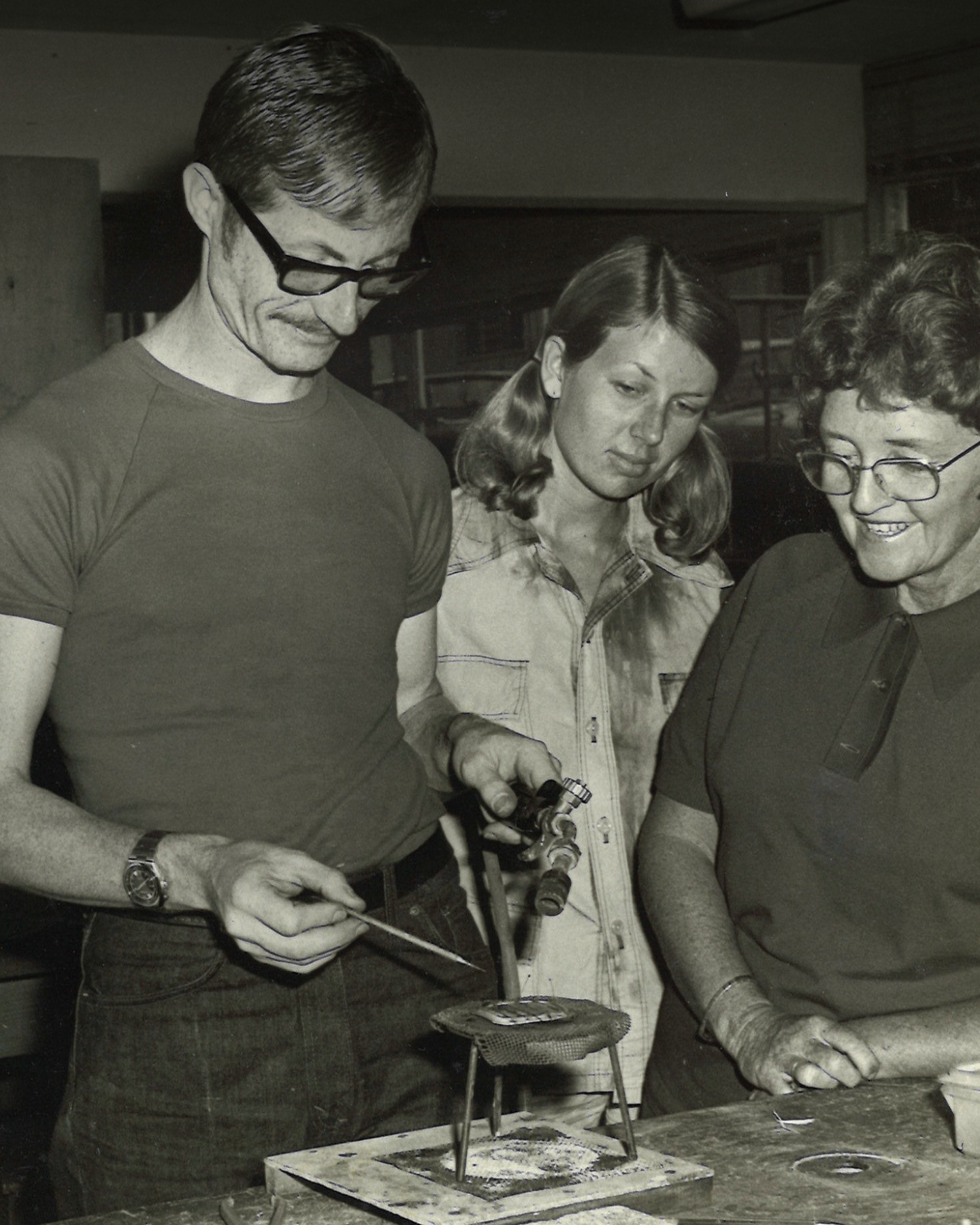
From overturning restrictive cultural policies in the 1970s to defending Indigenous artists’ intellectual property in the 1990s, artisan’s trajectory reflects a deeper truth: craft and design aren’t hobbies or luxuries – they are vital expressions of identity, economy and place.
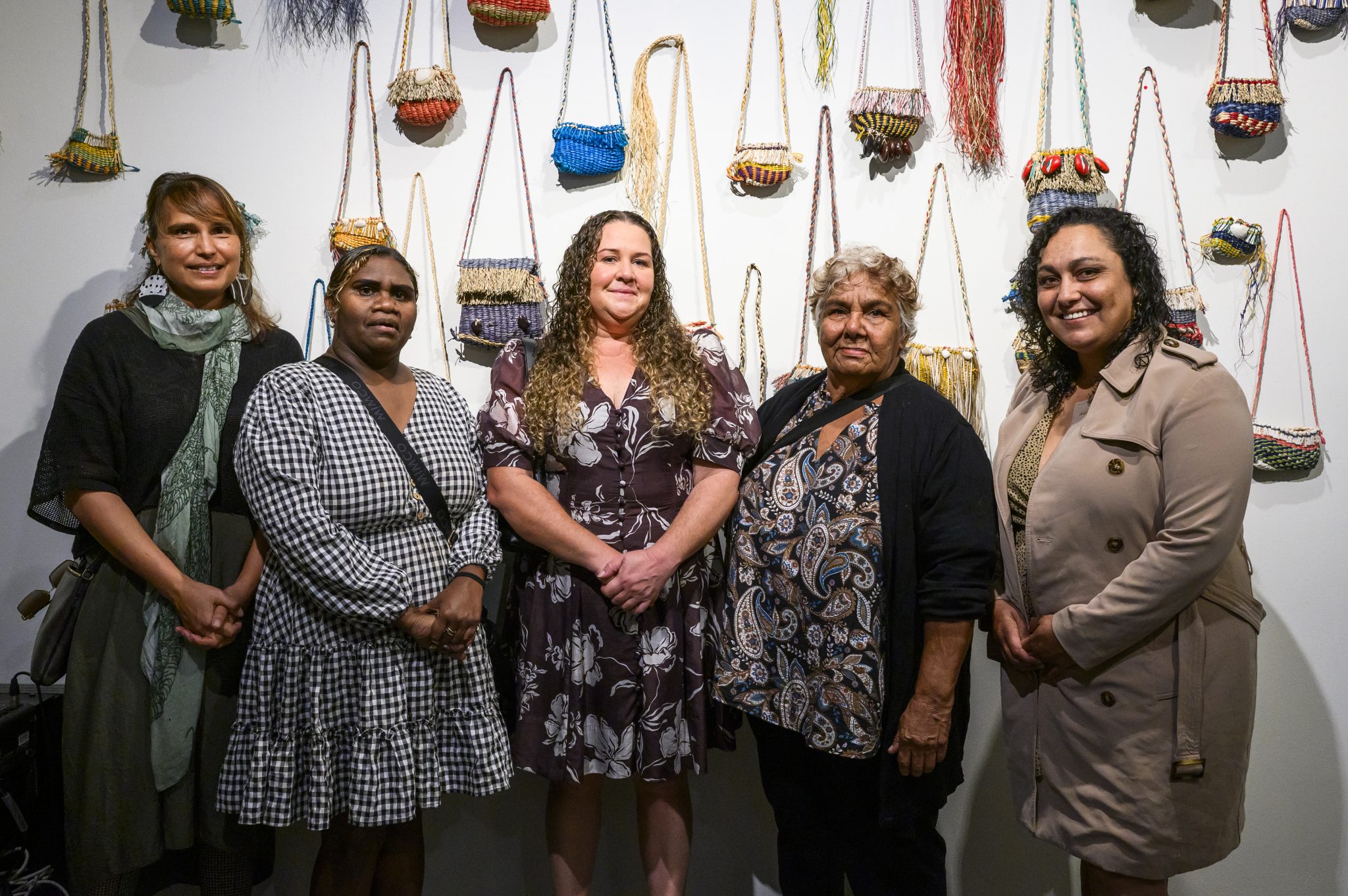
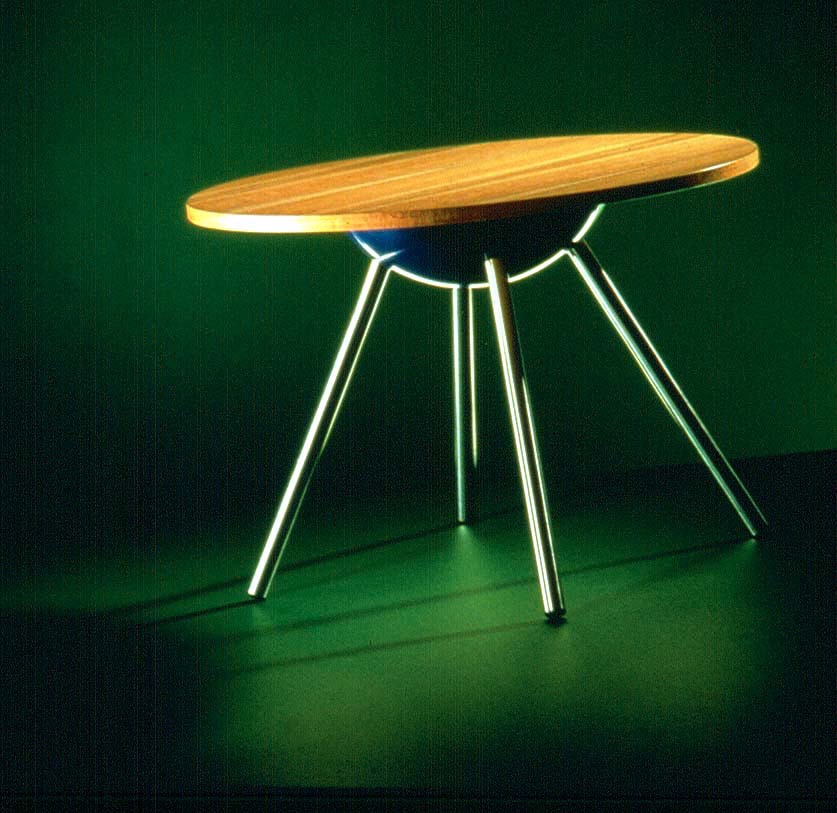
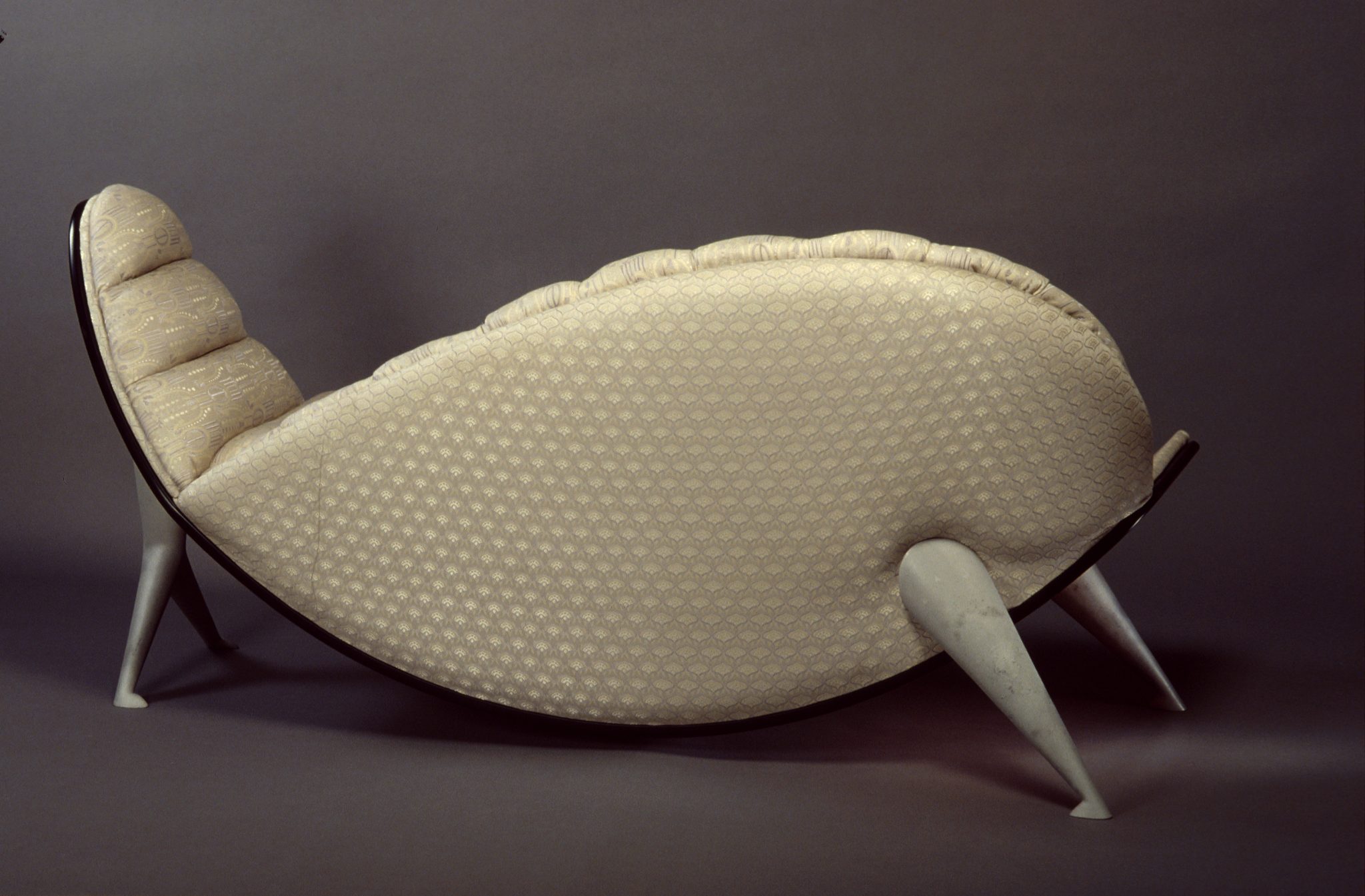
Artisan’s alumni are a roll call of Australia’s most innovative makers including the late Robert Dunlop and Gwyn Hanssen-Pigott and living legends Barbara Heath, Sheridan Kennedy, Delvene Cockatoo-Collins, Marc Harrison, Alexander Lotersztain and Nicolette Johnson to name just a few – alongside enduring partnerships with the state’s Indigenous art centres. These creatives share a lineage built on mastery of form and function, of materials and meaning, as well as a belief in the value of the handmade as a force for cross-cultural connection.
Resilience through reinvention
Over five decades, artisan has weathered diminishing funding, shifting political priorities and fickle fashions. The move to a purpose-built home in Fortitude Valley in 1998 expanded exhibition capacity and professional reach.
In 2007, the artisan rebrand aligned the organisation with contemporary design thinking and digital engagement. During the pandemic, artisan pivoted online almost overnight, hosting virtual exhibitions and workshops that kept makers connected to audiences worldwide.
Today, artisan’s reach extends beyond Australian shores to Asia, the UK and Europe, while continuing to champion Queensland talent through its emerging artists’ exhibition Unleashed, solo and group exhibitions, interstate and international residencies, and the archival project ARCHIVE 55, which elevates five decades of makers’ stories. As Queensland prepares for the 2032 Olympic and Paralympic Games, artisan is mobilising with major exhibitions, conferences and a strategic move into Brisbane’s cultural heartland.
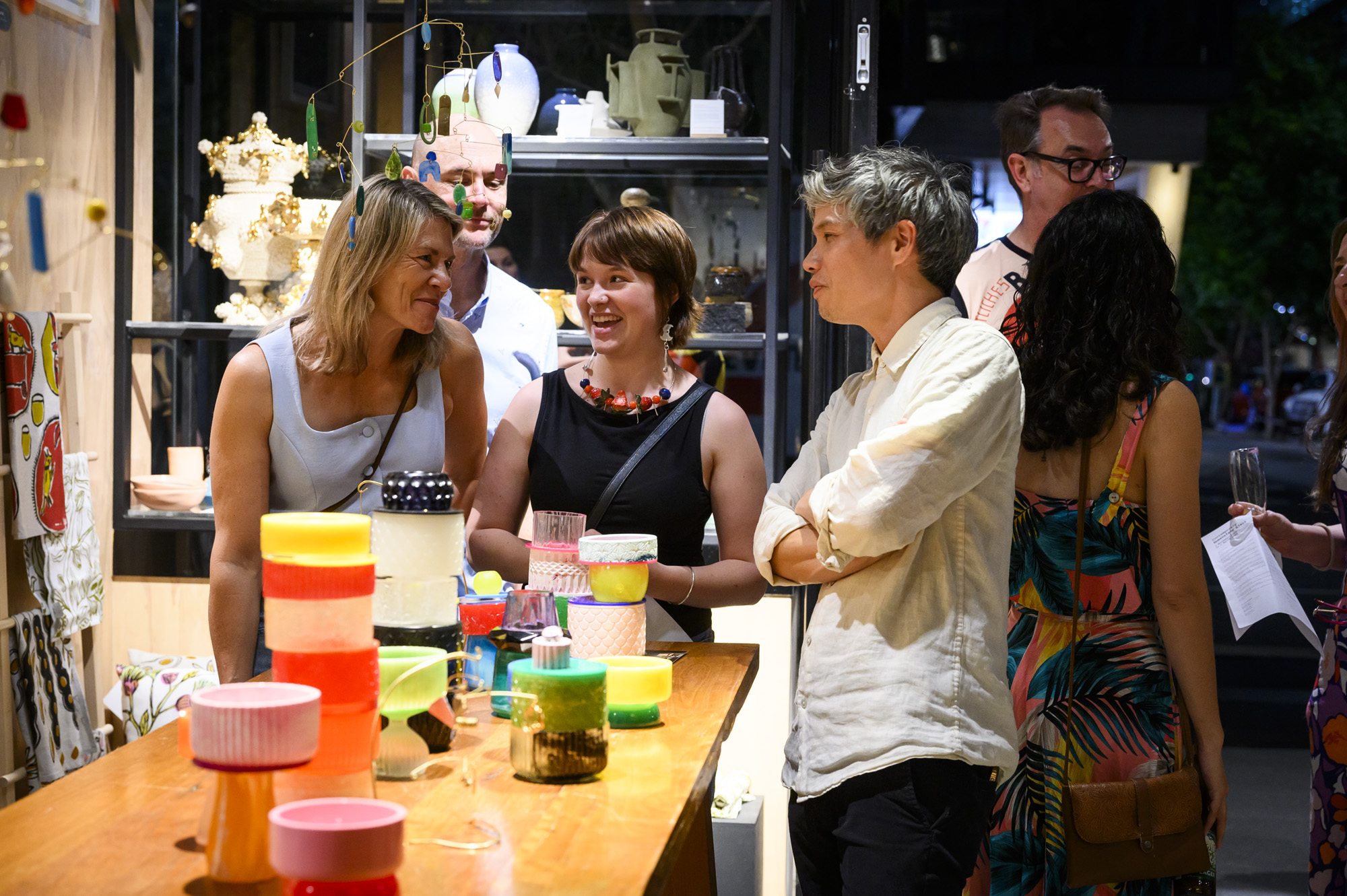
Established in 2004, artisan’s biennial Unleashed exhibition presents Queensland’s talented emerging craft practitioners.
Craft as connection
Artisan’s role has always been larger than its gallery walls or retail shelves. Through mentorships, residencies, touring exhibitions and international exchanges – including the recent delegation to World Expo 2025 in Osaka – the organisation connects makers with architects, designers, collectors and curators who recognise that consciously crafted objects do more than decorate spaces; they help define them.
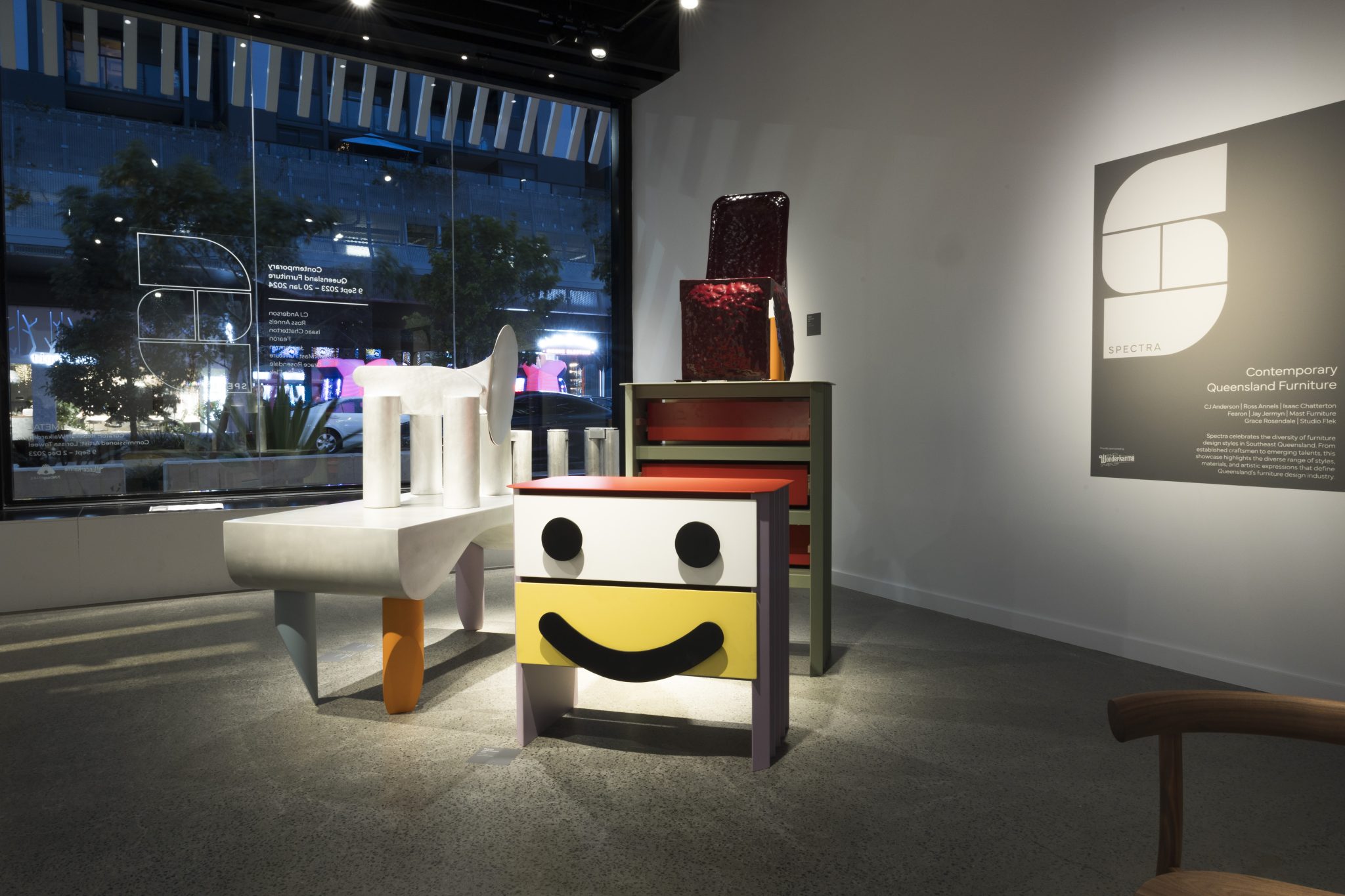
Collaborations between makers and designers are increasingly critical. Architects and interior designers are rediscovering what craftspeople have long understood: that tactility, imperfection and local provenance bring authenticity to built environments. Whether it’s a ceramic light fitting hand-thrown in Brisbane, a basket woven by traditional owners in Far North Queensland or a jeweller commissioned to create an architectural installation – each embeds narrative, texture and humanity into design practice.
The creative economy thrives when disciplines intersect. When designers collaborate with craftspeople, they produce works of scale and substance. When collectors and clients commission makers, they sustain not only individuals but a living cultural legacy.
A national network under pressure
Australia’s craft and design organisations – including artisan in Queensland, the Australian Design Centre in NSW, Craft Victoria, the Australian Tapestry Workshop, Design Tasmania, JamFactory and Guild House in South Australia, Craft and Design Canberra, Canberra Glassworks and others – form essential infrastructure for nurturing and showcasing creative industries.
Yet this ecosystem is increasingly fragile. After 61 years, the Australian Design Centre announced it will close in mid-2026 unless mission-critical funding is secured – a sobering signal that NSW may lose an integral cultural organisation at a time of surging public appetite for design thinking, creative education, authenticity and sustainability.
Governments often view the creative sector through short-term project grants and audience metrics. Philanthropy and partnerships certainly help, yet core operational funding is critical to pay staff, sustain programs, maintain archives and deliver education – the scaffolding that keeps cultural ecosystems alive. Without this continuity, the pipeline connecting student to studio, exhibition to export, and maker to marketplace collapses.
Why this matters – and how you can help
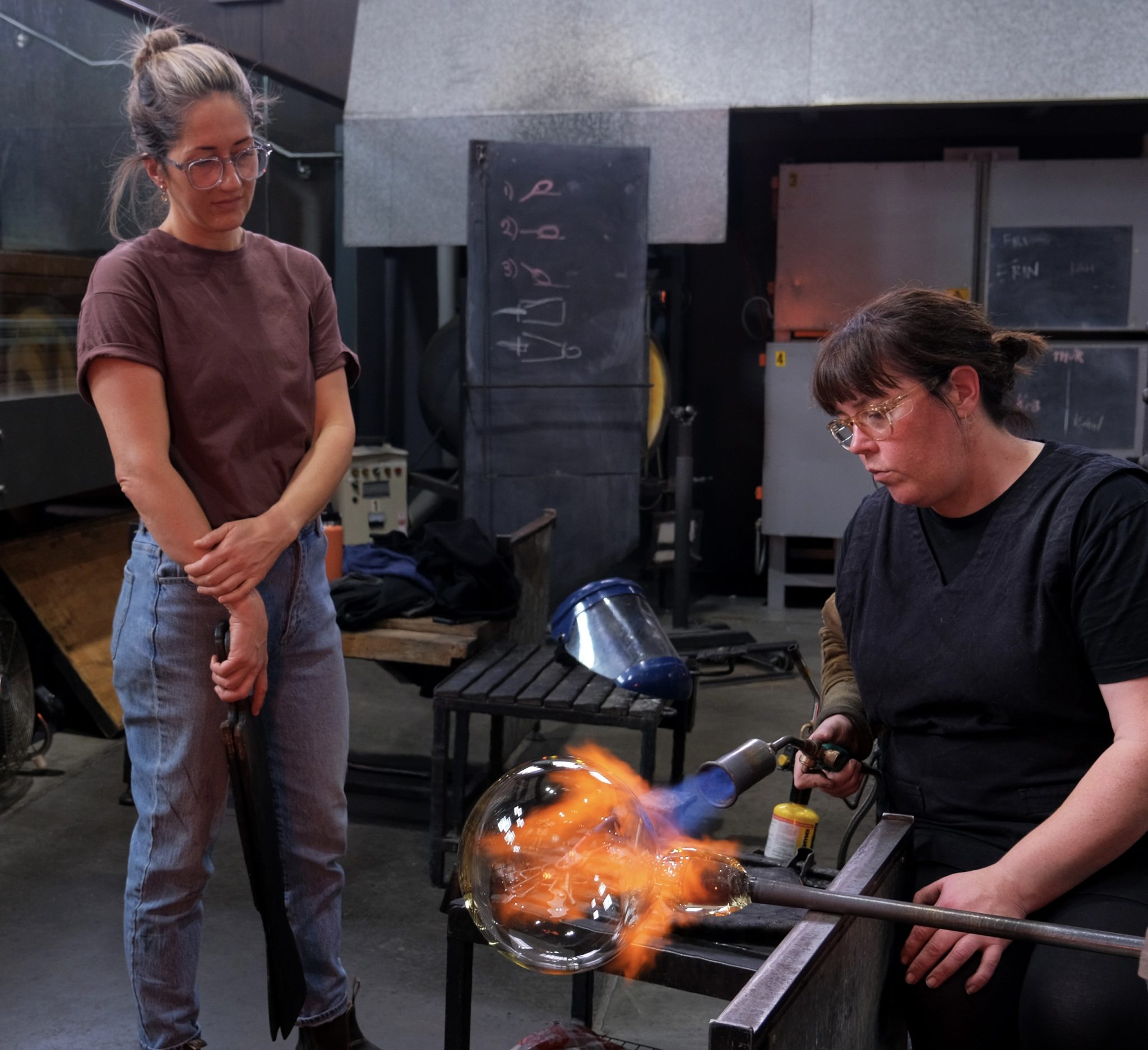
For architects and designers, the stakes are high. Craft and design organisations like artisan are innovation laboratories where material intelligence, design experimentation and sustainable practice converge. They cultivate the skills and philosophies that can improve our built environment.
“Communication is paramount as the back-and-forth between my knowledge of materials and the knowledge of others intersects to problem solve. This is the way pieces emerge: through community,” explains Varendorff.
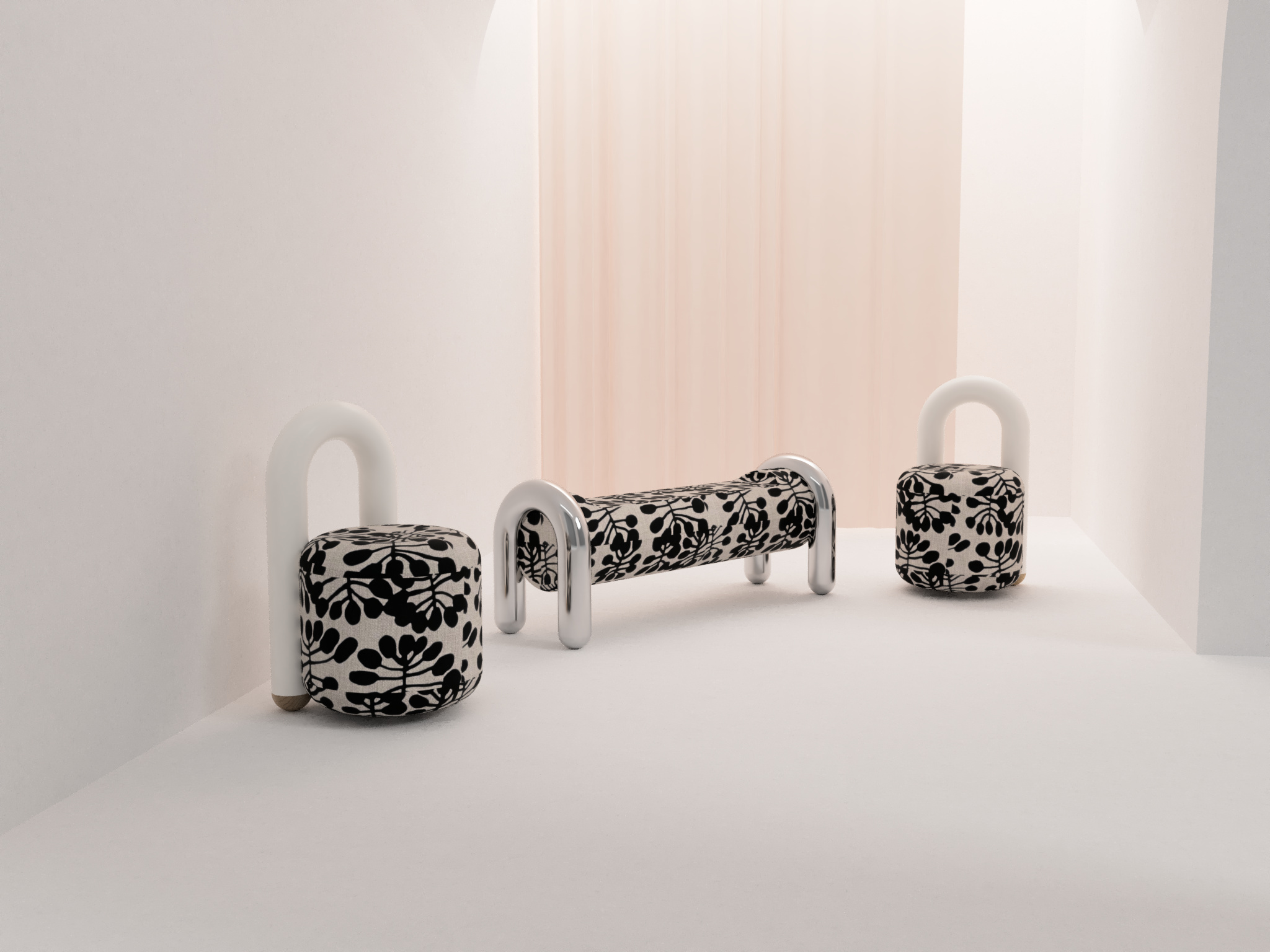
When architects commission a local ceramicist, textile artist, metalsmith or furniture maker, they embed cultural value into their projects – investing in a creative economy that prizes longevity over disposability, collaboration over competition, and stories over surface appearances.
In an era when artificial intelligence generates infinite images and mass production floods markets overnight, handmade craft remains one of the last frontiers of authenticity. Sustaining that meaning requires collective effort: governments valuing creativity as essential cultural infrastructure through equitable operational funding; philanthropists and corporations bolstering the sector through partnerships, fellowships and corporate gifting; and individuals – architects, designers, collectors – making a difference by acquiring, commissioning and championing Australian makers’ work.
As Varendorff says, without craft we risk drowning in ordinariness. Artisan and its peers keep creative capital buoyant – sustaining careers, connections and opportunities for the makers who help shape our shared future.
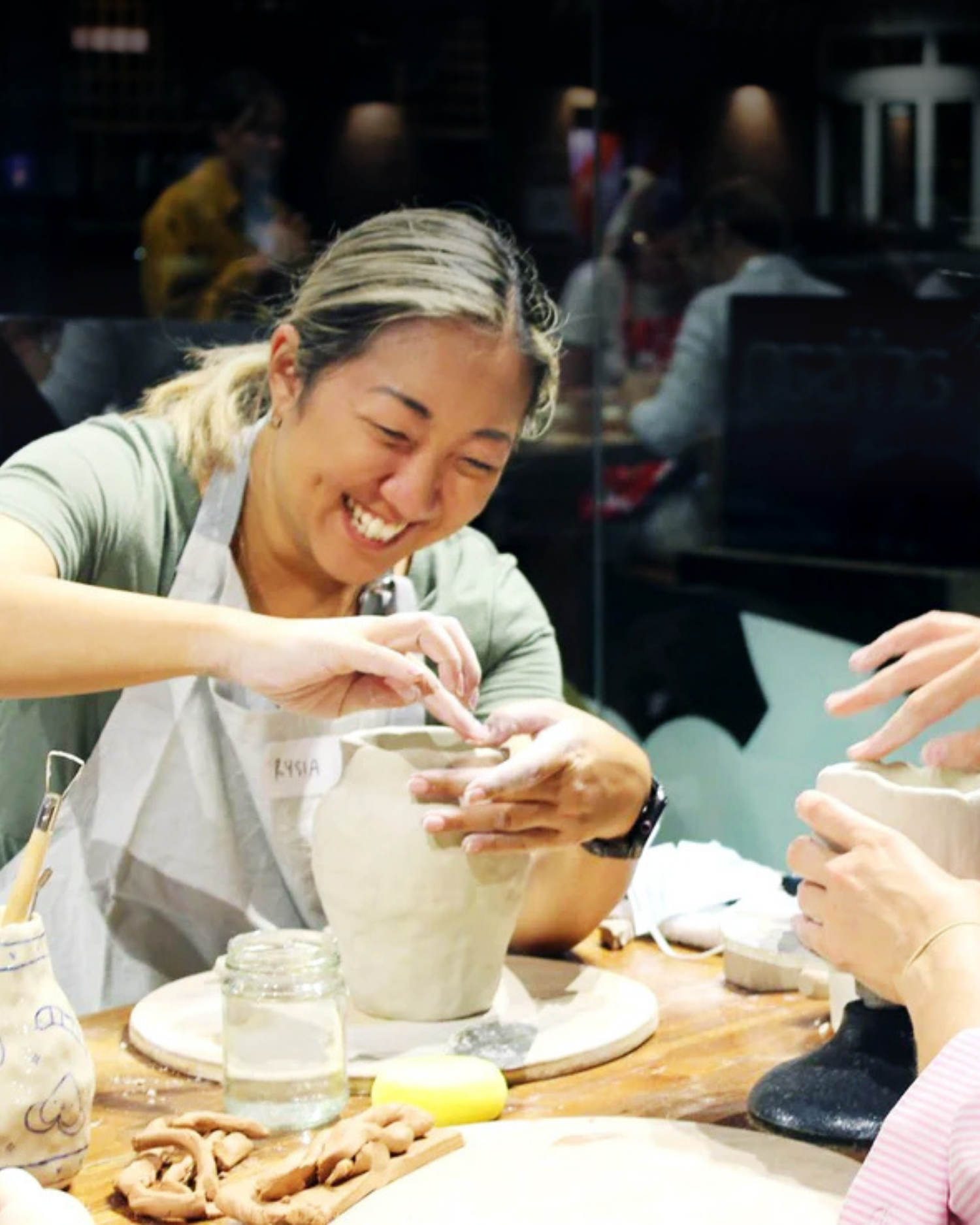

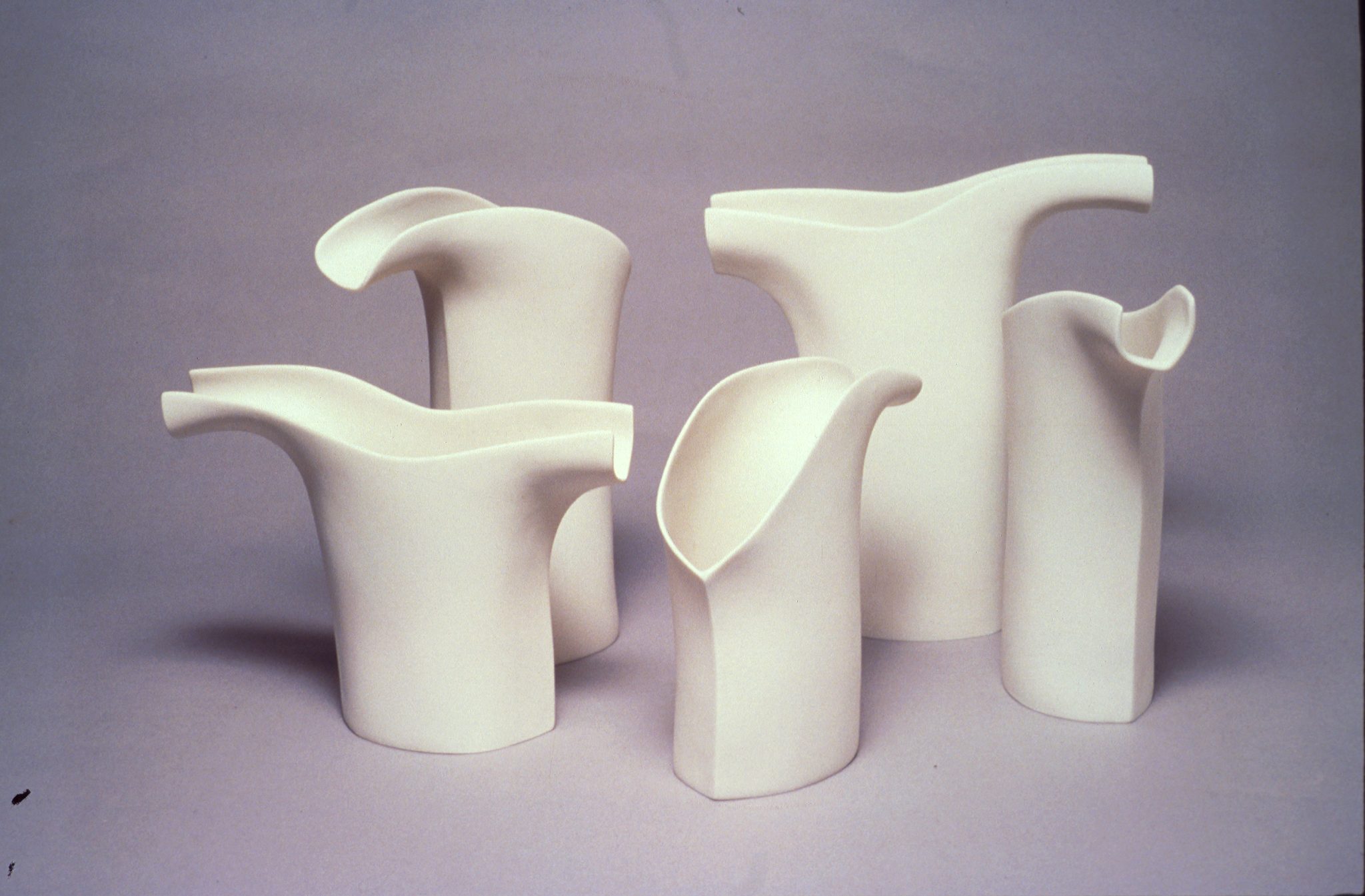
Lead image of work by Marc Harrison supplied by artisan.
This article originally appeared in inside magazine issue 122. Grab a copy here.
You Might also Like

Related Stories

© Niche Media 2026