

Carried away by Cartier?
Carried away by Cartier?

Share
The latest National Gallery of Victoria’s Winter Masterpieces exhibition is here. But while no one can doubt the exquisite artistry and consummate skills on display, how well does it sit to have a commercial brand as the title of the annual cultural draw card?
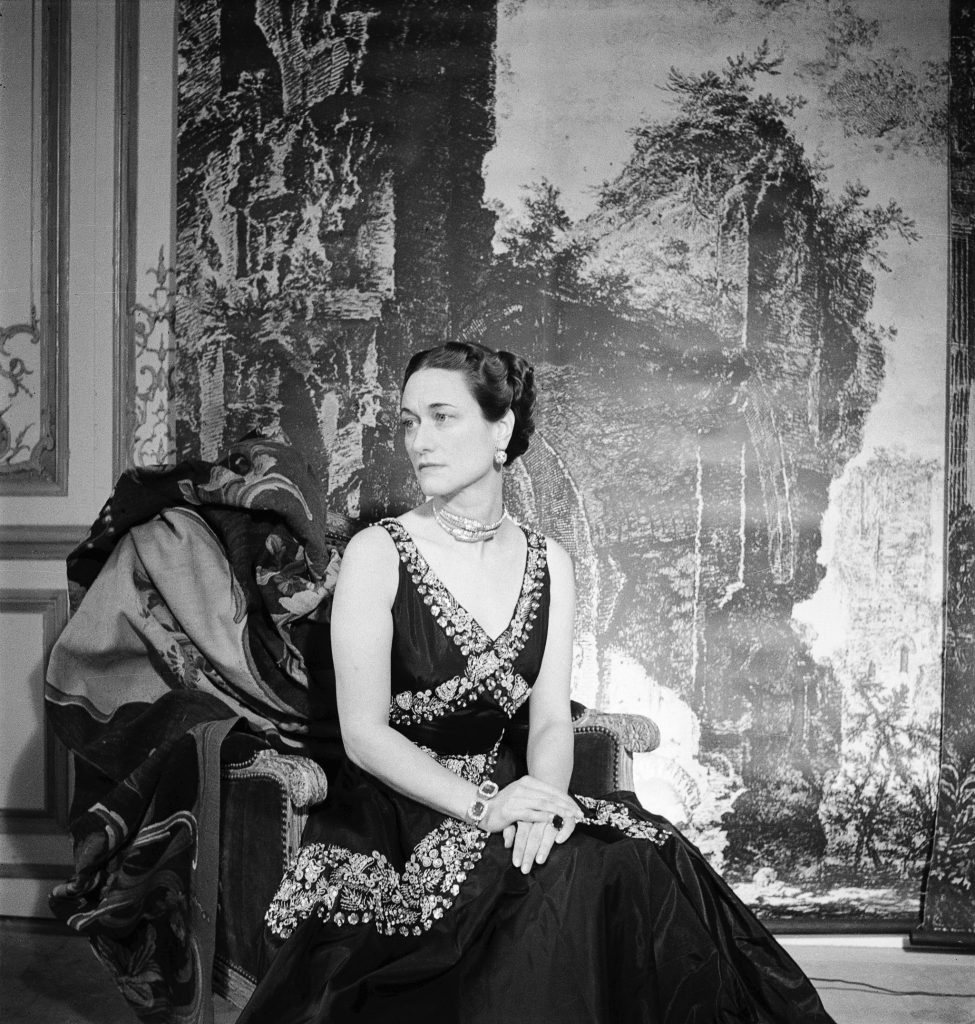
Full disclosure, I’m one of those for whom an interest, knowledge and appreciation of diamonds and finely crafted jewellery begins and ends with how they were devoured and sported by Elizabeth Taylor, Wallis Simpson and Marilyn Monroe. Diamonds will simply never be this girl’s best friend.
So an exhibition of the magnitude of Cartier invariably provokes a multitude of, sometimes conflicting, thoughts and responses.
And, after the disclosure, a caveat… Let’s face it, the NGV is invariably in a position of ‘damned if it does and damned if it doesn’t’, when it comes to programming its blockbusters and major exhibitions. Every year there seems to be some demographic or aggrieved party that will take umbrage at whatever the institution chooses to spotlight in this much envied and highly contested spot in the cultural calendar.
Another round-up of the Impressionists or Renaissance masters? Oh no, yet more old dead white males, someone will say. A Kusama extravaganza? Too populist and playful. Warhol and Wei Wei? Overrated and overexposed.
The genesis of the exhibition
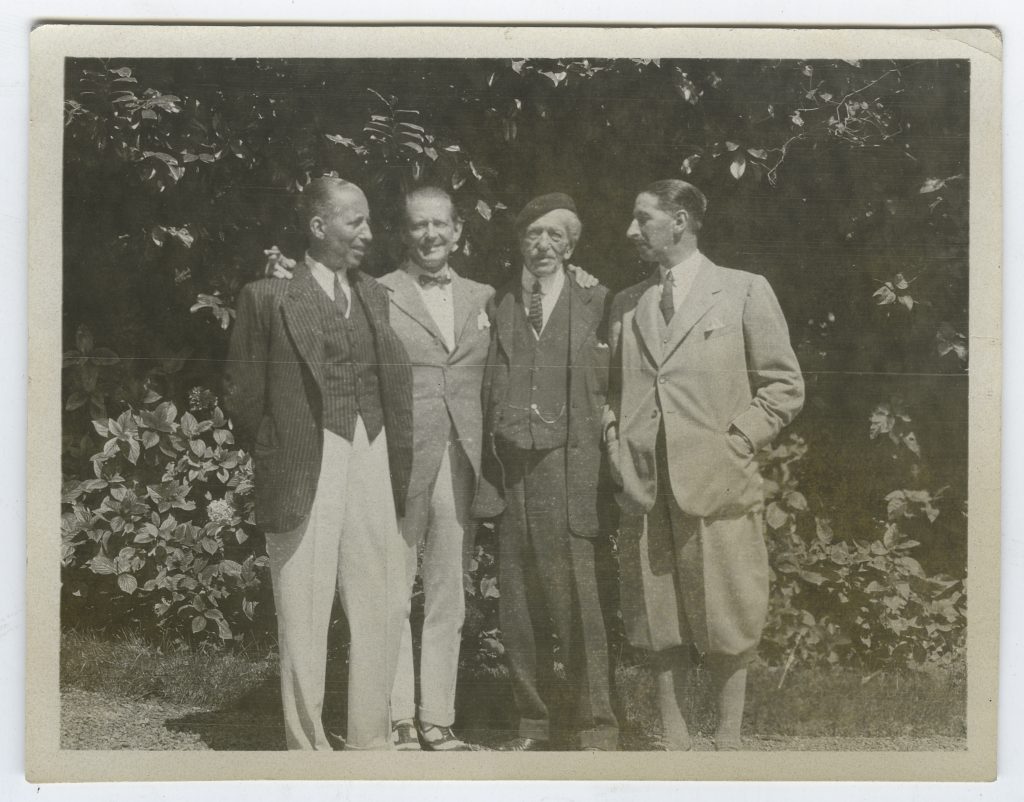
Cartier originated at the Victoria and Albert (V&A) in London, where it attracted over 400,000 visitors, as Daniel Slater, the V&A’s director of Exhibitions informed the crowd at the media preview. He also was at pains to pour praise on the NGV as one of only two places on Earth that could handle the extreme logistical demands of a show like this. (The other being the V&A of course.) It was gratifying for the state and Tony Ellwood was clearly moved by the tribute, but had the late lamented Lynda Gibson been in the audience, there may have been a less elevated and more authentically Australian response to his speech…
But this is all by way of saying that the NGV needs to program successful exhibitions and there’s every chance that, despite having an actual store literally up the road and around the corner (Collins Street), Cartier as an exhibition targeted at the general public is likely to do just as well here as it did in the UK.
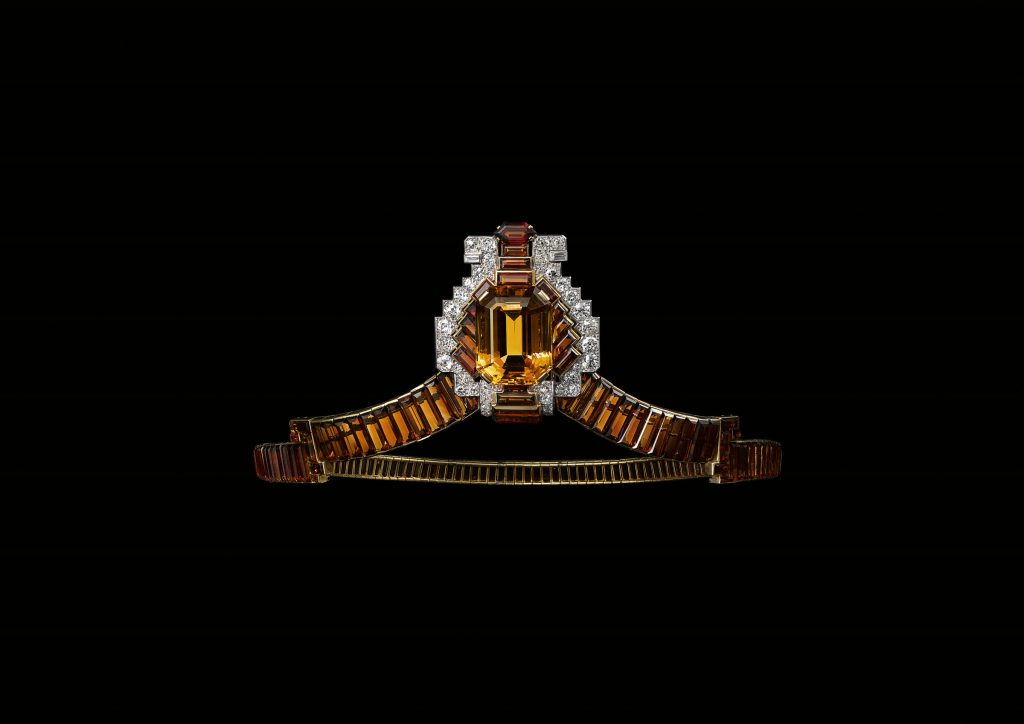
It’s the glamour, it’s the undeniable allure, it’s the association with the rich and famous – it’s all of that plus a hugely detailed history of a brand that has been impeccably documented and nurtured since the turn of the last century. Its ascension to the pinnacle of epitomising luxury and class came when brothers Louis, Pierre and Jacques Cartier took their grandfather’s brand and expanded it across the fashion capitals of the world at the time – Paris, London and New York – turning it into the so-called ‘jeweller of kings and king of jewellers’.
What to expect
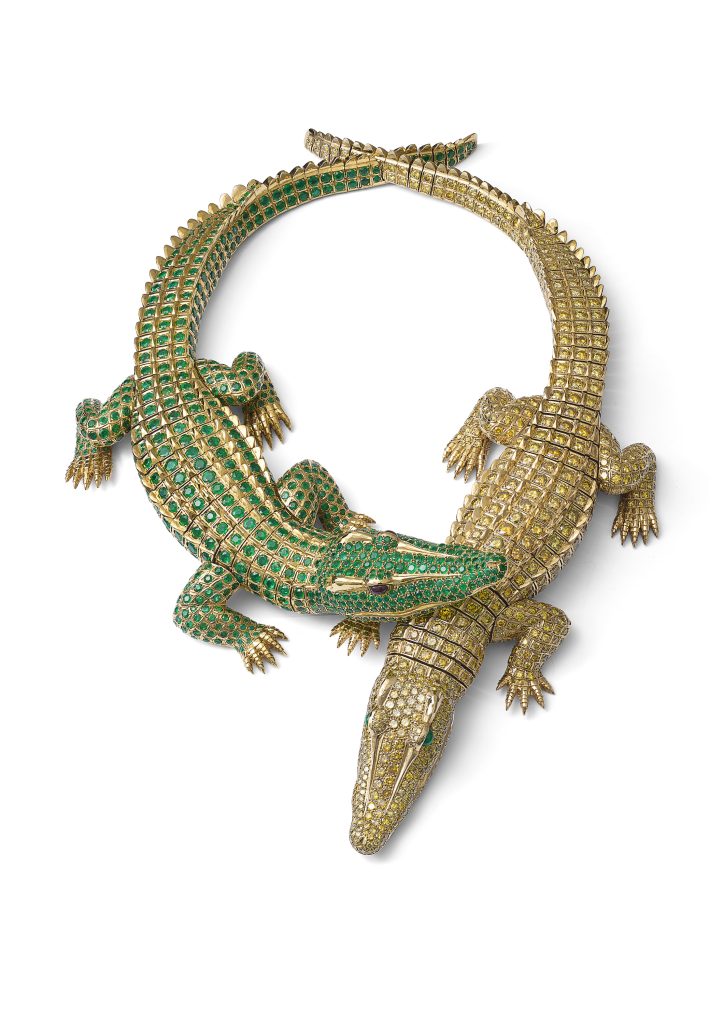
The exhibition includes nearly 400 precious gems and pieces of jewellery, along with artworks, hand-drawn designs, letters and other ephemera from those early days, contextualising the brand’s creations and legacy. But it’s the jewels that the crowds will come to see – pieces like the outrageous intertwined Crocodile necklace (1975) belonging to Mexican star María Félix, in which one croc is set with yellow diamonds and the other with emeralds.
Or then there’s her even more astonishing Snake necklace (1968), with its 2473 (count ’em) diamonds and scales enamelled in the Mexican flag’s colours.

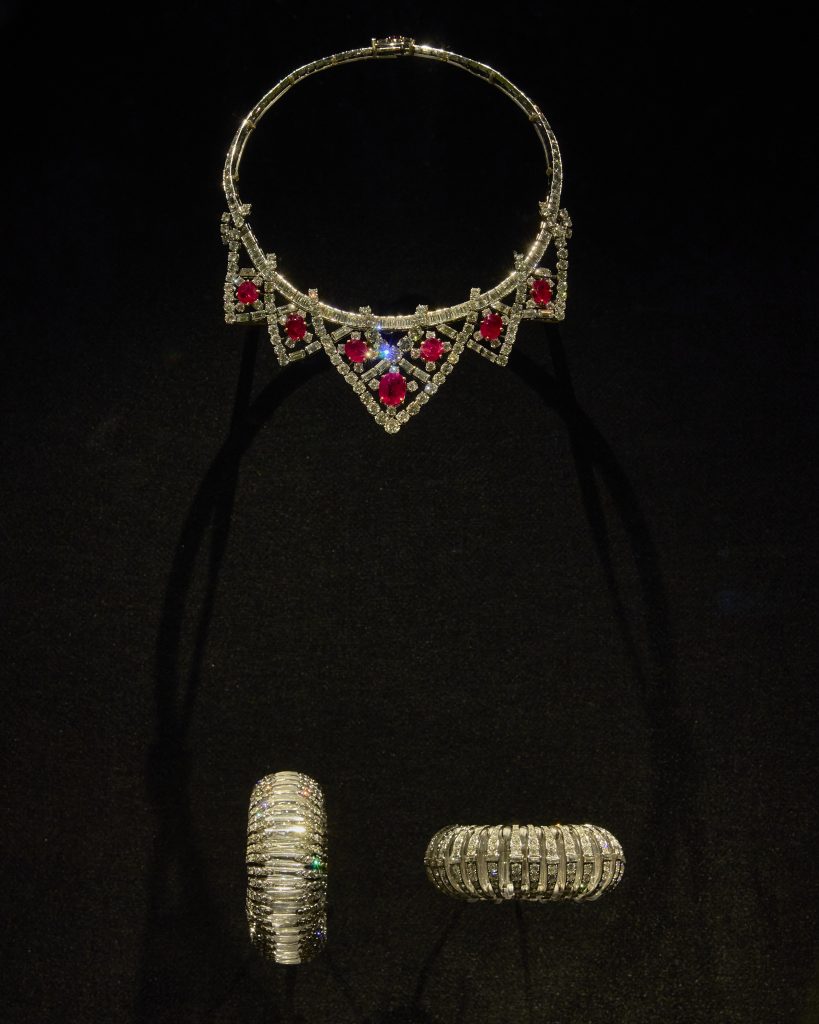
It wouldn’t be a jewellery exhibition worthy of the name without the inclusion of a piece belonging to the one and only Dame Elizabeth Taylor. And it comes courtesy of the geometric necklace given to her by producer and third husband Mike Todd (who tragically died in a plane crash just a year after they wed). This exceptional artefact features seven Burmese rubies in a piece that Taylor herself described as “like the sun – lit up and made of red fire”. Yes, but perhaps only really when you were wearing it, Elizabeth.
There are whole sections dedicated to specific periods and trends – the chunkier gold bracelets of the 1960s and 70s, designs informed by Egyptology and Chinoiserie, the ubiquitous panther designs, the jewellery associated with renowned Edwardian beauties, trendsetters of the 30s (such as the Mitfords and the aforementioned Wallis Simpson), and the crowned heads of Europe throughout the 20th century. The whole thing culminates in an entire section dedicated to the tiara alone.
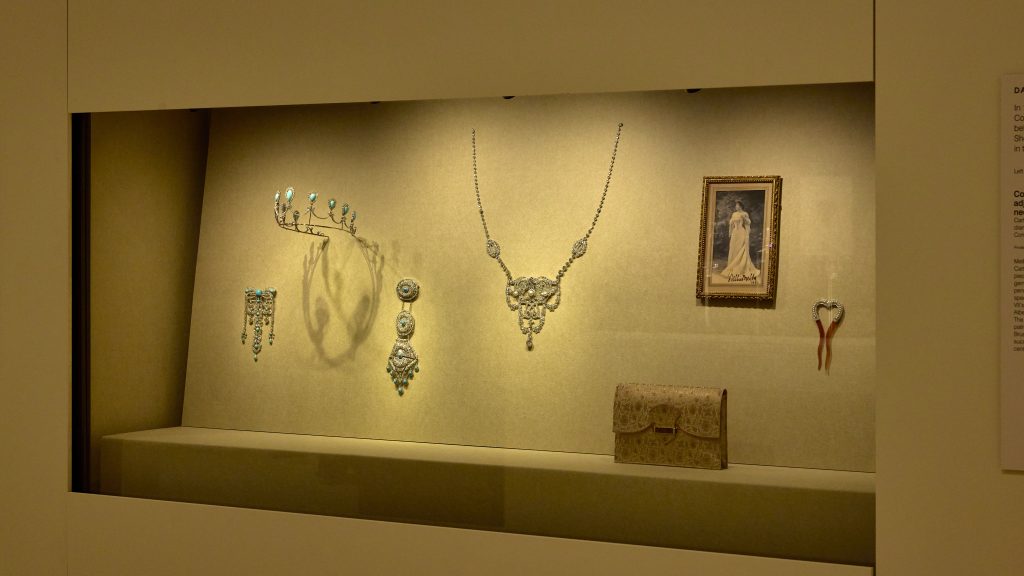
One of the most notable ways in which the exhibition has been expanded from its V&A roots is the inclusion of the jewels belonging to another memorable dame – Dame Nellie Melba. Apparently an early aficionado of the brand, she sported necklaces and bodice ornaments both on and off stage and sent a signed photo of herself to Pierre Cartier, presumably as a token of thanks.
Display design
The pieces are all behind glass (naturally) in a series of rooms that have been designed by Dutch-New Zealander Sabine Marcelis and her partner Paul Cournet of the studio, Cloud. With a considered colour palette reflecting and contrasting the items on display, the effect is dramatic. But, be warned, those who live to photograph and document every last skerrick of such exhibitions may find the conditions challenging. With some tiny pieces that all glitter and gleam behind reflective spotlit glass, getting that killer shot may take some doing.
But, you can’t help thinking, there is one thing missing here. The layout of the objects has been clearly and precisely organised. There is plentiful and comprehensive information regarding the provenance of each individual piece in the didactics (a term Paul Bowers despises, but as he doesn’t offer a suitable alternative, we’re sticking with it), but there is an omission that seems increasingly glaring.
When you talk of 2000-odd diamonds in one piece of jewellery, surely the most logical question, however crass, is – how much? When the insurance, transporation and security considerations for this exhibition must be almost unfathomable, your head can’t help but spin at the thought of the millions of dollars sitting behind these display cases, and yet not a mention is made. It’s almost coy.
But then, on the othe hand of course, we wouldn’t attend an exhibition of Renoirs, Van Goghs or Picassos and have the same thought. We may be aware that the NGV paid $1.3 million back in 1973 for Blue Poles, but inside the gallery walls the dollar-valuation of the pieces on display takes an absolute back seat to the appreciation of their skill, their artistry and their heritage.
Why would it be different with Cartier? Because it’s a brand? Melburnians (and the usual charabancs full of out-of-towners) can argue about this one among themselves, but I’m guessing they’ll still arrive in their hordes to look on, to dream and to envy.
Top image: Cartier, Bracelet 2015. Cartier Collection © Cartier. Photo: Vincent Wulveryck.
Melbourne Winter Masterpieces: Cartier is open now and runs until 4 October 2026 at the National Gallery of Victoria International in St Kilda Road, ticketed.
You Might also Like




Related Stories

© Niche Media 2026