

‘Plants are protagonists in human evolution’

Share
Sixty-four percent of global textile production uses synthetic fibres, while only about nine percent of plastics are successfully recycled each year worldwide. The latest National Gallery of Victoria (NGV) exhibition, Plant Life, seeks to provide alternative material solutions derived from plants.
As our reliance on synthetic products – plastics, synthetic adhesives, polyester, synthetic foams… the list goes on – continues to grow, our knowledge of plant-based, natural materials diminishes.
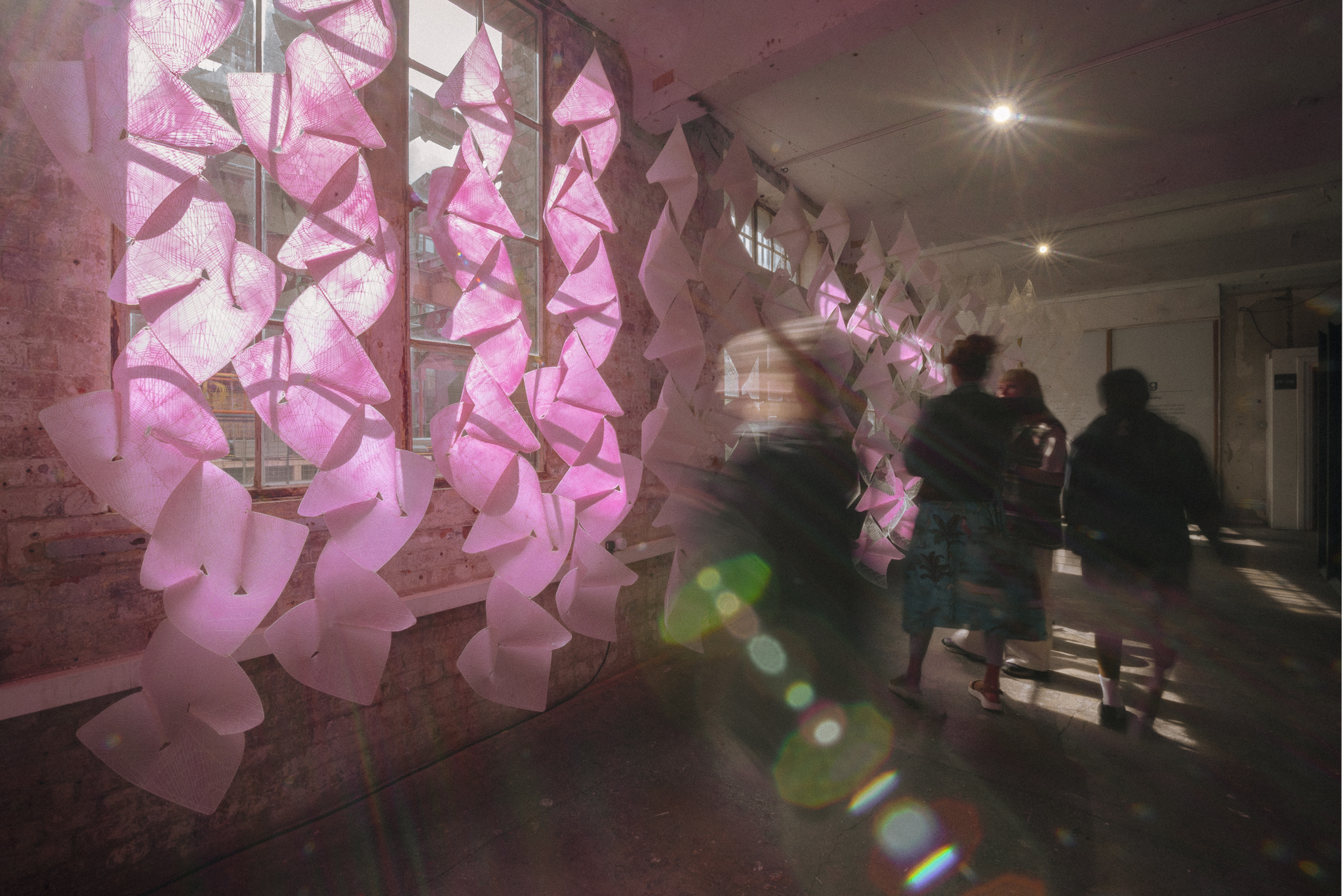
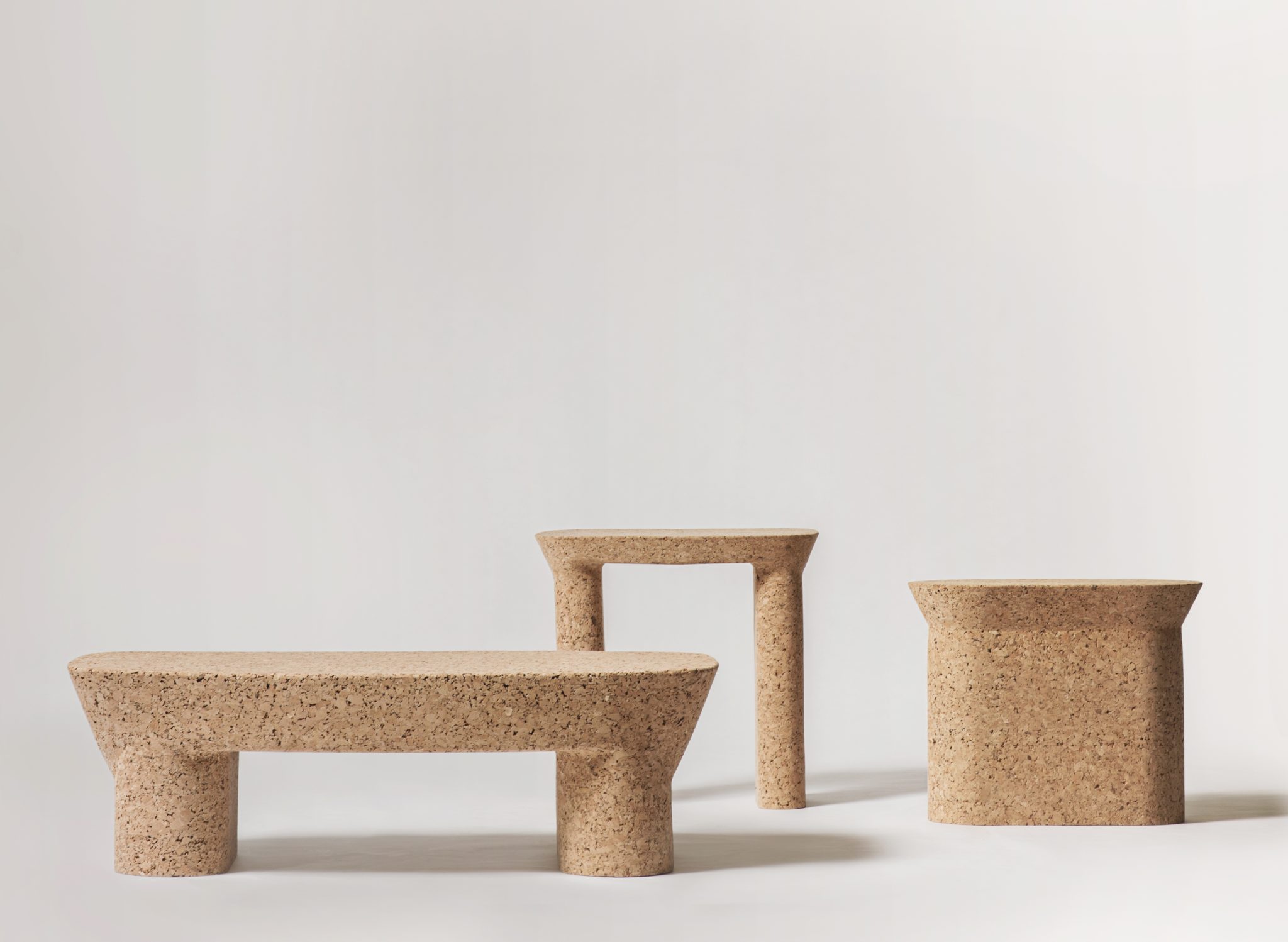
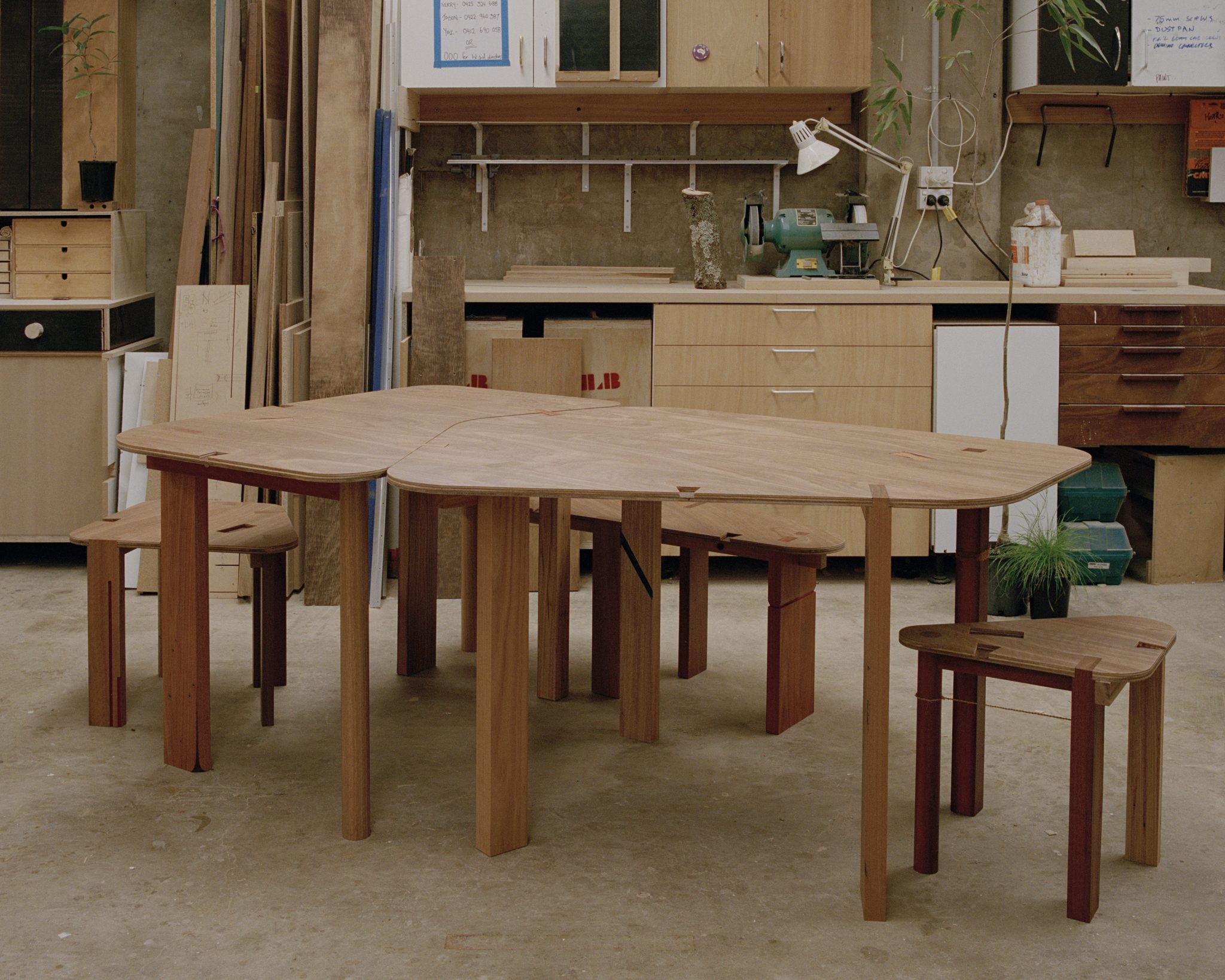
From leather grown from fungi, to light-reactive bioplastics and fibreboard made from hemp and bioresin, the exhibition features the work of leading designers using plant-based materials, including FormaFantasma (Milan), Joris Laarman (Amsterdam), Crafting Plastics (Bratislava), EAST Architecture Studio (Beirut), alongside Australian practitioners Kate Scardifield, Ed Linacre, Broached Commissions and more.
The Plant Life concept is also being integrated into the exhibition design, with all the plinths and displays being made from hemp-based plant board, which is fully compostable. As an alternative to MDF and plywood, which are made using carcinogenic urea-formaldehyde glue, the plant board was conceived by Joost Bakker and developed by Forest One.

Exploring humanity’s relationship with plants
When talking about the role of plants in the history of design, NGV senior curator of contemporary design and architecture Ewan McEoin described plants as “protagonists in human evolution and all our cultural systems”, noting that the “first functional artefacts, such as tools and implements, art, shelter, clothing, all relied on plants”.
Developed in partnership with NGV’s Futures Partner, RMIT University, Plant Life traces humanity’s relationship with the plant world through design. Over 60 objects will be on display spanning furniture, architecture, decorative arts, craft, photography and film. On top of the archive pieces from the NGV collection, the exhibition also includes 15 new acquisitions alongside key international loans.
Acknowledging the traditional materials and techniques of First Nations cultures that have been used for millennia, McEoin says the exhibition frames plant-based materials as something not simply from the past, but fundamental to our contemporary existence and vital to our future.
A cautionary tale
While optimistic, McEoin describes Plant Life as “grounded in conversations about the ethics of where we’re heading”.
The exhibition is a call to action urging people to move away from plastics. However, it’s not as simple as ditching one product for another.
“If we’re replacing vast amounts of one material with something else, where is that material going to come from?” says McEoin. “For example, if we’re going to replace concrete with a masonry made of algae and oysters, which we have in the exhibition, that’s great, but where’s the algae coming from and where are the oysters coming from? Sometimes these things look great as experiments, but if you thought about deploying them globally at scale, they could be worse than what we already have.”
Whenever we use materials at scale, we risk decimating biodiverse ecosystems in favour of a single crop – we’ve all seen David Attenborough warning of palm oil farms threatening rainforests. But this isn’t a new phenomenon by any means. Drawing on archival pieces from the NGV, Plant Life explores the history of the globalisation of natural materials.
“I wanted to make sure that, although we’re looking towards the future, we are also grounding the exhibition in the time of modernity and the time of globalisation and extraction, colonial expansion,” says McEoin. “These are cautionary tales of the unintended consequences of anything at scale.”
Knowledge embedded in first cultures
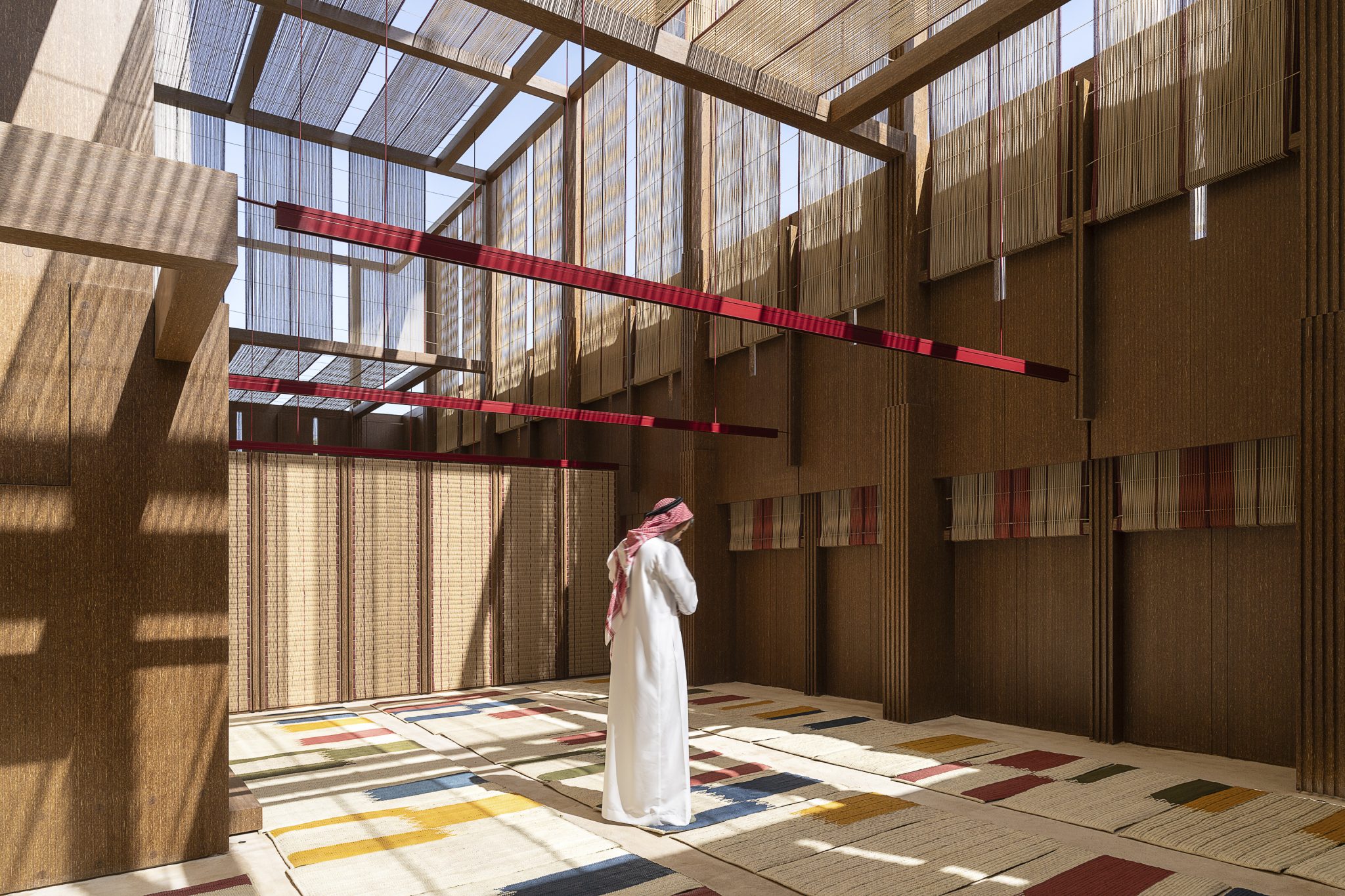
A key theme in the exhibition is the endurance of plant materials across cultures, particularly First Nations cultures around the world.
“There’s this huge amount of deep knowledge that’s embedded within a lot of first cultures around the world, and this includes not just what we think of as being traditional owners, but in all human cultures,” says McEoin. “In certain parts of the world, we’ve lost that knowledge to some extent. But no matter where you’re from, fundamentally producing food, producing textiles, producing shelter was knowledge that was shared among all people. And some of that knowledge was lost or is being lost because we’ve shifted towards other materials, generally synthetics.
“I suppose what we’re reminding people is, this is deep,” continues McEoin, “and that section of the exhibition is called Enduring Relationships. This is deep and ongoing, and it’s a reciprocal arrangement because through building knowledge of plants, we also propagate them. So certain plants have become more prevalent in the world because of us propagating them and nurturing them and having relationships with them over time. So then we go back to the beginning, which is if we’re moving towards a future that is going to be more plant-based, we need to think about how that knowledge is then integrated back into the system.
“Plant biology has brought us to a place where we know that plants operate in a much more interesting way than we realised. But that is what Indigenous people have been saying for hundreds of years. There’s a sort of circularity in the whole exhibition concept, which frames Indigenous material as contemporary practice, rather than historicised, and it will probably be very important information as we navigate into the future.”
A vision for the future
You’d be forgiven for delving into this topic and feeling a sense of hopelessness or overwhelming dread, but there is light in the darkness. Plant Life is just scratching the surface to reveal some of the practitioners and designers working in this space. There are many more out there, and McEoin reflected that they could do several exhibitions on this topic.
“These things take time. It’s taken us 150 years to create the material ecology that wraps around the modern world. It probably will take us a hundred years to get back out of that space.”
Redesigning our world is an iterative process, material by material, product by product. “We certainly can see that it’s accelerating,” says McEoin.
Permeating through the exhibition is an undercurrent of slow, ethical design and consumption. McEoin’s hope is that Plant Life makes people think about the things they own and purchase, and perhaps “move away from fast fashion and throwaway products towards things that are lifetime commitments”.
Plant Life opens at the NGV Ian Potter Centre on Friday 28 August and runs until 7 February 2027. The exhibition is free to attend.
Top image: Fernando Laposse, ‘Resting Place’ 2023, from the Conflict Avocados project 2023, National Gallery of Victoria, Melbourne.
Commissioned by the National Gallery of Victoria, Melbourne. Purchased with funds donated by The Andrew and Geraldine Buxton Foundation, 2023. This artist has been supported by the Elizabeth Summons Grant in Memory of Nicholas Draffin. This project is proudly supported by Mercedes-Benz. Image: © Fernando Laposs.
You Might also Like


Related Stories

© Niche Media 2026