

How to choose tiles for every space in an Australian home
How to choose tiles for every space in an Australian home

Share
Colour may be the first thing we notice about a tile, but it is only one part of the decision.
Finish, format and location can have just as much influence on how a tile looks, feels and performs. A glossy tile suited to a shower wall may be slippery underfoot, while honed stone that works beautifully indoors can require different care beside a pool. In Australian homes, where interiors often extend into alfresco areas and exterior surfaces are exposed to strong sun, heavy rain and salt air, these distinctions become particularly important.
This guide considers four key applications: bathrooms, flooring, mosaic details and outdoor spaces, with practical considerations for selecting tiles for each.
Bathroom tiles: balance atmosphere with practical needs
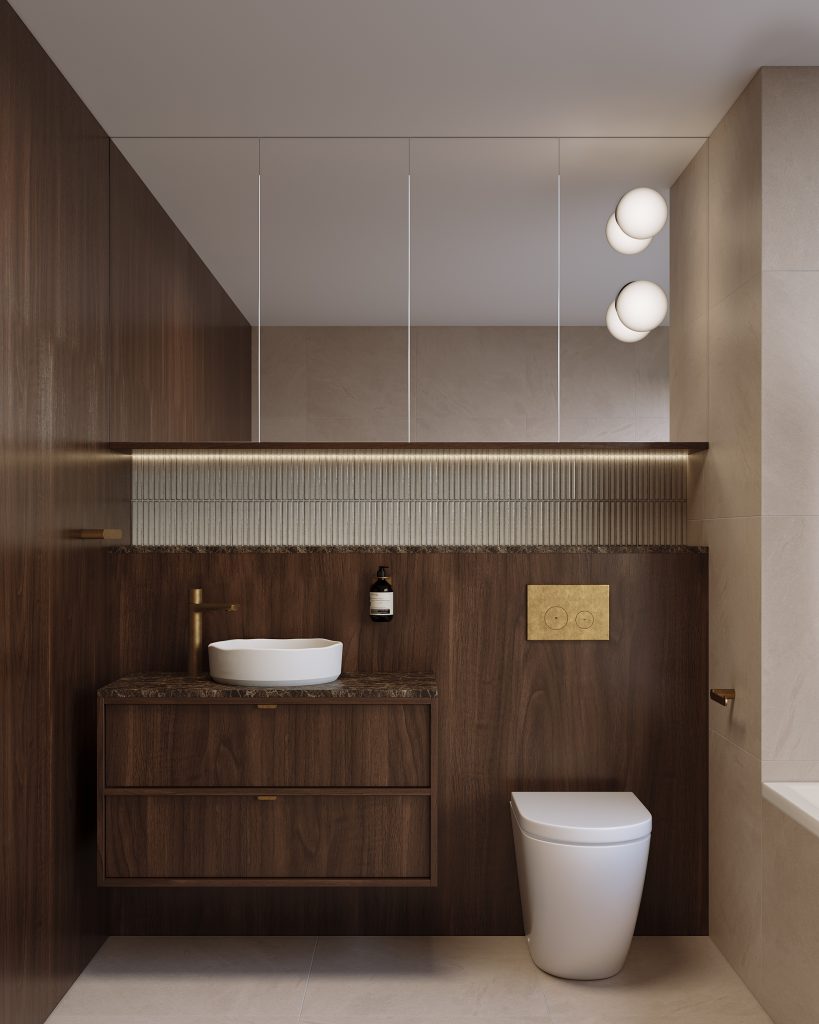
Bathrooms ask tiles to perform in different ways. While walls help establish the atmosphere of the room, floors and shower recesses need to withstand water and daily use. Tiles themselves are not a waterproofing system, so wet areas require a compliant membrane beneath the surface and floors correctly graded towards the waste. Once those fundamentals are addressed, surface and format become the key considerations.
On the floor, grip comes first. Check the slip rating of each product and confirm that it is suitable for wet areas, as some bathroom tiles are designed for walls only. Matte and textured finishes generally provide more traction than polished surfaces, while smaller formats can be particularly useful in shower bases. The additional grout lines provide grip underfoot and allow the tiled surface to follow the fall towards the drain.
Walls offer more freedom. Gloss finishes can reflect light through a compact or windowless bathroom, while handmade and textured tiles introduce depth around a vanity or bath. Format can shift the character of the room too. Large tiles with fewer grout lines create a quieter, more continuous surface, while vertically laid rectangular tiles can draw the eye upwards.
ABI Interiors’ bathroom tiles explore this relationship between format, finish and texture, showing how each can influence the overall character of a bathroom.
Floor tiles: choose for daily use
Floors in kitchens, living areas and hallways take more wear than almost any other surface in the home, from constant foot traffic and tracked-in grit to dropped objects and frequent cleaning.
Porcelain is a practical choice for high-traffic areas because its dense body absorbs very little water, making everyday spills easier to manage. Natural stone brings variation and character to warmer, more textural interiors, although it generally requires sealing and cleaning with pH-neutral products.
Finish influences both appearance and upkeep. Matte and honed surfaces tend to disguise footprints and light scuffs, while polished finishes reflect more light, but show marks more readily and can become slippery when wet.
Format also changes how a space is perceived. Large tiles reduce the number of grout lines, creating a more continuous surface through open-plan kitchens and living areas, although they require a particularly flat substrate for a successful installation. In hallways, rectangular tiles laid lengthwise can emphasise the proportions of the space, while smaller patterned tiles can give an entry a distinct identity.
Looking beyond colour when comparing floor tiles, particularly at material, finish and format, can help narrow the choice to a surface that suits how the space will actually be used.
Mosaic tiles: add detail where larger formats cannot
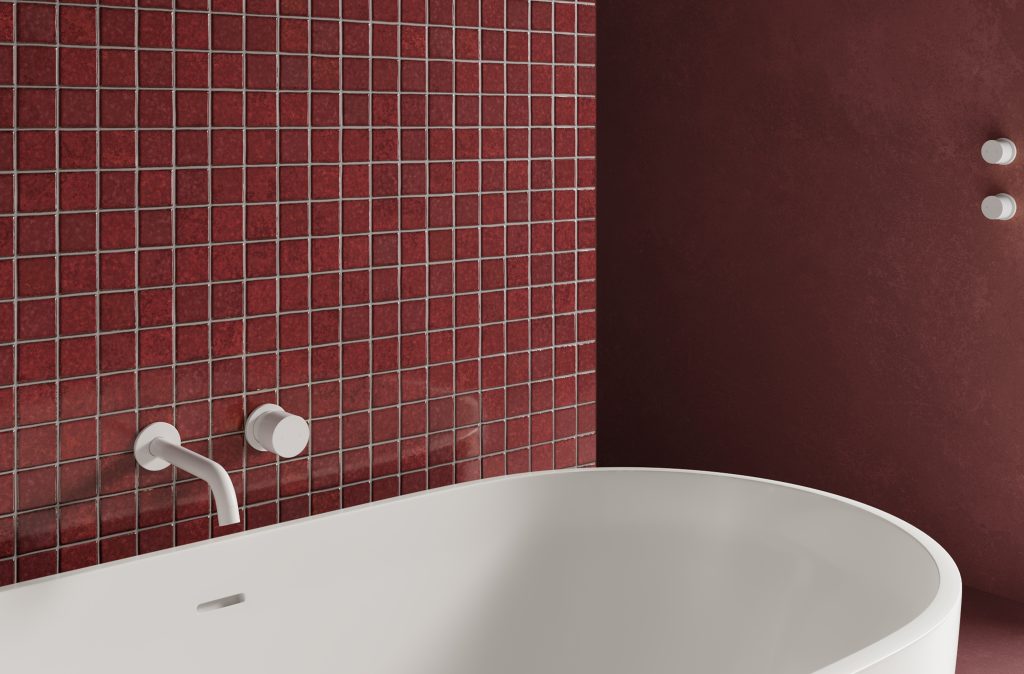
Mosaics can work across surfaces that larger tiles cannot. Supplied on mesh-backed sheets, their small individual pieces can follow curved walls, arched niches and rounded vanity fronts, where larger formats may require repeated cutting or struggle to sit flush.
They are particularly effective in contained areas. A splashback can introduce pattern without overwhelming a kitchen, while a mosaic-lined shower niche adds detail to a bathroom otherwise finished in larger formats. On a feature wall, finger mosaics create a sense of vertical rhythm, while square mosaics form a quieter, more structured grid.
Grout also plays a more prominent role with mosaics. A contrasting colour emphasises the pattern and individual pieces, while a closely matched tone allows the surface to read as a more unified texture. With a greater number of joints, grout choice should also take cleaning and maintenance into account, particularly around sinks and in showers.
Mosaics can also create continuity between surfaces. Using the same material or colour at different scales, such as a travertine mosaic in the shower alongside larger travertine tiles on the bathroom floor, creates a connection while allowing each surface to serve a different purpose. ABI Interiors’ range of mosaic tiles – including travertine finger mosaics and terracotta square mosaics – demonstrates the variety that can be achieved through material, scale and format.
Outdoor tiles: plan for Australian conditions
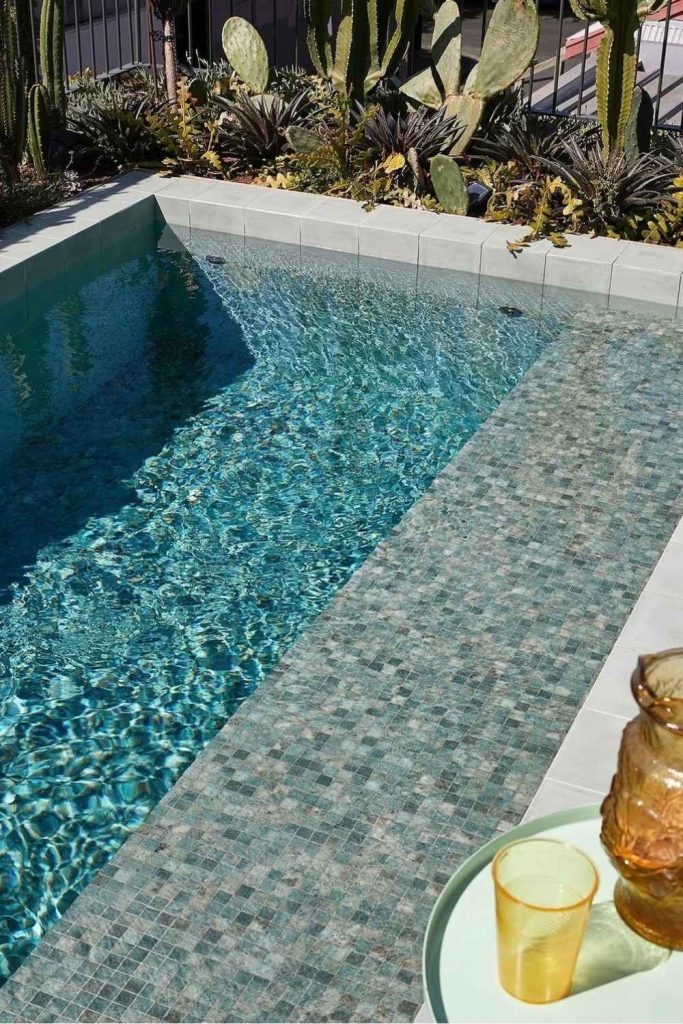
Outdoor surfaces face conditions that interior tiles do not. Patios, alfresco areas, pathways and pool surrounds are exposed to intense UV, summer heat and heavy rain, as well as frost in cooler regions. In coastal areas, salt air introduces another consideration.
Suitability for exterior use is the first consideration, particularly for tiles used underfoot. Some outdoor tiles are intended for walls only, making the product specifications as important as appearance. Porcelain’s low water absorption makes it a practical option where frost is a concern, while natural stone may require sealing when used in exposed areas.
Grip becomes particularly important wherever surfaces are likely to get wet. Outdoor areas and pool surrounds generally require greater slip resistance than interior floors, especially where people are walking barefoot. The appropriate rating will depend on the application, so it is worth confirming the requirements with the supplier or tiler.
Colour can influence comfort as well as appearance. Darker tiles absorb more heat in direct sunlight and can become uncomfortable underfoot around pools and on north-facing terraces, making lighter tones a practical consideration for highly exposed areas. Drainage matters too, with surfaces laid to appropriate falls, so water can clear efficiently after heavy rain.
Where living areas open directly onto a garden or terrace, outdoor tiles in a similar tone to the interior flooring can create a stronger visual connection between the two, even when the exterior surface requires a more textured finish.
Make the selections work together
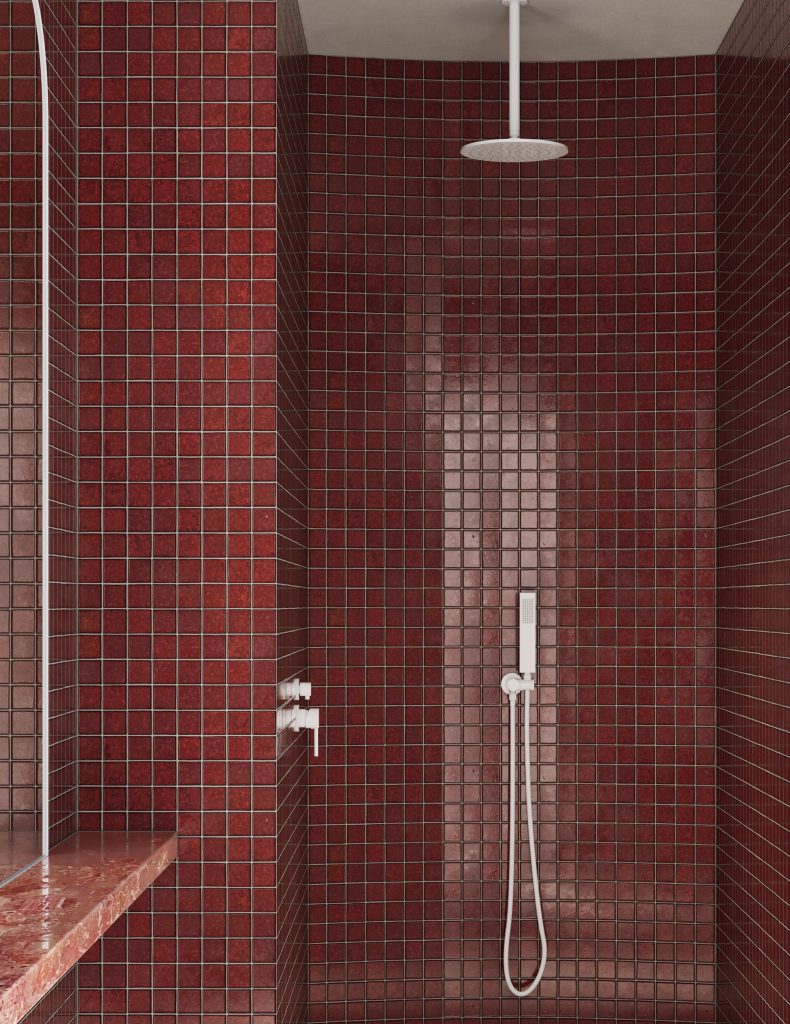
Choosing tiles room by room does not mean treating each space in isolation. A consistent colour or material palette can create continuity throughout the home, while changes in format and finish respond to the demands of each setting. This may mean a large-format tile through the living areas, a more textured surface outdoors and a mosaic in a related tone for a bathroom niche or kitchen splashback.
ABI Interiors’ collection of tiles brings these materials, formats and finishes together, making it easier to consider how different surfaces can relate from one space to the next.
You Might also Like


Related Stories

© Niche Media 2026