

DKO’s Michael Drescher announced as jury chair for IDEA 2026
DKO’s Michael Drescher announced as jury chair for IDEA 2026

Share

DKO’s partner – Interiors, Michael Drescher has been with the multi award-winning studio for over two decades. Over that time, he has worked across all typologies and now leads the interior design teams across the practice’s seven studios in Australia, New Zealand, Vietnam and, most recently, Indonesia. It’s this breadth of experience, he says, that makes him a fitting choice for the cat-herding duties of the jury chair.
Joining DKO as a graduate in 2006, Drescher has spent his entire career with the practice. He concedes this paints him something of a ‘pick and stick’ kind of fellow, but adds that the real drawcard was being part of a practice experiencing significant growth. And being able to grow with it.
DKO was established in 2000 by founding partner and principal Koos de Keijzer. When Drescher came into the practice, there were two offices and a team of around 30. That number is now closer to 300. “DKO now is very different to the DKO I first joined. It feels like I’ve worked in a lot of different companies.”
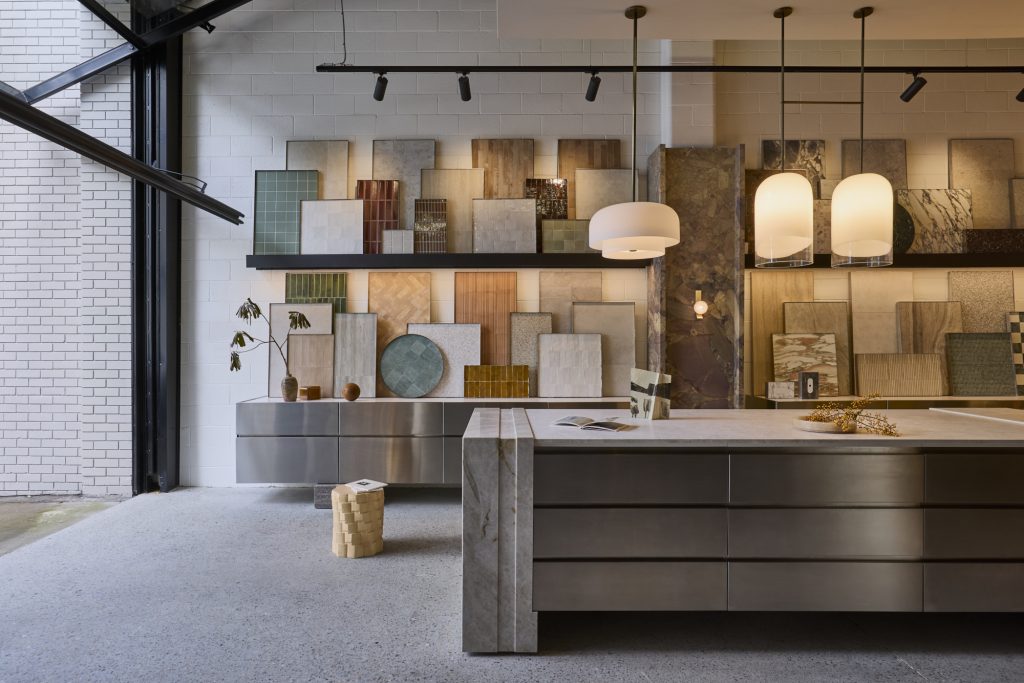
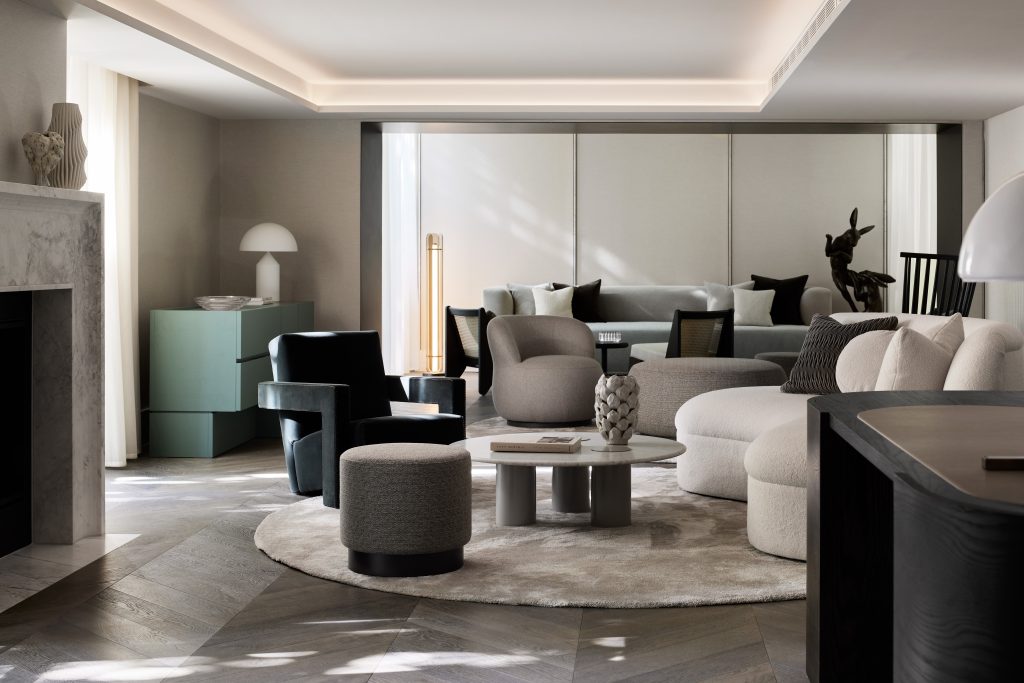
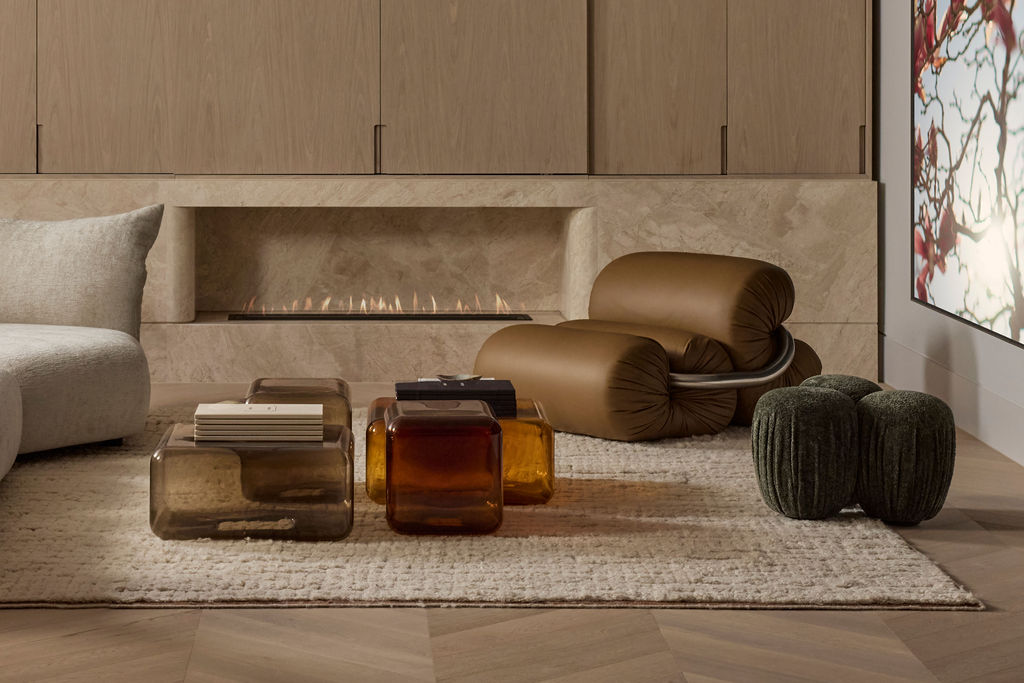
There’s more to it than that, of course. Asked to pinpoint what he values most about the practice, his answer again hints at why he’s well suited to the jury chair role. “I love how everyone here has a voice,” he says. “That’s why I started as a graduate. There’s a lot of room for growth. Many of us have worked together for a very long time, which is really nice.
From apartments to hotels, restaurants to commercial showrooms, DKO’s breadth of work has given me the chance to stretch my skills across an incredible mix of projects.
What I love about working at DKO is the variety. I work across a vast array of projects and with clients, builders, suppliers and our own team members. And as a leader, I’ve been able to help others grow. It’s never just about my idea, it’s everyone’s ideas coming together.”
The influence of the overseas
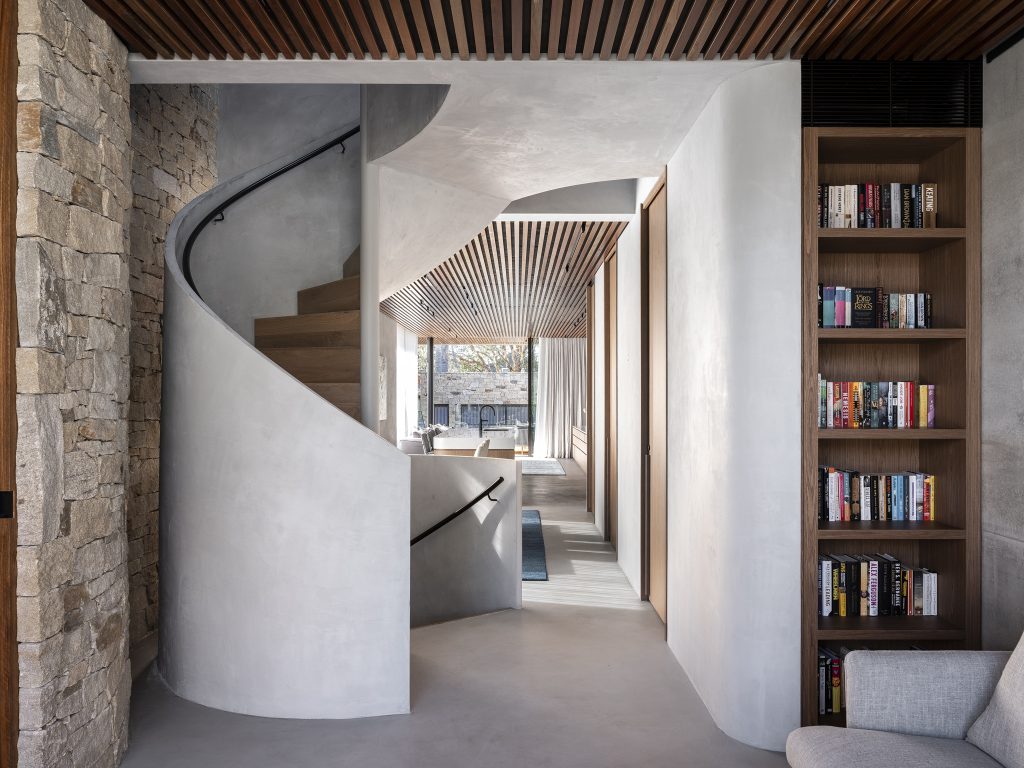
In an interview with Marshall White last month, Drescher explained how his love of travel and DKO’s expanding international presence enriches both his and the practice’s overall expertise and outlook. “European and Asian design cultures are very strong at layering, building richness, complexity and drama while still respecting materiality,” he told the real estate agency.
Speaking with ADR, he adds, “I’m not one to sit still, so combining travel and experiences with my role is incredibly rewarding. You see how other people live in other parts of the world, how they build, what their culture means and what they value in design. Australian design is fabulous and well-regarded internationally – but you do bring back influences… and merge it all in a way.
“At the same time, we don’t want to lose the local identity of where we’re designing,” he stresses, “and we’re very cognisant that, when we are designing in Indonesia, for example, we are speaking to locals, understanding local culture and making sure we’re being respectful.”
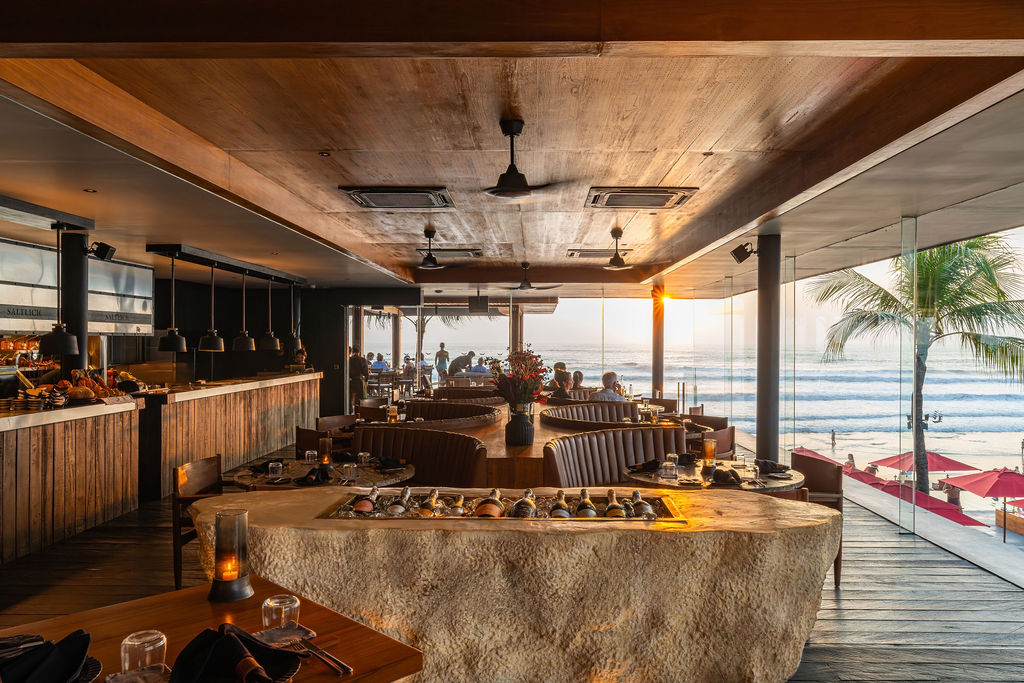
It should, however, always be a two-way street between Australian and international practice, with each having its own areas of expertise and specialisation. Treading the fine line between respect and opening clients up to new ideas is key, he says. “The restaurant that we did at Ku De Ta recently, explored open kitchens and celebration of food right in the middle of the restaurant – ideas long embraced in Australia but historically less common in Bali. As you know, food and beverage design is something Australia does really well. It’s about balancing respect for place with showing clients what’s possible.”
Let us pray
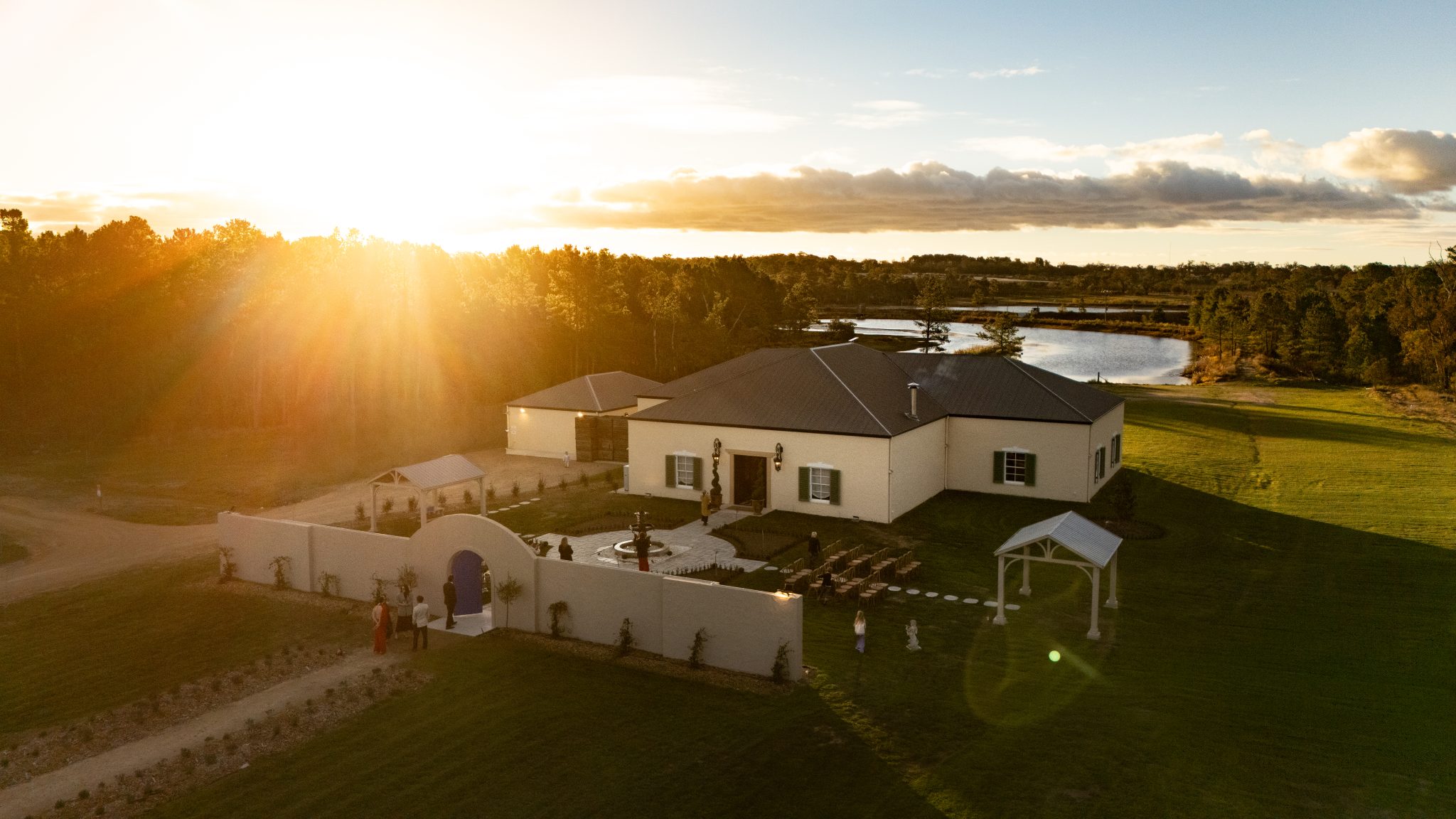
One of the less common typologies on DKO’s project list is churches. Drescher may have received a Lutheran education, but he admits those teachings were not another case of pick and stick for him. So how does a designer who is not religious approach creating spaces for those who are?
“I understand the importance of people belonging to a group or a community,” he says. “Churches today function as community centres. We design for every generation, and we work closely with priests and church boards. There’s lot of listening.”
“I relish the diversity in my workload. In a single day I can move from a restaurant to a hotel, to a private residence, to a church. They all have their own challenges and also their own opportunities. But the spaces I love to design always involve people. I especially love visiting the spaces after completion to see how people interact with them. I sit, watch and listen.”
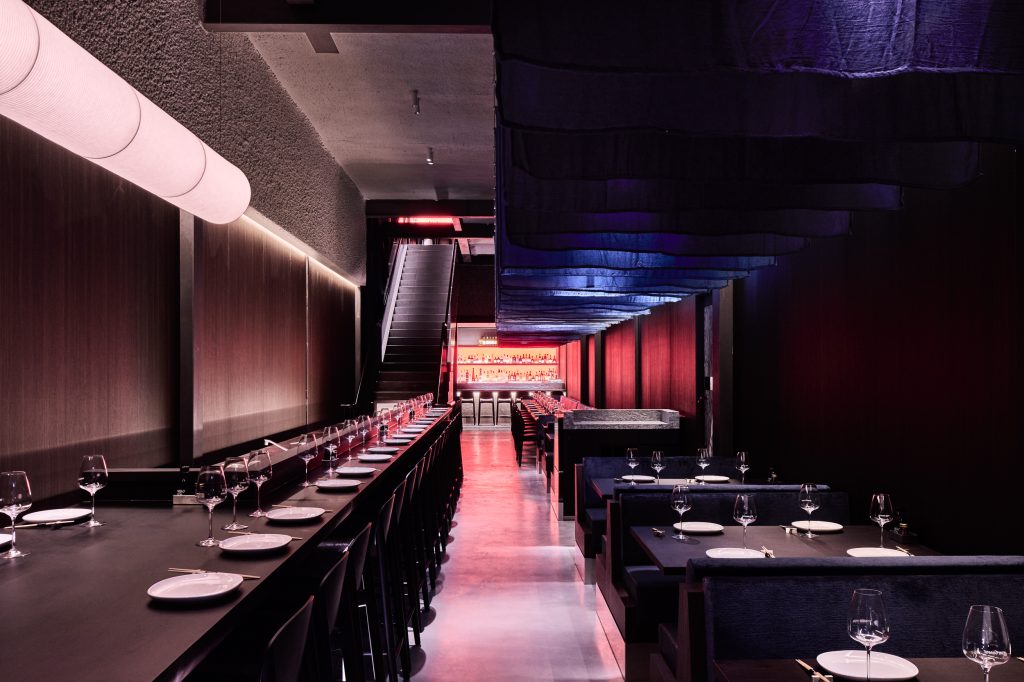
He references a lifestyle community project: “It’s crazy because 50 is not old! These community centres are for people who want to socialise together. They may no longer have children at home, so they function very differently from a church, but with surprising parallels. It’s still about community building.”
The attraction of awards
Drescher says he was very happy to be approached for jury service on IDEA 2026. And he doesn’t sound as if he’s merely blowing smoke up ADR‘s posterior, when he adds – unbidden – that IDEA is his pick of the design awards season. “[IDEA] has always been one of my favourite awards programs, largely because the gala lands at the perfect time of year. By December, most of us are running on fumes, so getting together at the end of the year has always been the biggest celebration. Like a reward we’ve all been working toward. People really look forward to it.
“It’s the one event that everyone checks in, even when it’s interstate and goes between Sydney and Melbourne. Last year it was in Sydney, but there was a huge Melbourne presence and vice versa. So it’s definitely one people travel for.
He adds, “Travelling around the country, I get to meet some incredible designers. I also get to experience their work first-hand. The awards program is a platform for all of us to experience and see what each other are doing. Our country is large, it is diverse, and you can see this within the projects. As I travel internationally people around the world often comment to me on the strength of Australian design, and I must agree. What an incredible talent we have here. There is also nothing better than walking into the gala at the end of the year and seeing everyone together. It’s a strong design community I feel other industries admire.”
Parties aside, having entered for many years, Drescher says he also appreciates the IDEA judging process. “It takes a lot of work to get projects done,” he says. “And then it’s a lot of work to enter, but I think there’s always been very fair recognition of projects. And the categories feel right. I think that balance means that everyone who enters really does feel heard.”
Herding cats
Entering is one thing but judging all the entries is something else altogether. Drescher says his participation is partly about giving back to the profession. “But it also goes back to my earlier comments about making sure people have voices,” he says. “When you’re shortlisted or when you’re given an award, it just means the world to you and your team. And to be able to help do that for other people, that’s something that has always been on my radar and important to me.”
Drescher isn’t solely a panel member, though, he’s the chair – how does he expect that to work? “My star sign is Cancer and I think that I’m very level-headed when dealing with different personalities and I’m a very good listener.
“I’m also a good manager of people so, if there are different opinions, I’m good at making sure everyone is heard and making sure that who we select is going to be the right outcome.”
As for what he’ll be looking for to get that right outcome? “I don’t exactly know what my criteria are yet,” he says, “but [it’ll be] projects that you can see from what is delivered what the brief was. And that’s everything from education to healthcare, restaurants or hotels – where they’re really trying to change and make something better through the use of design in spaces.
“As I said, I love projects that change people’s lives… As designers, we’re here to make people feel better in spaces,” he concludes.
IDEA early bird entries are now open and close on Sunday 3 May 2026. To learn more and enter.
Photo of Michael Drescher: Marija Ivkovic. All other photos: Supplied.
You Might also Like
Related Stories

© Niche Media 2026