

The data is in: talent shortages reshape the A + D market
The data is in: talent shortages reshape the A + D market

Share
A surging jobs market, rising salaries and shifting expectations are reshaping how architecture and design studios compete, hire and retain.
The architecture and design jobs market is pacing steadily, with a clear pattern emerging from the latest Australian and New Zealand market data. ‘The AU/NZ Architecture and Design Market Report‘ says demand has accelerated with force, yet supply has failed to keep pace, creating a tension that now defines how studios operate, structure teams and position themselves in an increasingly competitive landscape.
2026 is proving to have seen the strongest start to a year since the pandemic and has brought a sharp lift in vacancies, applications and placements, signalling renewed confidence across the profession. That momentum carries weight for the architecture and design (A + D) sector, where project pipelines, staffing strategies and studio culture now sit under greater scrutiny than at any point in recent years.
Demand surges, talent stalls
While activity levels rise across most cities, the imbalance between available roles and skilled professionals has become the defining constraint. Studios are chasing capability that simply does not exist in sufficient volume, particularly at the mid level where project delivery experience holds the greatest value.

In Sydney and Brisbane, this shortage has intensified into a fast moving hiring environment where candidates field multiple offers within days. The implications for practice leaders are immediate. Recruitment processes must move with clarity and speed. Indecision now carries a cost measured in lost talent.
Melbourne presents a more complex picture. A steadier recovery follows a period of contraction, with many studios still cautious about permanent hires. Contract engagement has stepped in as a release valve, allowing practices to scale in response to project flow while managing exposure to uncertainty. This shift signals a broader recalibration in how studios define stability.
Across the region, two in three employers report difficulty finding the talent they need, with Brisbane facing the sharpest pressure. The result is a market where access to people has become as critical as access to projects.
Salary rises reshape the landscape
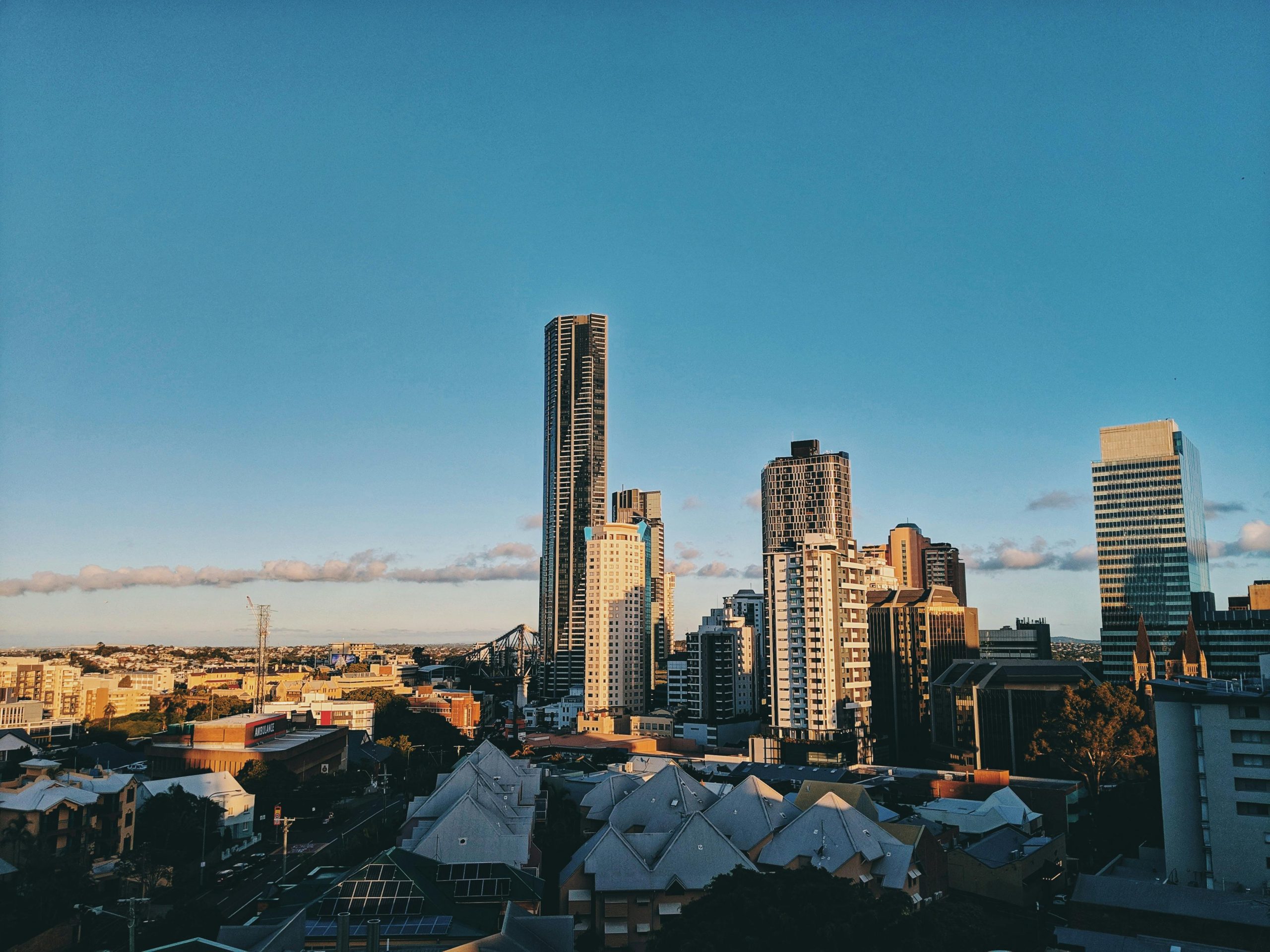
Rising demand has flowed directly into salary growth, with Brisbane overtaking Melbourne as the second highest paying city in the region. This shift reflects a project pipeline driven by infrastructure and major events, combined with an aggressive pull for interstate and international talent.
Salary now reasserts itself as the primary motivator for job seekers, overtaking flexibility and lifestyle considerations. For the A + D sector, this marks a return to fundamentals. Financial recognition once again anchors career decisions, particularly as cost of living pressures reshape expectations across all levels of experience.
Underpinning this growth is a persistent tension, despite widespread pay increases, with 86 percent of professionals feeling underpaid and a perceived gap of around 11 percent between current earnings and expected value. This disconnection creates a fragile equilibrium where even modest salary increases can trigger movement across studios.
Workplace expectations
Workplace patterns continue to tighten around the office, with full-time staff now averaging just over four days on-site each week, while employees still express a preference for closer to two days at home. This gap has become a subtle pressure point in hiring, where even a single additional work from home day can shift perception and influence decisions, particularly in a market where salary may open the conversation, but flexibility still shapes the final call.


Retention moves beyond remuneration
The report also reveals career progression as the single most powerful driver of retention, with clear pathways dramatically reducing the likelihood of departure.
This finding resonantes with the A + D sector, where hierarchical structures and project-based work can often obscure long-term growth. Studios that articulate progression with precision gain a distinct advantage, particularly when engaging mid-career professionals seeking both stability and advancement.
Mental health support and a sense of value follow closely behind. These elements speak to a broader cultural shift within the profession. Long hours and high-pressure delivery cycles have long shaped architectural practice, yet expectations have evolved. Teams now look for environments that recognise contribution, support wellbeing and foster sustainable workloads.
Studios that fail to address these factors risk higher turnover, increased recruitment costs and a weakened internal culture. In a market already constrained by talent shortages, these outcomes carry amplified consequences.
Contract culture gains ground
One of the most notable structural shifts lies in the rapid growth of contract employment, which has expanded by 25 percent year-on-year to represent eight percent of the workforce.
This trend shows the sector is adapting to volatility while maintaining momentum, allowing studios to respond to peaks in workload without committing to long-term overhead. Contract roles offer access to specialised skills at short notice, particularly during documentation phases where delivery pressure intensifies.
For designers and architects, contract work introduces a different form of agency, allowing movement across projects, exposure to varied typologies and, in some cases, accelerated earning potential. For studios, it signals a more fluid workforce model that sits alongside traditional employment structures.
A sector in transition
As the A + D sector navigates this growth period, several themes converge as demand continues to rise, talent remains constrained and expectations evolve across both financial and cultural dimensions.
Studios that respond with agility will define the next phase of the market with sharper hiring strategies, clearer career pathways and a deeper investment in workplace culture. It also demands a broader view of talent, one that extends across regions while embracing new modes of engagement.
‘The AU/NZ Architecture and Design Market Report‘ was commissioned by Bespoke Careers.
You Might also Like
Related Stories

© Niche Media 2026