

On spontaneity and treasuring your advocate – Amy Papas
On spontaneity and treasuring your advocate – Amy Papas

Share
The 2026/2027 30UNDER30 will be a special iteration of the program, with the year’s cohort not the only ones at the Creative Retreat in Bali next May. For the five-year Reunion, all previous cohorts, mentors and sponsors are also on the invitation list.
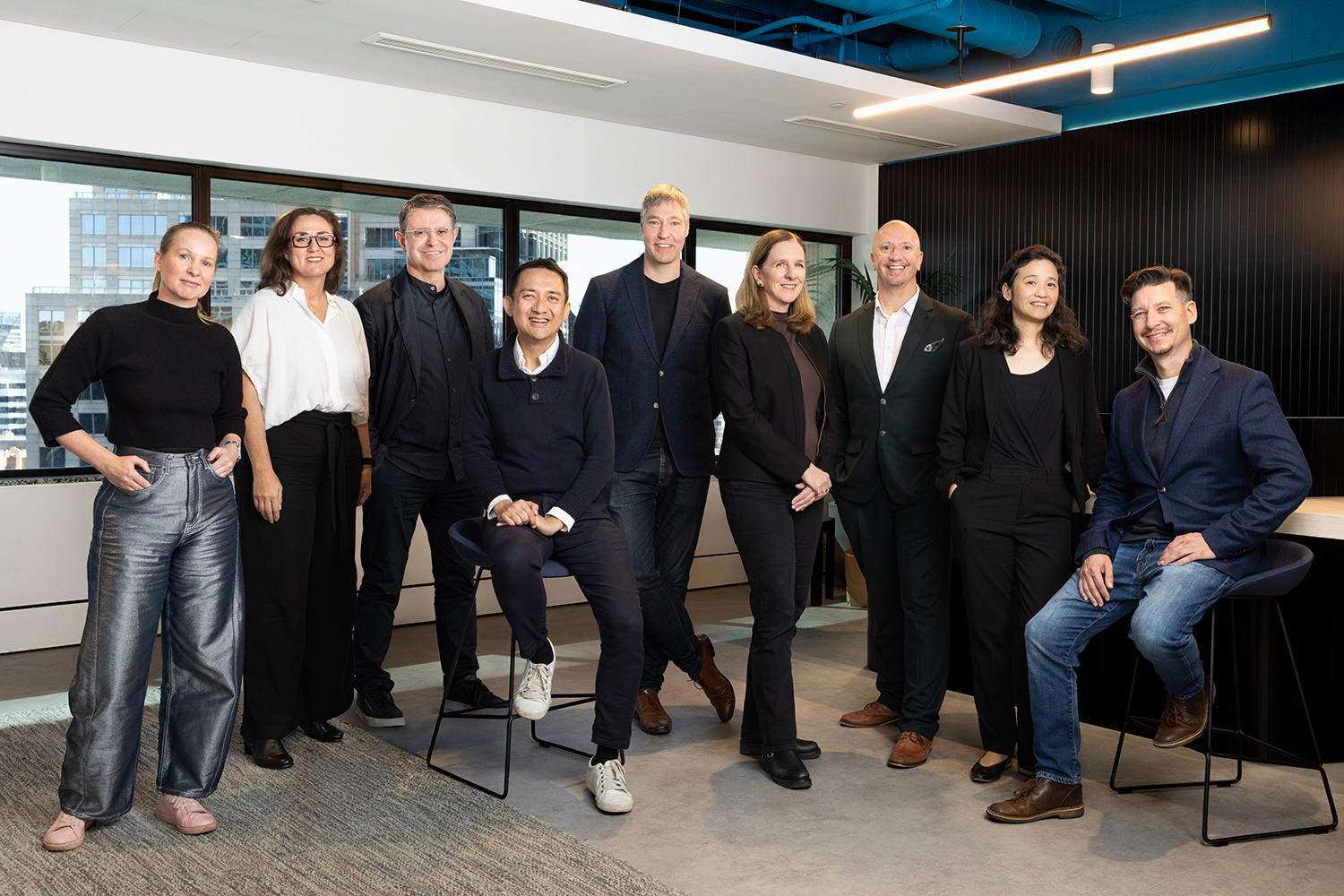
Which also makes it a special event for the dedicated 2026/2027 judges and mentors. David Flack and Yasmine Ghoniem have already been announced, but the latest name to join their ranks is Amy Papas.
But what’s a good way to introduce Papas for those who don’t know her already? How about… do you remember when Marilyn Monroe and Frankie Vaughan sang ‘Specialisation’ in the movie Let’s Make Love? Well, that’s something the senior laboratory planner at HDR knows all about…
Australian Design Review: You have a specialisation in scientific and educational spaces. How did that come about?
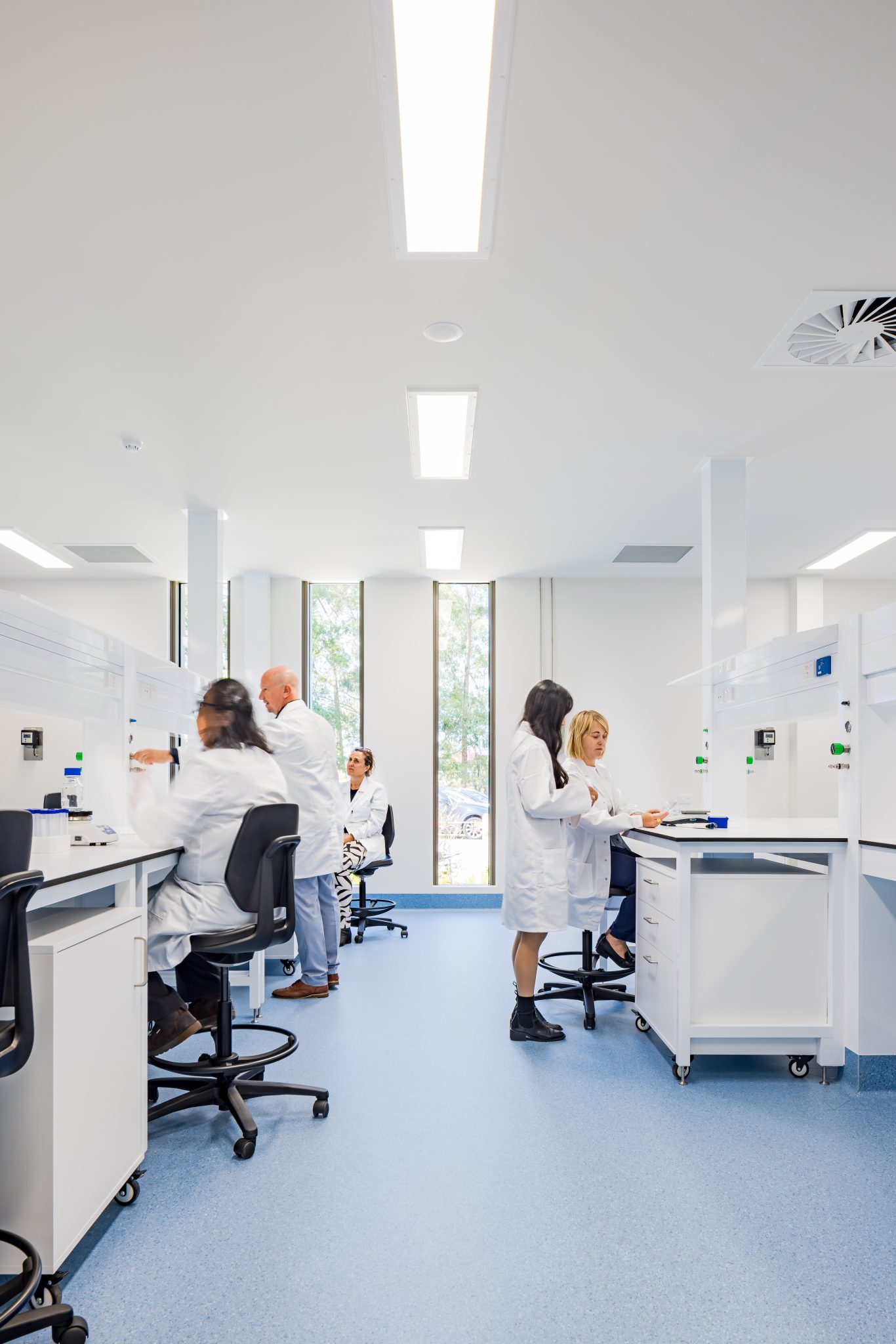
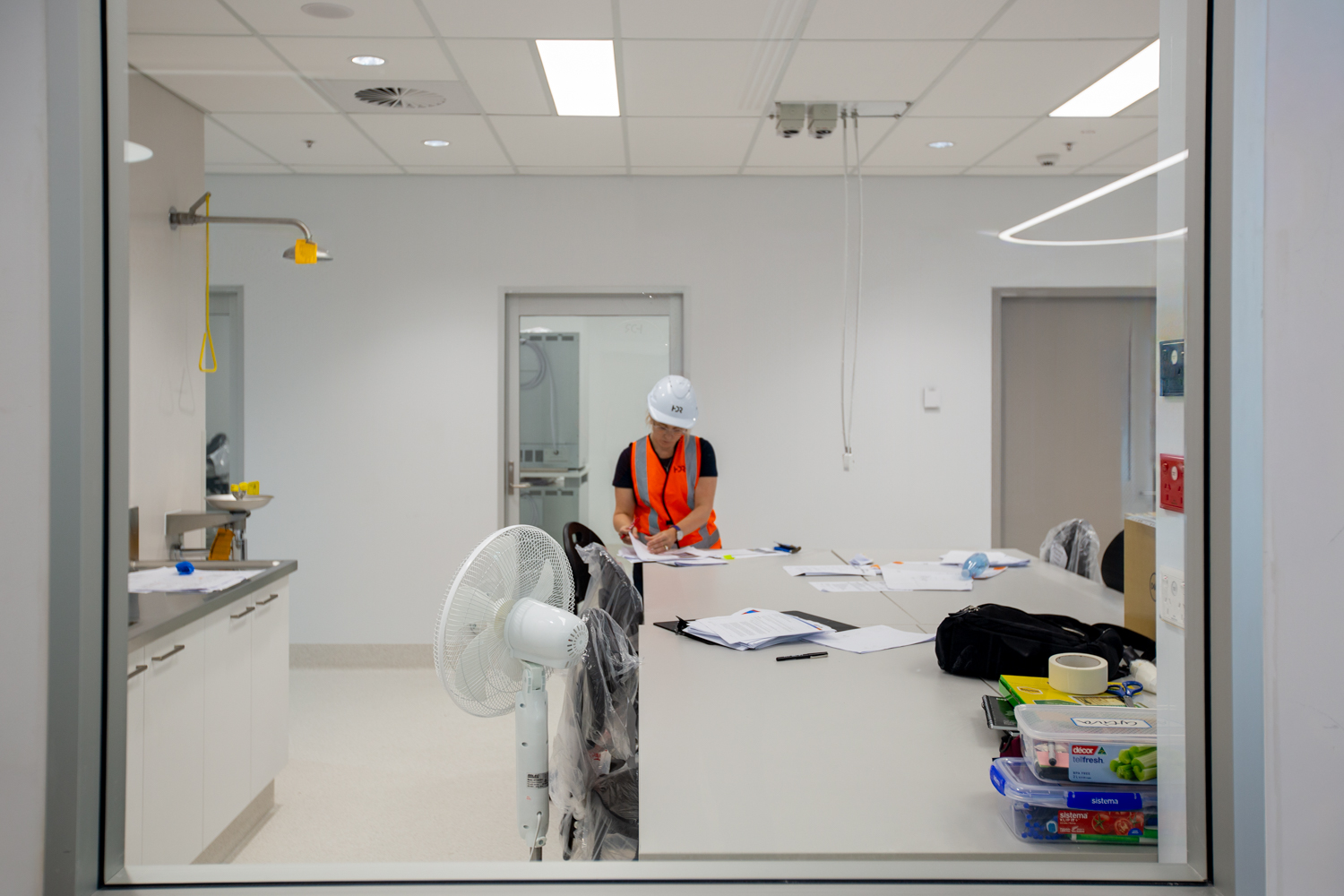
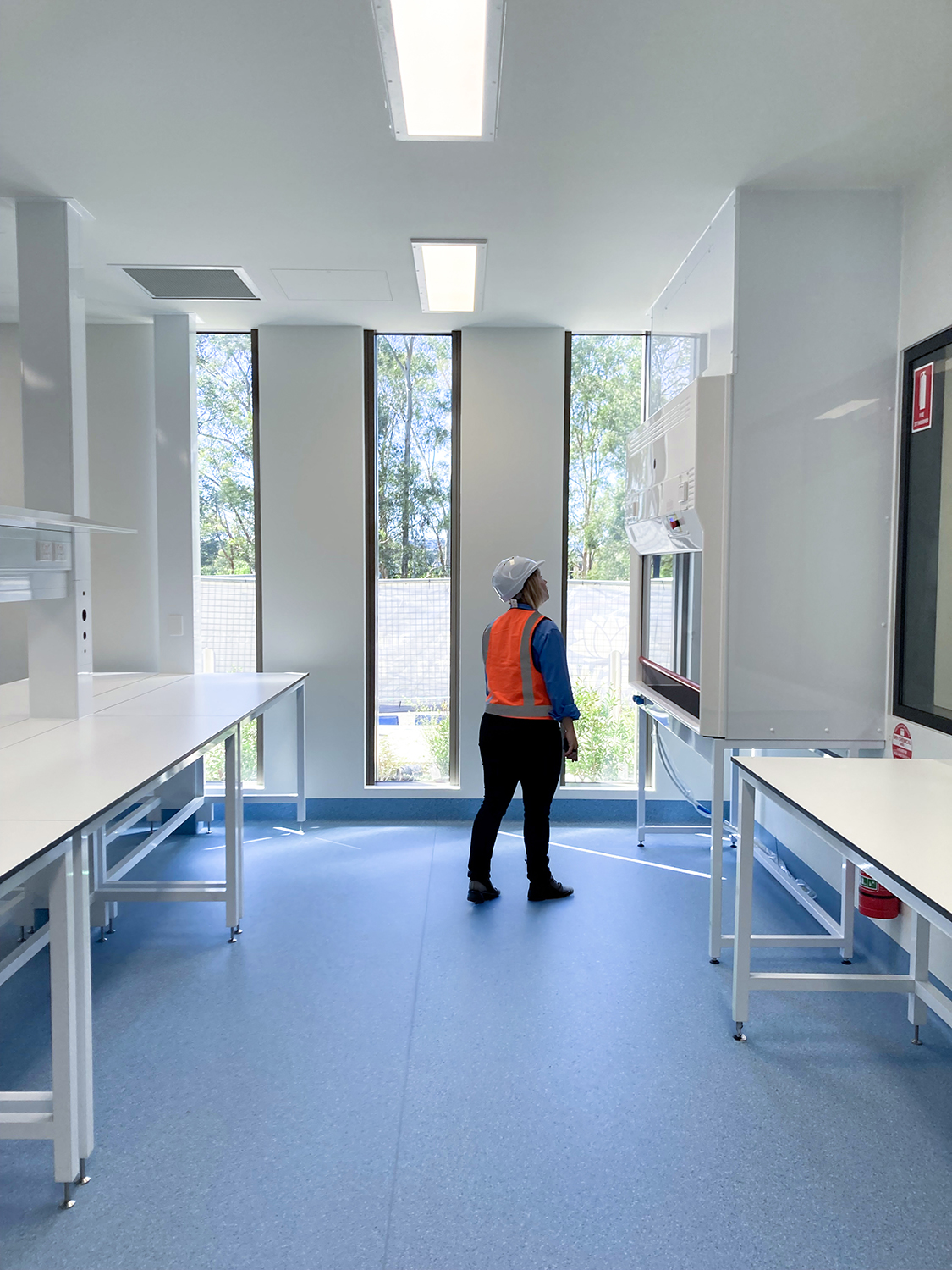
Amy Papas: Look, it was accidental. I had a very traditional career path initially. So, undergrad, masters, working, registration… and then I joined a tertiary education project while working for a very large firm. And I met a laboratory planner and she was this global figure within the organisation. She did it all by herself and she brought me in on stakeholder sessions for a project at a university in Sydney and I just found it absolutely fascinating.
It was nice to get out and talk to people. That kind of stakeholder engagement really appealed to me, but also just getting to sit there and listen to scientists talk about the amazing work that they’re doing and then being able to give them the space that they needed and help them plan that space was amazing.
So, I actually joined HDR to specialise in laboratory planning, because at the time it had a principal planner – top of the field. He was working in Sydney, but HDR also has a global planning group in the US, the UK and Canada. So I joined to plug into that group and knowledge.
Does that require a bit of travelling for you?
I’m mostly based in Sydney, but I do work on some international projects. We did a project in Qatar many years ago, which was fascinating.
When did you first heard about 30UNDER30?
A couple of years ago, because HDR had some candidates. We had two finalists (Soozy Lee and Nicole Tan) over the years and so I heard about the program through them, but by then I was too old to enter! It sounded like an amazing opportunity and I was a bit jealous of them having that kind of program!
What was the feedback from the two who made the final 30s?
They really enjoyed it and I think they were particularly really appreciative of the [Creative Retreat] – being able to meet their peers from so many different circles as well. It gives you opportunities to talk to people all across the world of design, not just architecture. I also think for them it was nice to step away from projects and think about the bigger picture. Of course, then there is the mentoring side of it too. I didn’t realise at the time when I was talking to them that the [Creative Retreat] in Bali is just the beginning, and then the mentoring actually comes after.
It’s an incredible networking opportunity so early in your career as well. You get some of those connections from university, but it is a small industry so you tend to hold on to those relationships. But that opportunity to build those relationships cross-sector, cross-design so early on is great. Building your network is is half the battle, right?
Why did you decide it was a good time to come on as a mentor and judge?
I think in particular it’s because I have a speciality. I do think that having a speciality has helped me stand out. As I said, up until then [my career] was very traditional and linear, and I probably wouldn’t be where I am today if I hadn’t chosen a speciality. I probably wouldn’t have considered myself experienced enough to be a mentor or a judge for that matter!
But The Curved Path (Pineapple Soup) event at SJB recently also helped me realise how much I have to share and how much I want to. I really do enjoy mentoring. I’ve been the recipient of some incredible mentors and advocates in my own career. And I would love to do that for others. It’s a ‘pay it forward’ situation.
Can you tell us a bit more about the mentorship that you’ve received?
Oh, I’ve been so lucky. I found my advocate really early on in my career and it was just through luck. I actually followed her to two different firms. I’ve had two different levels of mentorship. I’ve had one through that lab planning pathway and I’ve received that within the practices I’ve chosen.
But then in HDR I have found we have these internal mentorship clusters to share knowledge across the globe, because we’re obviously all split across multiple different projects and it’s difficult to find time to catch up. They’re very focused right now on intergenerational transfer of knowledge, because these incredible figures have been doing it for 30 years and they’re reaching retirement age and they’re thinking, ‘Wow, we really need to get the benefit of their knowledge down to the younger generations’. And they’re doing a great job of that.
Then, on the other side, I’ve had a professional [mentor], who’s also an architect and designer. She and I met doing a completely different typology. And she also got me into road cycling as well! We spend a lot of time together outside of work.
And I’ve known ever since I met her that she had my back even when I wasn’t in the room. To have someone you can always go to for advice, and you can tell them anything is just such a privilege.

I couldn’t help noticing that you’ve mentioned three women who have acted as mentors… As a feminist, I’m not surprised they had your back.
Yes, and that is so true. I have seen good women leave this profession because they didn’t have that guidance. They didn’t have someone sticking up for them. Particularly women who have started families and have come back and just found that they feel irrelevant. They’re not given responsibility.
I feel so strongly about protecting those women at all costs, because we’ve lost them. We’ve lost them to disciplines like project management, or we’ve lost them out of the industry entirely. And that devastates me because I think you can’t be what you can’t see. And those are good people who left because they could not see a future for themselves in architecture and design.
Do you have a young family?
Yes, and I’ve had my own struggles with that. I came back to work after parental leave and then COVID struck, so that was a whole other challenge. But I’ve been lucky in having those women to support me, but also HDR is the first place that I have felt as if I belong and it’s the people here that have made me feel that.
That has given me the strength to advocate for myself as well. So I feel that I can speak up for myself and I have, where possible, tried to pave the way for others to come back from being on parental leave to return to work – making sure they still feel connected even though they’re not here, making sure they’re not completely invisible while they’re gone. I feel really strongly about that.
As a 30UNDER30 judge and mentor, when looking at emerging designers and architects, what sort of qualities or attributes stand out to you?
There was an interesting discussion about this at the Curved Path event I mentioned. Someone said ‘agency’ and I thought that was a really fantastic point – that ability to not only meet the brief, but look beyond it as well, to to look at challenges and come up with solutions. Generally, curiosity is something that I have always loved. As a specialist, I’ve had to learn very specific information, but I would drop it and do it all again in something else, just for the fun of learning about something new.
In architecture you need to be adaptable as well, because everything goes through cycles. So different sectors will have a boom and then completely drop off. You do need that flexibility and adaptability and curiosity to move through different sectors and different styles of design. Architecture is a broad church.
Also resilience in your career and persistence in this industry across all design, because you have to stay committed. You need to be passionate, because if you don’t have that passion, you won’t persist.
And empathy would be the other one. You need to be able to listen, because we are not the masters of our own domain in a lot of ways. We need to be listening to our clients, listening to our collaborators. We are often coordinating so many different needs and engineering requirements. We’re at the centre of it all – working in this huge puzzle.
What opportunities are there for emerging designers that weren’t there, say, 10 years ago?
That’s an interesting question. I think one is data-driven design. It’s certainly an emerging field for us – it’s telling stories with data, when we may not have been able to collect that data 10 years ago. We’re working with more information, but there is a skill in filtering noise out of that information and telling a story. It’s one thing to have the data and say, ‘Yes, we have it. Here’s what it says.’ It’s another thing to be able to tell stories with that and say, ‘Well, here’s what it means really, and here’s what it says for the future.’
And, of course, there’s 3D modelling, 3D printing, all those new tools we have now to visualise the built world or the reality in different ways to help people understand. Because we think really differently, you know. There’s a certain type of person who can just naturally read a plan, but sometimes you’re dealing with people who can’t do that, and that’s fine. So to have all these other tools to be able to help people understand that end product, that’s a real skill.
We have incredible things. There’s something called Big Plans, which is this huge warehouse where they project the floor plan on the ground. Then the stakeholders can actually walk around and and get a sense of the space. Because they often think it’s too small, but you can say, ‘Hang on – let’s see it at full scale.’ And they go, ‘Oh my gosh, there’s so much room in here. This is amazing!’ Being able to utilise such incredible tools gives us the ability to filter and extrapolate to tell stories.
The Bali Creative Retreat becomes a place full of stories. As one of the judges and mentors, what are you hoping you’ll take away from the experience?
I look forward to meeting some incredible people. The experience that you can gain from putting yourself out there and meeting new people, and those from diverse backgrounds, is an incredible opportunity. For me it’s about stepping out of my comfort zone too. I’ve been at HDR for eight years, so I’m looking forward to getting to know some younger people in the industry. What are the pressures affecting them? What are the things that they’re worrying about?
How can I help and how can I learn from them? How can I be a better leader in the industry as well? How can I show better leadership both within the company I’m in, but then the broader industry as well.
Do you know any of the other judges and mentors?
No I haven’t met them before, so that’s expanding my own network as well!
You’ve talked about leadership, but do people in the A+D profession need to know what they’re going to do from the start? What do you say to somebody who’s still trying to find their direction?
You’ve got so much time. You don’t have to rush. Because if you rush it, you may find yourself going down a path that, 10 years later, you suddenly realise ‘I’m really unhappy, because I got it in my head that I was going to do this’. It may work out. But again, it goes back to that curiosity, that adaptability. Things change, and you have to be open to opportunities.
If there’s one thing I would tell my younger self, it would be to be more spontaneous and to take opportunities to break my routine and get myself out of my comfort zone, because that’s when you discover the most interesting people, the most interesting events. You’re never going to regret being spontaneous.
I think I would never have discovered a speciality and I wouldn’t have been open to a speciality. I landed in it because I came to this firm to do a particular typology and the project was full. They said, ‘We don’t need anybody else on the project. We’re just going to chuck you over here. And I wasn’t thrilled about it at the time! But if I’d refused to do it, I wouldn’t be where I am today. So it is about being a bit flexible, but also being willing to be spontaneous and and curious about something new.
[There are particularly challenges] for women, because we’re also struggling with this dual life path – this pressure to have a family at the same time. The age at which people are having kids is getting later, because women are prioritising their careers earlier. I think that’s a great thing, as you feel more established and it feels safer to be able to go off and start your family and then return to work.
You also have more… ‘agency’ is a good word. You feel more ownership over your career path when you’re that little bit older, right? So you feel more secure when you return to say, ‘This is my place and I’m back. Regardless of whether I’m here full-time or part-time, I am here. And I am relevant.’
Because it is disappointing – the statistics of women in architecture at leadership levels. Consistently, we have 50 percent participation at university and then as soon as you start to reach those upper levels of management they disappear and it’s so disappointing that this barrier and hurdle is still there for us to this day.
Do initiatives like Parlour help?
I think it helps with awareness and it helps people feel that they have a network and that they have people they can talk to about it. I still feel women tend to take the less traditional path for exactly that reason – because it is too hard. I know so many women who have run their own practices while they raise their family, because then they can do it their way. I still think it’s a struggle.
Our last question is about the advice you’d give every 30UNDER30 finalist to take throughout their career. But would that also be about being spontaneous?
Yes, definitely. Be spontaneous, be open to opportunities and find your advocate. I think that’s a really big one for me. Find that person who will back you up no matter what and treasure them.
Entries for the 2026/2027 30UNDER30 program are now open. Click here for more information or apply here.
ADR’s 30UNDER30 program is brought to you by co-major sponsors Neolith and King Living, alongside partners Designer Rugs, LAUFEN, Krost, Miele, Signature Appliances powered by Miele and Tongue & Groove.
ADR is also grateful to our 30UNDER30 practice partners AJC Architects, BLP, BVN, Cera Stribley, COX Architecture, Design by WBL, DKO, Genton, GroupGSA, Gray Puksand, Hare + Klein, Hassell, HDR, Lawless & Meyerson, Luchetti Krelle, Made For, Mim Design, Richards Stanisich, RIZEN Atelier, Rothelowman, SJB, T. Black and Tom Mark Henry for helping us foster the future of Australian design.
Follow @ausdesignreview and @adr30under30 and subscribe to ADR’s newsletter to stay up-to-date with the program.
You Might also Like

Related Stories

© Niche Media 2026