
Retail isn’t the problem. Boring retail is.
Retail isn’t the problem. Boring retail is.

Share
In light of major Australian retailers and brands such as David Jones, Cue and General Pants Co. going into voluntary administration and receivership, Elvin Tan, principal director at ElvinTan Design, unpacks why physical retail needs less transaction and more theatre.
Another retailer closes. Another familiar shopfront goes dark. And right on cue, someone announces that physical retail is dead. Again.
I’m not buying it. Retail isn’t the problem. Boring retail is.
As an architect working across retail and hospitality, I spend a lot of time thinking about why people walk into a space and, more importantly, why they bother staying. With online shopping, I can order almost anything from my sofa, probably while wearing pyjamas. So if I’m going to put on shoes, leave the house and find a parking spot, a store had better give me a good reason.
Australia’s retailers are facing very real pressures, costs, competition and changing habits. A beautiful fitout won’t magically fix a broken business model, but design can help answer a question that matters more than ever: why visit in person?
Less click and collect, more stop and stare
For years, retail design was about fitting in more shelves, more stock and, ideally, more opportunities to spend. Fair enough. But if the experience is simply ‘walk in, find product, pay, leave’, the internet can do that without charging for parking.
A physical store should offer something a screen cannot: atmosphere, discovery, a sense of occasion. The best ones make you slow down, look up and think, ‘Oh, what’s over there?’
At ElvinTan Design, we start by asking what the customer should feel, not just what the counter should be made of. What is the story? Where is the moment of surprise? Why would someone tell a friend about this place?
I love a beautiful material as much as the next designer, but nobody gets out of bed on Saturday morning thinking, ‘I must go and admire some premium marble’. Well, maybe for a designer that could be a valid reason…
The honest truth is if your shop can be replaced by a product page, you may just have a website with rent.
A little theatre never hurt anyone
Hospitality figured this out a long time ago. Dinner isn’t only about calories. It’s the smell, the noise, the anticipation, the person cooking in front of you. Sometimes the food arrives with a flourish. Sometimes there is just really good service. Either way, you remember it.
Retail can borrow a page from that playbook.
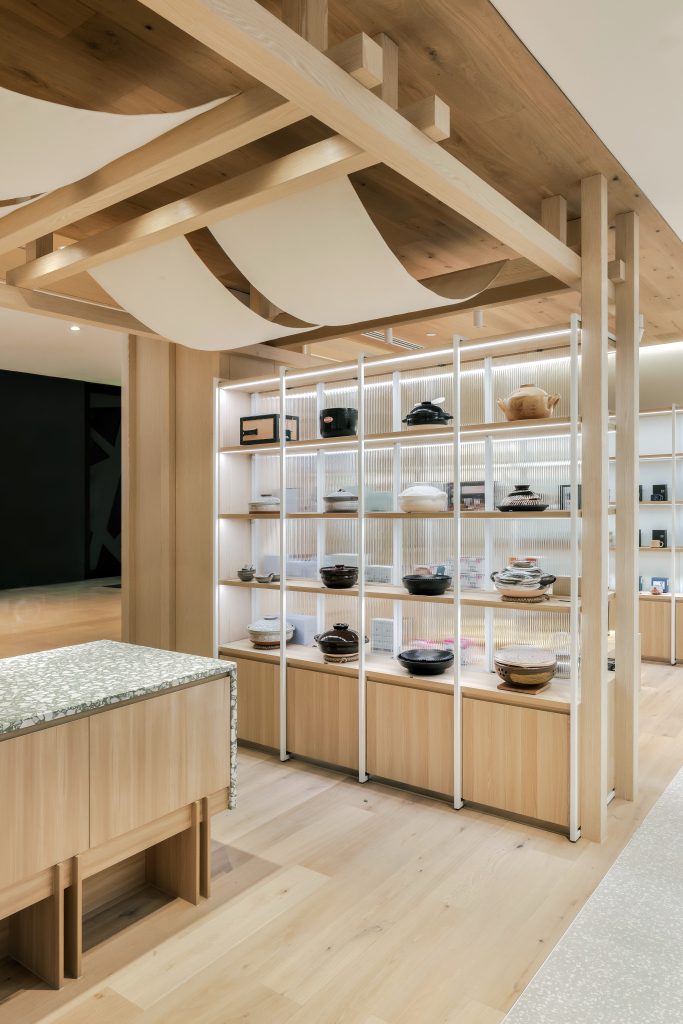
In our studio we love bringing a little theatre into the spaces we create. Whether it’s celebrating the ritual of making a simple cup of matcha, turning shopping into a journey of discovery or letting customers see the craft behind a product, we believe the process can be just as exciting as the product itself. We want people to stop, look, explore and perhaps stay a little longer than they intended.
And, no, that doesn’t mean every shop needs fireworks or a dancing mascot. Theatre can be quiet. Sometimes the smallest moments create the biggest impressions.
The point is simple: give customers something worth looking at before asking them to look at the price tag.
Pretty is good but profitable is better
Here’s something designers probably shouldn’t say out loud: a beautiful shop can still be a terrible shop.
I’ve seen spaces that photograph like a dream, but make ordering a coffee feel like solving a puzzle. Where do I queue? Where do I pay? Why is the staff member doing a three-point turn behind the counter?
Design must work for the people operating the business as well as the people visiting it. Customer flow, product visibility, storage, cleaning and staffing aren’t the boring bits to deal with later. They’re part of the design.
And, no again, not every store needs a million-dollar statement ceiling. Sometimes good lighting, a smart layout and one memorable gesture do more than a room full of expensive finishes.
I often say we design experiences, not just finishes. But those experiences also need to sell something, support the team and keep the lights on. An award is lovely. A thriving business is even better.
Less Instagram, more come again
We all know the ‘Instagram store’: a spectacular corner, a queue for the photo, and then… not much else. I’m all for a memorable moment, but a photo opportunity is not a business strategy.
What makes people return is connection. It may be a staff member who remembers you, a product demonstration, a little ritual or simply a place that feels good to be in.
This is where retail and hospitality increasingly meet. A café, gallery or workshop may belong in a shop if it genuinely adds to the brand. Throwing in a coffee machine because everyone else has one is not a concept. It’s a coffee machine.
The most successful spaces have personality without trying too hard. They feel as if someone has thought about the customer, not just the camera angle. Trends are fun. Relevance lasts longer.
The future of retail is worth getting dressed for
I’m not suggesting a clever interior could have saved every retailer that has struggled or closed. Business is more complicated than that, and designers shouldn’t pretend otherwise. But I am convinced physical retail has a future, provided we stop treating it as a slower version of online shopping.
The internet wins at convenience. Let it. Our job is to make real places win at feeling: curiosity, discovery, human interaction and those lovely little moments you didn’t know you were looking for. Because people may forget exactly what they bought – they’re much less likely to forget how a place made them feel. And if we can make them smile on the way out? Even better.
So here’s a question for every retailer, designer and landlord: if your store wasn’t selling anything today, would anyone still want to walk in?
And if the answer is no, perhaps it’s time to give customers a better reason than a 20 percent off sign.
Top photo: Bourke Street Mall. Image: Oxk, Unsplash.
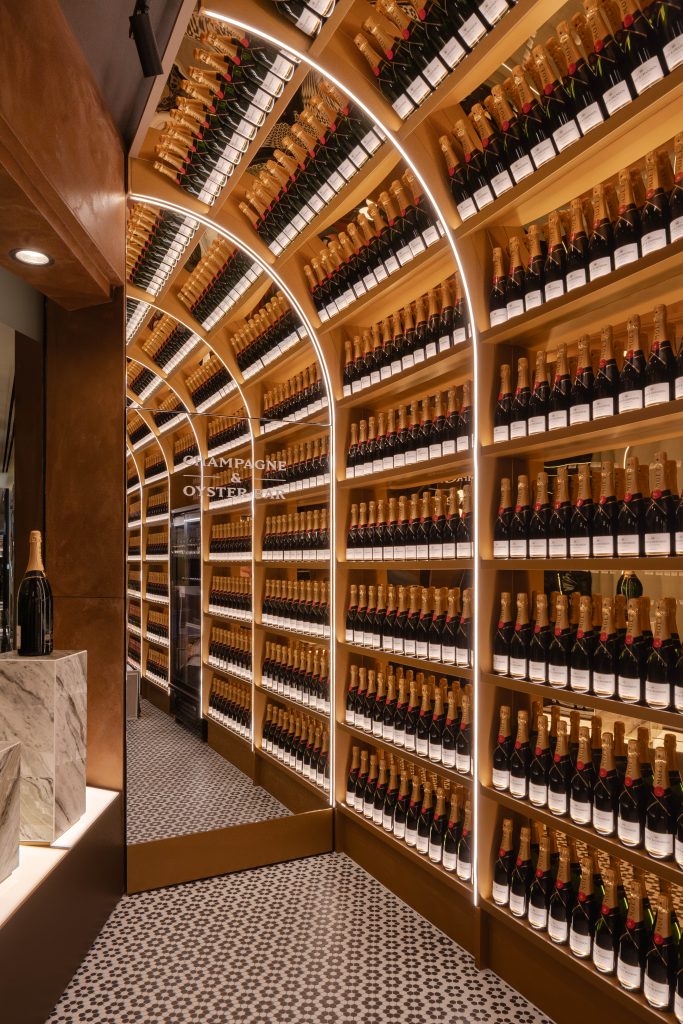
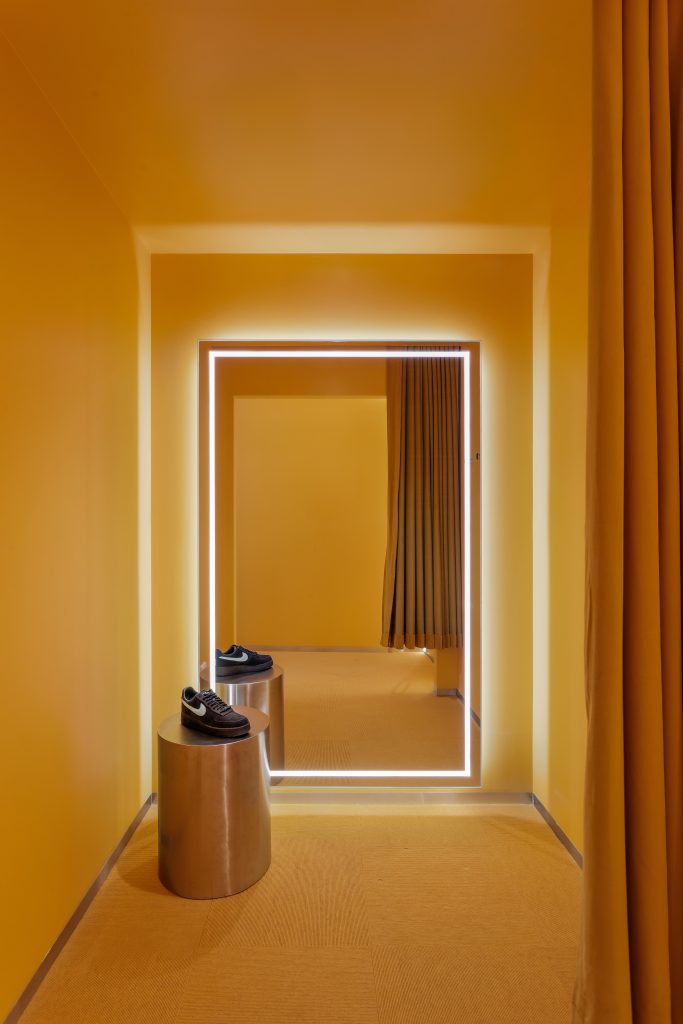
Designs by ElvinTan Design. Photos: Chris Murray.
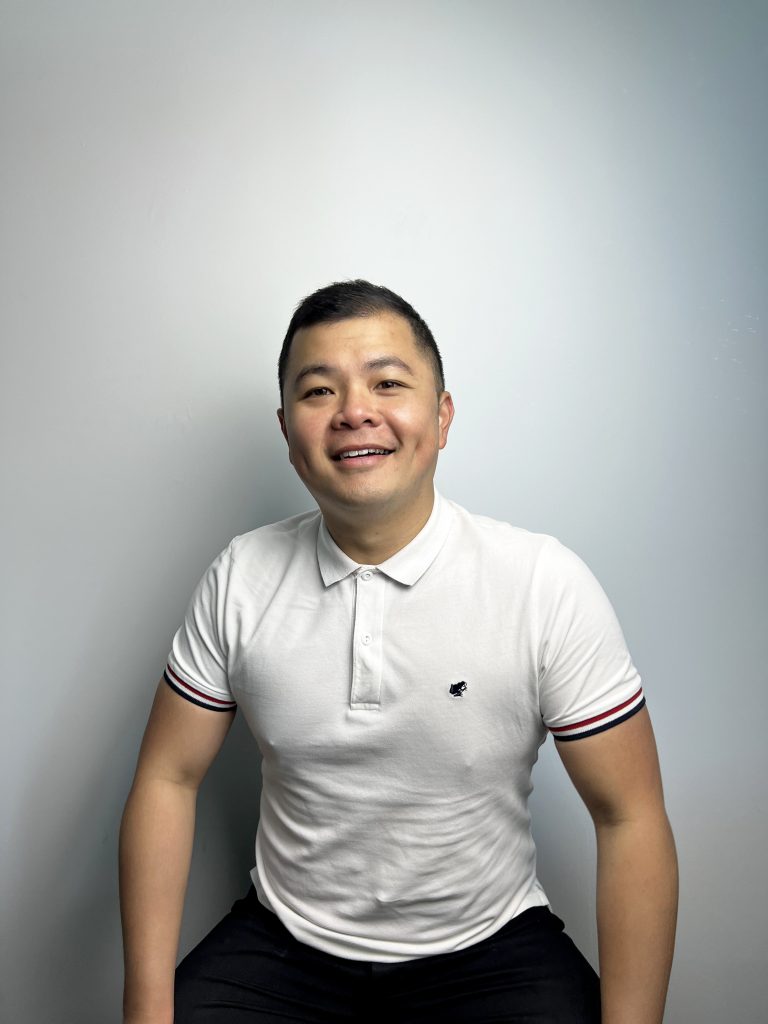
Elvin Tan is an architect, creative thinker and firm believer that life is too short for boring spaces. As founder and principal director of ElvinTan Design, he leads a team of 11 who have spent the past nine years turning ambitious ideas into memorable experiences. With over 500 projects and multiple design awards, the Melbourne-based studio specialises in hospitality, retail and commercial spaces that refuse to blend into the background. Tan believes good design looks great, but great design makes people feel something. Because pretty is good, but memorable is better.
The Podium is ADR’s op-ed and thought leadership series providing a platform for some of Australia’s leading designers and built environment professionals to share their views on the topics that matter to the A+D sector. If you’d like to submit an article, reach out to us at ausdesignreview@niche.com.au with the subject line ‘The Podium’.
You Might also Like


Related Stories

© Niche Media 2026