

The enduring appeal of Robin Boyd’s Walsh Street House

Share
The Robin Boyd Foundation continues to champion the Australian modernist architect’s belief that great architecture should be honest, experimental and accessible to all, using Boyd’s own Walsh Street house as both a living archive and a catalyst for public conversation.
Robin Boyd famously attributed a humble design staple as the key to enhancing a person’s appearance.
“One of his phrases was ‘We all look better under low light levels’,” says Robin Boyd Foundation operations manager Jamie Paterson, with a chuckle.
Boyd’s comment mirrors his occasionally maverick views and passion for unconventional experimentation in residential design. He designed houses that mirrored the lifestyles of their inhabitants, a penchant that earned him the moniker of the ‘client’s architect’. He was driven to make robust and durable residential designs enjoyed by everyone, whether a working-class family in Broadmeadows, Victoria, or the Governor-General.
“He spent considerable time understanding the client’s needs and designing towards it,” Paterson says.
“And several of his clients didn’t get the house they expected, but realised it was a house they needed.”
The Robin Boyd Foundation, which is celebrating its 20th year as a not-for-profit organisation, upholds Boyd’s pursuit to increase the accessibility and inclusivity of architecture as a topic in mainstream discourse by using Boyd’s renowned family home, the Walsh Street residence, as a storytelling vessel.
Paterson is a part of a small full-time team of three at the foundation who, together with the board of directors and between 80 and 90 volunteers, uphold Boyd’s belief in sharing elegant design with a diverse community.
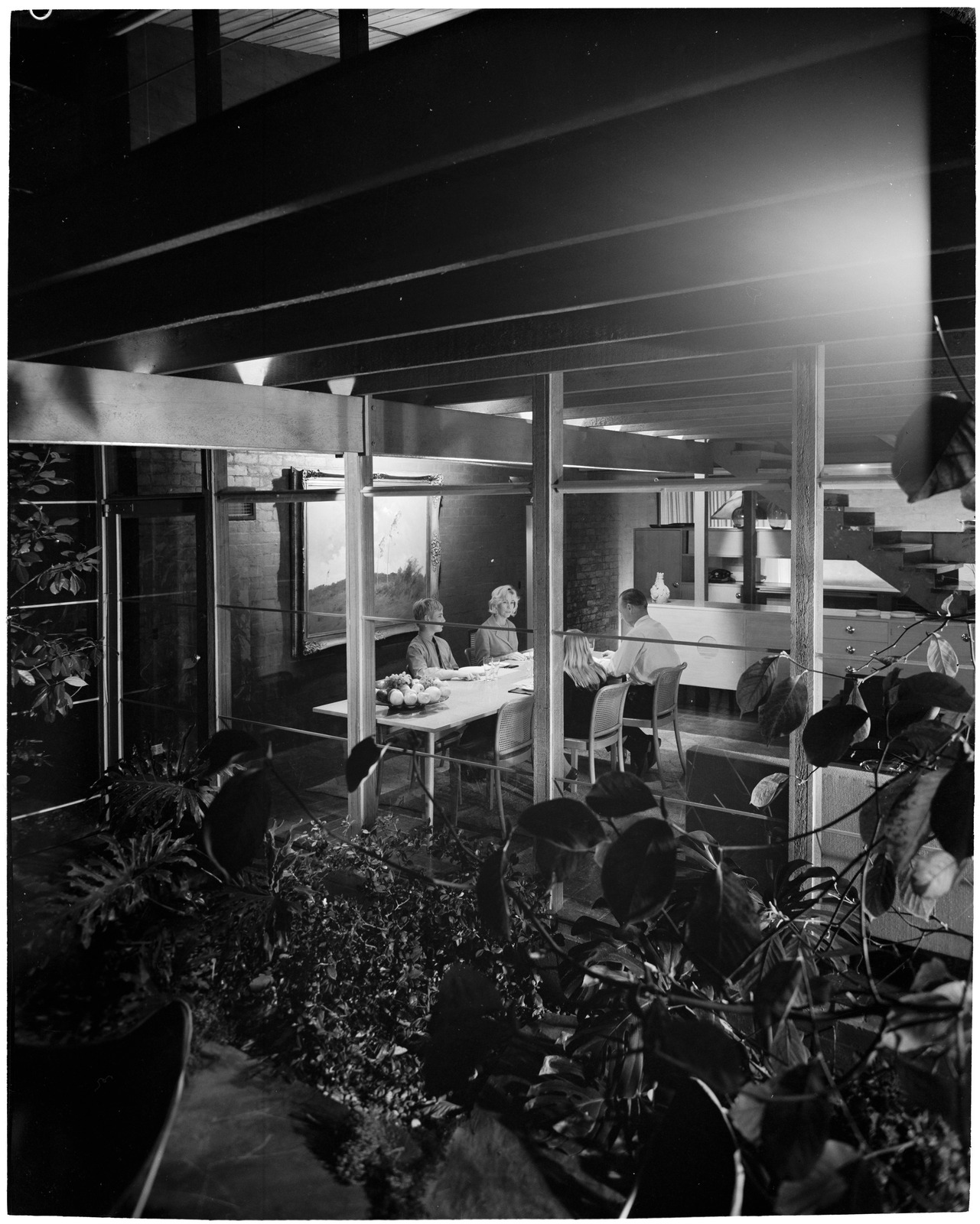
What is inextricably ‘good’ Australian design?
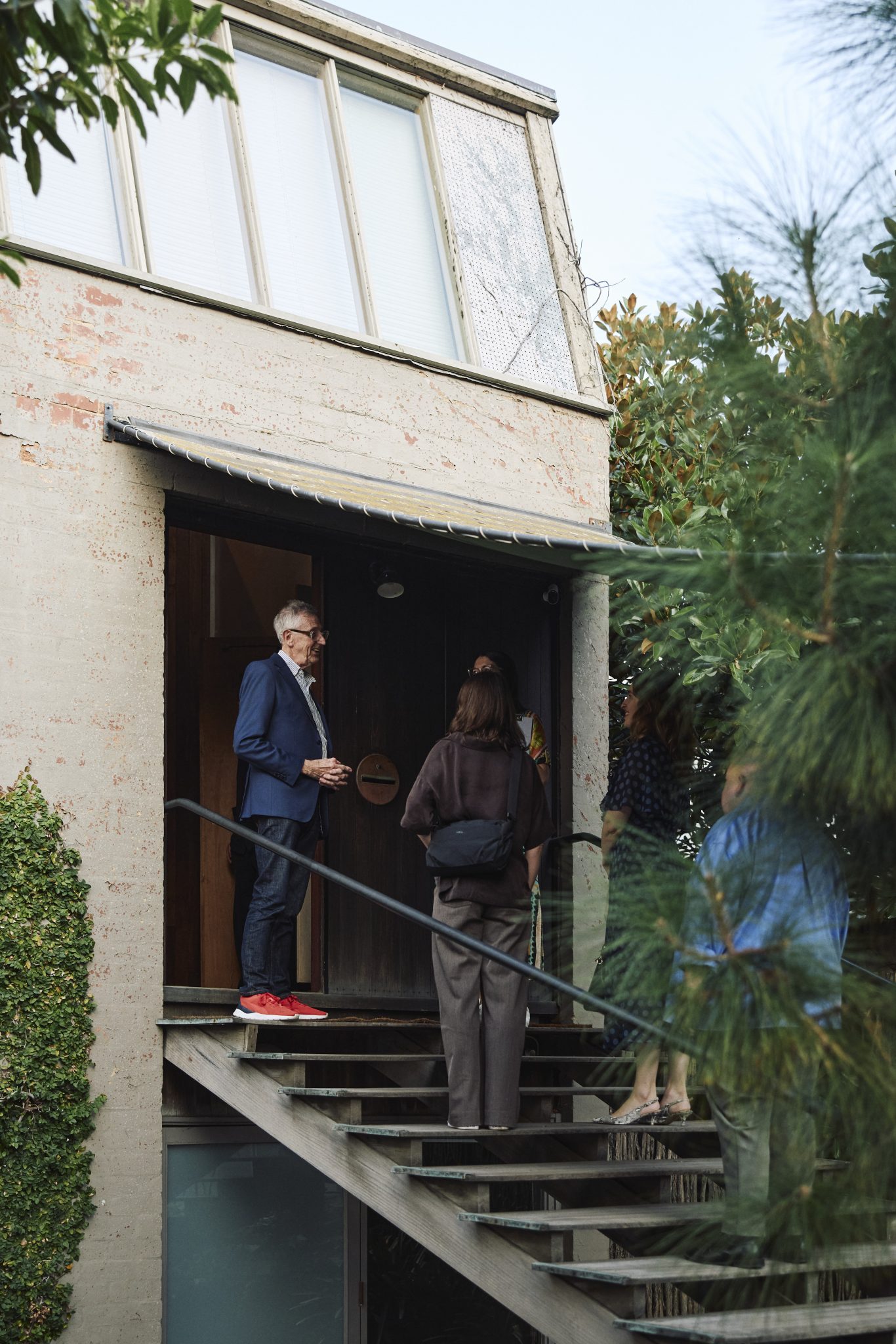
Boyd designed the Walsh Street house in 1957 for his family, who lived at the property until 2005 after the Robin Boyd Foundation purchased it with assistance from the National Trust. The foundation has acted as the custodians of the house ever since 2005, working tirelessly to protect and preserve the modernist heritage marvel that now functions as a multi-purpose space.
“The house is an iconic and experimental piece of mid-century modernist architecture internationally,” Paterson says.
Walsh Street House is one of two Australian members of the Iconic Houses Network, a global network of more than 100 20th-century architectural ‘house museums’. The other Australian member is Rose Seidler House, which was deemed the ‘most talked about house in Sydney’ when it was designed in 1950.
“Walsh Street house is a venue to further Boyd’s ideas on promoting and discussing what represents good design in Australia,” Paterson says.
Old house, old plumbing, old wiring
Paterson says the foundation experiences challenges all-too-familiar to not-for-profit organisations. A hefty chunk of funding derives from ticketing income generated from its public program and donations, including through the Boyd Circle Membership, a program open to Australian architecture and design practices willing to pay the Opulents membership fee and use the house for team days or client events.
Predictably, Walsh Street house demands ongoing maintenance to conserve its historical integrity and authenticity. Paterson says challenges emerge from “old plumbing and old wiring”.
He adds that ongoing maintenance must be thoughtfully balanced against the high frequency of events at the house.
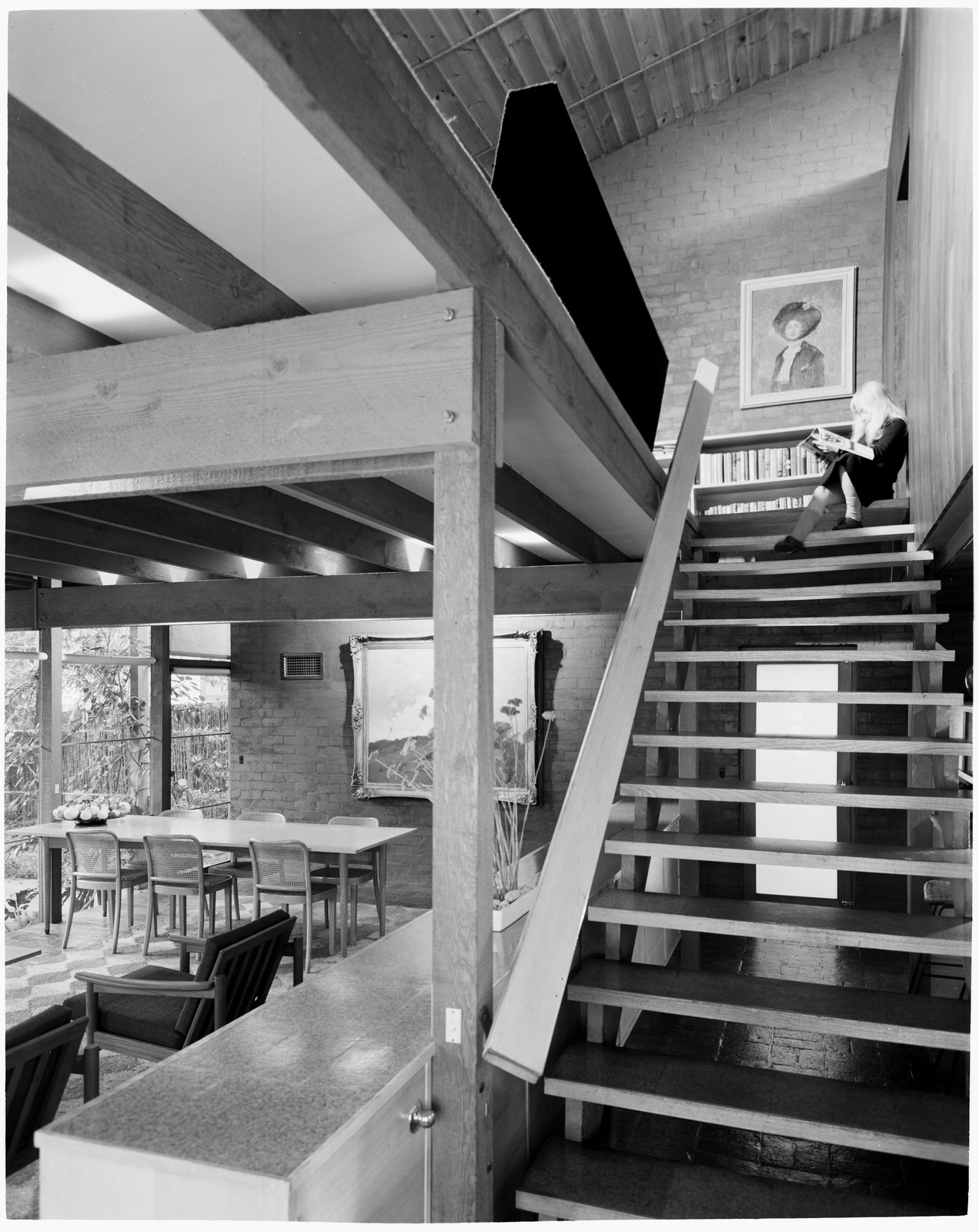
Public programs at the residence include student tours, public tours, panel discussions, visits from architects and academics, film screenings, exhibitions, open days and walking tours, which were introduced last year. Exhibitions and research projects honour Boyd’s global resonance, such as ‘When Robin Boyd Went to Japan’ and a future resource examining Boyd’s networks with architects in the Nordic countries, which is set to launch later in 2025.
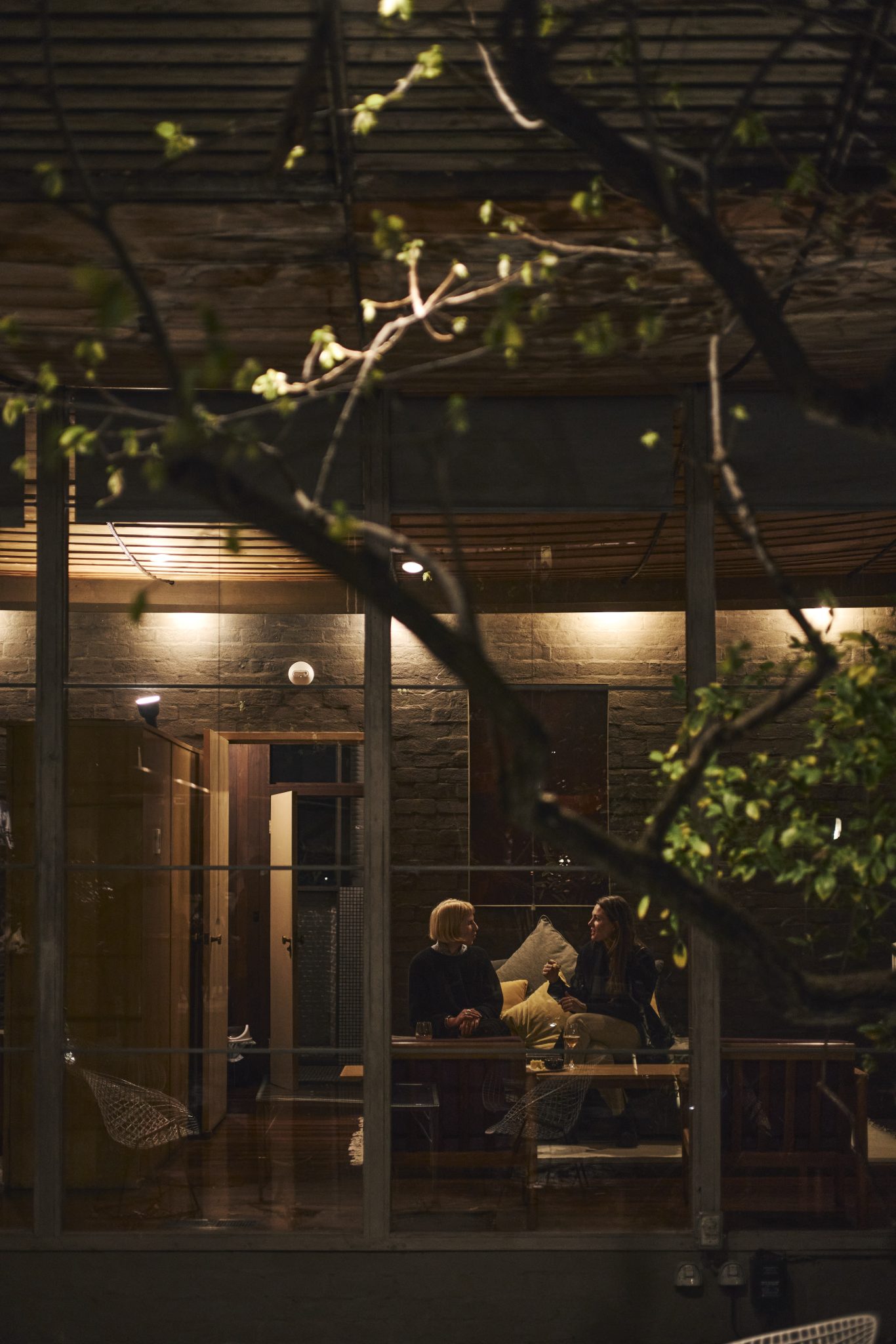
Walsh Street house also offers sunset cocktail hours in spring and autumn. Paterson says this event salutes the Boyds’ reputation as great entertainers and fulfils intentions for the house to be enjoyed and loved.
“The cocktail hours are a way of celebrating the house as it was designed by Boyd for entertaining,” he says. “The events are wonderful social nights with some amazing cocktails and storytelling about the old parties.”
A case for robust materials
Despite the fragility of Walsh Street house, Paterson says the weekly transformations of the property into a cocktail lounge or panel discussion setting are made easier by the rigour of materials.
“It is actually quite a robust house,” he says. “The materiality was simple and sturdy, and designed to last, and it has lasted. Even though the roof was a one-off – there’s not another roof anywhere in the world like it – it’s still largely the original roofing material even 65 years later.”
Paterson admits 20 years of experience and a robust army of volunteers also help streamline event preparations. “We move a lot of furniture thanks to volunteers and we take every precaution to make sure that not only do people have a good time, but the house is protected.”
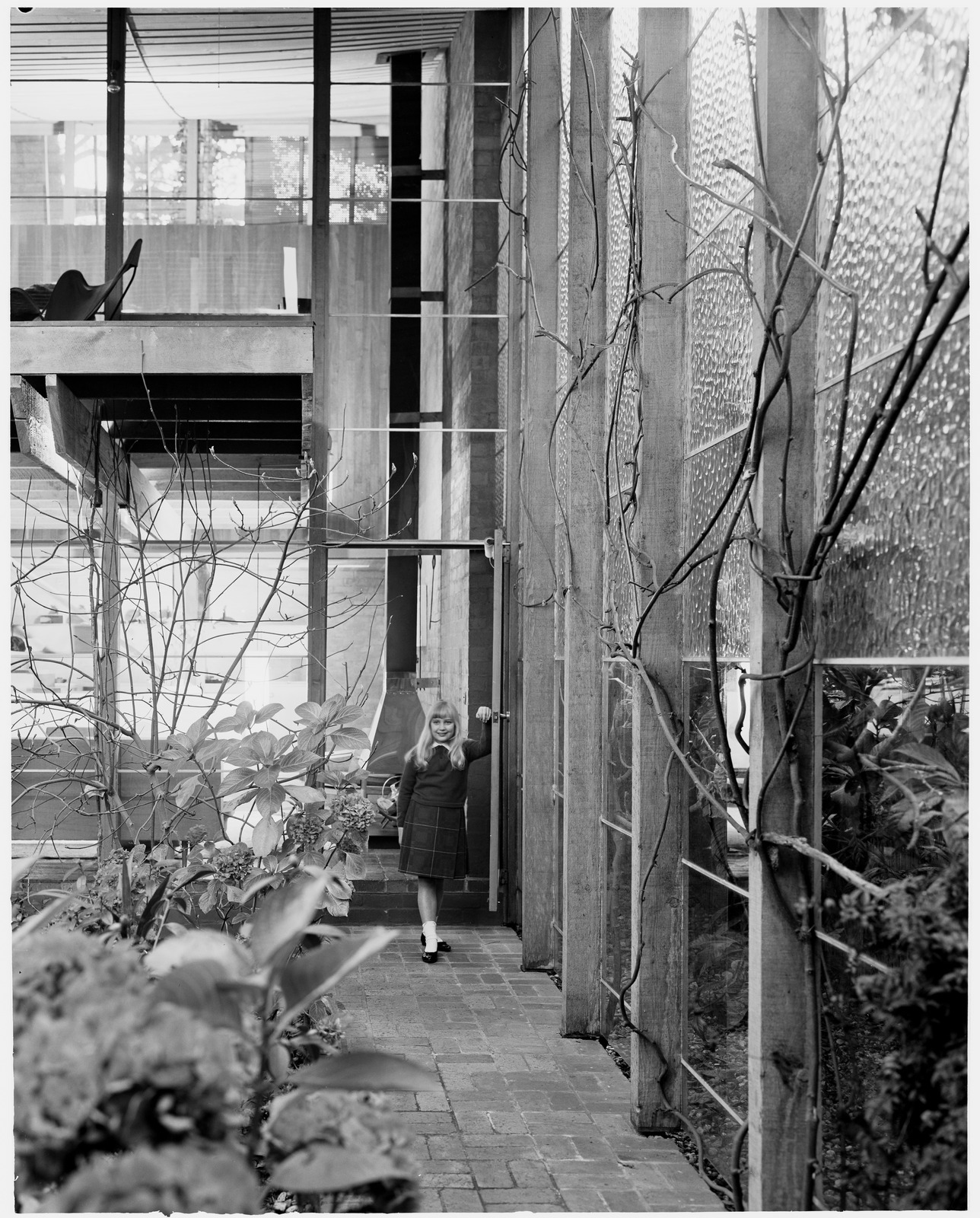
Robin Boyd Foundation nurtures renewed appreciation for modernism
As the co-founder of Beaumaris Modern, an architectural advocacy group, Paterson has witnessed an appetite for mid-century architecture ballooning over the last 15 years. He hypothesises the celebration of modernism has not yet climaxed, and is still relatively – and paradoxically – ‘new’ in Australia’s design zeitgeist.
“The appeal has perhaps not peaked yet,” Paterson says.
“People were still underappreciating modernist architecture 20 years ago and knocking down modest houses and whitewashing a lot of modernist interiors.”
Paterson relishes seeing non-design circles engage with modernist interiors and design, as people discover the architectural form via social media or through casual discussions with family and friends.
The Robin Boyd Foundation capitalised on the fascination with modernism amongst people who may have not necessarily had exposure to architecture and design, yet are now deeply interested in the style and form.
“And through discovering modernism, whether through Instagram or seeing a friend’s house that has been renovated in modernist style, we have a lot of more design-conscious public attendees at our events that have some awareness in modernist architecture and interiors,” he says.
“Our attendees are often seeking ideas and inspiration, which is either the reason for their visit or they’ve got an interest in considering what we can learn from the past.”
Paterson addresses Boyd’s almost incidental association with modernism. “Even though he died in 1971, he is synonymous with modernism in Australia,” he says.
The Walsh Street hHouse is deeply experimental in its modernism and features surprises, delights and head-shaking moments. Paterson says attendees are often agape and in awe of the property’s unique features.
“We get a lot of very visceral reactions from visitors to the house,” he says. “Boyd didn’t build anything like it again.”
Future of heritage conservation in flux
Paterson says the heritage landscape in Australia is at an intriguing crossroads.
“I think heritage in Australia is in an interesting place at the moment,” he says. “I’m on the negative side, having come out bruised from some advocacy battles in the bayside suburbs of Melbourne, and we have lost significant places, replaced by pretty gross developments.”
Paterson is also worried about the implications of the proposed new Victorian planning regulation, which will neglect or downgrade heritage considerations and reduce transparency and community consultation, ostensibly to speed up the decision making and planning approval process.
“We must strike a balance between creating new opportunities for housing, increasing supply, and process in reasonable time, while conserving heritage and maintaining urban character,” he says. “Open and meaningful community discussions and more funding for managing and processing heritage are required.”
“The current rush to densify, in Melbourne and other cities, means heritage is being bypassed,” he says. “We don’t have the best heritage structure and processes at the moment to ensure we preserve enough of our heritage. Ignoring heritage in rushed reforms may make it worse.”
Boyd’s playbook for delivering affordable quality homes
Although Boyd eventually designed bespoke houses for wealthy and influential clients such as Governor-General Zelman Cowen and the Myer family, his notoriety in architecture and design is also owed to his fight to address housing inequity and his use of design as an instrument to tackle social injustice.
“Early in his career, Boyd was the inaugural director of the Small Home Service, which was a very innovative and successful scheme launched in Victoria in 1947 to address the housing crisis immediately after World War II,” Paterson says.
The scheme instilled a sense of dignity in returned service people and their families and demonstrated that affordable housing design did not need to be elementary and crude.
Under the Small Home Service, plans and specifications for houses with judicious division of space and commendable solar orientation were available to purchase for five pounds in The Age. According to a Monash University study, more than 5000 homes were constructed under the Small Home Service, potentially amounting to 15 percent of all homes built in Victoria at the time.
“The scheme provided low-cost homes to returned service people and their families and also contributed to having architectural design built into cheap, small houses,” Paterson says.
Boyd’s residential design rejected ostentation and instead focused on practicality and modesty. He upended conventionally designed floor plans and courtyards, the latter of which features at Walsh Street house.
“He turned on its head the idea of the Australian house with the quarter acre block and a big front yard, a big backyard and a driveway down the side,” Paterson says.
Boyd also collaborated with nature and did not view it as an obstacle.
“There’s some big trees on the Walsh Street block, for instance, that he designed around, rather than starting with a fresh block without any trees.”
Boyd’s experimentations invited people to perceive household design as exciting. He had a regular column in The Age where he shared how households could incorporate modernist design into their home.
“He was always challenging the way Australians thought about living,” Paterson says.
Boyd’s 1960 book The Australian Ugliness narrativised his push to abandon ostentation in house design. “He rejected the idea of featurism and unnecessary adornment on houses and was critical of Australians copying the latest fad from America, but doing it cheaply and poorly,” Paterson says.
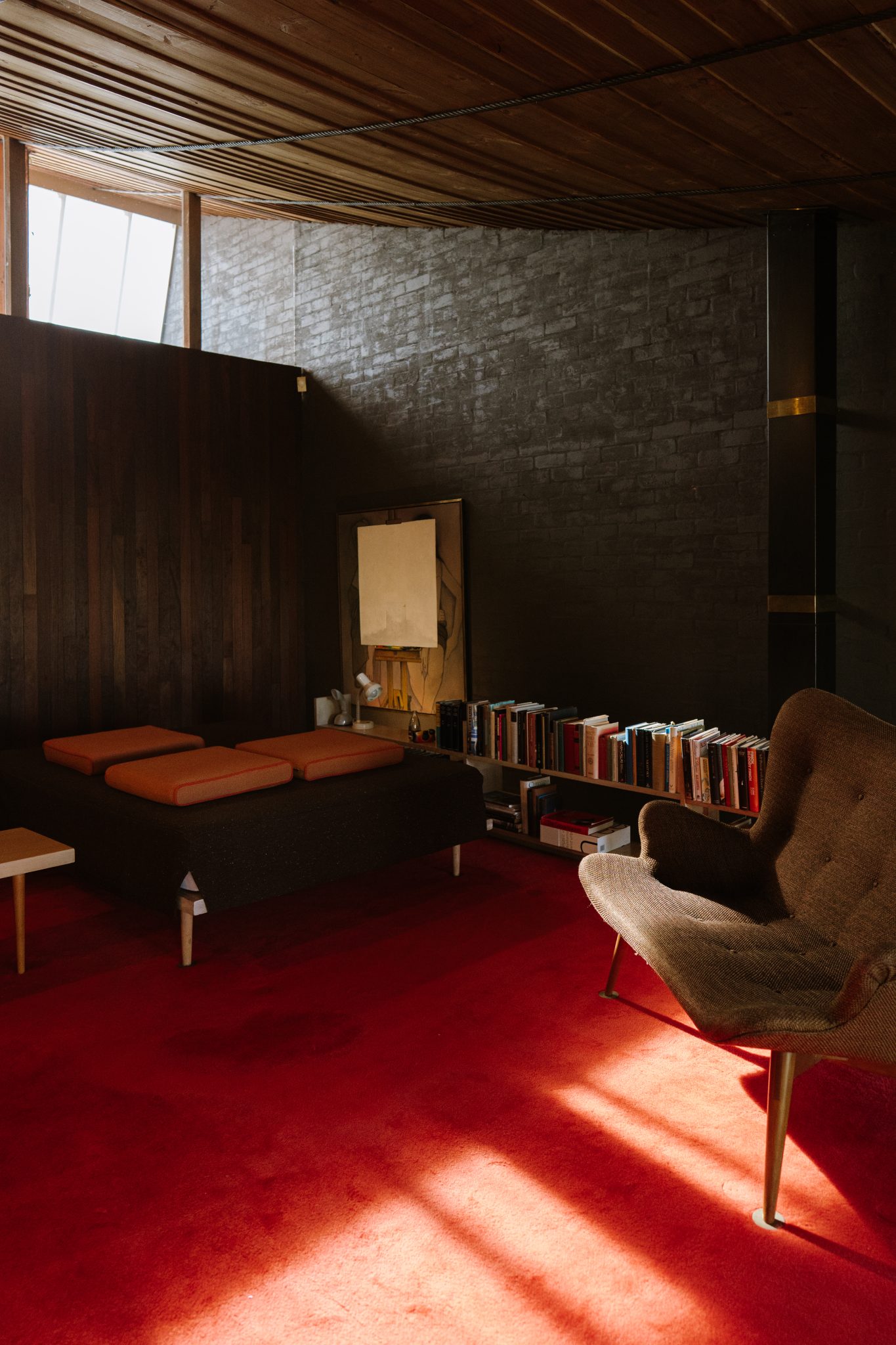
Walsh Street house embodies Boyd’s approach to residential design. The home encases a garden courtyard, akin to an outdoor room, complete with glass-walled sides and overhanging eaves suspended from a catenary structure.
Other unconventional features included the ability to transform the main bedroom into a living room during the day. Locating the children’s bedrooms on the other side of the courtyard also offered privacy and seclusion.
Paterson predicts Boyd would likely be saddened at the abundance of supersized houses that line inner city and suburban streets and abandon practical design.
“I think he would be aghast at some of the volume builds and McMansions that we’re seeing today with their ridiculous features and porticos,” Paterson says.
Contemporary designers take note
Paterson maintains Boyd’s playbook for rigorous design offers many lessons to contemporary architects.
“One lesson is to respect the simplicity of materials and how your choice of materials can guide the interior. Boyd was a fan of cork and coloured carpets, interior timber, cladding, copper and brass, as they are features that give highlights but are fairly simple and modest materials,” he says.
Paterson says Boyd’s homes exuded honesty and rationale, while maintaining elegance and avoiding illusions that might leave occupants confused.
“He didn’t overextend – none of his houses could be said to be too fancy inside. They had honesty. Materials were representing the materials themselves, not something else,” he says.
Paterson also praises Boyd’s ingenious use of lighting and predicts the maverick architect would roll his eyes at the banks of downlights common in houses today. “Boyd was very good at lighting plans and concealing a lot of fixed lighting,” he says.
Although Walsh Street house has fluorescent lighting, eggshell diffusers soften the light. “The magic of the Wall Street house is visiting in the evening, where you see how the house transforms so amazingly from day to night. And that was in the genius of Boyd’s lighting plan,” Paterson says.

Architecture discourse that is widely enjoyed
Paterson says the Robin Boyd Foundation encourages people to engage in conversations about design without fear of judgement to unravel the purported elitism surrounding architecture.
While Boyd wrote in academic journals boasting a small audience of discerning peers, he appeared on radio and television and had a longstanding weekly article in The Age.
“Robin Boyd was the first architect [to enter] the broader public consciousness in Australia.” Paterson says. “He was such a good communicator and he really wanted to communicate at everybody’s level.”
The Robin Boyd Foundation aims to uphold Boyd’s pledge to make design achievable and easily understood by hosting inclusive events.
“We don’t just have events for architects and people in the profession. We want to talk about architectural history, architecture and design to the general public. That’s our unique role, and meeting that mission will extend the life of the foundation and maintain our relevancy,” Paterson says.
The foundation’s next 20 years look as bright, exciting and engaging as the present, and will be marked by organic and sustainable growth.
“We are continuing to work with key stakeholders and industry professionals to look at the ongoing conservation management plan for the house,” Paterson says.
An engineering study from a few years ago disproved suspicions that the roof would need to be removed. “The studies revealed that most of the movement that has already happened in the roof is able to be stabilised with ongoing maintenance, so we think we’ve got another 20 years out of the roof,” Paterson says.
The foundation is also keen to continue building their audience and foray into digital programming and interactive digital events.
“Over the last few years, we’ve been building a digital database that includes 3D tours of other Robin Boyd houses and prominent works of Australian architecture,” Paterson says.
Paterson says the foundation is operating a student-led volunteer project to build an online database of Robin Boyd’s built works, which includes more than 200 houses and other buildings. In 2022, the foundation released a digital archive of 4000 objects from Walsh Street house and the Boyd family collection, which can be found online.
“Extending Boyd’s legacy means communicating to a broad audience, which he tried to do,” Paterson says.
Photography supplied by Robin Boyd Foundation and Michael Pham.
Surprise and compromise – the tenets of conservation architecture
Top image: Mainroad Property Marketing. All other photography supplied unless specified.

© Niche Media 2026