

Lighting the way for waste-derived materials
Lighting the way for waste-derived materials

Share
Two of Australia’s favourite flavours, coffee and oysters, are getting a second life. After they’ve been extracted or shucked respectively, coffee grounds and oyster shells don’t serve much of a purpose. But Brisbane-based FRANCA Studio is transforming this culinary waste into statement lighting.
Recovered through restaurant waste streams, the oyster shells and spent coffee are ground down to a fine particle and blended into a bio-sourced PLA filament in Normandy, France. This process allows the natural colours and textures to be the defining feature, with no need for industrial dyes.
Each piece is 3D-printed in Brisbane and entirely unique. Coffee produces a warm, earthy brown glow with subtle flecks running through it, while Oyster is lighter and softer, producing an off-white mineral tone with slight variations from the shell content, which gives it an almost stone-like quality.
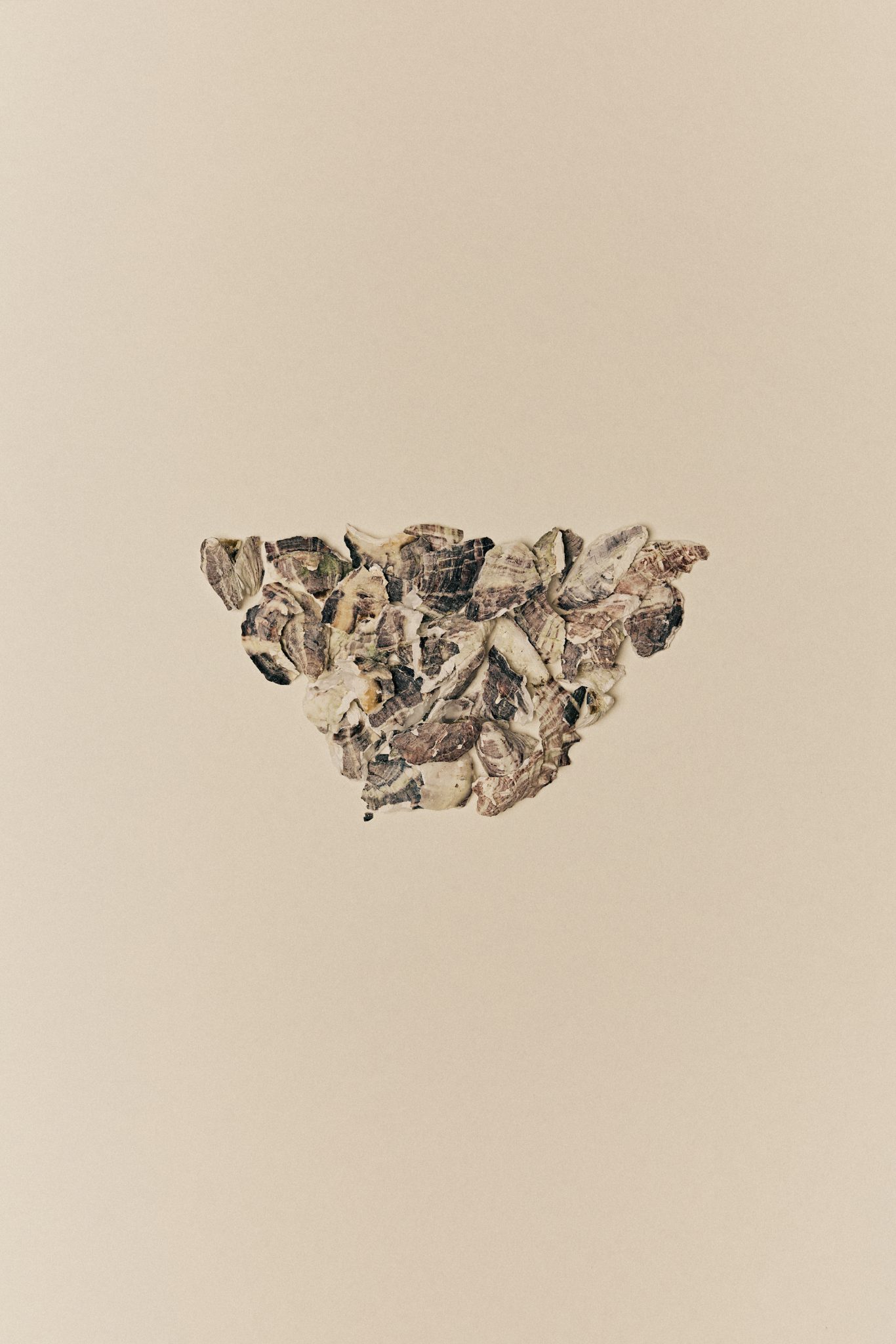
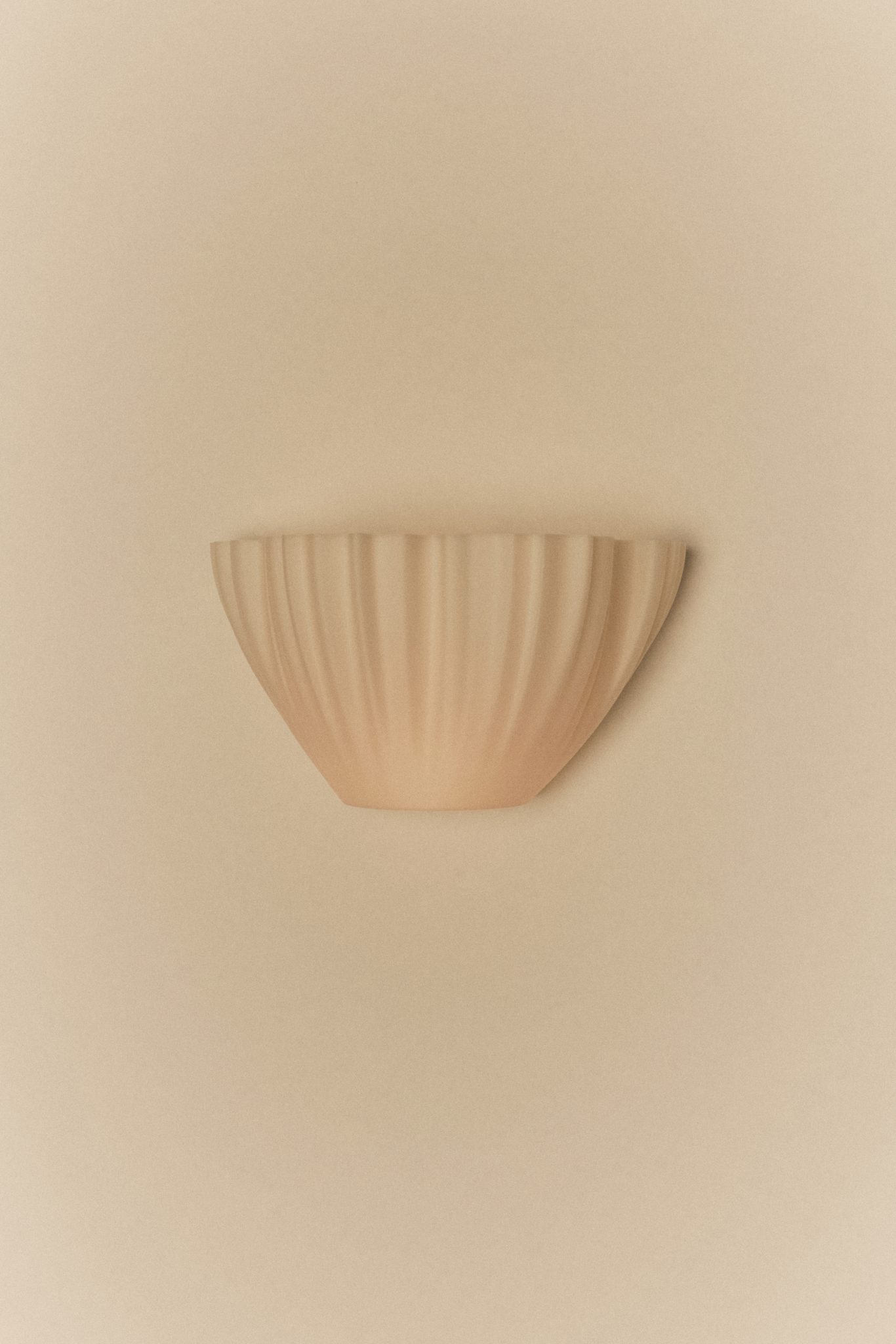
With each piece made to order, FRANCA‘s approach to production reduces waste by responding to demand rather than relying on pre-manufactured stock. While 3D printing creates a uniformity to the range, the waste-derived content brings subtle irregularities that make every piece a one-off. These variations create a lighting range that feels warm, tactile and delightfully imperfect.
The new finishes are available across the Sylvie, Eden S/M/L/Columnm, Arielle and Suki ranges. Within the design options, there are plug-in and hardwired lights, as well as wall sconces and freestanding designs. Collectively, the lights can be combined to create a cohesive design language or displayed as stand-alone pieces.
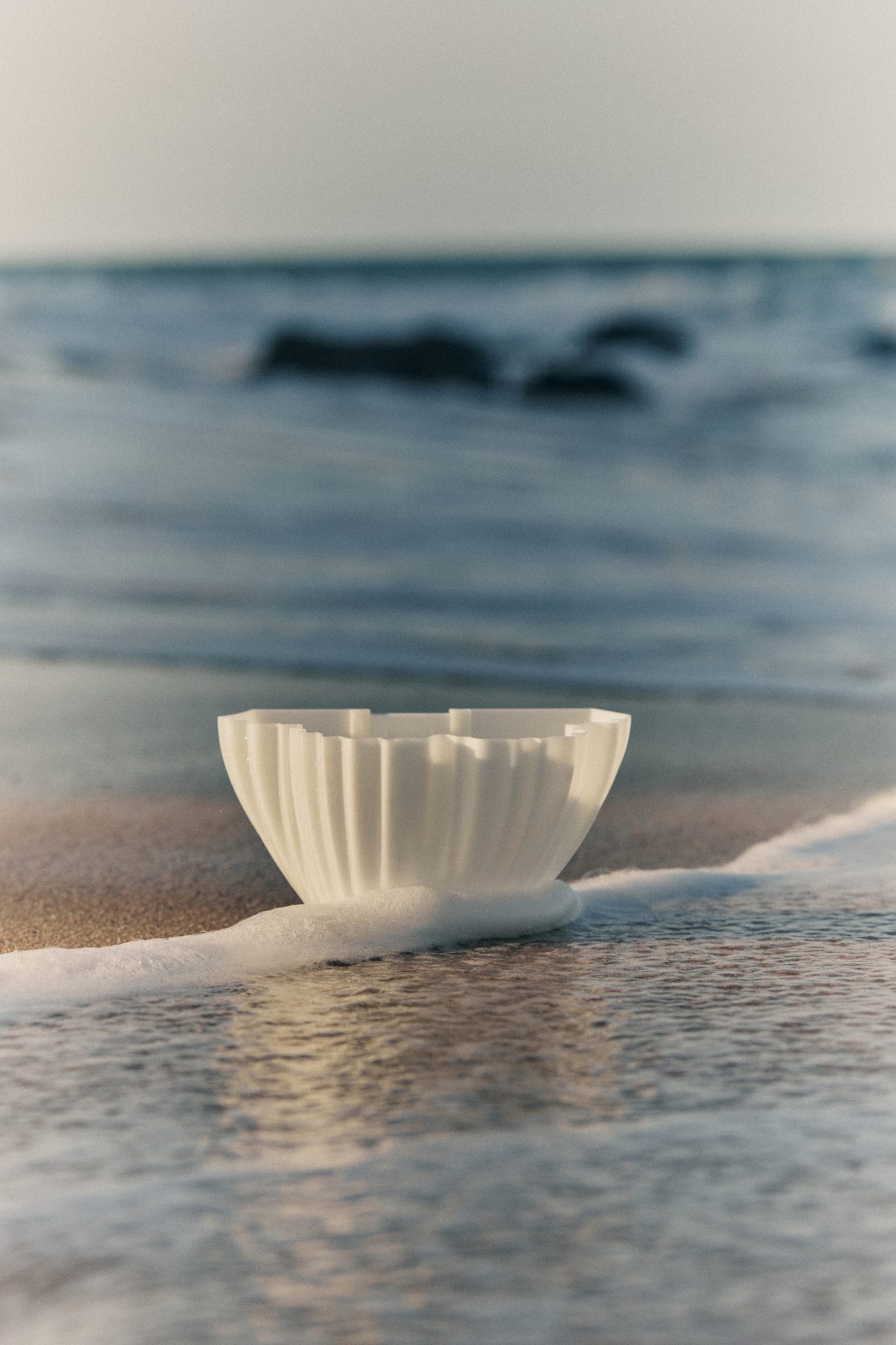
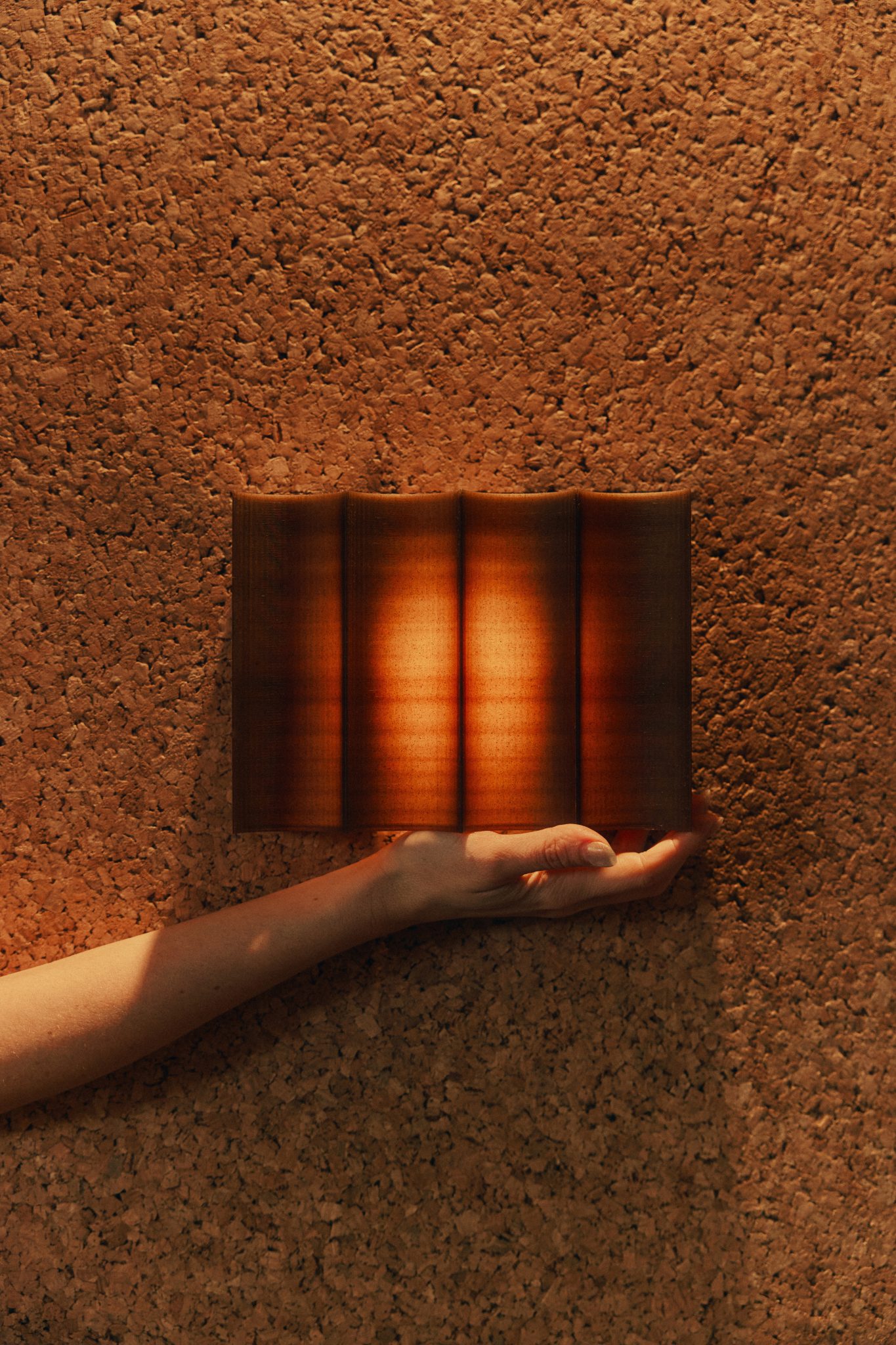
Co-founder Isabelle Bayly spent several months testing the product, configuring the 3D printing, and trying different wall thicknesses, forms and light diffusion to work out which designs would best bring out the qualities of the materials.
“We started looking at what was happening internationally with alternative 3D printing materials and discovered some really interesting developments where waste from other industries was being incorporated into PLA,” says Bayly. “Coffee and Oyster immediately stood out because the waste story is so tangible. You drink a coffee, and the grounds are discarded. You eat oysters, and the shells are discarded.”
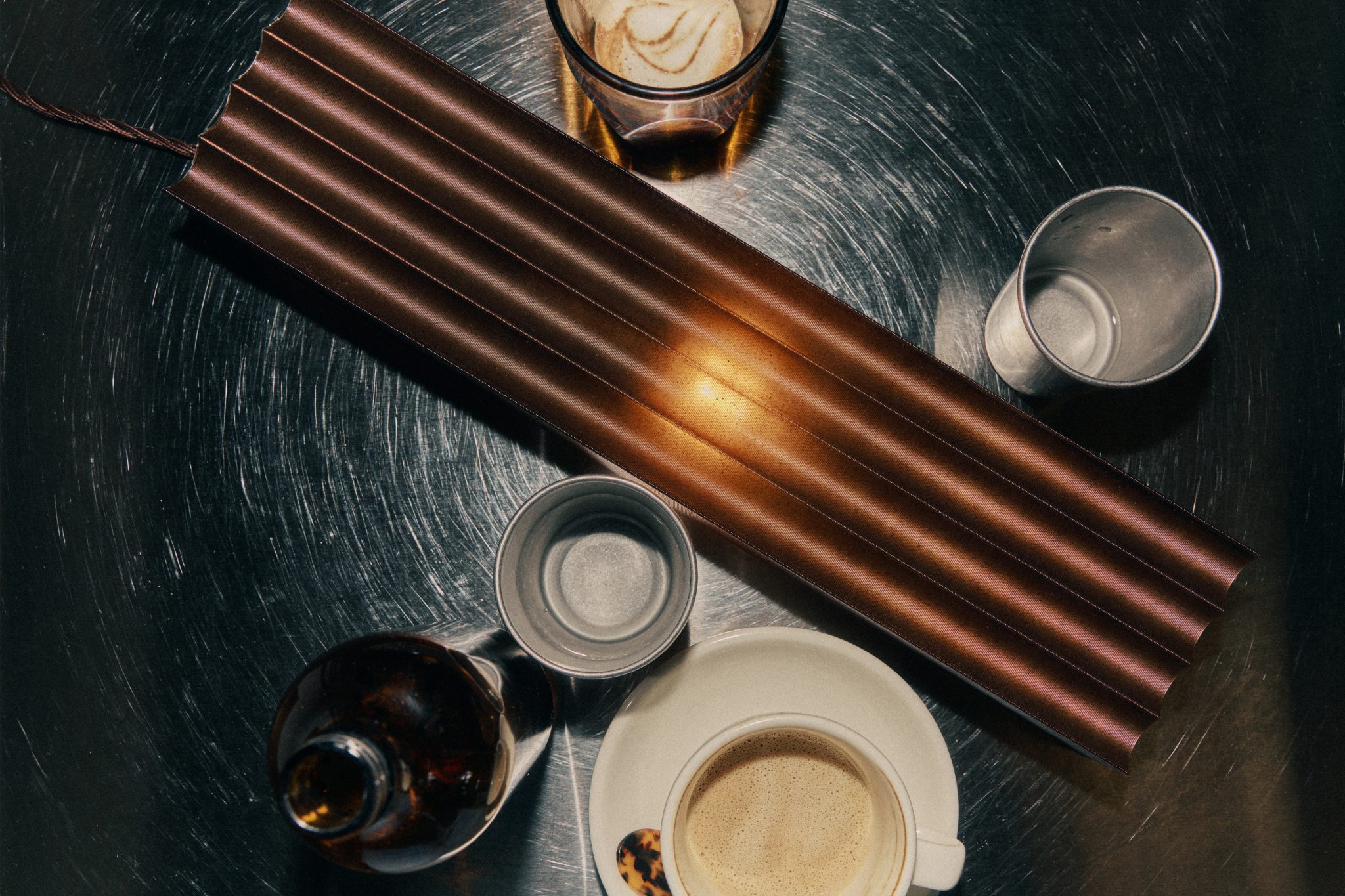

“First and foremost, I want people to think they’re beautiful,” adds Bayly. “I think sustainable design is most powerful when you don’t have to compromise aesthetically to make a more responsible choice. I don’t want someone to love a Coffee or Oyster piece because it’s made from a waste-derived material. I want them to love the object first, and then discover the material story and find another layer of meaning in it. If something as ordinary as spent coffee grounds or discarded oyster shells can become part of a lighting piece, what else are we currently treating as waste that could become a resource?”
Images: Taylah Golden.

© Niche Media 2026