

New study shows potential for decarbonising cement
New study shows potential for decarbonising cement

Share
Research from Adelaide University has found that turning rubbish that would end up in landfill into fuel could be a viable alternative to fossil fuels cement production.
Cement is responsible for an estimated eight percent of global carbon dioxide emissions, but it’s currently an essential material for buildings, roads and infrastructure. Traditionally, cement production relies heavily on coal and other fossil fuels to generate the extreme heats. If the demand for the material isn’t going anywhere, alternative solutions need to be found.
Every day in Australia, large quantities of combustible waste are sent to landfill, including materials that can’t be recycled. Adelaide University PhD candidate Geethmi Thisakya – along with her supervisory team, Dr Navodana Rodrigo, Dr Chamitha Wijewickrama and Professor George Zillante – suggests this waste could support cleaner cement manufacturing and more sustainable waste management.
The study, which was published in the International Journal of Building Pathology and Adaptation, reviewed 211 scholarly articles published between 1991 and 2025 with a focus on using refuse-derived fuel (RDF) in cement manufacturing – a process that turns suitable waste into a fuel that can replace some conventional fossil fuels. Using it alongside traditional fuels in cement kilns is known as co-processing.

The findings highlight growing international interest in RDF as a way to address two environmental challenges simultaneously: reducing the amount of waste sent to landfill and reducing reliance on fossil fuels in cement production.
“Previous research has highlighted the potential of refuse-derived fuel to turn suitable waste materials into a useful resource rather than sending them to landfill,” says Thisakya. “However, our review shows that realising this potential requires more than simply replacing coal with waste. We need consistent fuel quality, clear regulations and stronger evidence about the environmental and economic impacts.”
While recycling waste and reducing overall landfill remains a priority, the study suggests RDF could provide an alternative for combustible materials that cannot be practically recycled. While a promising finding, researchers say more work is needed to understand how RDF performs in different geographical and industrial contexts.
The review identifies several priorities for future research, including improving fuel classification, strengthening quality control, comparing regulations across countries and conducting more detailed assessments of environmental, economic and social impacts.
“Cement manufacturers need confidence that alternative fuels will perform consistently, meet environmental requirements and support safe, reliable production,” says Thisakya. “Developing stronger quality assurance systems and clearer regulatory frameworks will help industry make informed decisions about using waste-derived fuels.”
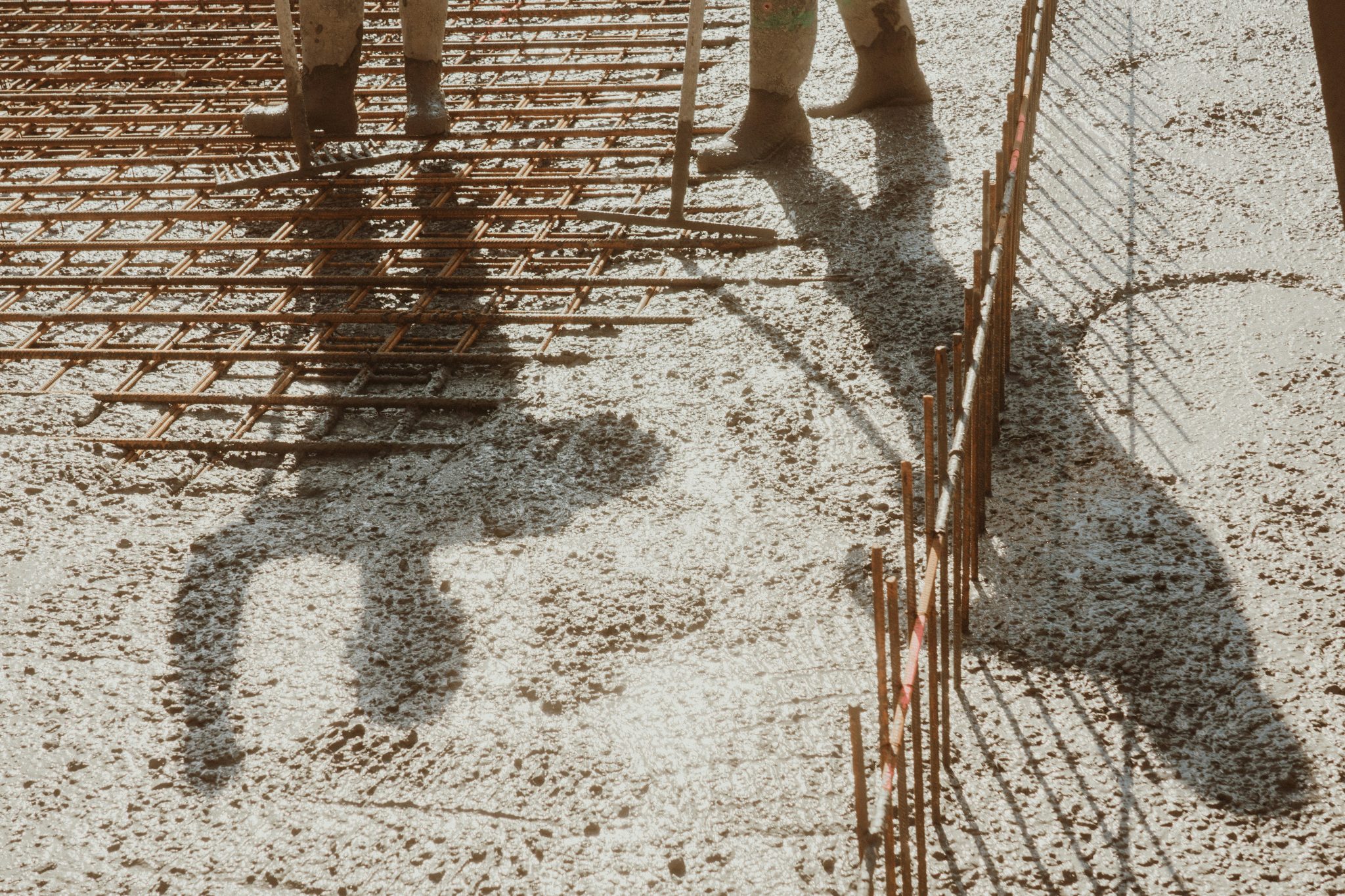
Top image: Shahabudin Ibragimov, Unsplash.

© Niche Media 2026