

For those who like to wander… and wonder

Share

The Robin Boyd Foundation offers a veritable treasure trove of architectural treats through its events, screenings, guided tours and more.
Are you a neighbourhood wanderer? Do you amble along the streets where you live and gaze up at the buildings wondering about their provenance? Perhaps you are curious as to who built them and why? If the leafy inner Melbourne suburb of South Yarra counts as your local area, there’s an excellent way to discover its design secrets.
And if you come from further afield? It’s well worth making the trip…
Robin Boyd House is the cultural landmark tucked away in a South Yarra back street, owned and managed by the Robin Boyd Foundation. Carefully maintained to honour the legacy of one of Australia’s most celebrated architects, the striking modernist residence is a living monument to Boyd’s architectural vision and practice.
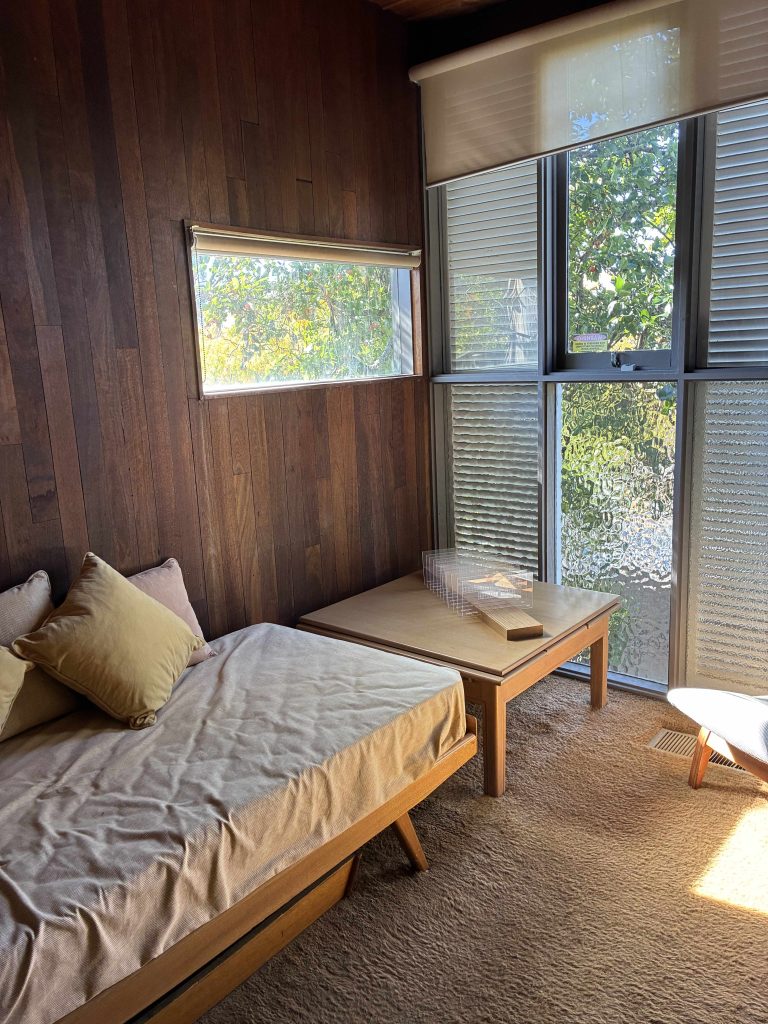
But it’s also a wonderfully atmospheric venue for a variety of popular events staged by the Foundation. Many of these – including panel discussions, round tables and the highly anticipated Sunset Cocktails – frequently sell out.
This week’s Material Worlds panel, the Cocks Carmichael Whitford round table in May and the entire season of autumn Sunset Cocktail parties (inspired by the legendary social events hosted by Robin and Patricia Boyd in the 1950s and 60s) have all been booked out. Don’t be disheartened though, the spring Sunset Cocktails dates will be announced soon.
Discovering the domicile
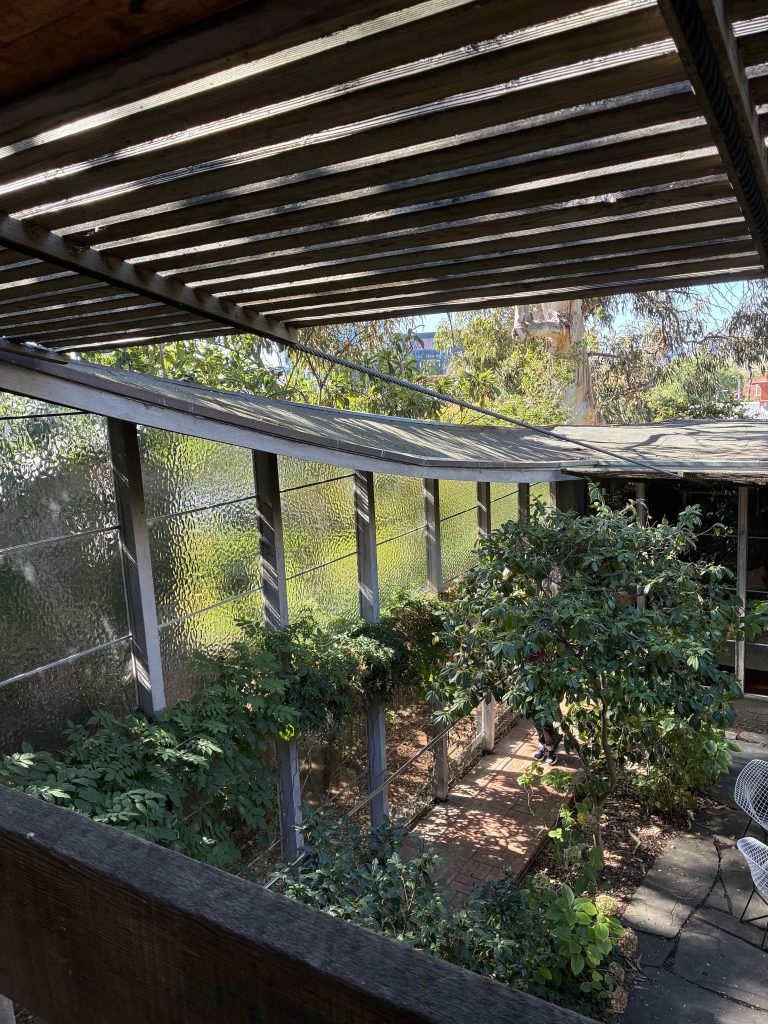
There are, however, regular tours available. There’s the straightforward Walsh Street Guided Tour, which lasts for 90 minutes and comprises a 45-minute seated presentation on Boyd’s life, career and achievements, before an invitation to explore the house – and all of its nooks and crannies. Naturally, the presentation covers the inspiration behind the house itself and the architectural innovations contained within.
You’ll learn all about those curious cables holding up the roof, and how they’ve stretched over the decades, leading to a arresting camber-like effect. The house was designed in 1957 and has been preserved intact with original artworks, furniture, the outdoor ‘room’, the discrete back section (where the children slept) and the death-defying balcony leading from the main entertaining space (which doubled as the Boyds’ master bedroom – original bed in situ too), all as they were.
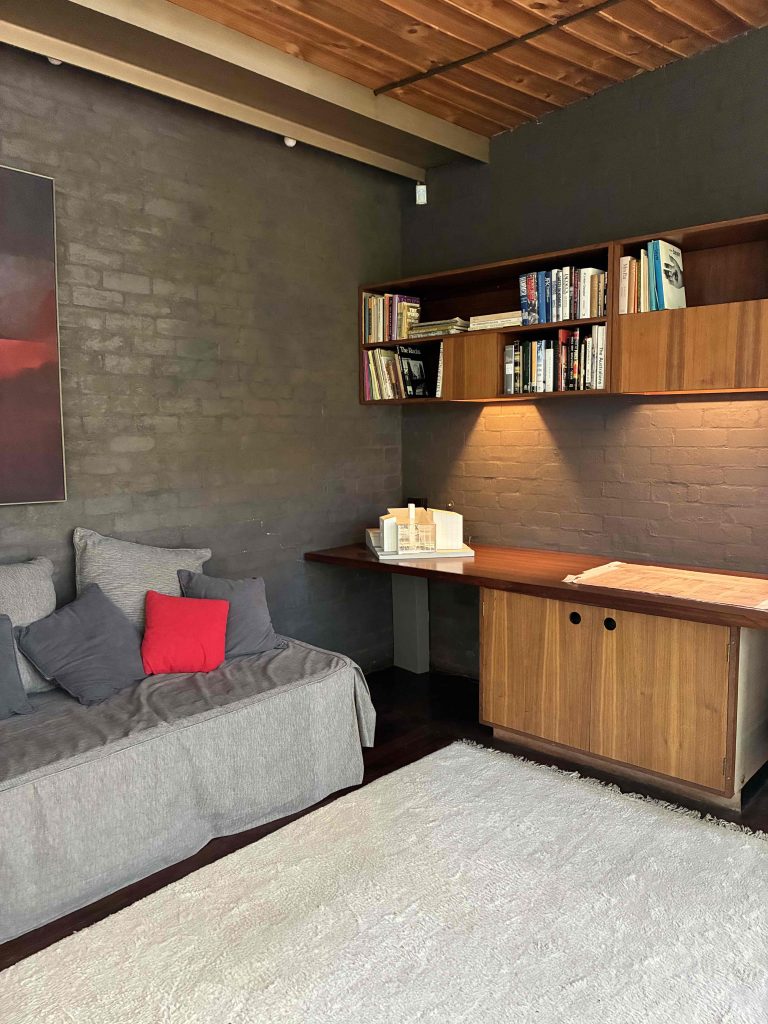
And on that balcony, which looks over the open air space down towards the children’s building, there’s now a wooden barrier. It still feels a little precarious up there, even with that in place, but the fact that before its installation there were apparently no (recorded) deaths or even serious tumbles during all those (presumably) alcohol-soaked social events is a miracle in and of itself. Of course people probably looked where they were going in the middle of last century – no damn phones or AirPods…
Super strolls
Boyd wasn’t working in a vacuum, however, and the Foundation also offers a regular series of walking tours around the locality, guided by ultra knowledgeable volunteers, and checking out the notable residences and edifices that either inspired Boyd or repulsed him. And there are a few of the latter. Not for nothing was his most famous book titled The Australian Ugliness. Boyd could be witheringly witty or downright derogatory when he truly detested a design, and the Walking Tour: ‘Robin Boyd’s Neighbourhood’ offers a few examples of places that did not get his seal of approval.
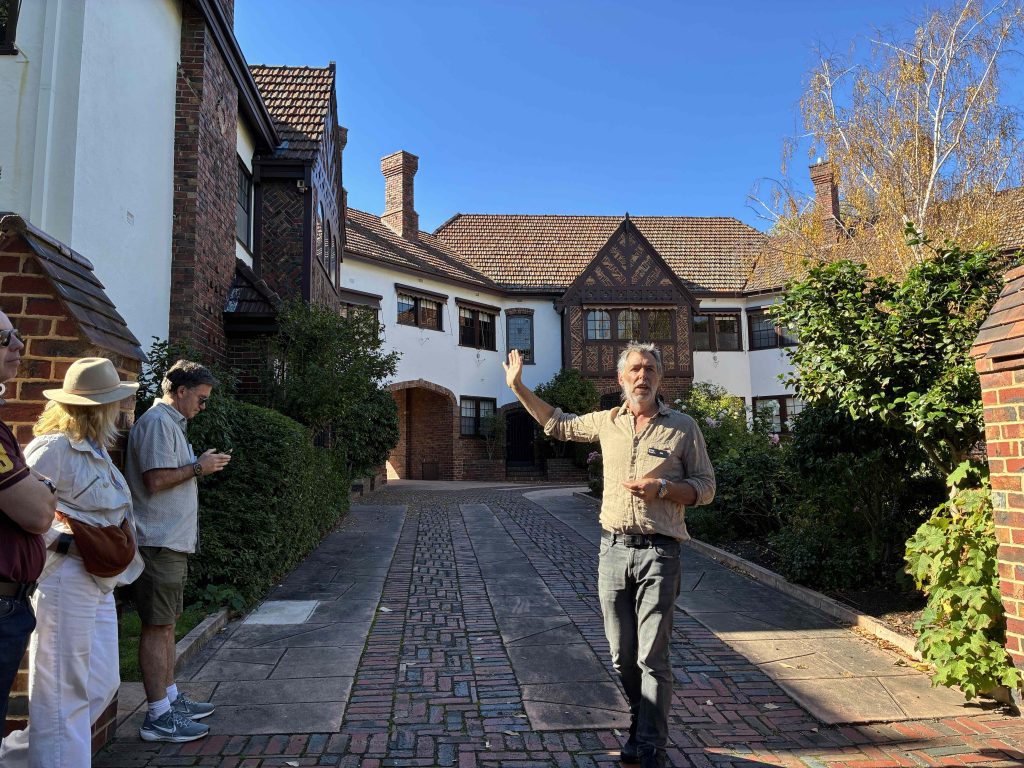
You may feel very differently, of course. But meandering away from the meeting spot in the Royal Botanic Gardens, up Anderson Street, along Domain Road, via Marne Street and back down Walsh Street, you’ll be introduced to a range of architectural marvels and anomalies, including Yuncken Freeman Brothers Griffiths and Simpson’s Fairlie Apartments (1961), A W Plaisted’s Castle Towers (1941), Neil Clerehan’s Fenner House (1964), Walter and Richard Butler’s Amesbury House (1923) and, of course, Boyd’s own significant contribution – Domain Park Flats (1961).
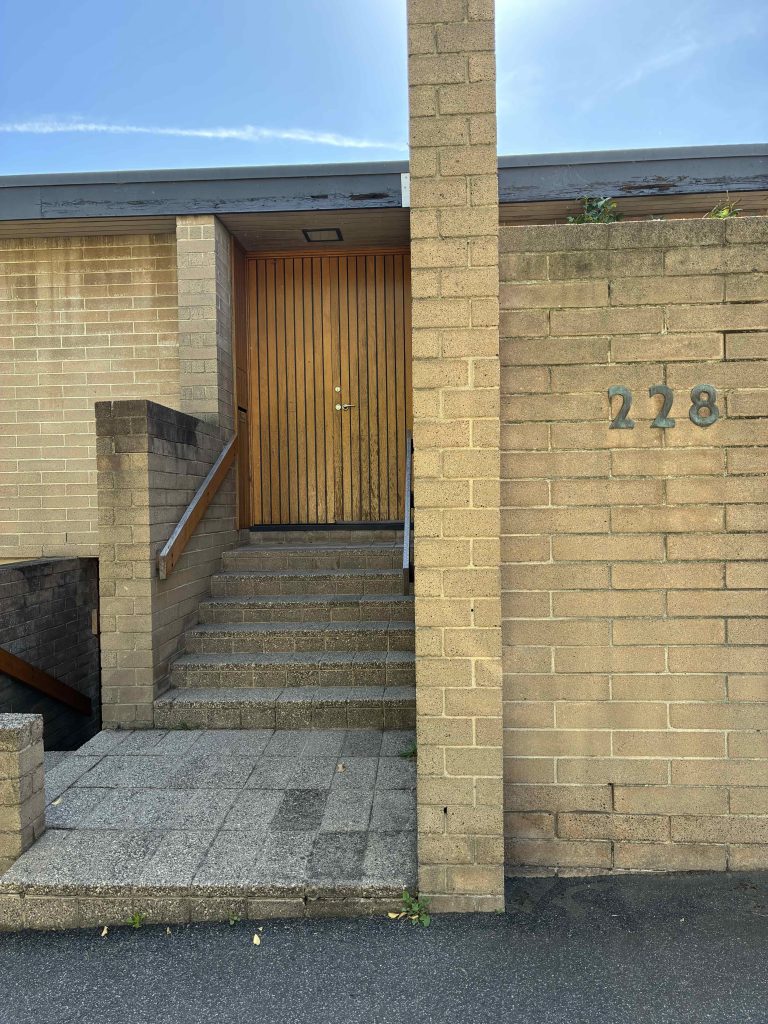
And no clues here as to which of these fell to Boyd’s brickbats or bouquets. You’ll also learn some fascinating back stories – such as the reason for that mighty wall between two properties on Domain Road and the story of Boyd’s great and lasting friendship with Neil Clerehan.
The tours take a couple of hours, give or take, cover about two and a half kilometres and end up back at Walsh House.
For further information visit the Robin Boyd Foundation website.
Photography by ADR.

© Niche Media 2026