

Building blocks – a spotlight on the burgeoning BTR market

Share

The build-to-rent sector is poised for rapid growth. Developers with superior sustainability credentials will have a competitive edge when attracting investors.
Australian tenants have been struggling with rising rents and shrinking vacancy rates in recent years, with the nationwide housing shortage expected to fuel these trends for several decades to come. The Government’s ʽIntergenerational Reportʼ forecasts that our national population will reach 38.4 million by 2060, meaning 150,000 new homes will need to be added each year to meet demand.
The evolution of the build-to-rent (BTR) sector is expected to be part of a broad solution to this housing shortfall, provided the numbers make sense for local and international developers and investors.
Renters to pay a premium for sustainable homes
Melbourne will soon welcome two new BTR developments with world-class sustainability credentials from MODEL. The group is planning to use mass timber construction and biophilic design to deliver its first two projects, MODEL on Johnston (Street, Abbotsford) and MODEL on Lithgow (Street, Abbotsford). Both are due for completion by the end of 2027 and will generate a total of 430 rental units.
The buildings will have 100 percent renewable energy to obtain a six-star Green Star rating from the Green Building Council and a nine-star rating under the Federal Government’s Nationwide House Energy Rating Scheme, along with internationally recognised Passivhaus certification.
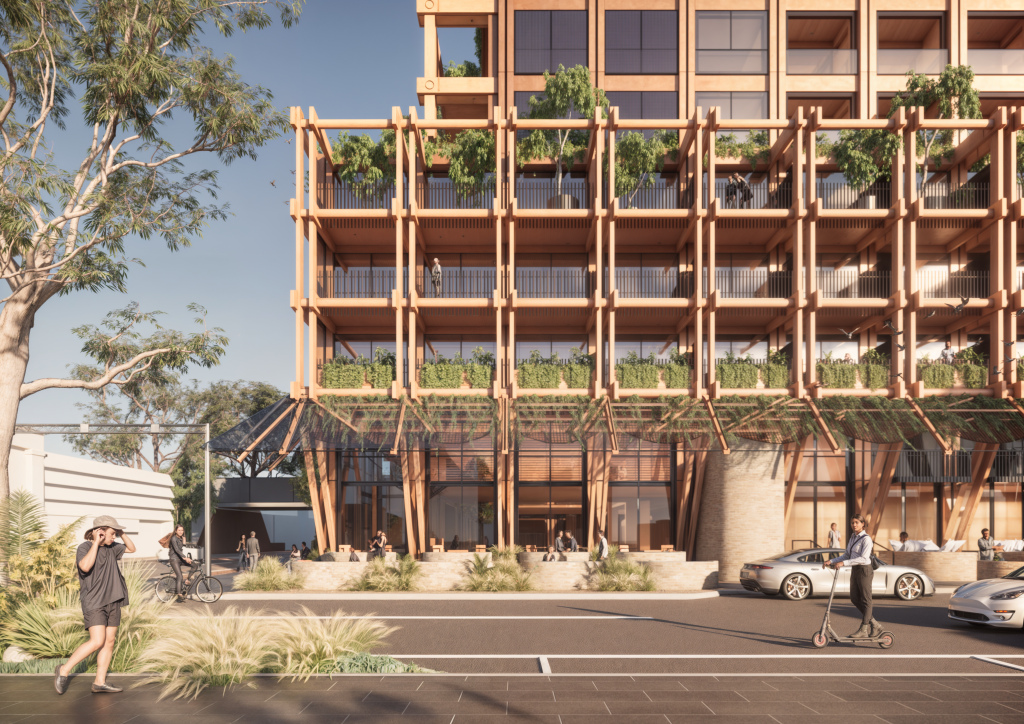
MODEL chief operating officer, Phil Shelley says a distinct part of a sustainable BTR development is the experience it provides renters in terms of livability and cost savings.
“A sustainable build provides benefits for all our stakeholders well beyond the completion of the development,” Shelley says. “We’ve recently published a report in partnership with JLL, which indicates our approach will save around $1000 a year in operating costs for every apartment due to the building’s sustainable features. This will significantly reduce our centralised operating costs, as well as the utility bills of our residents. These will also be comfortable, warm-but-well-ventilated homes with superior acoustics, optimised amenities and a commitment to superior service.
“Naturally, we’re integrating AI-driven predictive maintenance and smart facility management services directly into our building systems and resident app – enabling real-time utilities monitoring, automated alerts and detailed reporting.”
Many renters are willing to pay a premium for this new form of sustainable living, especially if a higher weekly rental price is partly offset by reduced energy costs.
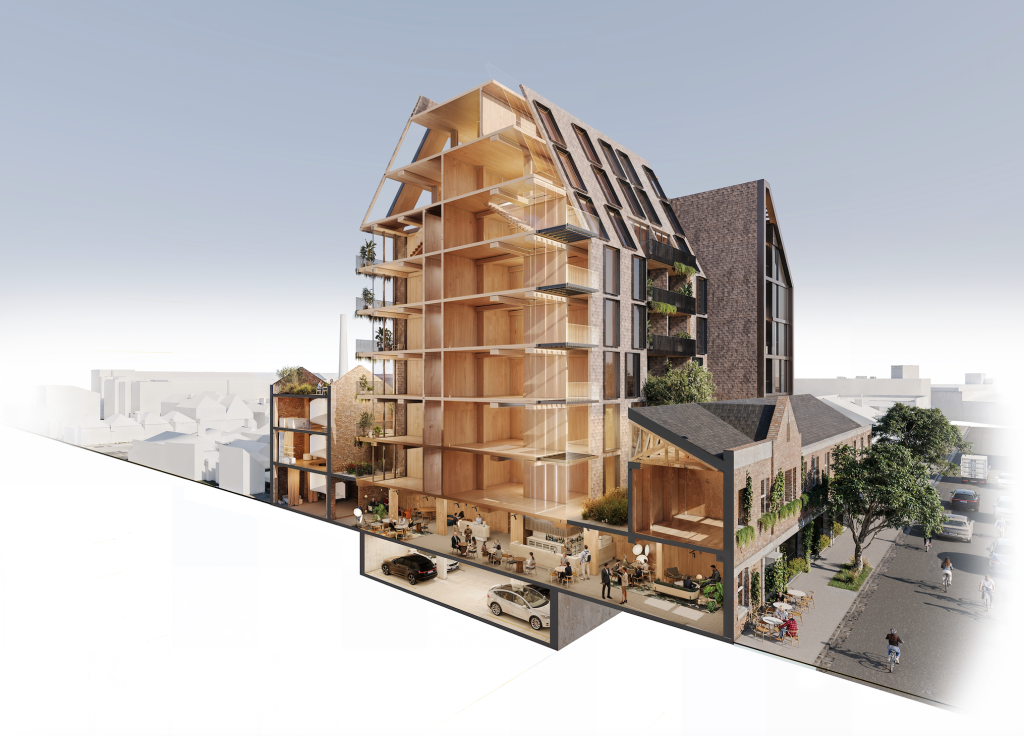
Investors are paying attention too. The JLL report shows BTR projects with world-leading sustainability credentials deliver better returns to investors because they generate rental premiums of five to 10 percent above existing BTR schemes, achieve occupancy rates of around 98 percent and have superior ongoing profitability with significantly reduced operational utility costs.
Streamlined operations for enhanced efficiency build-to-sell (BTS) apartment buildings meanwhile have traditionally had a mix of owner-occupiers and renters, all managed by a disparate mix of landlords and property managers.
The appointment of an Owners’ Corporation adds another layer of administration and expense. Several BTR developers are unlocking new time and cost efficiencies with the adoption of centralised in-house property management. Acting as both owner and manager, these developers operate apartment buildings in a hotel-like manner. On-site reception and maintenance teams deliver an entire living experience to the renter.
One of Australia’s largest developers, Mirvac, confidently entered the BTR market with the LIV brand, launching its first offering in Sydney with Indigo and following that up with Munro and Aston in Melbourne. Mirvac handles all management and operations in-house, providing renters with seamless service for all their day-to-day needs.
Cost-saving opportunities abound, with economies of scale at work across all operational cost centres. The LIV buildings aim for net zero emissions through solar energy systems, efficient appliances and LED lighting. Pedestrian and bike-friendly layouts encourage sustainable transportation.
Like the MODEL developments, LIV tenants use a smartphone app to log maintenance issues, book shared spaces, receive alerts about community events and engage with the reception team.
An alignment of wellness
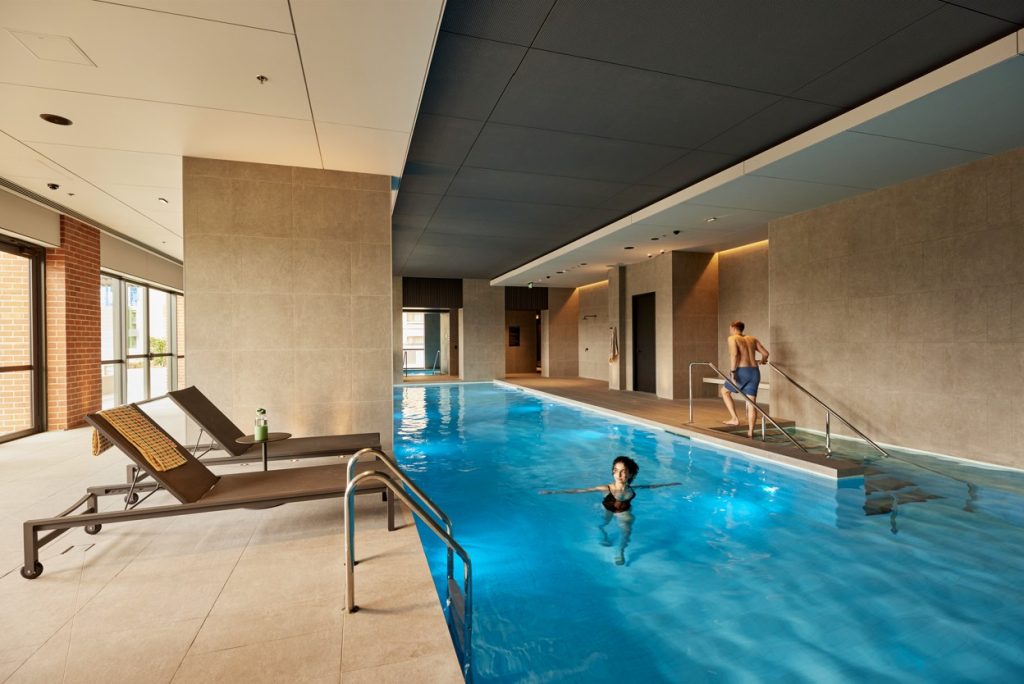
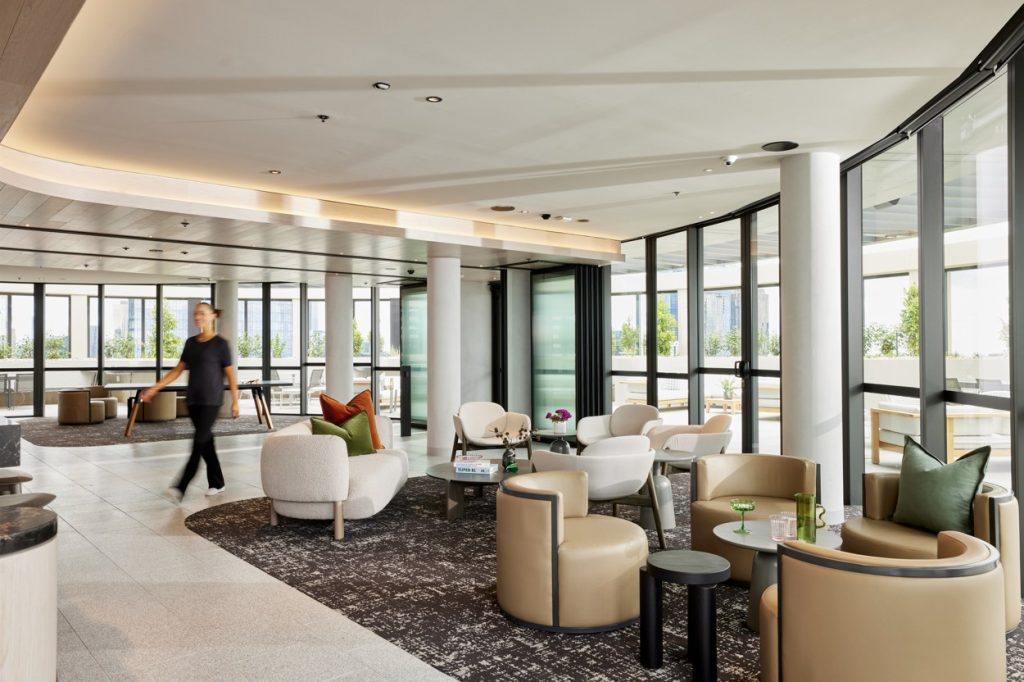
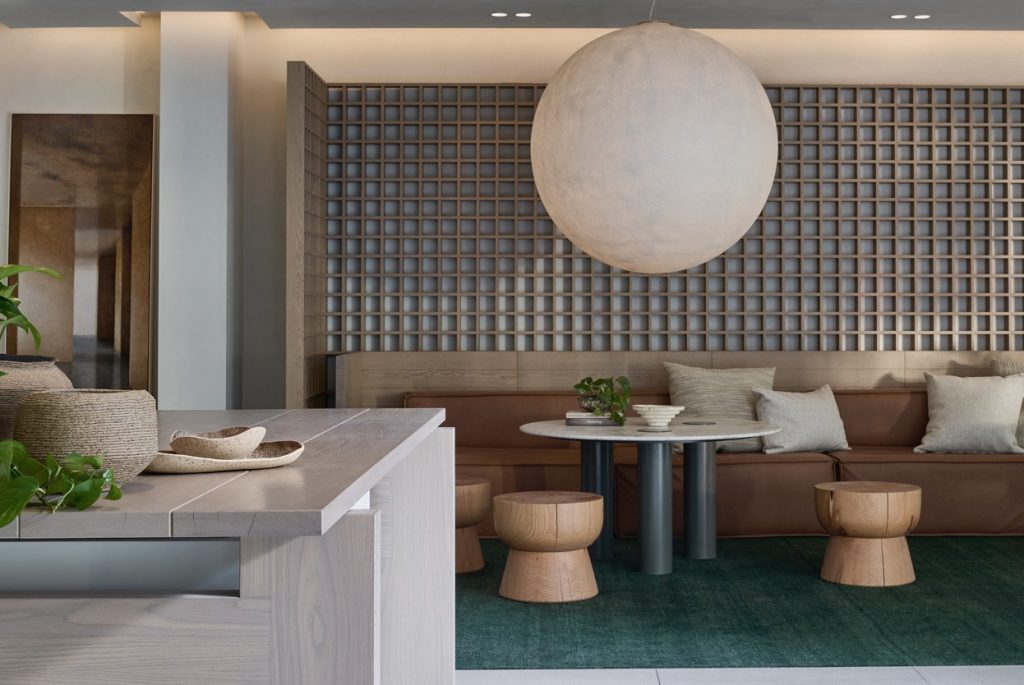
Apartments under this high-service model provide renters with benefits that go beyond providing a space for them to call home. It also promotes health and wellness, with ‘third spaces’ such as gyms, co-working zones, lounges, outdoor terraces, veggie gardens and dog play areas facilitating engagement between renters.
Social connection is a challenge for many, with loneliness associated with myriad associated health issues. Casual and intentional encounters between residents foster a real sense of community in these developments.
Additionally, these ‘third spaces’ can act like an extension of the renter’s apartment, allowing them to opt for a smaller floor plan and pay less in rent and utilities. A co-working space, for example, negates the need for a second bedroom to act as a home office.
The Gurner Group, alongside Qualitas, has completed its first BTR offering – Madison Grand in South Melbourne. Promoting a lifestyle rather than simply a place to live, the building offers wellness suites with blue-light blockers, in-home air purification, water filters, nutrition plans, a vitamin-C-infused shower and membership to Saint, one of the group’s high-end fitness centres.
The group has similar offerings at Beach House in St Kilda, and the Palladian in North Fitzroy.
Victoria leading the way in the BTR sector
Nationwide, BTR development completions in 2024 doubled those in 2023, and the growth momentum is only gathering pace. Melbourne is currently the nation’s BTR capital, with Sydney and Brisbane following close behind.
The Gladstone is one of Victoria’s largest BTR projects, with 700 high-end homes across three towers in South Melbourne.
Global firm, Greystar, has recognised the untapped potential of unmet renter demand in our largest cities and aims to be the largest developer in the BTR sector in the nation. In an earlier interview, Greystar Australia’s managing director Matt Woodland told Australian Design Review all buildings have a five-star Green Star rating, with all apartments and amenities run by 100 percent off-site renewable energy.
“While these ratings can’t be seen with the naked eye, they deliver a higher quality of living, which is invaluable to our renters,” Woodland said. “It’s almost a hotel-like experience, but with the comfort of home.”
Developer Salta has also entered the BTR market with a new platform called Est. The first development, Fitzroy & Co launched in October 2024. Like the MODEL developments, sustainability, liveability and community are the core pillars of the building’s design.
Residents have an app and an on-site service team to handle all maintenance issues. Est has two more developments in the works, in Richmond and the Docklands.
The future is looking green
According to the JLL report, Australia’s BTR market is forecast to grow into a $930 billion sector, driven by demographic tailwinds, housing undersupply and rising ESG (environmental, social and governance) mandates. The ‘Australia Build to Rent Update’ by Knight Frank also states that the BTR sector is still in its infancy, with significant potential yet to be realised. As the sector matures, the availability of financial performance data will attract new core capital, both domestically and internationally.
Investment opportunities scoring high in ESG credentials are in high demand, attracting net zero capital from managed funds. Knight Frank partner John-Paul Stichbury explains how BTR investors are helping to drive change in the residential market by embracing its evolution and setting a new benchmark for future developments.
“Since BTR is primarily a new build development market, it provides an opportunity to deliver highly sustainable, market-leading assets from an ESG sense,” Stitchbury says. “Many investors in this space are longer term, [with] passive capital and this allows them to future-proof their assets. Higher potential returns will be driven by operational efficiencies, which would also benefit tenants.”
BTR investors are also getting a confidence boost with the Australian Government providing more certainty around BTR tax policy, with critical legislative reform now passed by Parliament. Interest rate cuts, although uncertain at the moment, should propel property investment across all sectors in the next 12 months, with acceleration in the BTR sector likely to outpace growth in the owner-occupier market. BTR development in Australia is a fully-established phenomenon, and the combination of high ESG credentials and premium ‘hotel-like service’ is proving to be a winning combination for both tenants and investors.
This article first appeared on ADR’s sister site, FM Media.

© Niche Media 2026