

30UNDER30’s Sidney Ford on designing across disciplines, materials and time
30UNDER30’s Sidney Ford on designing across disciplines, materials and time

Share
An interior designer at Nexus Designs, Sidney Ford’s practice spans residential interiors and collaborative, interdisciplinary installations. Below, we speak to the member of Australian Design Review‘s 30UNDER30 for 2025/2026 about designing across disciplines and the value of shared thinking.
Australian Design Review: Why did you enter the 30UNDER30 program?
Sidney Ford: I entered the 30UNDER30 program to strengthen how I think, work and contribute as a designer. I wanted structured access to industry leaders and emerging practitioners who approach design from different perspectives.
The program offers exposure to how other designers tackle innovation, sustainability, enduring design and client engagement. I learn most when I test ideas through discussion and measure them against alternative approaches.
I was also keen to connect with creatives beyond interior design. Engaging with architects, industrial designers and strategists strengthens how I respond to complex briefs and real constraints. Mentorship from experienced practitioners provides insight into client management, team leadership and maintaining design integrity. I hope to leave with stronger professional relationships and a clearer direction for my practice.
What most excites you about the opportunities in the industry currently?
I’m excited by the increasing crossover between disciplines. Designers, artisans, architects and industrial designers are collaborating in ways that blur traditional boundaries. Sustainability now informs design decisions at every stage, from concept through to delivery. And ideas move fluidly across disciplines. This cross-pollination creates outcomes that feel thoughtful, relevant and multidimensional, drawing strength from diverse perspectives.
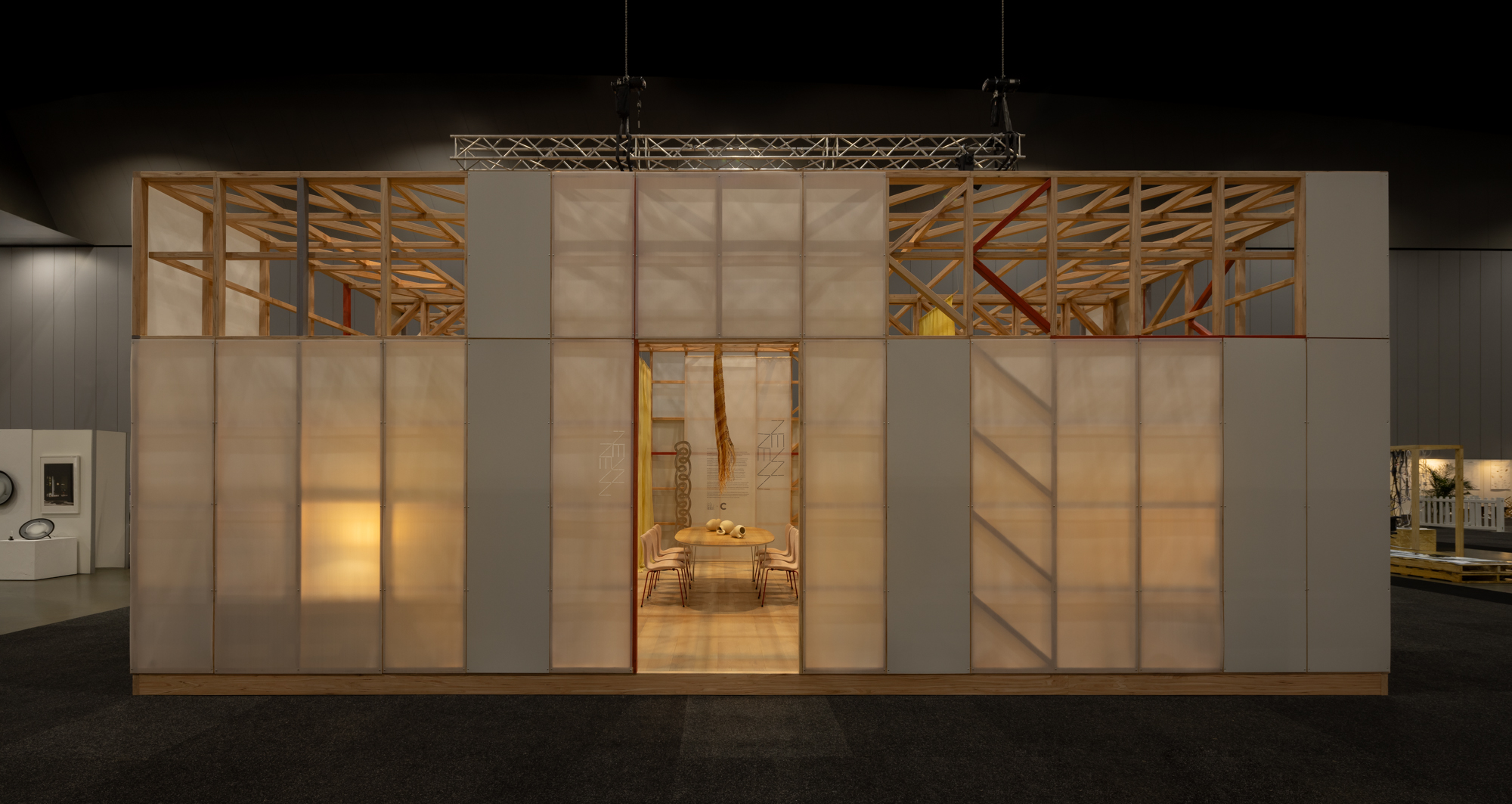
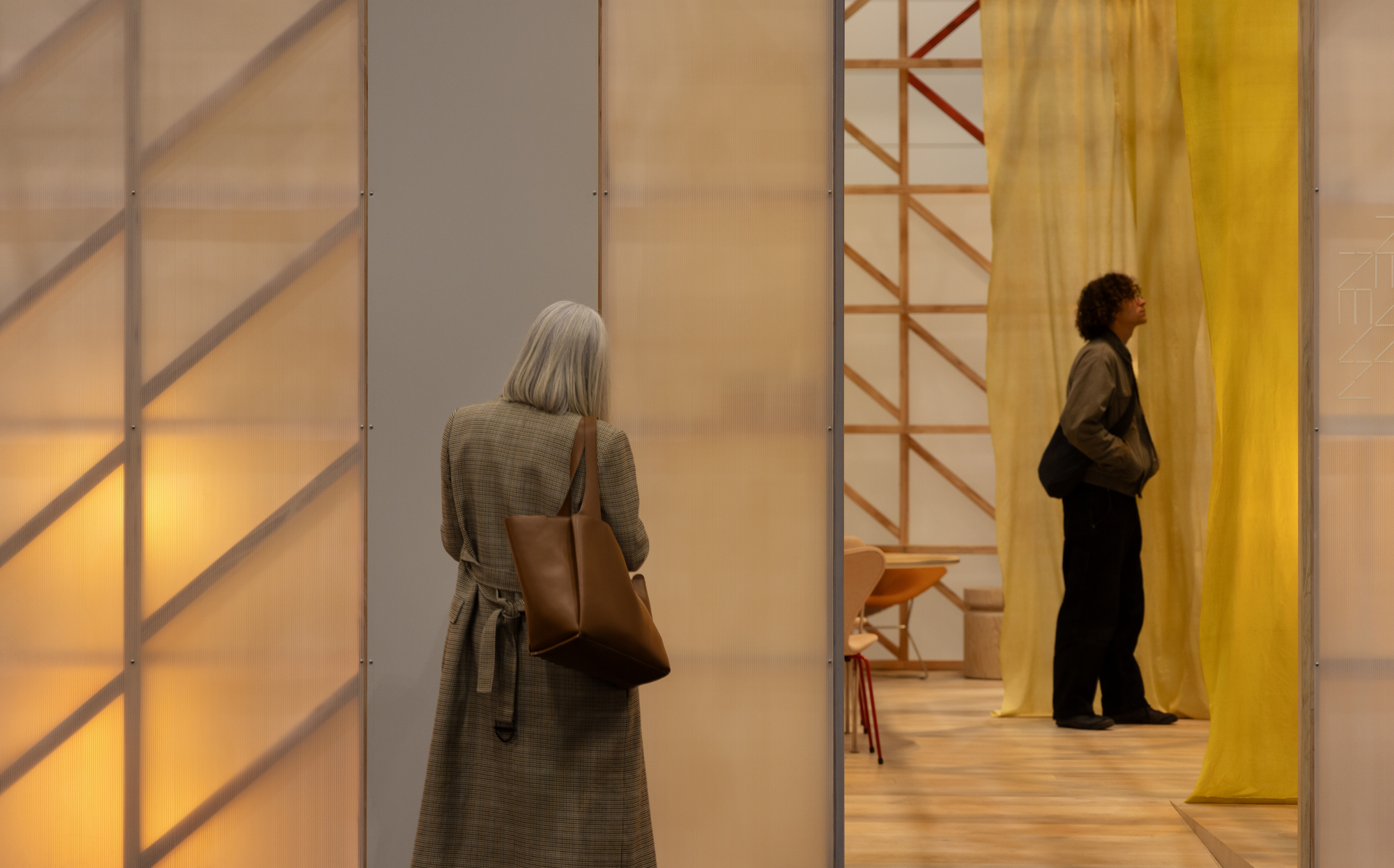
I’m interested in a future where design titles are less rigid and more collaborative. When practitioners step outside their traditional roles and experiment together, new opportunities emerge. An example is a project such as the NEWNEW Pavilion (see below).
I worked on this alongside the Nexus Designs team and a wide range of collaborators across architecture, engineering, industrial design, textile design and graphic design. We explored circular thinking and material reuse, creating a space that balanced environmental responsibility with user experience.
Do you remember your first encounter with design?
Growing up in a small town with limited access to formal design resources, I learned through observation and experimentation. I rearranged furniture, adjusted lighting and changed finishes in my bedroom to see how decisions influenced atmosphere and function.
The way our family home adapted over time also shaped my awareness. As the household changed, with rooms being repurposed, spaces adjusted and new needs emerging, I observed from a young age how these subtle shifts influenced how we moved through the house and came together. It taught me that design shapes behaviour and daily routines.
The natural environment had a profound influence as well. Running on red dirt roads and observing seasonal changes highlighted how light, colour and texture affect perception. These early experiences inform how I approach projects today, with careful attention to circulation, natural light and material tone.
What has been a highlight in your career so far?
Working at Nexus Designs has been a defining period in my career. A key highlight was contributing to the NEWNEW Pavilion x Cultivated for the Green Design Show in Melbourne in July 2025.
The modular, zero-waste pavilion centred on circularity through the reuse of high-quality, existing furniture. I worked closely with the Nexus Designs team and a wide range of collaborators to refurbish durable pieces and demonstrate how adaptable design can reduce waste while maintaining strong spatial outcomes.
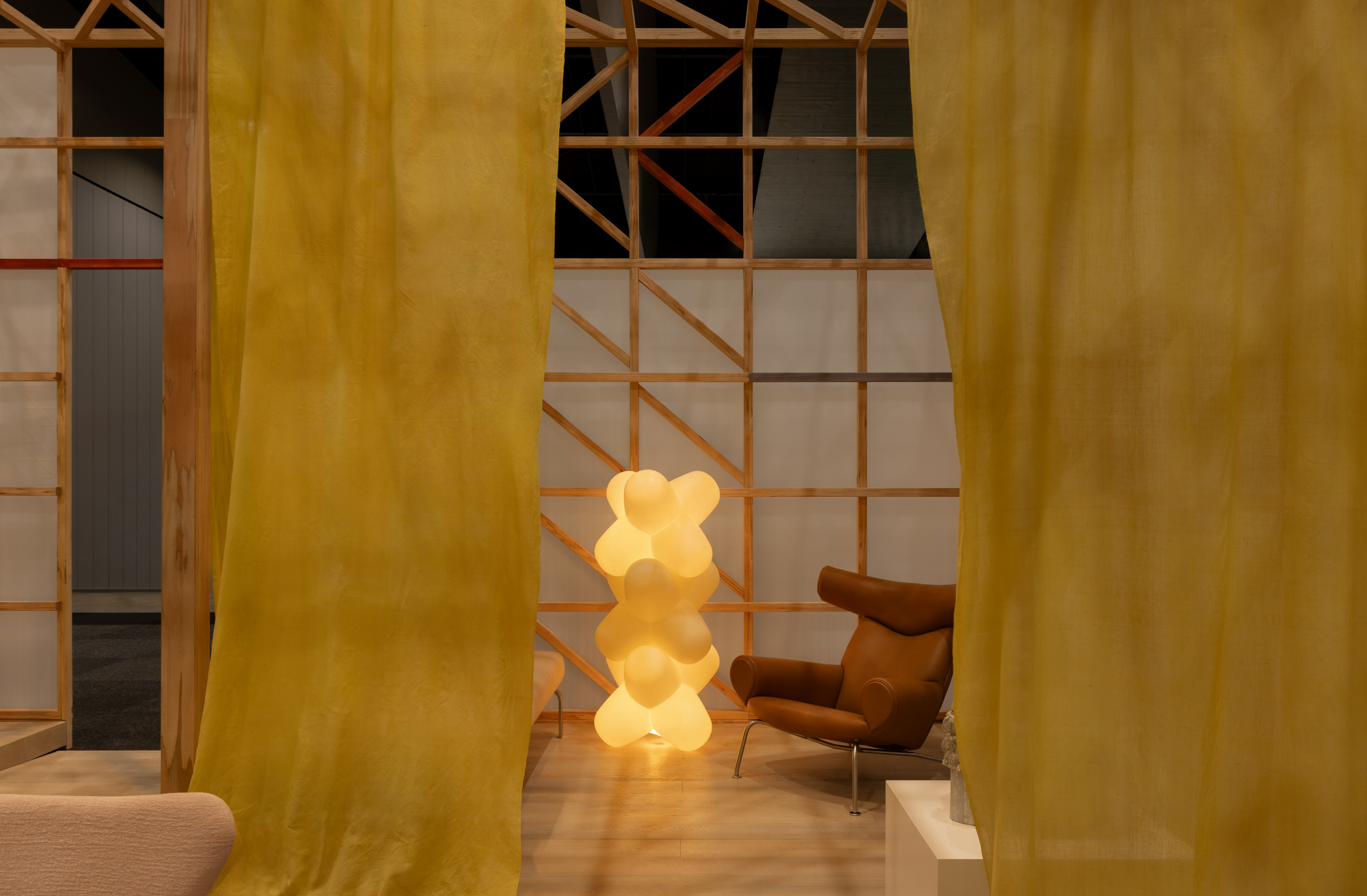
The project brought together architecture, engineering, industrial design, textile design and graphic design, with each discipline informing concept, detailing and execution. Being part of this collaborative process reinforced the value of shared thinking, clear communication and interdisciplinary problem-solving.
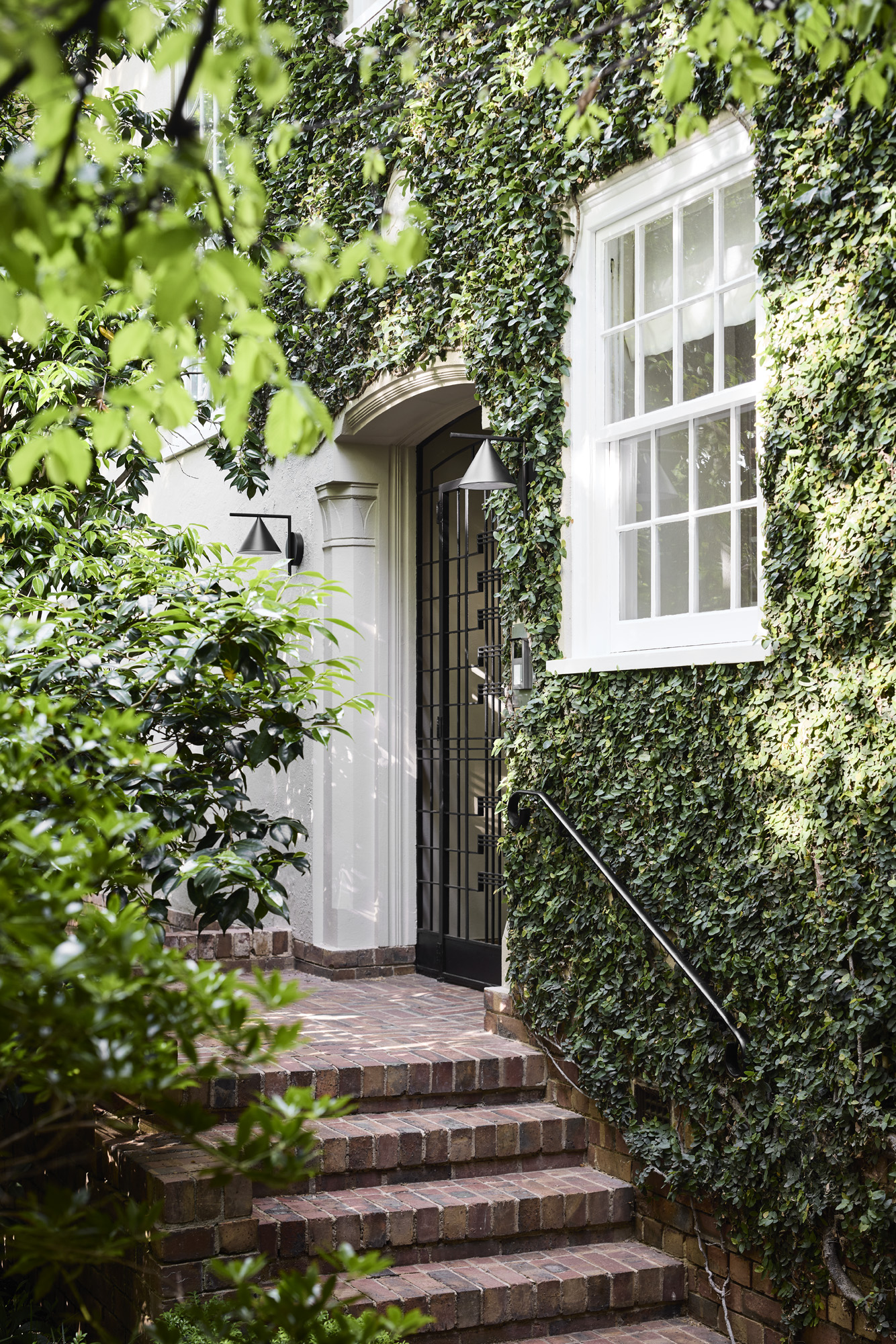
Residential projects such as Evergreen have also been significant. Originally designed in the 1930s by Marcus Martin, the home required a careful interior refresh. Working alongside colleagues and consultants, we refined spatial flow, strengthened the connection to outdoor areas and selected materials that respected the original architecture while enhancing daily function.
How would you describe your work?
My work is people-focused and grounded in experience. I consider form, function and emotion together, ensuring planning, materiality and detailing support both practical use and atmosphere.
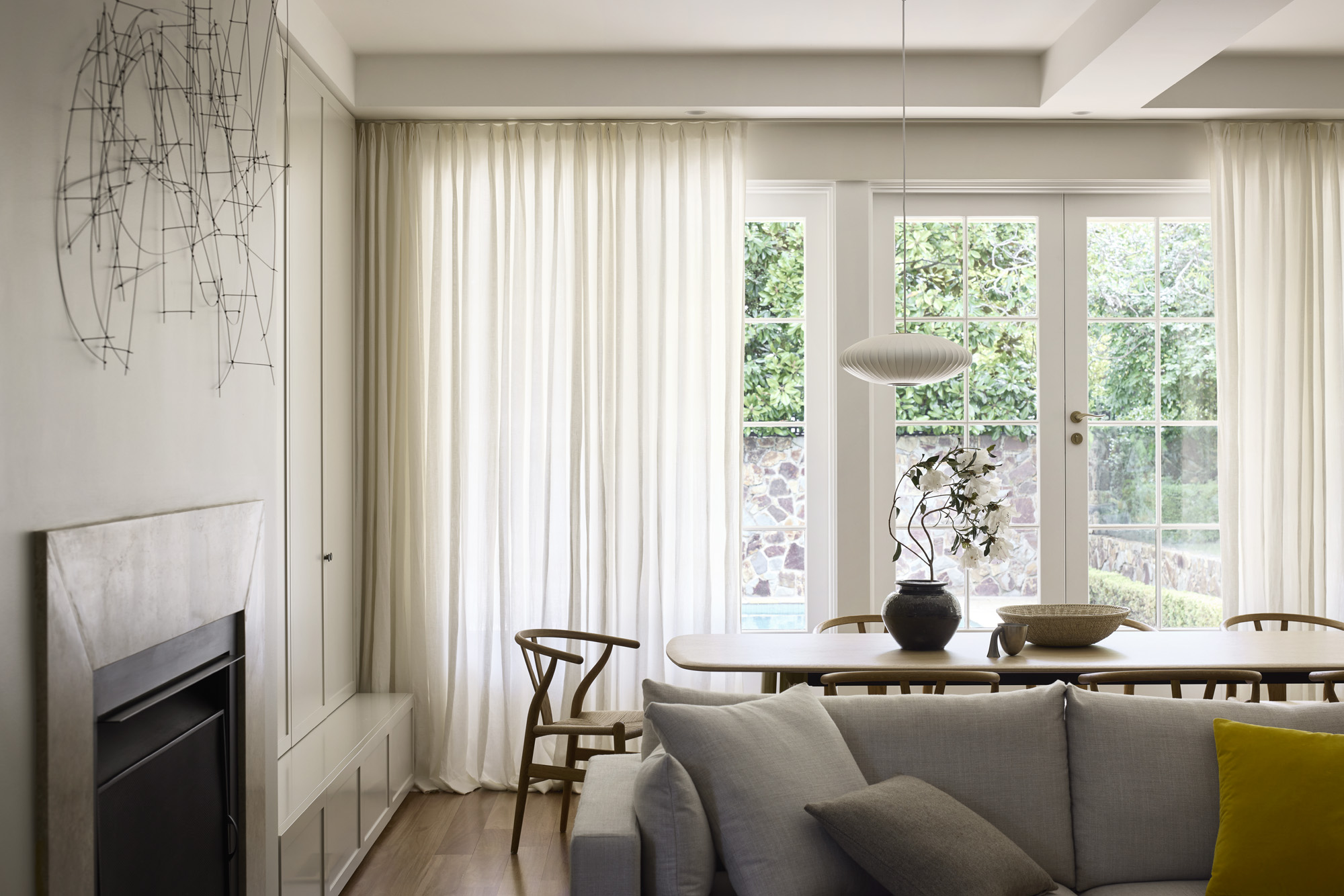
I pay close attention to movement, light and proportion, balancing classic and contemporary influences to create interiors that feel enduring and purposeful. Collaboration guides my process. I work closely with clients, colleagues and consultants to ensure each project responds to context and user needs while maintaining long-term design integrity.
Interdisciplinary conversations and diverse perspectives strengthen empathy and help me approach challenges in ways that are considered, adaptable and innovative.
Australian Design Review’s 30UNDER30 is brought to you by major sponsor Neolith, alongside partners Designer Rugs, Laufen, Krost, Miele, Signature Appliances powered by Mieleand Tongue & Groove.
Australian Design Review is also grateful to our 30UNDER30 practice partners AJC Architects, BVN, Cera Stribley, COX Architecture, Genton, GroupGSA, HDR, Richards Stanisich, RIZEN Atelier, Rob Mills Architects, Rothelowman, SJB and Design by WBL for helping us foster the future of Australian design.
Learn more about ADR’s 30UNDER30 here.
Headshot by Marie-Luise Skibbe.
You Might also Like


Related Stories

© Niche Media 2026