

Old wood, new stories at Melbourne’s Decor + Design Show

Share
Two exhibitors show how centuries-old timber traditions continue shaping contemporary furniture design in Melbourne today.
Now in its 22nd year, Decor + Design returned to the Melbourne Convention and Exhibition Centre from 15 to 17 July, drawing more than 10,000 design professionals and over 200 exhibitors across three days under this year’s theme of ‘Fresh’. Co-located with the Green Design Show, now in its third edition, the event paired the usual sweep of furniture, lighting, textiles and surfaces with a growing focus on sustainability and material provenance, a focus evident in how many exhibitors chose to present their work.
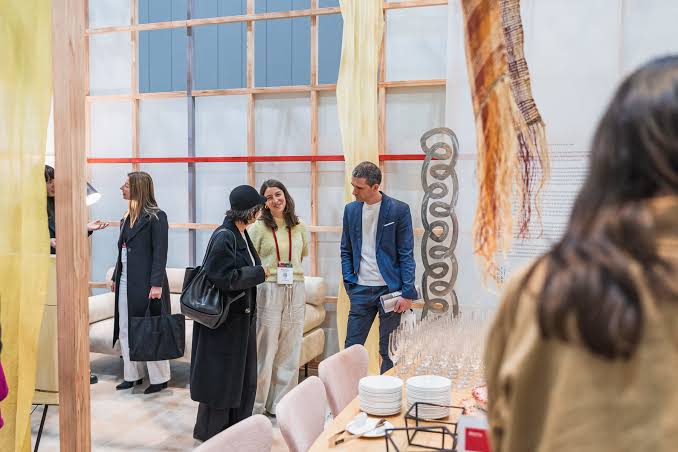
Among the exhibitors, two stood out for placing craftsmanship, not simply product, front and centre. Japan Pavilion, an exhibition supported by the Japanese Government to promote local makers overseas, presented more than a millennium of woodcraft history through a single timeline. A short walk away, Bali-based furniture brand Nusantara Lifestyle showed reclaimed teak pieces built from timber salvaged from old Javanese houses. Different countries, different materials and different markets, yet both exhibitors were, in their own way, making a case for the same cause: that wood carries memory, and working it well takes decades, not days.
For visitors moving between the two stands, the overlap in outlook was hard to miss, despite the two brands arriving at it through entirely separate craft traditions.
Craftsmanship over commerce
For Japan Pavilion, the exhibition was framed from the outset as promotion above sale. The initiative’s manager, Yohei Kato, explained that roughly 70 percent of the project was about introducing Japanese culture and craftsmanship to new audiences, with the remaining 30 percent was focused on creating opportunities to purchase. Mr. Kato said the choice of Australia was deliberate. “There are still many outstanding Japanese companies and products that have not yet gained recognition internationally,” he said, “and the exhibition aims to prove Japanese makers have the ability to compete internationally and build new opportunities through overseas partnerships.”
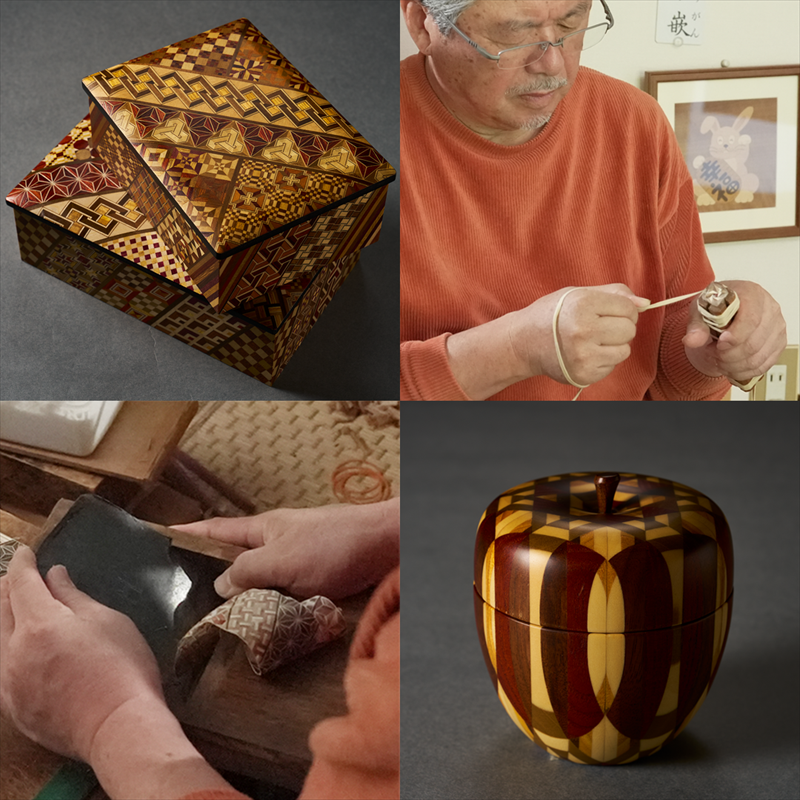
Mr. Kato stressed that behind the strategy lies a simple belief that appreciation has to come before any transaction, and once an audience understands the skill involved, a sale becomes almost secondary.
The exhibition itself traced Japanese woodcraft from tableware more than 1000 years old through to the introduction of chairs some two centuries ago and on to contemporary objects such as wooden mouse pads. Master artisan Kazutaka Tsuyuki, who worked alongside a translator throughout the show, spoke about how forest management underpins the industry. “Every tree harvested is replaced through replanting,” he told attendees through his translator, “so we can continue using timber while maintaining healthy forests.”
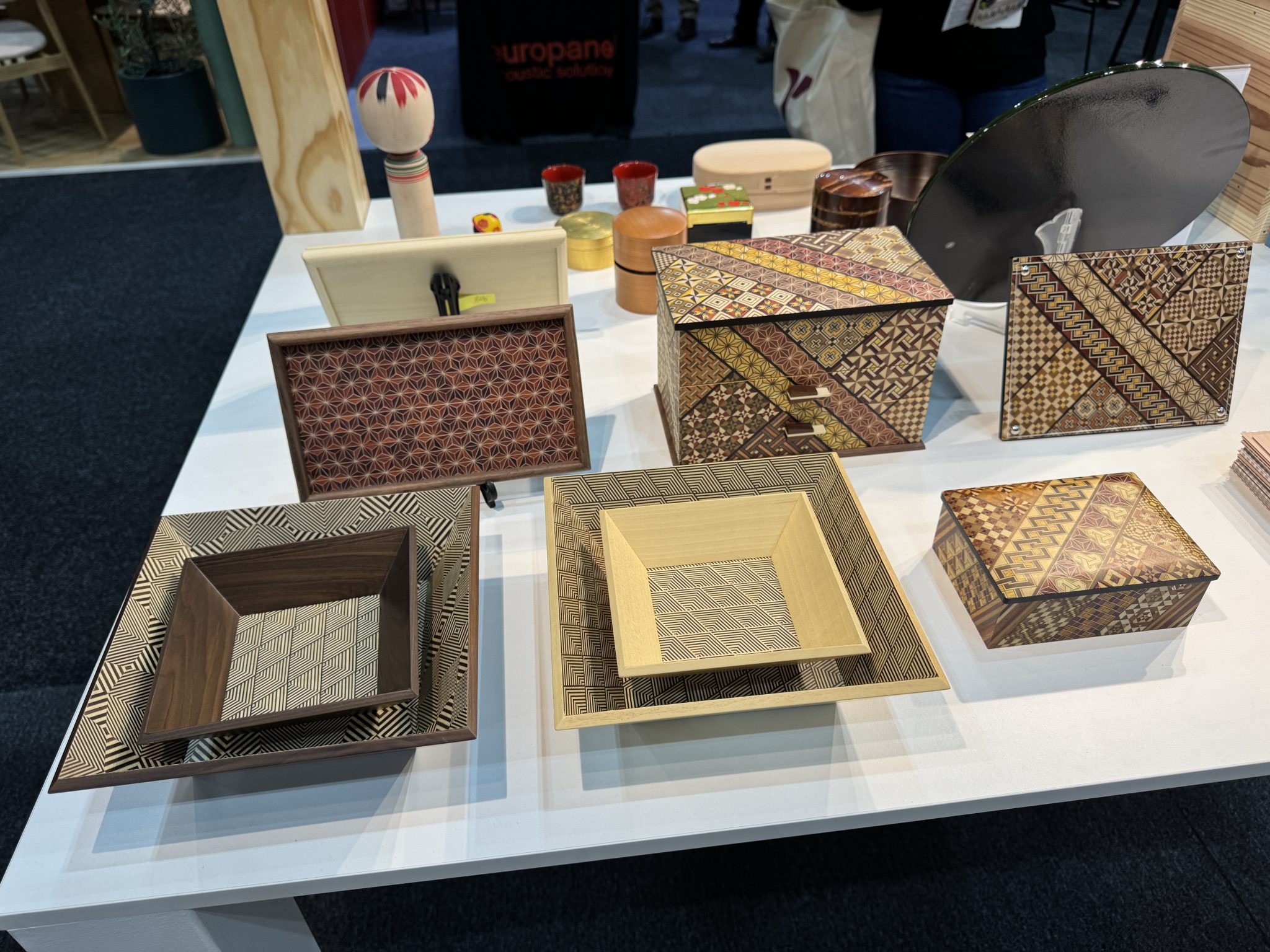
On his own training, Tsuyuki said he was never formally taught by his father, instead learning by watching, saying “the judgement needed as a craftsperson comes almost entirely through experience” and that mastery takes roughly 10 years. Above all, he wanted Australians to understand what a finished piece cannot say on its own, hoping people may “appreciate the warmth and subtle differences that come from work created by human hands instead of machines”.
A second life for salvaged timber
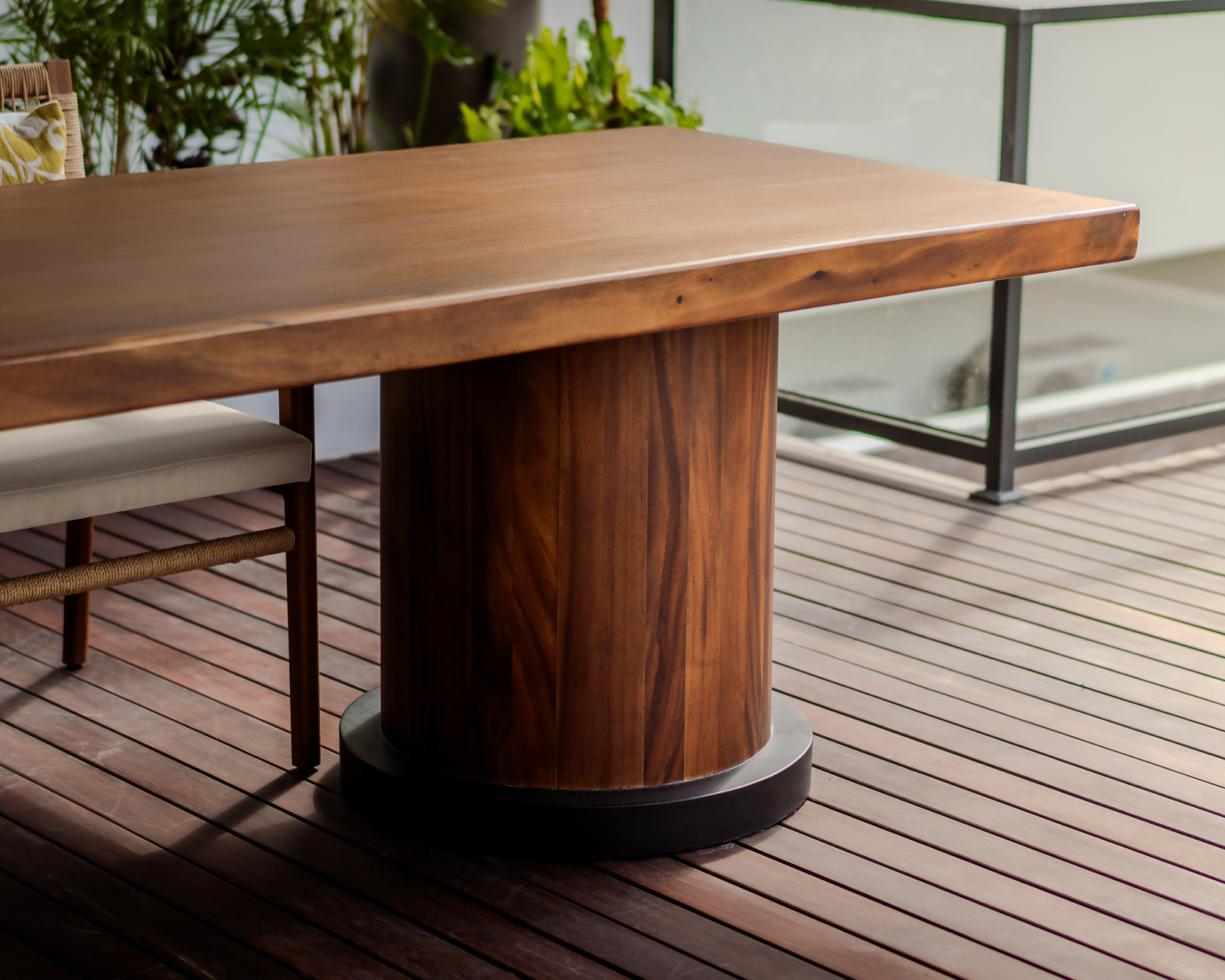
At Nusantara Lifestyle, the philosophy was strikingly similar, even if the material’s journey looked nothing like Japan’s carefully managed forests. Founder Will Shea works with teak reclaimed from demolished houses across central Java, and he stressed that honouring that history is central to the brand and not merely incidental to it.

“It allows us to give it another life that still respects 100 or 200 years of history instead of just mass produced,” he said, adding that the feeling was closer to gratitude than obligation for the chance to work with timber the full story of which he may never know.
That respect extends to the marks the wood carries. Shea prefers to leave nail holes, chips and weathering visible wherever client expectations allow, arguing they are “literally the reminder that this was something before, and now it’s mine”.
His partner Anysia, who oversees design, said she agrees with that approach. “Imperfections give a really strong character and a definition to reclaimed wood,” she said. She is equally protective of the hand skills behind the work, saying the brand aims to keep at least half of every piece finished by hand. “The craftsman’s skill in Indonesia is really strong, even as some machine work speeds up more repetitive tasks,” she added.

Both exhibitors were candid about what threatens that skill base. Shea pointed to industrial-scale, low-cost production as the real risk to traditional woodworking, describing handcraft in Australia and elsewhere as already disappearing, framing his own business as carrying something of a duty to keep hand skills alive.
Increasingly, that responsibility involves collaborating with designers on details such as detachable joinery, allowing pieces to be taken apart and repurposed decades from now instead of discarded. It is a concern Tsuyuki would likely recognise from a different hemisphere, where the same patient, decades-long apprenticeship model quietly underwrites everything on display at Decor + Design this year.

© Niche Media 2026