

Life in the fast lane— Oliver Heilmer on living his childhood dream of designing cars
Life in the fast lane— Oliver Heilmer on living his childhood dream of designing cars

Share
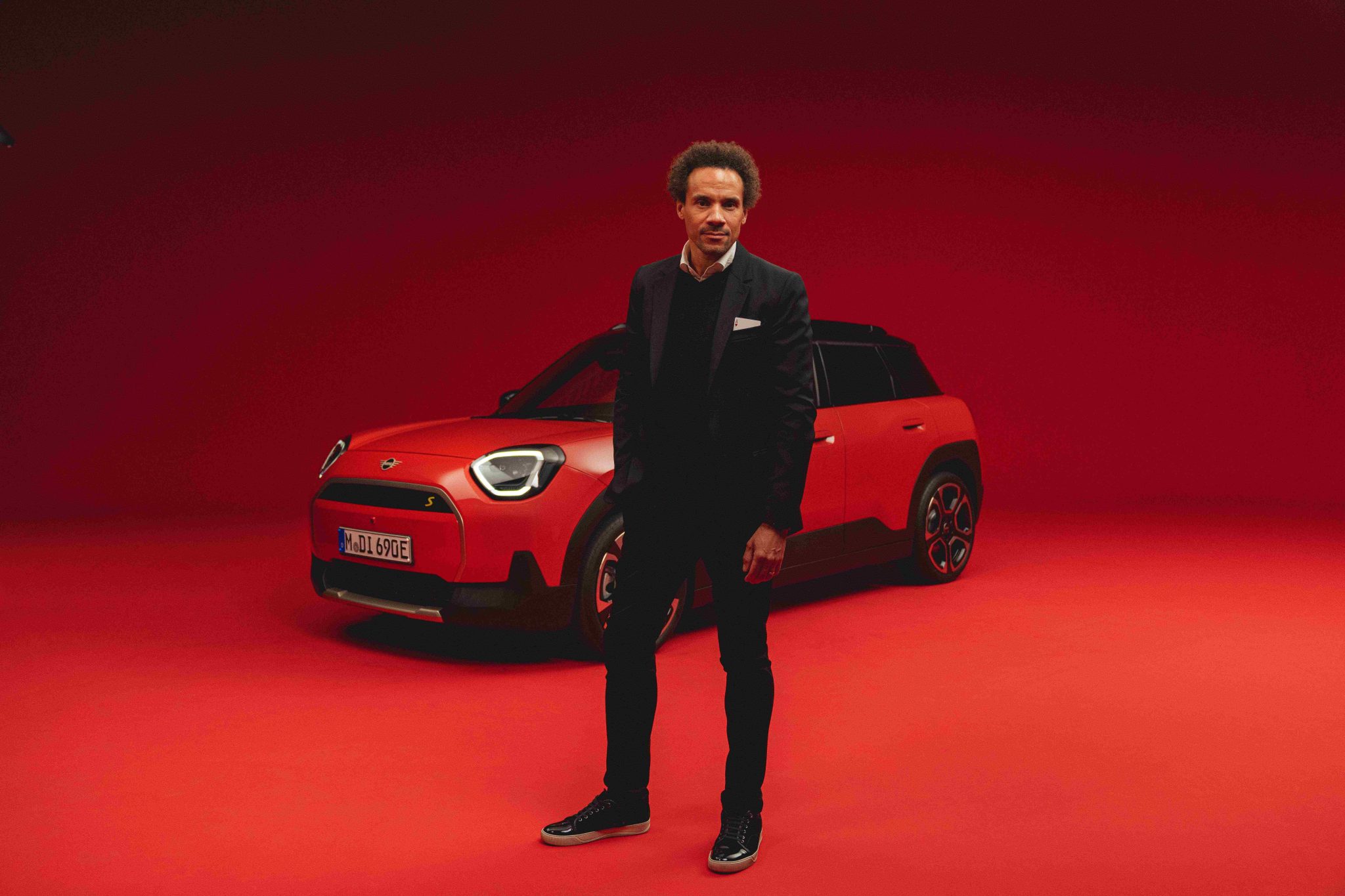
For Munich-based car designer Oliver Heilmer, cars have been a source of fascination for as long as he can remember. From scrawling on photos of cars in magazines as a young child, his enthusiasm has evolved into designing and drawing his own cars. Fast forward a few decades to 2017 and Heilmer takes on the head of design for MINI design. While drawing cars in his bedroom might be a distant memory, Heilmer’s passion for car design has never been stronger.
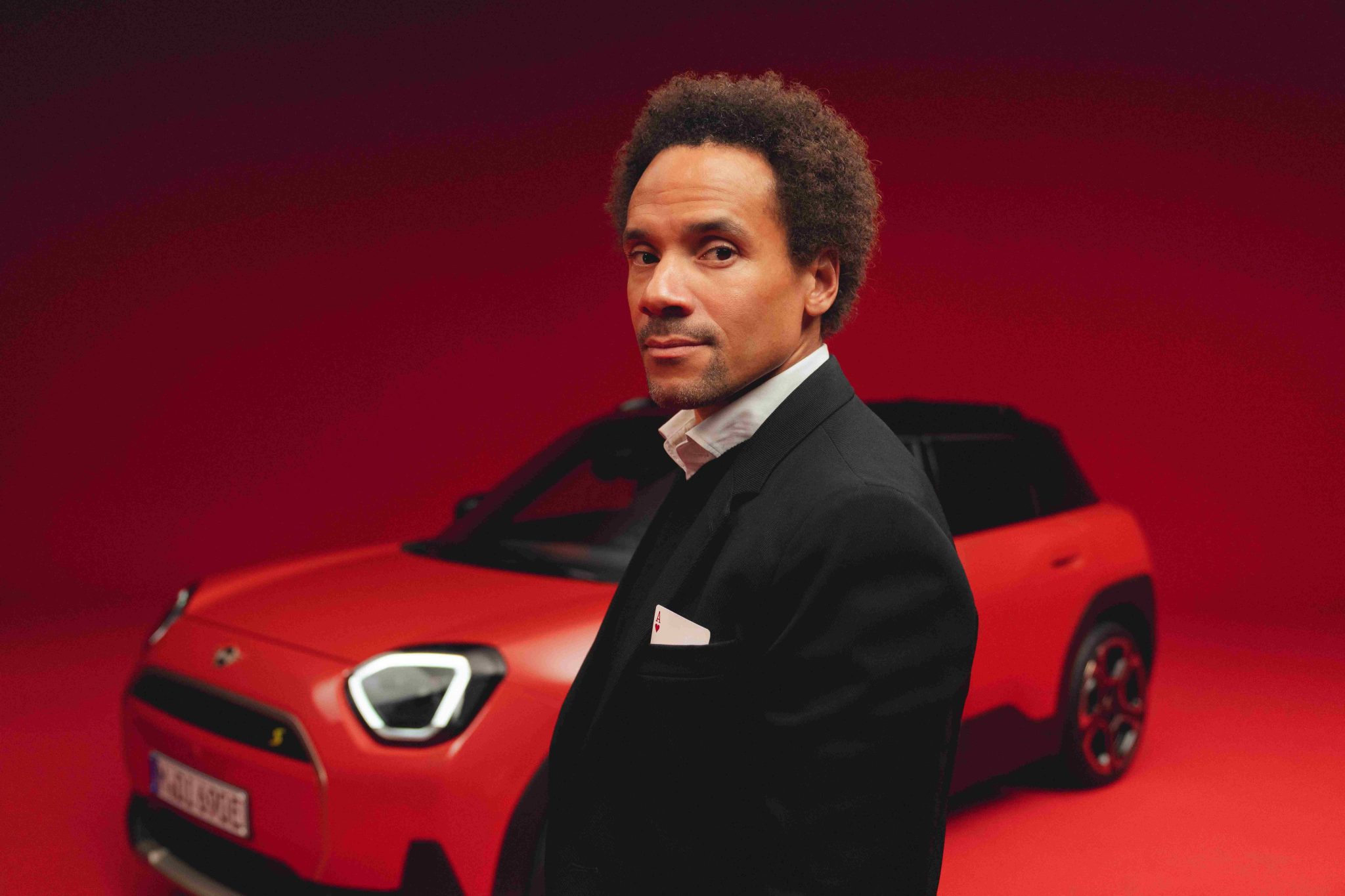
Since taking on the role of head of design for MINI, Heilmer and his team have transported the brand into the future. Known as the ‘Next Generation’ range, Heilmer’s designs have reinvigorated a design classic.
The process of reimagining an icon was not without its challenges. The task required developing a design language that allows each new MINI model to gain its own strong individual character – expressed through distinctive design features – while exuding individuality with a clear brand affiliation. The concept of ‘charismatic simplicity’ is the mantra of Heilmer’s team – a philosophy that seeks to combine the brand’s traditional values with state-of-the-art technology and a keen eye for sustainability.
Sustainability and heritage – the driving force of innovation
When we think of sustainability in the context of cars, we think of electric vehicles and other technologies that reduce harmful emissions. However, the sustainable design innovations for the next generation of MINIs extend beyond the mode of operation and the design of the chassis and car body – it includes every part of the car, including the interior.
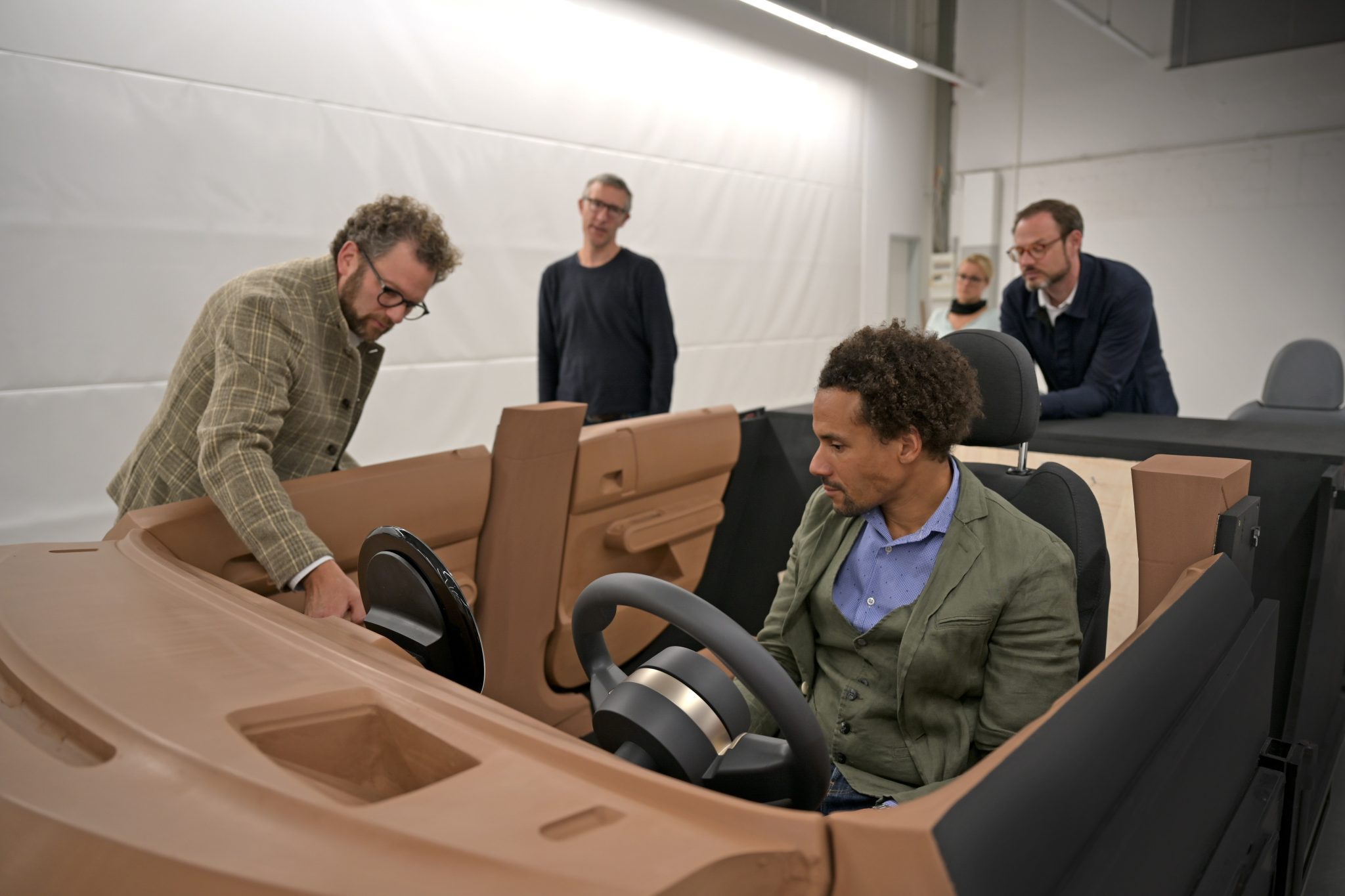
In an impressive departure from traditional car interior finishes, all models in ‘Next Generation’ are 100 percent leather and chrome-free. Additionally, as we’re beginning to see in office furniture like Zenith’s Denn chair, Heilmer and his team have incorporated an innovative 2D weaving process for the interior surfaces. Inspired by sneaker design, the double-layered weaving process offers new design possibilities in terms of colour and structure, while simultaneously reducing CO2 emissions by up to 85 percent as the material is made from recycled polyester.
While new material innovations and applications may be a driving force behind the MINIs of the future, Heilmer has retained a firm grip on the heritage of the brand. ‘British racing green’ – the colour associated with MINI’s motorsport tradition – has been interpreted as Dark Petrol. The surface textures and graining draw from nature and science – the texture of a rock or a satellite image of the earth – and result in the natural features of the planet being extrapolated into graphic abstraction.
The universality of good design
Aside from nature, where else does Heilmer find design inspiration? How does he infuse his design values and vision for the future of car design into a cohesive design? In an exclusive Q&A with Australian Design Review, Heilmer reveals the distance between the considerations of car design and architecture and interior design are separated by only four wheels and a steering wheel.
Australian Design Review: Where do you find inspiration for your designs?
Oliver Heilmer: We find inspiration almost everywhere, but especially in fashion, art, music, and architecture. Additionally, collaborating with the team and tapping into their diverse personal interests and hobbies also serves as a valuable wellspring of creative inspiration.
ADR: Is there anyone – or anything – that personally inspires you?
OH: Highly functional and complex machines, such as those used in agriculture, are particularly fascinating for me. The design is primarily driven by their intended function, where form follows function. These machines are engineered first and foremost to perform their necessary tasks efficiently and reliably, with the aesthetic considerations playing a secondary role. This unwavering focus on functionality is what makes them so compelling as a source of inspiration.
ADR: What are your design values? How do you approach new designs for MINI?
OH: The MINI design approach is guided by a creative mindset that drives a concrete ideation process. At the core of this approach is a dynamic exchange of ideas within the design team, as well as drawing inspiration from diverse industries.
For instance, the MINI design team has found inspiration in the fashion world. The knitted dashboard of the MINI Aceman was directly inspired by popular knitted sneakers. Colour combinations like petrol and orange, as well as patterns such as houndstooth, have also been drawn from the fashion industry to lend a distinctive flair to MINI’s vehicle interiors.
ADR: What are some of the current trends in the automotive industry and generally in the lifestyle space?
OH: We are seeing a higher demand for the seamless integration of various digital services and technologies. These different elements need to be integrated into a design that not only meets aesthetic requirements, but supports the customer’s interaction with the digital world.
ADR: Given you work so far in advance when designing new vehicles, how do you assume trends globally and predict what the customer will want?
OH: Indeed, it is one of the biggest challenges for designers to predict what customers might want in the future. We start researching years in advance and interview customers from different cultures around the world to understand their thoughts, wishes, and needs. We also look at global trends and changes happening in technology and consumer behaviour.
By analysing these bigger picture trends, we can anticipate what customers might want down the road. Last but not least, we take all these learnings into account and balance them out with our brand’s vision. This comprehensive approach allows us to create vehicle designs that not only fit our long-term strategy, but also resonate with the evolving needs of customers worldwide.
ADR: Sustainability is top of mind, particularly with MINI’s move into electric. What were your core focuses when designing ‘Next Generation’ to become a leader in this space?
OH: When we started to design the next generation of MINI models, we went through a process to define our creative mindset. We discussed where the brand came from and which values are an integral part of MINI’s past but also future.
One key value was responsibility. We asked ourselves how we could translate this into design, and the answer was that we will strictly focus on reducing parts by manifesting a careful evaluation of every component.
We wanted to make fewer, but better things. Innovative materials, fresh colours and new patterns replaced leather completely and built the stage for our knitted dashboard that is made from 100 percent recycled fabrics. Another thing worth mentioning is our new colour ‘vibrant silver’ that replaces almost every chrome part.
ADR: What is your process for sourcing materials?
OH: In the early research phase, we engage with companies that specialise in cutting-edge technologies and material development.
Even though some of these innovative materials may not be industry-ready, the creative process is invaluable for our design team. For instance, the development of our knitted dashboard started a couple of years ago when we worked to refine the manufacturing process and prepare the material for large-scale industrialisation.
ADR: Tell us what you are most proud of with ‘Next Generation’ – what do you consider to be the standout features across the vehicles?
OH: There are many things we are proud of as a design team, but one thing that truly stands out is the new heart of our MINI models – the round OLED screen. This screen not only showcases a completely new user interface design, but merges the digital world with analog elements.
It is the lighting and the acoustic world, in combination with our new knitted dashboard, that makes it very MINI. Also, that’s something that every MINI has in common— the holistic approach of integrating all senses.
ADR: In regard to artists and designers, what are your most notable collaborations with MINI?
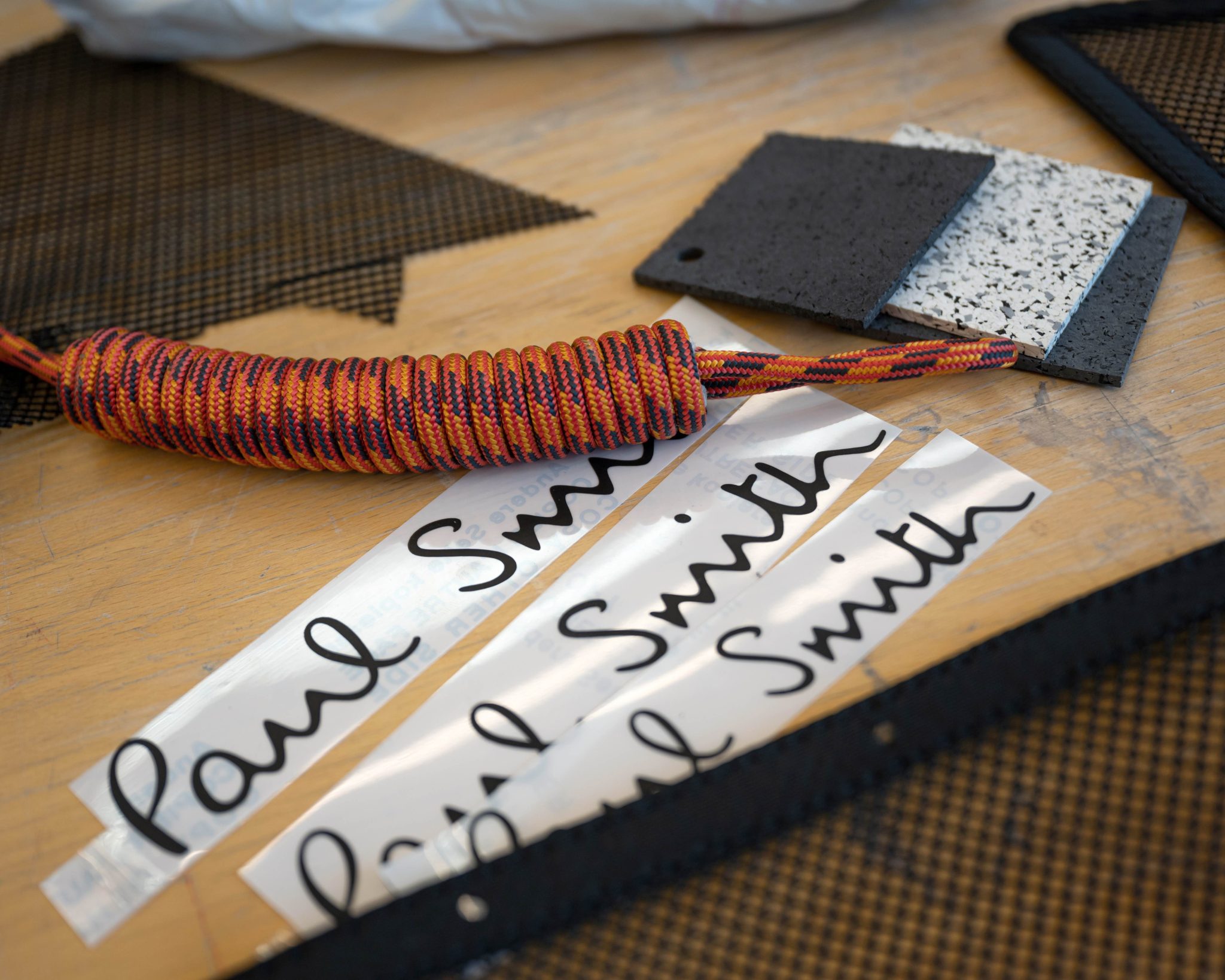
OH: The creative partnership between MINI and Sir Paul Smith comes to mind. The iconic British fashion designer Sir Paul Smith has lent his distinctive style to several MINI special editions over the years.
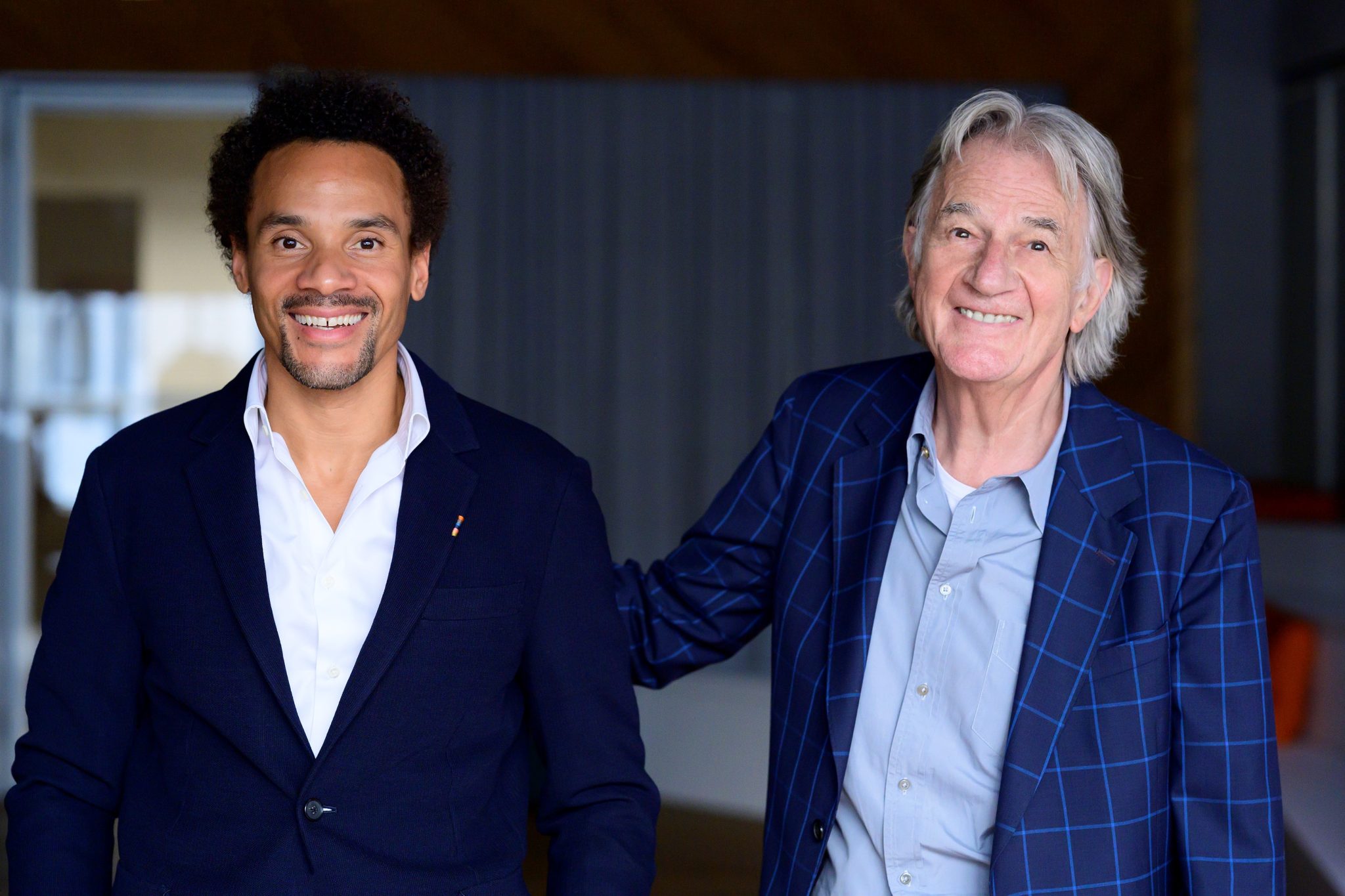
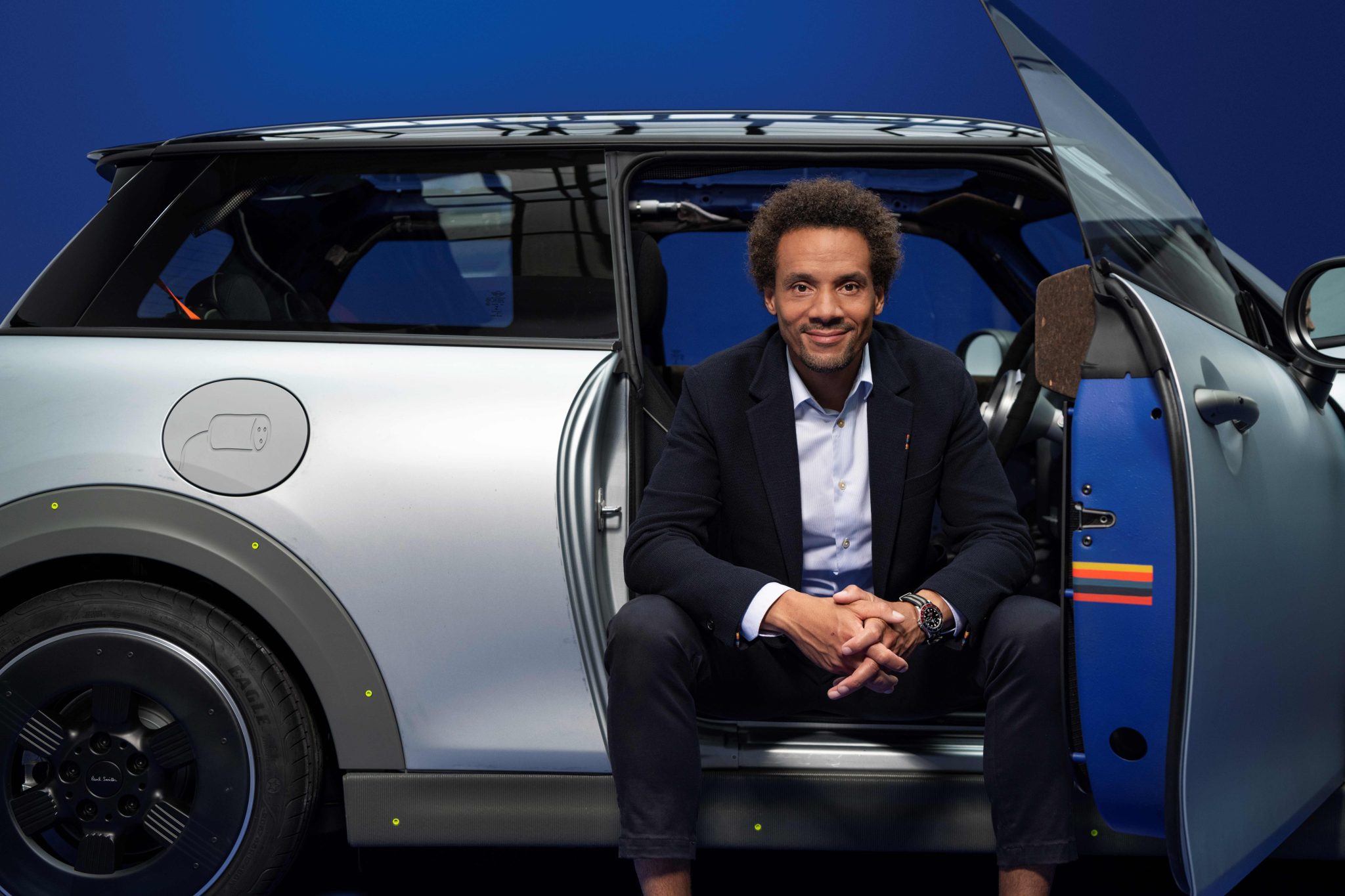
We have also created a show car – the MINI Strip. The key concept behind it was to strip the car down to its bare essentials, revealing the underlying engineering and design in a minimalist and transparent way. The few remaining elements inside the vehicle were imbued with the touch of Paul Smith’s iconic fashion design. Colourful accents became eye-catching features, which he also uses in his suits. It is always inspiring and fun collaborating with him.
ADR: How do you effectively maintain the heritage of the MINI brand while still being innovative?
OH: MINI’s design philosophy draws inspiration from the brand’s rich heritage, while also embracing a creative and innovative mindset. This balanced approach allows MINI to craft bold new characters that respect the past yet push the boundaries of automotive design to allow the freedom for innovative approaches. MINI has always been about an inventive and innovative spirit. It is within our DNA to allow change and stay curious for unknown paths.
You Might also Like


© Niche Media 2026