

30UNDER30 practice partner Richards Stanisich on the value of challenging the status quo
30UNDER30 practice partner Richards Stanisich on the value of challenging the status quo

Share
Now in its third year, Australian Design Review’s (ADR) 30UNDER30 program has established itself as the leading mentorship and career development program in the architecture and design industry. The unique program brings together game changers, industry leaders, practice founders, product manufacturers, suppliers and sponsors to celebrate and empower the young interior and product designers of the future.
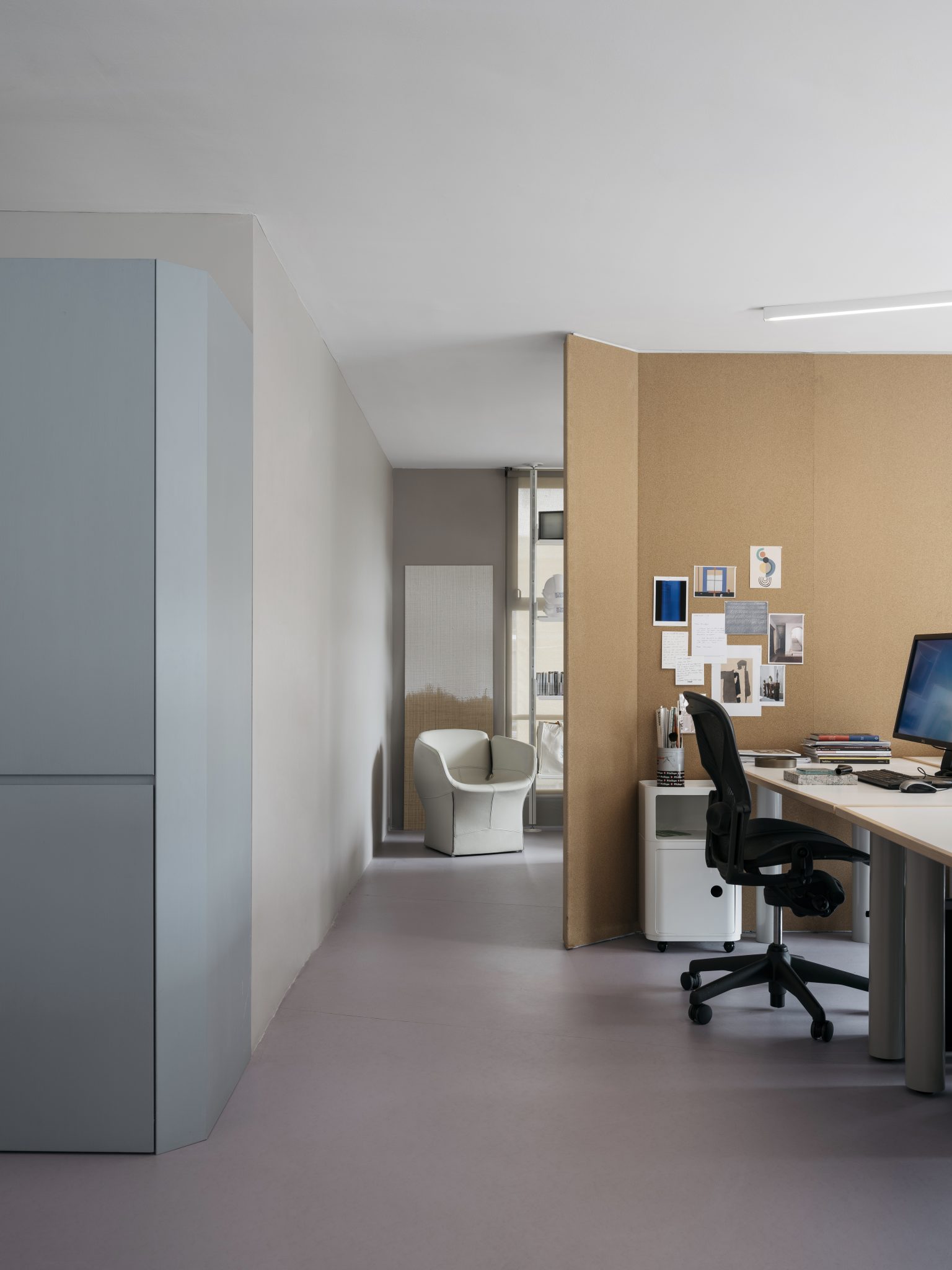
Known for a considered and uncompromising approach to craft and beauty, Sydney-based interior design and architecture practice Richards Stanisich will once again be a 30UNDER30 practice partner.
Richards Stanisich’s continued partnership with 30UNDER30 speaks to the importance they place on collaboration, innovation and future-focused design.
Having received numerous awards for work across retail, residential, hospitality and commercial sectors, directors Jonathan Richards and Kirsten Stanisich emphasise the value of being engaged in each project, from start to finish. This hands-on approach – characteristic of a boutique-practice mentality – coupled with the resources of a large practice have enabled Richards Stanisich to make an indelible mark on Australia’s built environment.

30UNDER30 jury member and mentor Kirsten Stanisich is excited to witness the successive cohort move through the program and unlock motivation to continue changing the status quo – something Stanisich herself is inspired by.
Australian Design Review: Can you share with us the driving philosophy or core values behind your studio that make it stand out in the industry?
Kirsten Stanisich: We love coming into the studio everyday and we want our team to feel the same. We strive to add meaning to our projects so they connect to their place, the client and the people who ultimately occupy the space.
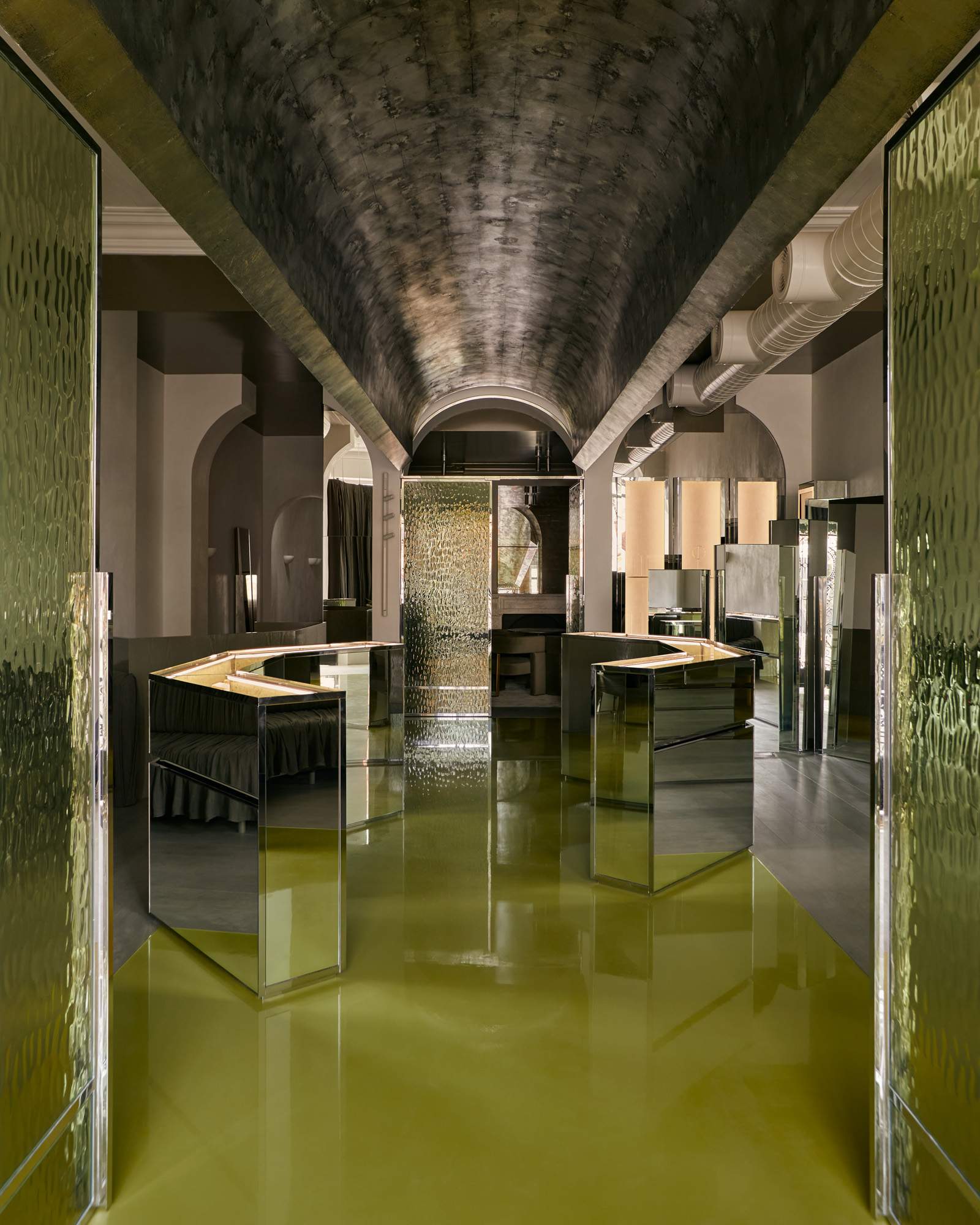
ADR: How do you envision the next generation shaping the industry, and how does your firm contribute to their development?
KS: It is extremely challenging for young practitioners to get their voice heard within any design practice. There is so much that goes into the design and construction process, with countless touchpoints that can go right or wrong along the way. The more experience we can bring to the project, the less risk there is. However, good design needs innovation and there is always risk associated with that.
We have been working to foster a process where our younger designers work with a more experienced designer or run a small project where we can work closely with them along the way to understand how and when to bring new thinking into a project.
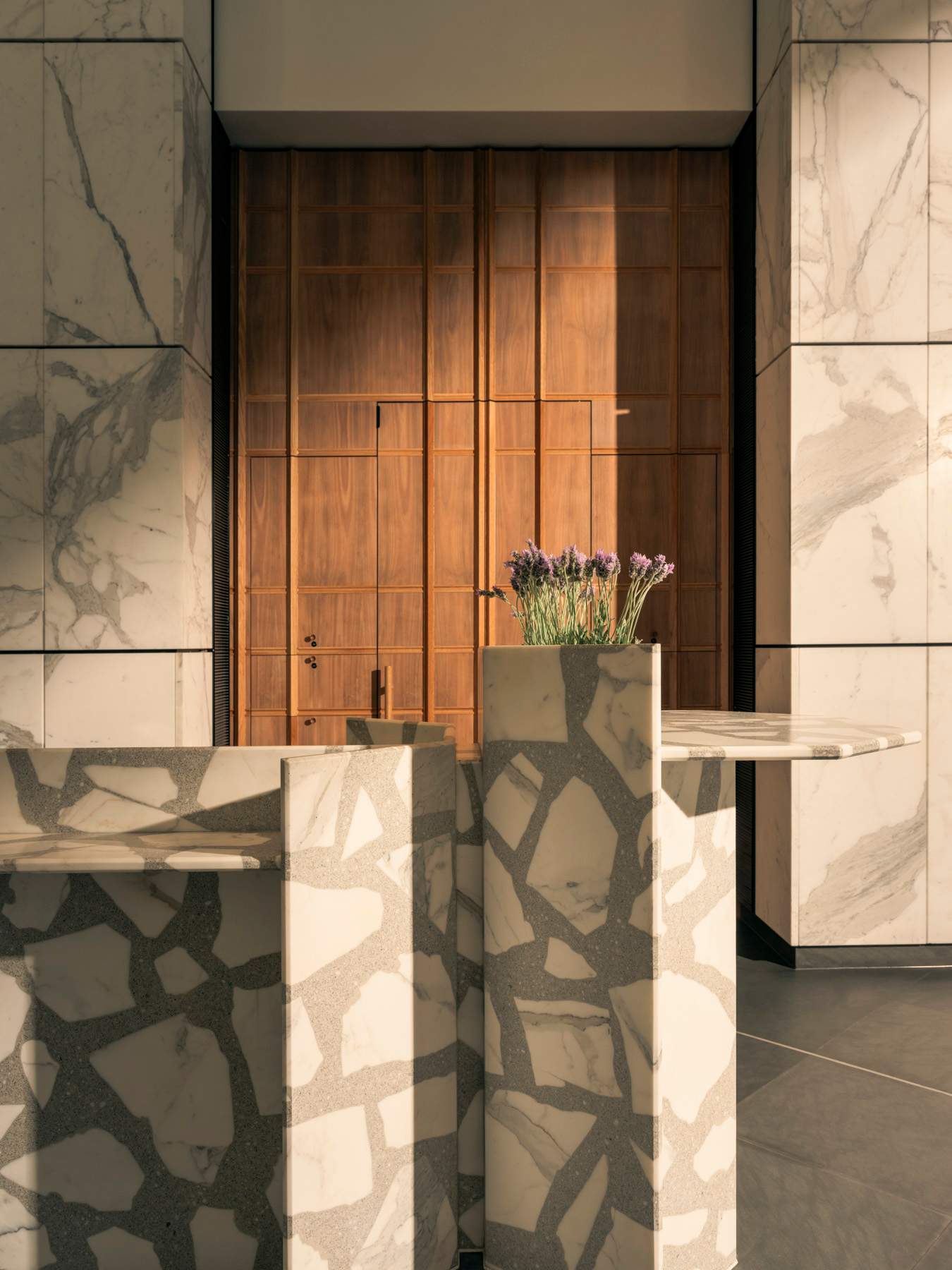
ADR: Collaboration often plays a vital role in successful design projects. How does your practice approach collaboration, both internally among team members and externally with clients and stakeholders?
KS: We’ve developed a structured internal process for the operation of our projects and it is based on a collaborative input which draws on the specialised talents of our team. We also run a monthly professional development program where we work on sharing our experiences and knowledge, as well as workshops to support and educate our team.
Mutual respect and trust is the foundation of any good client and architect relationship. It will lead naturally to solid collaboration. This is what we look for and develop on all our projects.
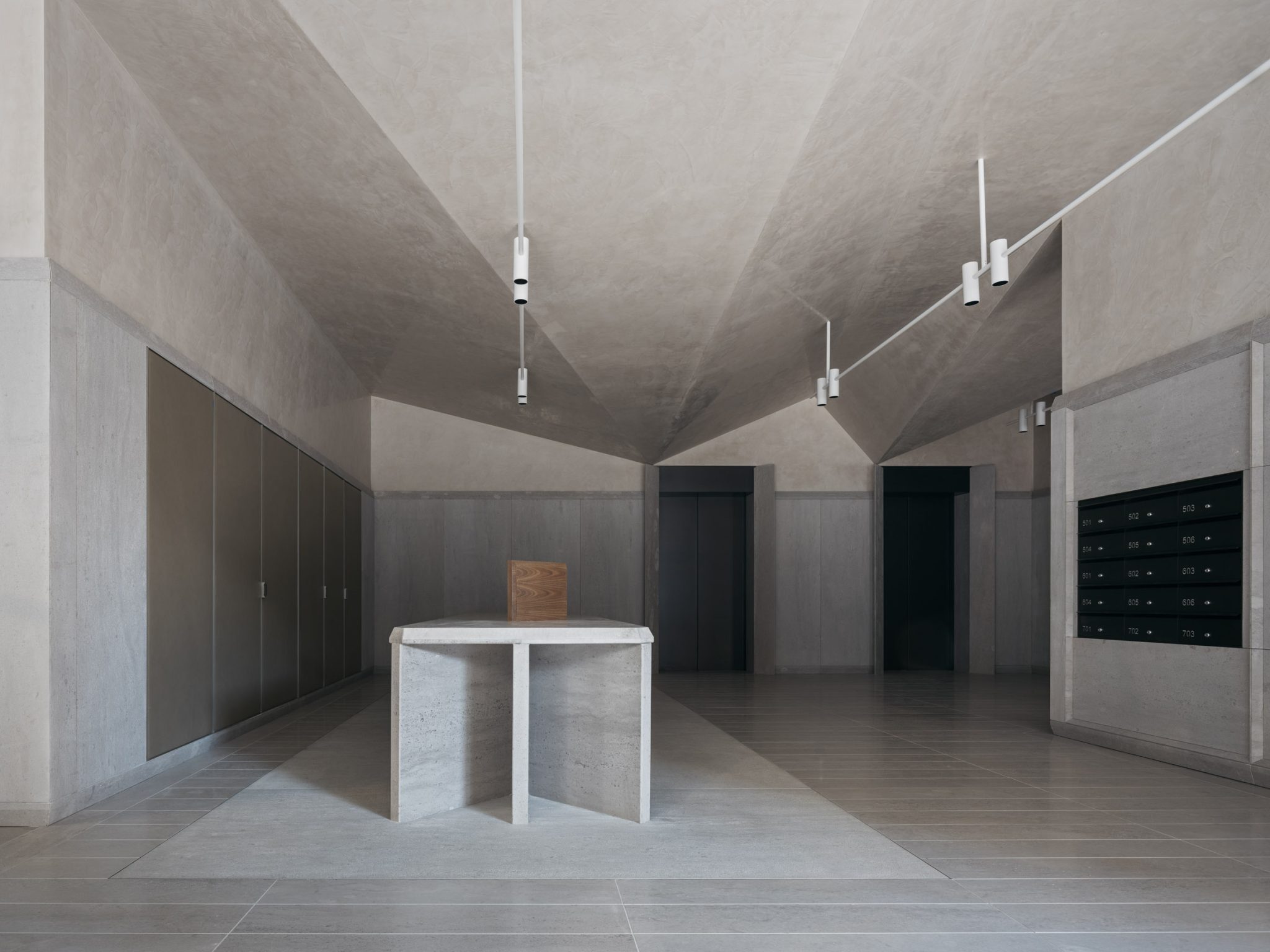
ADR: What do you see as the highlights and rewards of the current Australian design landscape, and alternatively, are there any limitations or areas of improvement?
KS: One of the highlights has been recognition of good interior design by clients, which means more opportunity for designers to work on challenging and complex projects.
The challenge for designers is to understand opportunities, even when they face big roadblocks. In New South Wales, interior designers are facing their biggest challenge ever in the failing of the NSW Government to recognise qualifications as a precursor to register under the new Design and Building Practitioners Act, which is required to work on any residential apartment interior. The DIA are working incredibly hard to amend this legislation and I am very proud to see our profession come together to fight this.
ADR: What inspires you about the successive generation of designers?
KS: I’m inspired that the next generation is determined to change the status quo. I’ve seen major changes in the way we work, from how we interact in the workplace to getting closer to a more positive work-life balance. I am excited to see the new ideas they bring to regenerative and sustainable design from both a practical and aesthetic perspective.
ADR: What do you predict for the next five years in Australian design?
KS: I’m not always great at predictions, but I think we may see more growth in the export of Australian design expertise. Being recognised internationally is now possible with the maturing of social media.
Australian Design Review’s 30UNDER30 Interior and Product Designers stream is brought to you by major sponsor Neolith, alongside gold partners Interface, Miele and Tongue & Groove. The program is supported by practice partners Arent&Pyke, BVN, Billard Leece Partnership, Cera Stribley, COX Architecture, GroupGSA, Hassell, HDR, Richards Stanisich, Rothelowman, SJB and Williams Burton Leopardi.
You Might also Like


Related Stories

© Niche Media 2026