

30UNDER30 practice partner AJC backs future talent through excellence and innovation
30UNDER30 practice partner AJC backs future talent through excellence and innovation

Share
AJC Architects steps into Australian Design Review’s (ADR’s) 30UNDER30 program with CEO Dua Green championing mentorship, fresh perspectives and empowering emerging designers to shape the future of architecture.
AJC Architects has joined ADR’s 30UNDER30 program as a practice partner, bringing with it 70 years of experience designing a breadth of buildings and interiors and a youthful ability to see things in new and dynamic ways. For CEO and director Dua Green, the partnership reflects the studio’s focus on collaboration, innovation and supporting the next generation of designers beyond the four walls of their workplace.
ADR caught up with Green to talk about AJC’s role as a practice partner, her philosophy on mentorship and why the next generation is central to the studio’s vision.
ADR: What drew you to the 30UNDER30 program, and what excites you most about being a practice partner?
Dua Green: It’s really about mentoring and supporting the upcoming generation of designers and architects. I am expecting to be challenged, by the mentees and mentors through this process, to question what have been significant drivers and learnings throughout my career and also what could I do differently or better. That motivation sits at the core of what drives me in my work and what motivates our office.
We want to share what we’ve learned but also listen to how the next generation sees the future of the built environment. It’s a real win-win when we can share how AJC approaches design, while also gaining insight from the next generation. They bring fresh perspectives on the built world, product design and the innovations coming out of universities.
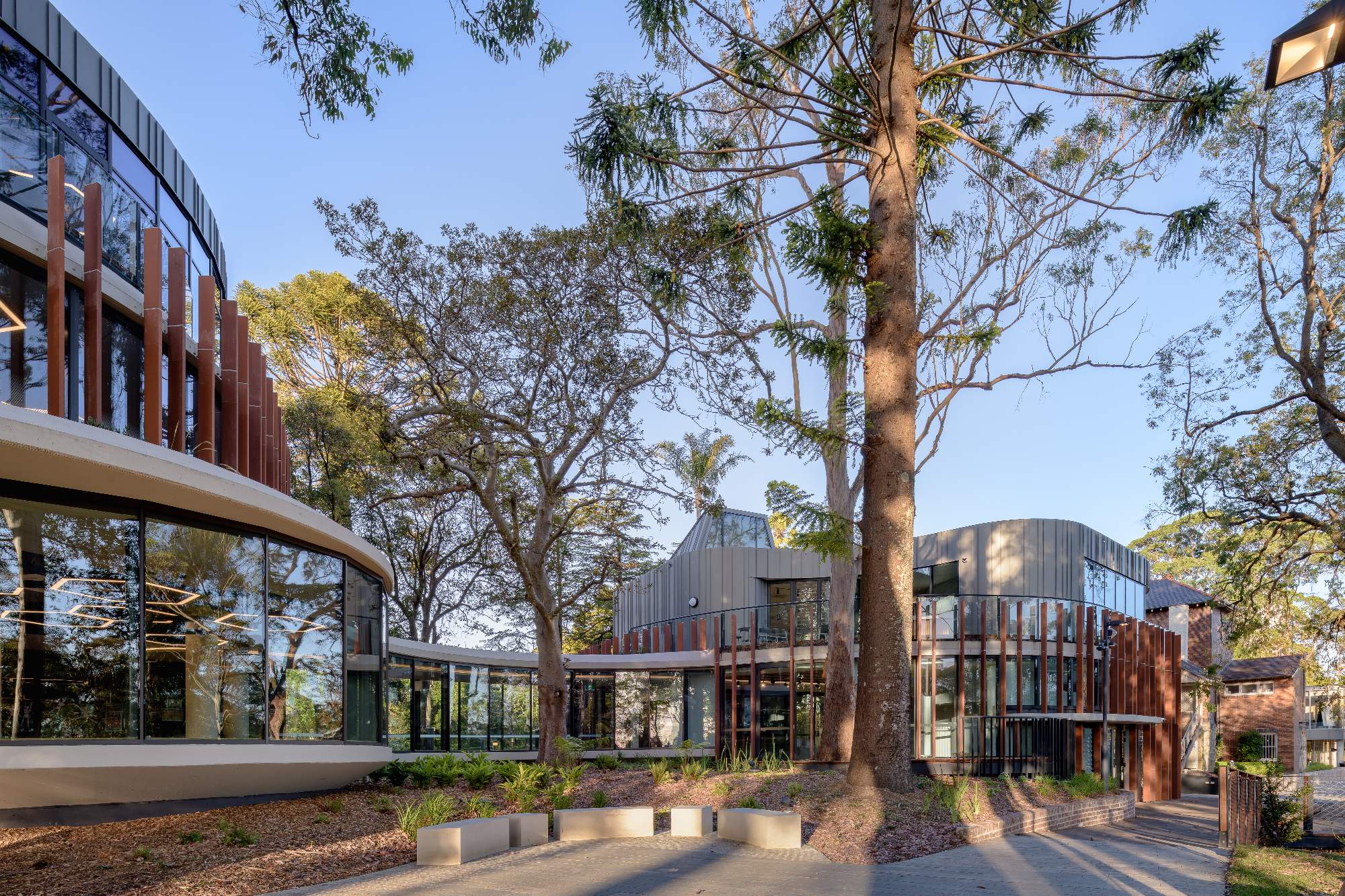
ADR: How do you see programs like 30UNDER30 shaping the next generation, and why was it important for AJC to support that journey?
DG: It’s about sharing knowledge, experience and aspirations so we can improve things together. Programs like 30UNDER30 create that collective approach because they’re so well-researched and focused. Unlike casual mentoring, where you simply meet for a conversation, this program sets clear goals and delivers tangible outcomes, which makes it incredibly valuable.
I am looking forward to participating in the program as a mentor and see this is an opportunity to share experiences and discuss challenges. Ideally we all learn along the way,
I was fortunate to find mentors along my path, but it wasn’t always available to everyone. The big difference now is that people can apply for programs with targeted mentors who are chosen for what kind of specific guidance they can provide. That opens it up to those who may not find that support in their workplace, which is a huge positive.
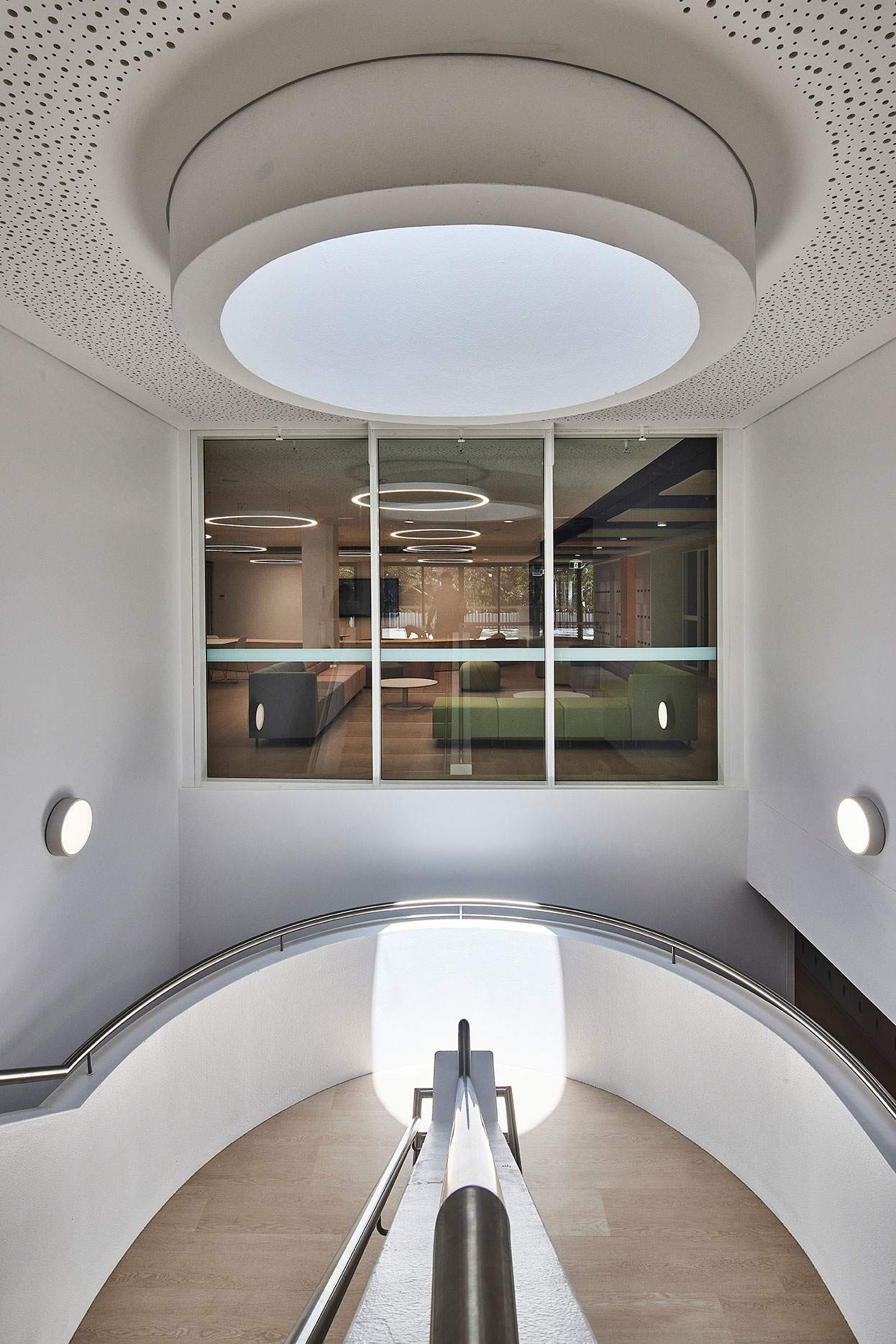

ADR: What philosophies or values guide the way you lead AJC, and how do they align with your decision to partner with 30UNDER30?
DG: One of the reasons I took on a director role was to support the team. Individual growth and work-life balance are huge priorities for me. They shaped my own experience developing into leadership while working part-time.
I know how important it is to support people in different life circumstances and make sure they can still grow, no matter their working situation. It’s about building a supportive environment that encourages independence so they can learn their own pathways and learn how to get to those pathways. That’s why mentoring feels so crucial. It’s also why the 30UNDER30 program resonates so strongly with me.
ADR: Looking ahead, what kind of legacy do you hope AJC leaves, and how does working with young talent feed into that vision?
DG: As a 70-year-old practice, we already stand on a strong legacy. The opportunity I see now is about building on that culture of support for individuals while driving innovation.
For me, legacy means balancing great design outcomes with strong social and personal outcomes. Programs like 30UNDER30 align with that vision because the next generation is bringing incredible awareness of sustainability, technology and social responsibility. I believe recent graduates should have as much of a voice as senior leaders, because those diverse perspectives push us forward. In some ways, this new generation has a sharper sense of what’s possible, and as an industry, we have so much to learn from them.
ADR: What advice would you give to designers stepping into their careers now, especially those hoping to be part of programs like 30UNDER30?
DG: There’s more than one way to achieve and lead. Being true to your own aspirations and beliefs, and how you relate to people, can serve you well. Integrity, honesty and trust are critical – being yourself is a real strength.
For AJC, joining ADR’s 30UNDER30 program reinforces the studio’s focus on collaboration, learning and innovation. It is also a recognition that the future of architecture depends on listening to, empowering and learning from the next generation of designers.
Australian Design Review’s 30UNDER30 is brought to you by major sponsor Neolith, alongside partners Interface, Miele, Krost and Tongue & Groove.
Australian Design Review is also grateful to our 30UNDER30 practice partners AJC Architects, Arent&Pyke, BVN, Cera Stribley, COX Architecture, Genton, GroupGSA, Hassell, HDR, Richards Stanisich, Rob Mills Architects, Rothelowman, SJB and Design by WBL for helping us foster the future of Australian design.
You Might also Like

Related Stories

© Niche Media 2026