

Metz and Onyx Solar will showcase Atlassian Central’s BiPV technology at Brisbane event
Metz and Onyx Solar will showcase Atlassian Central’s BiPV technology at Brisbane event

Share
Set to be the tallest hybrid timber and steel structure in the world, Atlassian’s new headquarters in Sydney is breaking new ground in sustainable design. As part of its ambitious goal to operate on 100 percent renewable energy, Atlassian has embraced Building Integrated Photovoltaics (BiPV) as a key technology.
Designed by BVN and SHoP Architects, Atlassian Central is co-owned by Dexus and Atlassian and being delivered by Built and Obayashi Corporation (BOJV).
Onyx Solar, a global leader in Photovoltaic (PV) glass, along with Australian partner Metz, are delivering a custom BiPV solution for Atlassian Central that includes 1794 photovoltaic modules integrated directly into the building envelope. These panels not only generate clean energy but also feature self-shading properties that reduce heat gain, lower cooling loads and further reduce the building’s embodied carbon footprint.

1794 photovoltaic modules will be integrated directly into the building envelope of Atlassian Central. Render: BVN.
According to Metz, this advanced technology isn’t just reserved for major builds. The company is on a mission to educate Australia’s architecture and design community on the power of BiPV. This October, a global expert in photovoltaic glass from Onyx Solar’s headquarters in Spain is flying to Brisbane to assist.
Building Integrated Photovoltaics – the future of green building?
BiPV represents a step change in renewable energy technology. Unlike traditional rooftop solar, BiPV offers a seamless architectural finish, with panels installed in place of conventional building materials. With such a broad variety of applications – including as facades, skylights, canopies, louvres and even walkable floors and roof tiles – PV technology is fast revolutionising sustainable practice.
A defining feature of this next-generation solar technology is its aesthetic versatility. Onyx Solar has pioneered advances in photovoltaic technology. Once limited to opaque black panels, world-first innovations by Onyx make PV glass available in a variety of transparency levels, colours and finishes – even glass that replicates the appearance of Corten steel.
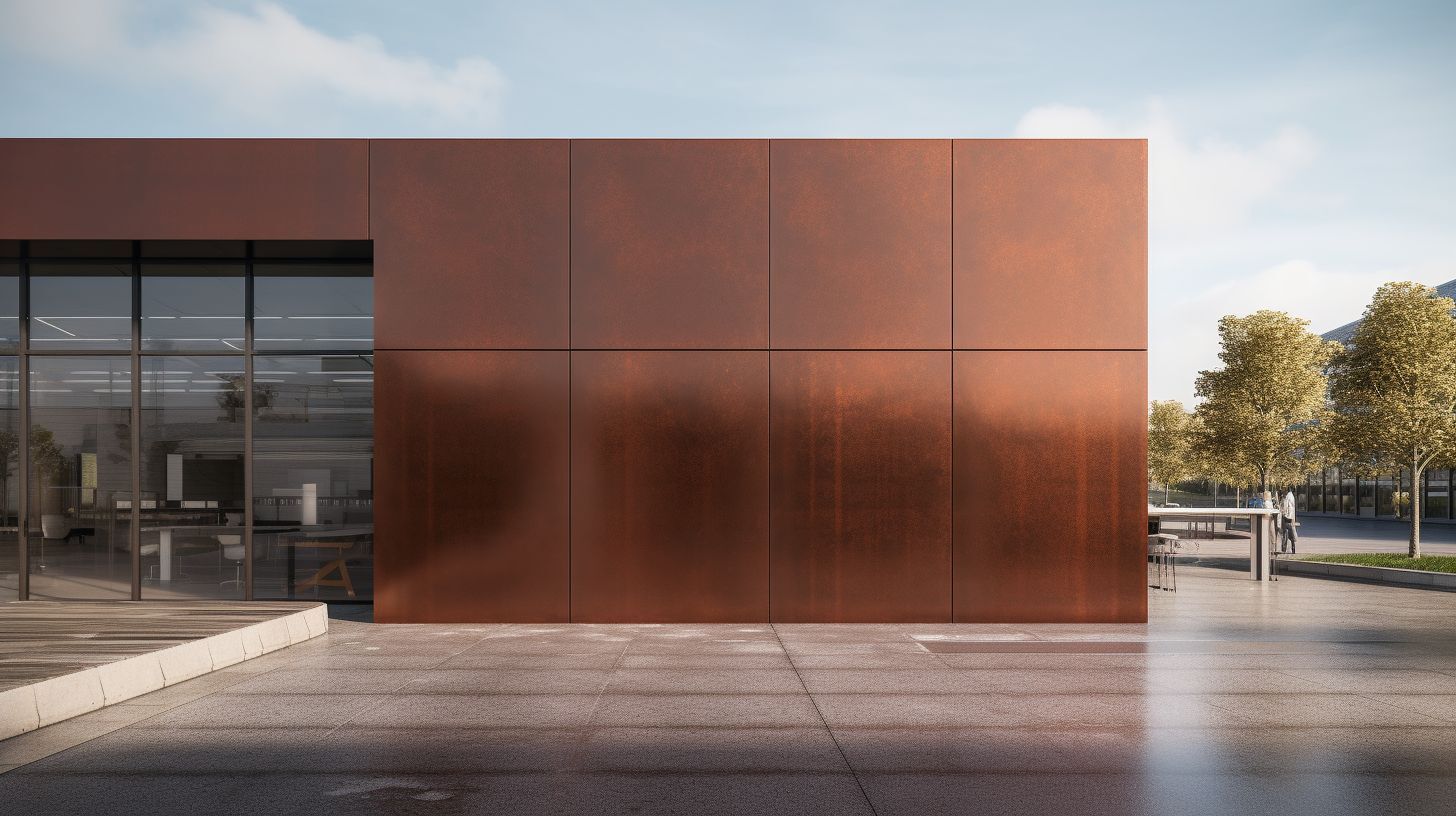
Onyx PV glass can replicate corten steel. Render: Onyx.
BiPV is already in use at Australian projects such as Westmead Children’s Hospital’s new ‘Dragonfly’ carpark, North Sydney Council’s Coal Loader Centre for Sustainability, St Andrews Cathedral, Como Railway Station TfNSW, La Trobe University and Scotch College, to name a few. The material is increasingly accessible and cost-effective for Australian projects, helping achieve Green Star targets and reducing both operational and embodied carbon footprints.
Metz Group and Onyx Solar’s energy partnership
As a family-owned Australian company with more than 70 years of experience supplying advanced materials and solutions to the construction and architectural industries, Metz has partnered with Onyx Solar to make this world-leading technology available locally.
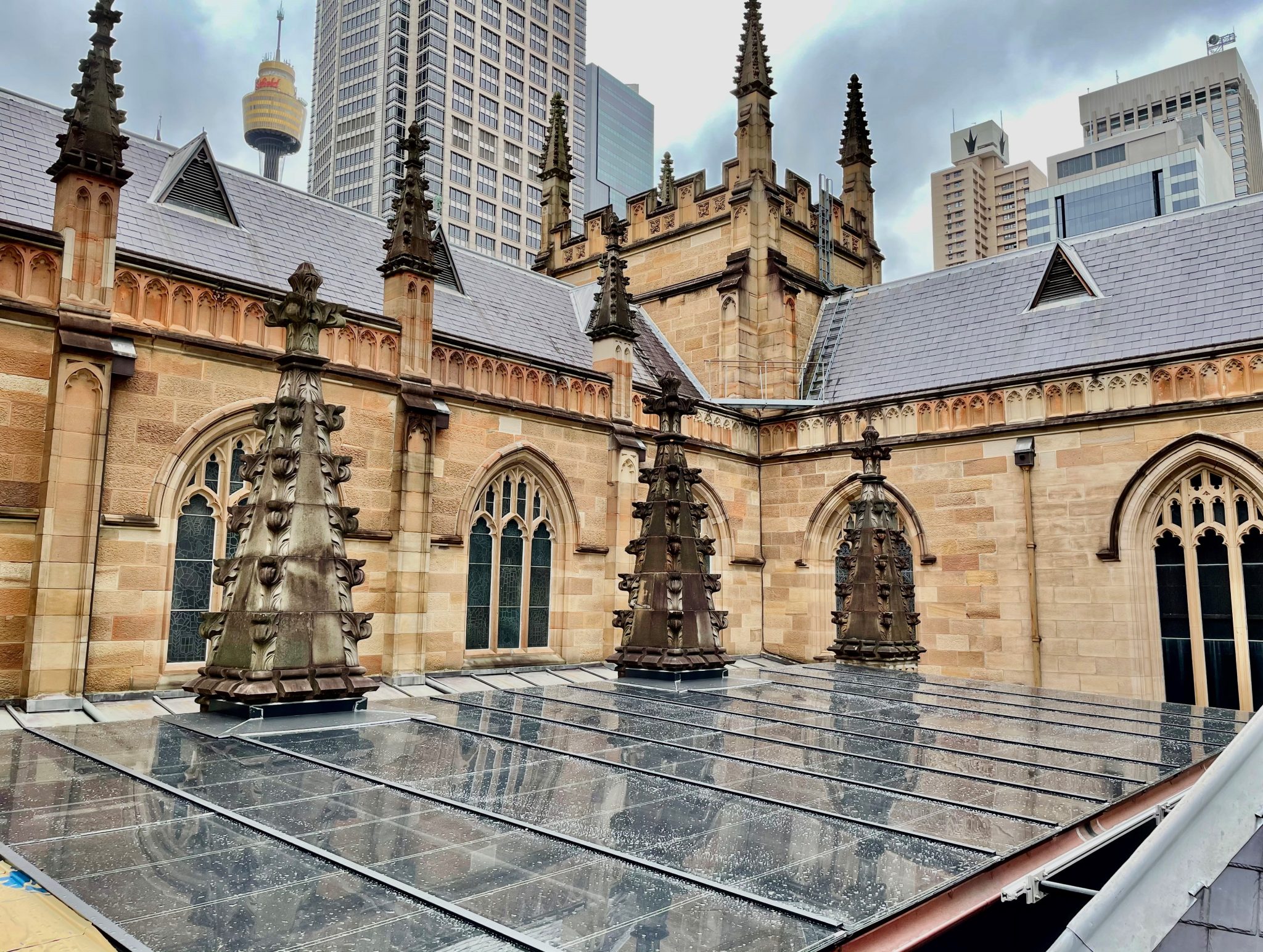
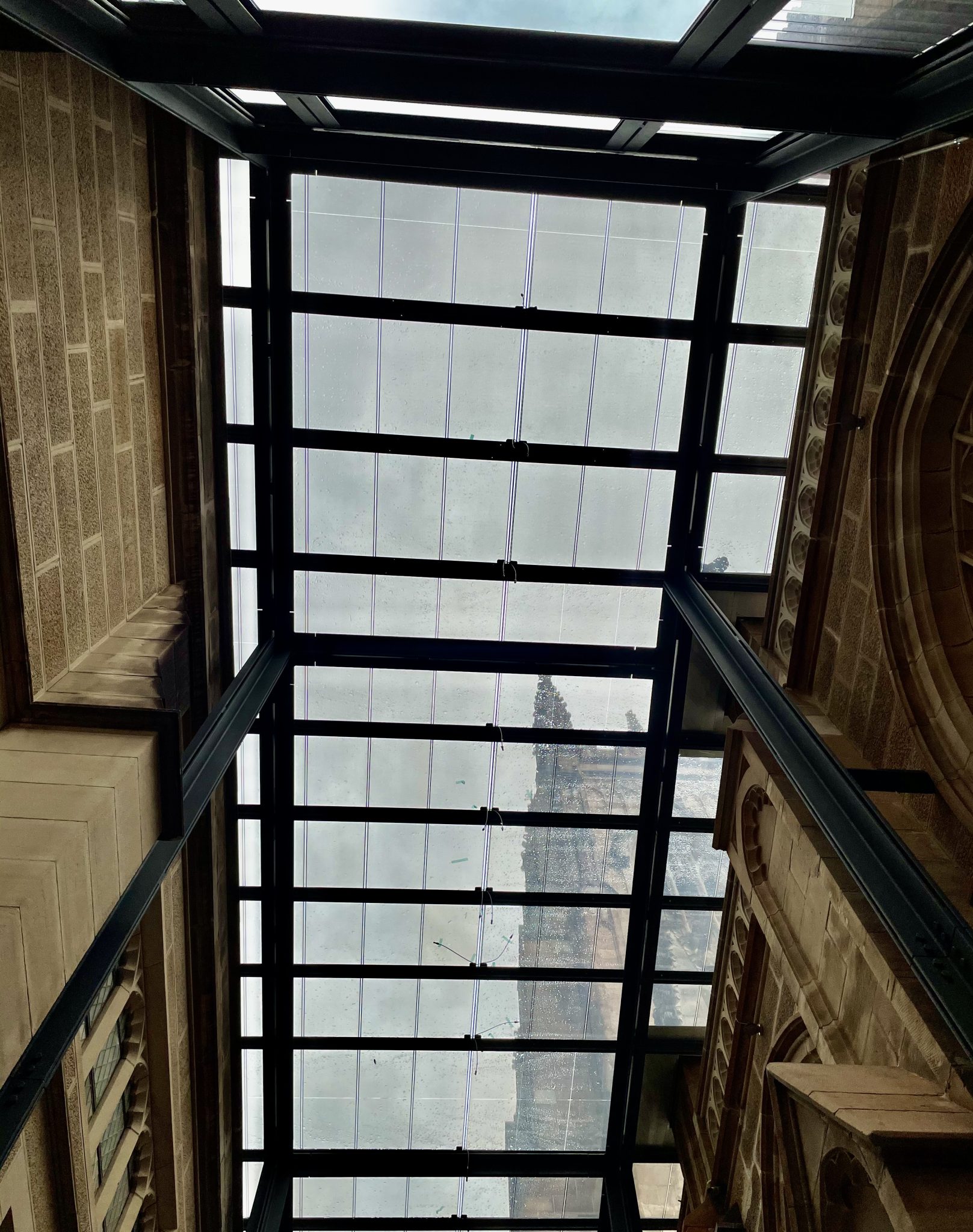
BiPV in use in a canopy at St Andrews Cathedral in Sydney. Photo: Supplied.
Metz’s role in helping to drive innovation in sustainable building ensures that Australian architects, engineers and developers can access BiPV products, while supported by local expertise and service.
“Our partnership with Onyx Solar allows us to deliver the same innovation powering Atlassian Central to projects of every scale in Australia,” said Metz Group CEO Ian Ellis. “This isn’t a technology reserved for landmark projects; it’s a practical, scalable solution that is ready to use today.”
Globally, Onyx Solar has delivered more than 500 projects across 60 countries, establishing itself as a leader in photovoltaic glass solutions.
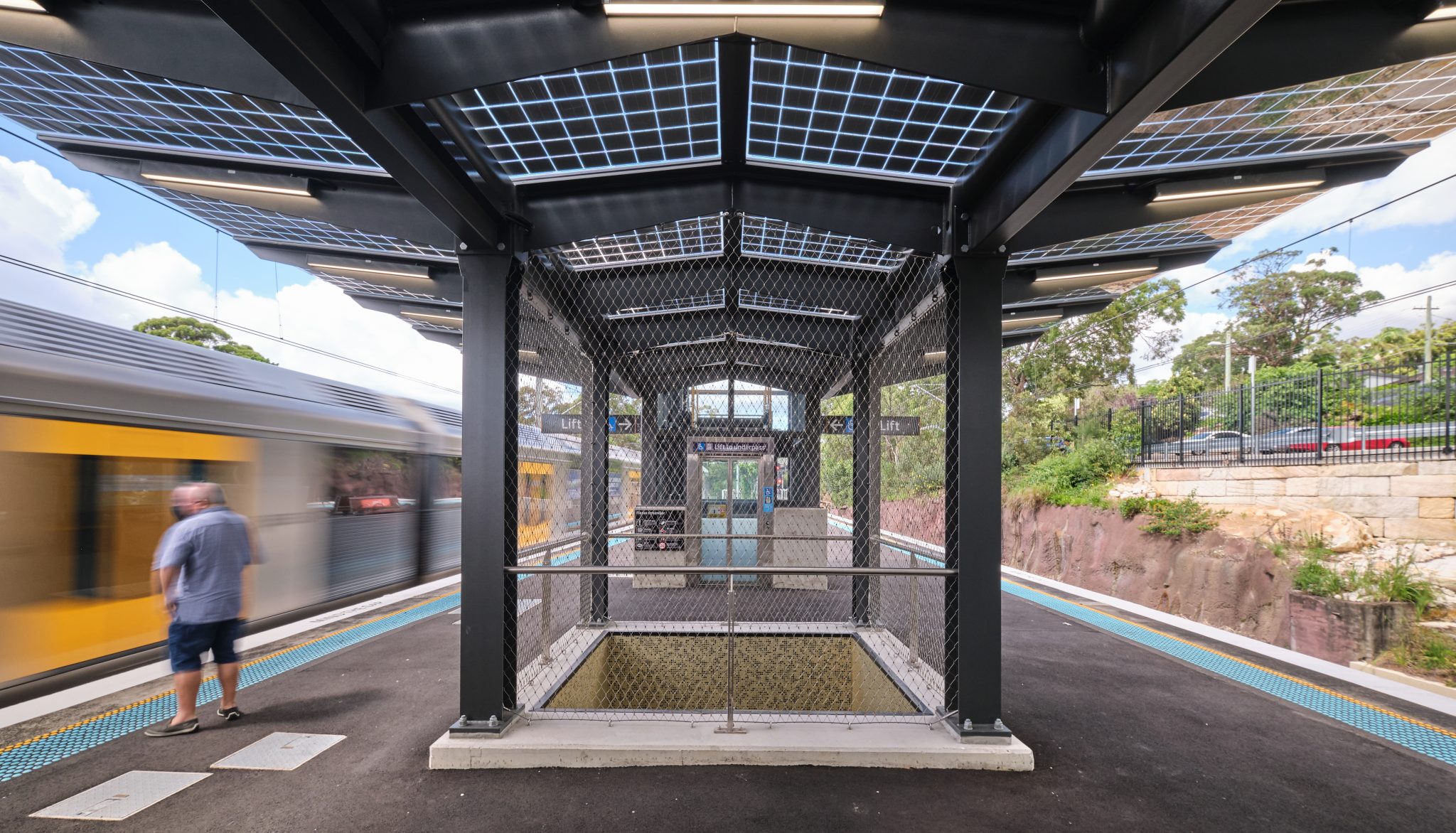
Como Station in Sydney, featuring BiPV technology. Photo: Duzs and Partners.
Hear from the expert behind the world-leading solar technology
The driving force behind Onyx Solar’s innovations is Dr Teodosio (Teo) del Caño, the company’s chief technical officer, based in Spain. With Onyx since its beginnings, Dr del Caño has played a pivotal role in shaping BiPV technology and is recognised worldwide as a leading authority on photovoltaic glass.
Next month, Dr del Caño will fly into Brisbane to share his insights into the future of BiPV and sustainable building. His keynote presentation – ‘Powering Innovation with BiPV’ – offers a rare opportunity to hear directly from the expert behind this groundbreaking technology.
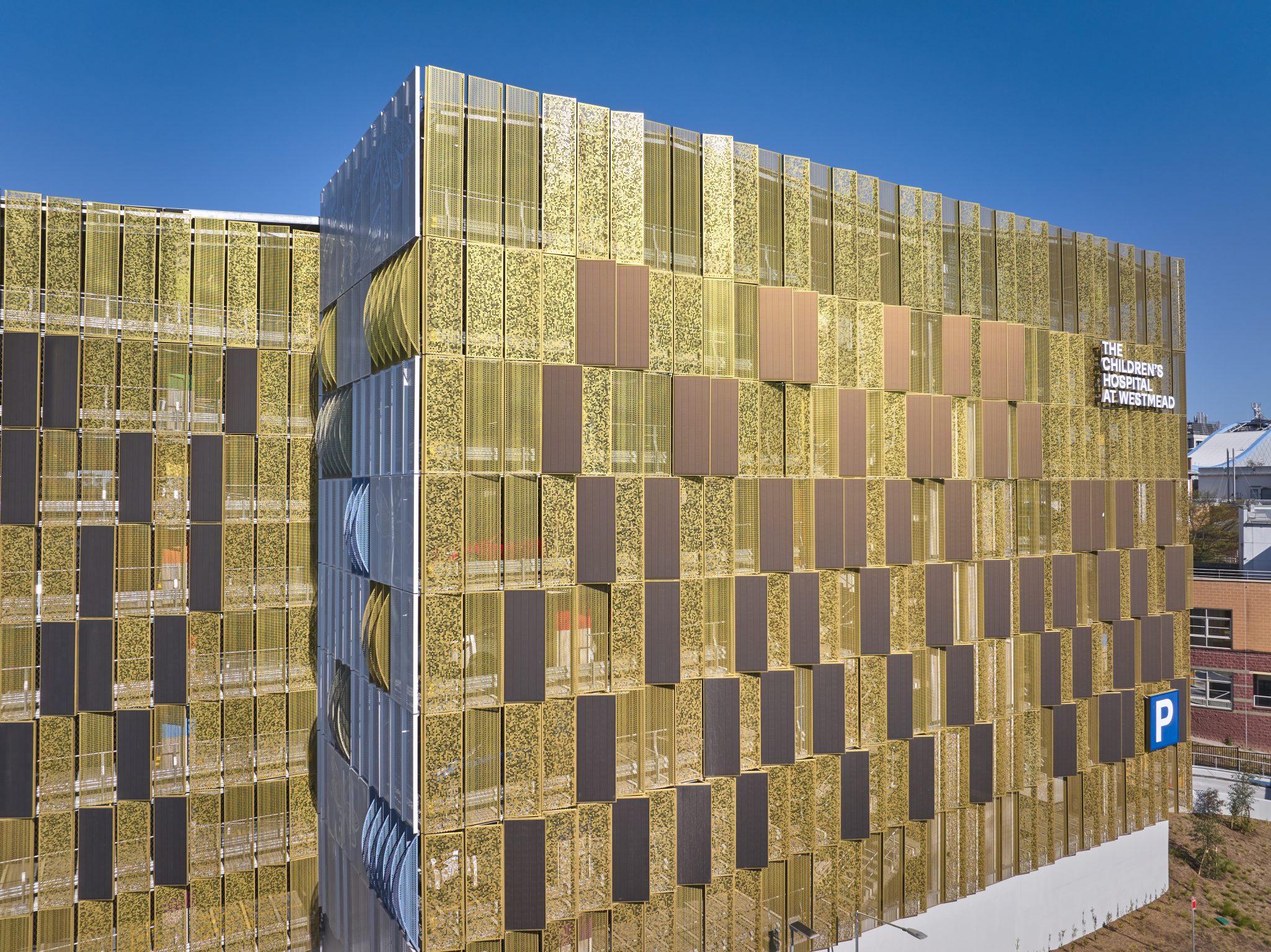
Westmead Children’s Hospital Dragonfly Carpark, featuring dichroic (colour-changing) Photovoltaics Glass panels. Photo: Supplied.
Metz invites Brisbane’s architecture and design community to what promises to be an evening of essential insights, networking, drinks and tapas. Attendees will also be in the running for the door prize – a $300 gift card to Stilts Restaurant, a new hospitality venture inspired by Queenslander homes that boasts panoramic views of the Brisbane River.
‘Powering Innovation with BiPV’ event details
Date: Thursday 16 October 2025
Time: 5.30pm – 8pm
Location: Metz Gallery, Brisbane
To gain exclusive insights into how BiPV is transforming the way buildings are designed and discover how you can use this technology in your own projects, register here. Need a ride? Just ask for an Uber voucher when you RSVP.
Can’t make it to the Brisbane event? Learn more about BiPV technology here.
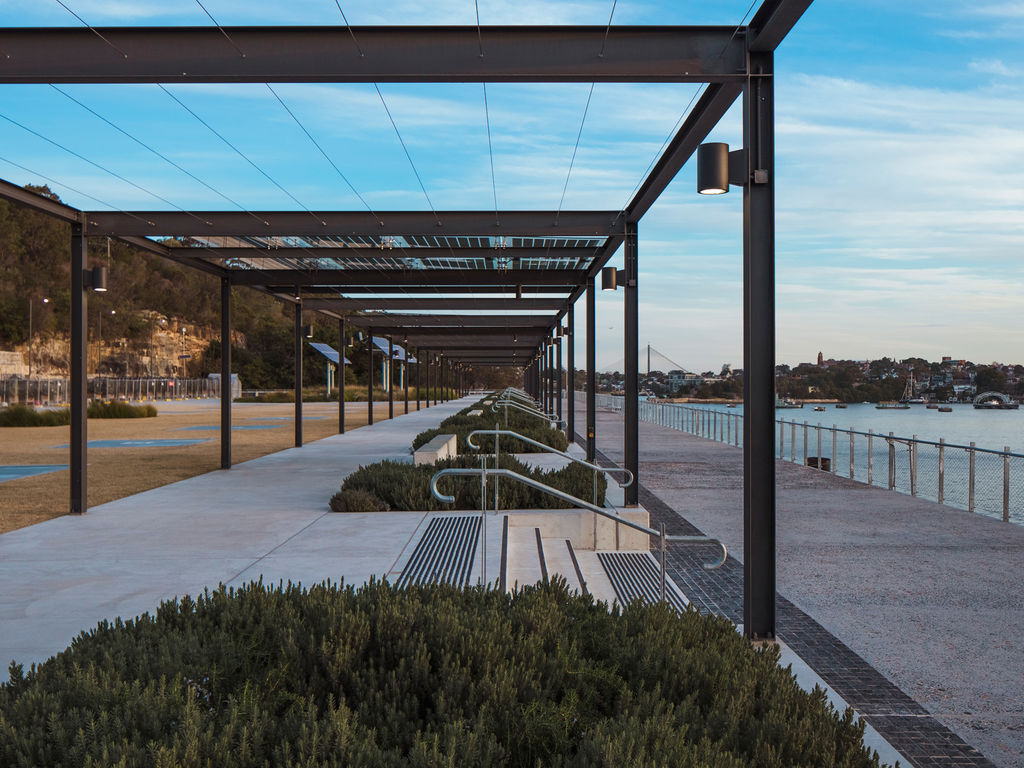

North Sydney Council’s Coal Loader Centre for Sustainability, featuring BiPV in the form of frameless PV glass canopy units. Photo: Supplied.
Lead image of Atlassian Central’s ‘hill town’ view by BVN. All imagery supplied.
You Might also Like

Related Stories

© Niche Media 2026