

At Home with Kurt Crisp
At Home with Kurt Crisp

Share
The co-founder and director of residential architecture and interior design firm Buck & Simple lives inside a modernist pavilion-style home along Sydney’s Northern Beaches with his wife, their four kids and “loving, fluffy” dog. A recent renovation has brought life back to the way the Crisp clan cohabits.
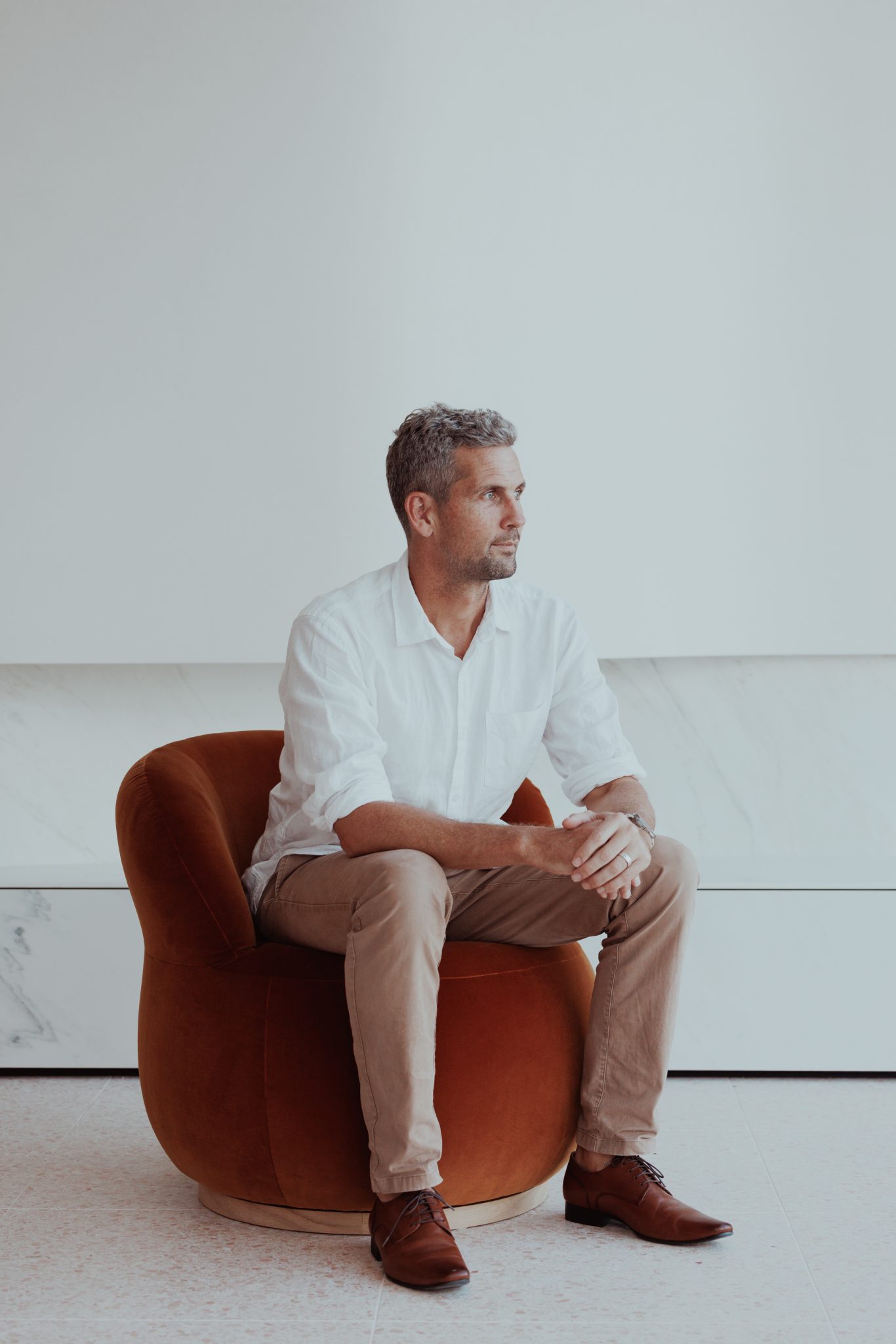
Australian Design Review: How long have you lived here and what attracted you to the property?
Kurt Crisp: We moved in at the start of 2020 and the pandemic. We had a few slow years in the cycle of intermittent lockdown and release, which basically turned our home into a makeshift school and remote architectural office.
The home was well-loved by one previous family and all of the original fabric was intact and generally unchanged. It was cutting edge for its time, very stylistic. There was a lot of publicity around mid-century homes coming out of California at the time, but it was unique for someone to borrow from the style so strongly in a Sydney home. When we first visited the home, it had a lovely, nostalgic vibe, which seemed to still echo the ambition of the original design. In practical terms, it was a home built for a big family, and we were a big family.
ADR: When you set out to renovate, was there anything from the original design that you wanted to preserve? On the other hand, what had to go?
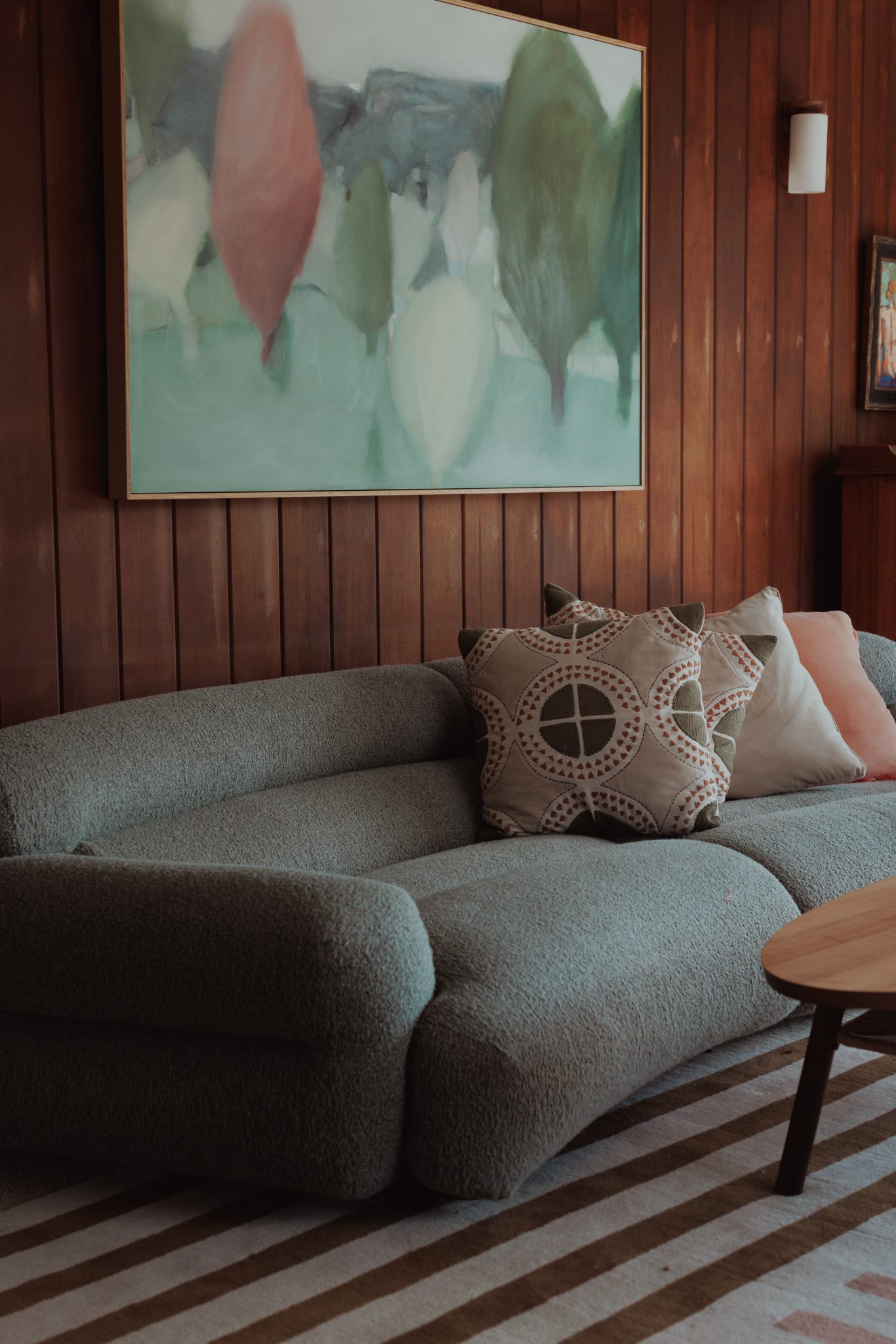
KC: I actually had a hard time pulling anything out of the original home. The joinery was swollen and deteriorated, some of the lights were almost hanging off the walls and the shagpile carpet had worn through to the floorboards in a few places. But my gut reaction was to keep all of it. Practicality won out in the end, and we set about identifying problems and turning them into opportunities.
We did have a rat living in the roof that loved to come down at night and chew on the dishwasher pipe. There’s only so many times you can wake up to last night’s soggy scraps spread across the kitchen floor before deciding that something has to go.
ADR: What interventions have you made?
KC: The floor plan is a simple hallway arrangement with rooms on both sides. It was elegantly executed and it simplified the roof structure by providing a load-bearing wall running through the long axis of the home. Unfortunately, this meant that light and ventilation were both compromised, and the original living rooms were a bit gloomy and stale.
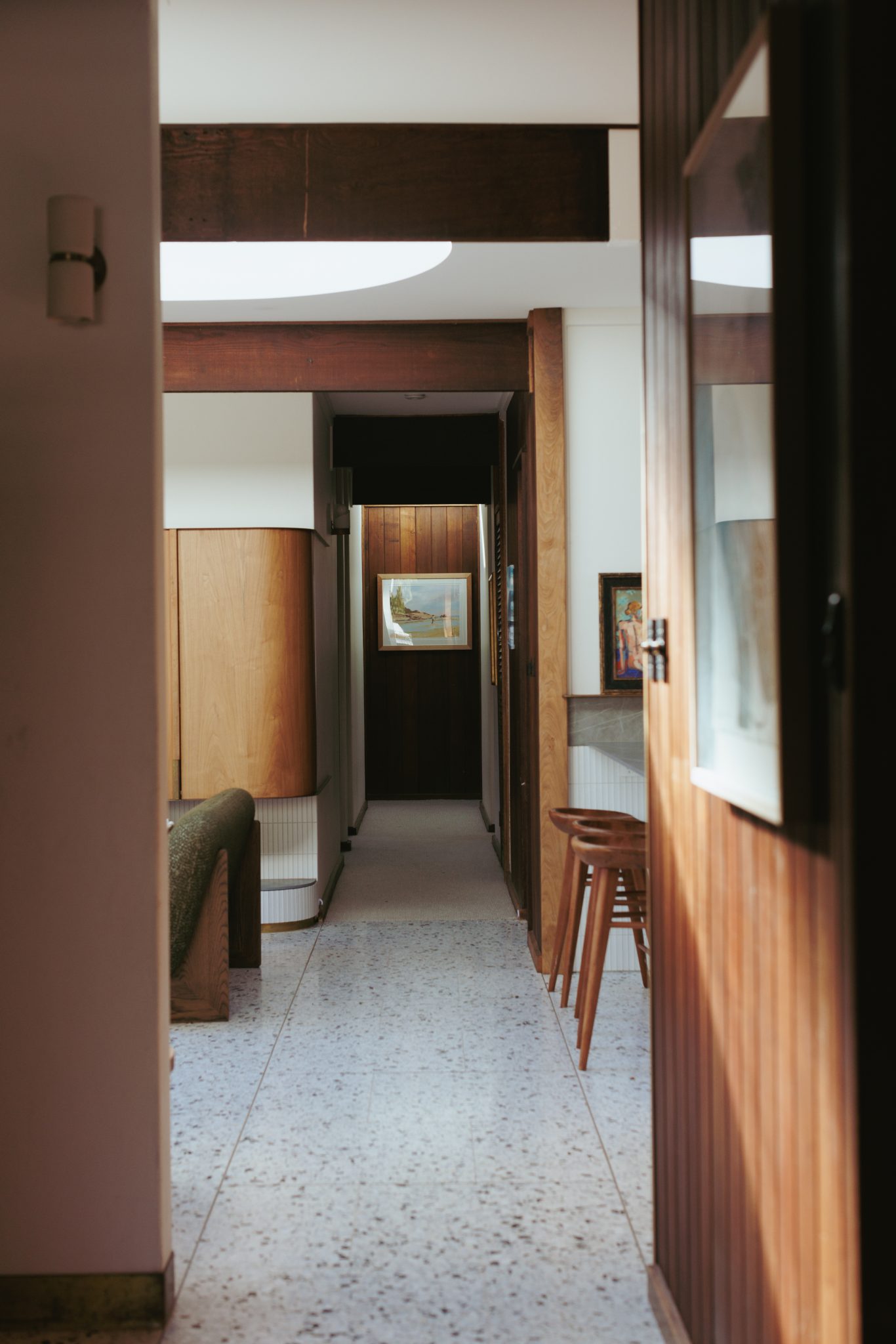
The brief was to update the functionality of the main living rooms and repair any aged and tired materials. This created an opportunity to redesign the kitchen, laundry and the window arrangements.
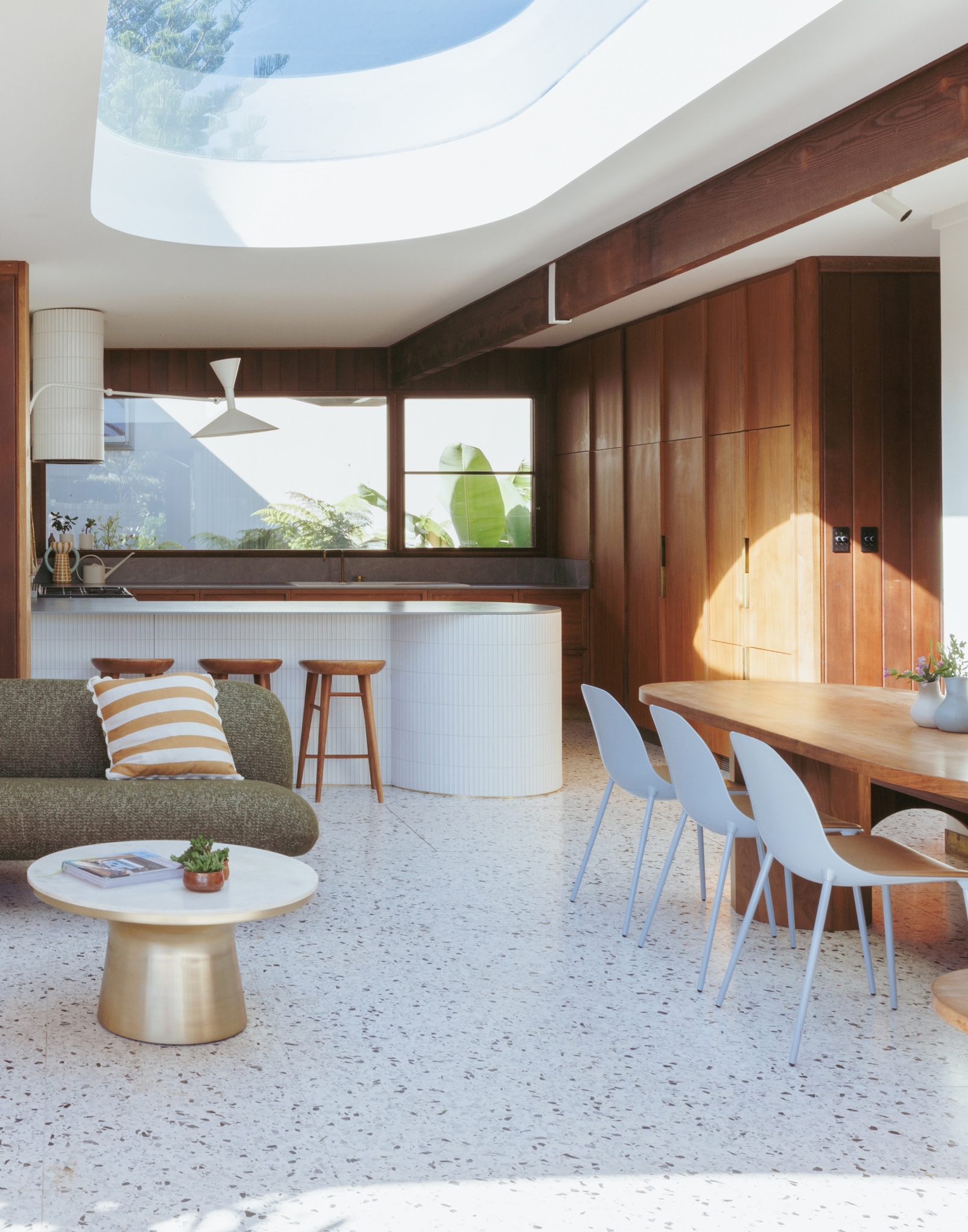
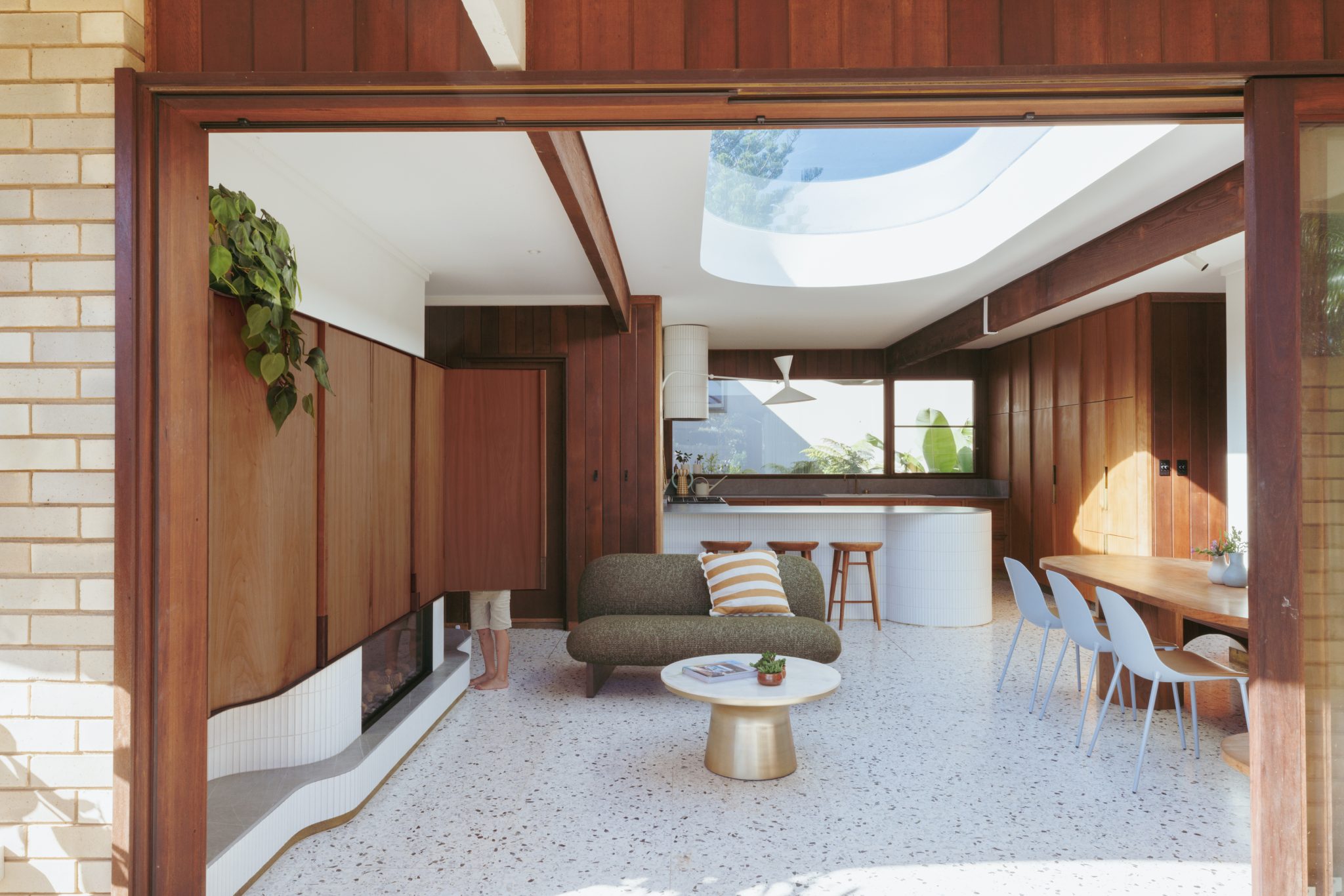
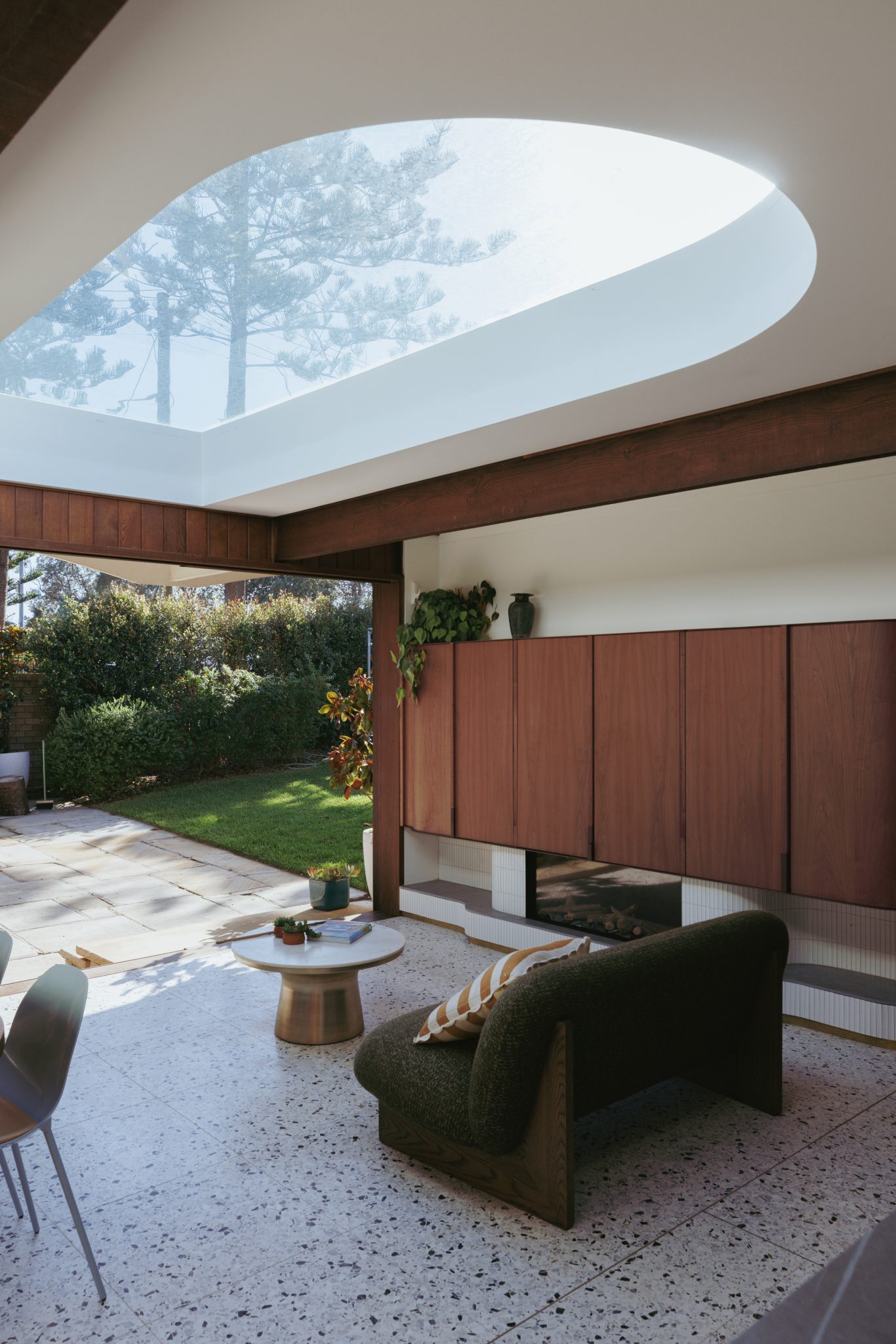
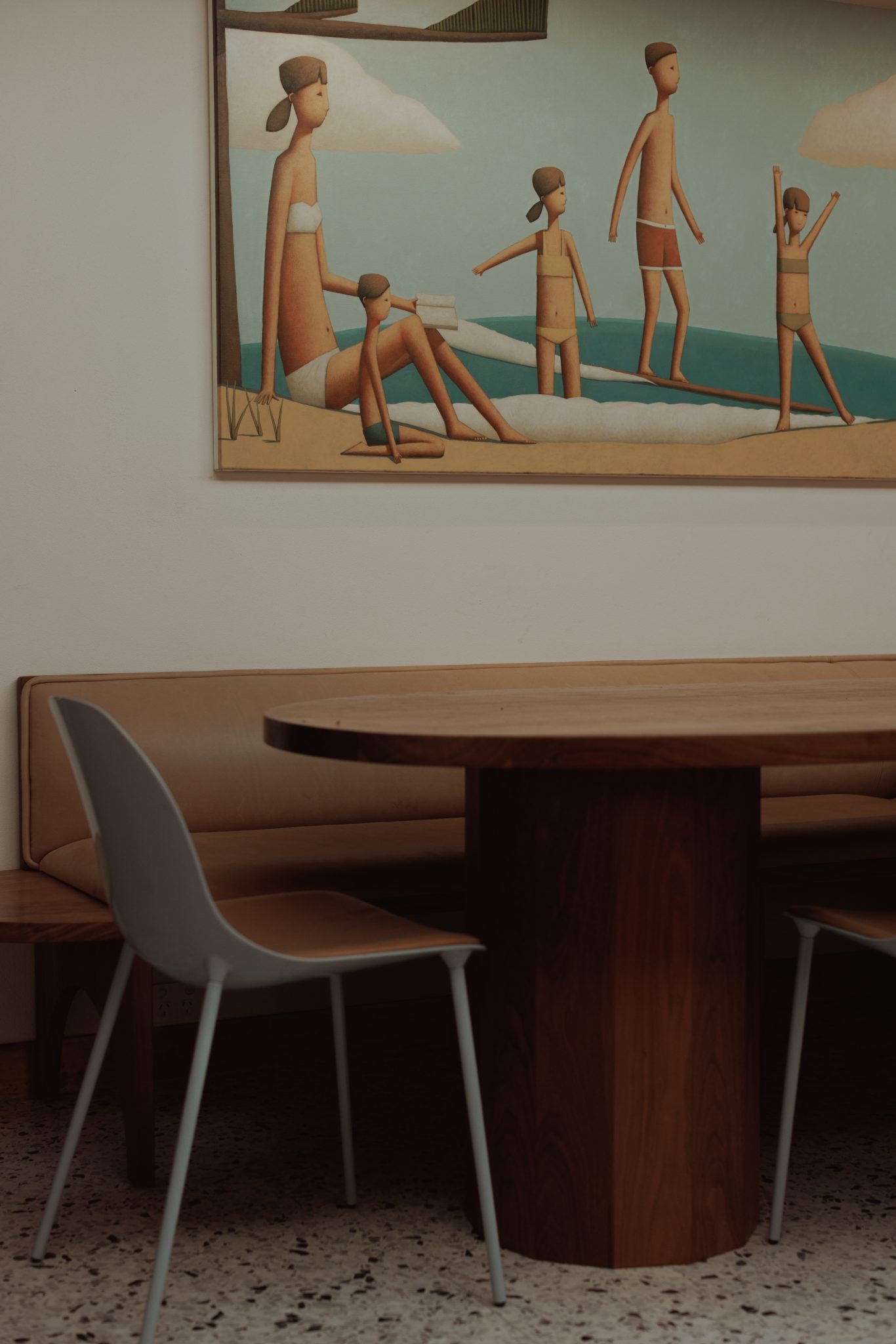
Our updated layout removed the hallway walls to allow cross ventilation and light, while a new oversized glass roof brought direct sunlight right into the centre of the home. We also added a fireplace and a breakfast banquette nook on the casual dining table to help make a casual and cosy family space.
ADR: What were the challenges involved in the redesign?
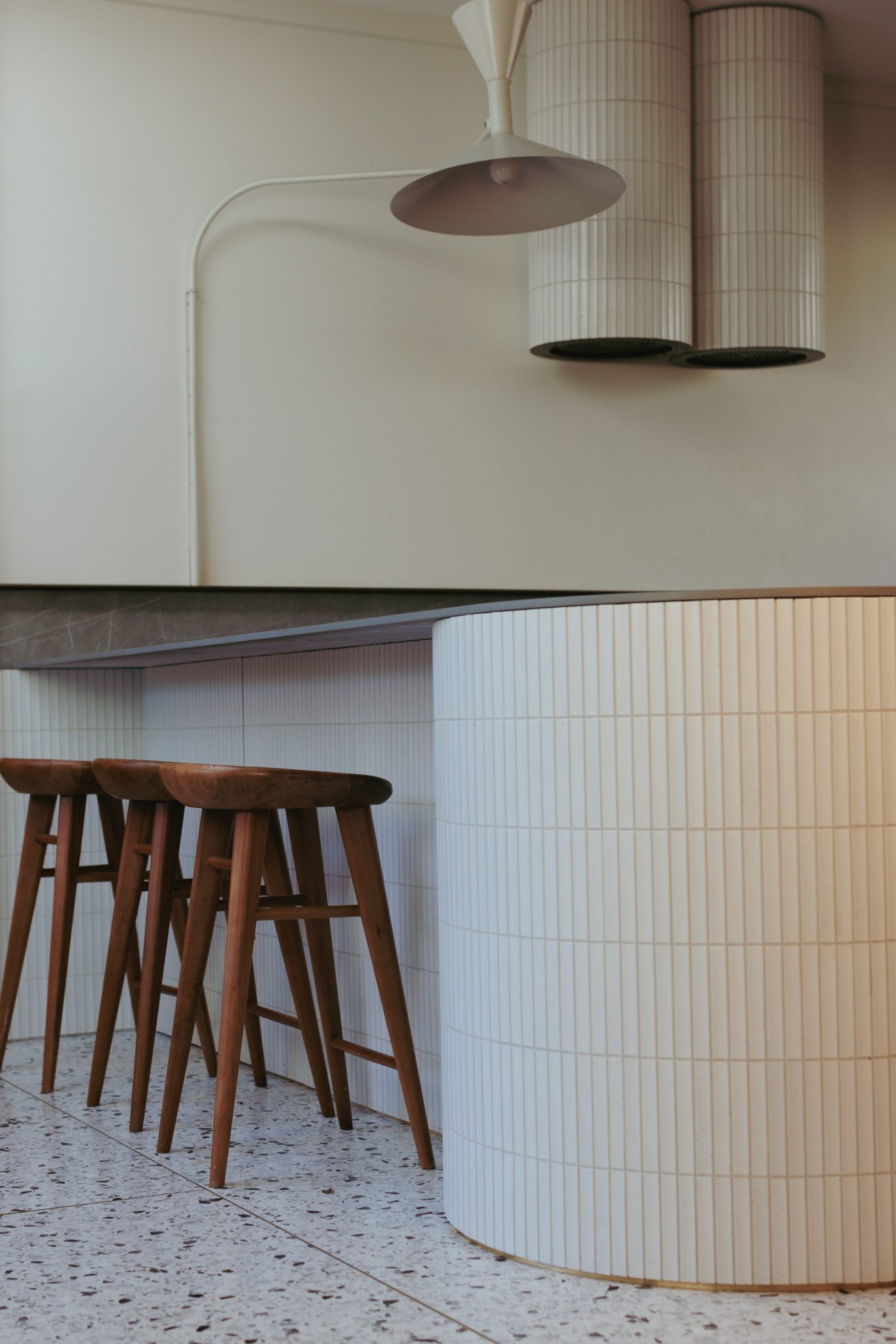
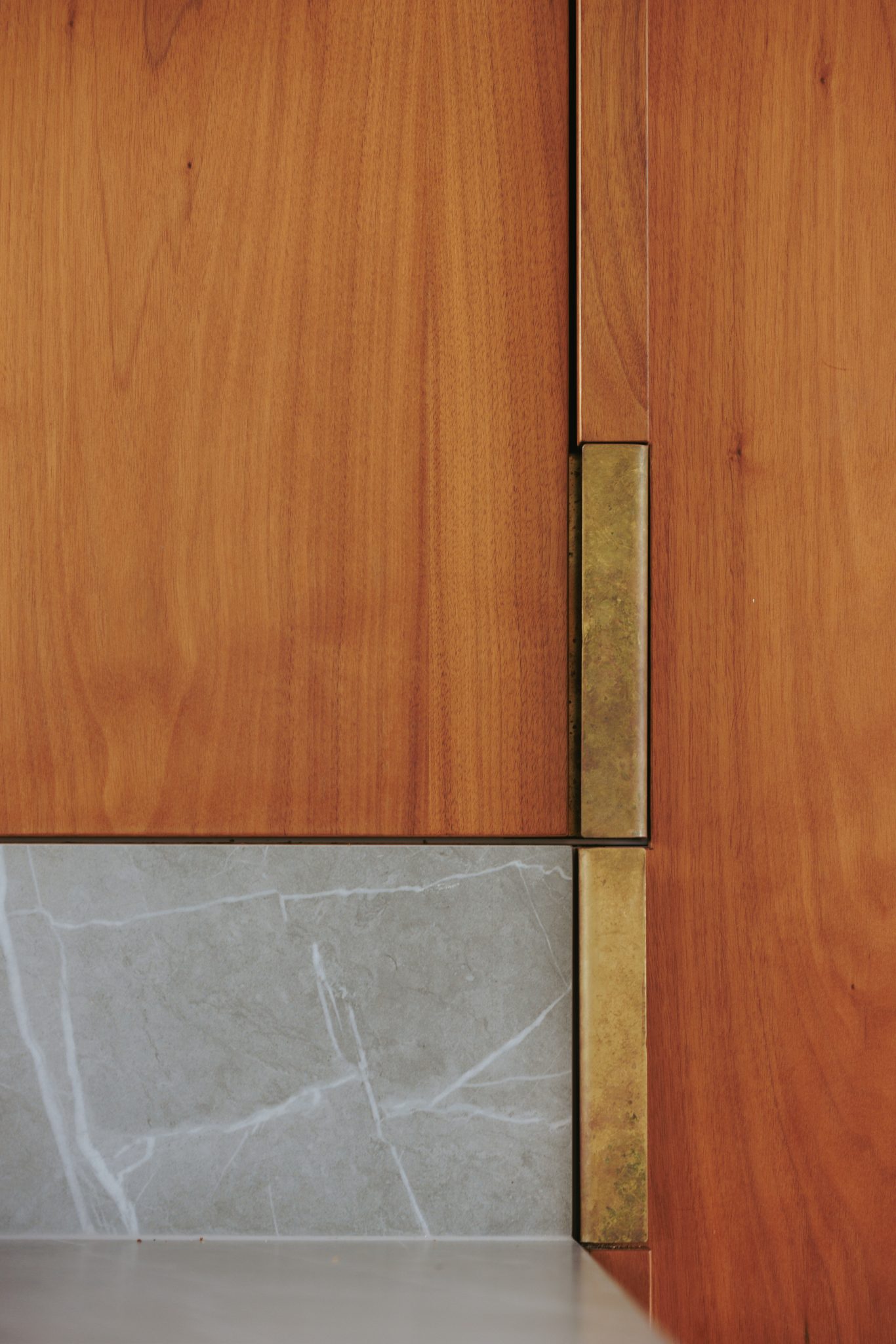
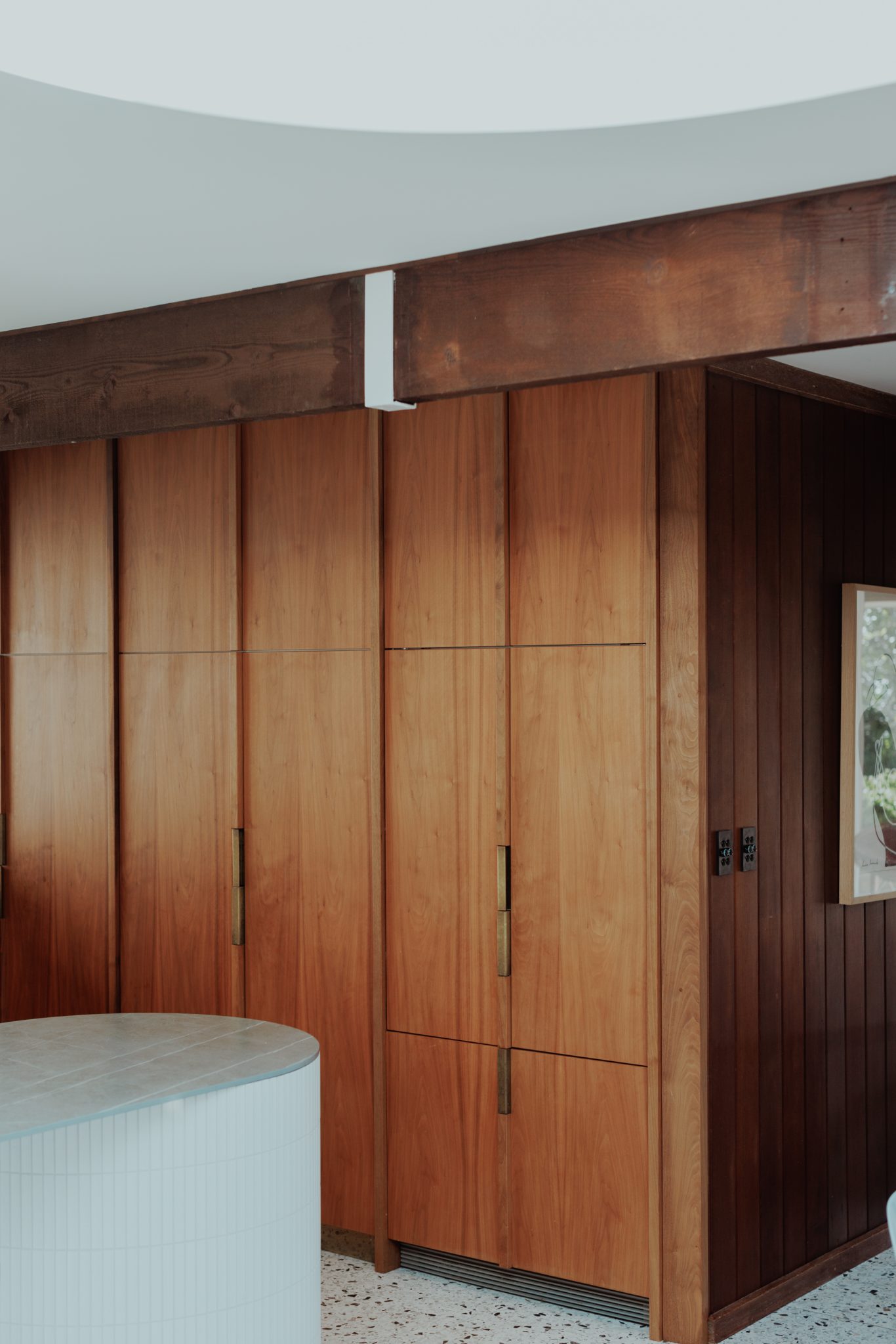
KC: I wanted to replicate the aspiration of the original design, but not overshadow it. I didn’t want a strong distinction between old and new, but I also didn’t want to copy the original details, so the new finishes are quite a subdued palette. We used modern construction techniques to sculpt the form of the new elements, away from the lines of the original home. A curved aesthetic was introduced through a lot of the joinery, which softens the transition between areas and allows room for the design to breathe.
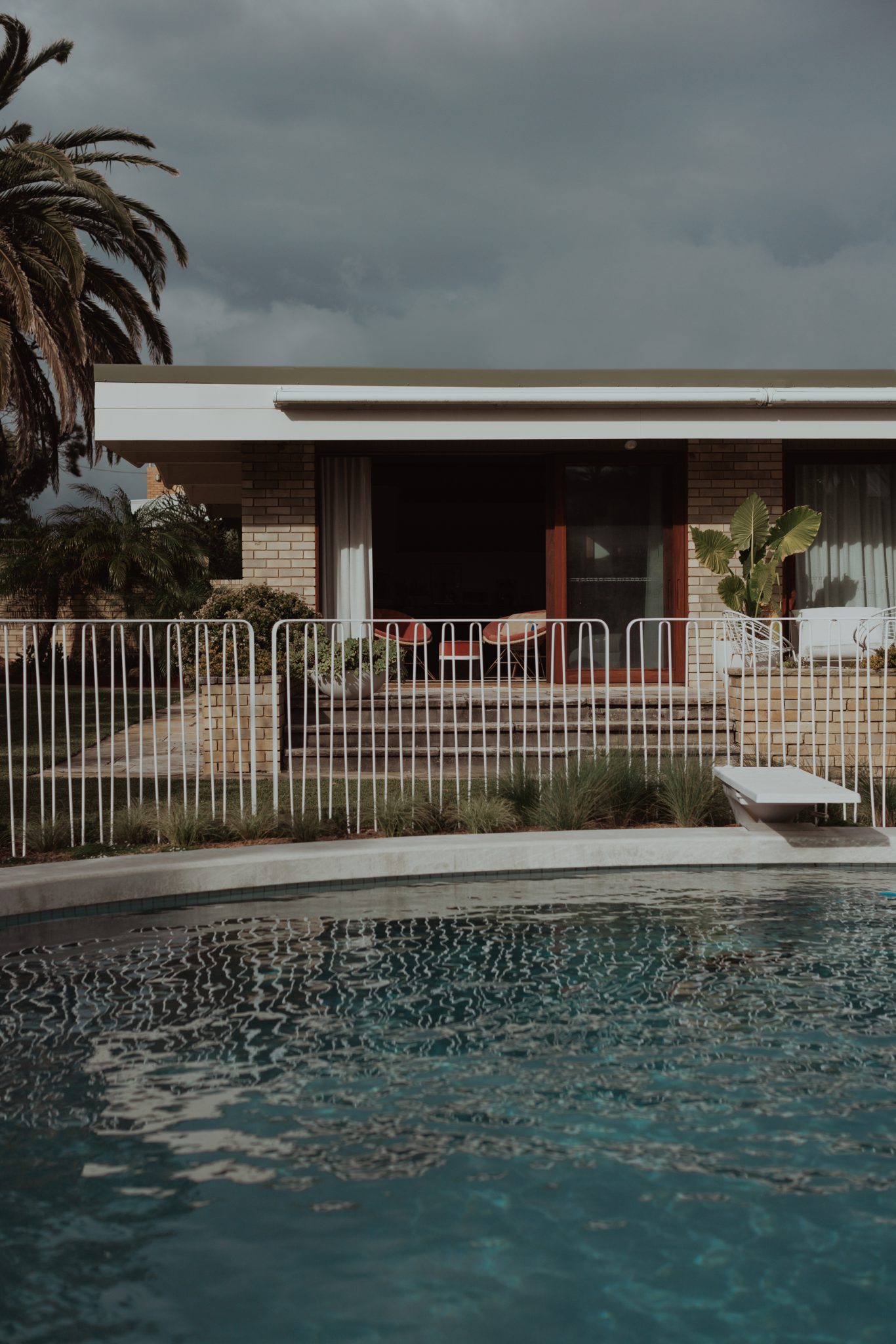
With the help of Bates Landscape, we also undertook some extensive landscaping work and added a new pool. There was an underused area in the apex of the corner block that was a blank canvas. It is the main outlook from the quiet living room, so I wanted to be quite decorative with the landscaping. We always wanted a pool, and I liked the idea of a pool nestled into the landscape, rather than having pockets of landscape surrounding large, paved or decked areas around a pool.
A few fun details are a hot outdoor shower nestled under our large strelitzia and a woodfired pizza oven that has been retrofitted into the old brick barbecue. This way, we can use this space well into the evening. We spend a lot of time in and around the pool in summer.
ADR: Are you a good client?
KC: My wife was technically the client… and she’s been great. I’m glad she was there to add a softness to the design. We looked to soft furnishings to add colour and a more homely touch.
I have a lot of trust in my builder; we’ve worked on many projects together. With this trust, we were able to resolve a lot of the details at the time, which is a great way to review everyone’s suggestions together. I don’t think this made me easier to work with, but at least we weren’t changing our minds.
ADR: Have the renovations influenced the behaviour of your family and how they use the spaces?
KC: There is a deliberate, large variation in the mood of the private spaces of the home, compared with that of the social living areas. The living area is a hive of activity, where there is always music and conversation. And you can see how people change their behaviour when they’re there.
ADR: What is your favourite ‘design moment’ and why is it special?
KC: I have a favourite seat. When you are sitting on the banquette with your legs running up along the window, you’re right next to the glass of the sliding door, so you have a view of the outside, while your back is towards the kitchen. You can hide in plain sight in this nook. Sometimes there’s sun and you can open the slider for a breeze. You could be reading a book or making a playlist, but you’re tucked out of the way. You’re near the conversation as an observer without having to be a participant. It’s a great way to see the family dynamic unfold.
ADR: Do you see this as your forever home?
KC: Definitely our forever home. We’re locals now. We love the area, we love our beach and we love our slow-paced city life.
Photography by Tim Pascoe.
This article originally appeared in inside magazine issue 122. Grab a copy here.
You Might also Like



Related Stories

© Niche Media 2026