

The power of endurance in design
The power of endurance in design

Share
To mark the first event in the IDEA program for 2026, overall major sponsor Miele hosted a timely panel discussion, revolving around the category it also sponsors – Enduring – and its relationship with the Build-to-Rent (BTR) sector.
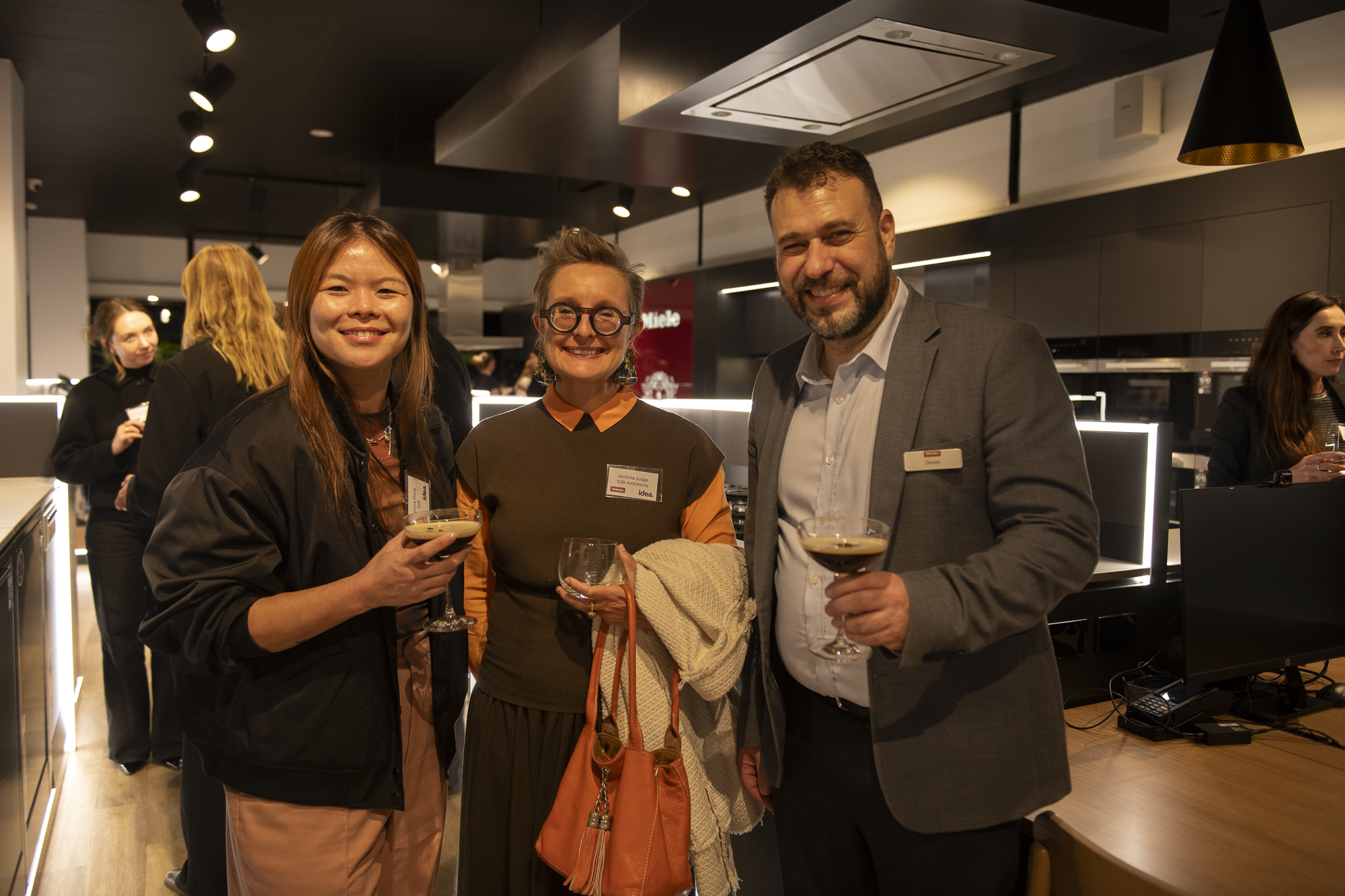
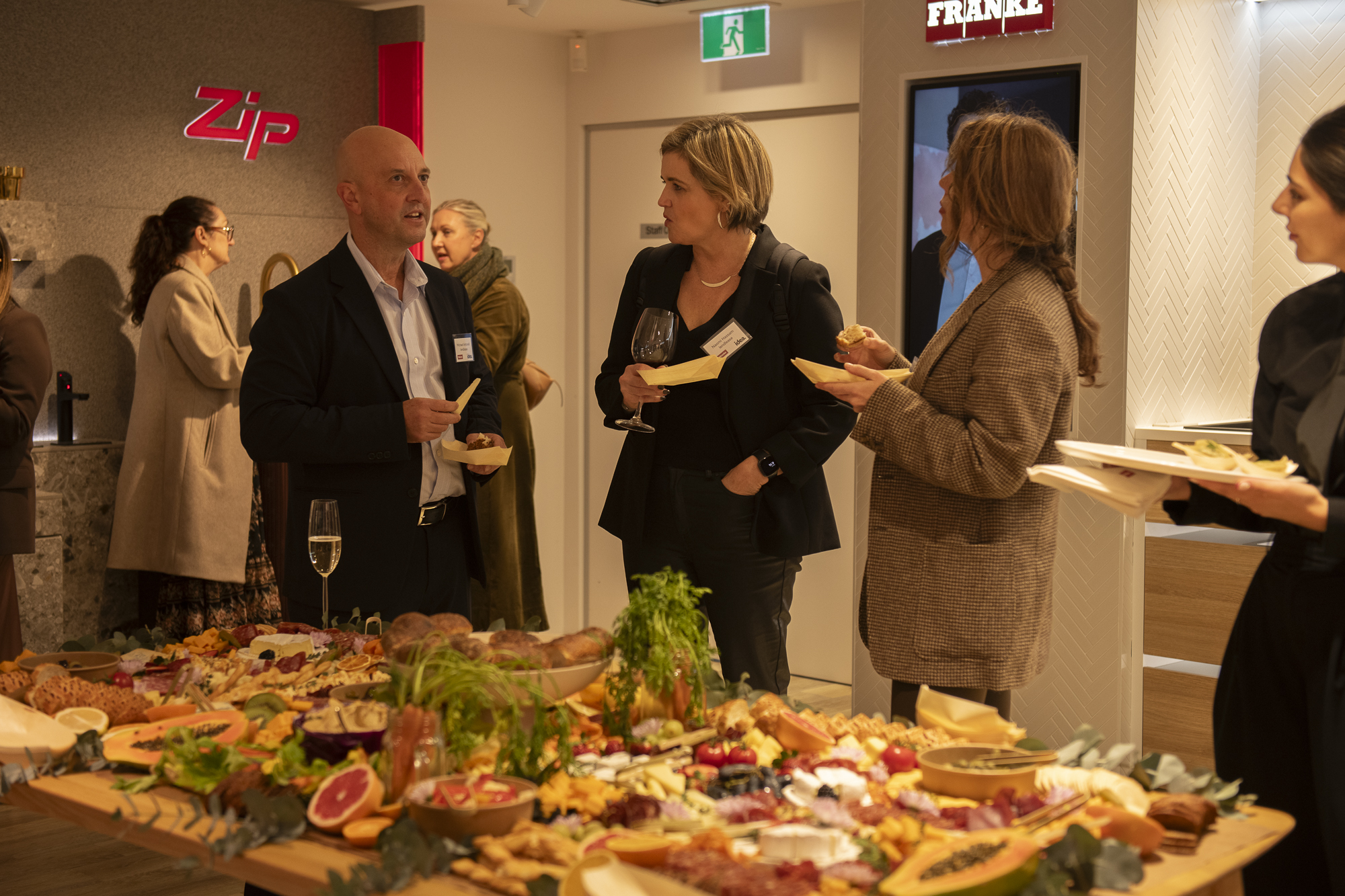
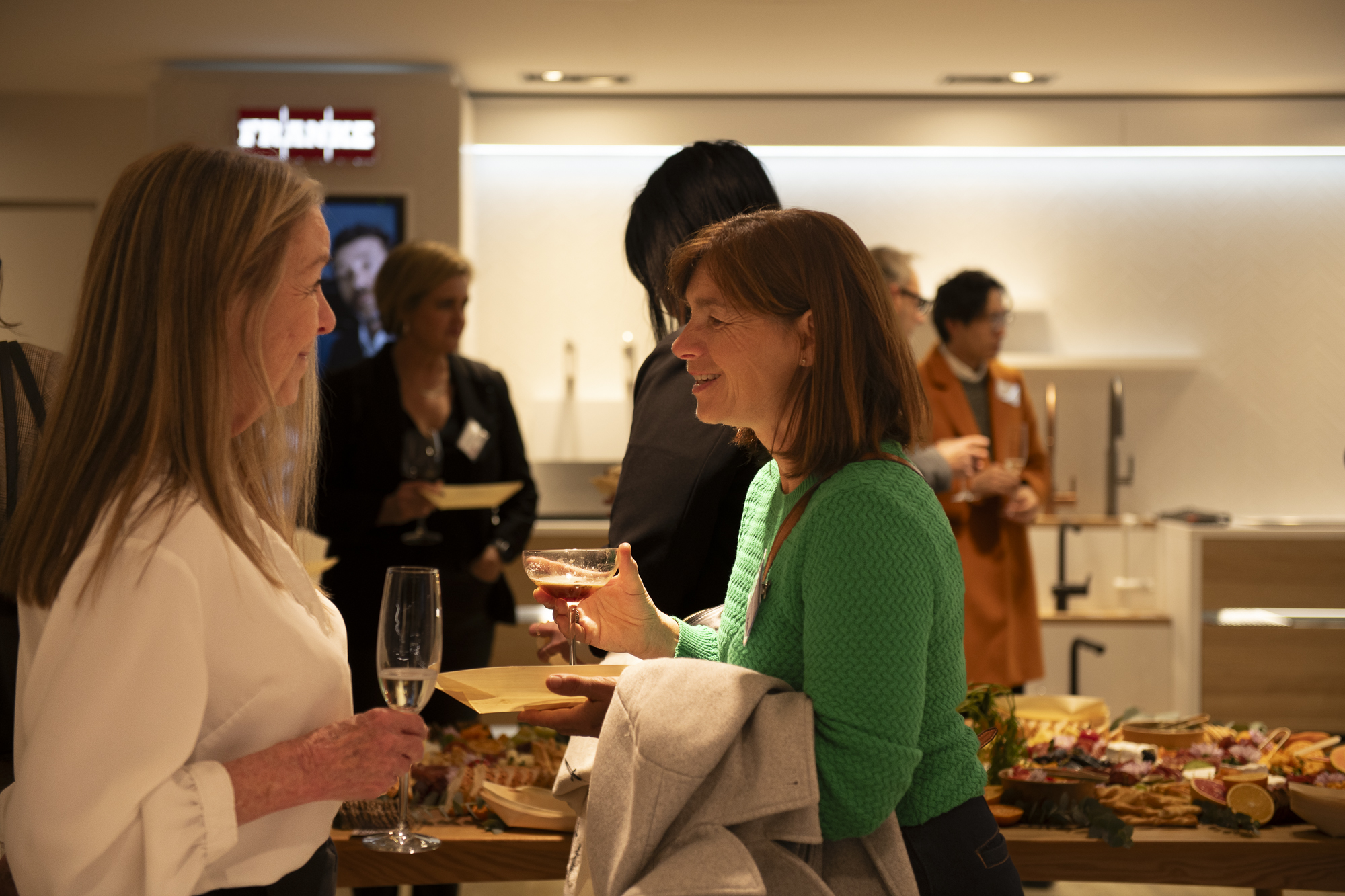
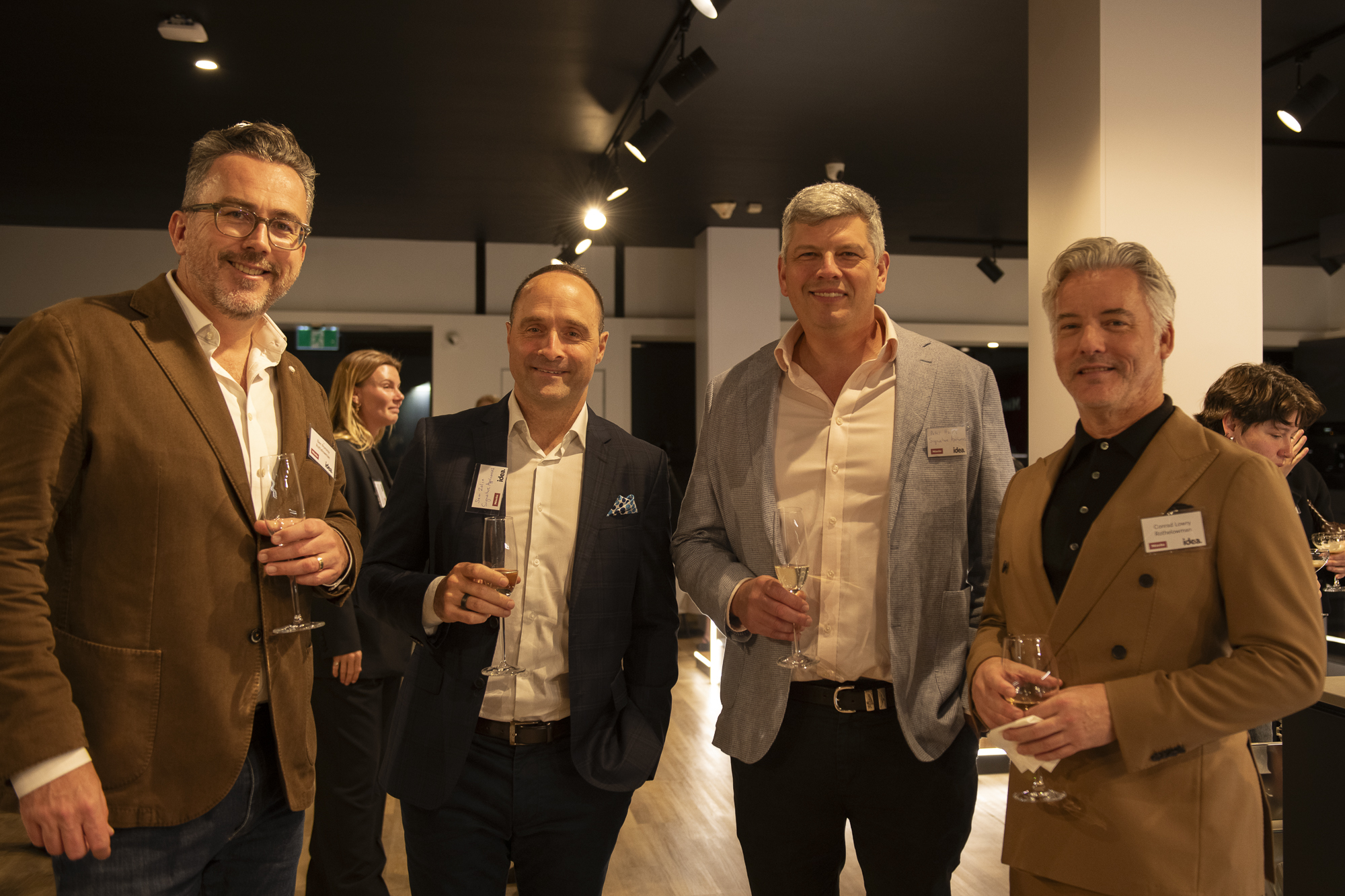
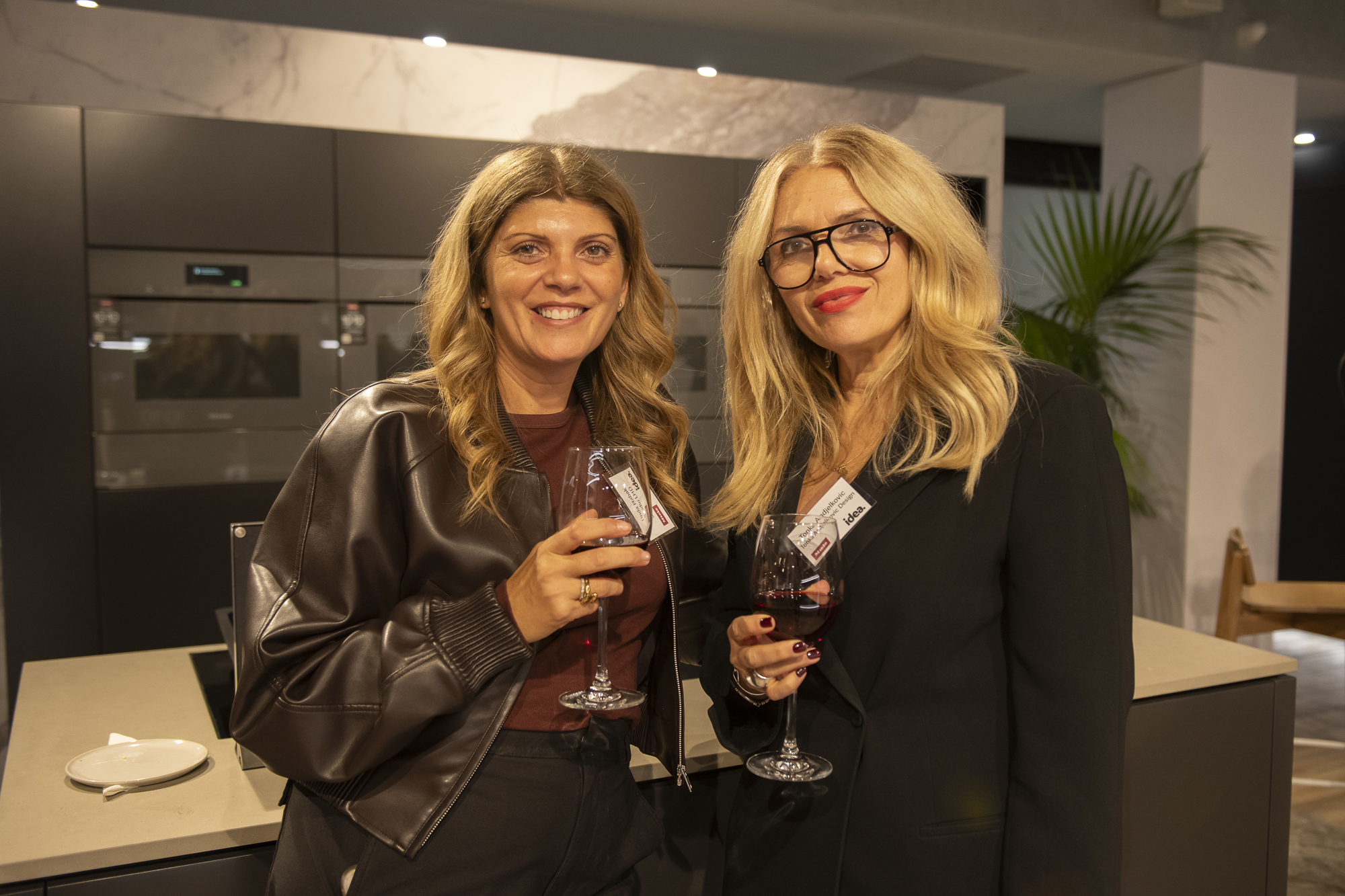
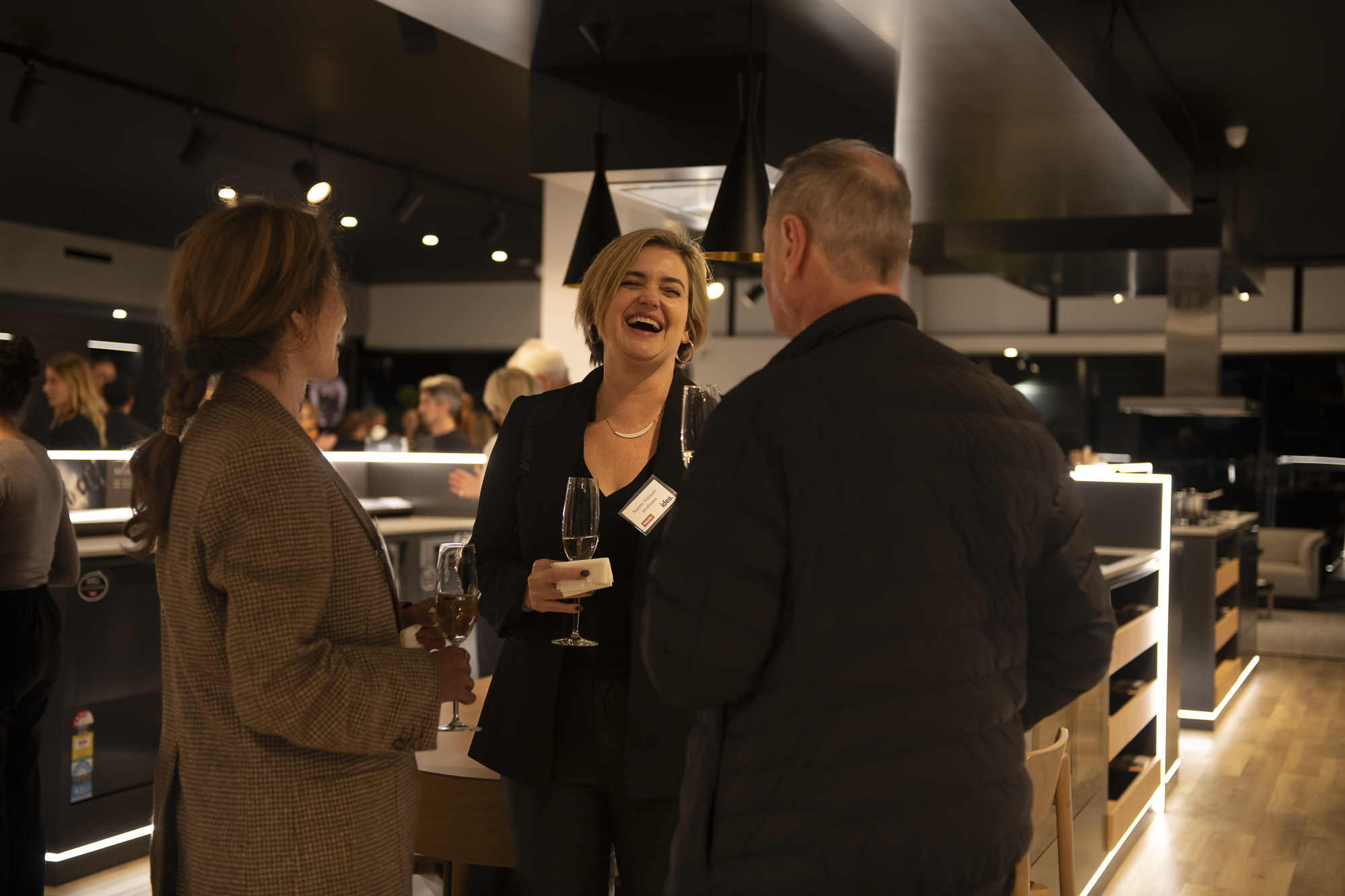
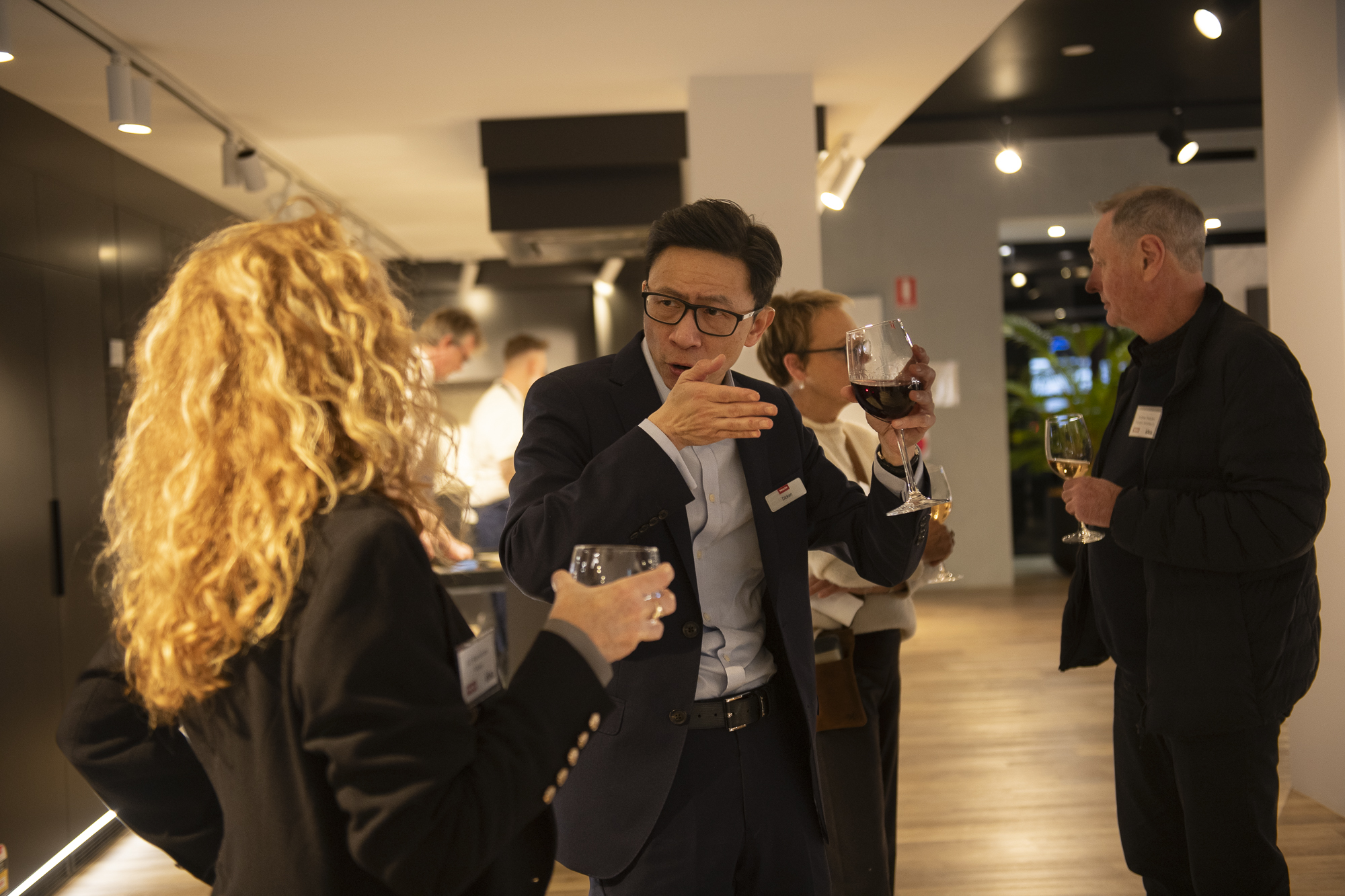
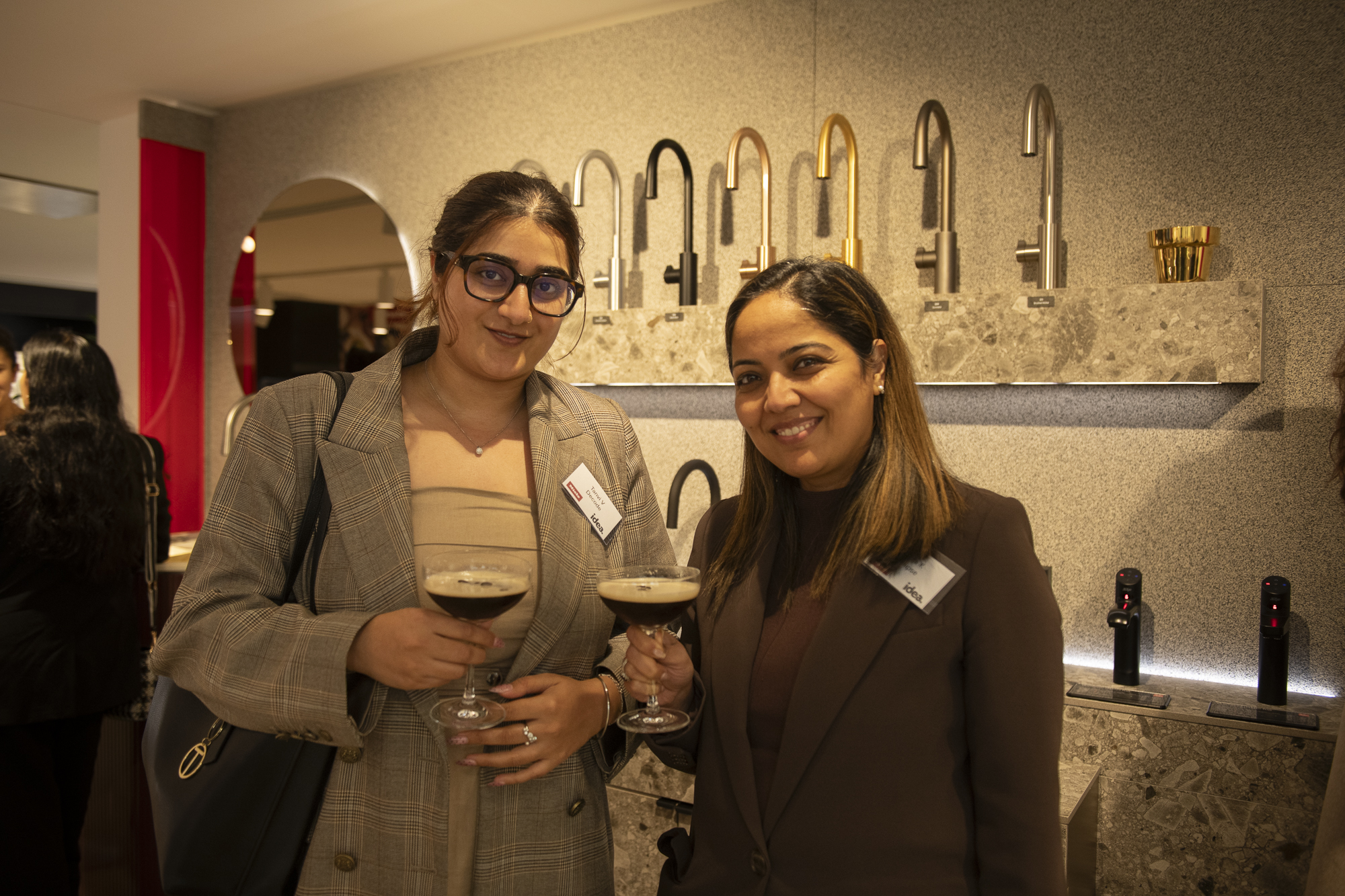
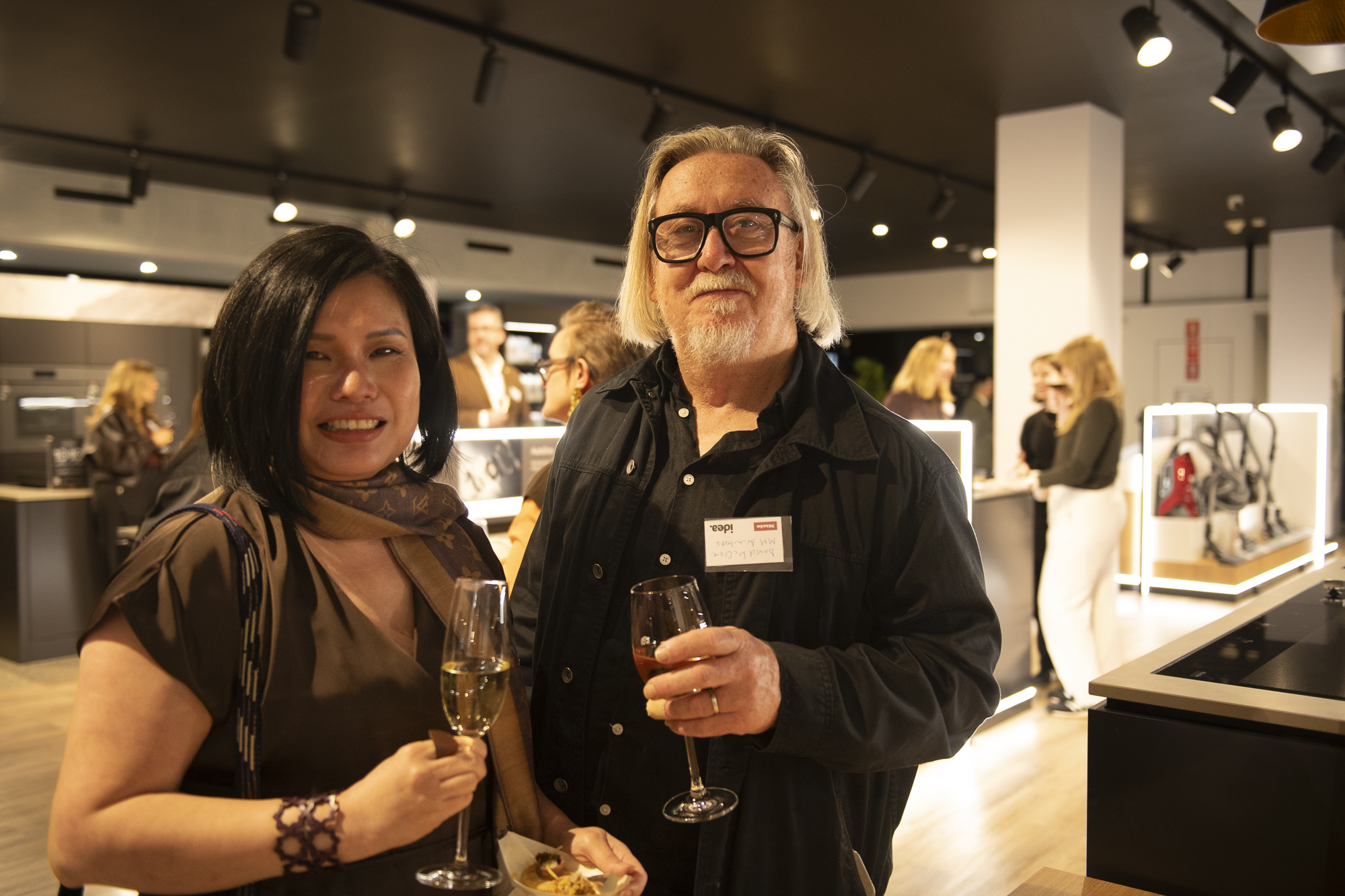
Braving a wet and windy Sydney night earlier this week, a crowd of NSW’s finest A+D industry members flocked to the Miele Specialist Showroom Store by Bing Lee in Drummoyne to sample some truly excellent food and beverages (espresso martinis for the win!), but mostly to hear a distinguished panel explore the topic: ‘The Power of Endurance in Design’.
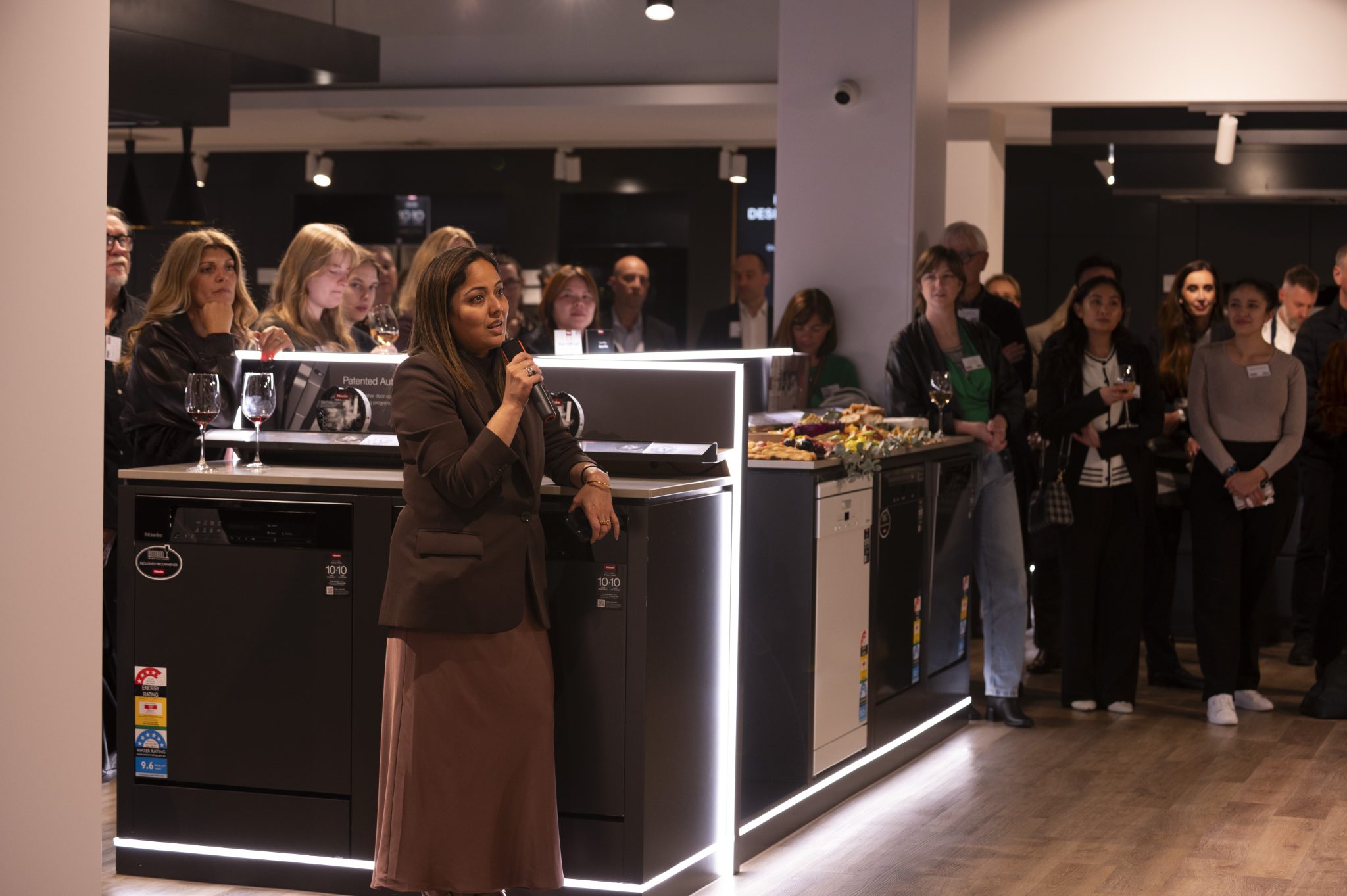
The discussion revolved around build-to-rent (BTR) models and how they are reshaping residential design through a focus on endurance, community and sustainability – contrasting the sector with build-to-sell (BTS) approaches.
Moderating the panel was the always informed and informative Michael Drescher, partner at DKO, leader of the design teams across the practice’s six studios and also the jury chair for IDEA 2026.
The rest of the panel comprised SJB’s senior associate Interior Design Victoria Judge, Rothelowman principal Ben Pomroy and associate residential design lead at i2C Architecture Marcus Greening.
After an acknowledgement of Country from Signature Appliances’ Anna Luchtenberg and a warm welcome from Miele’s Alice Byrnes, the Australian Design Review team introduced Drescher and the panel discussion part of the evening was underway. This is how it unfolded:
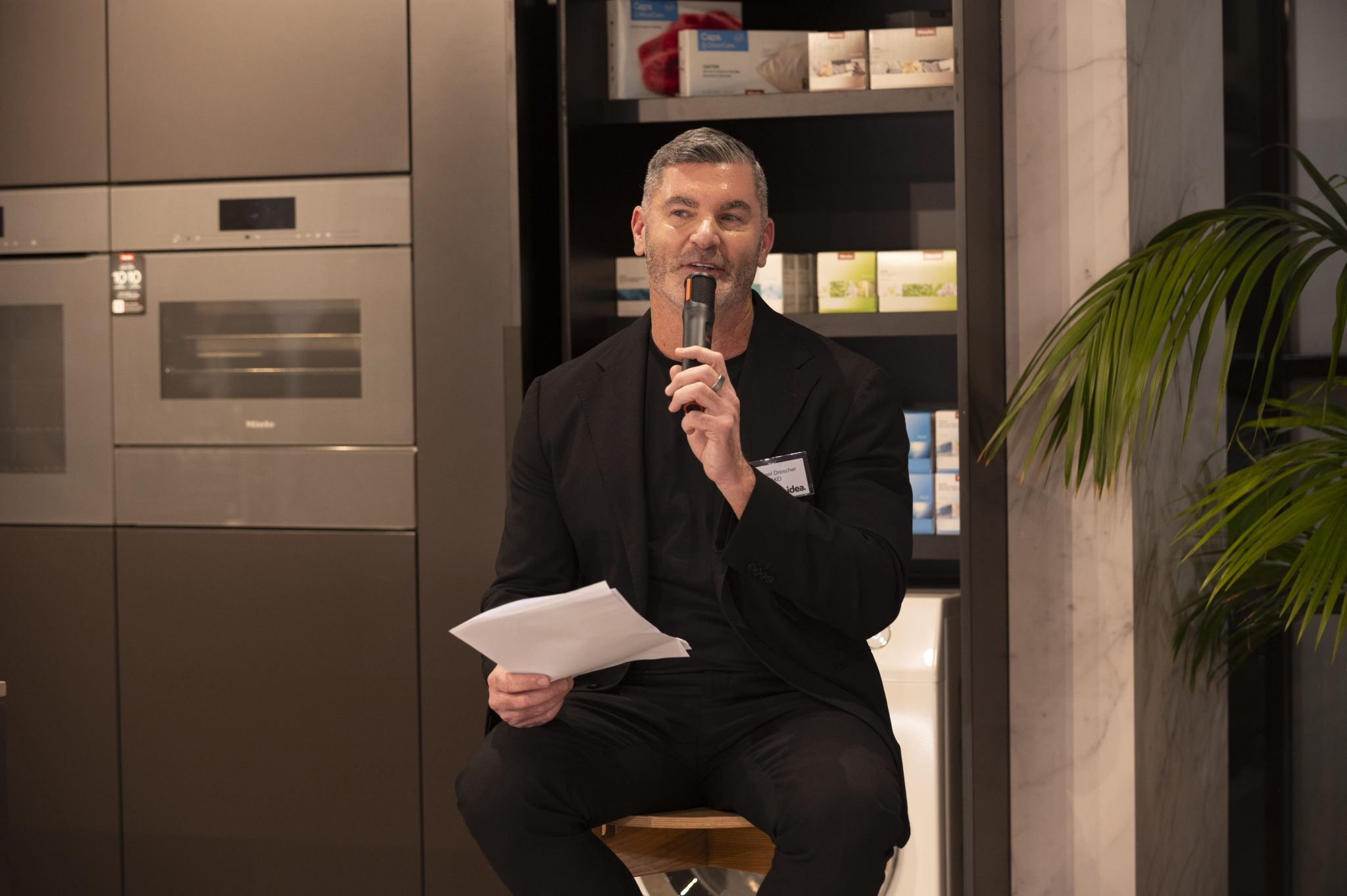
Michael Drescher: The topic tonight is the power of endurance in design. It’s something quite close to me, so I want all of us to think about three things I will put forward to think about, to stimulate questions at the end.
In relation to endurance and design, is it a longevity of materials? Is it a longevity of function or is it a longevity of emotional connection? At DKO, we work on a lot of different sectors – churches, cafés, restaurants, hotels, BTR, BTS. And a lot of the time we pull from the experience of those projects to put into a BTR project. But I’m going to flip this and start with you, Ben. What lessons can other residential sectors learn from BTR model with an emphasis on long-term ownership and operation?
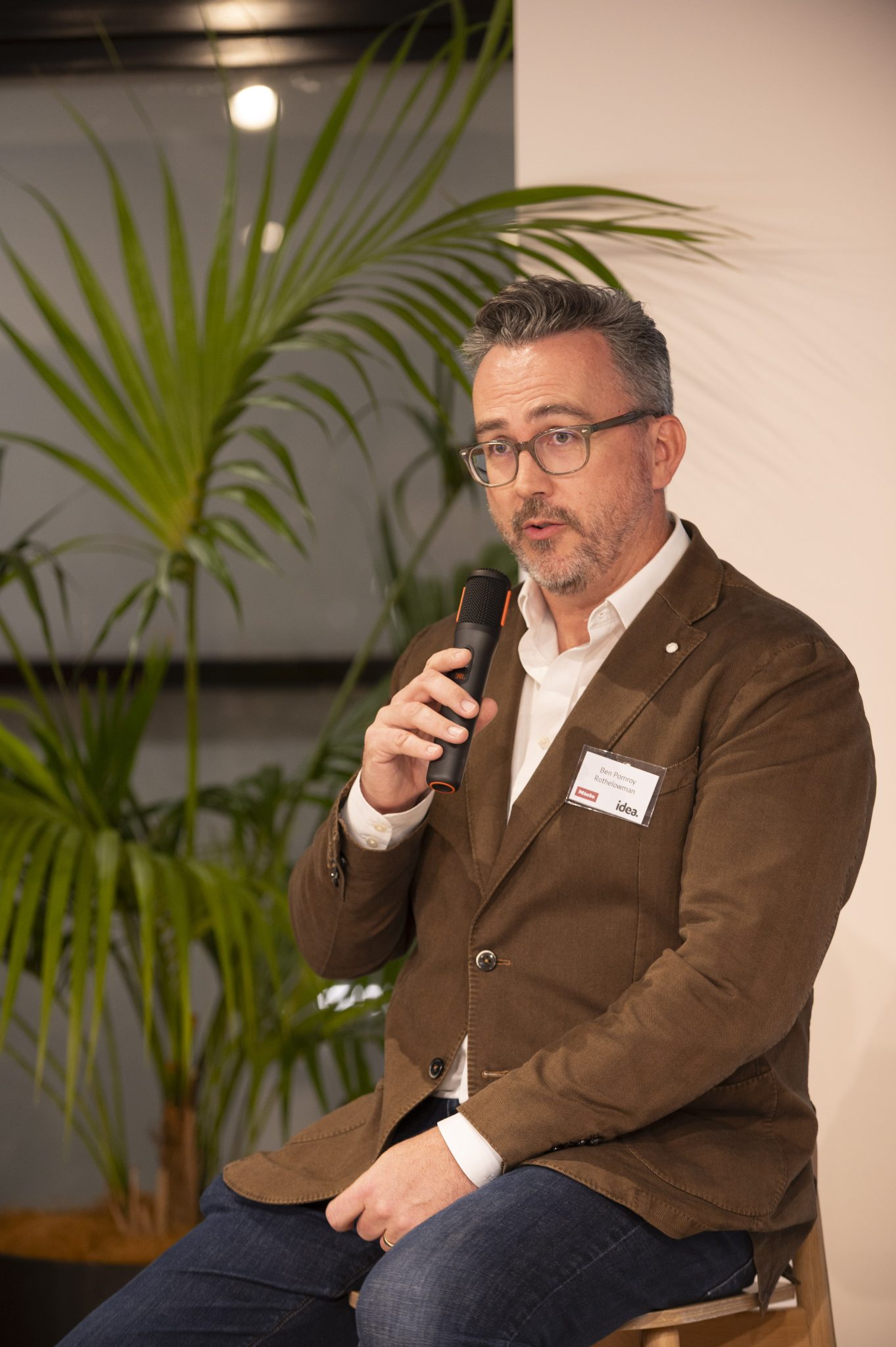
Ben Pomroy: I think the immediate one is that the prerogative for a BTR developer is to create a community. And, as such, because they’re financially motivated, they’re renting out properties. They’ve done the analysis. The stats we have say, if you have at least one or two other friends in a building, you’re likely to rent longer, which is to the benefit of the developer.
So the idea that curating communities actually has a financial benefit to a BTR developer has changed some of the thinking around some of our BTS projects. I think there’s a notion that, yes, you can create an amazing community and, yes, there’s also a financial win for the owner. They don’t have to be mutually exclusive. That’s the first thing I’d say.
MD: Victoria, I want to talk about these assets – they’re held for decades. When you think about that community and you think about the design of BTR, what does it mean for the durability of materials and the shift to what you may do in a BTS project compared to a BTR? And what does it mean for specification and how you’re treating that as a design?
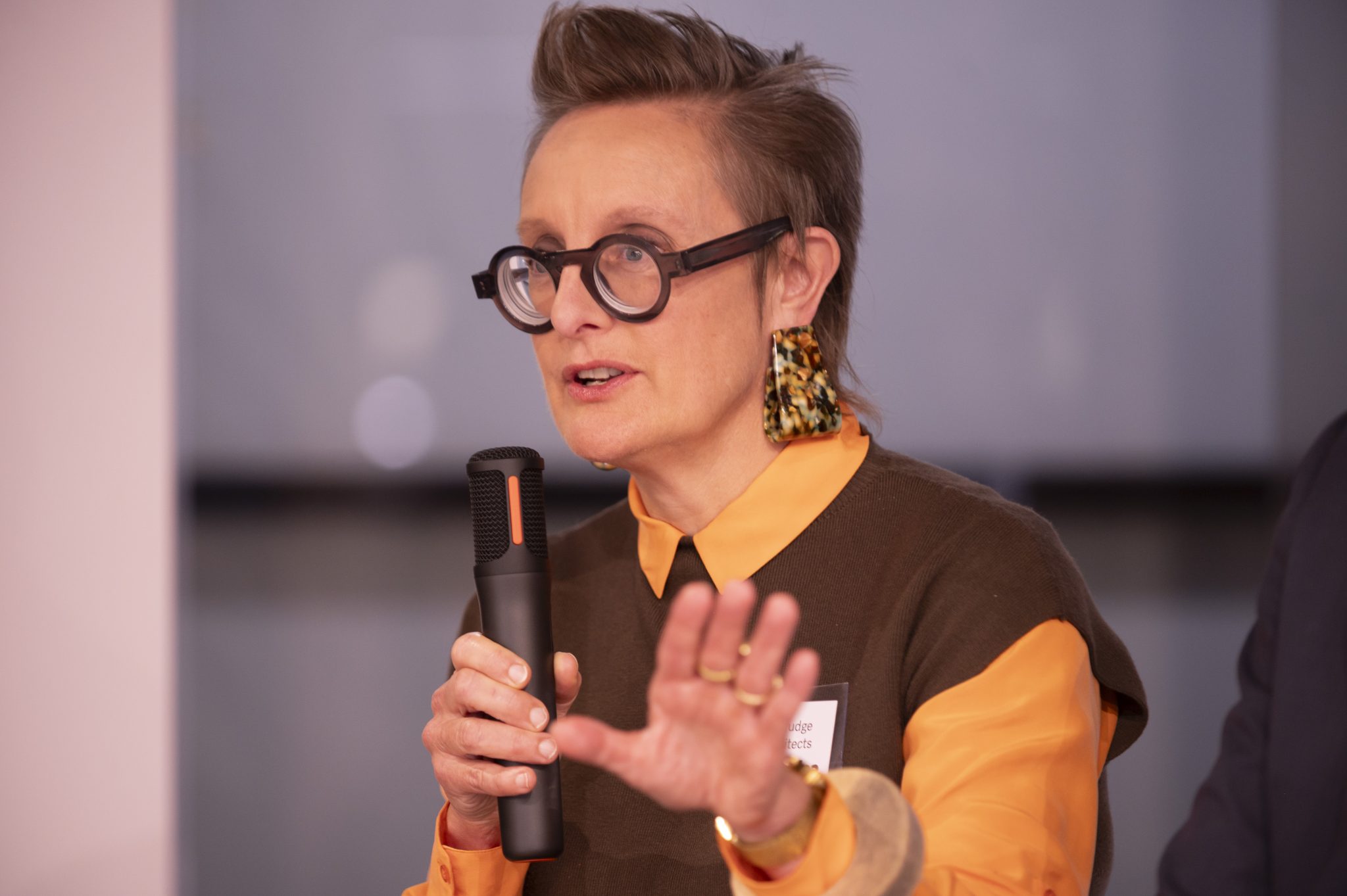
Victoria Judge: We are facing this in a very real way on a number of projects at the moment. There are different considerations. We do need to look predominantly at the durability of what we’re putting in.
Hopefully, we’re not going to be replacing those interiors in the next couple of years, but also, in a BTS situation, the property goes off to private ownership and that’s the end. We never see it again. Whereas I think there’ll be more scrutiny on the BTR, because they’ll be coming up for rent over and over.
So obviously the materials need to withstand the test of time, not just physically, but aesthetically as well. I think it’s generally less trend driven, but that’s very hard to say, because everything we do in design is trend driven! But, yes, hopefully we’re looking at more classical materials, not so flashy because we need them to really go the distance.
MD: It’s funny that you mentioned trends because when we think of trends, they have informed design for a long time and it shortens the lifespan of projects, I feel. And now we’re moving into an AI era where it’s having a similar effect on design. I think it’s important, as you mentioned, that we need to design now for longevity and that’s right for material as well.
Marcus, if we go from materials and we go a little bit deeper, what are examples where investing in higher quality materials and systems has delivered measurable long-term benefits for BTR? If we talk about systems of putting a BTR together, that may be services, that may be the architecture, the façade. Can you talk about this point?
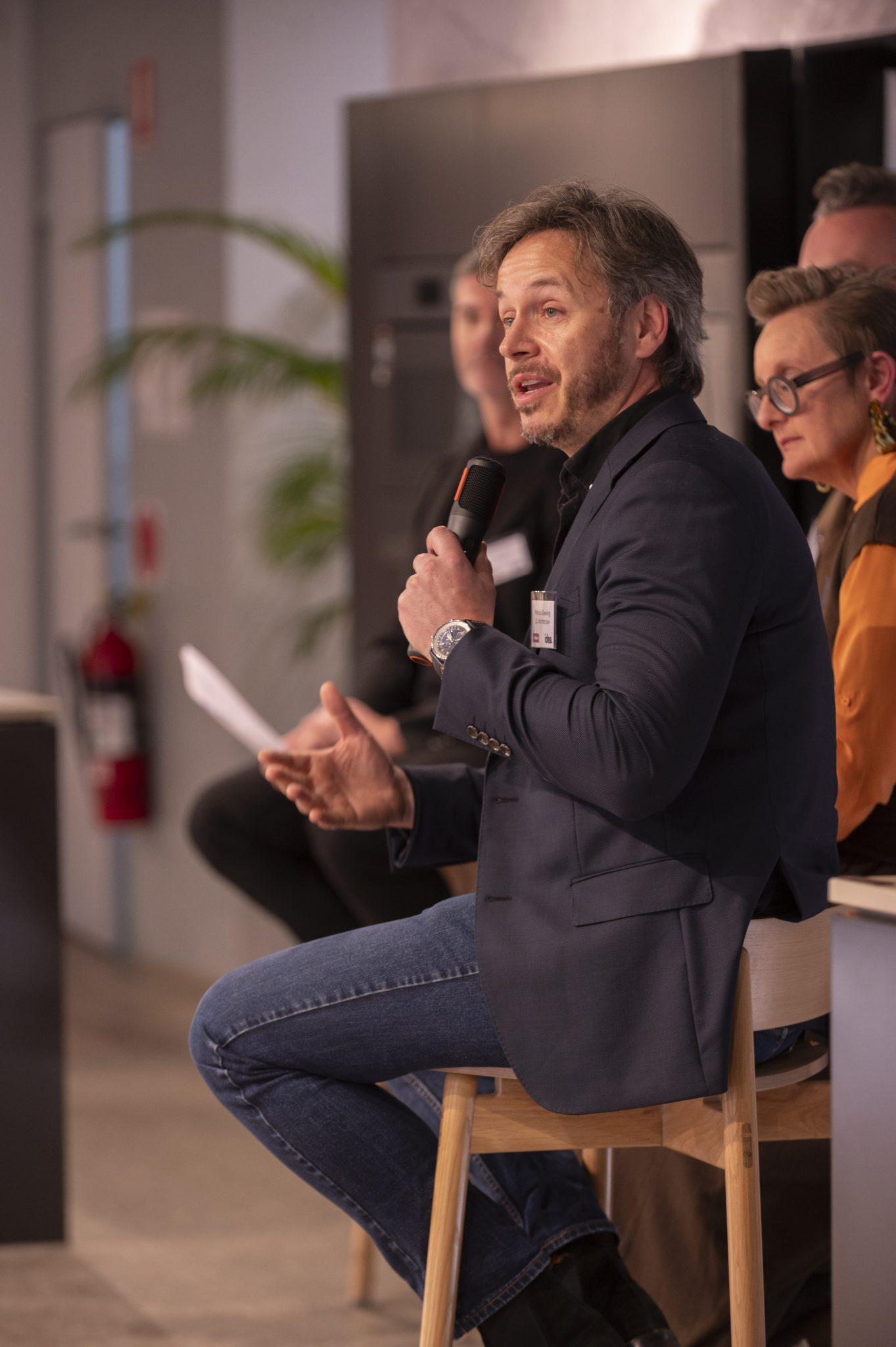
Marcus Greening: It’s a really good question. And I think as the market starts to mature in Australia, we will definitely have data-driven evidence on some of these efficiencies that we’re seeing. And there’s no better industry than the UK industry to start to look at some of those comparisons now. As a lot of you may know, the UK BTR industry is probably about seven or eight years ahead of where we are now.
We’re a very, very slowly maturing market here. And so when you look at the UK, you can see very, very clear data-driven outcomes and evidence-based outcomes on their BTR designs and how that’s progressed long term. One of the really good examples of this is high-performance façade systems. Obviously in the UK, the weather is perhaps a little bit different. They’re trying to keep the cold out, we’re trying to keep the heat out.
But façade systems are a really big component of, and evidence-base of, an increase in energy efficiency. And that’s directly correlated to OPEX, which in BTS you wouldn’t know about, but in BTR is a huge component of the overall valuation of the building. So we’re getting some really interesting data. We’ll probably talk a little bit more about high-performance later on, but certainly high-performance glazing systems are proving to reduce that energy overload.
MD: Marcus, you mentioned the UK, but if I remember when I started this career as a graduate, some of the partners in our office went to the US to study BTR and that was 20 odd years ago. Have you felt a similar experience or influence from the American market as the UK onto Australia?
MG: That’s a really good question, Michael. There are two big differences between the US BTR market and the UK BTR market and how that’s influencing the Australian market. The first one, and probably the biggest one, is how we choose to live. In the US, it’s a far more social experience in these BTRs.
What we’ve found in New Zealand, and in Australia, is that we are very, very similar in terms of a conservative approach to our lifestyles. And that means the majority of us actually would prefer a larger apartment over a lot of amenity and communal space. That’s been an interesting little metric that we’ve been able to take into the Australian market when we’re approaching BTR design.
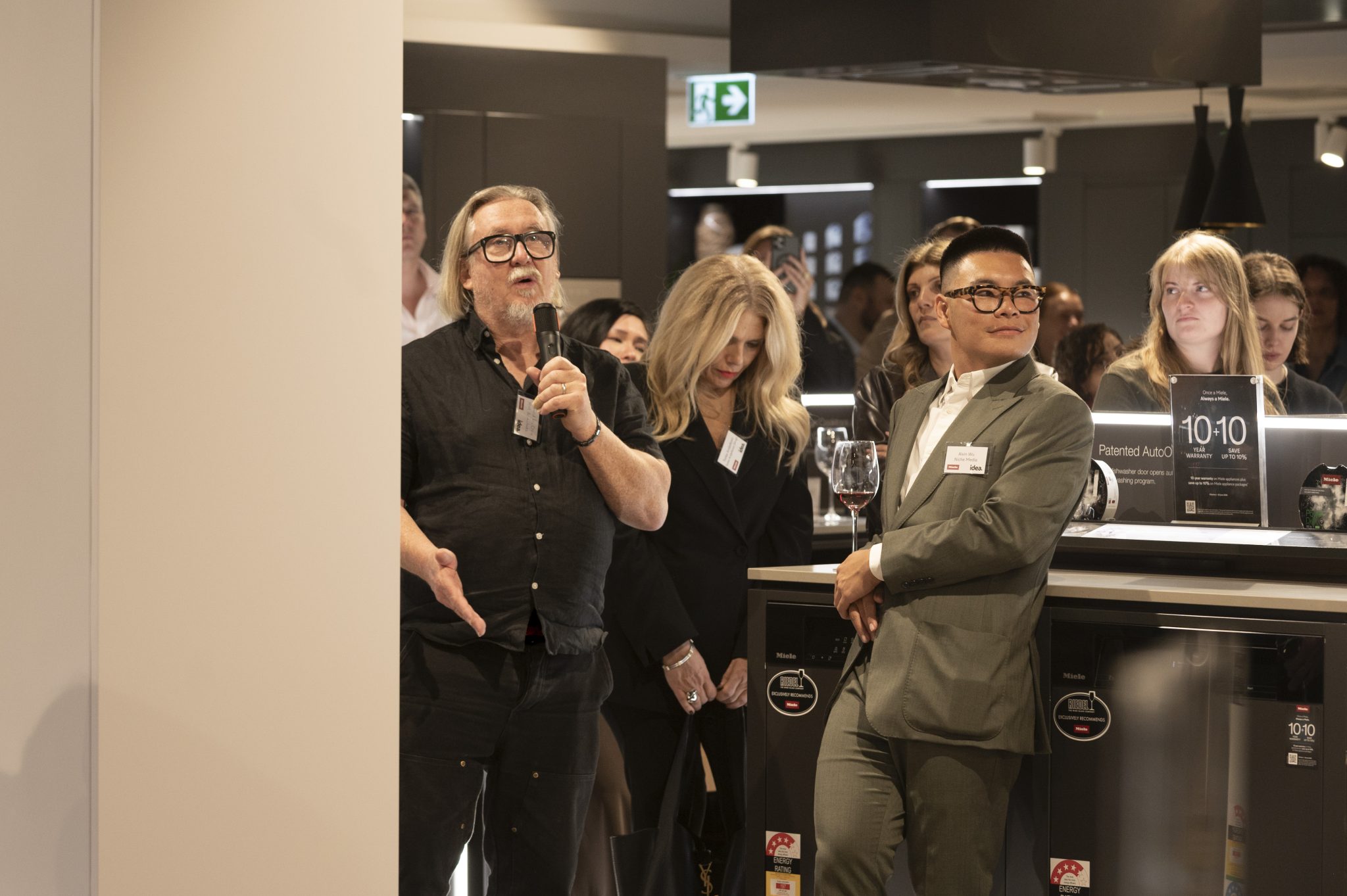
MD: That’s a good segue to Victoria. When we caught up earlier in the week, we spoke about a lot of projects right now that may have been BTS, but that are converting to BTR. What does it mean for communal areas or the size of apartments? Because a lot of these BTR developments do have a lot of communal space – cold plunge, hot plunge, dog walking parks, dog cleaning parks… They’ve got everything. Have you noticed a difference or can you talk about some of your conversions right now?
VJ: Yes, there is a huge emphasis on the additional amenities that these developments are providing. Honestly, I was looking at one today with someone in the office and it was vast. There was a huge lap pool, 30 metres long. There was a spa, a music room, a cheese room, a wine room, dining facilities, dog washing, a workshop. There were work from home spaces, which were elaborate and comprehensive.
There are all sorts of spaces. Meditation rooms – you name it, they’ve got them and it’s been an explosion, to be honest. And what we’re seeing on projects now is that, mid-construction, we’re pivoting those projects or part of them and converting what were going to be apartments for sale into apartments for rent. And interestingly, what Marcus has found, is that a lot of the apartments in this particular development are studio apartments.
So they’re a much smaller scale of apartments with the emphasis being on what you get out of the additional facilities in this particular development, and all other BTR developments.
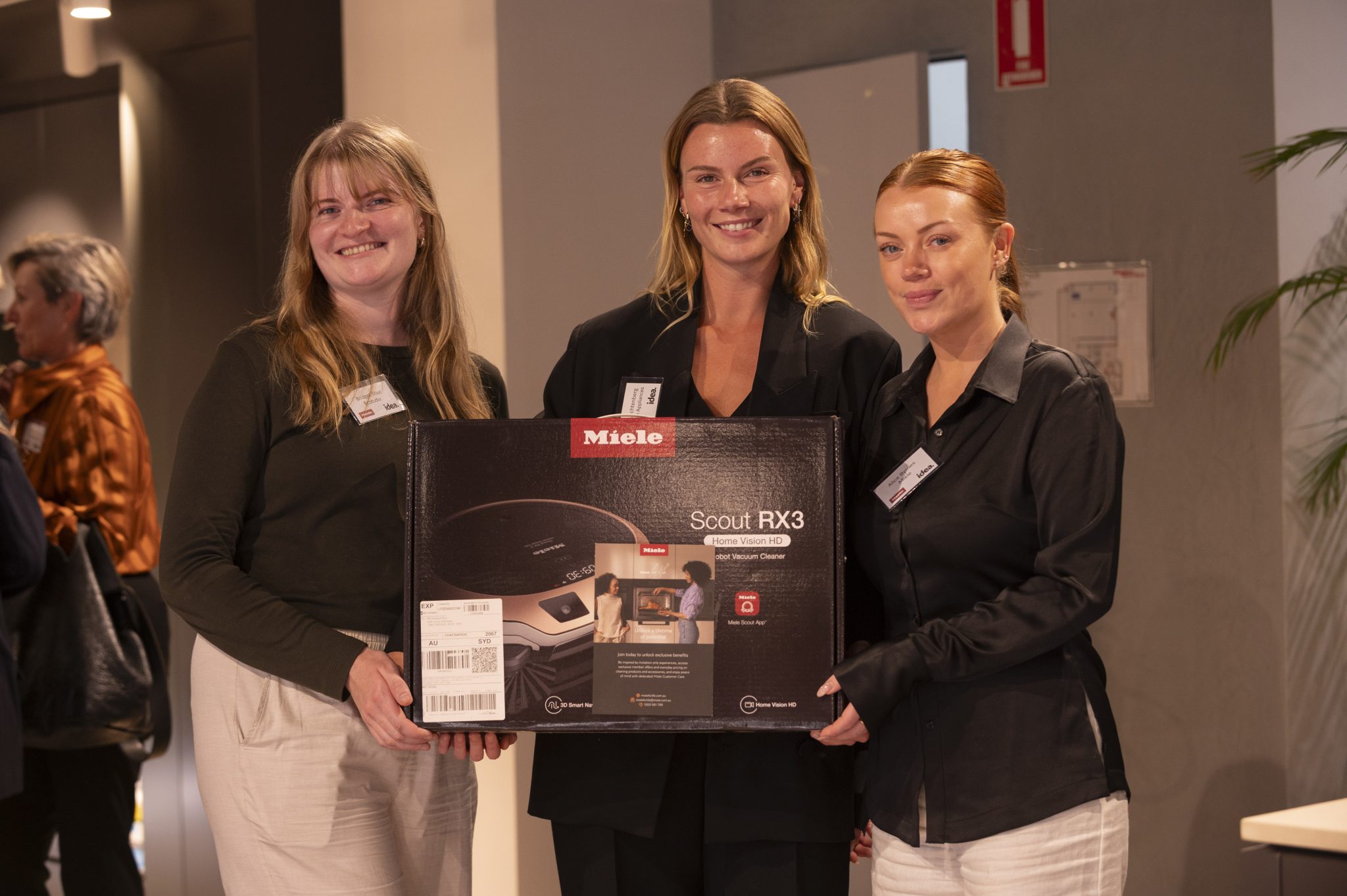
MD: What I’m hearing is there’s a challenge there of the size of apartment versus the size of the communal areas.
So if I change the conversation a little bit now, we want to turn to sustainability of these. And I think it’s important because when we look at the communal areas, there is a sustainability factor of actually servicing them and how that operates. But Ben, there’s a pretty important question here right now. Sustainability targets are becoming more ambitious across the property sector. How is BTR positioned to lead this transition?
BP: I think all the architects and designers in the room who’ve been in the industry as long as I have now, probably you as well, Michael – around five, 10 years, right? (laughter) – have always had lots of discussions about what is sustainable. Sustainability became more like a speeding ticket, rather than an actual strategy.
I guess as architects and designers, a lot of what our role is, is channelling capital into our cities and making them better places for it. So really what has been quite illuminating to me over the last three to four years is that the capital is wanting to place it into products that are sustainable. That’s been a complete inversion of the driver. So the money people behind these BTR products are driving the sustainability agenda as much, and sometimes more, than the developer themselves. Some of our clients are backed by sustainable forestry businesses that are pushing for the levels they need to achieve – how ‘long life, loose fit’ the building can be designed to suit.
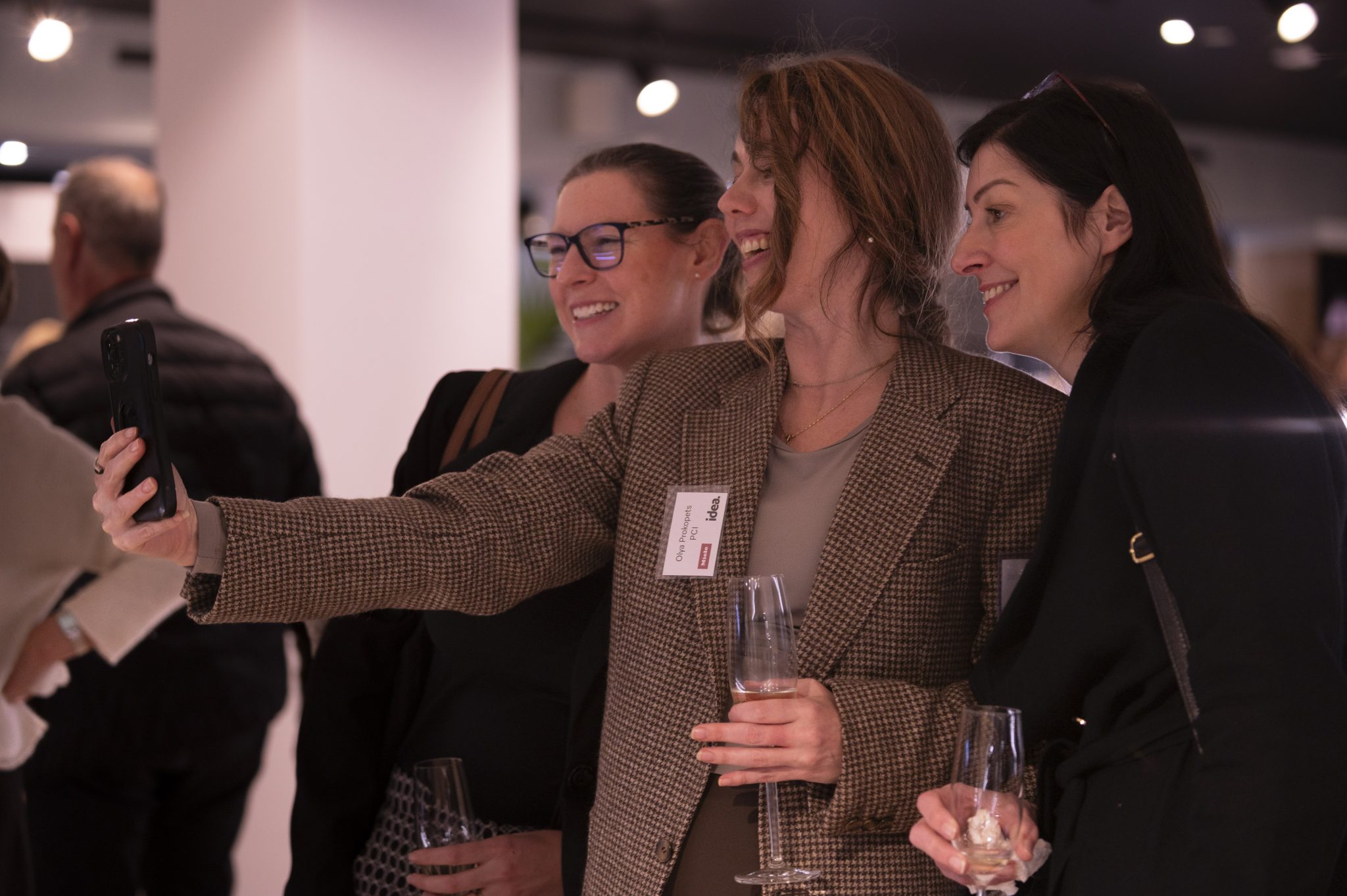
So that’s been a massive phase shift – having to sit down with the clients [and talk] about how to fill out the forms for getting their capital. For the money side of things, I can’t believe that the bankers are helping us.
MD: Which is interesting, right? You’re seeing that difference from across from different typologies in the studio? You’re seeing that BTR is actually a bit more focused in this area?
BP: I think BTR, because it’s the most recent, it’s the capital that’s coming in now. It’s all about how do these big investment groups diversify into something sustainable. With PBSA (purpose-built student accommodation), which is another 20 years more mature than BTR in the UK, which was where it was invented, they’ve already started that process. I think this is just another wave of commercial enterprises investing in buildings. And so the most sustainable building, other than the one you don’t build, is the one that lasts as long as it can.
MD: And Marcus, I feel you’ve got something to say on this topict too?
MG: I think it’s a really interesting period to be involved in multi-res design at this stage. It’s been a really wonderful moment in modern history where sustainability targets actually equal profit. And so I think it’s wildly beneficial for us because we don’t have to sit there in front of a client and convince them that sustainability is a good thing (although it is a good thing, just a tip!).
They know that there is an operational efficiency in this and they know that they’re going to reduce overheads and that is the key to a successful long-term BTR. So not only are we getting greener, healthier buildings, we’re also getting a better, let’s call it a greener, healthier bottom line and that’s a really wonderful part to be involved in.
MD: Do you think this is influencing the broader market? Do you think this is influencing BTS?
MG: Yes, I do. I think, even in a broader sense, people are turning more from what is flashy and shiny into what is more performance-based. And look at the average expensive watch now. It used to be all shiny and flashy, and now people are looking at it and saying, ‘Well, what else can it do? Can it tell me how healthy I am? Can it tell me my heart rate? Can it tell me what I’ve got on and who’s messaging and keeping in touch?’ Performance metrics have changed and what people see as valuable has changed.
MD: Victoria, the industry is placing a lot [of emphasis] on sustainability, but what about specification and materiality? Do you think there’s enough value put on designing buildings that require fewer replacements and refurbishments? When I think about BTR, I think about when we do student accommodation and hotels. Back in the day with hotels, it was: this has a five-year life, we’re going to be refurbishing it in five years. The Australian market’s very expensive to build, so that doesn’t happen. So we have a lot of hotel product that is tired, but then how do you deal with that? Hotels are harder, they have a lot more turnover of people that aren’t normally staying in there. But in BTR, BTS, how do you design from a materiality and interior specification (aspect) that is lasting? Aesthetics and durability?
VJ: That’s a hard question for us to answer actually from our little seat over in interiors. Look, we just try to get the best outcome that we can from the situation. There are a lot of factors at play when we’re building a building and fitting it out. All sorts of things – budgets, time frames. The pressures of the cost of building have really placed a huge pressure back onto architects and designers to come up with the goods at a price point that is achievable in today’s building market. I think that is actually the biggest pressure we’re facing at the moment.
Having said that, we are making some small initiatives in the sustainability realm. We’re making conscious decisions. I tell my team, ‘If we can only get one thing through each project, one small thing, it’s better than nothing.’ So we’re always going to try for one thing, whatever it is.
MD: Do you think that specification is holding between the different projects that you’re working on if you’re finding the perfect sanitary suite? Is that holding between different operators or different builders? Talk about the building process, when it goes to construction from specification?
VJ: We don’t really discriminate per building, per project type in terms of what we specify. We specify, where we can, what we think is right for the project. We always have sustainability and durability thoughts at the forefront. So we would, as much as we can, influence that across all sectors really, not just BTR.
MD: I know LAUFEN’s in the room and Roca and, when we talk about specification, there are actually some really good products being developed. There’s [a toilet with] no cistern in the wall. So I think a lot of the time when we’re looking at specifications in these properties, how are we fastening the taps to the wall? How are we doing the concealed systems and things like that?
Because I think the more that we can specify in a smart way that if there are issues, and we can’t stop issues in building and construction, it may be an easy way of specifying. Is there a [particular] way, Marcus, that you go about specifying in these projects?
MG: BTR are always doing bathroom pods. That gives you a factory finish. Now it depends on the brand. Michael’s from Melbourne, so Sync’s one of the best fabricators of bathroom pods of quality. There are different versions around. I think that a machine factory finish has dramatically shifted the quality that gets delivered on-site.
In NSW, we’ve had challenges with construction in residential. The Design and Building Practitioners Act is something that we all have to work to. Our interior designs have to follow it as well, so that level of quality has had to lift. The pod pre-manufactured elements in addition to joinery – joinery has always been made in a factory – is the biggest challenge for some interior designers. That’s been the biggest shift. I don’t think any of our BTR projects are not using prefabricated bathrooms off the top of my head.
VJ: I agree with that. The same – bathroom pods.
MD: Marcus, is there anything to add to that?
MG: From a construction perspective, I think we’re probably on the verge now of looking at not just bathroom pods, but a fully modular, potentially volumetric system that will sit very comfortably in the BTR space, with the higher quality of finish and a quicker construction time. I don’t think there’s a tier one builder in Australia right now that isn’t really bolstering a modular arm of their company. And with a repetitious product like BTR – or PBSA or co-living – I think we’re probably in the right seat to be taking advantage of this automated modular system.
BP: I think that’s where the opportunity for designers is, with those factories in the same way for designers with other products around the world – fridges, microwaves. I think the designers need to influence the factory process. So Sync, Interpod – all those guys – helping them improve their design. Most of them are interested in it. So I think there’s a massive opportunity for interior designers, in particular, in that.
MD: I’ve got one last question for you all. If there’s one change in the industry that you could make tomorrow to improve the longevity, the durability and sustainability of residential buildings, what would it be and why?
BP: What’s the one thing I would change? I think I’m just going to go very local. We have a control in New South Wales around affordable housing at the moment that is temporary. So the one thing I would change is not make it temporary, make it permanent. There are different percentages that are involved with that. I think we’ve got a massive challenge with housing in our country, and in Sydney in particular. People will leave Sydney because they can’t afford to live here. So that’s the one thing I would change.
VJ: I thought about that question since we were issued the question list. I might flip it and say something totally different to what my answer was going to be. I’m going to say it’s the use of stone gratuitously. I think what we’ve seen in the last few years is, since the silicosis issues, is this explosion of the use of natural stones.
Don’t get me wrong, I love them as much as anyone else does, but I think that we need to just be a whole lot more careful. It’s a finite resource. Once the mountain’s gone, it’s gone. We’re not ever going to see that again. And I think we just need to go back to a time where we value certain materials for being precious and place them back in that precious category and treat them with respect.
MG: Good response! I think the one thing I’d change is to pay your architect well. (Laughter) I’d start with that. But I think, at a higher level, it’s legacy architecture. It’s approaching these projects, not for a bonus as most development managers do. It’s approaching these to leave something better than you found it. That’s legacy architecture, and that’s the fun part of designing in BTR, where we design things for multi-generational. And I’d like to see that happen more often. And I’d like to see it happen, not just in the BTR space, but in the BTS space, in all living sectors. And I think we’ll get there.
MD: As a designer, I wanted to answer this one as well and Mark has stolen my answer! I think our job is legacy. I think our job is influencing how people live and I don’t think that we should, just because we did a specification on the previous job, just use that on this job.
I think we should all be proud when we drive around our cities and look at the buildings. We do a lot of [research] when people move into buildings – understanding how they live – and I think we should all be proud of those answers. And, if we’re not, we need to change. And I think that’s the beauty for all of us in this room: to look at what we’re building, designing, specifying from materiality, and we need to make a difference. I think we’re all in alignment on a lot of those things.
The panel then wrapped up with questions from the floor ranging from what BTR amenities the panel would include in BTS projects to help foster community (answers included dog care facilities, wellness and a multipurpose rooftop space); how sustainability requirements will need to adapt when faced with the rigours of climate change (reference was made to Rory Hunter’s high-performance Passivhaus BTR model); the challenges of designing with Country, particularly when a plan calls for excavation of the land (podium parking was a suggested response); timber as a renewable material source; and whether the ground plane in a development can be seen as an extension of the common amenity (yes!).
The final question came from ADR and it was an admittedly idealistic one springing from Greening’s mention of Passivhaus principles: did any of the panel see the day when Passivhaus principles would become the norm rather than the niche approach it is today?
Greening said he sees hopeful signs on the horizon.

MG: I think it would need a lot of changing in mindset. It would need a lot of developers to change. I mean, let’s face it, they are greedy, so they would need to change their motives.
We’re getting some really good evidence-based outcomes out of Vancouver through Ryder Architecture, which is building high-performance, modular, affordable social housing. The tenants aren’t going to be paying more than 10, 15% of an average electricity bill for the rest of their lives, if at all.
And that’s a really, really wonderful thing with the price of energy going up. We’ve got to focus on that as a key criterion for our developments. So yes, I do think so and I’m quite a pessimist too. I think we’ll get there.
But Pomroy indicated an obstacle…
BP: I’ve yet to see an apartment building that captures it in the right way. Who here lives in an airtight, fully sealed apartment building in Sydney because of fire?
That’s something we rail against with our work – around making the [projects] more like a home. Why do people live in homes? Because you can open the front door, back door, windows. So I think when Passivhaus resolves that in its model for high density… I think all the principles behind it are right, but I think the airtightness is something that doesn’t necessarily create the greatest place to live in our climate. That’s my controversial take.
And on that, Drescher thanked the panel for their insights, the discussion wrapped up and the rest of the evening was given over to more food and beverages, networking and socialising with friends, colleagues and acquaintances old and new.
IDEA 2026 is brought to you by major sponsor Miele, alongside sponsors Crafted Hardwoods, Clipsal, Cult, Designer Rugs, ForestOne, Herman Miller, Roche Bobois, Laufen, Signature Appliances powered by Miele, and Zenith.
We are also grateful to IDEA’s event partners Axolotl, Yalumba and Jansz Tasmania.
Learn more about the showroom of the Miele Specialist Showroom Store by Bing Lee.
All photos: Dianne Engesser, Narrative Post.

© Niche Media 2026