

Shaun Lockyer joins IDEA 2026 jury
Shaun Lockyer joins IDEA 2026 jury

Share
The acclaimed Brisbane-based architect, who has designed jaw-dropping coastal homes under Shaun Lockyer Architects since 2009, will bring his residential prowess, modernist eye and open mind to assessing this year’s Interior Design Excellence Awards (IDEA) entries.
Lockyer admits there’s also something in the judging process for him. “It’s a time of self-reflection,” he says. “If you’re a good designer and you’re not being tantalised, provoked, teased and excited by the work that other people are doing, I think you must be dead inside. I make no apology for the degree of inspiration I draw from other people’s work.”
Lockyer is speaking to Australian Design Review a few days shy of a trip to Brazil, a country that has provided plentiful design inspiration that he has “emulated and imitated” over the years, he says. “And hopefully built on and made my own.”
His admiration for the work of Brazilian modernists such as Oscar Niemeyer, as well as European modernism, took root during his studies in the early 1990s at Cape Town University, in his birthplace of South Africa, studying under Roelof Sarel Uytenbogaardt.
“I was from a family of 14 immediate family members who were accountants, so I just wanted to be anything that wasn’t an accountant,” Lockyer jokes. “The more evolved version of that is that the potential of architecture is huge. It’s a very, very interesting career. Every project you do is different.”
Finding synergy between architectural education in South Africa and Australia, Lockyer eventually relocated here – first to Sydney and then Brisbane. He especially was drawn to Australia’s residential architecture, which he found to be innovative, inventive and uniquely reflective of culture and climate, particularly in the subtropics.
Lockyer worked as a director at Brisbane-based architecture practice Arkhfield between 2001 and 2009, before establishing Shaun Lockyer Architects during the GFC (Global Financial Crisis). His full-service architecture firm – now comprising 25 staff – specialises in residential projects and boasts a portfolio of multimillion-dollar mansions for the likes of Olympians, motorsport champions and property tycoons.
‘Regionally-inspired subtropical modernism’
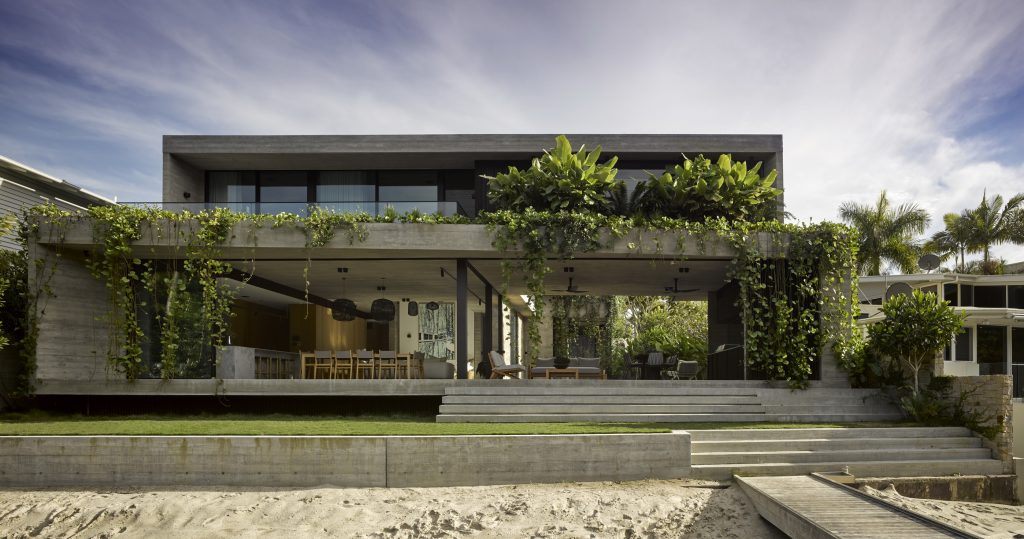
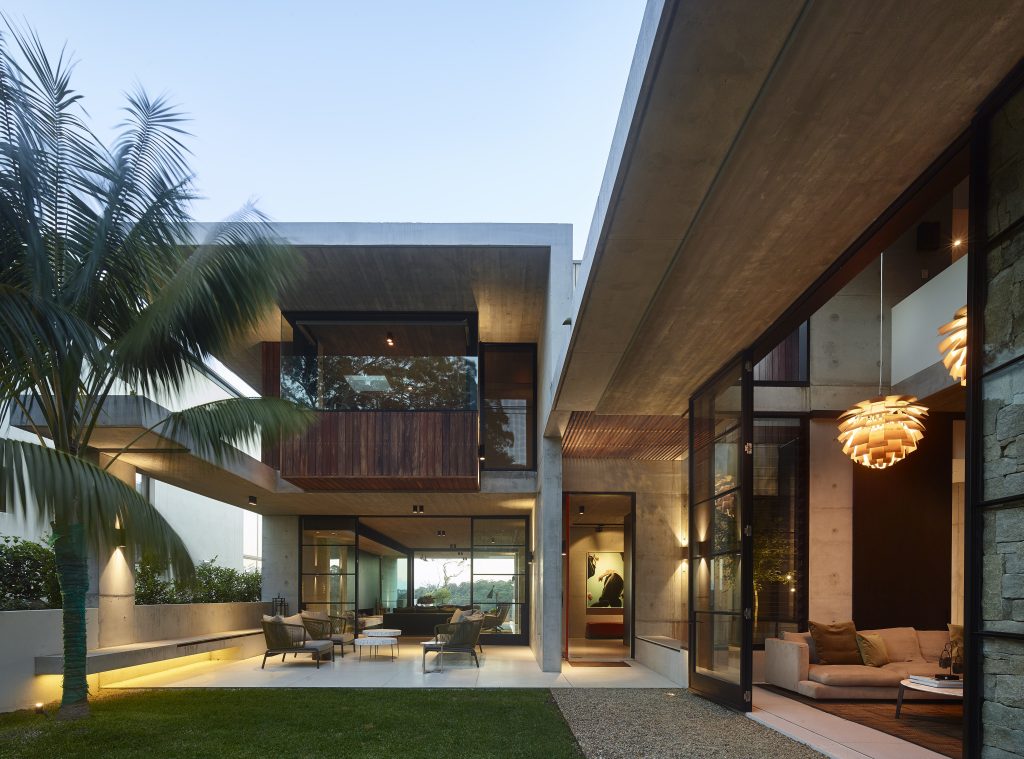
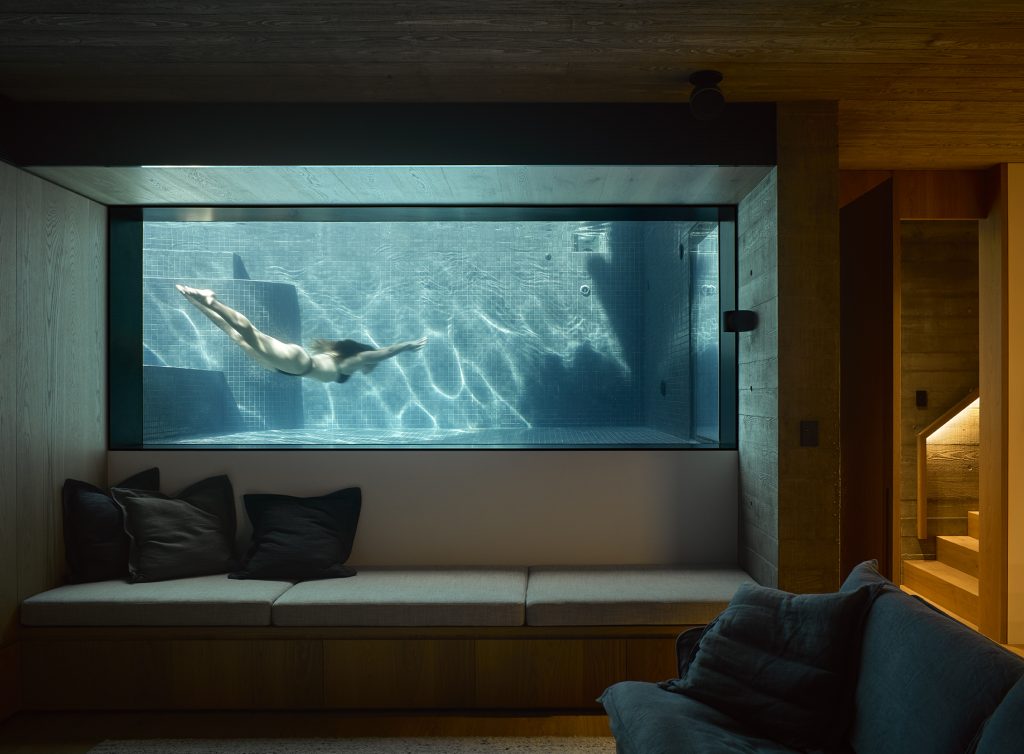
Lockyer characterises his studio’s portfolio as “regionally-inspired subtropical modernism”. Regions the practice has designed for almost span the entire continent, from Far North Queensland down to Bruny Island in Tasmania.
Among his studio-defining project highlights are One Wybelenna, a desert-inspired home in Brisbane, Mosman House on Sydney Harbour with enviable views overlooking Taylors Bay, and Witta Circle, a family beach house on the Noosa River. These projects reflect a flair for integrated outdoor living spaces and a rational approach to architecture, where everything must have a reason.
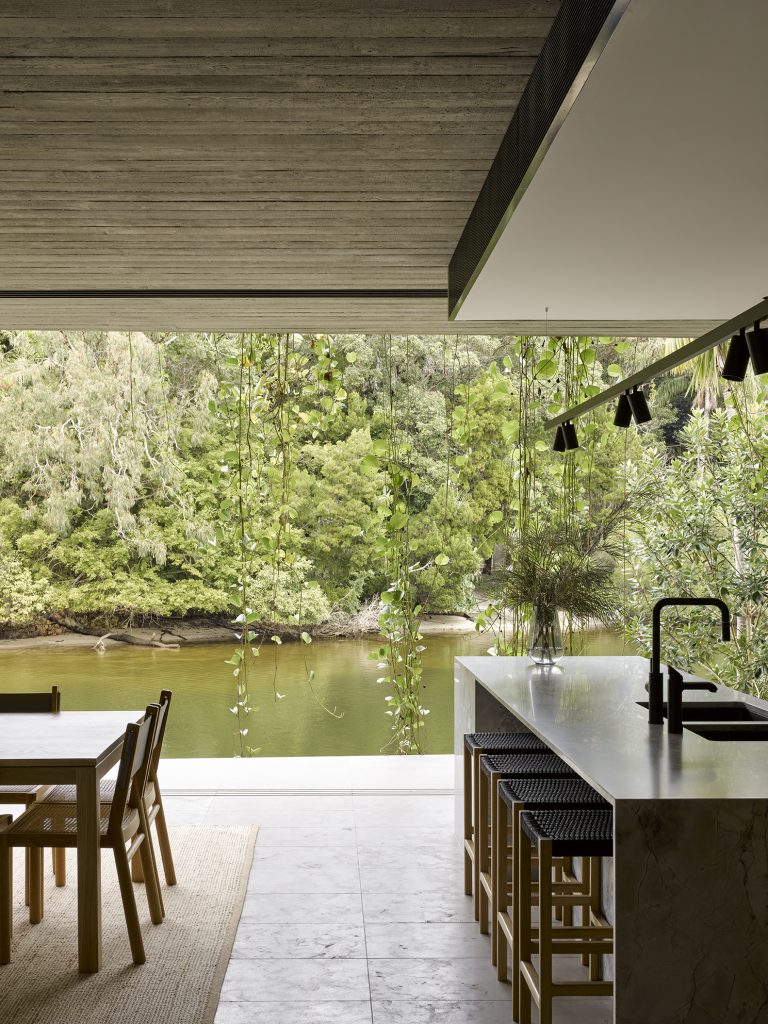
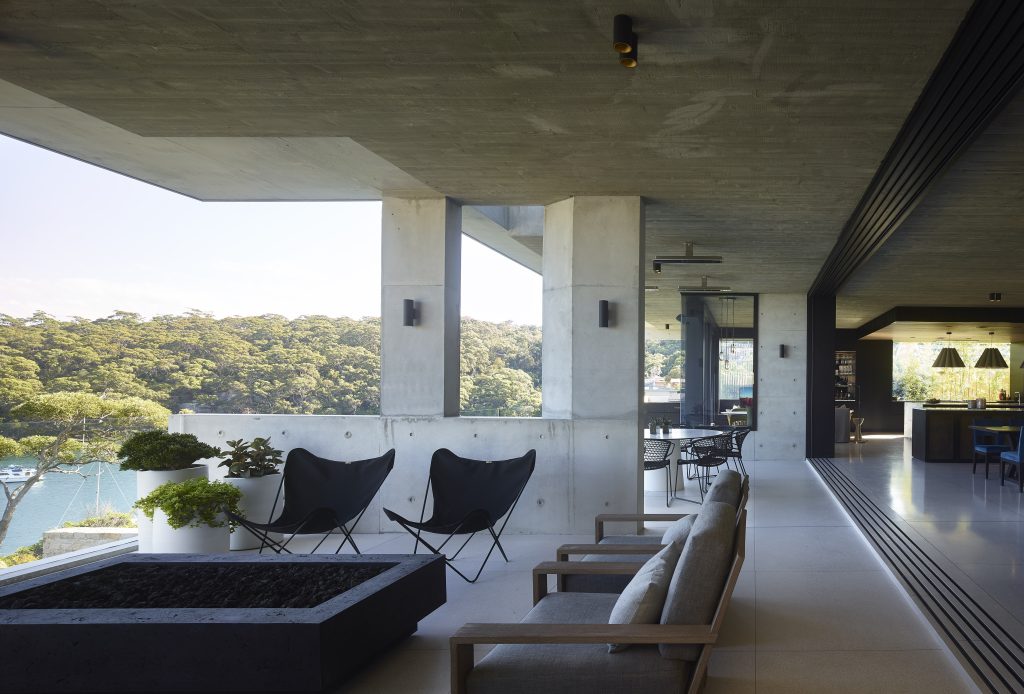
“I like the idea that we are as robust, understated, pragmatic and enduring in the design decisions we make with anything that’s of a fixed, built nature, and that the more transient and more fashionable items – be they art, be they furniture, be they décor, maybe if it’s to do with colours and things like that – are the things that can be a little bit more flexible and transient,” he says. “Because I think if one is too trendy with the hard fitout and hard interiors of the house, the danger is that as trends change you, you create a place that’s very much reflective of a time and place.”
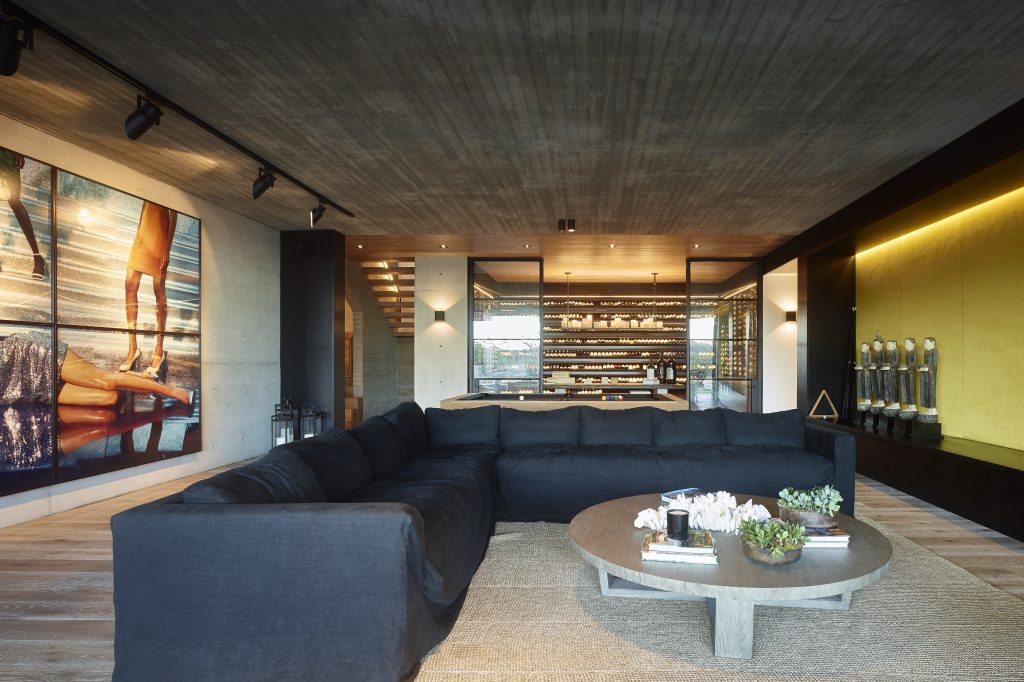
Describing himself as a “complete control freak”, Lockyer says he is involved in all stages of design, from the early conceptual level down to the art selection. “We try and see the environments that we are involved in delivering as the sum of all the parts: we are very heavily involved in landscaping, art, decor, hard interiors and architecture, because we don’t draw distinction between the one and the other,” he says.
Judging IDEA 2026
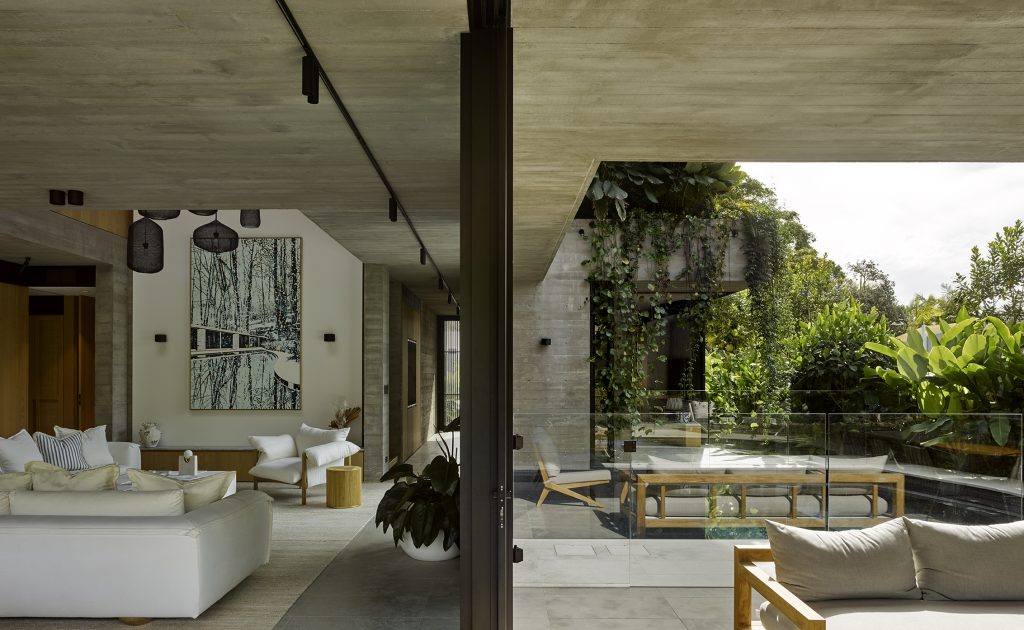
Lockyer says he plans to judge IDEA entries without a preconceived notion of how he would have approached the projects submitted, but rather to assess them in terms of how well the designers executed their client’s agenda. Outside of IDEA’s three residential categories – Residential Single, Residential Multi and Residential Interior Curation – he is excited to review the Hospitality hopefuls and other smaller commercial projects.
“I like the accessibility of smaller things,” he says, commending J.AR Office’s Brisbane studio fitout as a good example of design that achieves a lot in a limited setting.
More than anything, Lockyer says he will be looking out for “poetic solutions to practical problems”.
“It could be something as simple as a coffee shop that properly considers how people enter it, circulate, order their coffee and stand around waiting for it, probably on their iPhones,” he explains. “The way they organise seating or the way they create an edge that gives people privacy or safety from cars next door.”
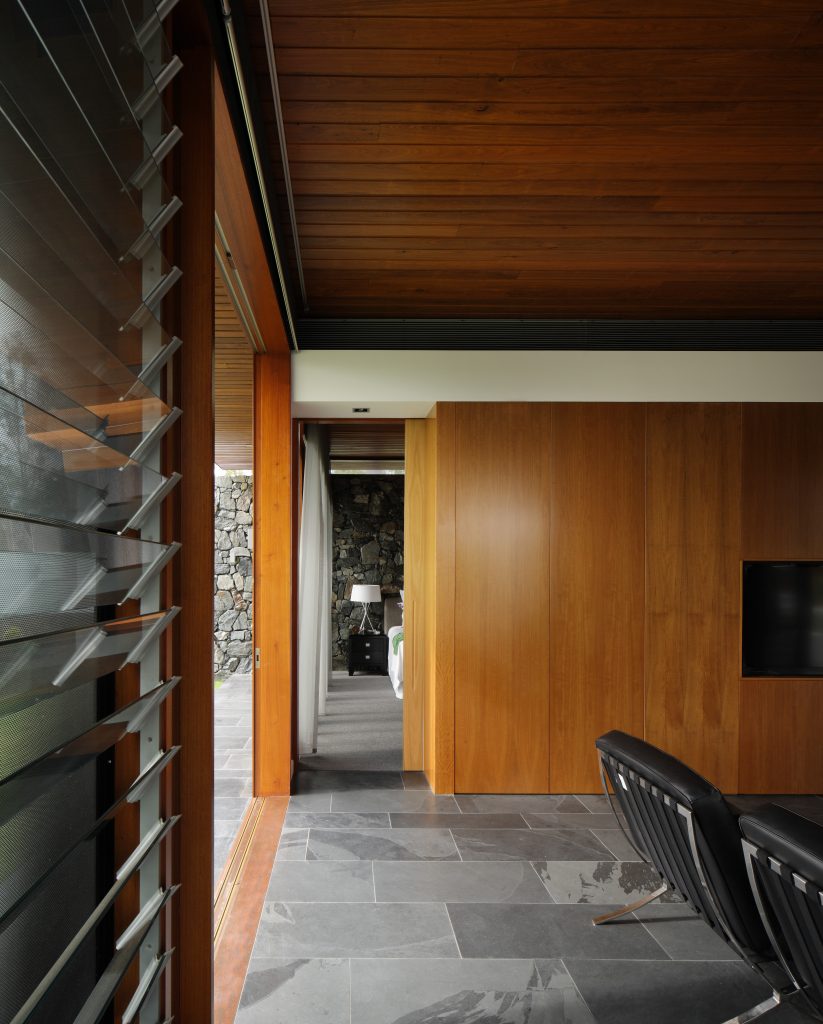
Early bird entries for IDEA 2026 close Sunday 3 May, while standard entries close Tuesday 30 June. Start your entry here.
IDEA 2026 is brought to you by major sponsor Miele, alongside sponsors Crafted Hardwoods, Clipsal, Cult, Designer Rugs, ForestOne, MillerKnoll, Roche Bobois, Laufen, Signature Appliances powered by Miele, and Zenith.
We are also grateful to IDEA’s event partners Axolotl, Yalumba and Jansz Tasmania.
You Might also Like

Related Stories

© Niche Media 2026