

NGV launches its fourth Triennial

Share
The National Gallery of Victoria (NGV) will once again see a takeover of the St Kilda Road venue in December 2026 for the next Triennial, following its previous iterations in 2017/18, 2020/21 and 2023/24.
Launched by NGV director Tony Ellwood and introduced by the local member for Albert Park Nina Taylor, the next Triennial will boast just shy of 100 artists and collectives, hailing from 35 countries and offering more than 80 contributions, including 25 world premieres and 70-plus pieces that will enter the NGV’s permanent collection.
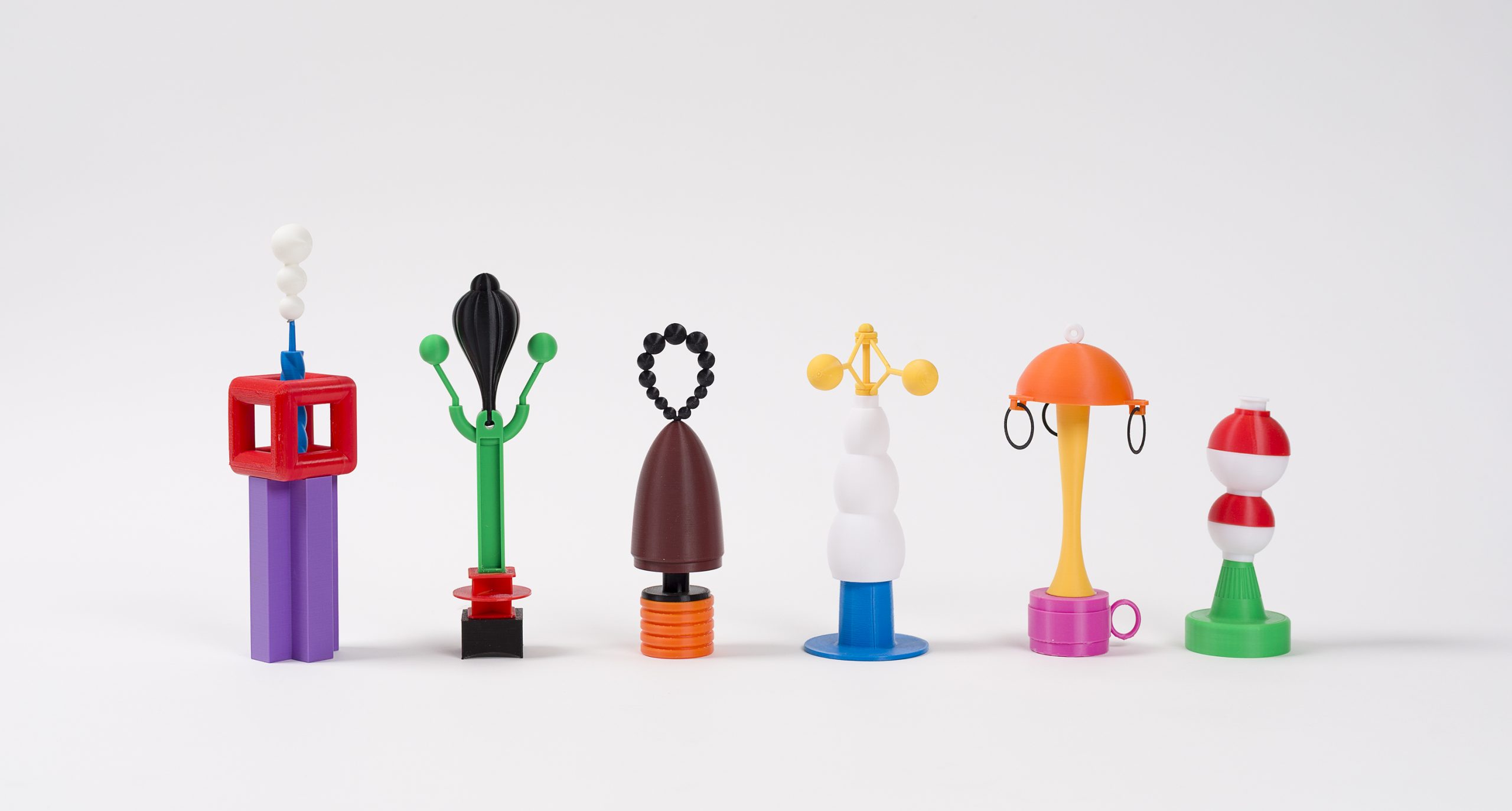
Local artists included Melbourne-based Louise Paramor, who will install a larger-than-life participatory chess set. And if we learned anything from Swingers, the participatory mini golf exhibit on Flinders Street Station’s top floor for last year’s Rising, it’s that Melburnians love art that they can jump in and actually play with.
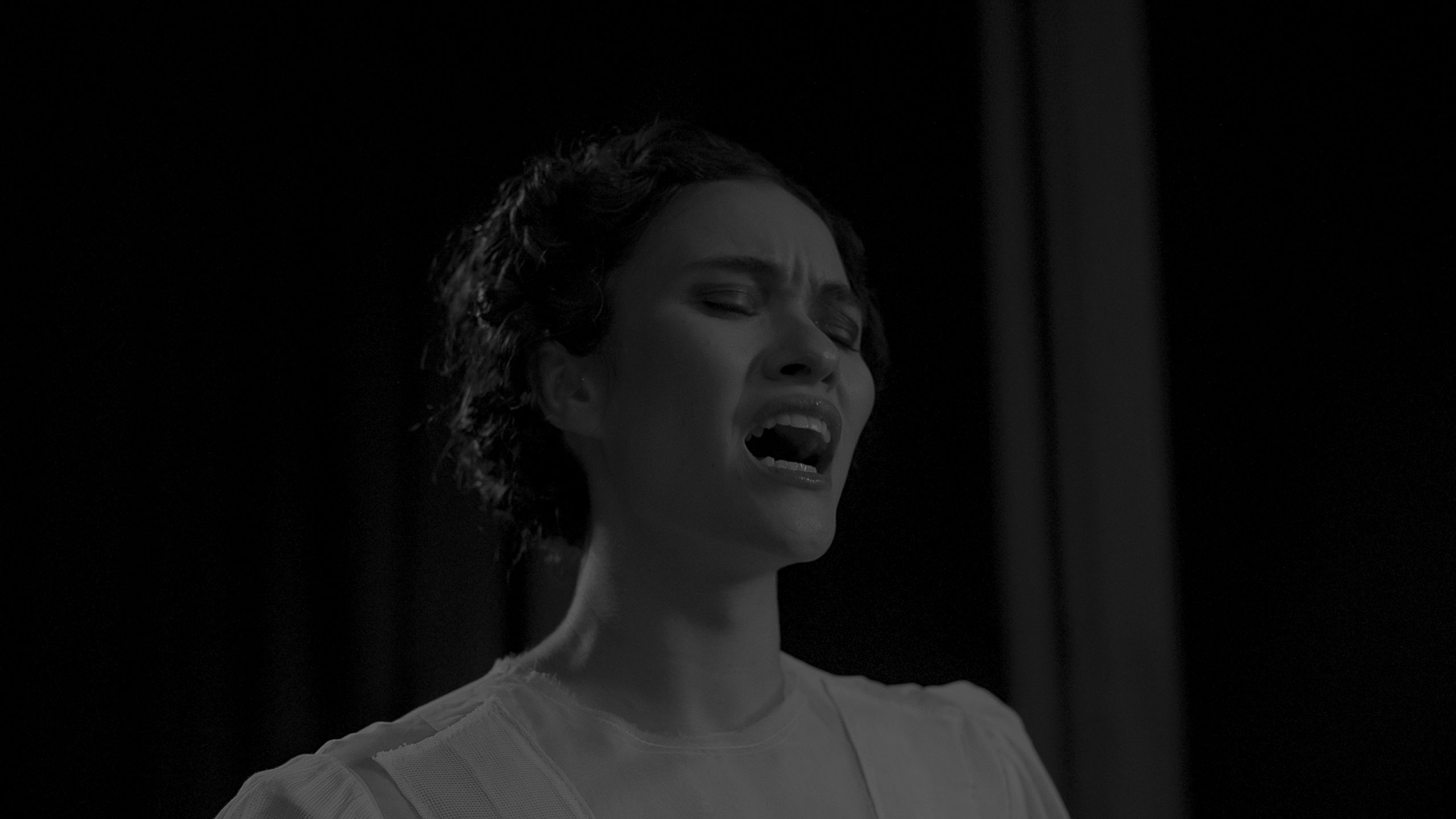
There’s also work from Christian Thompson, who has created and operated a three-channel film “exploring language, voice and a classical form”, said Ellwood in his introduction. “[The work examines] what happens when classical verbal traditions like opera come into contact with an Indigenous language presence.”
The majority of the names lined up for the exhibition, however, are international stars, with newly commissioned works from South African photographer turned large-scale sculptor Zanele Muholi, whose 3.3-metre piece The Protector will be included in its largest form to date. The work depicts the Virgin Mary “offering powerful commentary on the persecution of queer and trans people in their home country”, said Ellwood.
Other notable names include Jenny Holzer (US), Sarah Sze (US), Shilpa Gupta (India), Mika Rottenberg (Argentina), Martine Syms (US), Pamela Rosenkranz (Switzerland), Wu Tsang (US), Rachel Kneebone (UK), Christine Sun Kim (US), Frida Escobedo (Mexico), Wendy Red Star (US), Kent Monkman (Canada) and Ocean Vuong (Vietnam).
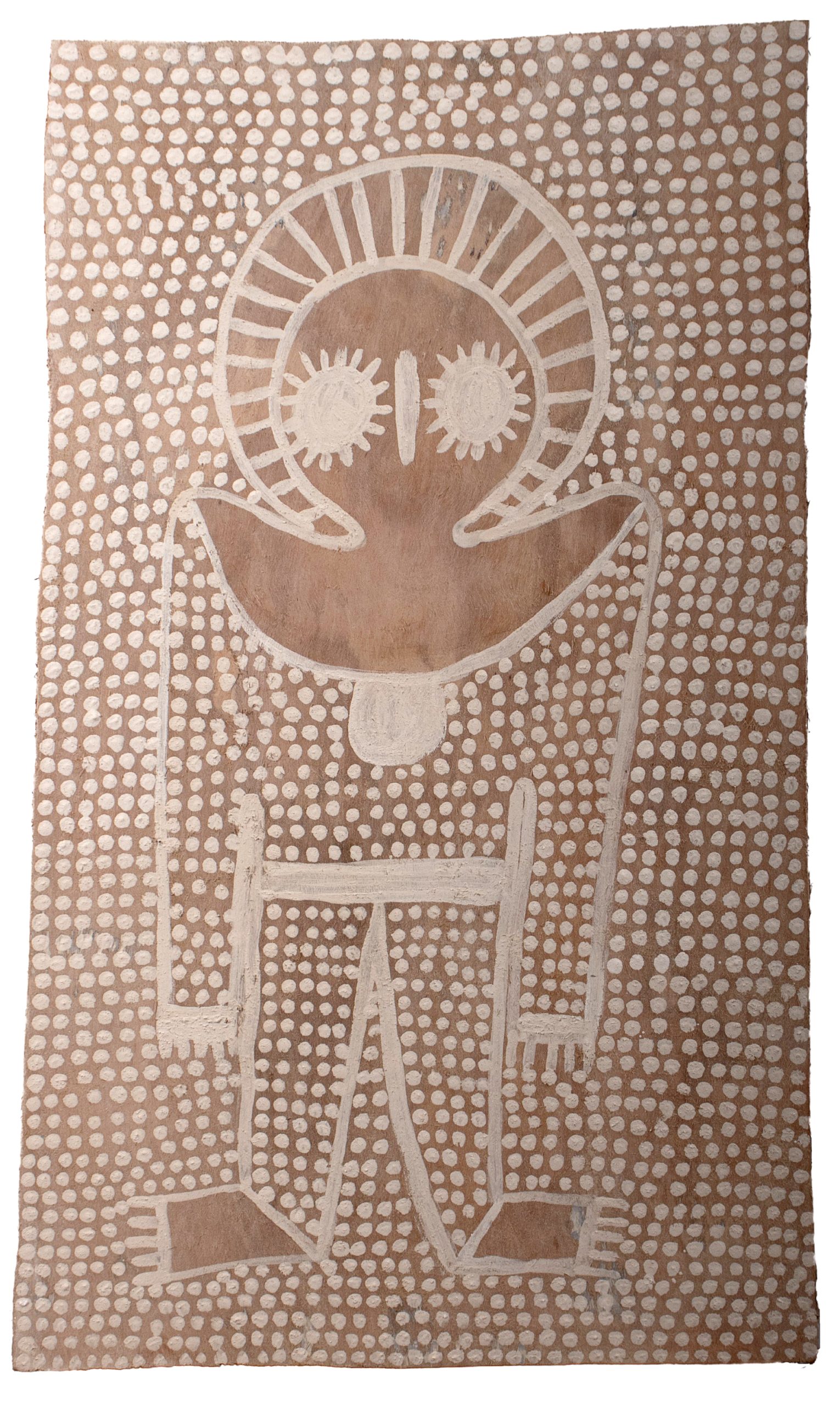
There will also be a couple of site-specific works, one from Angelina Karadada Boona that will take over the famous Waterwall of the NGV with her signature Wandjina figure reimagined in glowing lights.
The other is an outdoor sculpture created by Lebanese-French artist Najla El Zein – the world premiere of a piece designed for public gatherings and destined for the NGV’s Forecourt. Made from stone quarried in Lebanon, the monumental piece has been carved by Beirut-based artisans and will invite the public to “sit, touch, rest, recline, gather and play” according to the NGV’s press release.
Major installations include a photographic one from Germany’s Wolfgang Tillmans, and Pamela Rosenkranz’s new iteration of her 7.5-metre sculpture Old Tree (2023), which was originally commissioned for New York’s public art park, but the message of which – the human body’s intrinsic relationship with nature, evoked by the capillary-like branches and colour of the sculpture – has an undeniably universal relevance.
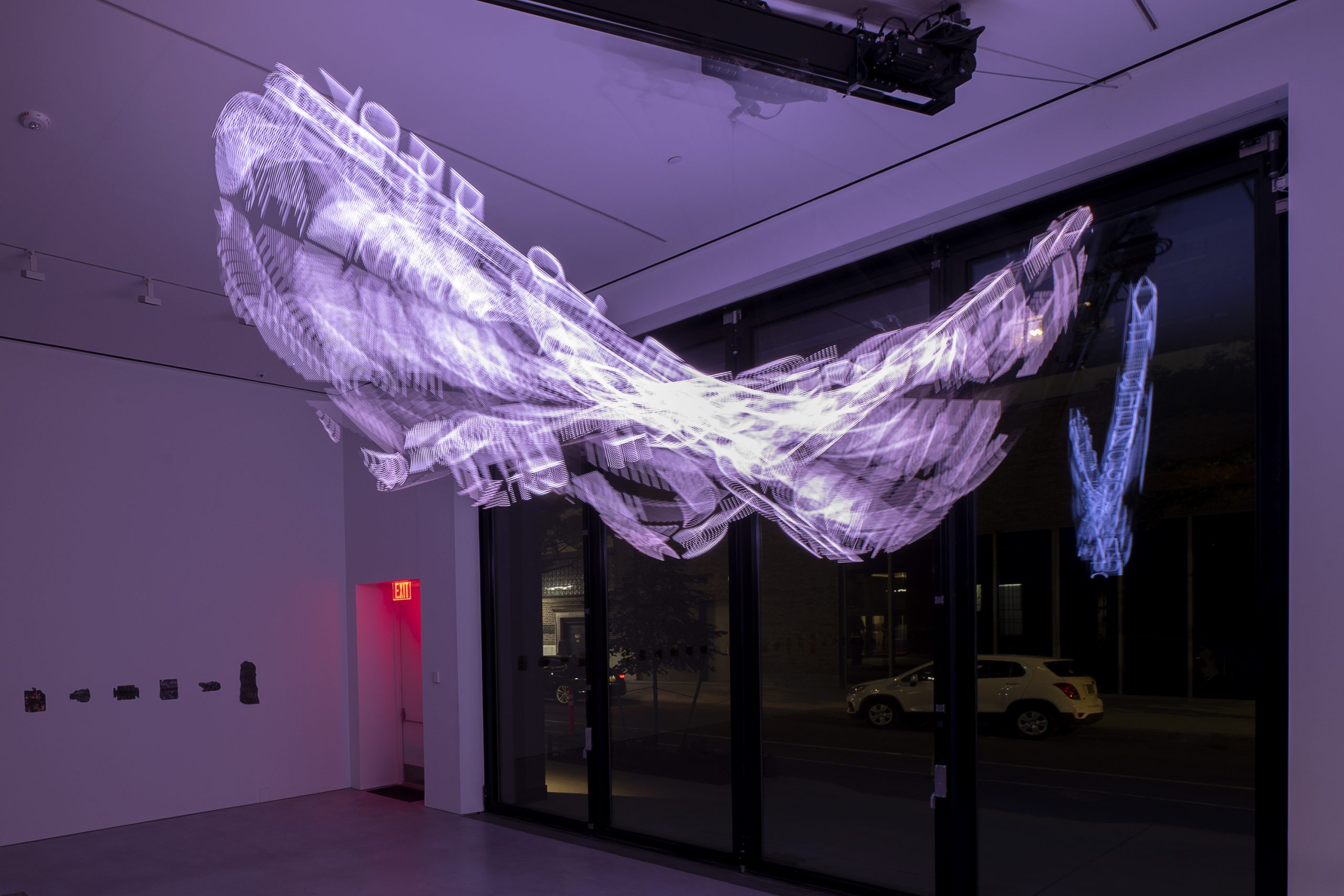
It wouldn’t be a major international triennial without at least some overt political commentary and Holzer’s 2022 sculpture, WTF will certainly fit the bill, with a suspended swinging LED sign recreating online conspiracy theory posts or tweets from Number 47 in an appropriately haphazard and chaotic pattern.
Will it be updatable, we wonder? Today’s version –”I thought it was me as a doctor and it had to do with the Red Cross…” perhaps? On second thoughts, this would be an impossible task. You’d need an assistant on duty 24/7 just to keep up…
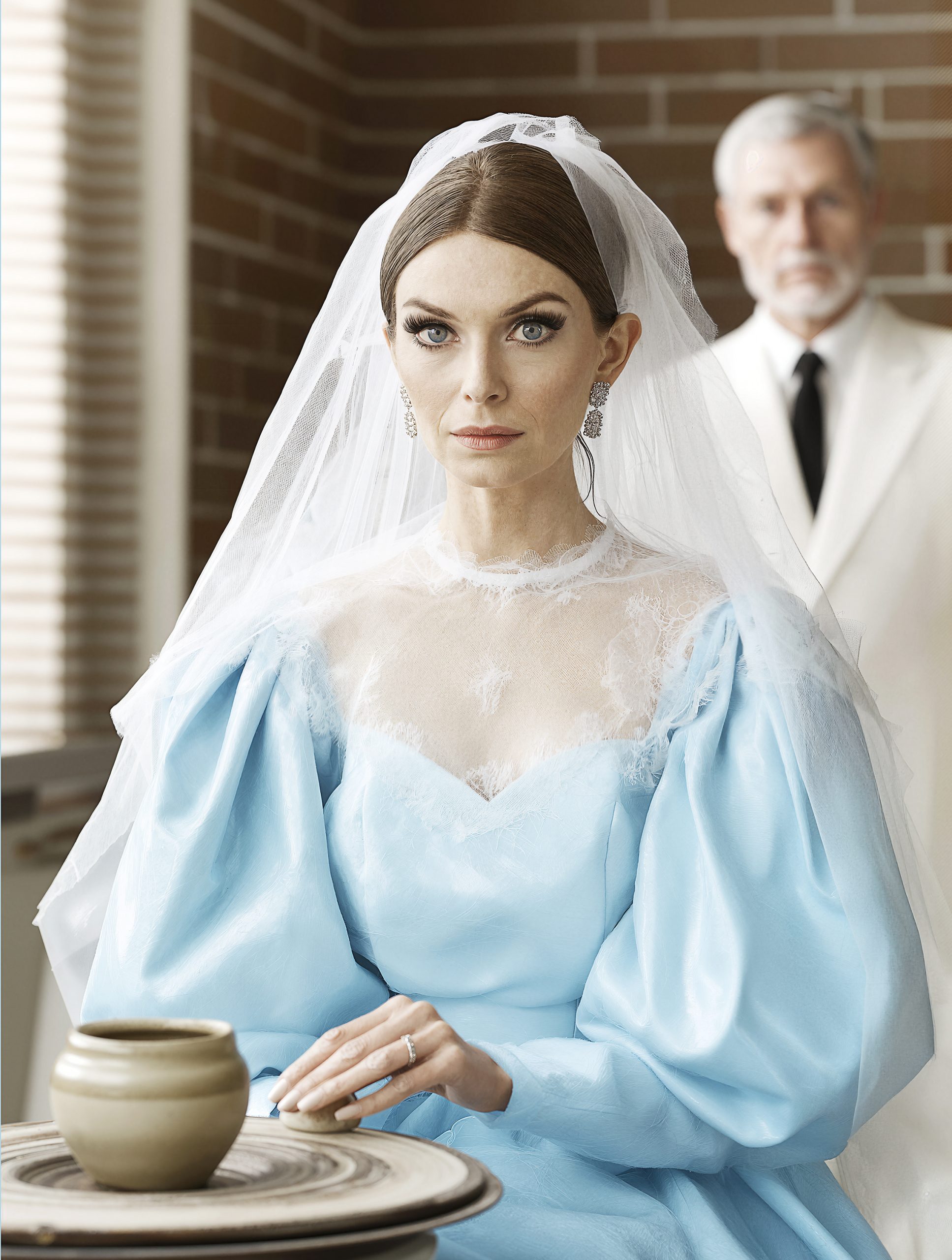
Perhaps one of the more contentious works will be Yvonne Todd’s Personators. The New Zealand-based photographer “has developed detailed and nuanced prompts to create hundreds of AI generated portraits that will run right across the gallery spaces,” said Ellwood. The original resources will be images from a range of non-digital sources such as 1970s fashion magazine spreads and Victorian photographs.
With the current distrust and uncertainty about artists’ copyright in the age of an AI juggernaut, this one could ruffle a few feathers.
But then again, of course, not including any AI in the Triennial would be equally problematic and completely ignore the elephant in the gallery.
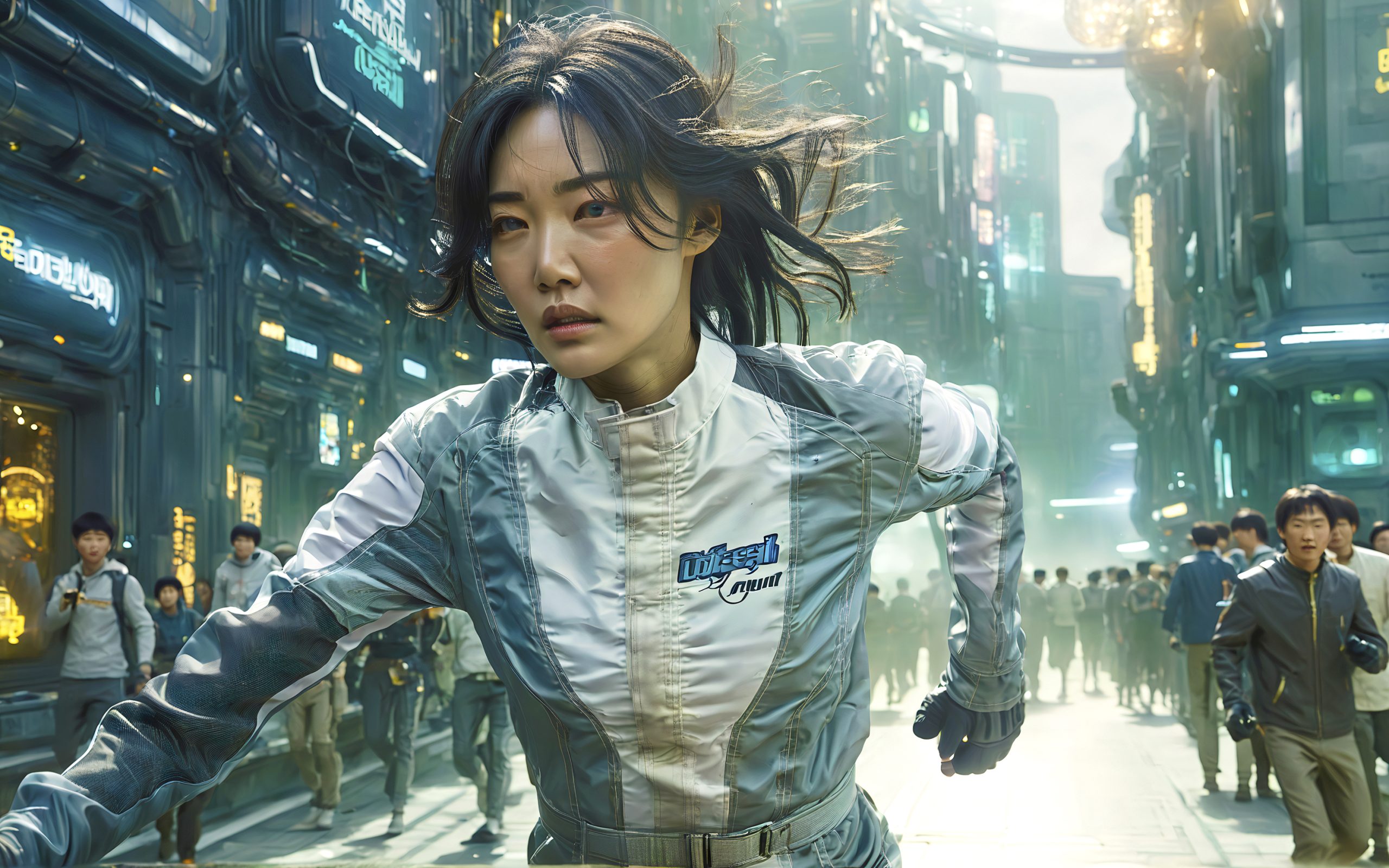
On that score, South Korean artist, Ayoung Kim will also be featured, with the work, Delivery Dancer’s Arc: Inverse (2024), which uses “generative AI, video game engines and live action footage to create works to blur the boundaries between technology, mythology and biology,” said Ellwood.
At the launch, the crowd were greeted by a huge crowd of Danish artist Benedikte Bjerre’s collaborators for his interactive installation, The birds (2017–2026) – a flock of undeniably appealing blow-up penguins. A couple of them, apparently missing a limb and therefore the required gravitational pull, floated up to the ceiling, leading to a delicious moment witnessed by a very appreciative audience, in which one of the helium-inflated semi-aquatic seabirds decided to gently descend in front of the lecturn while Taylor was delivering her welcome. It couldn’t have timed it better.
The oohs and ahs you hear nightly at the Phillip Island Parade had nothing on the ones this little fellow evoked.
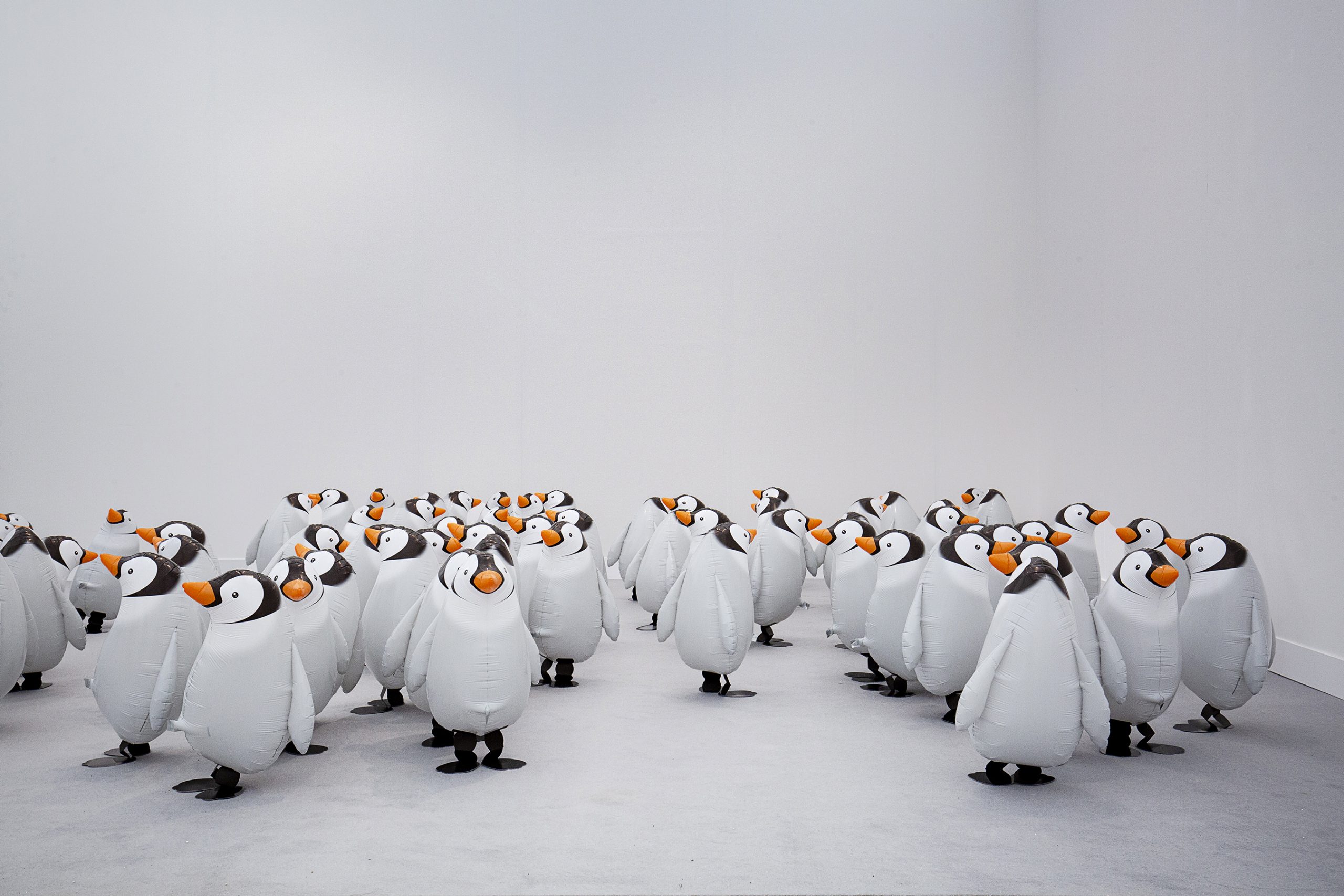
As Ellwood noted when introducing both The birds and the entire Triennial line-up, the above is just the tip of the iceberg (yes, the crowd groaned at the pun) and the full line-up definitely deserves a deeper dive of discovery.
The 2026 NGV Triennial will be on display from 13 December 2026 to 11 April 2027 at NGV International, St Kilda Road, Melbourne. Entry is free. Further information is available via the NGV website.
Top image: Umkhuseli (The Protector) II2025. Photo: © Hayden Phipps, courtesy of Southern Guild.
You Might also Like

Related Stories

© Niche Media 2026