

Inner city Melbourne heritage – Peavey Residence II by FYC Architects
Inner city Melbourne heritage – Peavey Residence II by FYC Architects

Share
An interior redesign of a classic Victorian workers’ cottage delivers a bolt of colour and materiality, while gracefully preserving its historical foundations.
When FYC Architects was tasked with adding a single-storey extension to a traditional four-room, double-fronted Victorian terrace house, director Fei Chau opted to modernise the home with quiet restraint, retaining its historic nature. The warm interior is a captivating assembly of soft timber, paired with elegant maroon and olive hues. Peavey Residence II, situated along leafy Alfred Street of the inner city Melbourne suburb of Prahran, marks the studio’s second collaboration with the same client. Located just two streets down, the earlier project proved markedly more complex, being a two-storey addition to the rear of the property.
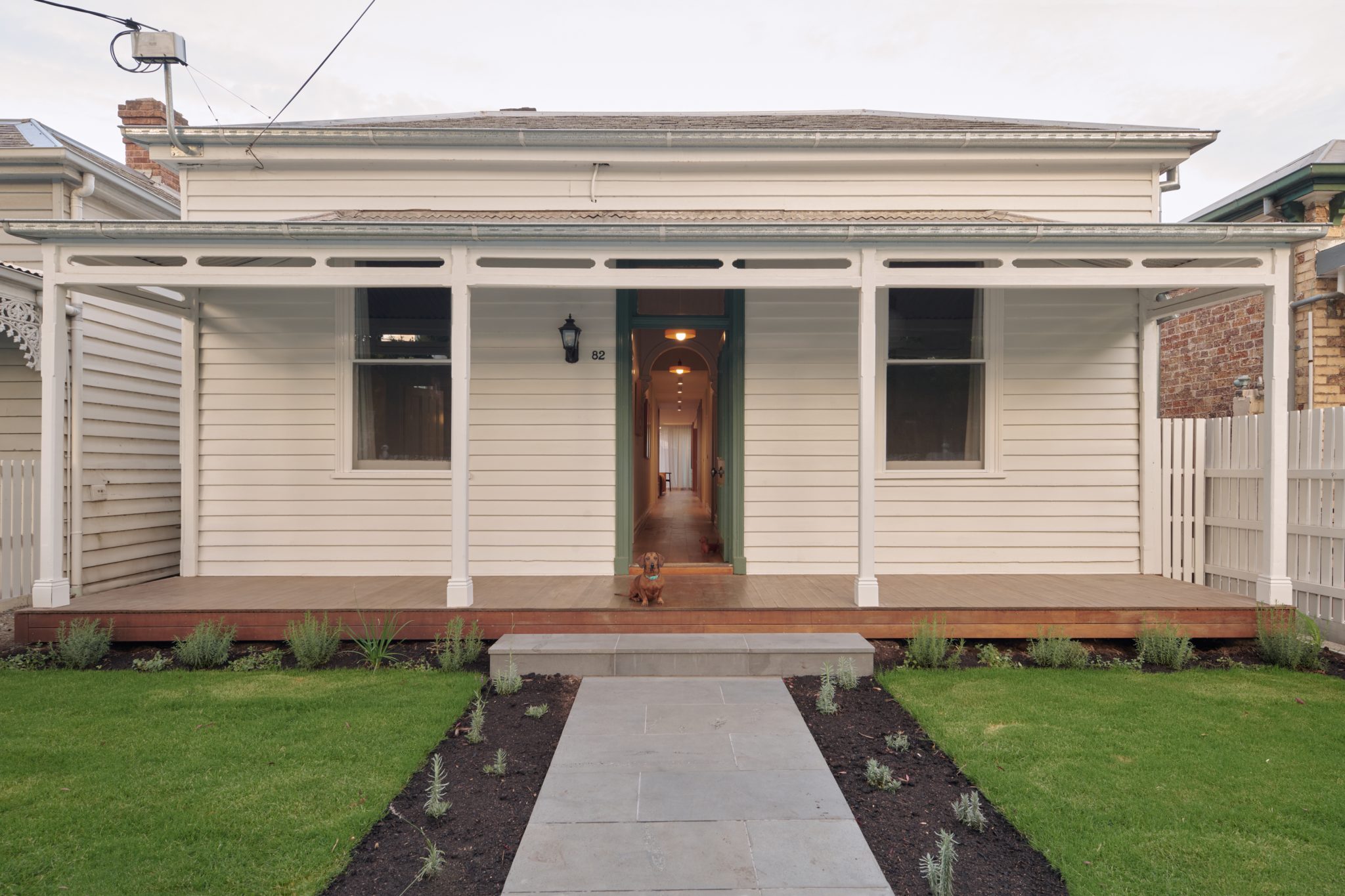
This time around, Chau recalls, there was a relatively strong degree of future-proofing involved. The brief called for a home that catered to the client’s current lifestyle while appealing to future buyers, with the property’s single-storey format, Chau stipulates, being particularly well-suited to an older generation of buyer.
The redesign required versatile divisions of space, centring on a communal area for rest and reflection, and a minimum of three bedrooms. The client’s working situation had also changed in the years since their first collaboration with Chau. The previous project gave limited consideration to working-from-home compatibility.
Now, with the client no longer working in an office as much, a home office was among the top priorities of the Peavey II redesign.
“One of the key requirements of the house was to be quite relaxed and not too pretentious,” Chau says. “I think that was really the general consensus of the main brief. Even though the house site is a large size, and they could have gone really big, there was no particular overlay that was very consistent in the suburbs. The streetscape actually had a lot of heritage houses that were intact, and we wanted to maintain that.”
An eye toward the future with a respect for heritage
Chau credits the project’s material richness to the client’s open-minded approach. As a property valuer in a large Melbourne-based firm, the client had become unenthused by familiar minimal, safe renovations.
“She wanted to move away from that,” he reveals, “and she was happy to be a bit more bold.”
One of the first steps taken, however, was close attention to the existing brickwork of the original structure, especially as select demolition took place to make way for the new extension. Many of these bricks were recycled for the new exterior additions to the property, aligning with the overall work ethos maintained by FYC Architects.
“We’re all about reusing what we have, to be very conscious about our approach to retention,” Chau says. “We want to retain the old, and also really create moments in the space. That’s always been the philosophy with the work that we do.”
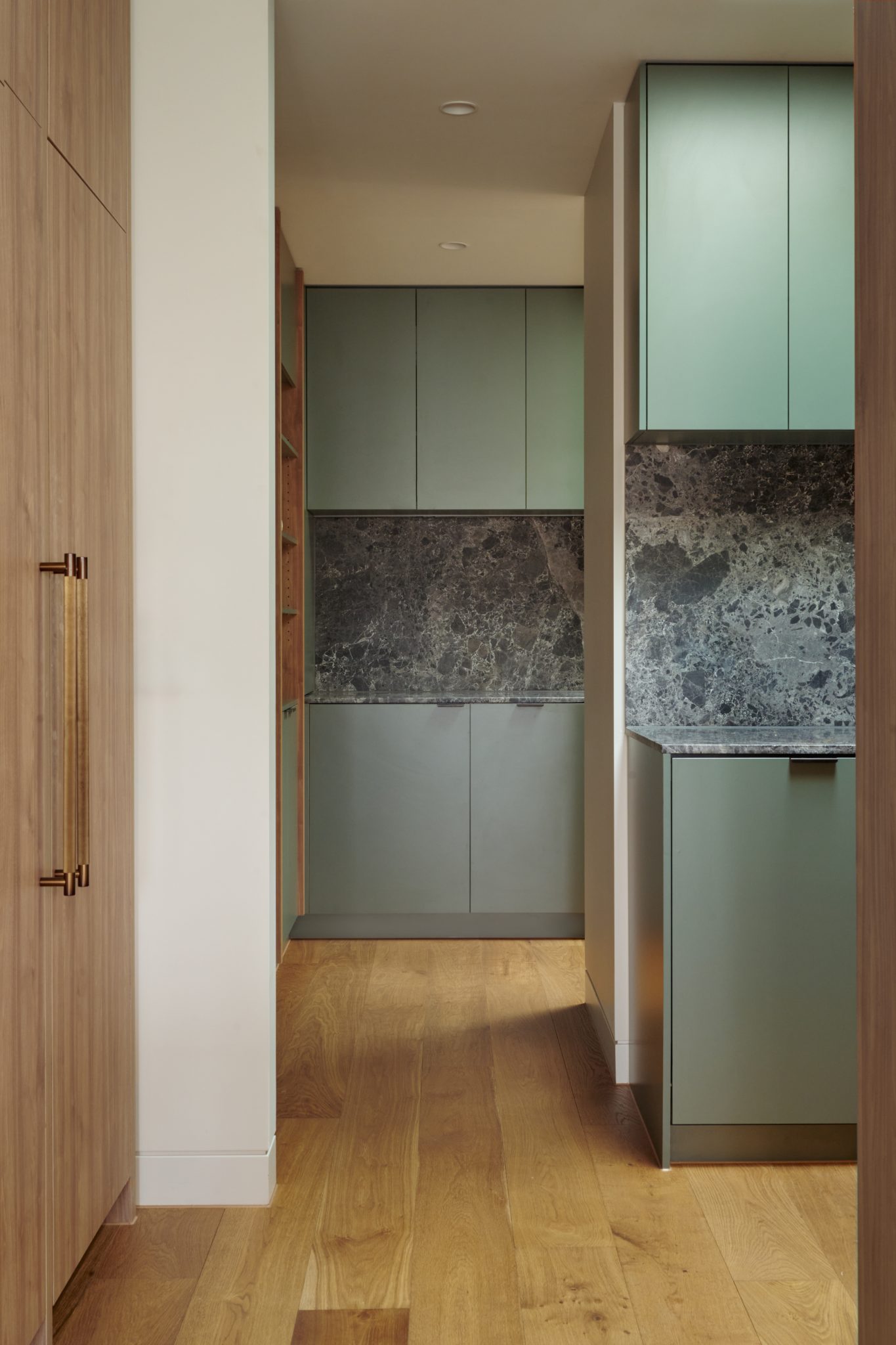
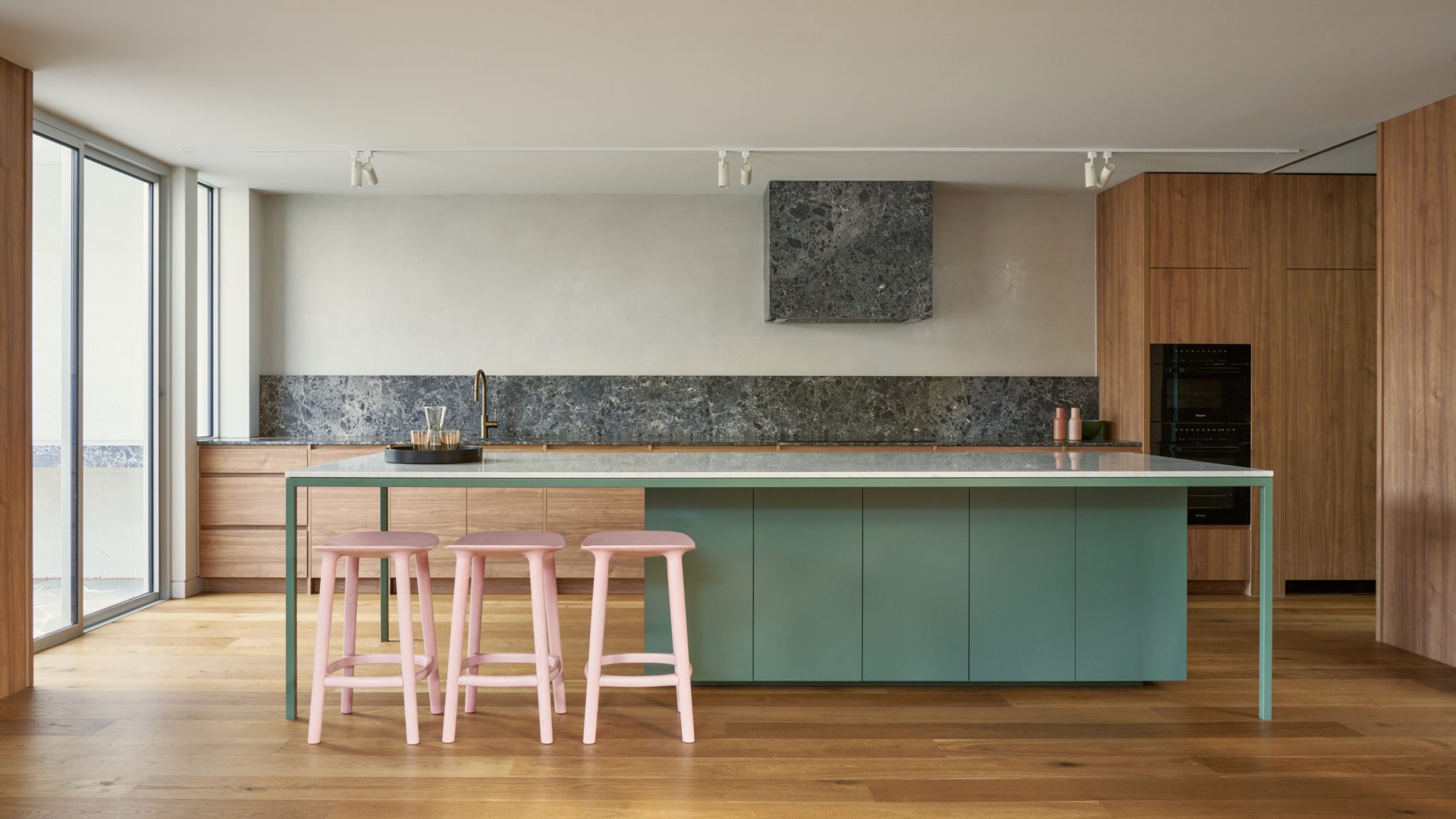
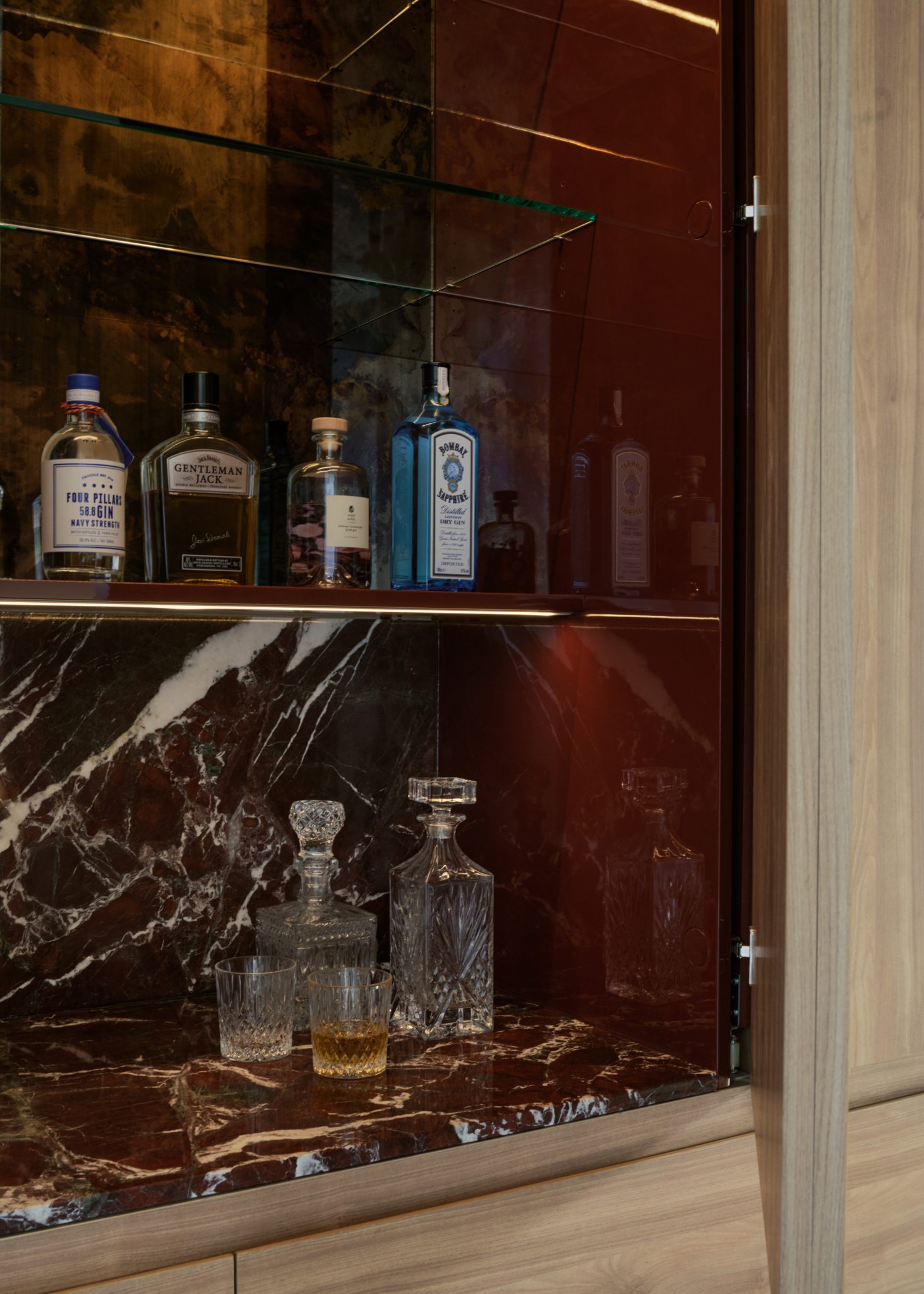
Chau sought to create a feeling of invitational calm and a quiet sense of awe in the home. The hues selected reflect this, being eye-catching without veering into excessively attention-seeking.
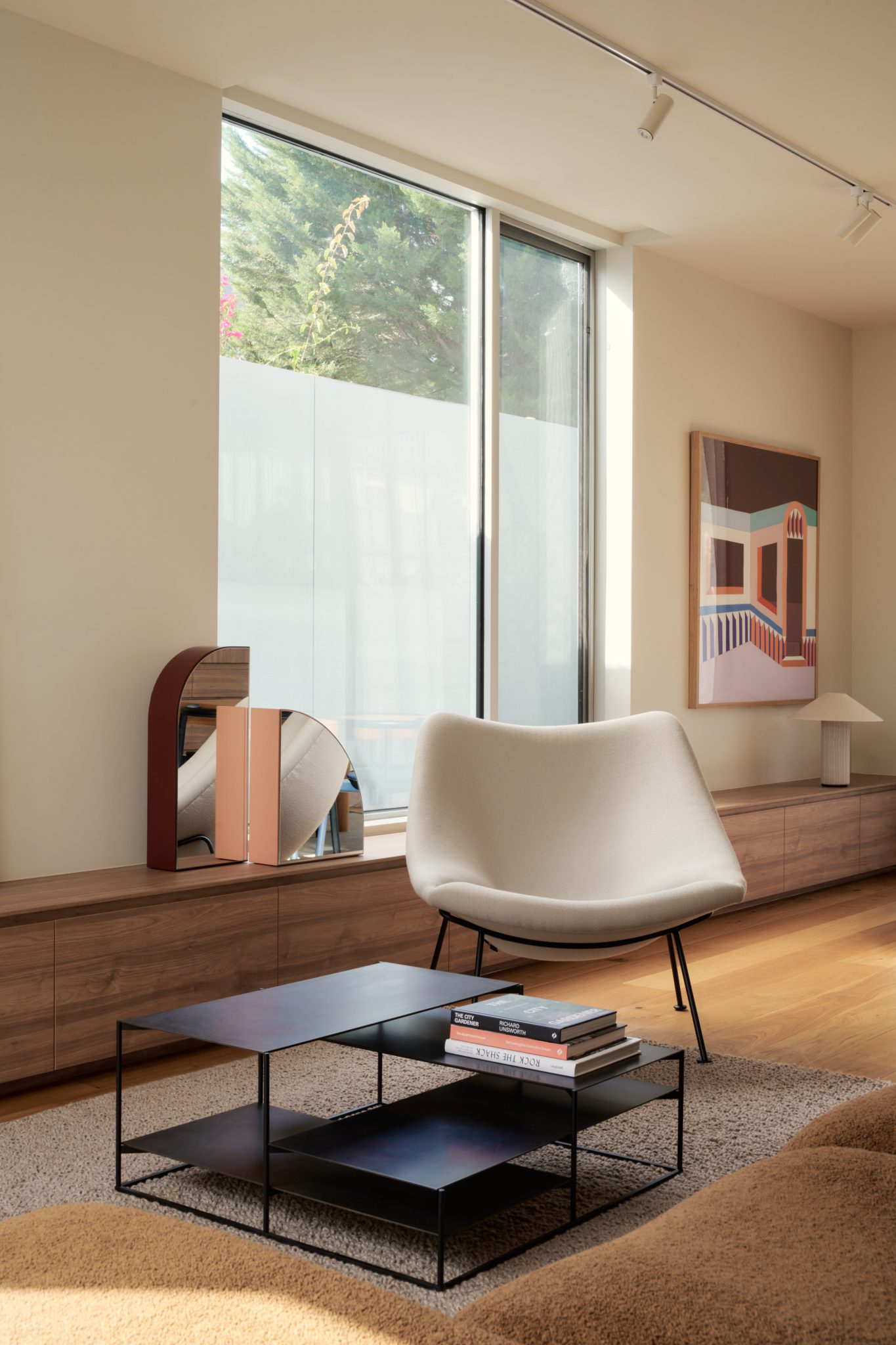
“It was definitely a softer, neutral type of timber,” Chau says. “But the colours we introduced were something that we, as a practice, wanted to bring into the interior. It helps uplift the house very easily without doing so much.”
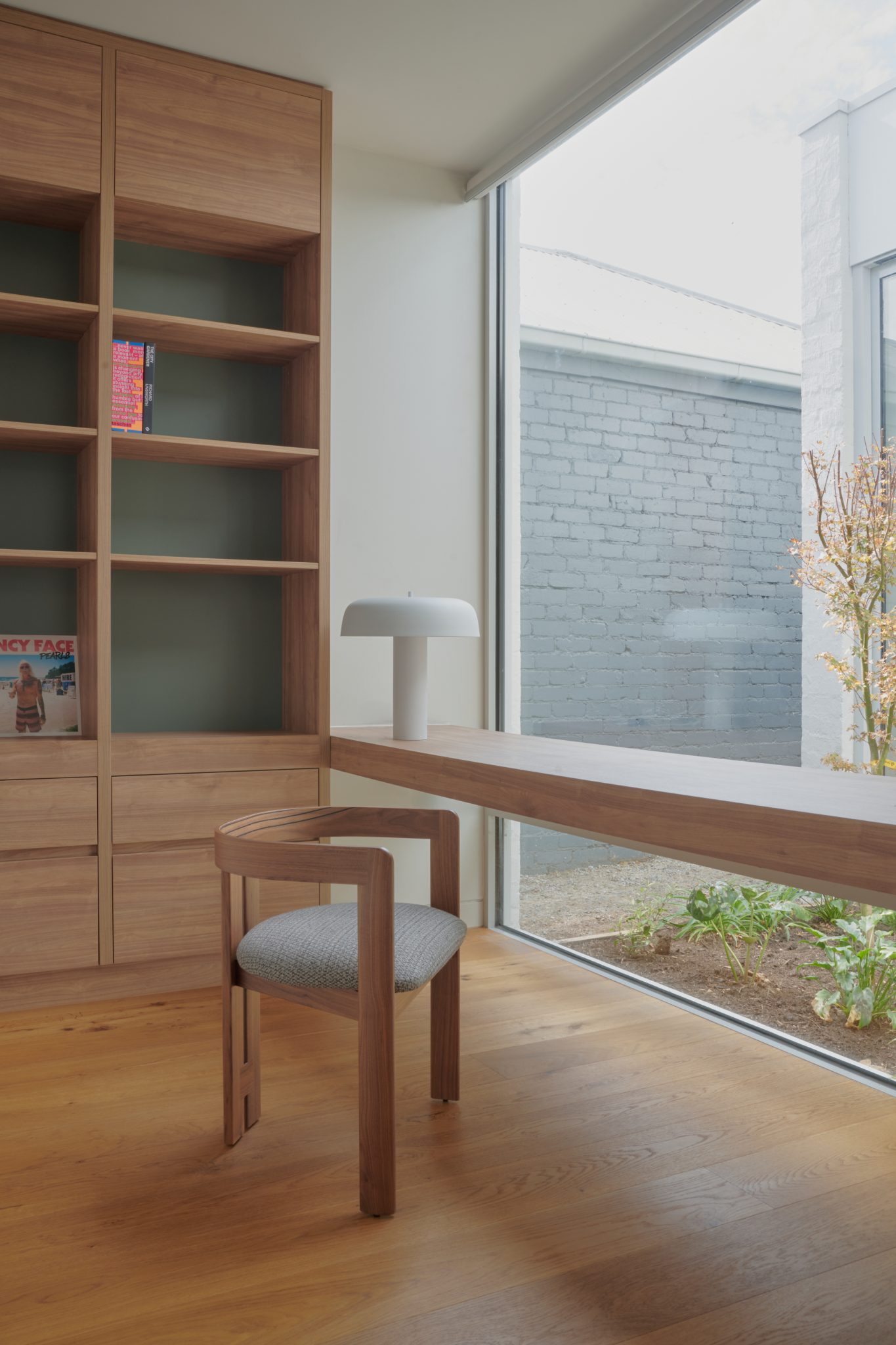
Colours, ranging from deep maroon to soft pastels, were subtly applied throughout the project – but with a clear purpose of creating unique moments. The bathroom, in particular, with its pairing of sea green hues and gentle lilac marbling, presents a striking contrast of textures and finishes.
As Chau says of the project’s ethos, “It was to cater for the very selective people that actually fall in love with it, rather than to cater for the masses. That was really the approach.”
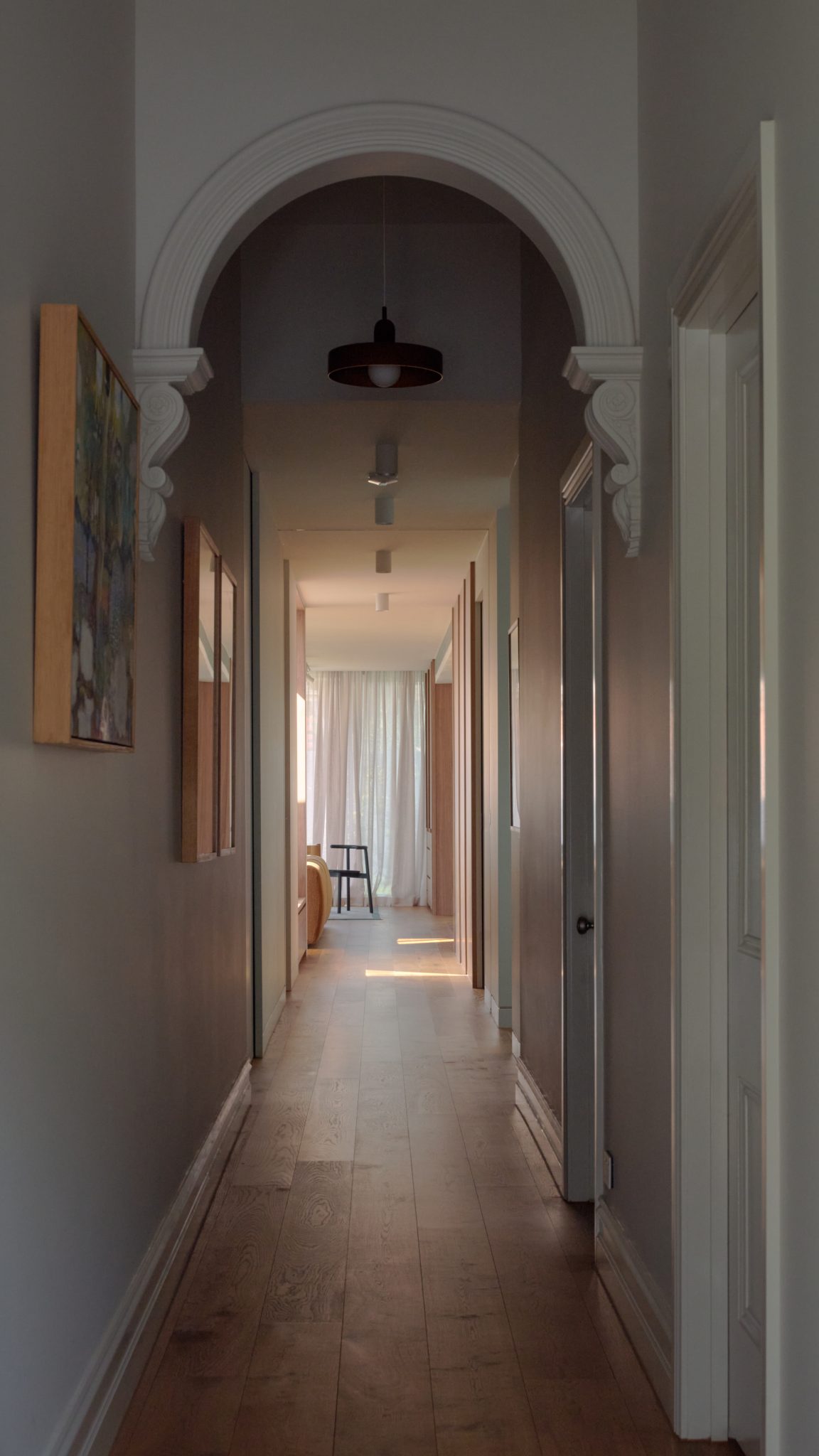
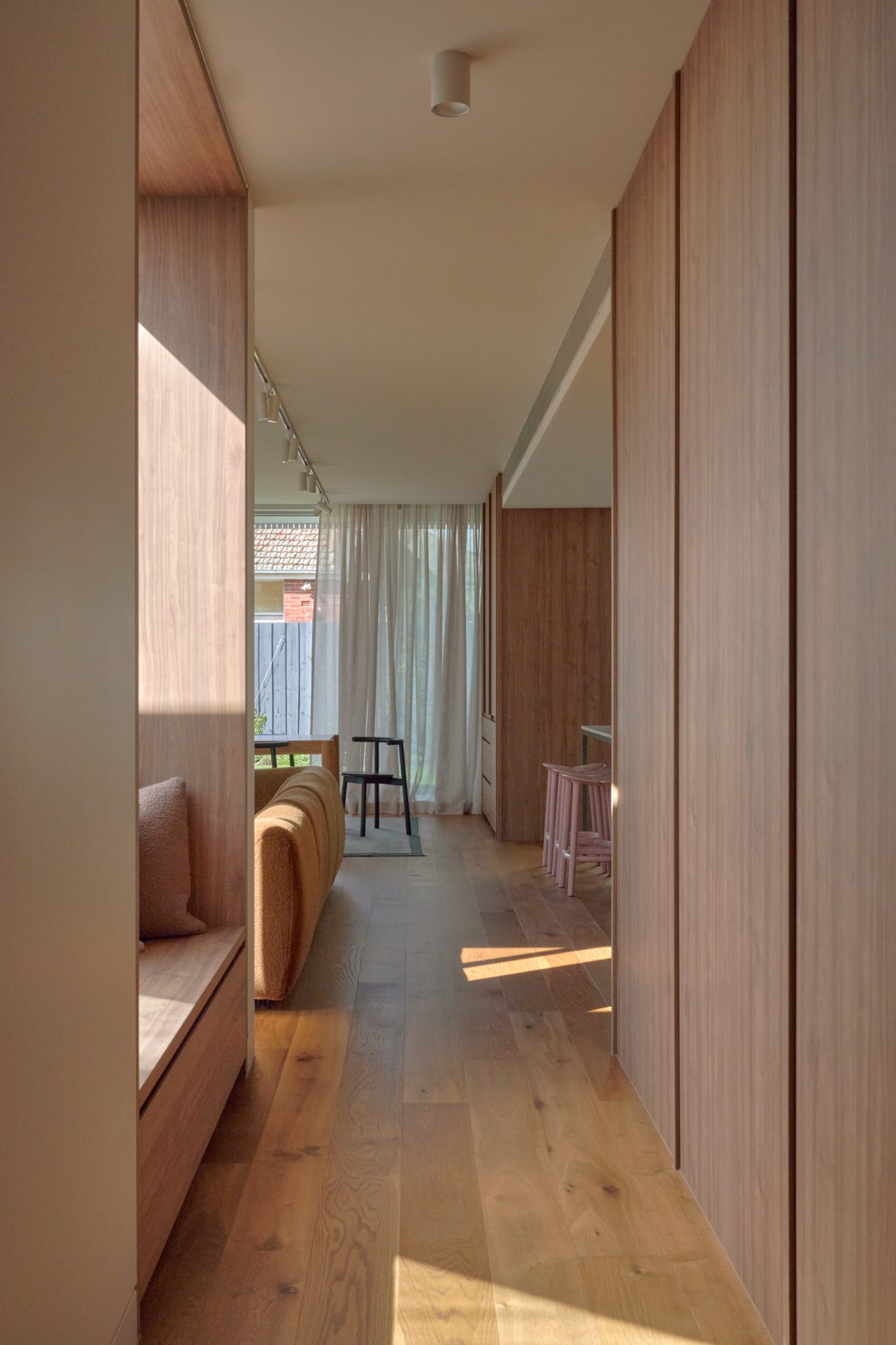
With an elegant solution that meets both the modernisation requirements of the client, while respecting the property’s original heritage foundations, the Peavey II redesign commands a harmonious view of the future that doesn’t encroach on the past.
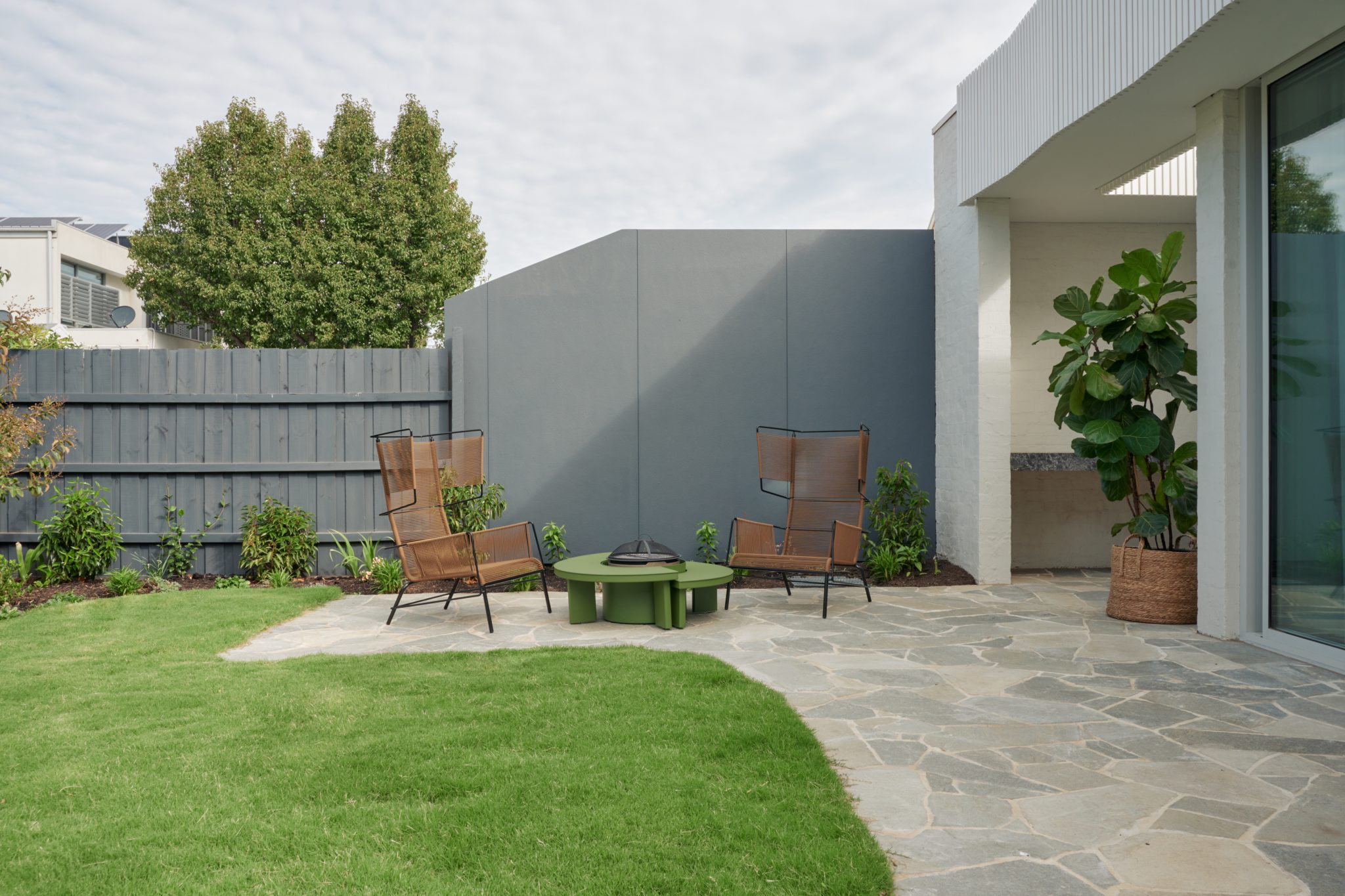

Photography by Veeral Patel.
This article originally appeared in inside magazine issue 122. Grab a copy here.
You Might also Like
Related Stories

© Niche Media 2026