

A force to be reckoned with
A force to be reckoned with

Share
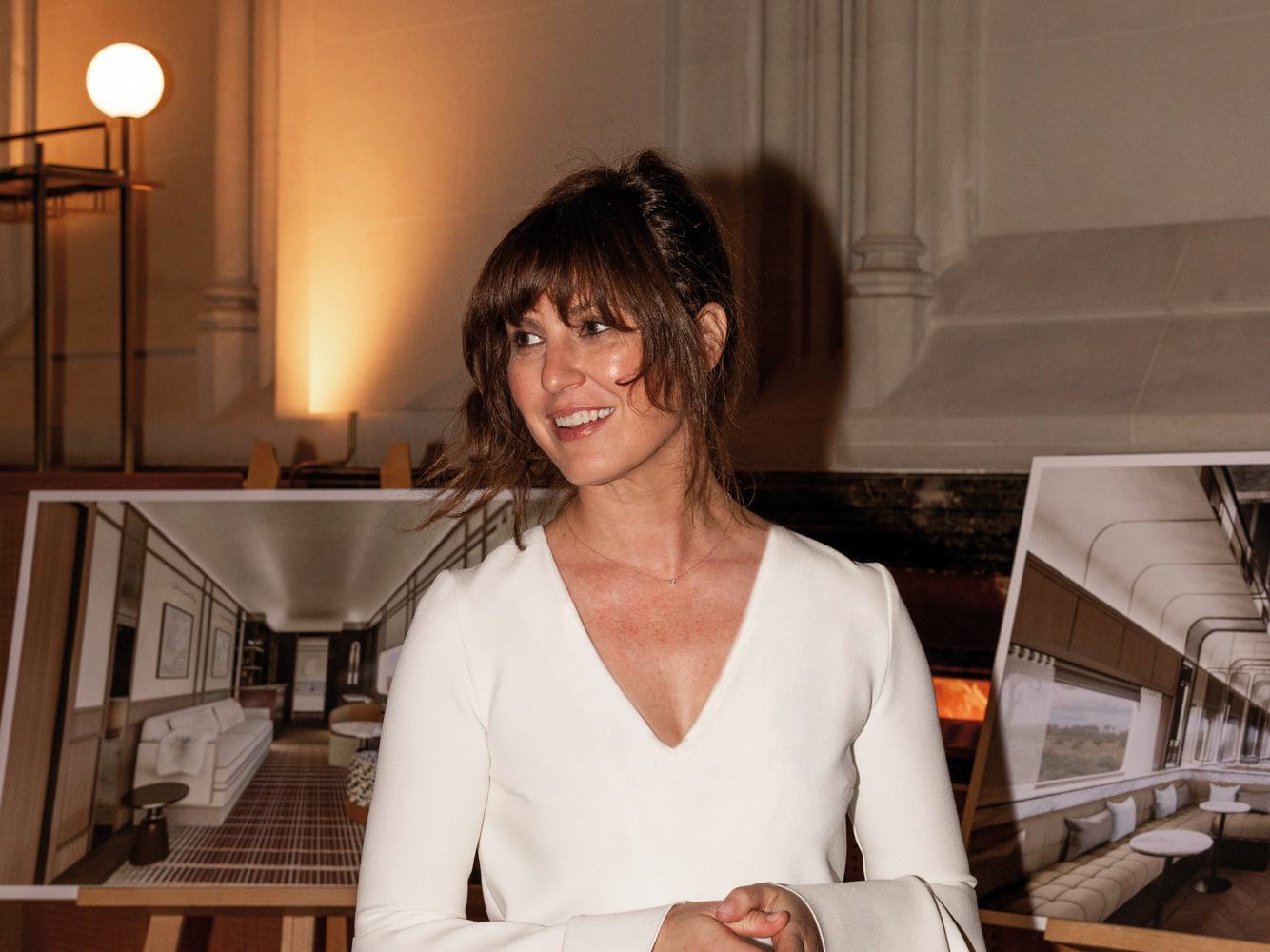
From her earliest beginnings, Rosina Di Maria has championed diversity, growth and humanity through her interior design work. Here is (just a small part of) her story.
Upon meeting Rosina Di Maria, you can immediately sense her conviction, direction and innate leadership. Beneath this drive, too, lies a disarming empathy that makes her not only a natural leader, but a natural designer too. Adelaide born, and borne of Adelaide, Di Maria is a director, global board member and Adelaide Studio leader at Woods Bagot. Her story shows that place is both anchor and launchpad – that a career in design can take root anywhere and flourish globally. From the small saplings of passion, she has grown into a position of advocacy and leadership, driven by a genuine intent to create impact and change. Much of it, she believes, comes down to mindset.
Design heritage
Di Maria was brought up in the family business, her mother launching the esteemed Italian lighting brand Artemide into the Australian market in the 1990s. She would accompany her family on regular trips to Italy, where she met Artemide’s founder Ernesto Gismondi, undertook brand and product training alongside her family, and toured the Salone del Mobile from a young age. “I was hugely interested in the arts, culture and history. I was living first-hand the family business, which was Artemide, and the world opened up for me,” she says.
These early experiences were foundational in framing Di Maria’s understanding of design and its ability to embody cultural values, shape behaviour, and positively impact lives. At age eight, she visited the Vatican Museum where she was awestruck by the famous Bramante Staircase. “Who makes this?” she asked her mother, to which her mother replied, “Today it would be architects and designers who would create these spaces.” The seed was planted.
“I was very firm on why I wanted to be an interior designer,” says Di Maria, who undertook studies in illumination engineering and interior design. “I set out to design environments that were both beautiful and purposeful – a meaningful experience that contributed to shaping the future of humanity.”
Balancing the creative with the commercial
Di Maria has always sought to understand the rigour beneath the creativity and balance commercial imperatives with humanistic needs. From early career moves working in a small practice to a personal invitation from Domenic Alvaro, director and global design leader of Woods Bagot, to join the firm, she has pursued growth, learning and excellence, while seeking to assimilate the people with the practice.
While directorship may not have been Di Maria’s foremost ambition, her ability to draw people together, support and elevate those around her, and communicate vision with clarity and conviction has led her there.
“Our people are our practice,” she says, and this has framed both her own personal approach and the example she sets for younger generations of designers as they come up through Woods Bagot.
“Growth comes from supporting people around you and doing great things together. When do I open a door for someone else? I try to do this every day, because it’s the small actions that have the biggest impact on people’s careers.
Varied career path
Woods Bagot has given Di Maria many careers, but perhaps most impactful has been her role as Adelaide Studio leader. In six short years, she has grown the studio in both size and reputation, carving out its global project expertise. She credits this to the studio’s collaborative efforts and shared vision.
“Great architecture is not a singular person; it’s a team, a diversity of thinkers,” she says. “What I love about our business and our Adelaide studio is that everyone is driven not by a singular design hand, but a passion to do better. We’re a house of people with no singular style. We have a freedom to respond.”
Driven by Woods Bagot’s vision for ‘architecture for worlds ahead’, Di Maria works fluidly across the big picture and the fine grain. Collaborating with fellow directors around the world, she exchanges insights, innovations and learnings that translate into projects of cultural resonance and global impact.
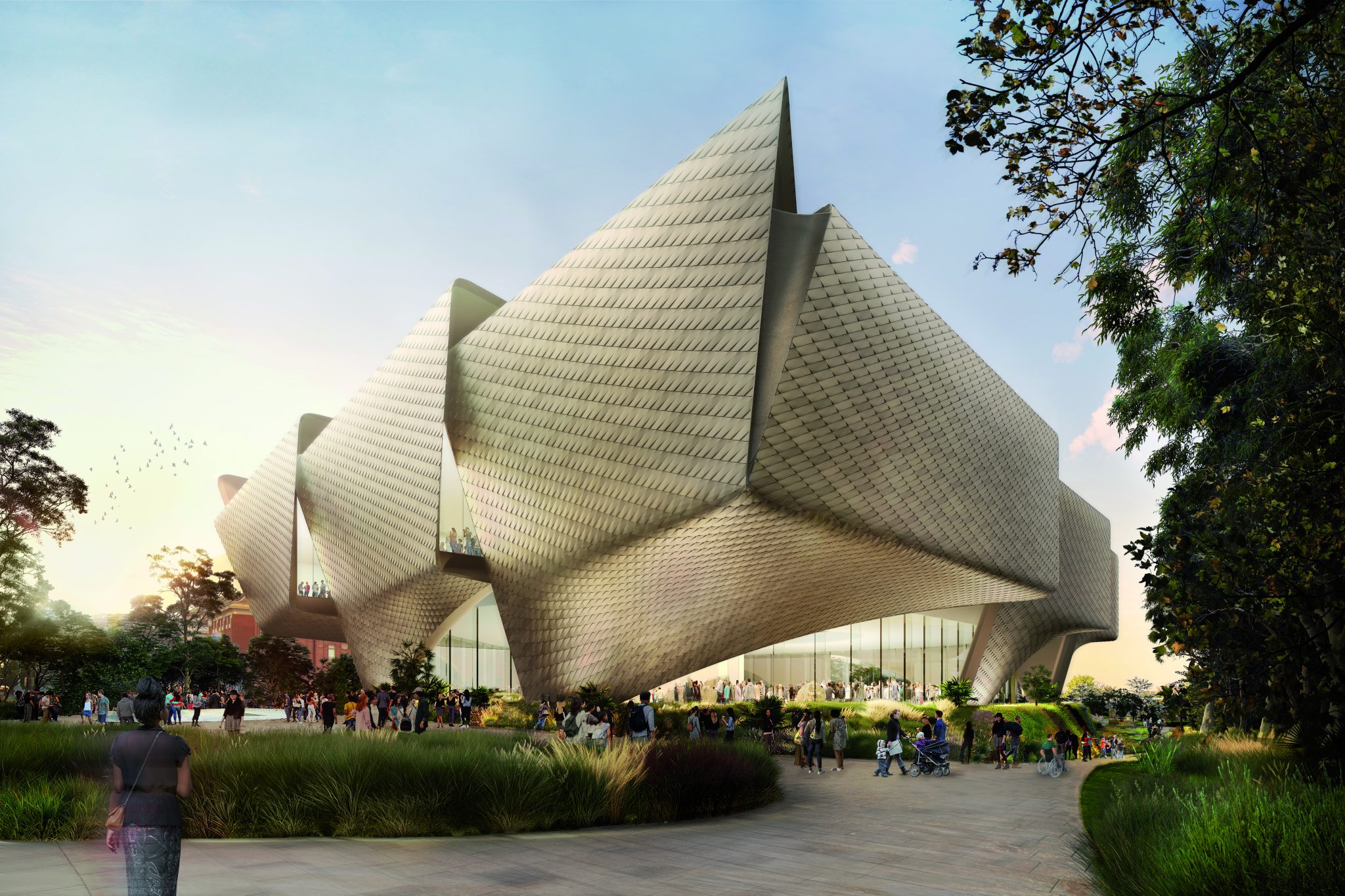
“We’re bold enough to understand the hard problems and to solve them,” she says. “Together, we balance intelligence with empathy, understanding how culture shapes the connections between people, space and time.” Two recent Australian projects, Tarrkarri – Centre for First Nations Cultures in Adelaide, and Journey Beyond, a reimagining of luxury train travel, both go back to the heart of humanity and culture.
“These projects are really meaningful in how they are created,” Di Maria says. “They begin with understanding Australia’s history, listening to the people who hold the stories, identifying the moments that matter and finding the threads that bring those stories to life.”
Tarrkarri and beyond
Currently in progress, Tarrkarri will offer gathering and gallery spaces to share and celebrate the history, present and future of Aboriginal cultures. “It’s about acknowledging deep time and histories – the thread that brought us to this moment. The centre is a symbol of hope, and of what the beauty of culture should stand for, as a point of pride.”
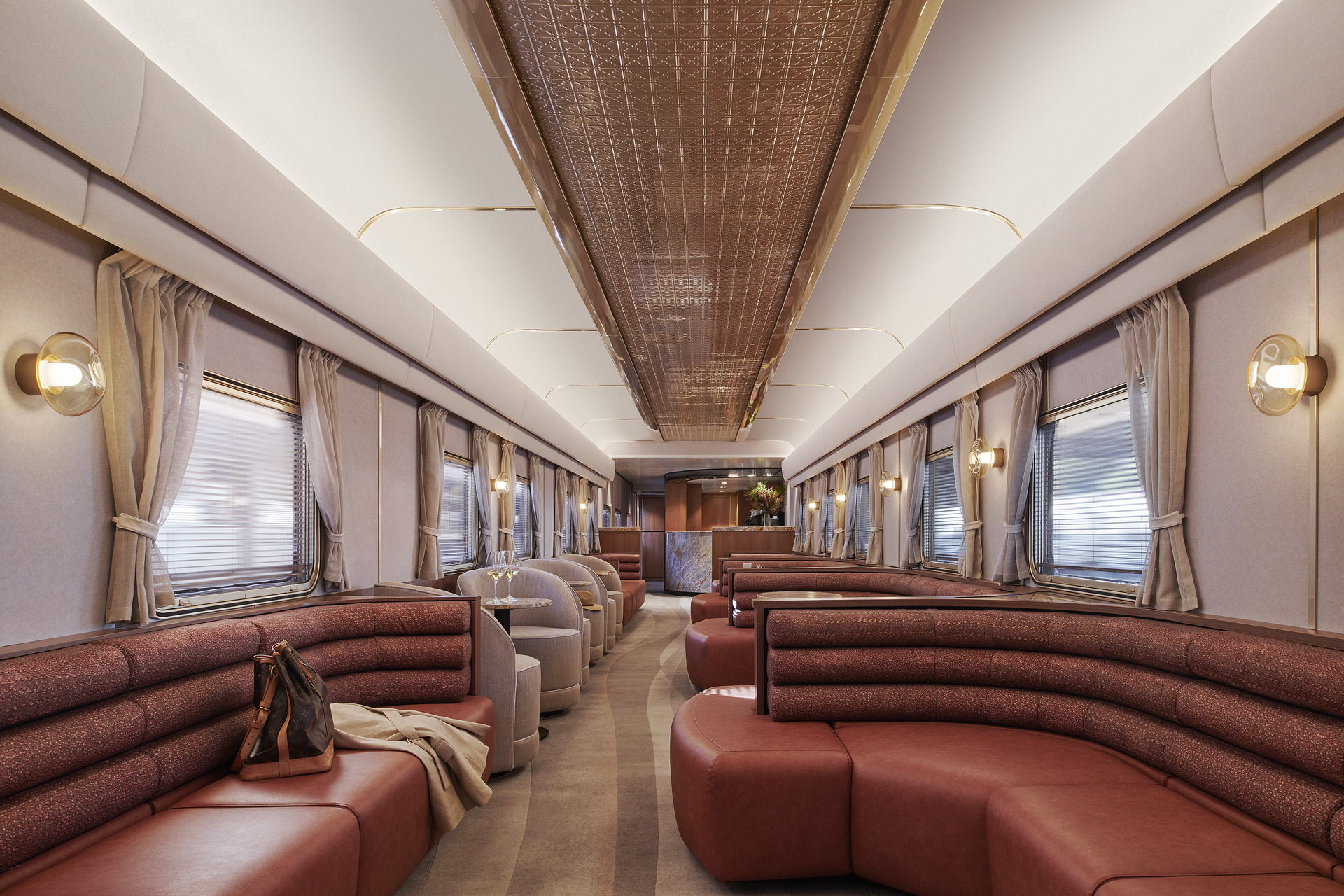
Meanwhile, Journey Beyond explores Australian heritage and identity through the refurbishment of its transcontinental train carriages. “How does a traveller feel connected to the landscape they’re moving through?” Di Maria asks.

The design team drew together the work of seminal First Nations artists, contemporary makers and craftspeople to weave layers of humanity and the Australian environment back into the travel experience.
In everything she does, Di Maria advocates for diversity, humanity and community. “It’s important to blend commerciality with design, in order to make things real and flourish. But you must always balance that with a humanistic point of view.”
Surely an intention we can all relate to.
You may also be interested in: Woods Bagot to design the Geelong Convention and Exhibition centre, which is due to open this year.
You Might also Like
Related Stories

© Niche Media 2026