

Fifty years and counting – SJB celebrates a milestone and looks to the future
Fifty years and counting – SJB celebrates a milestone and looks to the future

Share
In challenging times, lasting 50 weeks can be cause for celebration. So when a practice clocks up 50 years, it’s definitely a reason to hang the buntings out. Co-founded on 1 April 1976, SJB has not only survived but is thriving and looking to the next generation of leaders to keep its flame burning brightly.
Last week SJB, the practice established by Alan Synman, Charles Justin and Michael Bialek five decades ago, celebrated that huge milestone with a party at the National Gallery of Victoria, where all three founders were in attendance, and the friends and associates of the practice took the opportunity to gather, share stories and applaud a practice that has grown from three directors and one employee into the multidisciplinary studio it is today.
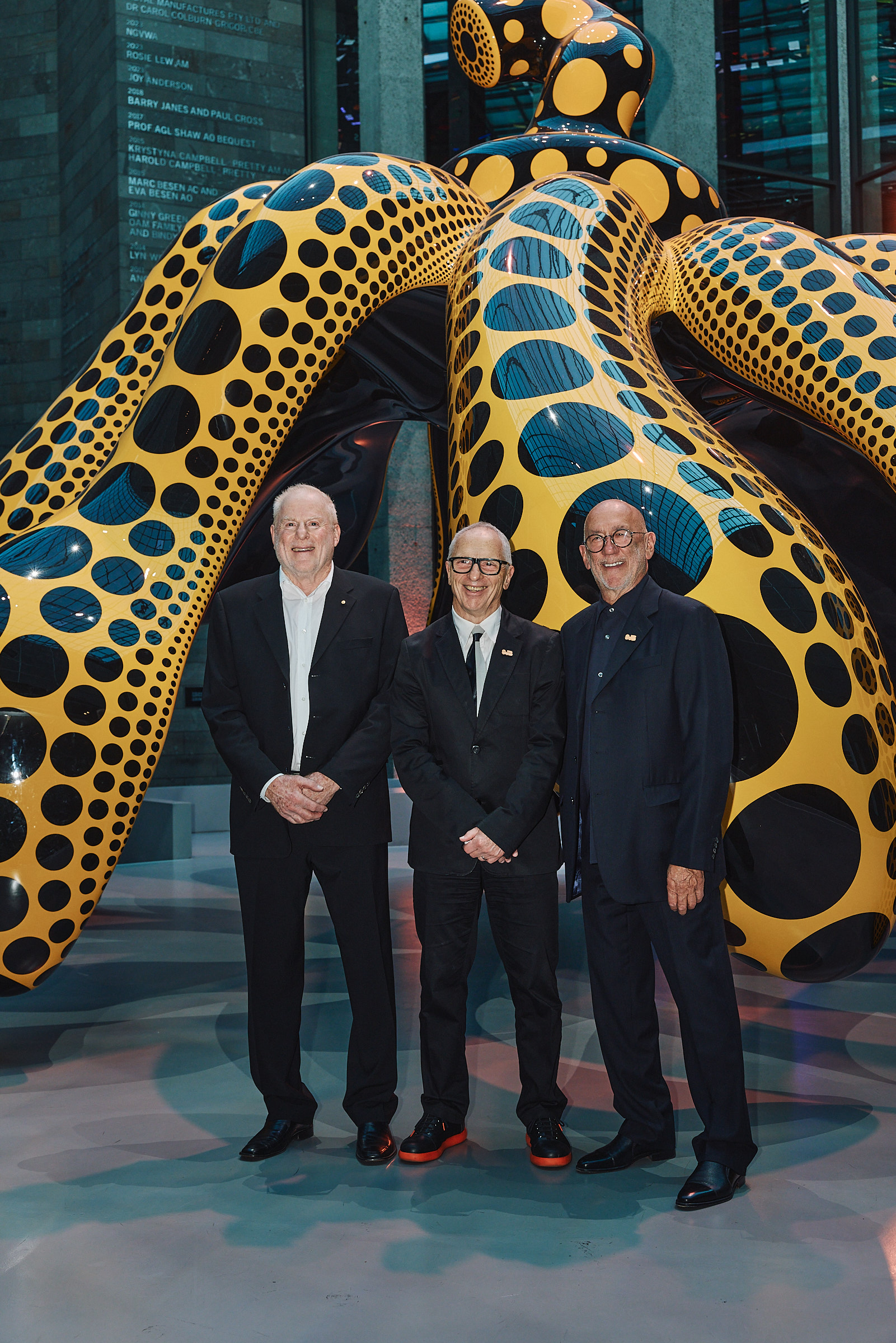
SJB in 2026 comprises over 200 architects, interior designers, urban designers and planners across its studios in Melbourne and Sydney. While Synman retired from the practice about a dozen years ago and now sits on various boards and committees, and Justin runs the wonderful Justin Art House Museum in Prahran with his wife Leah, the indefatigable Bialek is still working, shaping the practice’s approach and, importantly, mentoring emerging practitioners.
And it’s that next generation that are now being tasked with becoming industry leaders and setting SJB’s goals for the next 50 years. Last year, partner Adam Haddow was named as the National President of the Australian Institute of Architects. But he is not the only leader making a mark…
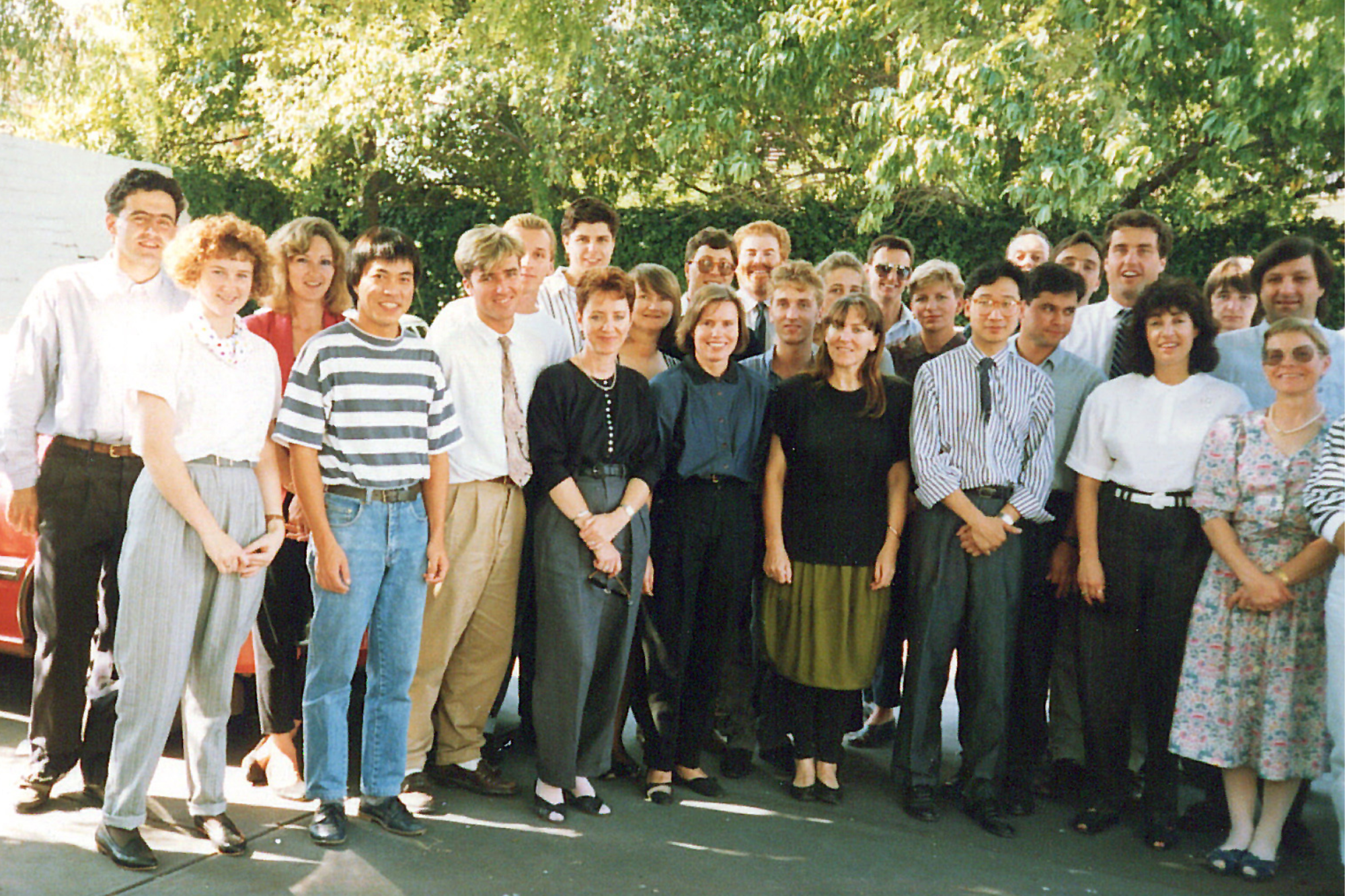
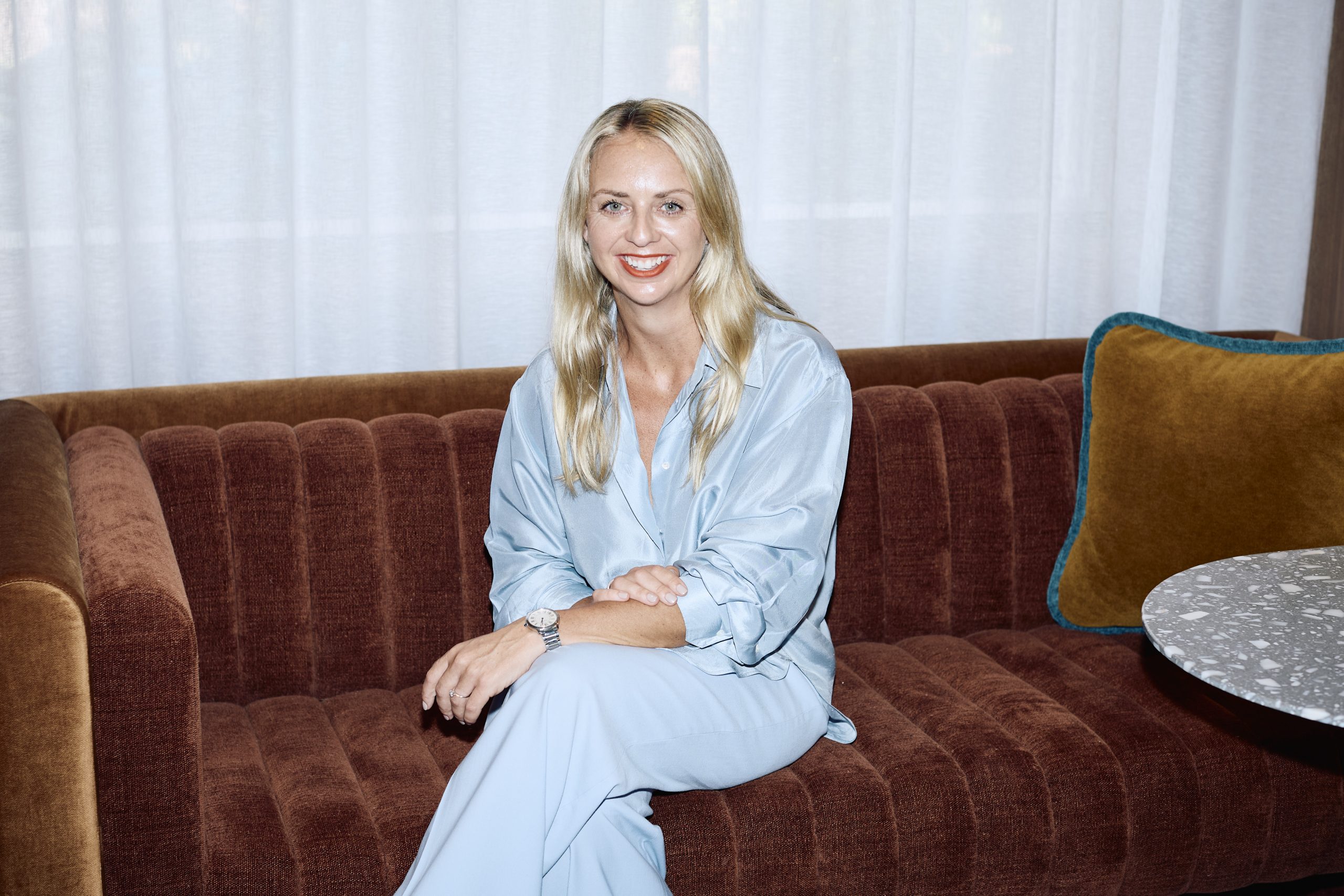
In 2025 SJB partner Emily Wombwell, who joined the practice in 2013, was one of three SJB staff appointed to the NSW State Design Review Panel, along with Frankie Layson and Jack Gillmer-Lilley. Meanwhile Beau Fulwood, who was the youngest person ever at SJB to be made an associate, recently marked 15 years with the practice and was promoted to director three years ago.
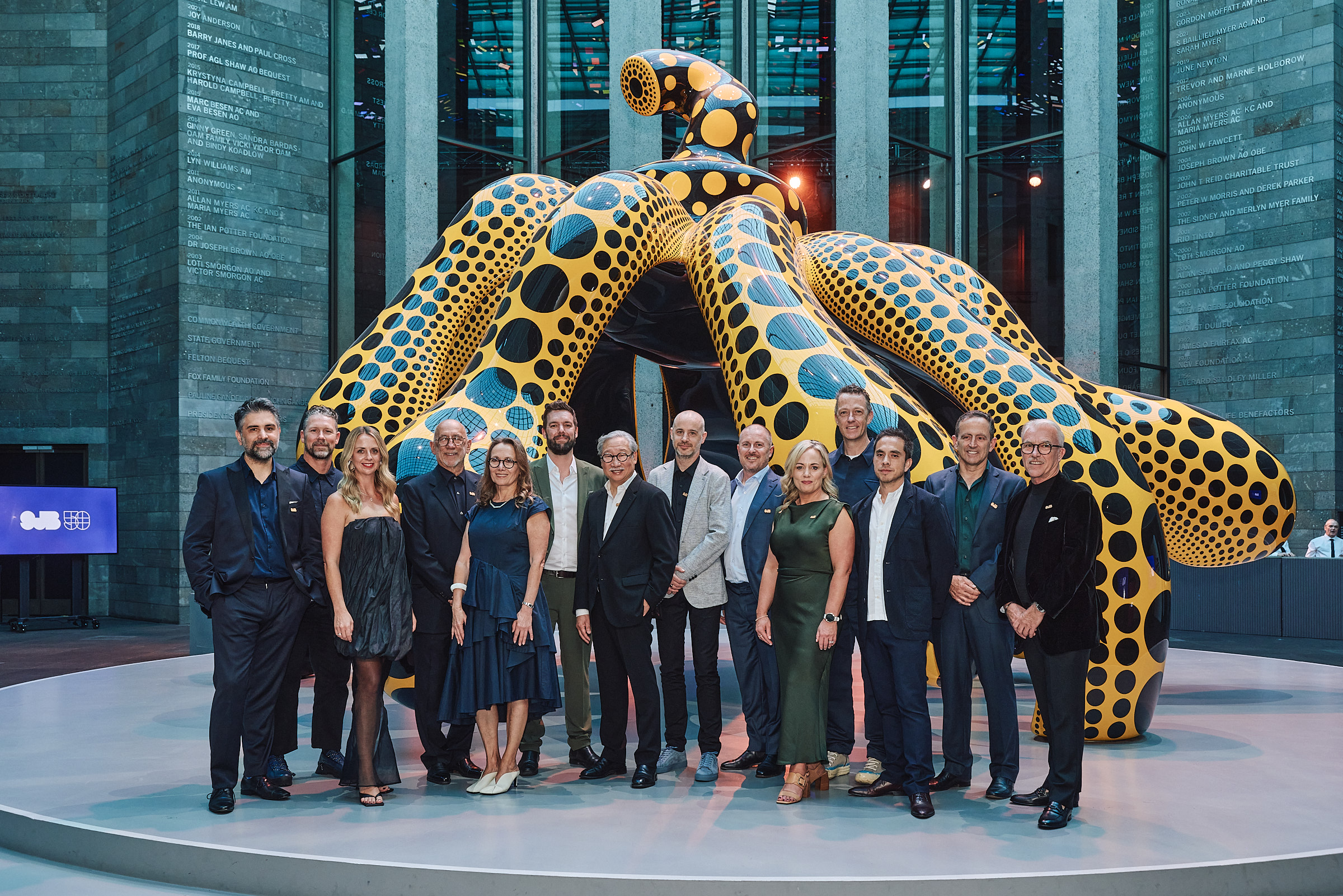
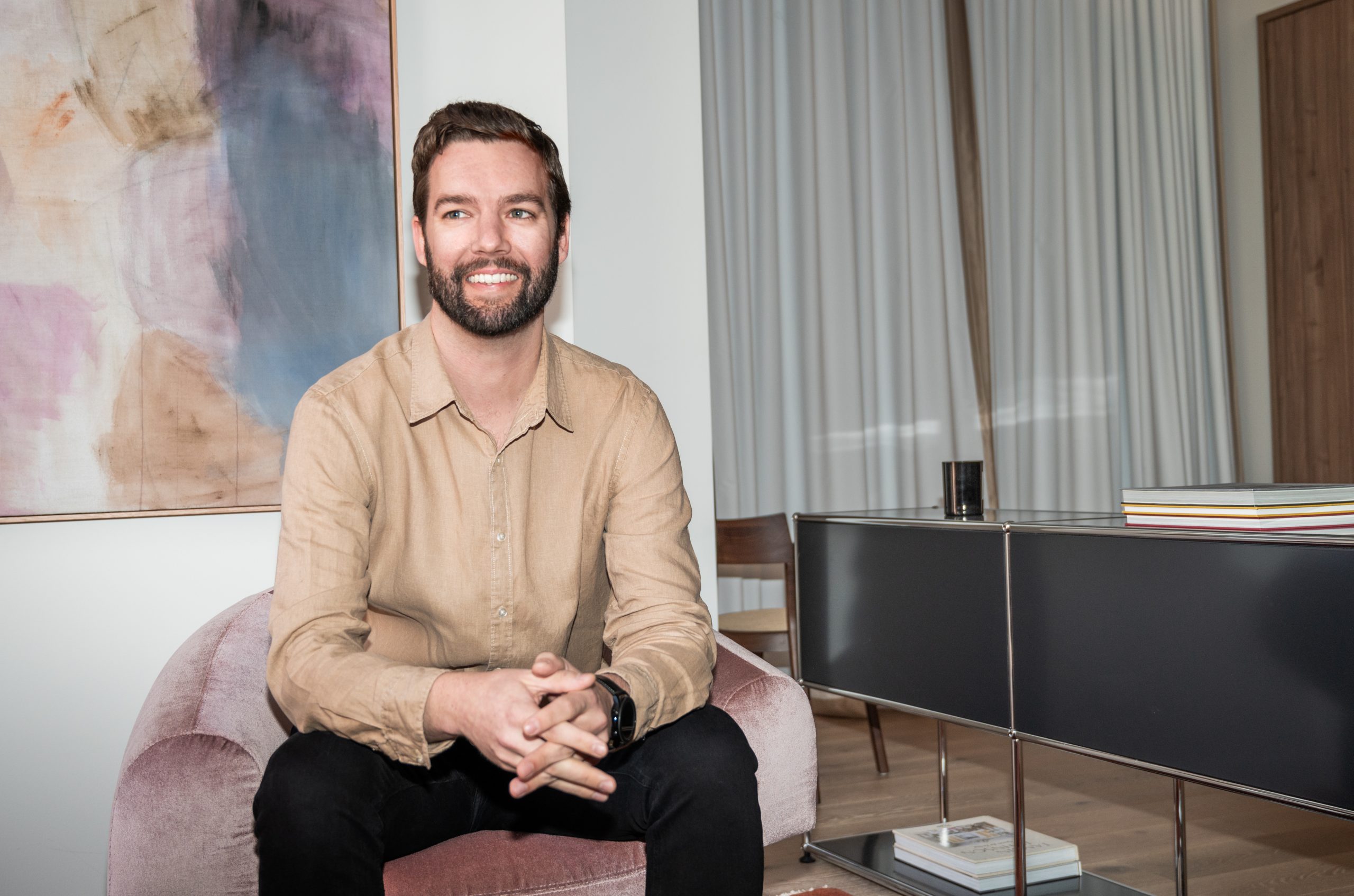
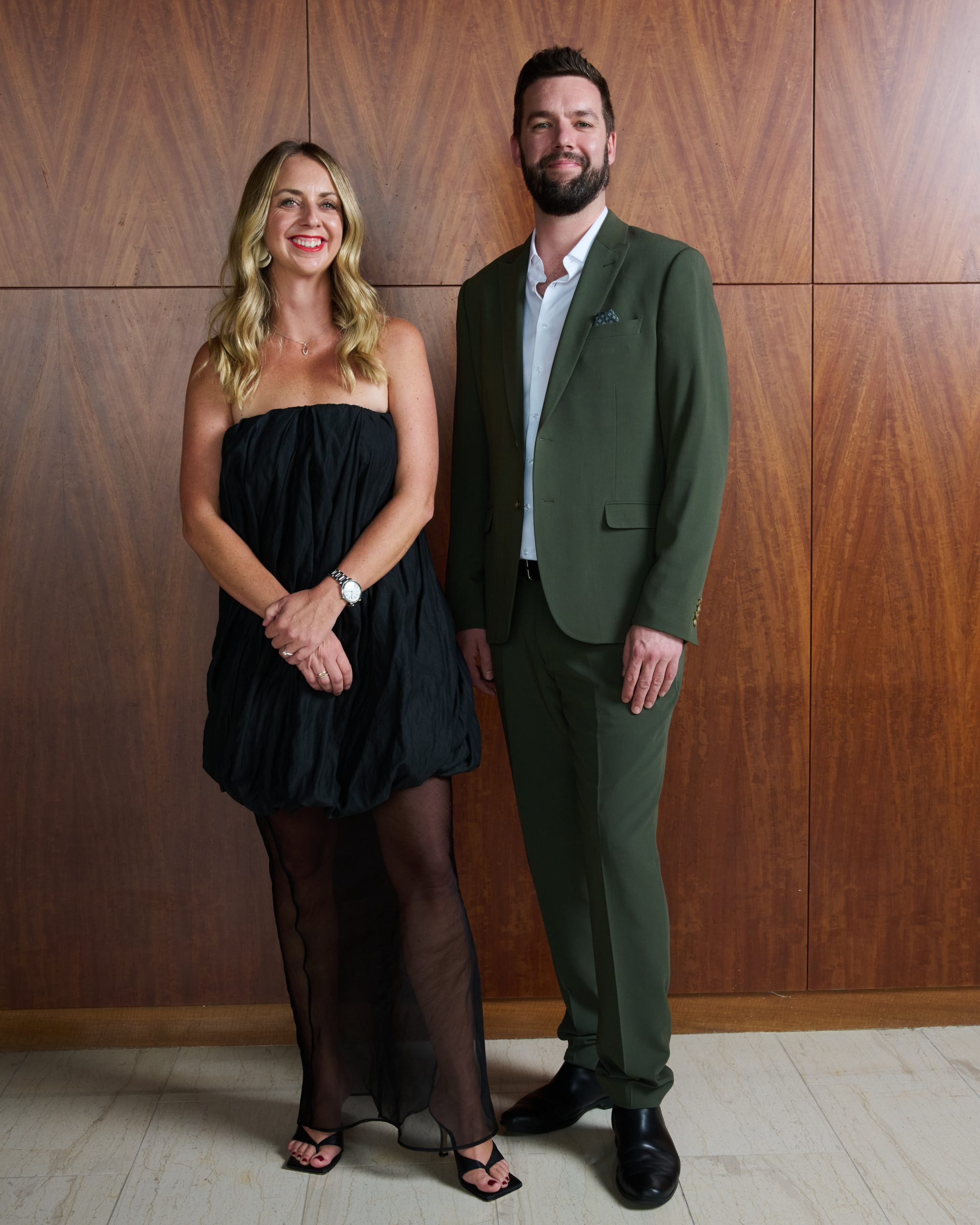
Here Wombwell and Fulwood speak to Australian Design Review about their careers so far, and their aspirations for SJB in the future:
ADR: What was it about the studio that made you want to join?
Emily Wombwell: I was lucky to be introduced to Adam Haddow by a former employer – they told me SJB was an interesting practice with young directors and a place I’d likely be able to have meaningful input on projects. I knew from that first meeting that SJB would be a special place to work.
Beau Fulwood: I was new to Melbourne and a friend who worked there got me an interview. I had inside knowledge that it was a great place to work – always a good sign! I got the job on the spot and cancelled the rest of my interviews.
Fifty years is quite the milestone, why do you think SJB has managed to not only survive but thrive and grow over that time?
EW: The founding directors have taken the responsibility of ensuring the business outlives their own careers seriously. This is a commitment and an attitude that continues with us. The growth of SJB has been in response to ensuring we can work on the diverse types of projects we want to be working on, with the clients we want to be working with – rather than growth for growth’s sake. There is also an agility in making strategic decisions and seeing them through with shared commitment from all directors. We have been shown how to acknowledge and lean into each other’s strengths rather than to compete.
BF: The practice has always focused on people. It has identified talented and passionate people quickly and has supported them in growing the practice sustainably over time. Not only in architecture, but helping start and grow the other complementary entities of Interiors, Urban and Planning in both Sydney and Melbourne. This has ingrained collaboration at the core of everything we do – we create better places and spaces when there is a diverse mix of experts at the table.
Can you talk about some recent kicked goals in which you were involved?
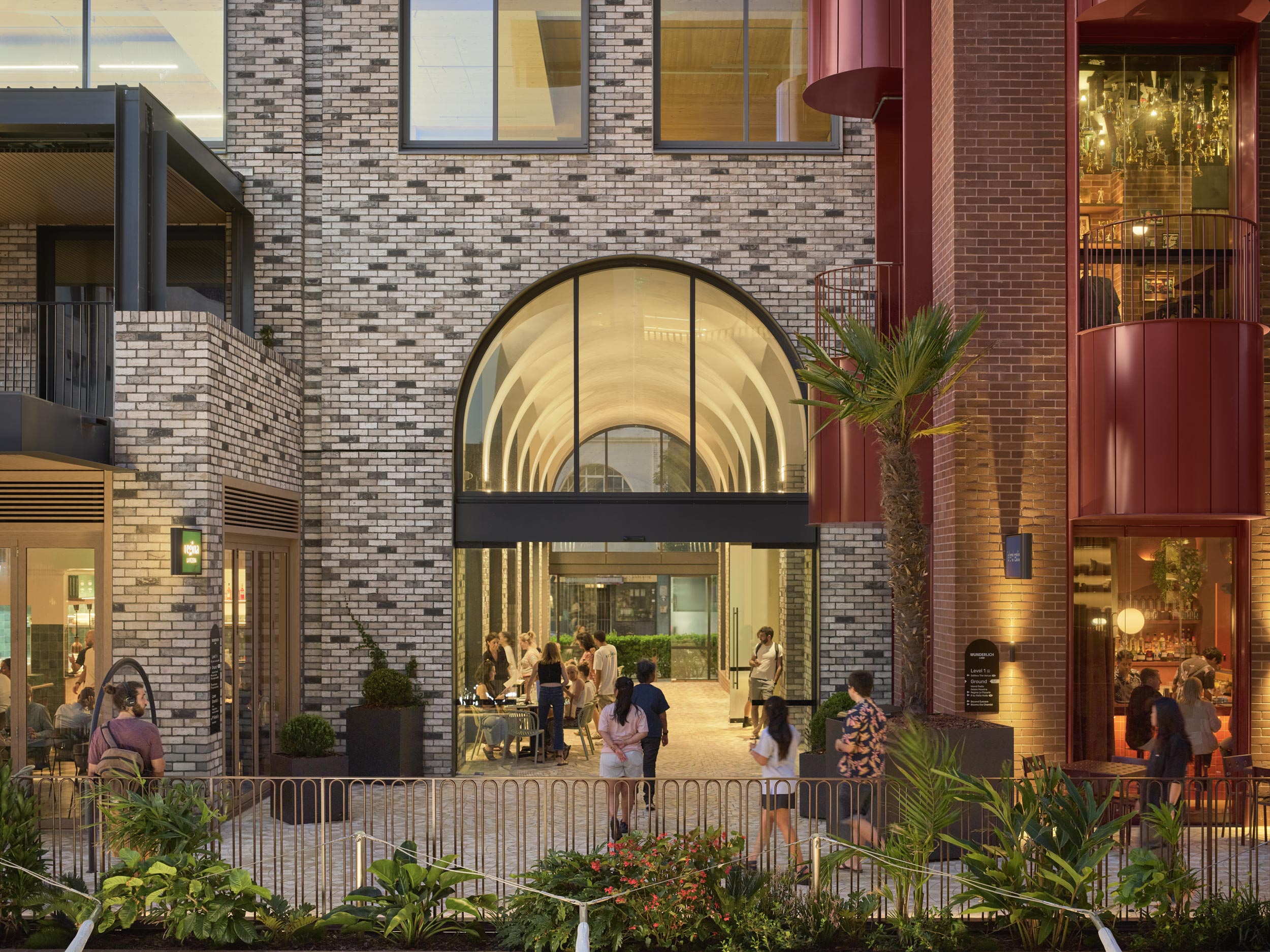
EW: Some of the most rewarding moments are seeing long-term projects finally become part of the city. I’ve been closely involved in several of our recent mixed-use precincts, including Surry Hills Village, which took many years to realise. Seeing these places come to life feels like a physical expression of the collective growth of the team over time.
More recently, securing major new projects has been another exciting step. It’s an opportunity to apply what we’ve learned from completed places and push that thinking further.
Alongside project work, a personal milestone has been Perspectives, a talk series I co-founded with support from SJB, which reaches its 10-year mark in June. It’s been a valuable way to bring people together, build networks and support others in the industry.
And, more broadly, being selected to join the NSW State Design Review Panel alongside two other SJB colleagues has also been exciting. It’s a meaningful way for us to contribute to the quality of design in our cities and reflects the role we try to play in the industry beyond our own projects.
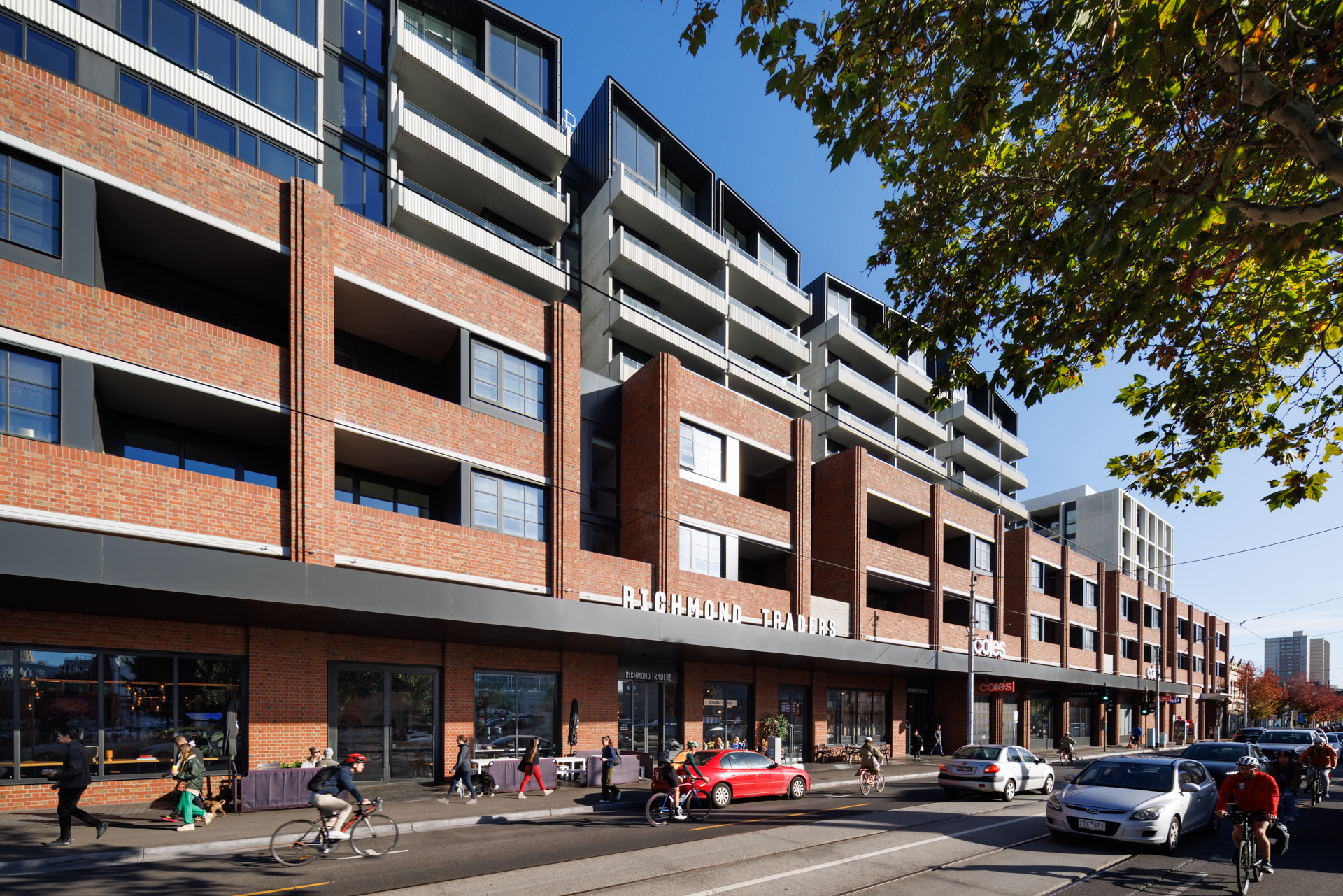
BF: Stepping up as a director at the start of 2023, coming out of COVID-19 and grappling with spiralling construction costs, rising interest rates and a dampened market here in Melbourne was a challenge. Taking on a responsibility for securing new projects, we looked to diversify into complementary typologies, leveraging our experience in the Living sector. Now we are delivering projects in BTR (build-to-rent), seniors living, hotels, social housing and student housing – further to the traditional housing models we were known for.
Seeing these new types of projects start construction and developing relationships with long-term clients in the role as a leader at SJB has been a real highlight.
What was it about each of those projects that made them stand out for you?
EW: Some of these projects span close to 10 years, which is a long time in anyone’s life. When you look back, it’s interesting to realise how much personal change sits alongside that professional journey. In the time some of these projects have taken, I’ve had two children and moved through similar life stages as many of our clients and colleagues. Sharing that passage of time naturally builds trust and understanding. It makes the work feel more meaningful and often leads to relationships that continue well beyond a single project.
BF: Seeing how my experience in designing and delivering homes in the BTS (build-to-sell) market has translated into such a diverse range of new housing typologies. In particular how the challenges in one, translate to opportunities in another.
Social housing has been particularly rewarding – tight budgets, yet the quality and longevity expectations are exceptionally high. It’s really doing more with less. This has honed my approach to design decisions and materiality choices across all projects – creating more intentional and authentic outcomes.
How does SJB quantify success today?
EW: We don’t spend a lot of time stopping to measure success. A milestone like the 50th anniversary has prompted some reflection and pride across the group – 50 years of continued practice is a significant marker of success. But a lot of our focus is on what comes next. Success is leading a practice our people are proud to be part of, where meaningful careers can grow and where we continue to positively contribute to the cities and towns we work in. Just as importantly, it means our clients feel proud of the places we create together and that we’ve built lasting relationships with the broader team. At its simplest, success is enjoying the work.
BF: The sustainability of the practice is still one of the most important measures of success – after 50 years we are still here and going strong. The team is still energised and proud of our contribution to the built environment, with no signs of that diminishing.
Both of you are among the new generation taking over the leadership reins at SJB. What do you think the next cohort brings to studios today?
EW: In many ways we bring continuity to the values and attitudes that SJB has been built on. We’ve been fortunate to work closely with the founding directors for many years, so there’s a strong sense of carrying those principles forward.
At the same time, each generation brings its own perspectives and experiences. Combined with the wisdom of those who still work alongside us, that mix of continuity and new thinking hopefully positions us well to navigate whatever challenges and opportunities lie ahead.
BF: New perspectives and experiences that keep a studio fresh and relevant. We have the benefit of most of our careers built within SJB, so we have a strong sense of the values and vision of the practice, but will naturally approach challenges differently.
As the environment is very different today, is there anything the founders did that you think you will do differently?
EW: We won’t have a choice but to do some things differently as the industry shifts around us, but it’s hard to know what that is yet. What I think we will do the same is to focus on strong relationships with each other and with clients and to practise with generosity.
BF: I’m sure there will be – the challenges today are very different to 50 years ago. What we will do differently? We will wait and see!
What do you think the A+D landscape will look like in the next five to 10 years?

EW: I think the level of impact our industry will have depends on our ability to share the value of design with a bigger and more powerful audience. We will also need to keep up with technology to expand our modes of communication to stay relevant in shaping the built environment. The human experience of the design process may be where we differentiate ourselves.
BF: AI will have a huge impact on our industry – it already has. With the race to integrate AI into how we design, communicate and document, there will be a real value in authenticity and the human hand. Hopefully AI improves productivity and frees us up from the administration of architecture, leaving more time to create and explore design.
And what about SJB – how do you envision the studio evolving over that period?
EW: Our evolution will ultimately depend on our people. We try to support the kind of work individuals are genuinely passionate about, because that’s when people do their best work. Giving people a level of autonomy encourages commitment to the outcome and a real sense of ownership in what we create together. It also means the direction of the studio continues to be shaped by the interests and energy of the people within it. Who knows where the next cohort might take us?
BF: I see SJB embracing a more diverse range of design industry experts, in addition to the traditional degree-based architect or interior designer. Experts in AI, placemaking, event curation, designing with Country, community engagement to name just a few. Design and how we approach it will only benefit from collaboration and a diverse set of voices.
You Might also Like
Related Stories

© Niche Media 2026