

The beauty of simplicity: Celebrating 30 years of Halliday + Baillie hardware

Share
From European imports to locally crafted architectural hardware, Halliday + Baillie’s three-decade journey has been driven by design excellence, precision manufacturing and an unflinching commitment to quality.
The story begins in the mid-1990s when founder Marcus Halliday was building his own home and searching for door handles that met his expectations of refinement and performance.
Struggling to find options locally, he discovered FSB in Germany, a company celebrated for its precision-engineered hardware. Introducing these handles to architects and designers across New Zealand quickly revealed a gap in the market. Halliday + Baillie was established to deliver world-class hardware to the region.
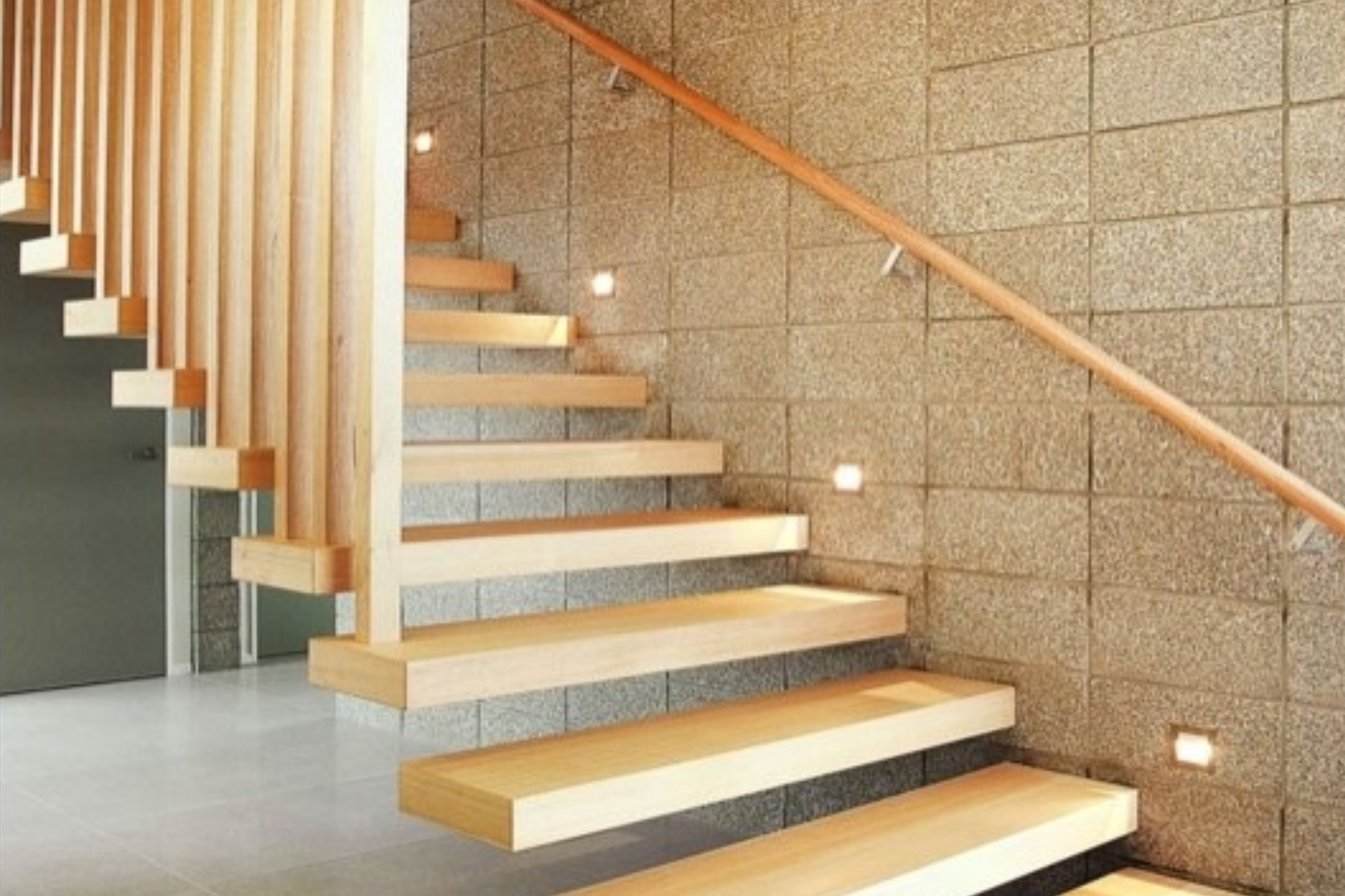
Importing premium European handles was only the beginning. Within five years, Halliday + Baillie launched its first in-house design, the HB500 stair rail bracket. Its simplicity and elegance captured the brand’s ethos, and remarkably, it remains in production today. From this modest start, the company grew into a trusted partner for architects, designers, builders, fabricators and homeowners offering solutions from sliding door systems to brackets and locks.
What has remained constant throughout is an insistence on quality. As Halliday notes, “Handles are touched thousands of times over their life, so durability and feel are just as important as design.” His philosophy is clear: if a product looks good but fails in the hand, it has failed entirely.
Designed and made locally
A turning point came when the company decided to stop relying solely on imports and instead design and manufacture its own products locally. Today, more than 90 percent of Halliday + Baillie’s products are produced in New Zealand and Australia. This decision strengthens control over quality, allowing the company to tailor its hardware to the needs of the local market.
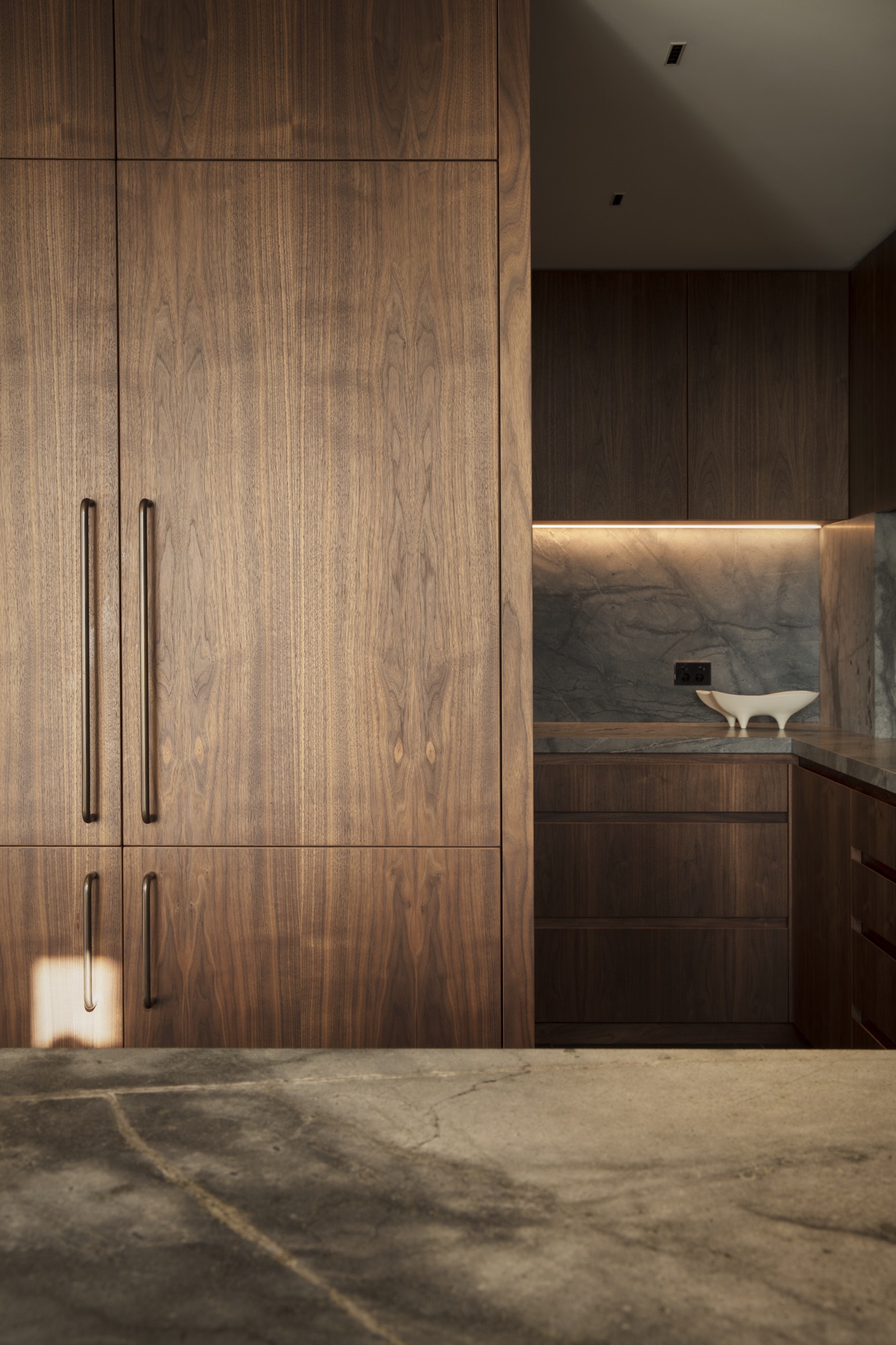
“Manufacturing locally means we have more control over quality. Smaller production runs allow us to continually improve designs and provide flexibility with finishes,” explains director Tanya Rive.
This localised approach has also carried an economic and cultural benefit that Rive says “keeps production close to home” and supports local jobs at a time when manufacturing is too often shifting offshore. “We’re immensely proud to bring manufacturing to this side of the world because it employs people,” she adds. “It’s really important. More and more manufacturing is leaving our shores, and we need to bring some back in. And we’re one of those companies that are doing it.”
Built for performance, made to last
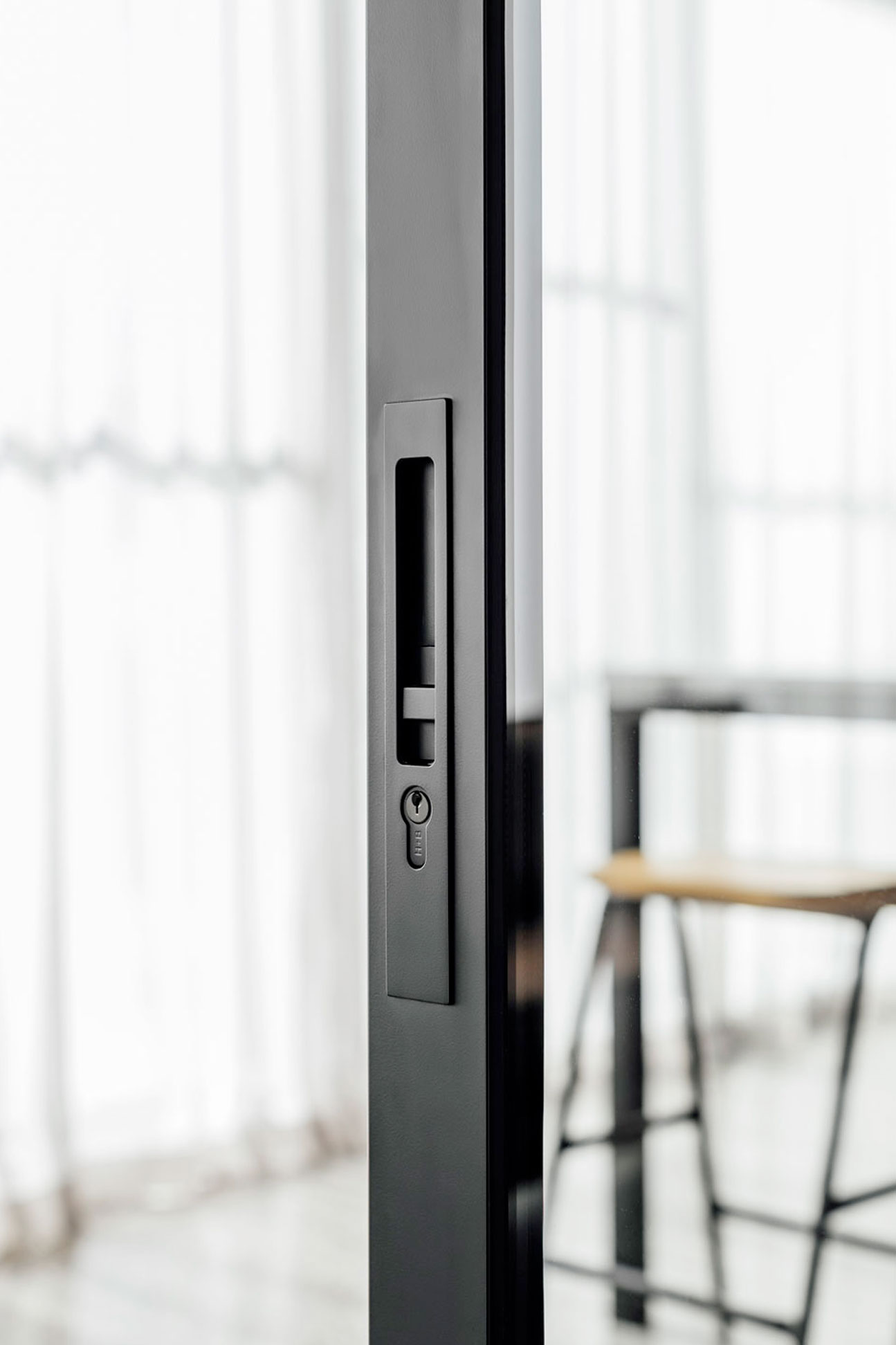
Every product that carries the Halliday + Baillie name is designed to meet exacting standards. Their electroplated and powder coat finishes are salt-spray tested for up to 1000 hours. Lock sets are tested to half a million cycles, and roller locks are proven over 80,000 cycles. Even stair brackets meet or exceed the strict requirements of both Australian and New Zealand codes, as well as the International Building Code.
Equally important is the balance between aesthetics and usability. “What makes a product timeless is simplicity,” Halliday says. “Simplicity is quite hard to get right because you can’t disguise it. It’s got to slide right and feel good in the hand. Functionality is the key.”
That pursuit of simplicity and function has guided the company for three decades, ensuring its products remain relevant to architects specifying high-end residential, hospitality and commercial projects around the world. Halliday + Baillie hardware can now be found in luxury hotels across Asia, the Middle East and Europe, even gracing superyachts built in Northern Europe and Italy.
Thirty years on, the company’s ethos remains steady. Every piece is designed with care, built with precision and tailored for the environments of Australia and New Zealand. The future may bring new designs and export markets, but the foundation will always rest on simplicity, performance and craftsmanship.
Explore the full collection of Halliday + Baillie hardware and experience three decades of dedication to enduring design.
Images supplied
You Might also Like

Related Stories

© Niche Media 2026