

Felicity Bernstein named sustainability judge of IDEA 2026
Felicity Bernstein named sustainability judge of IDEA 2026

Share
Melbourne Design Studios co-founder Felicity Bernstein will take up the specialist position of sustainability judge at the 2026 Interior Design Excellence Awards (IDEA).
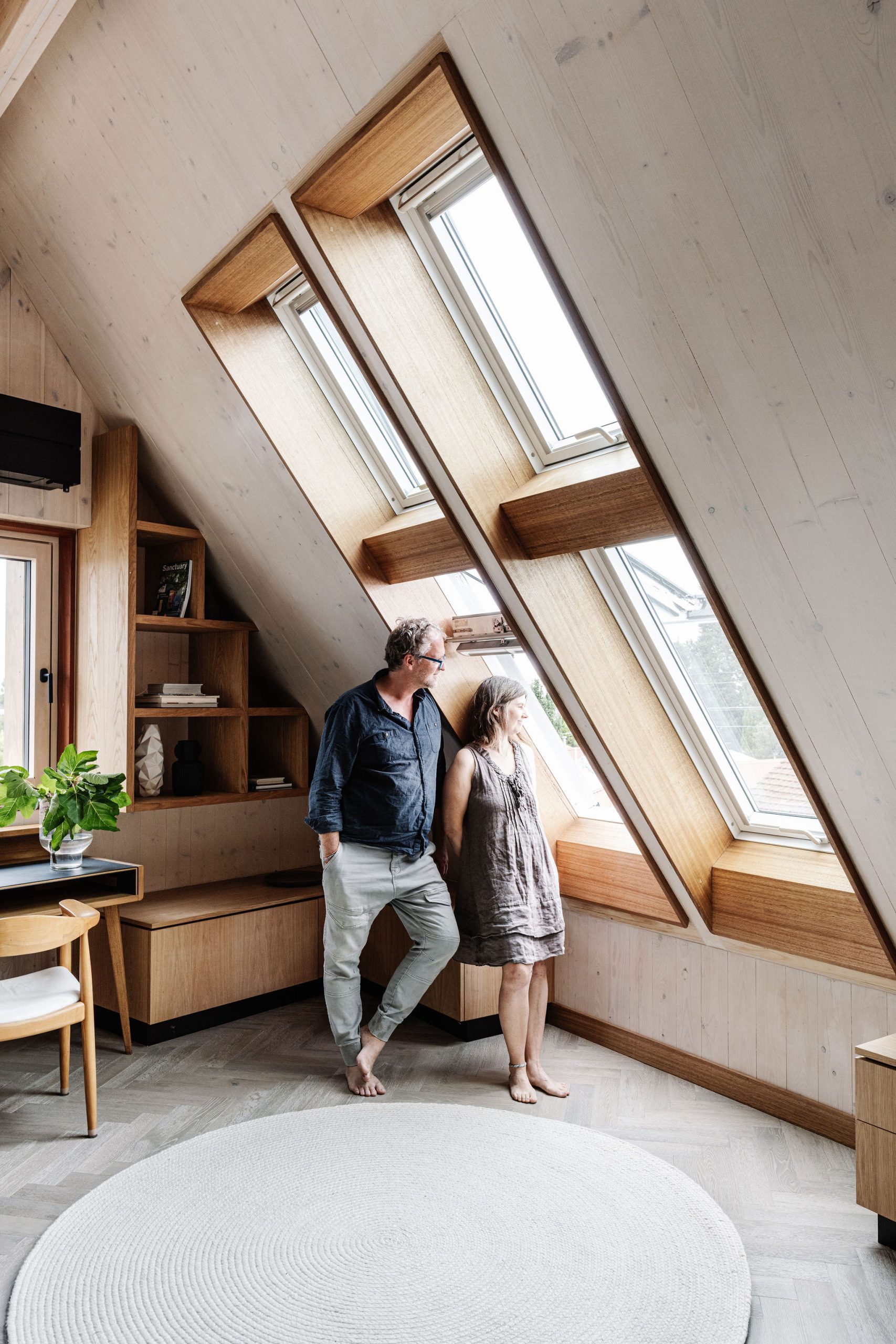
Bernstein has long been an enthusiastic proponent of sustainable architecture. She says she was lucky to “dive in from day one”, undertaking her degree in Germany in the 1990s, during the infancy of her home country’s Passivhaus movement. There, she learned the science, biophysics and construction details underlying highly energy efficient and thermally comfortable design.
She and her partner Marc Bernstein eventually relocated to Australia in 2007 and established their own purpose-driven residential and commercial practice, Melbourne Design Studios (MDS), in 2011. Having decided only one partner needed to undertake the costly and time-consuming registration process, he became the practice architect, while she leads interior design and project management.
“That’s really my love child,” Bernstein says of interior design. “For me, that’s a really important part of the architecture because if you have a beautiful home and it looks like a sculpture, but you don’t want to be in there because it doesn’t feel welcoming and relaxing, then there’s a real missed opportunity.”
For people and planet
How people feel in their environments has always been a primary concern for MDS. What followed was a discovery that non-toxic, long-lifespan materials don’t just support human wellbeing. “Usually, if we design something that is inherently really healthy, very human-centred and really good in supporting a person’s lifestyle and wellness, that nearly automatically becomes good for the planet,” she says. The opposite also applies: “It can only be good for a person if we also look at the environmental impact [first].”
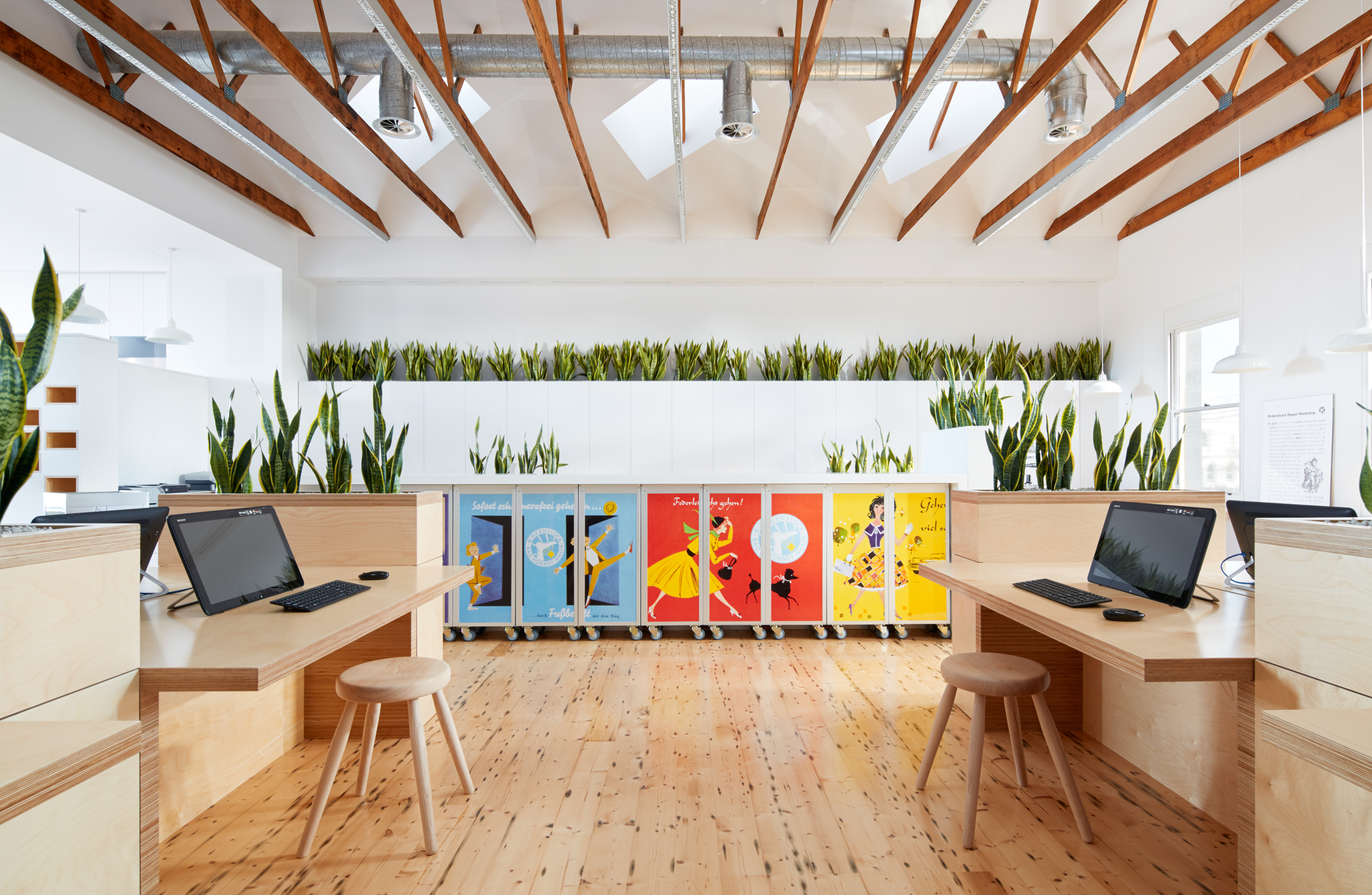
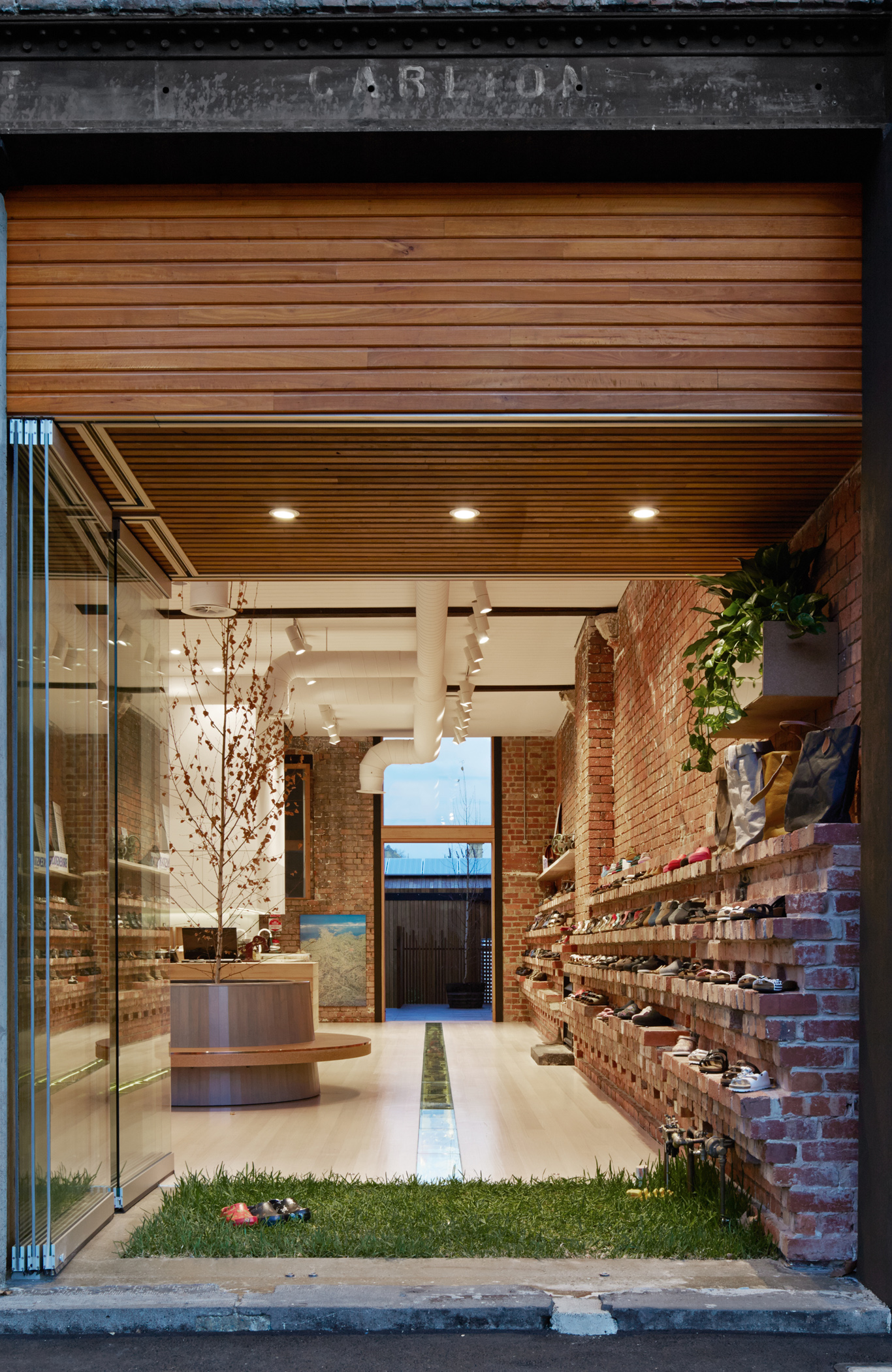
Among MDS’s early projects were the low-carbon headquarters for Birkenstock Australia in Clifton Hill, Melbourne. Completed in 2013, the site combined a retail front, upstairs offices, warehouse packing facilities and a shoe repair workshop in the garden. The project earned MDS the IDEA 2014 Workplace Under 1000sqm category award, the same year the practice was shortlisted for Emerging Designer of the Year.
“It’s now nearly 15 years old and it’s still pretty similar to what we created,” Bernstein says. She reveals that Birkenstock only recently outgrew this HQ and will be relocating to a new MDS-designed space in Carlton this year.
Hütt 01: Passivhaus
As MDS evolved, the Bernsteins wanted to extend their impact. Aware of the escalating climate emergency, they started to imagine the house of the future – one that was not only life-affirming, but also absorbed more carbon than it produced.
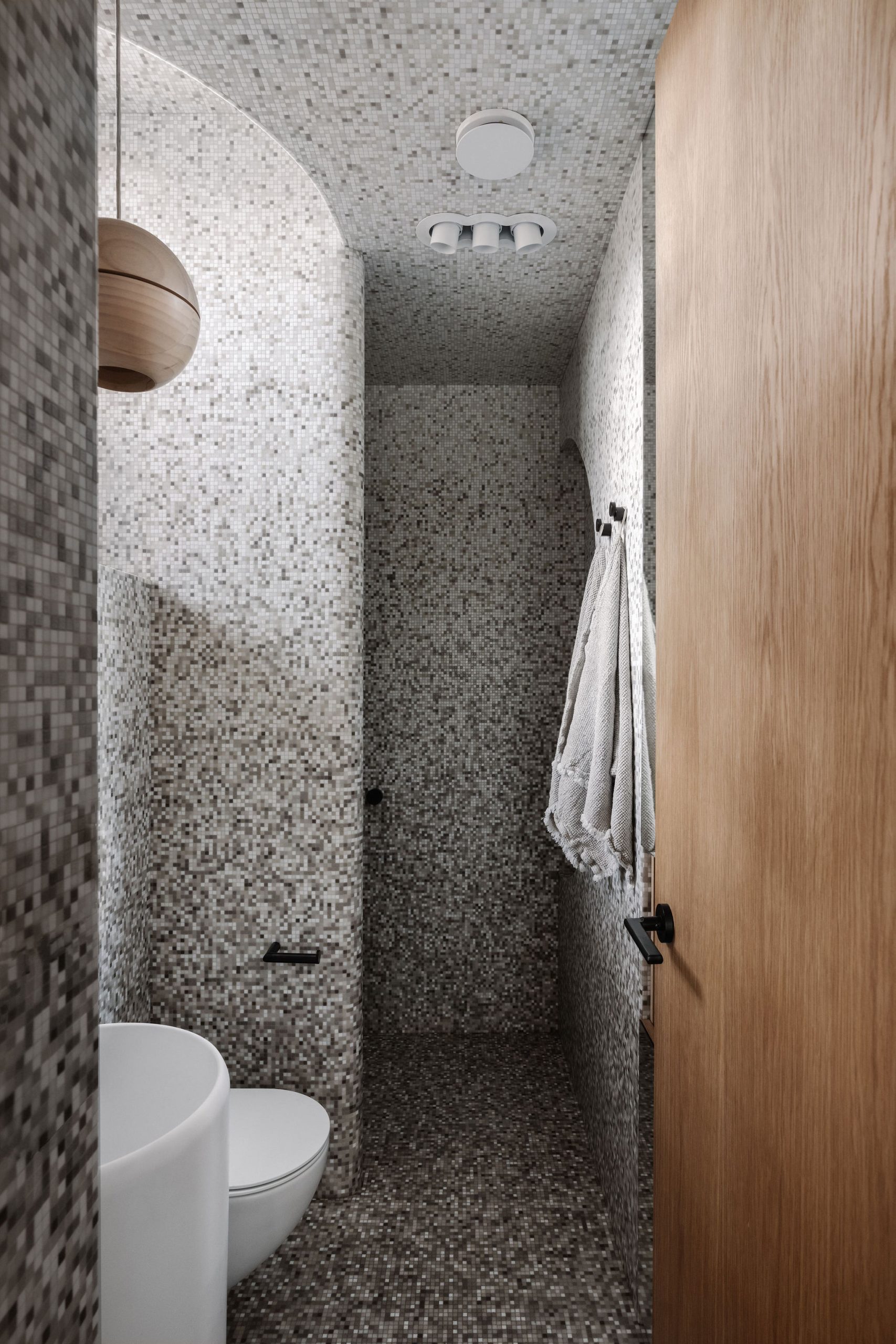
The Bernsteins’ own home became their pilot project. Built on a narrow, wedge-shaped site in Coburg in 2021, the three-storey, carbon-zero residence for the couple and their three children features 90 percent natural materials across its internal surfaces, with luxury fittings and fixtures.
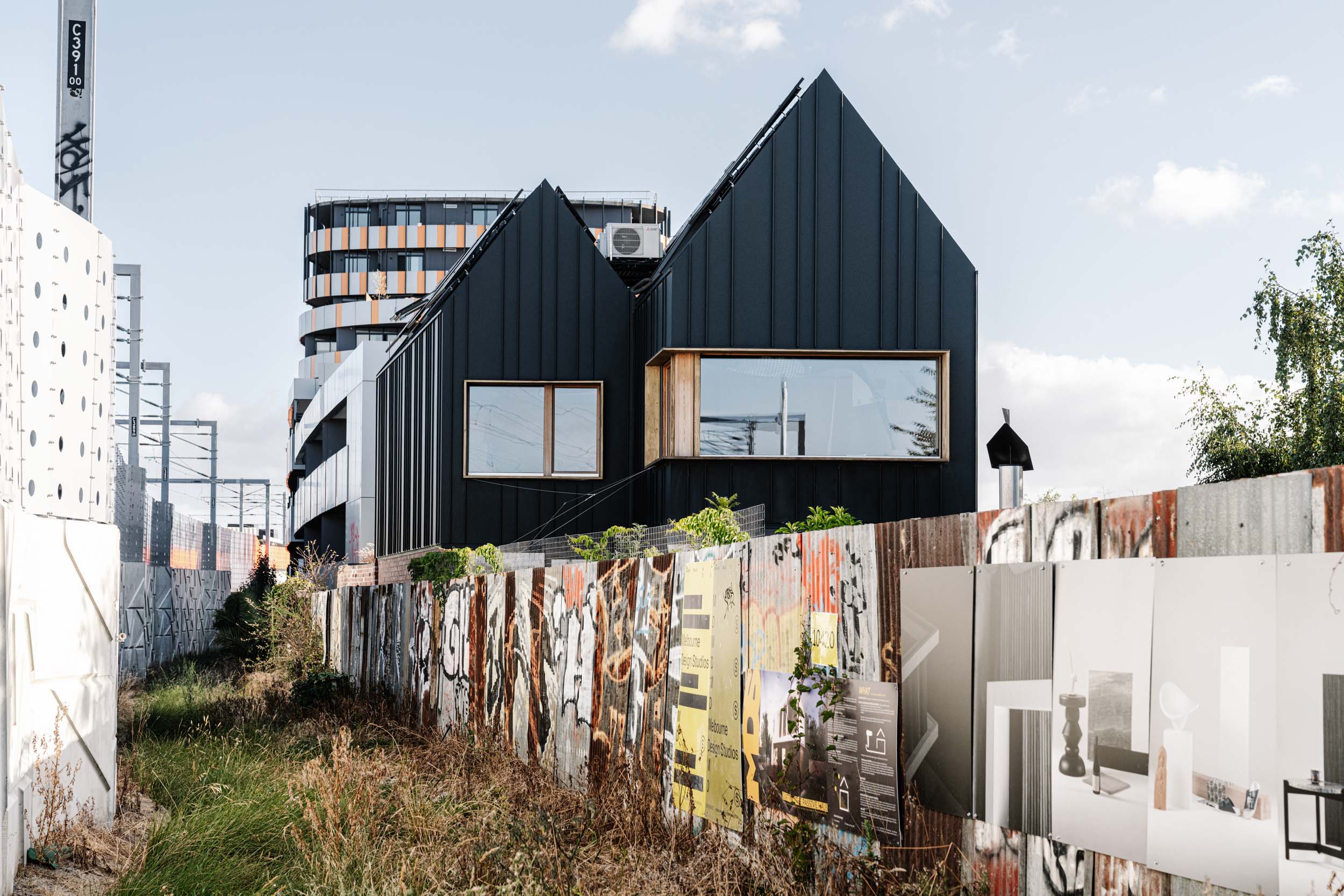
‘Hütt 01: Passivhaus’ does not require heating or cooling most of the year. It achieved an A++ rating on the LETI scale and a Passivhaus Premium certification, which the Australian Passivhaus Association calls “the epitome of sustainable construction”. Buildings that reach this certification go beyond the typical net-zero goal into net-positive energy generation.
Hütt 01 hoovered up the sustainable architecture awards and nominations in the period following, including the IDEA Sustainability award in 2022. The project was initially intended as a prototype for more Hütts, but MDS has since switched gears. This year, the studio plans to release a new platform – Arkiterra – sharing design principles, detailing and materials, as well as where to find them, with designers, builders and homeowners, leaving “nothing behind a closed gate”.
“There are only so many houses that we can personally build,” says Bernstein. “We will have a much bigger impact if we teach what we know to everyone else, then everyone can help.”
Bernstein’s knowledge and accolades are impressive – intimidating, maybe, for any designer who may be seeking to submit their project into the sustainability category for her appraisal this year. But she’s very sympathetic to the challenges of sustainable design.
“It’s hard,” she says. “It’s an overwhelming field to navigate… a constant learning process, but I think it’s good if we try the best that we can.”
Sustainable design and beyond
‘Sustainability’ can be a fraught word for designers, marred by overuse and greenwashing. Bernstein includes herself among this cohort.
“What it says is we’re doing a little bit less harm,” Bernstein says. “And I find, from the outset, that’s not a great starting point.”
She says designers should aim to do no harm or to “do better”, making good for the damage already done.
“That should be the goal,” she says. “And, of course, not everyone gets all the way… Everyone is welcome to do as much as they possibly can. And for some that’s a lot and for others it’s a little bit less. Everything counts.”
She offers her own four ‘core pillars’ as guidance.
Pillar one: a long-term mentality
Bernstein’s first pillar of responsible interior design is to design spaces that work for people now and into the future – that they aren’t likely to want to rip out and start over.
“It should be purpose-driven, it should be flexible and it should be timeless,” she says.
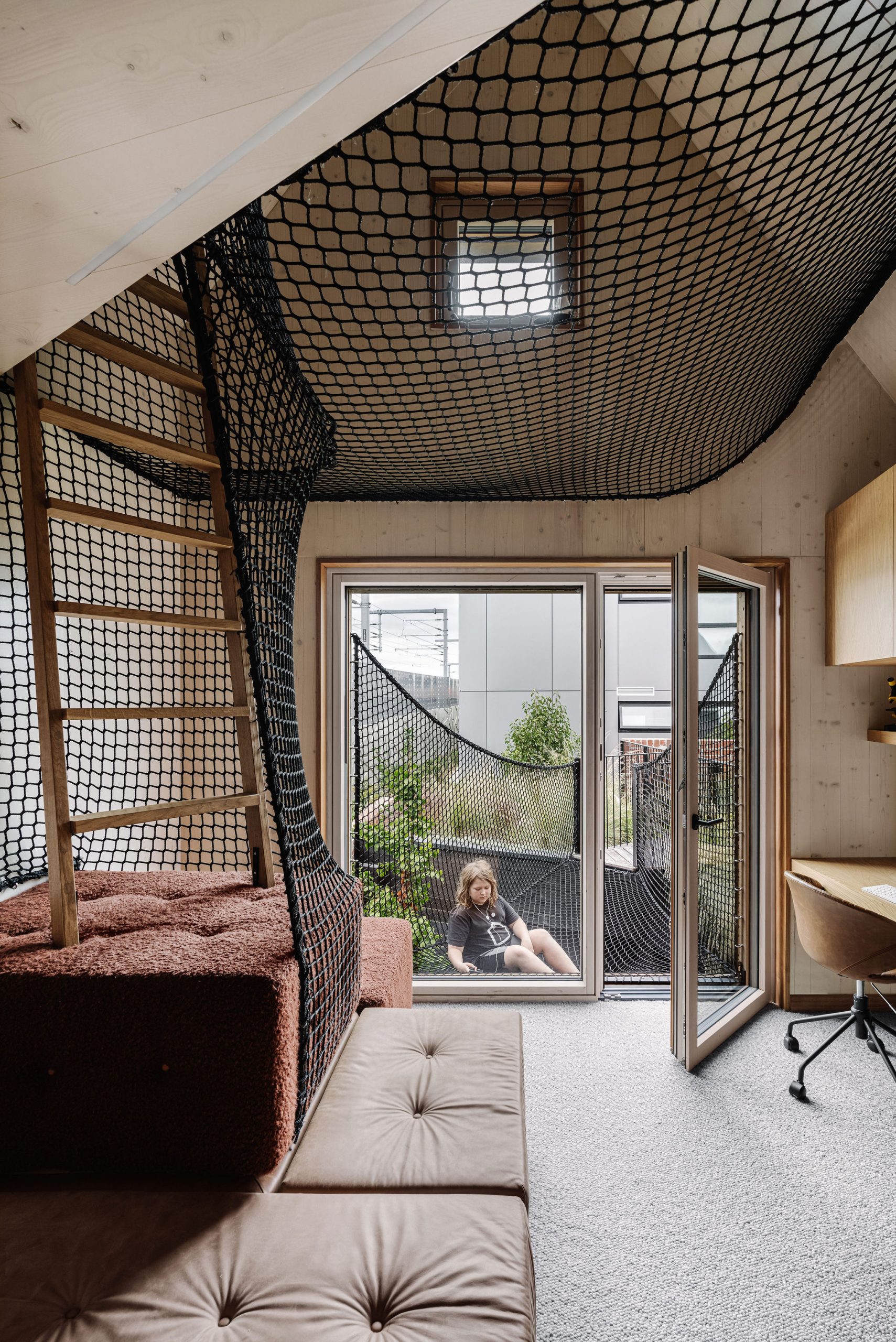
Hütt 01 was designed to cater to children, teenagers, parents and, eventually, older empty-nesters. “Those were the parameters that we wanted to fulfil so that we didn’t have to move,” she says.
Pillar two: materiality
The second pillar is materiality. “Again, if we take materials and craftsmanship that are made to last, then there’s less chance that we have to redo it,” Bernstein says. “Every time we redo something, it obviously has a carbon footprint attached to it, so we want it to last for a long time.”
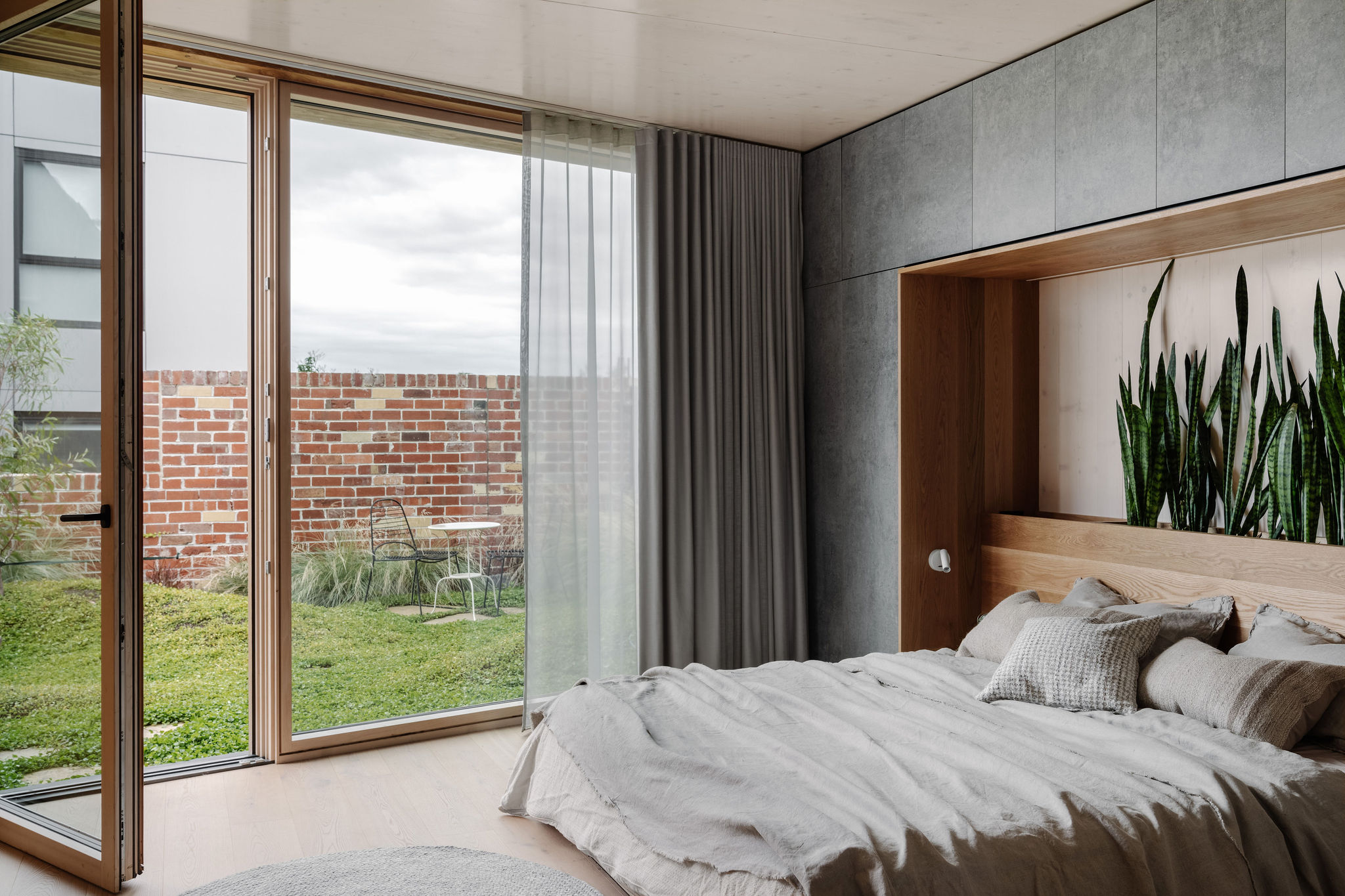
Toxicity and recyclability also matter. “For me, the easy cheat code is usually if it’s a natural material, I probably want a lot [of it] because it’s usually non-toxic and usually can be recycled or is biodegradable,” she says.
A material’s own carbon footprint is also a key consideration. This begins at the product design process, and follows through to transportation and recyclability at end of life.
“If you have a product that comes within 80 kilometres from where your site or your project is, that is obviously the best thing you can do,” she says. “Then, local is better, but don’t discard innovative imported materials with a low-carbon footprint either. It’s a very little known fact that a container coming on a truck from Canberra to Melbourne has a higher carbon footprint than a container coming by ship from Europe to Melbourne.”
Pillar three: biogenic carbon
Bernstein notes that a product’s biogenic carbon footprint (i.e. the carbon it absorbs) is also worth considering. However, this measurement is divisive in the industry. “Some people say, ‘no, you cannot count it’,” Bernstein explains. “I think we should count it and in Europe that’s the standard.”
She points to timber as one example: “Timber absorbs carbon over its lifetime and stores it. As long as you reuse that timber and don’t compost it or burn it, this carbon will be captured.”
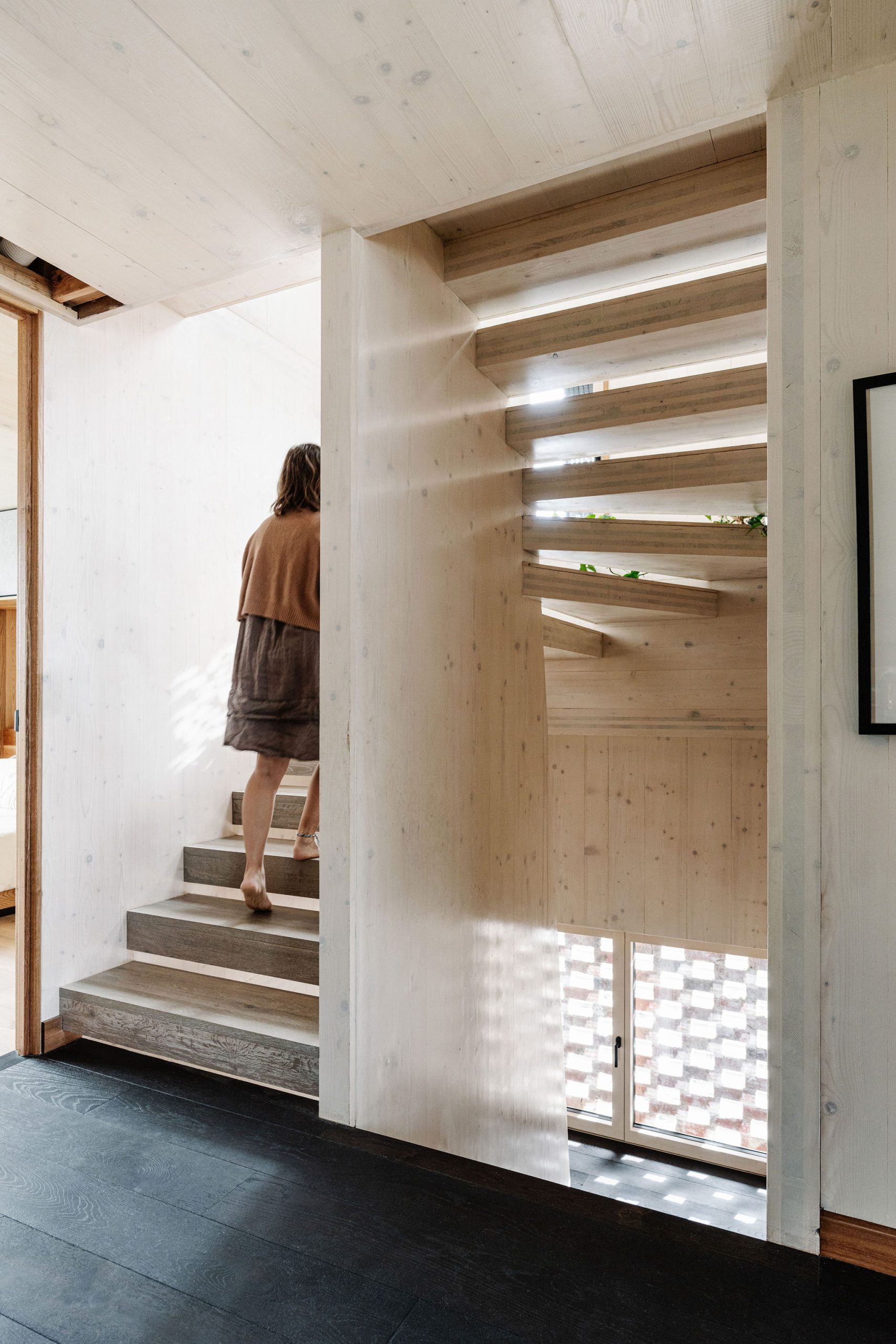
There’s a caveat: “As long as you take timber that comes from ethically or sustainably forested plantations, it’s a good thing because that means that they replant more than they take,” she says.
Pillar four: ethical production
“The last one for me is to look at the ethical component. Where does the building material or product come from?” Bernstein says. “I do want to ideally get it from a source where people get fairly paid and it doesn’t come from an unsafe environment.”
She says labels and certifications are the easiest way to assess manufacturing ethics; however, this mostly applies to large companies who can afford them.
“Sometimes if you have smaller manufacturers, especially if you look at interior products, they may not have the money to do the certification and it doesn’t mean the product is bad,” Bernstein says. Once designers start asking questions, responsible design can be “much more interesting” and inspiring.
What projects impress Felicity Bernstein?
Although not among her primary pillars, biophilic design remains important to Bernstein because of its positive impact on people. The projects that really excite her are ones that resist shortcuts, showing “deeper purpose and meaning”.
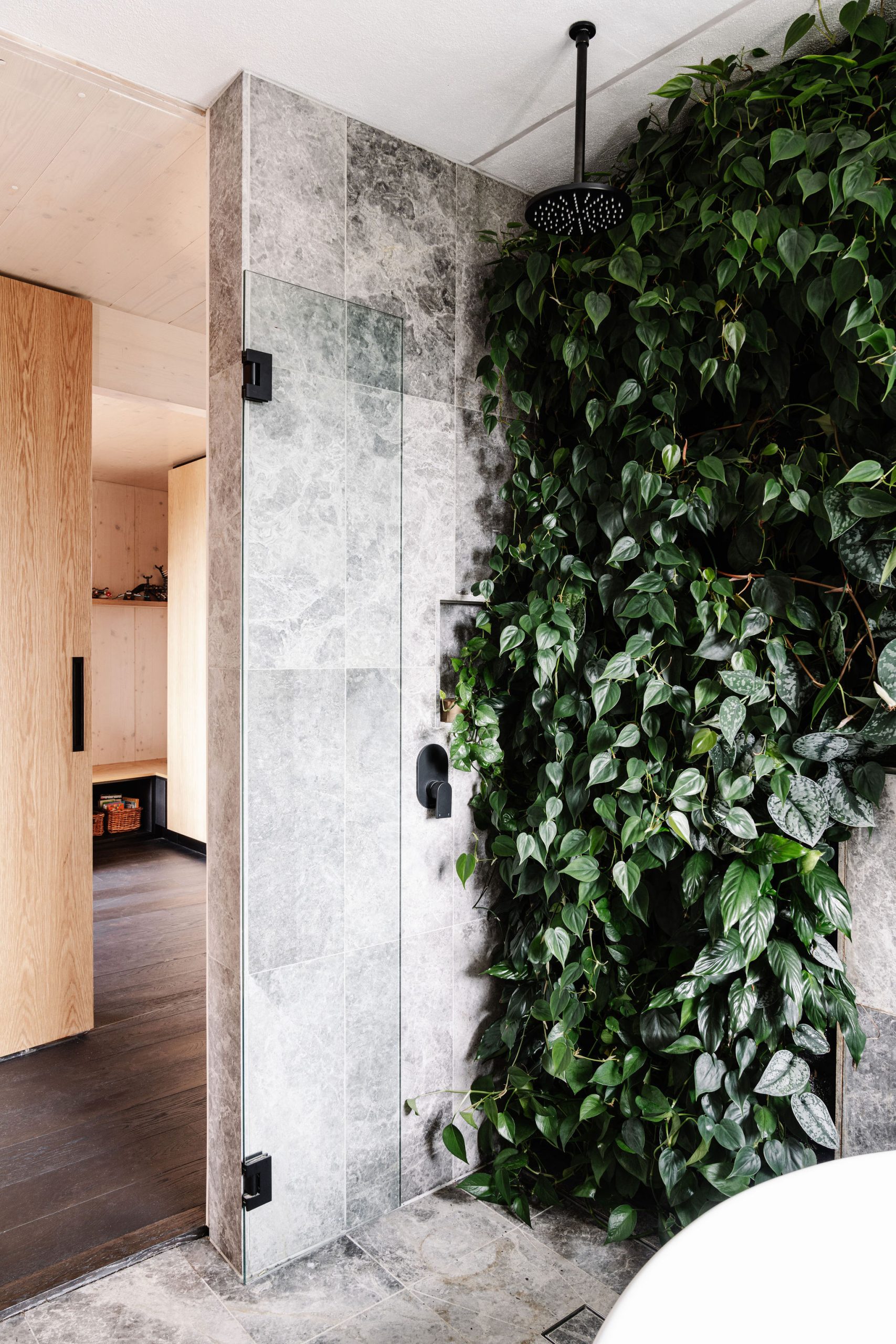
A step above it all would involve actually quantifying a project’s carbon footprint. “I think this will very soon become part of your project that you have to prove your carbon footprint,” she says. “It’s in its infancy, so I wouldn’t expect every project to do that, but I would be pretty impressed.”
Early bird entries for IDEA 2026 open on 2 March 2026.
The IDEA Sustainability category is sponsored by Crafted Hardwoods.
You Might also Like


Related Stories

© Niche Media 2026