

Waterloo’s new Field Rooms calls for residency applications with regenerative focus
Waterloo’s new Field Rooms calls for residency applications with regenerative focus

Share
A new creative community space on a construction site in Sydney is seeking three residents for its Placeholder program in 2026, whose practices engage with regenerative practice, care and public space.
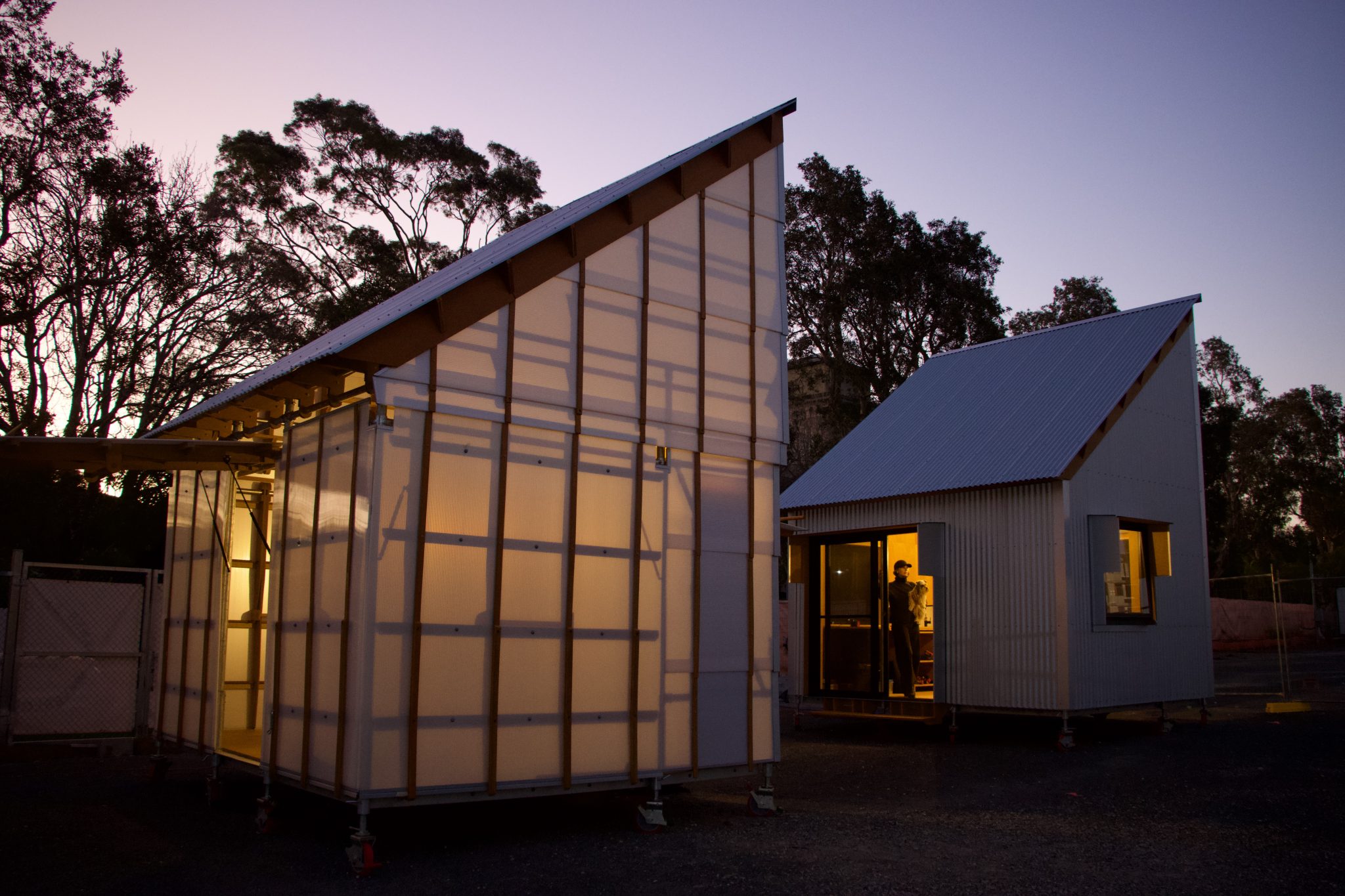
The four-month paid residencies will take place within two new custom-built structures – known as ‘Field Rooms’ – located on the working construction site of Danks Street south precinct at 903 Bourke Street, Waterloo.
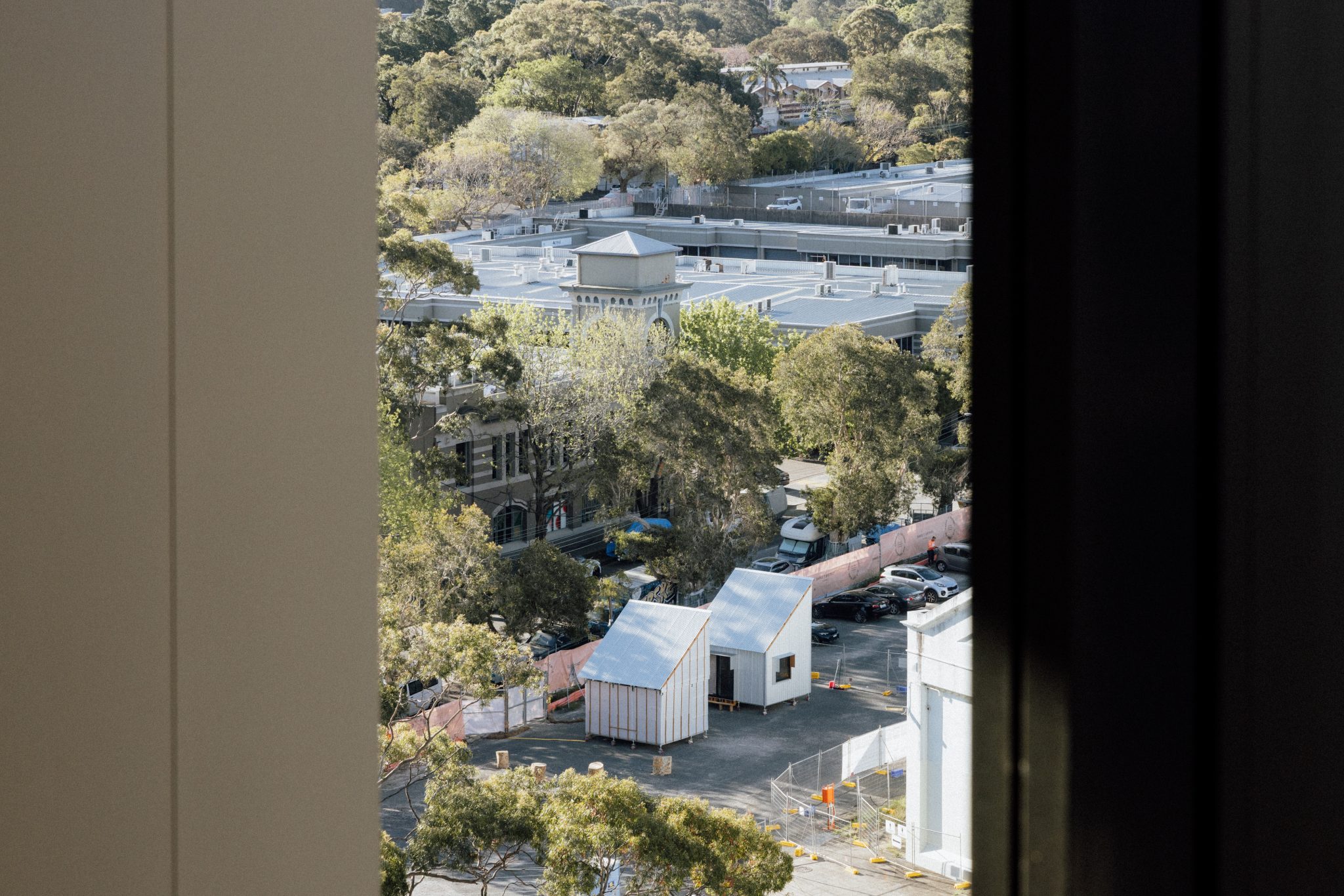
Open to artists, activist architects, cultural workers, carers, gardeners, scientists, researchers, community organisers and others, the residencies offer free access to the 24 square-metre space at Field Rooms, as well as a $4000 artist fee and opportunities to host workshops, test ideas and engage with the community.
Artist Heidi Axelsen and architect Hugo Moline of MAPA Art and Architecture established Field Rooms and the associated Placeholder Residency Program as a framework for inhabiting an urban development site from its construction phase, “shaping its identity from within”. The pair hopes to resist the typical model in which public art is treated as a static add-on or afterthought.
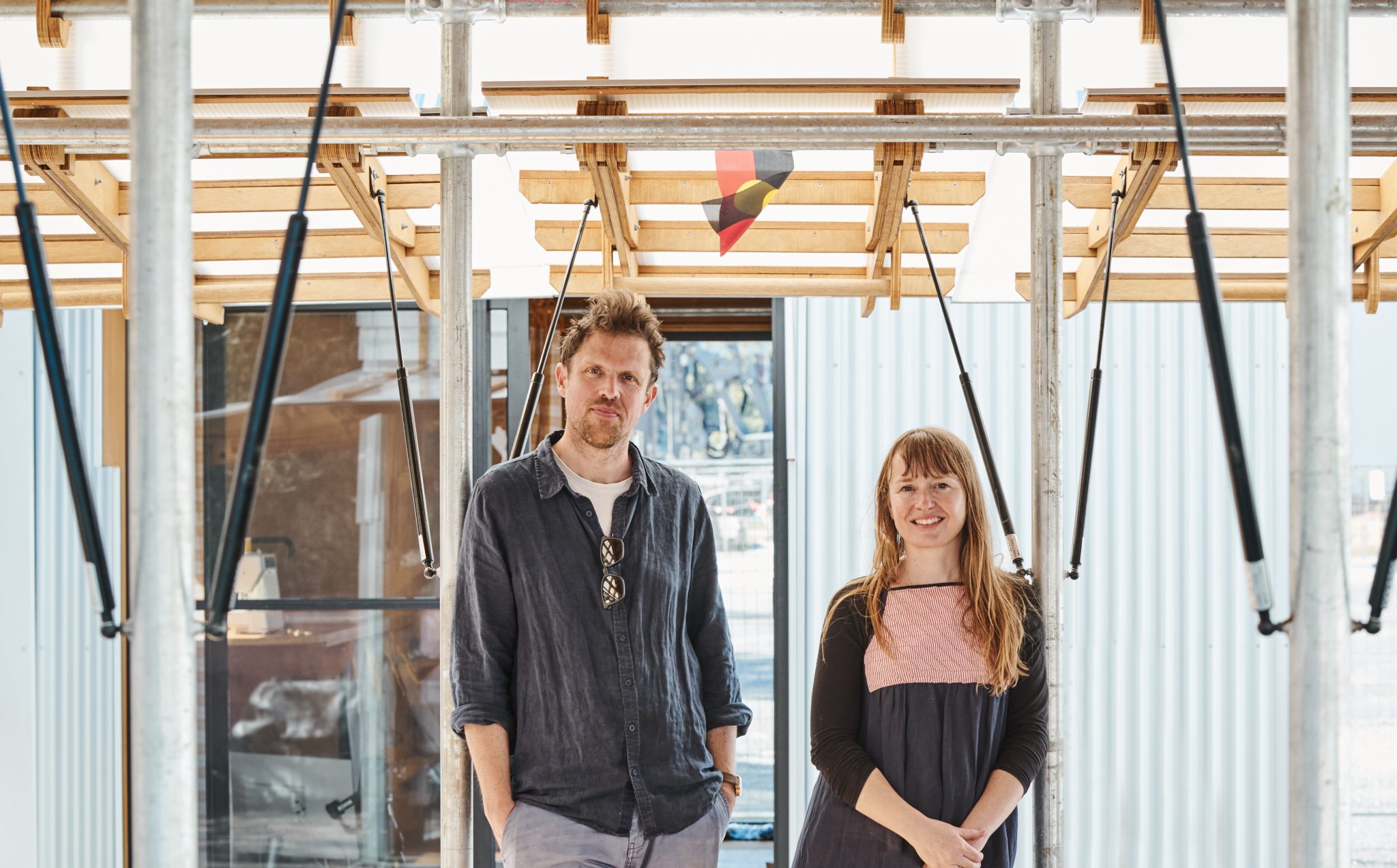
They have designed the structures following nearly a decade of open research and community participation. Their work shaped the Open Field Agency Public Art and Public Domain Strategy (2019), positioning community, artists, writers, researchers, musicians and film-makers as “vital agents for connection” in a rapidly changing suburb.
“As an artist who used to live in Sydney, I’ve experienced first hand the irony that once creatives have made a place great, they can no longer afford to live there,” Axelsen says. “Through this project, we designed a model that directs developer contributions towards public art to offer a space and program for regenerative creative practice, not just public art objects. It’s a framework that values the process of art-making and collaboration as much as the outcomes.”
The residency offer
Successful residency applicants will receive a $4000 artist fee and have access to the studio space and workshop/performance space.
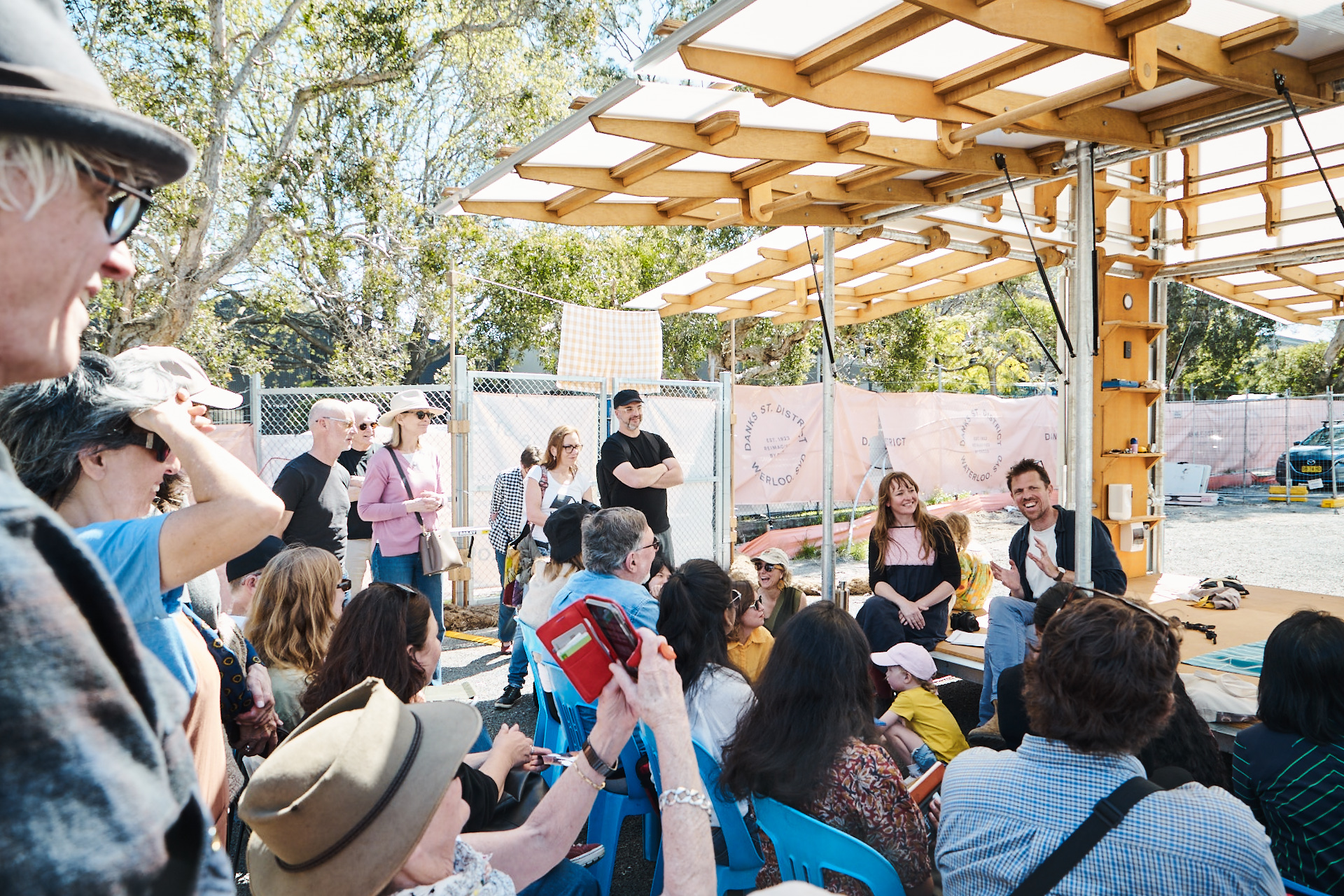
Moline says these interconnected spaces bring the private and public together. “The studio is an insulated, enclosed room for focused creative work, with a daybed, bench, sink, power and lights – ideal for individuals or small groups,” he says. “The adjacent workshop is semi-open, designed for gathering, workshops, small events or public engagement. Together they support both intimate and outward-facing modes of practice.”
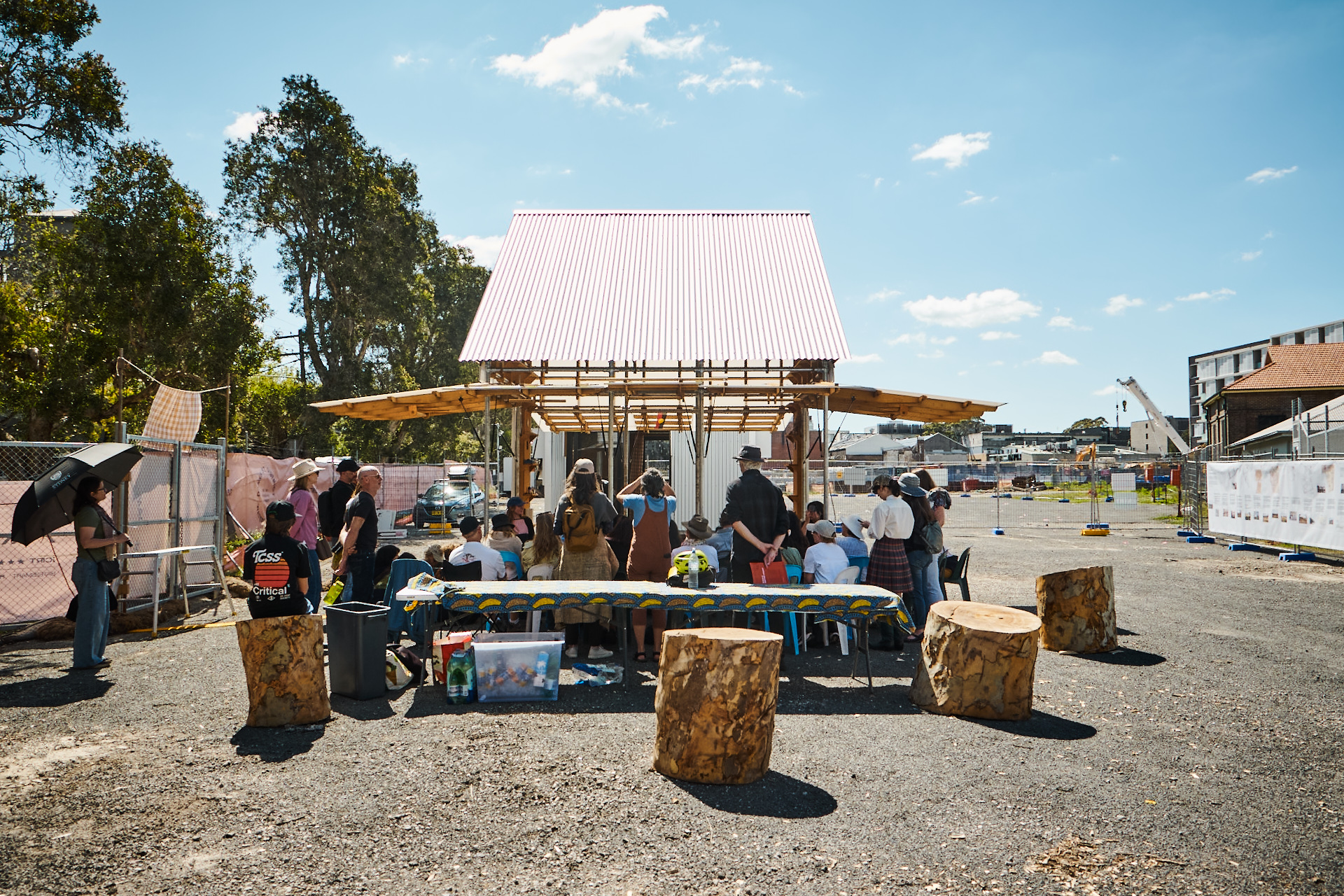
The residency welcomes local people looking for space to prototype an idea, gather people together or deepen existing community and creative practices in Waterloo. They will also be expected to contribute to the Open Field Agency digital archive in the form of film, audio, photography, scientific analysis, interviews, field recordings, flags, maps, diagrams, songs, recipes or other creative outputs.
Axelsen is on the selection panel alongside Dr Shannon Foster from Bangawarra; Shu Wu, lecturer in architecture, University of Western Sydney; and Lizzie Thomson, dance artist, writer, sessional lecturer and producer.
The panel is looking for research-based projects that test new ideas and ways of working within the community around repair, reuse and circularity.
Entries are open for 2026 residencies until 5pm on 19 January 2026.
You Might also Like


Related Stories

© Niche Media 2026