

MOTHER opens hearts and histories at NGV Australia

Share
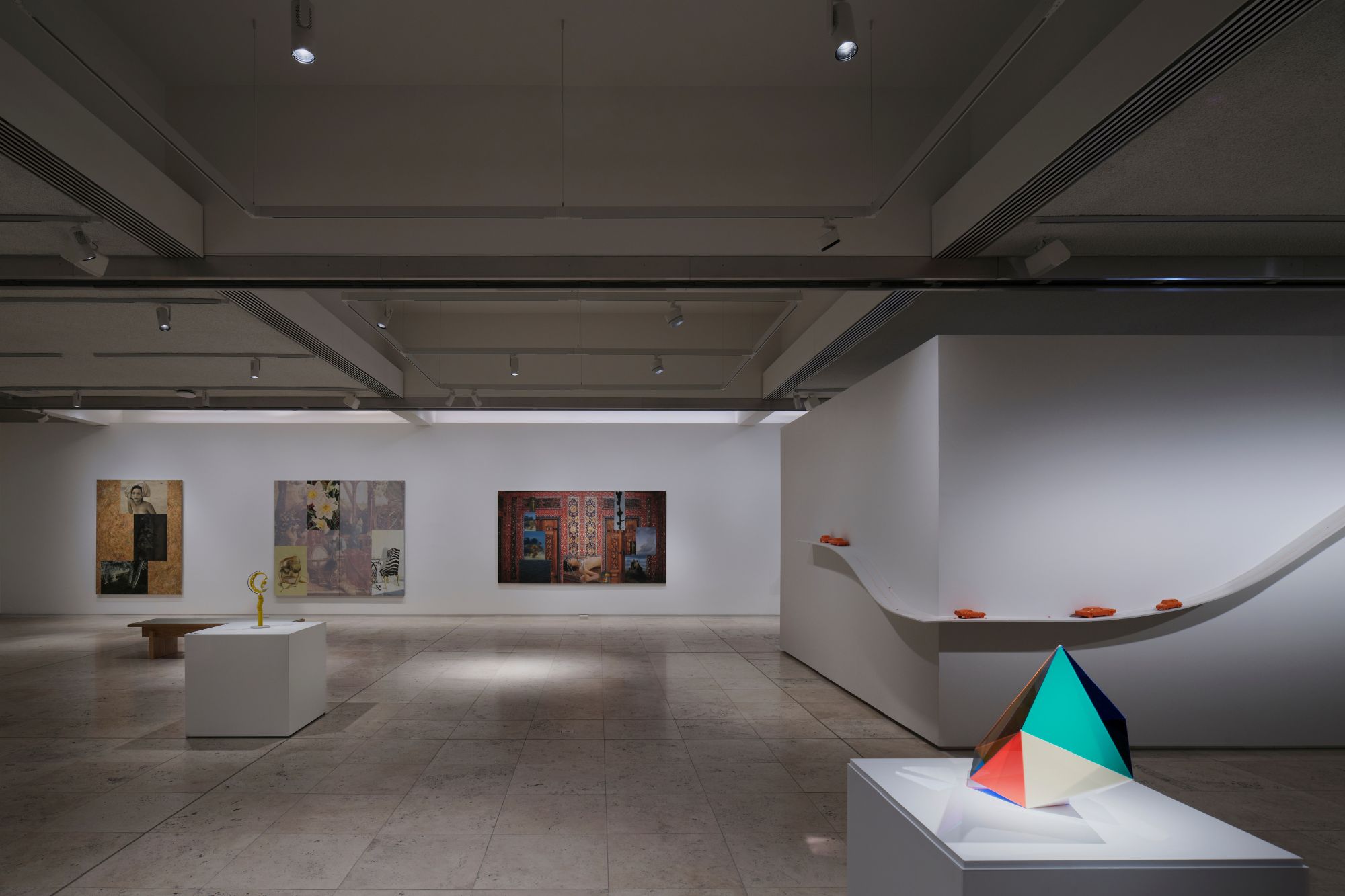
Drawing on more than 200 historical and contemporary works from the NGV Collection, MOTHER presents an extraordinary visual conversation on motherhood, unprecedented in scale and depth within an Australian art institution.
Aboriginal and Torres Strait Islanders are advised that the following article contains references to a deceased person.
Motherhood is one of the oldest stories humans have ever tried to tell. We have painted it on rock walls and sculpted it in marble, stitched it into fabric and carved it into wood. Opening at The Ian Potter Centre in March 2026, MOTHER gathers more than 200 works from across cultures and generations to show how the act of being, and having, a mother continues to inspire artists in wildly different yet equally powerful ways.
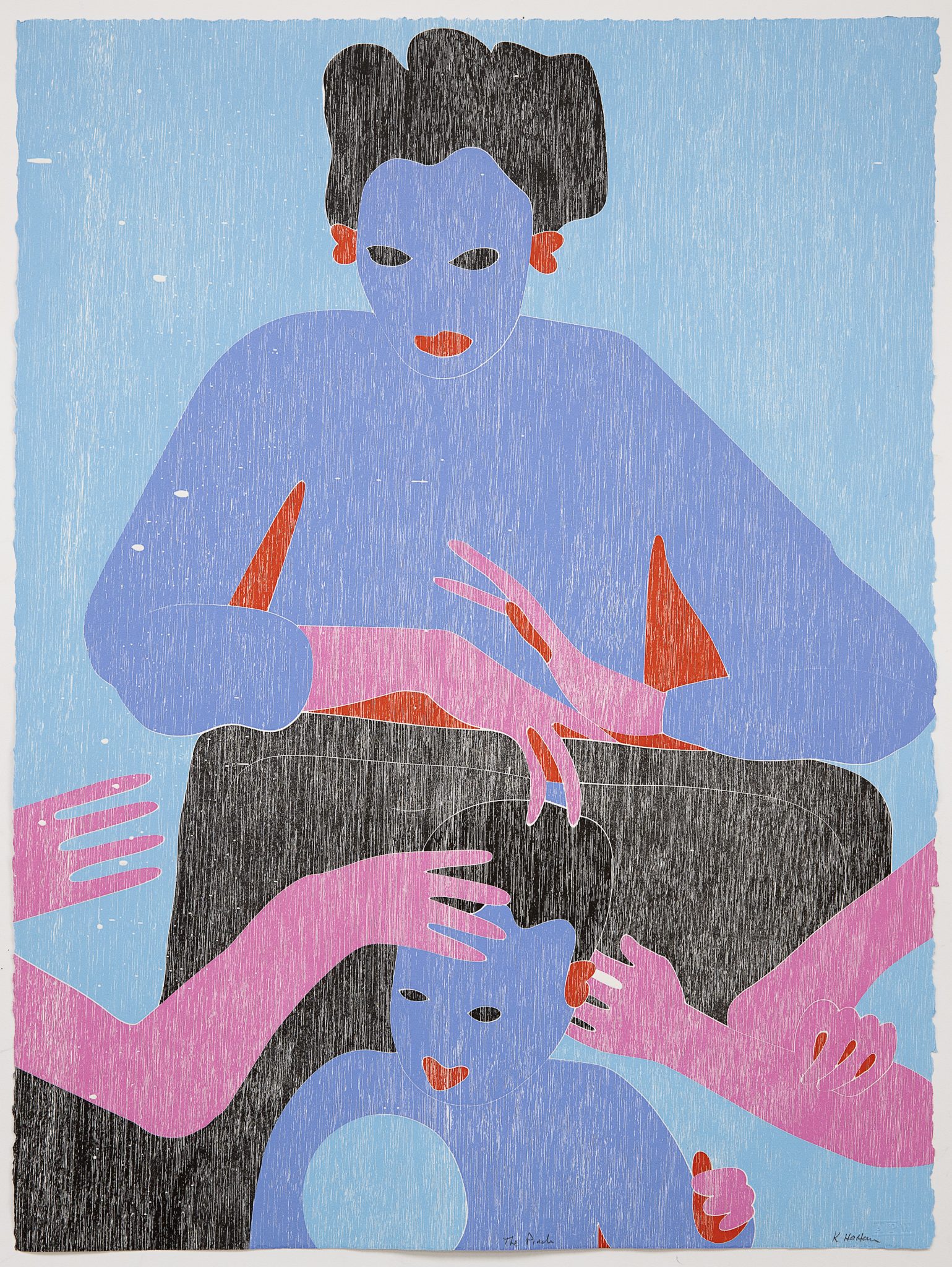
The exhibition is rich with names that have shaped the global visual imagination: Louise Bourgeois, Tracey Emin, Camille Henrot, David Hockney, Tracey Moffatt, Iluwanti Ken, Käthe Kollwitz, Patricia Piccinini, Rembrandt van Rijn. These artists have explored motherhood as an ancient symbol, an intimate memory, a metaphor for creation and as a personal reckoning. From Renaissance fresco to moving image, from weaving to etching, MOTHER dives into the full emotional and historical range of maternal experience. It looks at care, transformation, joy, labour both seen and unseen. It offers insight into motherhood as a cultural force, a spiritual anchor and, for First Nations communities, a vital link between nature, Country and kin.
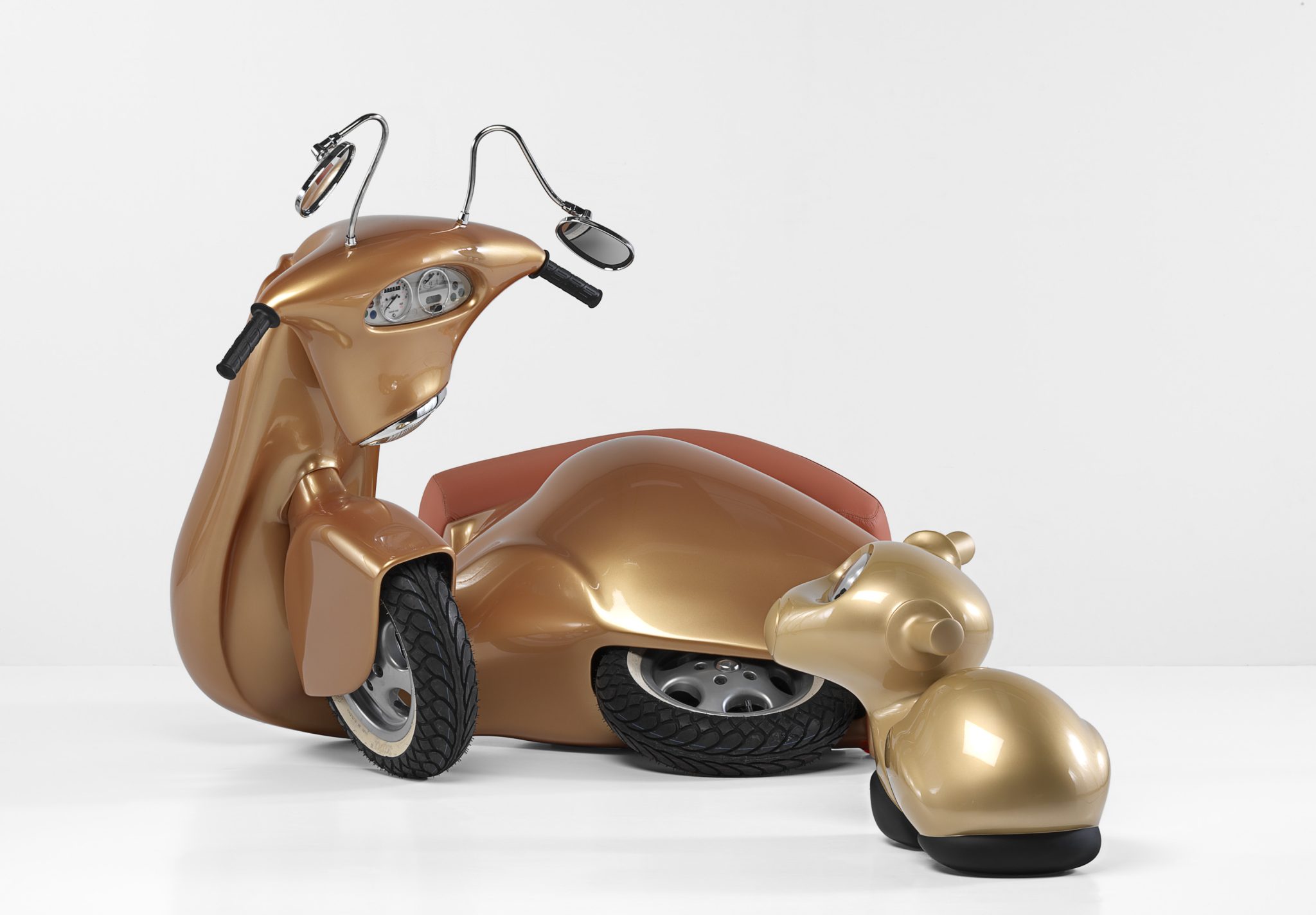
Contemporary works by Australian, First Nations and international voices add a striking immediacy. Hannah Brontë, Davida Allen, Karla Dickens, Sophie Calle, Yvonne Koolmatrie, Ann Newmarch and the late Djerrkŋu Yunupiŋu approach motherhood as something real and raw, layered with humour, fragility, resilience and resistance. Their works frame motherhood as a layered narrative that unfolds across generations and into contemporary spaces where identity, history and care converge.
When art and motherhood speak to each other
Some of the most compelling moments in MOTHER come from artists who have found their practice transformed by motherhood. Ruth O’Leary’s Flinders Street series began after the birth of her first child. No longer able to manage traditional studio shoots, she turned the public photobooth at Flinders Street Station into a creative space. She brought costumes and backdrops and her baby. The booth became both cradle and camera, marking a moment where artmaking and maternal experience no longer competed for space. They conversed.
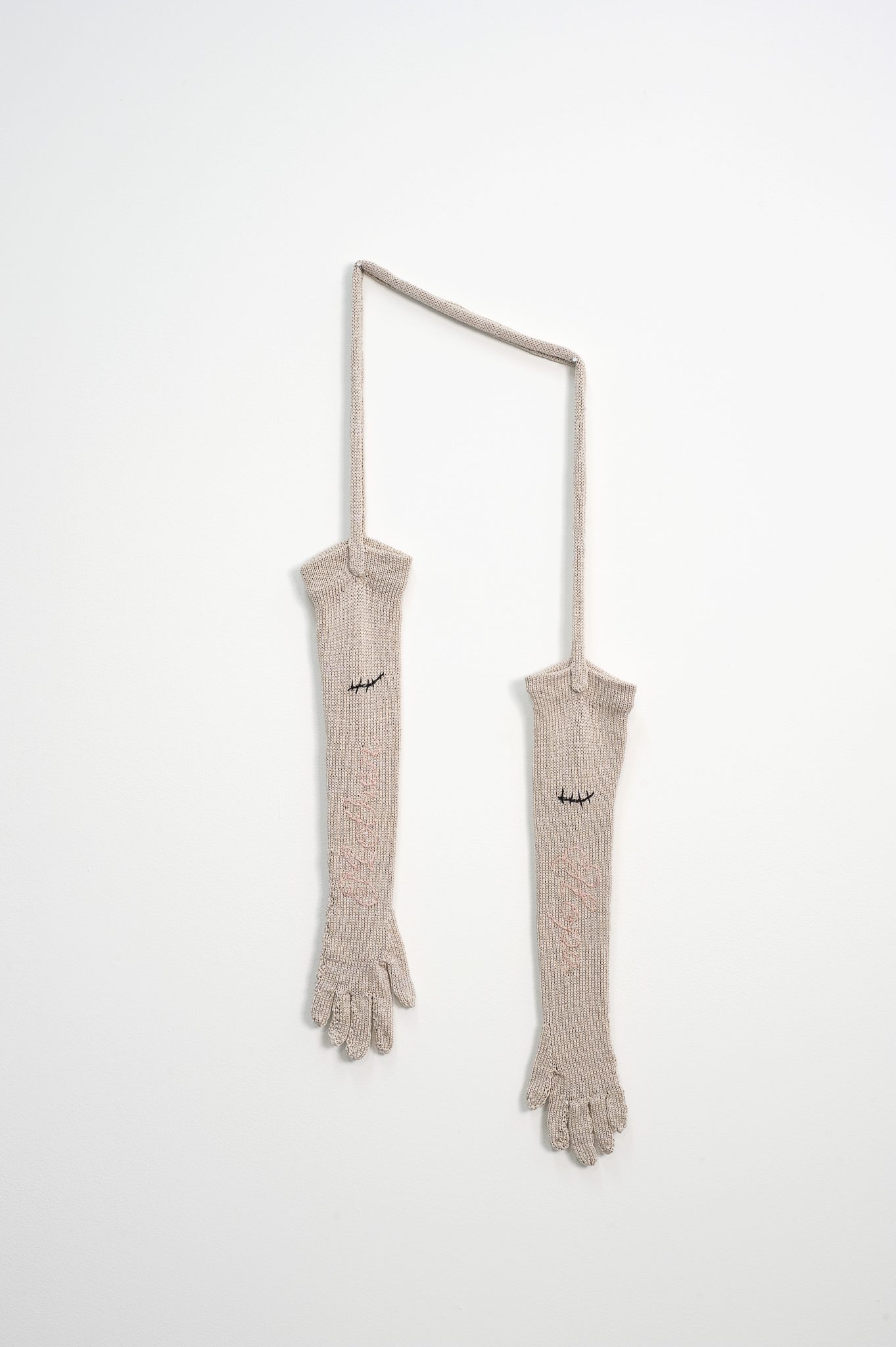
Kate Just presents knitted forms that examine skin as memory, armour and touch. An Armour of Hope, made for her adopted child Harper, shields and comforts. The Arms of Mother exposes scars yet feels like a gesture of protection. These works speak of loss, renewal and the quiet hope that emerges from emotional repair.
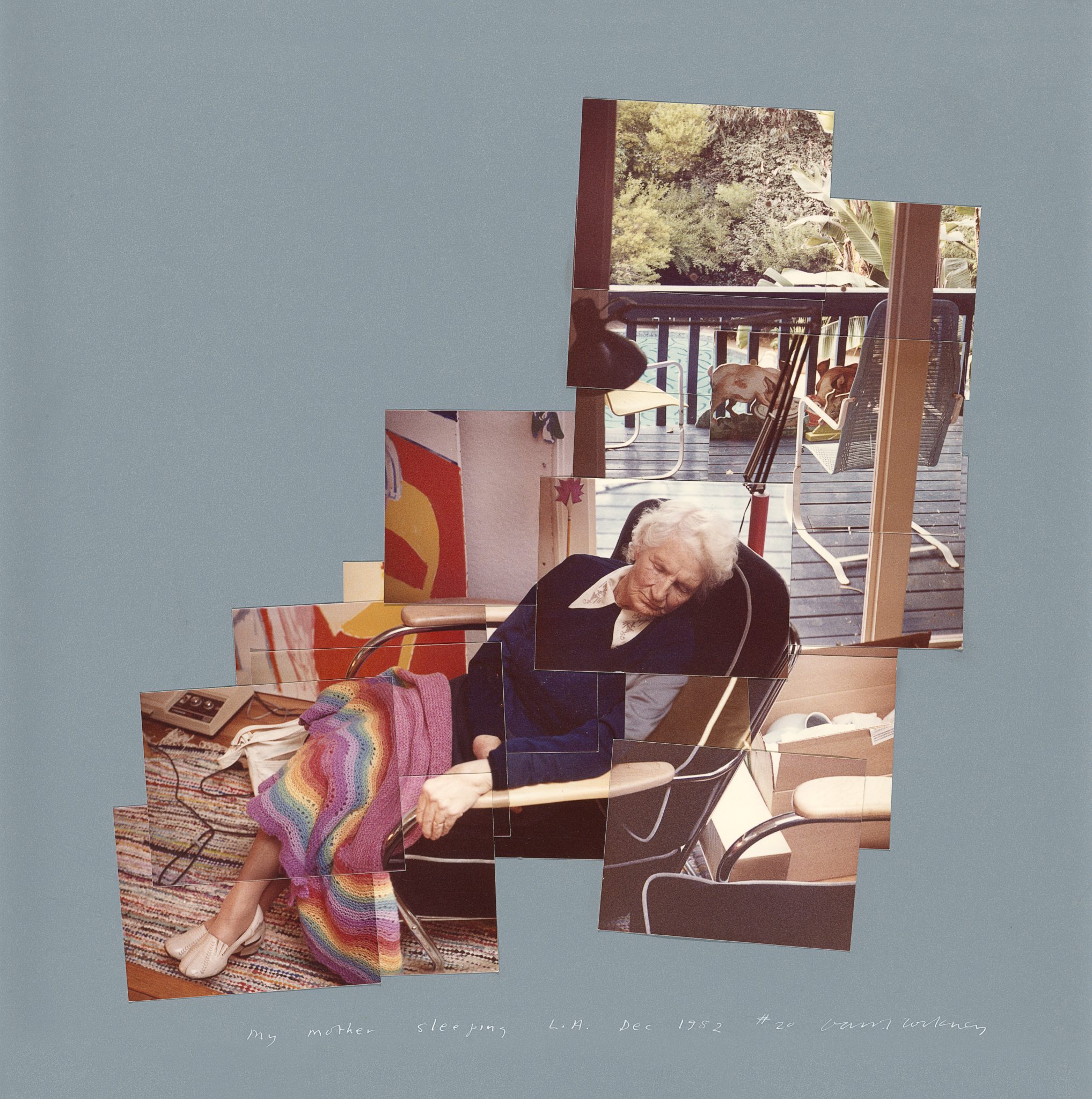
Two newly acquired works by David Hockney offer a different mood. The collage, My mother sleeping, uses fractured images to create a dreamlike disconnection, while My mother with a parrot retains an elegant clarity through the artist’s distinctive graphic line. Both capture maternal presence with a mixture of love, curiosity and artistic restraint.
Hayley Millar Baker’s moving image work, Entr’acte, honours the unshakeable focus and strength of Indigenous matriarchs. The film’s central figure steps into the role of caretaker, storyteller and cultural guide, evoking the weight of expectation carried by First Nations women.
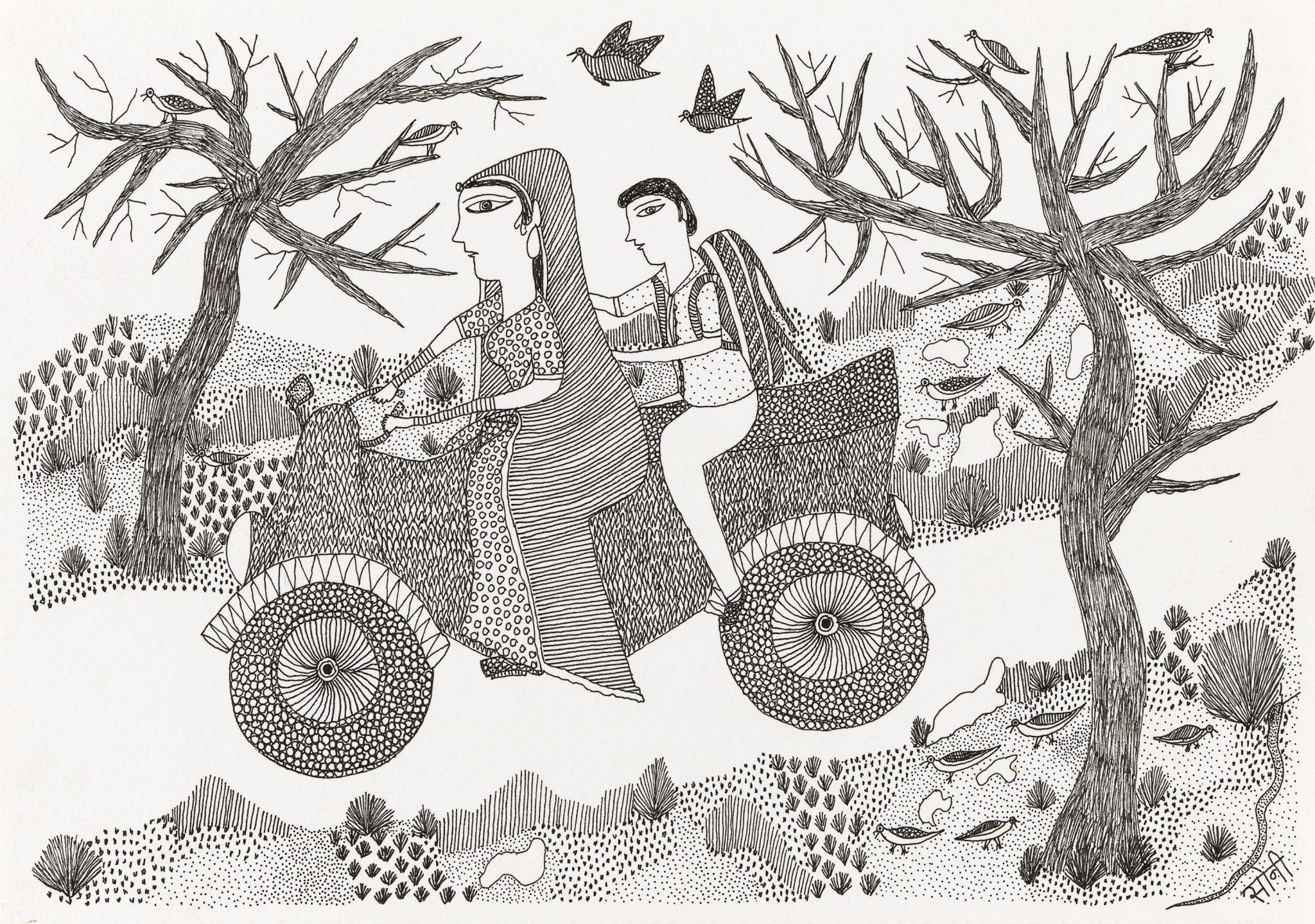
The exhibition also looks at cross-generational storytelling through works by Teju Jogi and Soni Jogi, a mother and daughter who have developed their own distinctive art style. In Soni’s drawing Empowered mother, a woman rides a motorbike with her child to school, her movement across land signalling mobility, agency and the shifting power of modern motherhood.

Visitors will encounter unexpected objects too, like a 19th century Staffordshire feeding bottle. A charming and decorative vessel that quietly reveals how motherhood and domestic life have long been shaped by commerce, design and everyday ritual.
Even familiar sculptures take on new meaning. Bertram Mackennal’s Circe, often remembered for her mythical power and sorcery, is shown in a new light. Circe was also a mother, left to raise children alone, carrying the weight of magic and the complexities of care.
MOTHER unfolds across three narrative chapters, moving from creation to care and finally to legacy and loss. From the earliest stirrings of motherhood to its enduring impact on communities and culture. From magical beginnings to the stories we inherit.
As NGV Director Tony Ellwood says, this is a timely exhibition. It places historical depictions of motherhood from around the world next to contemporary art and lived experiences. It gives space to a subject both universal and deeply personal. Entry is free. MOTHER opens on 27 March 2026 at NGV Australia.
Lead image: John Packham. Petin – to abduct, steal 1999 synthetic polymer paint on canvas 117.7 × 175.5 cm National Gallery of Victoria, Melbourne. Purchased, 1999 © John Packham
You Might also Like
Related Stories

© Niche Media 2026