

30UNDER30’s Rachel Santos on creating meaningful relationships and shaping emotionally resonant spaces
30UNDER30’s Rachel Santos on creating meaningful relationships and shaping emotionally resonant spaces

Share
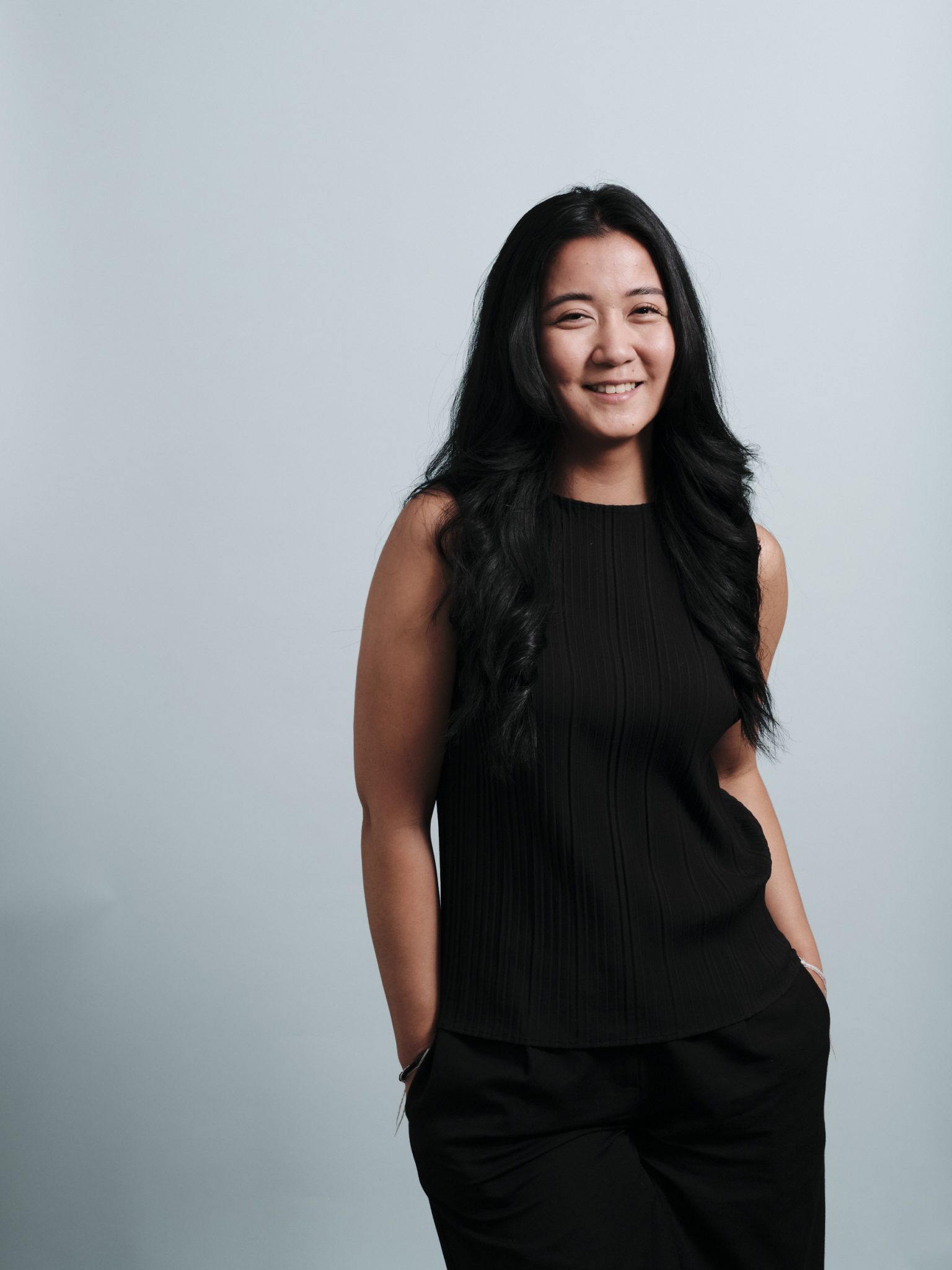
Rachel Santos is among Australian Design Review’s 30UNDER30 Interior and Product Designers for 2024/2025. Below, we get to know Santos, an interior designer at Ewert Leaf, as she shares insight into her purposeful, sensorial-led design practice.
Australian Design Review: What has been a highlight in your career so far?
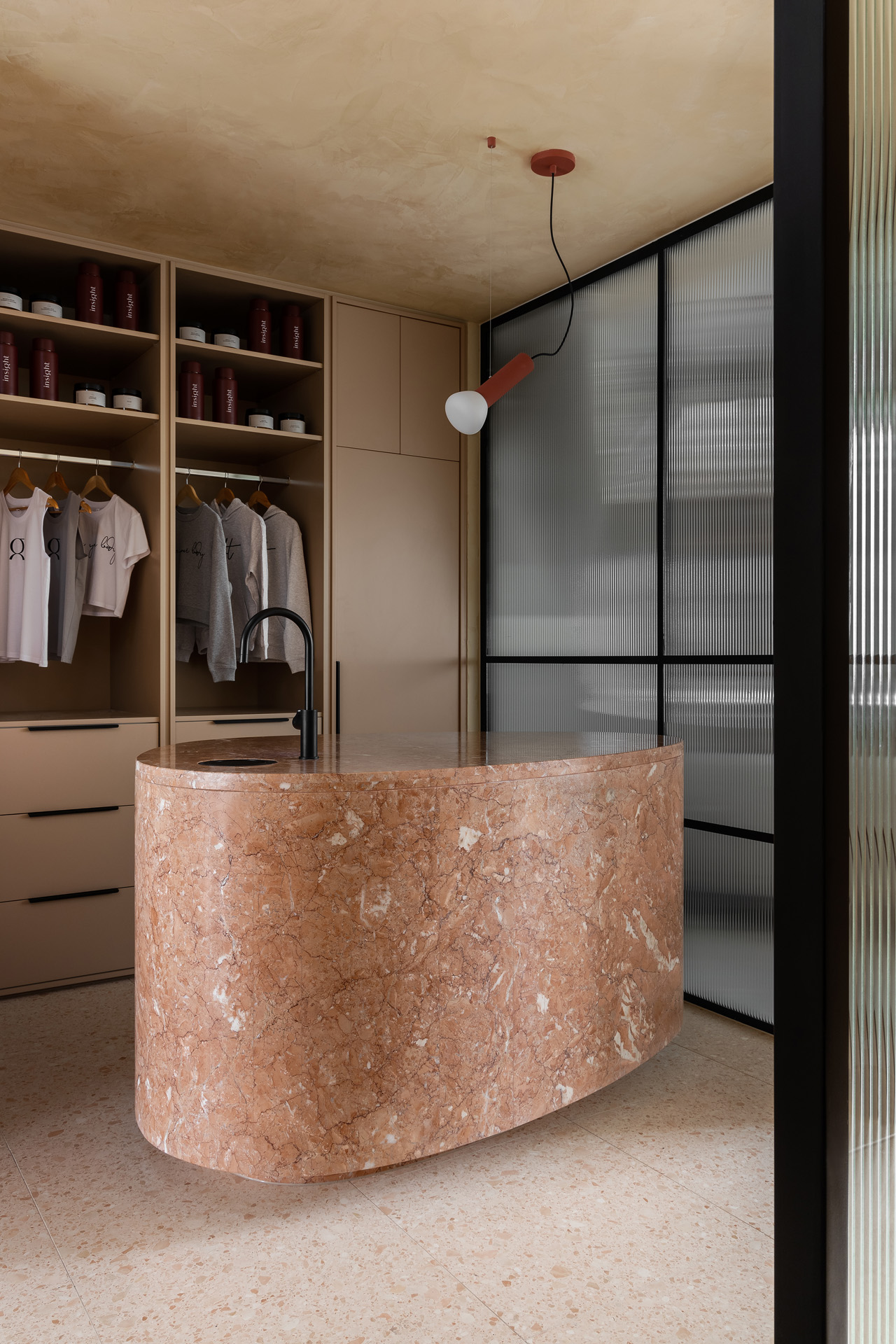
Rachel Santos: I’ve been fortunate to work on many incredible projects that have been recognised and awarded, but if I had to pick one highlight, it would be the ‘Insight Body and Mind’ project in Essendon while working at Biasol.
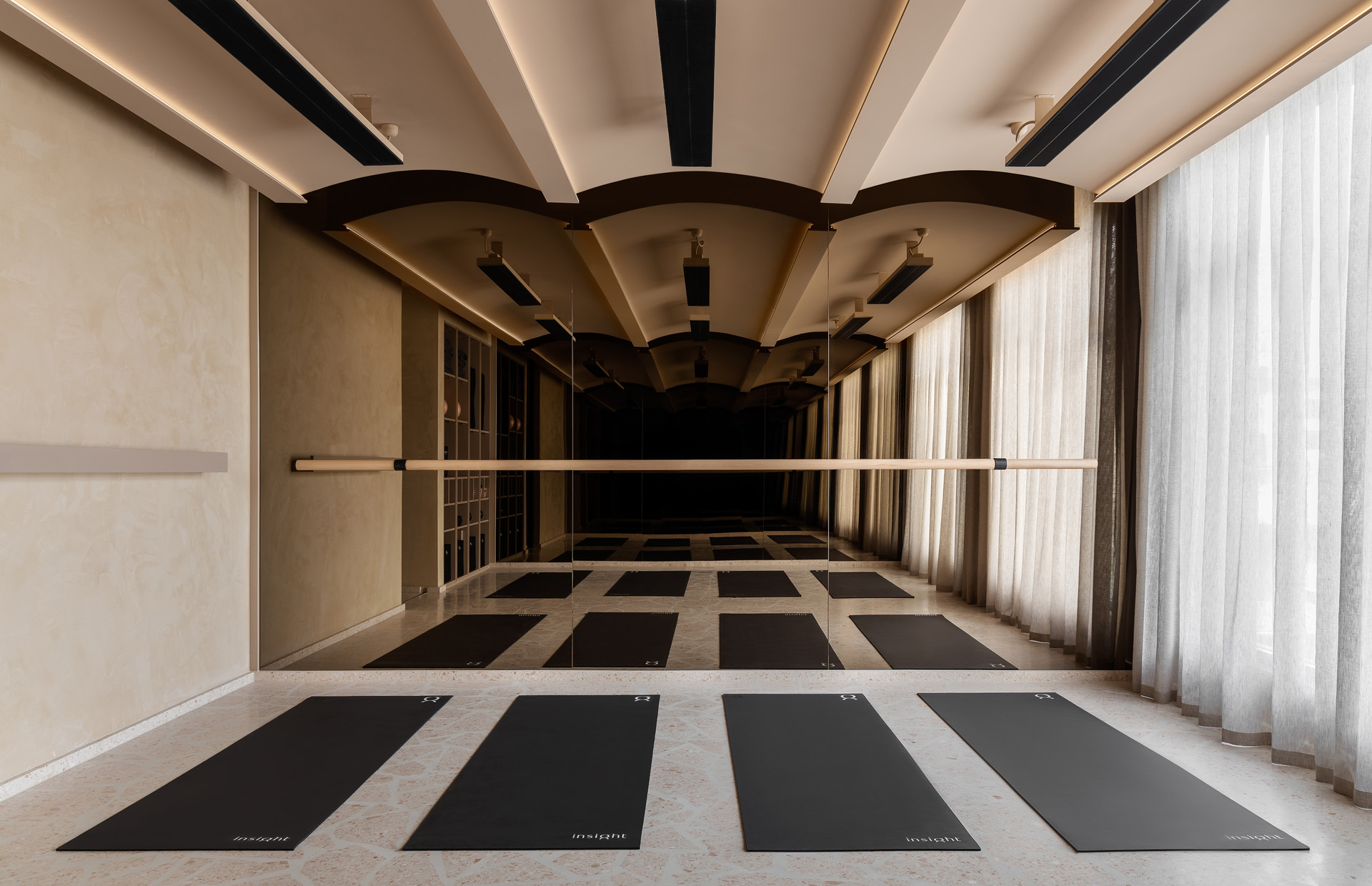
I had the opportunity to lead the design alongside an amazing team, from the client to the builders, consultants, and everyone involved. Despite the many challenges, including working through the pandemic, we came together to problem-solve and create something truly impactful.
Contributing to a space that fosters both physical and mental wellbeing in the community has been incredibly fulfilling. The positive feedback from the public has been a rewarding reminder of how thoughtful design can make a real difference.
I also deeply value the relationships I’ve built with clients, architects and builders. Our collaboration is key in bringing bold visions to life, and I’m grateful for this trust and synergy that allow us to create exceptional spaces.
ADR: If you could work with any designer, artist or other creative – living or dead – who would it be and why?
RS: If given the chance, I’d love to work with Tadao Ando. Having visited some of his buildings, I’ve felt firsthand the unique presence of his spaces. The way he uses light, material and simplicity shifts your entire perspective.

I’m particularly inspired by how he transforms concrete – a material often seen as harsh – into something so human and emotional. His focus on the experience of space, where it’s not just about what you see, but how it makes you feel, resonates deeply with me.
As a designer who places a strong emphasis on the human element in my work, it would be a wonderful opportunity to learn from him how to create sensory, meaningful spaces that truly connect with people.
ADR: What do you do to kickstart your creativity when you’re in a rut?
RS: For me, travel is a creative recharge. Whether it’s a quick getaway or an extended stay in a new place, being in a fresh environment helps me disconnect from routine and reconnect with the world.
New architecture, landscapes and local traditions often provide a fresh perspective, and I return feeling refreshed with new ideas and inspiration.
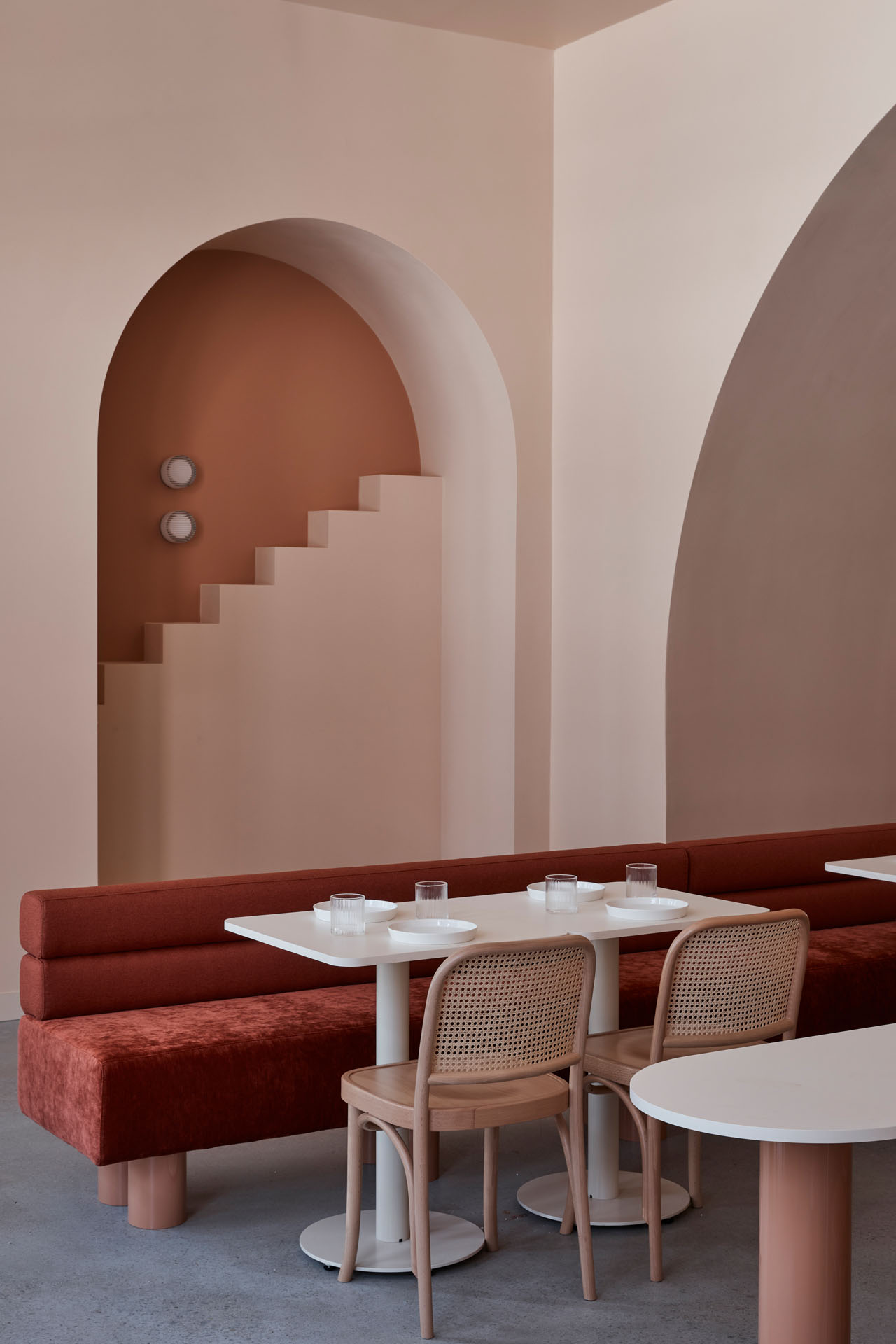
However, on a more regular basis, when I can’t travel, I look for inspiration in everyday moments. Whether it’s exploring a local art gallery, enjoying a cup of coffee in a new spot, or simply immersing myself in nature, these simple experiences help me reset and find new perspectives, reminding me that creativity often comes from the most unexpected places.
ADR: What guiding values drive you and what kind of impact do you hope to make through your work?
RS: My story as a designer is guided by the belief that design should always serve something bigger than myself. At the core of everything I create is the idea that good design has a purpose and the capacity to improve lives.
I’m driven by the idea that as designers, we have the privilege of shaping spaces that impact people’s daily experiences. I hope my work stands out because it’s thoughtful and authentic, and always has a purpose in mind.

I focus on the human element in design, asking questions and challenging norms to rethink how people experience the spaces around them. By looking closely at routines, small details and overlooked spaces, I aim to create designs that not only function well but spark emotions and meaningful connections.
ADR: Why did you enter Australian Design Review’s 30UNDER30?
RS: I entered Australian Design Review’s 30UNDER30 because I saw it as a unique opportunity to connect with like-minded individuals and learn from others who share my passion for design.
It’s not often we have the chance to engage with mentors or peers we admire on a daily basis, so being part of this community is a rare and valuable experience. Building relationships with such talented people and seeing where these connections take us in the future is something I’m really excited about.
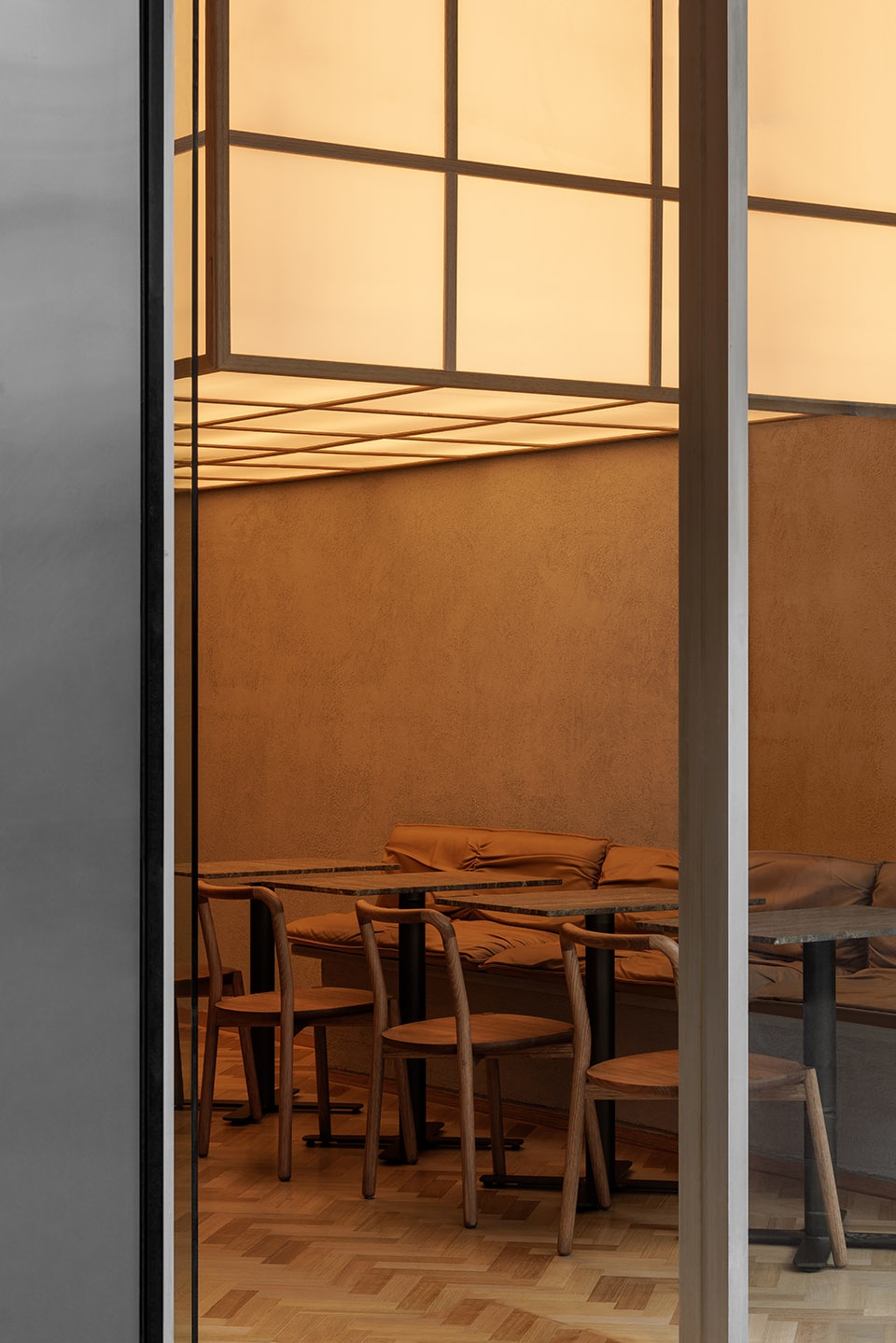
Being shortlisted has truly been an honour. I feel so grateful for the support from my friends, family and peers who constantly remind me of what an achievement this is. I feel incredibly humbled by this recognition, and I’m proud of the growth and progress I’ve experienced to reach this point.
ADR’s 30UNDER30 Interior and Product Designers stream is brought to you by major sponsor Neolith, alongside Krost, Miele, Interface and Tongue & Groove.
The program is also supported by practice partners Arent&Pyke, BLP, BVN, Cera Stribley, COX Architecture, GroupGSA, Hassell, HDR, Richards Stanisich, Rothelowman, SJB and Williams Burton Leopardi. To find out more about the final 30, head to the winners page.
You Might also Like


Related Stories

© Niche Media 2026