

30UNDER30’s Nissie Bungbrakearti on finding her voice
30UNDER30’s Nissie Bungbrakearti on finding her voice

Share
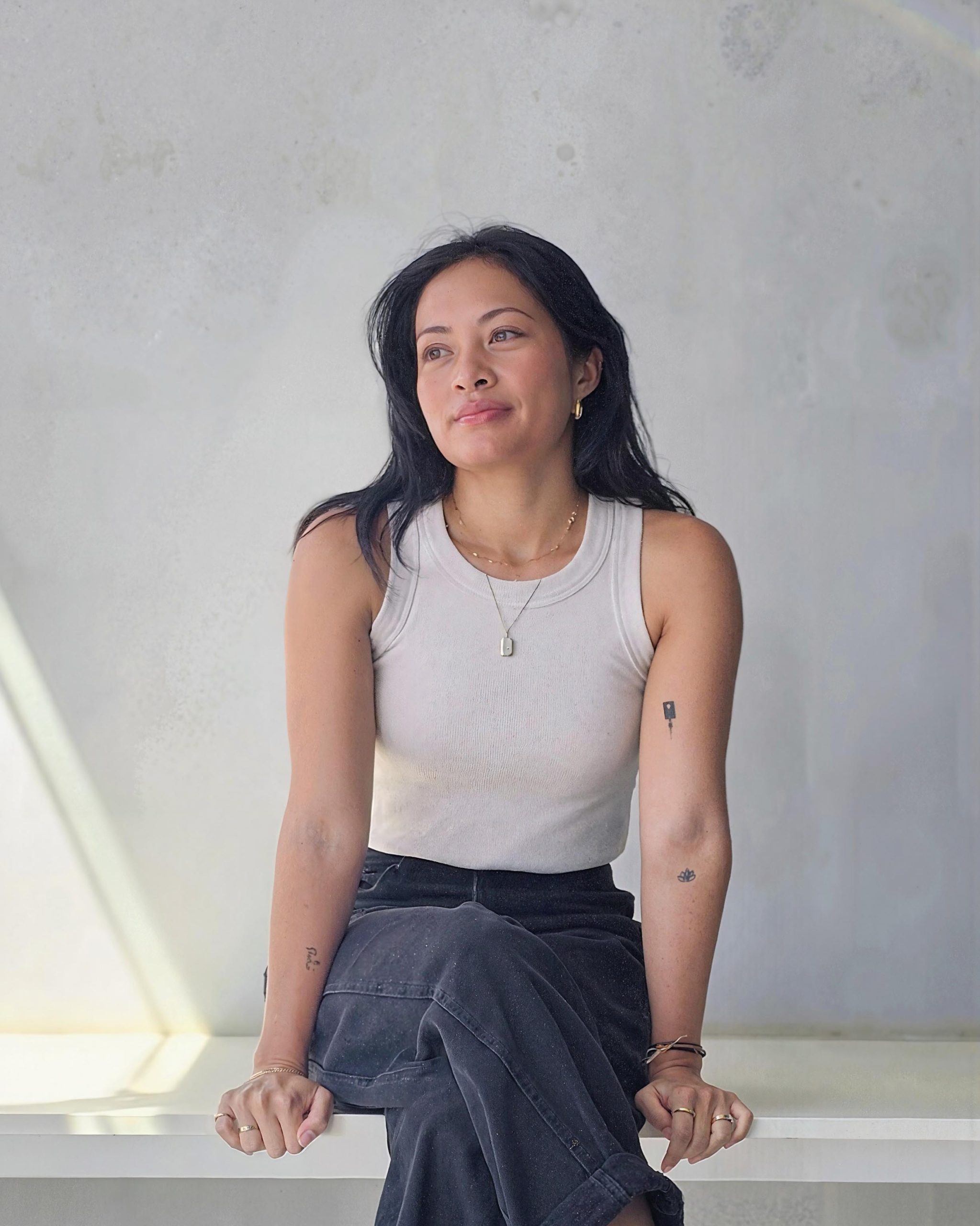
Nissie Bungbrakearti, a computational designer at COX Architecture, has the advanced skills to solve complex challenges using data and design. However, it hasn’t been an easy road from shy young practitioner to being named one of Australian Design Review‘s 30UNDER30 for 2025/2026. Below, Bungbrakearti shares some early career lessons.
Australian Design Review: Why did you enter the 30UNDER30 program?
Nissie Bungbrakearti: To be completely honest, it was the encouragement of my colleagues who I look up to that pushed me to apply. Even though I have a unique role within the Canberra studio and nationally across COX Architecture, I’m introverted by nature and didn’t imagine I’d be shortlisted, let alone make the top 30. I also turned 30 in January, so this was my last chance to apply, and I figured I had nothing to lose by entering!
What most excites you about the upcoming Bali retreat?
What excites me most about the retreat, and also terrifies me, is pushing myself way beyond my comfort zone. I’m looking forward to the inspiration that comes from new conversations and shared experiences. I’m hoping to learn how to reframe my imposter syndrome into a deeper sense of confidence. And obviously, I won’t complain about swapping the cold for warmer weather and amazing food.
What do you think are the benefits of mingling with professionals from different disciplines?
With eight years in the industry, I’m very aware that I still have much to learn, alongside valuable experiences to share. Having come from a computational design background, I feel I entered the profession backwards: equipped with the tools to solve complex challenges, while continuing to learn which challenges most need solving.
When we meet people with diverse expertise, perspectives and passions, it expands the way we see the world and creates space for richer, more open conversations.
What do you think you personally are able to bring to the program?
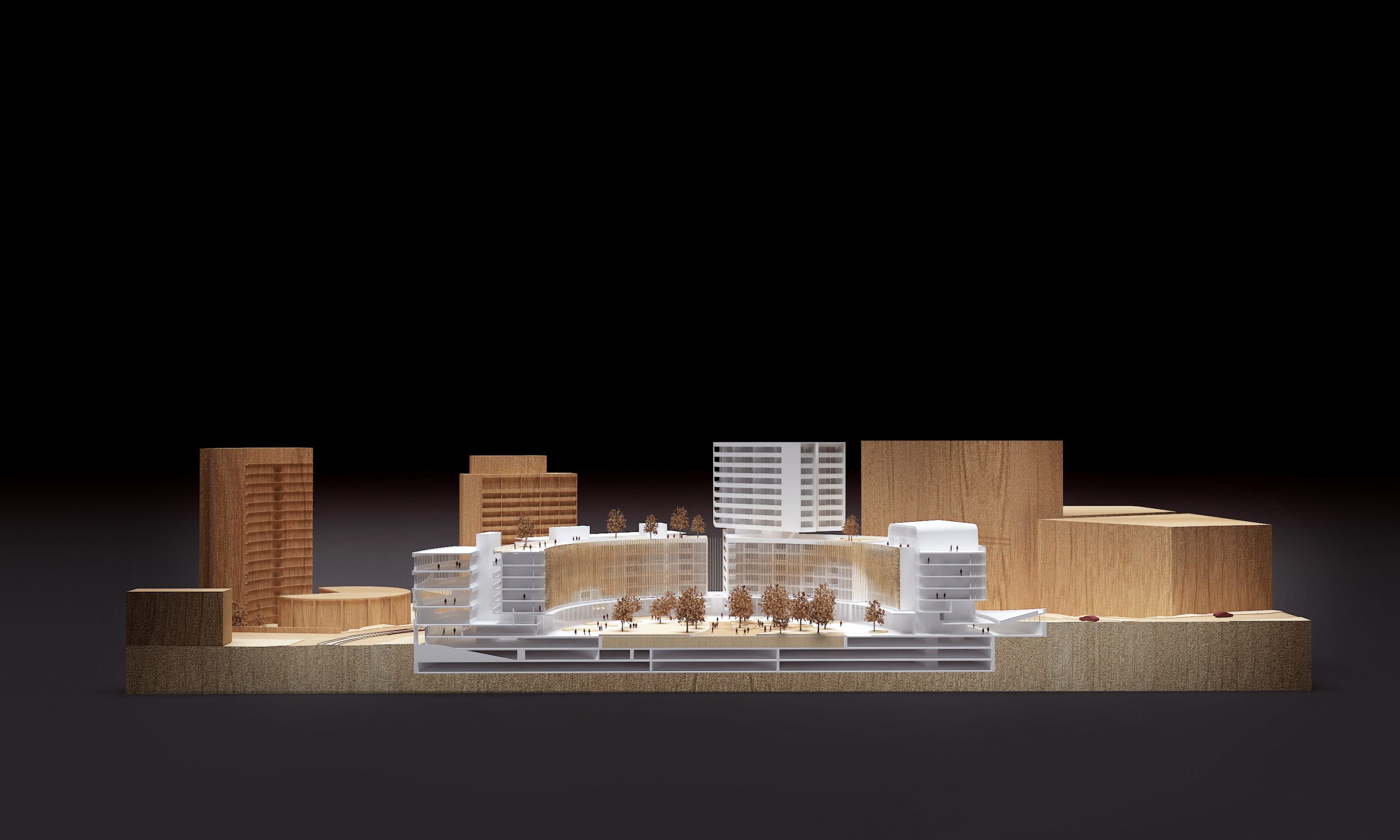
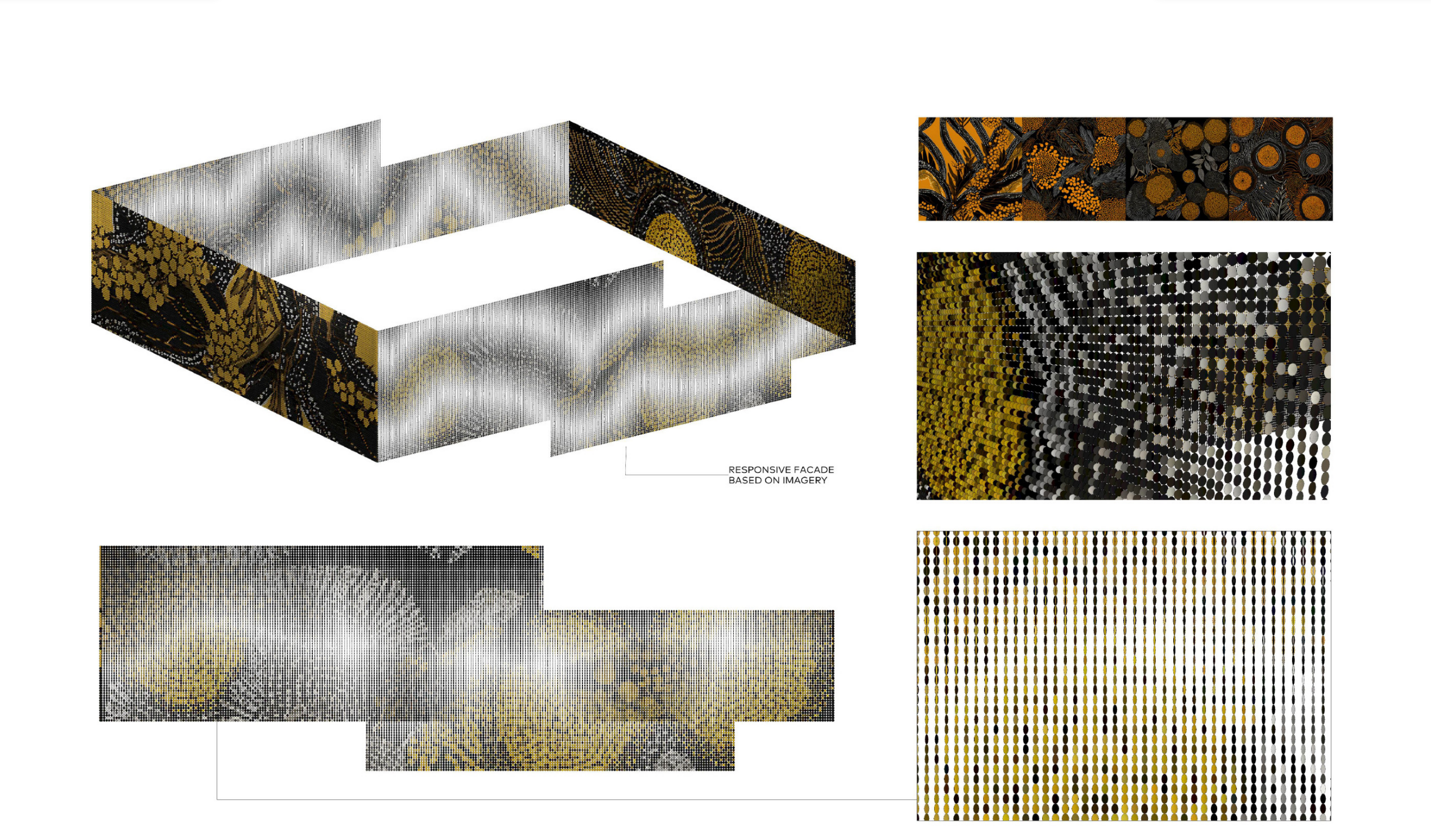
I think I can offer a different perspective on how we bring depth to the narrative of design, using a data-driven approach not just as a technical tool, but as a storytelling device. For me, data isn’t separate from creativity; it’s something that can enrich the design process.
I’m also excited about making computational design technologies and workflows more visible within the industry. There’s so much potential in these tools to improve efficiency, expand creative possibilities and support more informed decision-making.
What has been a highlight in your career so far?
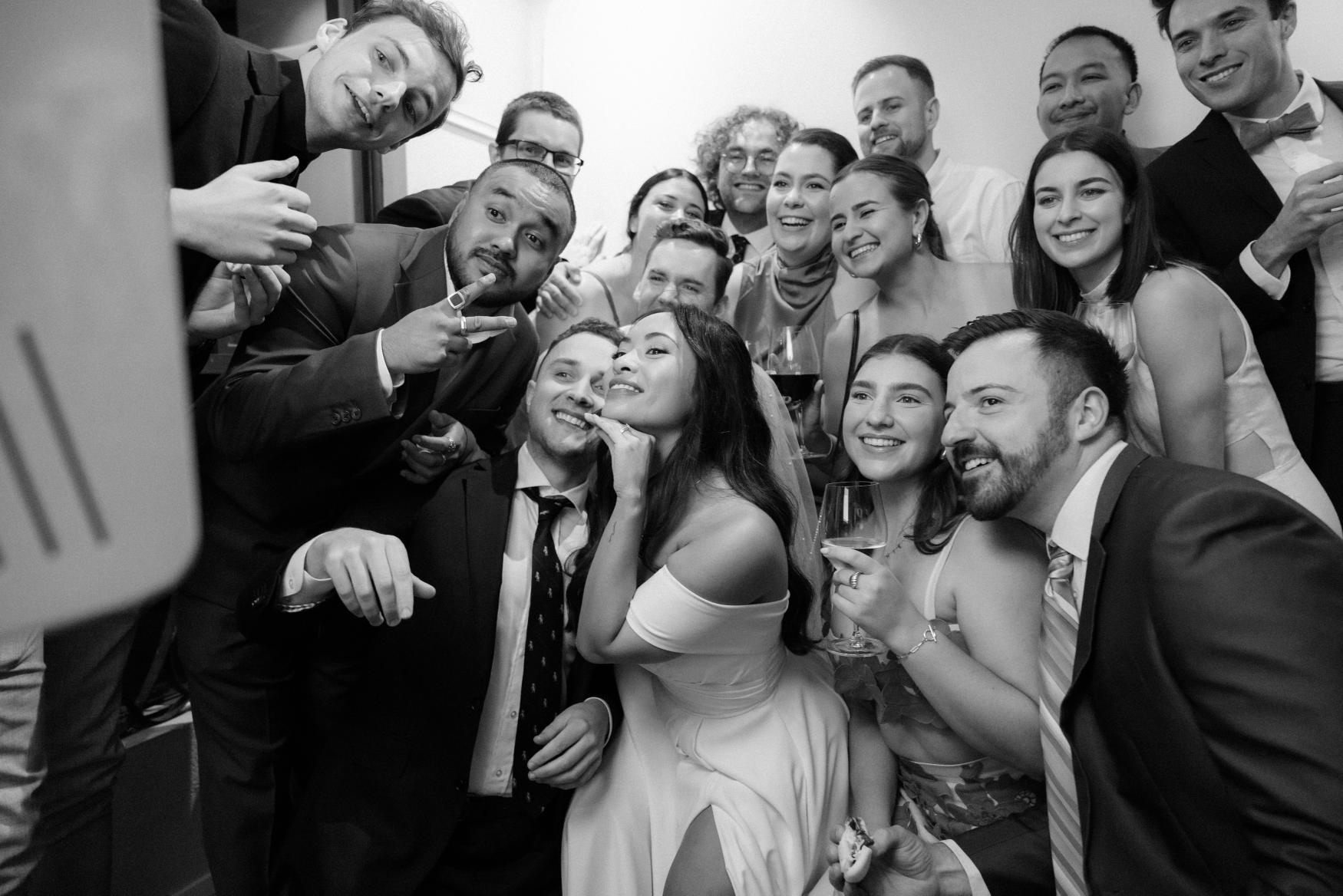
Definitely the people. Some of the most meaningful relationships in my life began at work – colleagues who became best friends, role models and a second family. I’ve also experienced some challenges in my personal life and the compassion and support I received here set a standard for how I want to treat others. These people have also helped shape me from a very shy, anxious designer coming into a new workplace with limited architectural knowledge, into someone who stands taller and has found her voice.
What do you do to kickstart your creativity when you’re in a rut?
I’ve learned not to underestimate the power of rest and caring for your mental health. When burnout creeps in, it can cloud your thinking and take the joy out of what you do. Sometimes the most productive thing you can do is step away for a moment, take a walk, have a coffee with a friend, lean on your support system and allow yourself to reset.
Australian Design Review’s 30UNDER30 is brought to you by major sponsor Neolith, alongside partners Designer Rugs, Laufen, Krost, Miele, Signature Appliances powered by Miele and Tongue & Groove.
Australian Design Review is also grateful to our 30UNDER30 practice partners AJC Architects, BVN, Cera Stribley, COX Architecture, Genton, GroupGSA, HDR, Richards Stanisich, RIZEN Atelier, Rob Mills Architects, Rothelowman, SJB and Design by WBL for helping us foster the future of Australian design.
Learn more about ADR’s 30UNDER30 here.
You Might also Like


Related Stories

© Niche Media 2026