

Sustainable innovations in design – a panel discussion at LAUFEN’s Sydney Gallery
Sustainable innovations in design – a panel discussion at LAUFEN’s Sydney Gallery

Share

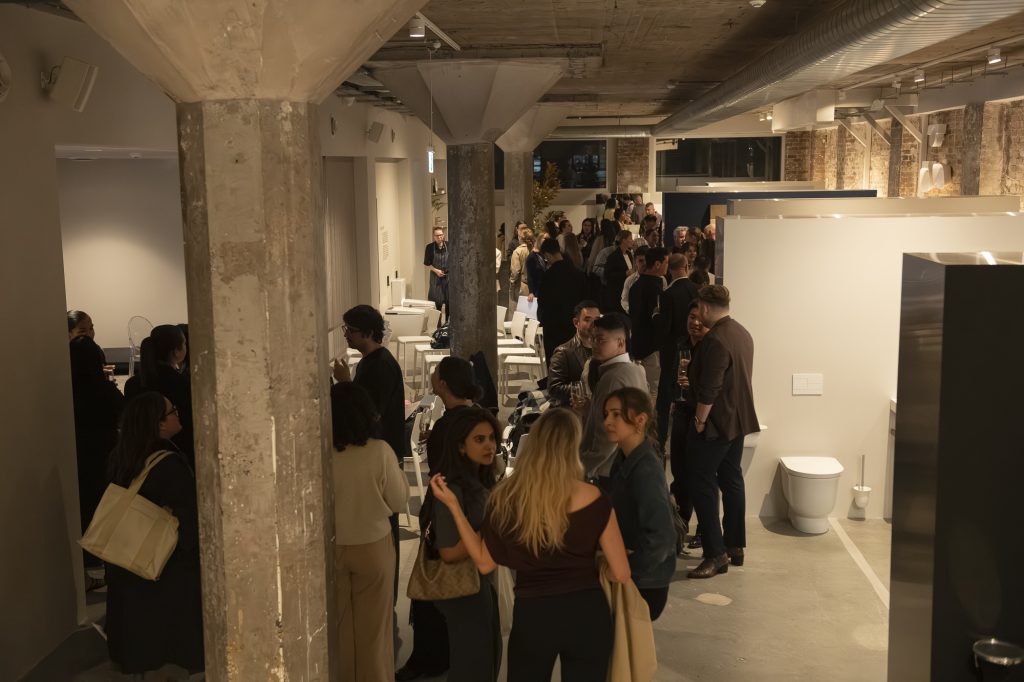
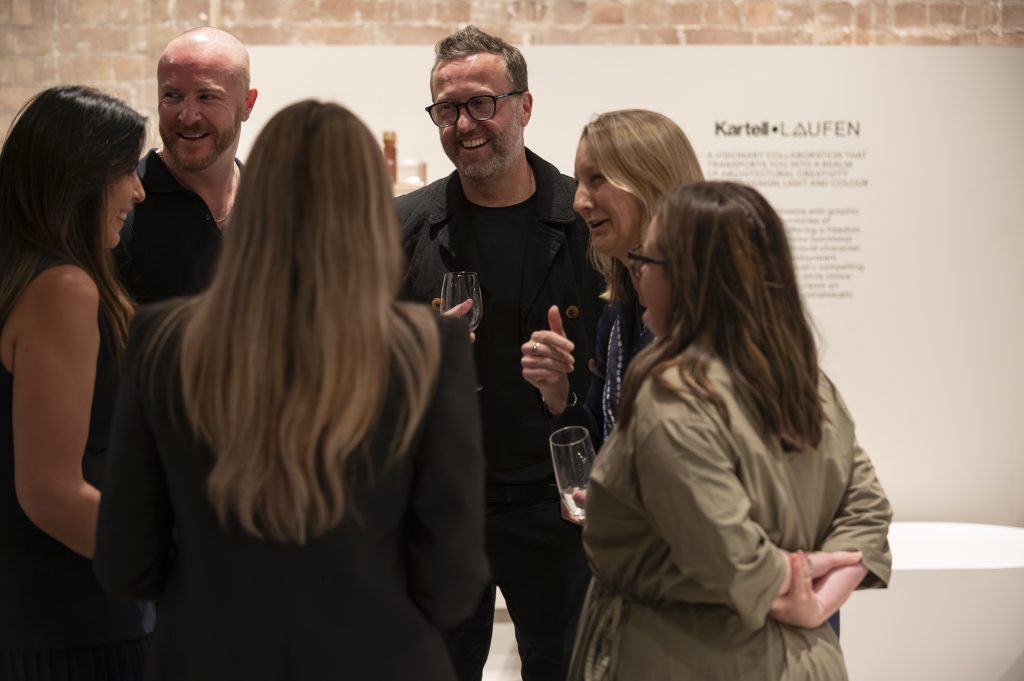
A panel of industry experts, moderated by Jeremy Bull from Alexander&CO., came together last week to discuss sustainability in the A+D industry and particularly how it applies to the design of buildings and products.
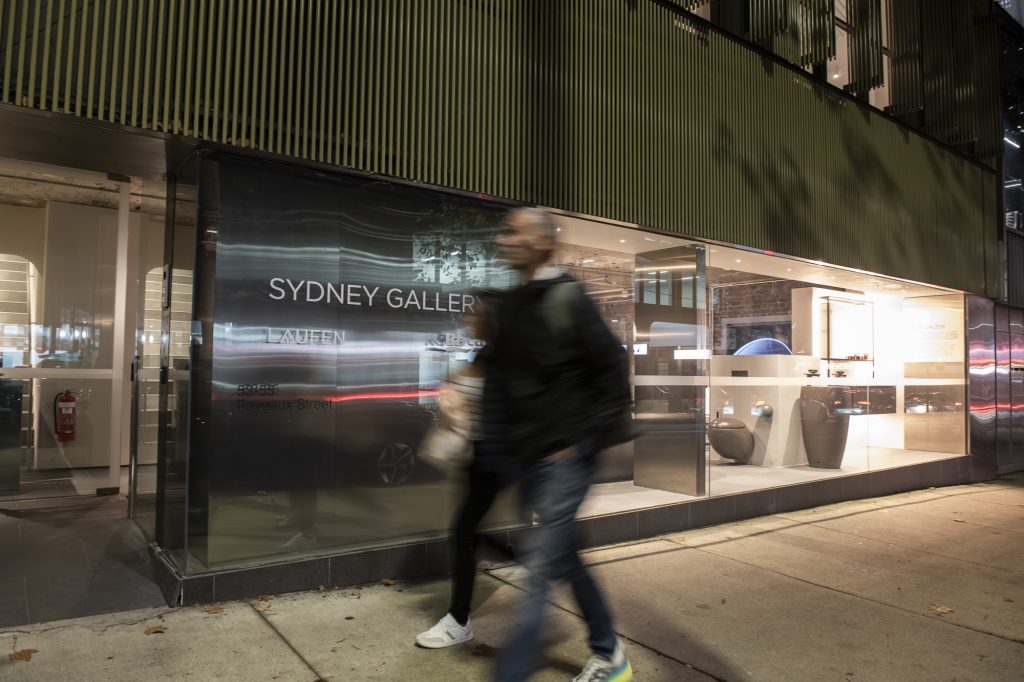
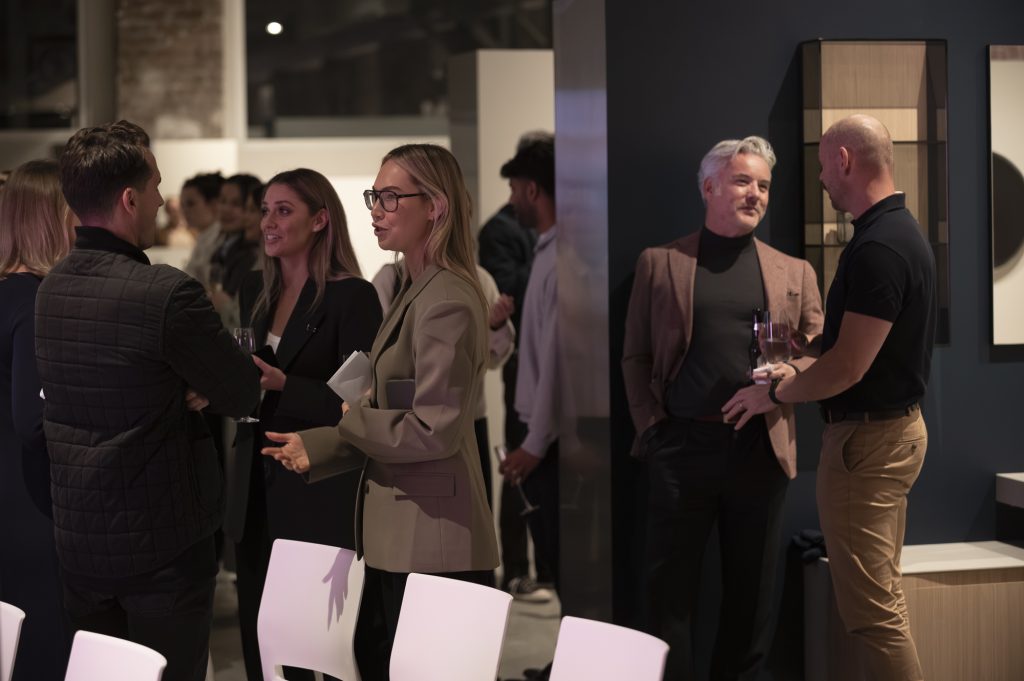
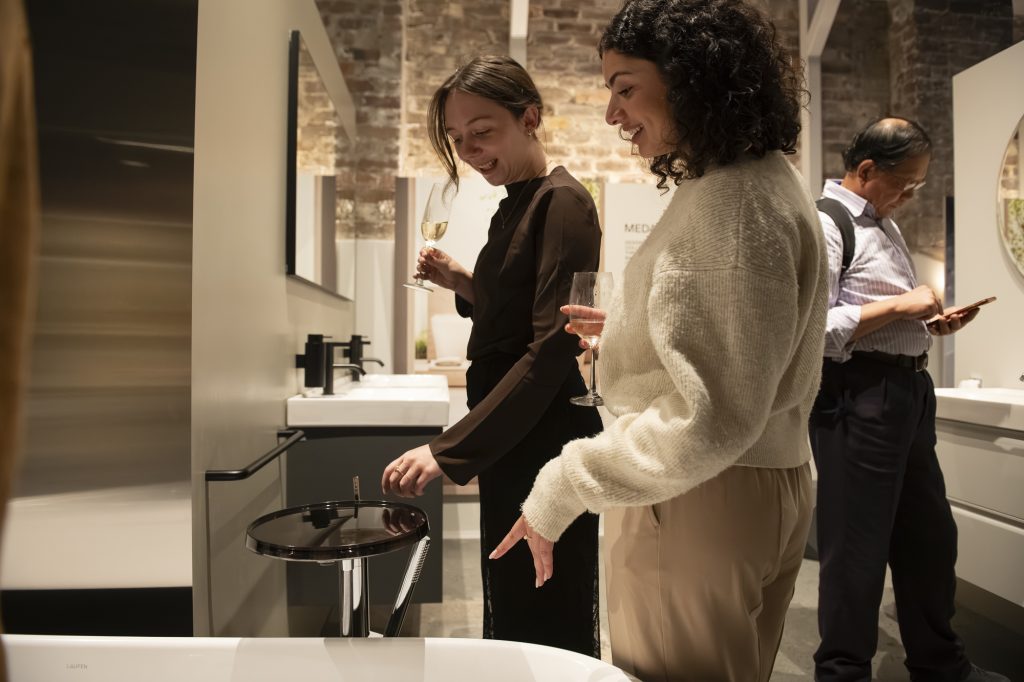
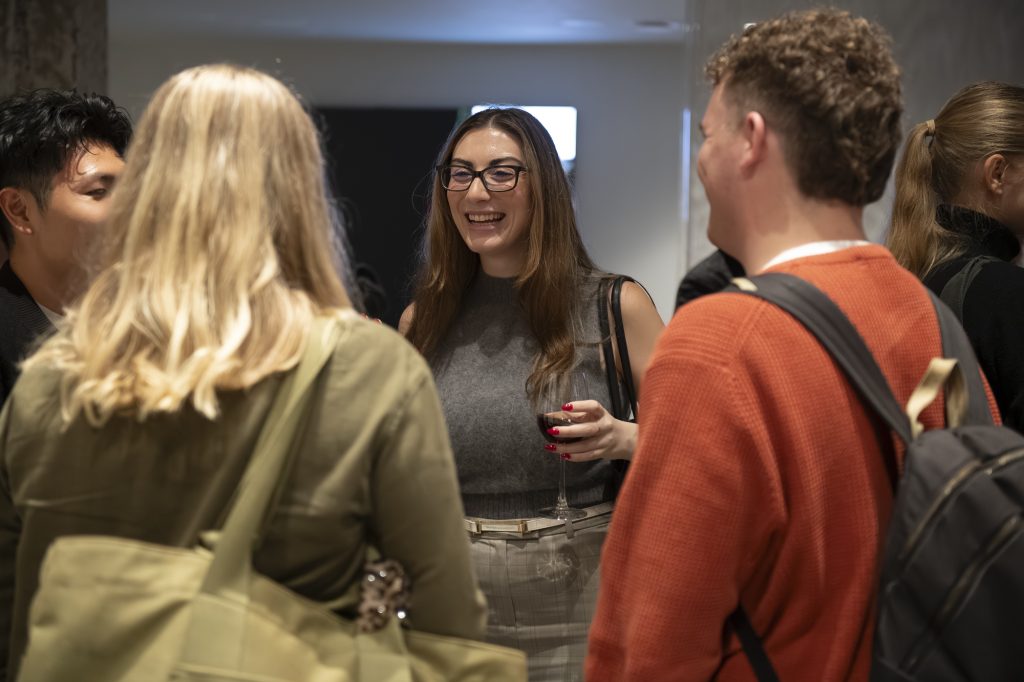
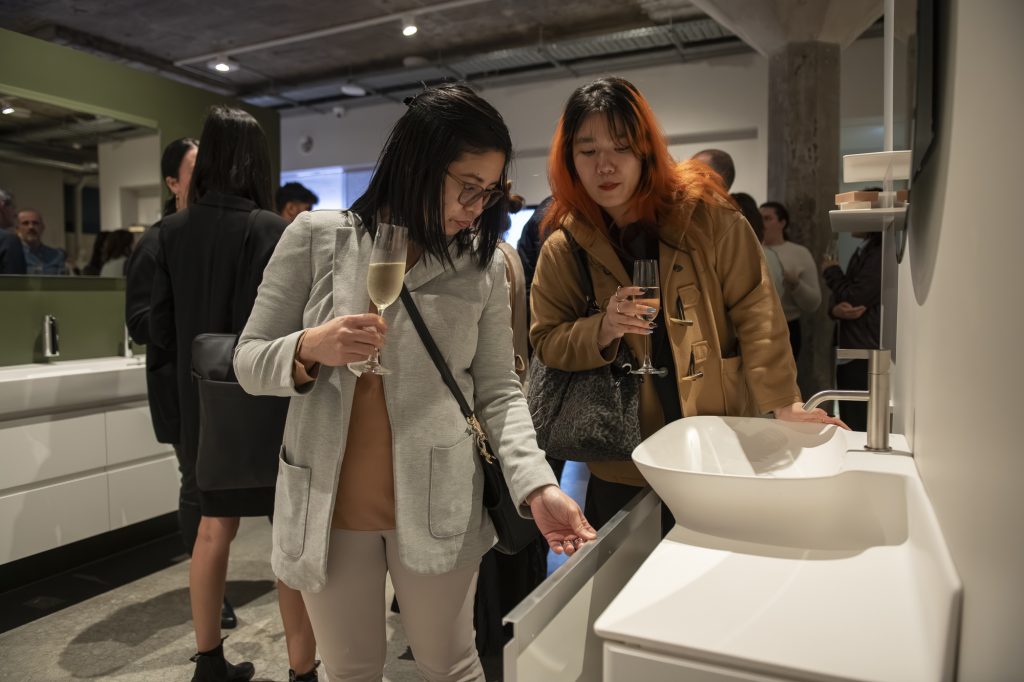
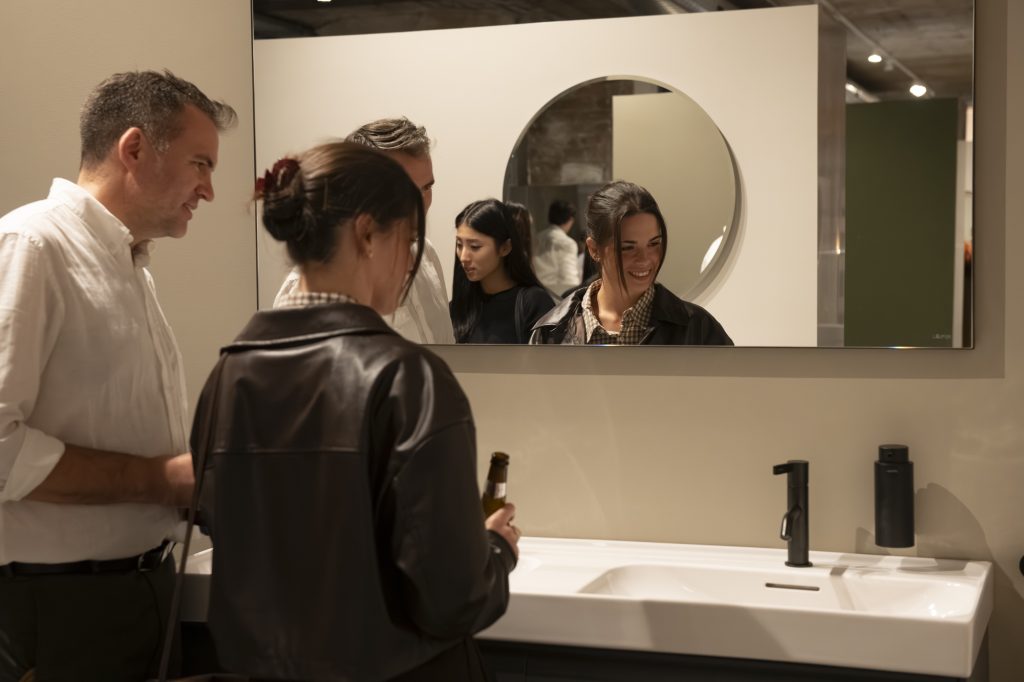
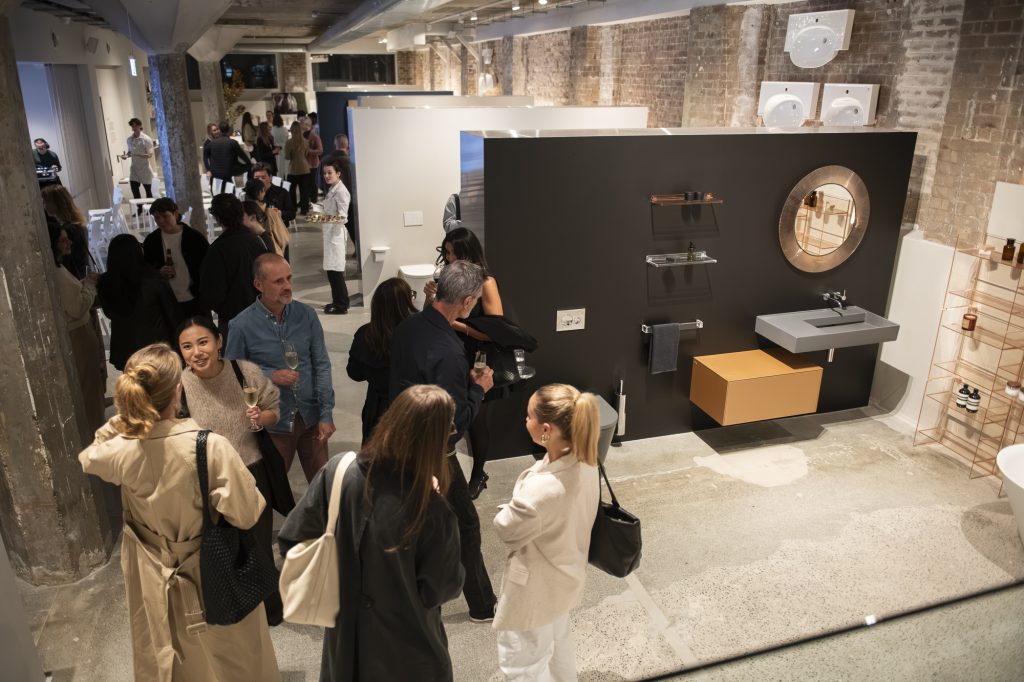
The event was held in LAUFEN’s new Sydney Gallery, where a packed house came to hear insights from Emma Greenstein, Senior Associate at DKO Architecture; Louy Bell, head of Interiors at Rob Mills Architecture and Interiors; and Phillipa le Roux, design and project director at Hilton, Australasia. Guests also took full advantage of the opportunity to catch up with industry peers and investigate the range on display in LAUFEN’s spacious new location, designed by DKO.
Bull was introduced by Sydney Gallery manager Jack Peacock, who noted the architect’s interest in the connection between people and place storytelling, as well as his credentials as a key advocate for sustainability in design and as the principal of a B Corp certified studio.
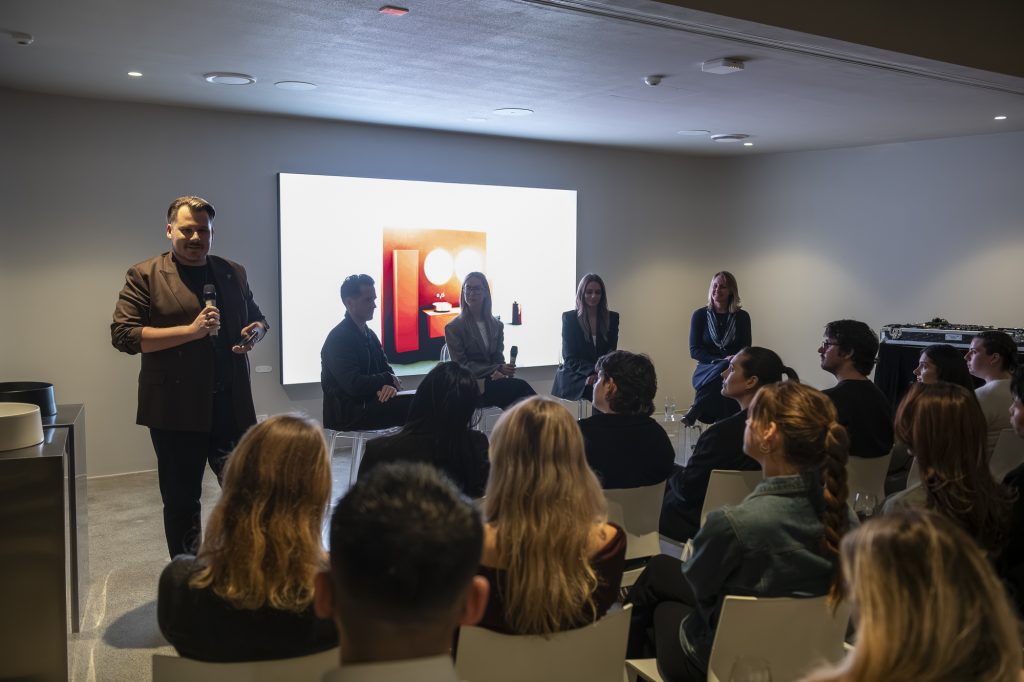
Bull kicked off the discussion by getting straight to the point with a couple of pertinent questions: “I wonder who here knows how much waste they produce each year?” and “I wonder who knows how much carbon they produce each year?”
He continued, “Society regards its waste products as an unfortunate but necessary consequence,” and promised to share Alexander&CO.’s experiences in this area, before introducing the panel: Bell, Greenstein and le Roux.
Bull addressed his first question to Bell, asking, “Working with a pioneer in sustainability, which is what LAUFEN is, what does success in sustainability look like to you now? And how would you measure it?”
Bell replied that first of all sustainability is something that should be considered from day one on a project. “A measure of success is building something that is intelligent, and that has technology and systems in place that are really delivering from a sustainability point of view, using materials that are durable,” she said. “I think a big one for us is designing residences and homes that are built to last, not only physically, but in a sense that they’re timeless, that they’re going to be enjoyed for generations, projects that aren’t necessarily designed on trends.”
Combating the urge to the Instagrammable
Bull noted the pressures studios can feel regarding the aesthetics of a project. A long-term vision may not necessarily produce the ‘brightest shiniest thing’ that is instantly marketable and attractive to the publishing community or social media, he suggested.
Bell advocated for education and the managment of clients’ expectations, explaining to them that natural and sustainable materials are the ones that will change over time in beautiful ways.
Turning to le Roux, Bull asked what perspective Hilton Hotels would have on the topic. “You’re on-site with developers, builders and designers, you’d see a lot of the life cycle of a building?”
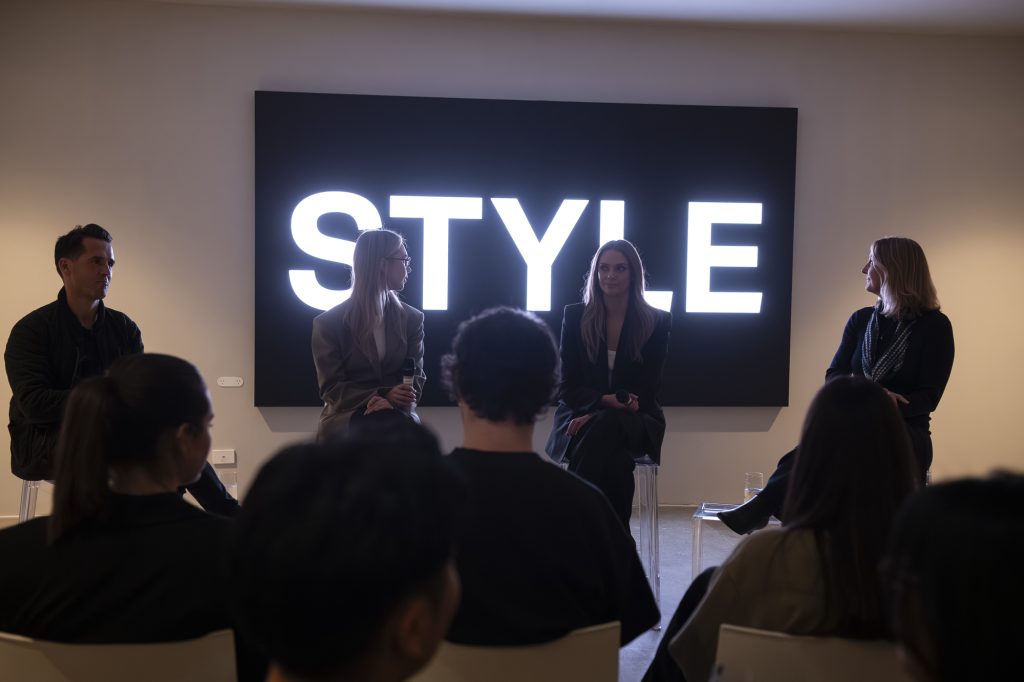
In response, le Roux returned to Bull’s first question. “I think you touched on this at the beginning. It’s the fact that we by nature are generating waste, right? Whether it’s on a construction company site or whether it’s in an operating hotel, I think we have to be aware that hotels across the world are generating an enormous amount of waste,” she conceded.
“But I think what we’re doing right is getting the right strategies and processes to try and reduce that.” She added that Hilton prioritises getting the team set up correctly from the beginning of the build, whether it’s a new build from scratch or “whether it’s a conversion and looking at what we’ve got on-site and what we can use”.
She says the hotel group now looks at working with a “very highly skilled people who can start talking about sustainability from day one and really embed that into the owners’ ethos”.
Hilton’s le Roux then discussed how one of the traditional sticking points for sustainable building – financial constraints – is now changing. “We know that in the past sustainable builds were anything from eight, 15 or 25 percent more expensive than traditional build,” she said. “We’ve got so many cases that show this is now two or three percent. If you get the early involvement, if you get the right design direction from the beginning, you’re not that far off the cost of a traditional building. What has generally stopped us getting sustainability has been the cost of it.”

Echoing Bell’s comment about building to last, le Roux referred to a recently renovated project in Sydney. “Those rooms were built back in 2005 and they were so well built back then and to such a high quality that we didn’t have to touch them. That’s the really big one!”
Updating the soft furnishings is one thing, but it’s components like bathrooms that have the most significant carbon impact elements, she said. “If you can create a good base palette that is very tight in terms of the natural materials, natural stones, natural tenders, I think then you can play with your artwork and furnishings and lighting. There are a lot more things you can play with from a renovation perspective that are generally less costly.”
Increasing client incentives
Greenstein also echoed Bell, reiterating that education is a duty for practices – for themselves as well as their clients. She called for “more social responsibility from us as a practice”.
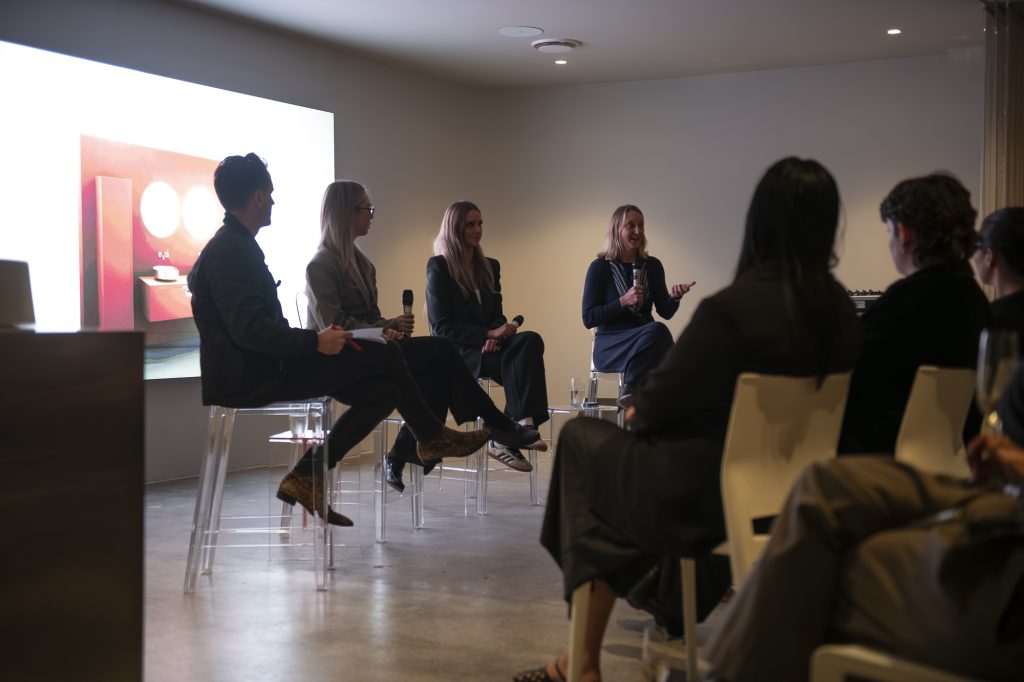
“We do have some clients who have certain expectations in terms of social responsibility, which is great,” she added.
“If we cut out the social responsibility, the global village that we belong to and our conscience, what is the retirement investment and how does it monetise itself?” asked Bull.
Jumping in, le Roux distilled the issue to two pillars. “Obviously we work with our owners – we don’t own our own hotels, we manage them or we franchise them. So we’re a branding company and then an operating company. But all of our arguments come back to how is this going to save the owner money? We’re going to operate this asset for you, … and ultimately the better we can design it, the more energy efficient hotel is, the more water efficient the hotel is, the more we can recycle, the less it’s going to cost us to operate that,” she said.
“But I think the other really big thing, that’s only really come up in the last, probably, eight to 10 years, has been the fact that owners are incentivised, because they get a lot more access to finance if they are building to a certain accreditation. And that gives them a lot more ability to then build more and develop their portfolio. But also on top of that once you’ve got the green-star neighbours, the value of the asset is so much higher.
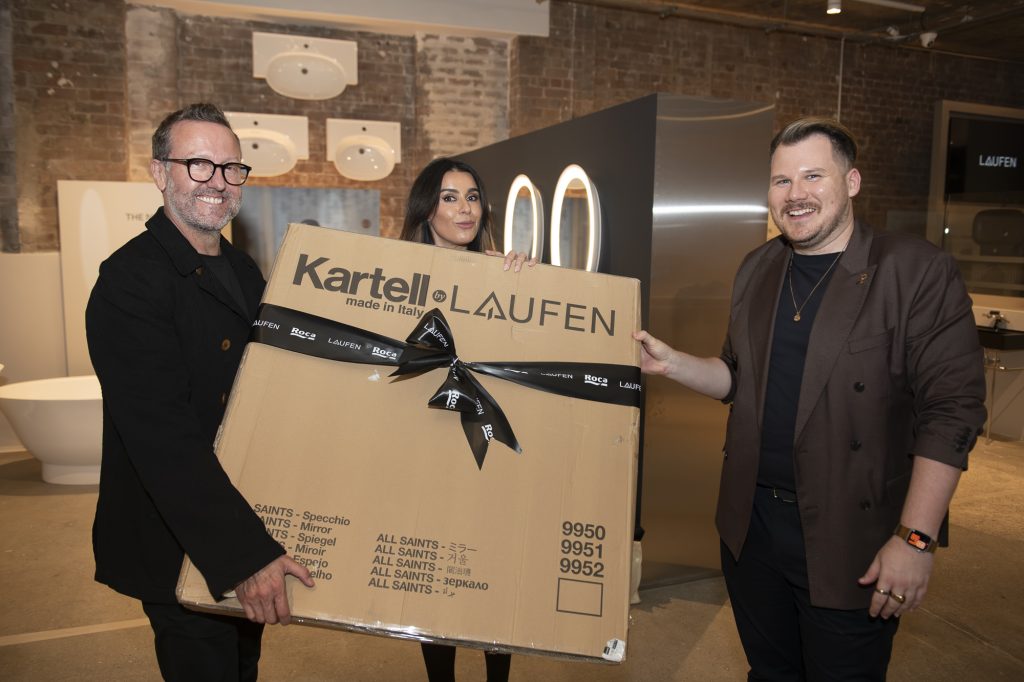
“It was quite staggering when I was checking with our sustainability manager this afternoon and it’s anything from eight to 18 percent higher with a high sustainability certificate. So there is also a huge incentive from a monetary term.”
Healthy, wealthy and wise
Bell agreed that the financial considerations are paramount, but the basics are about good design first and foremost. “When a client walks in the door and we are commissioned to build their dream home I think a huge responsibility comes from that, because we are saying ‘we’re going to deliver a quality home that is healthy to live in and that is going to be providing your quality of life’.
“For us, incentive is making sure we deliver on that front and that we are constantly researching new materials and methods and more, so everyone’s so educated. Our clients in particular come to us with ideas and solutions and materials, and I think we have such a responsibility to be on the forefront of what we can do and what we can implement in our homes to make them healthier and provide our clients with a better quality of life.”
For further information about LAUFEN’s Sydney Gallery.
All photography: Narrative Post.

© Niche Media 2026