
Raise a glass: Jansz Tasmania celebrates four decades of sparkling wine

Share

As Jansz Tasmania celebrates its 40th anniversary, senior winemaker Teresa Heuzenroeder reflects on how landscape, time and human judgement come together to shape a distinctly Tasmanian expression of sparkling wine.
Great wine and great design share an understanding of place, materials and craft. For Jansz Tasmania, these principles have shaped a sparkling wine house four decades in the making.
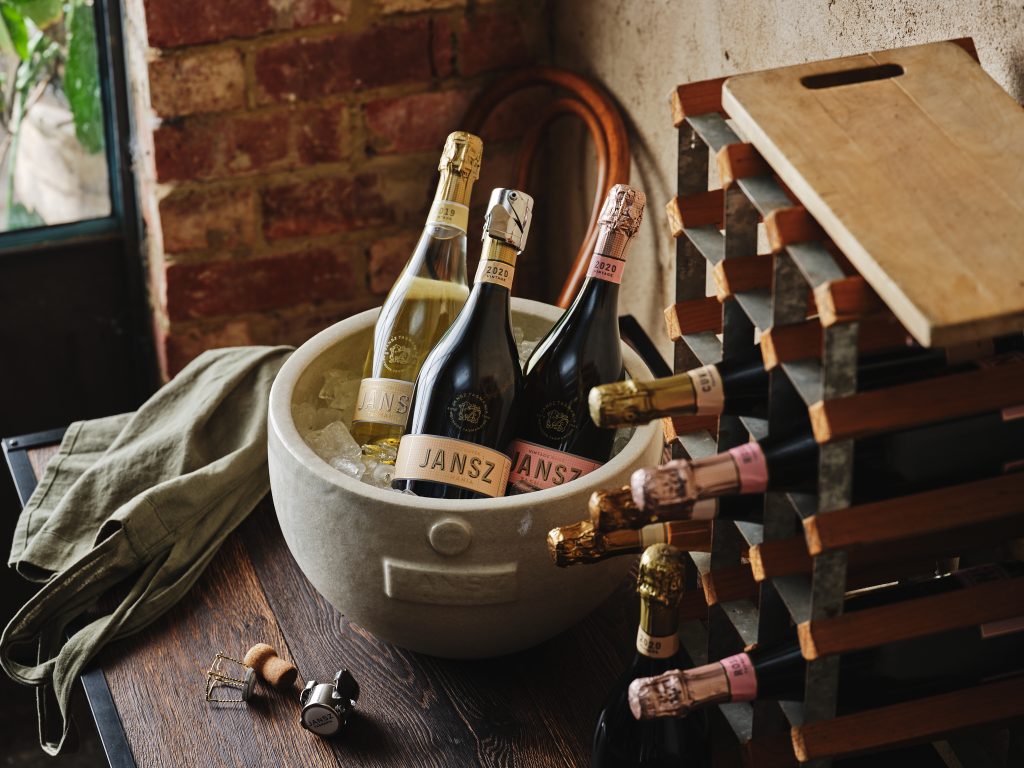
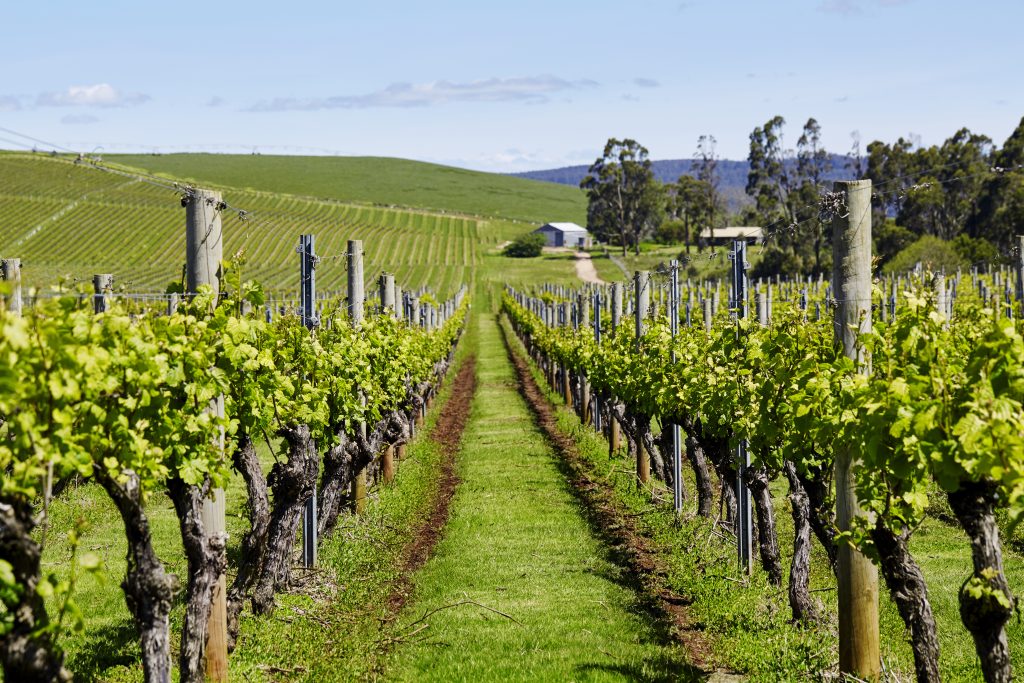
The story began in 1986, when renowned Champagne house Louis Roederer partnered with Heemskerk Wines to establish vineyards in Pipers River, northern Tasmania. Recognising the region’s potential for sparkling wine, Chardonnay and Pinot Noir were planted with an ambitious goal: to produce world-class sparkling wine in Australia.
Following the Hill-Smith Family’s acquisition of the brand in 1998, Jansz Tasmania evolved into a house devoted solely to sparkling wine. Forty years later, its identity remains intrinsically connected to the Tasmanian landscape.
For senior winemaker Teresa Heuzenroeder, that connection begins with the fruit.
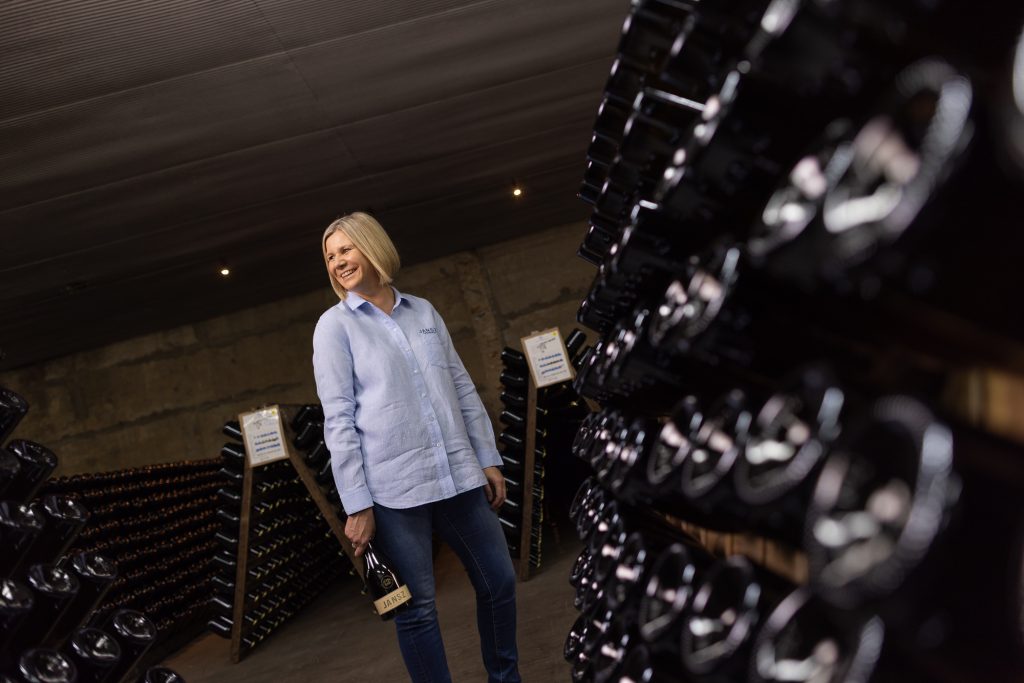
“I love the power and intensity of the fruit that we grow in Tasmania, and with that comes a very distinctive acid drive and elegance.”
At Pipers River, maritime influence and a cool climate create a long, gradual ripening season, allowing flavour to develop while preserving the natural acidity essential to fine sparkling wine. Here, climate is not simply a backdrop, but an active part of the winemaking process.
This close relationship between place and process underpins Jansz Tasmania’s philosophy of Méthode Tasmanoise: a distinctly Tasmanian interpretation of the traditional méthode traditionnelle. More than a production method, it is a philosophy shaped by climate, fruit, patience and the particular qualities of place.
“The term Méthode Tasmanoise was coined to capture all the elements that go into making luxury Tasmanian sparkling wine,” Heuzenroeder explains. “It captures the relationship between place and craft that sits at the heart of Jansz Tasmania, from Tasmania’s cool climate and distinctive fruit to the way we make our wines.”
A career shaped by curiosity
Behind this approach is a winemaker whose practice combines scientific understanding with intuition. Heuzenroeder’s path into wine was not entirely planned. After studying chemistry and microbiology, she began her wine industry career as a microbiologist in the Barossa at Yalumba.
“During a chance tasting one day, I had a lightbulb moment when I realised lab life wasn’t for me, but winemaking was, and it all grew from there.”
Heuzenroeder went on to study Wine Science and build a career spanning Yalumba, Petaluma, Croser and Josef Chromy before returning to Hill-Smith Family Estates in 2025 as senior winemaker for Jansz Tasmania.
That scientific foundation continues to inform her work, but winemaking also demands an ability to observe and respond to conditions that change with every season. Almost three decades into her career, it is still the unpredictability of winemaking that keeps her engaged.
“Every vintage brings a fresh sense of anticipation. You never quite know what the season will bring, and Mother Nature plays a big part in that, which is not something you can control,” she says. “That fine line between excitement and uncertainty keeps you thinking and adapting.”
When time becomes part of the craft
If place provides the raw material, time gives sparkling wine its structure, complexity and final form. It cannot be hurried or standardised, and the finished wine is the result of many decisions, adjustments and restraint.
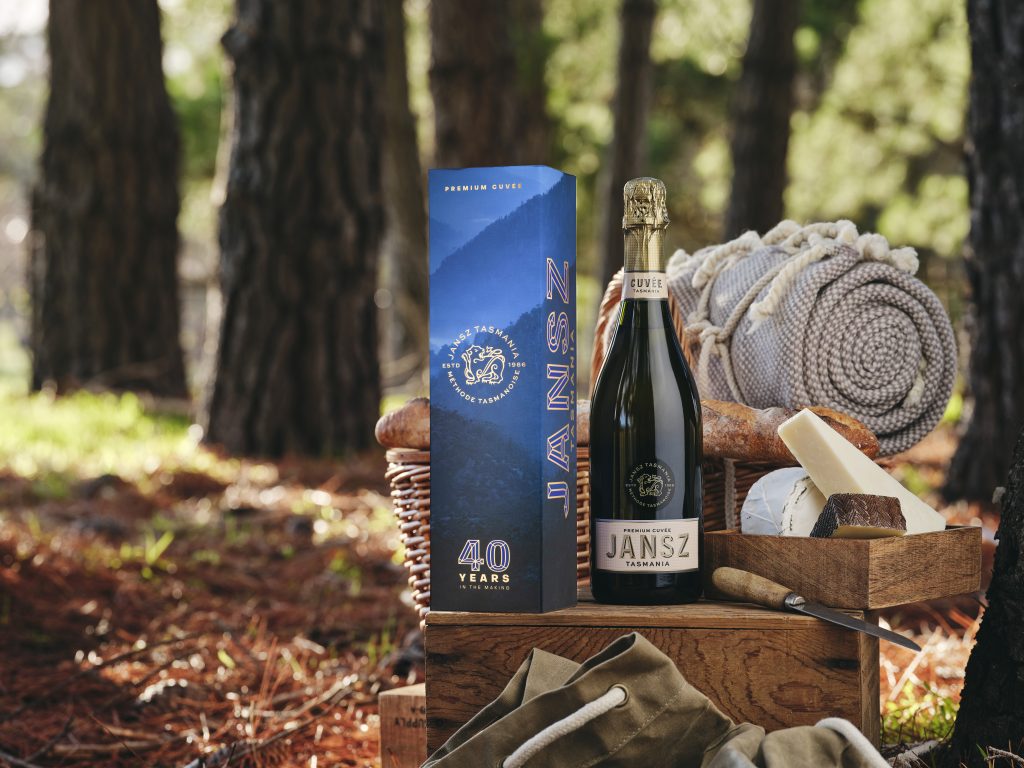
To mark its 40th anniversary, Jansz Tasmania is opening its cellar to release three rare wines from 2011: a Late Disgorged Vintage Cuvée, Late Disgorged Vintage Rosé and Late Disgorged Blanc de Blancs.
Each wine has spent more than 14 years, or 175 months, ageing on yeast lees before release. Rather than following an annual release schedule, the wines were held until Heuzenroeder and the wider winemaking team believed they had reached their absolute peak, an approach guided by patience, provenance and precision.
For Heuzenroeder, revisiting wines from Jansz Tasmania’s cellar has also provided a window into how well the wines can evolve.
“To celebrate the anniversary, we have been looking at numerous back vintages of older Jansz Tasmania wines that have been stored on cork for many years,” she says. “Some of the older Chardonnays have been amazingly youthful. The 2011 vintage is one that comes to mind as a standout.”
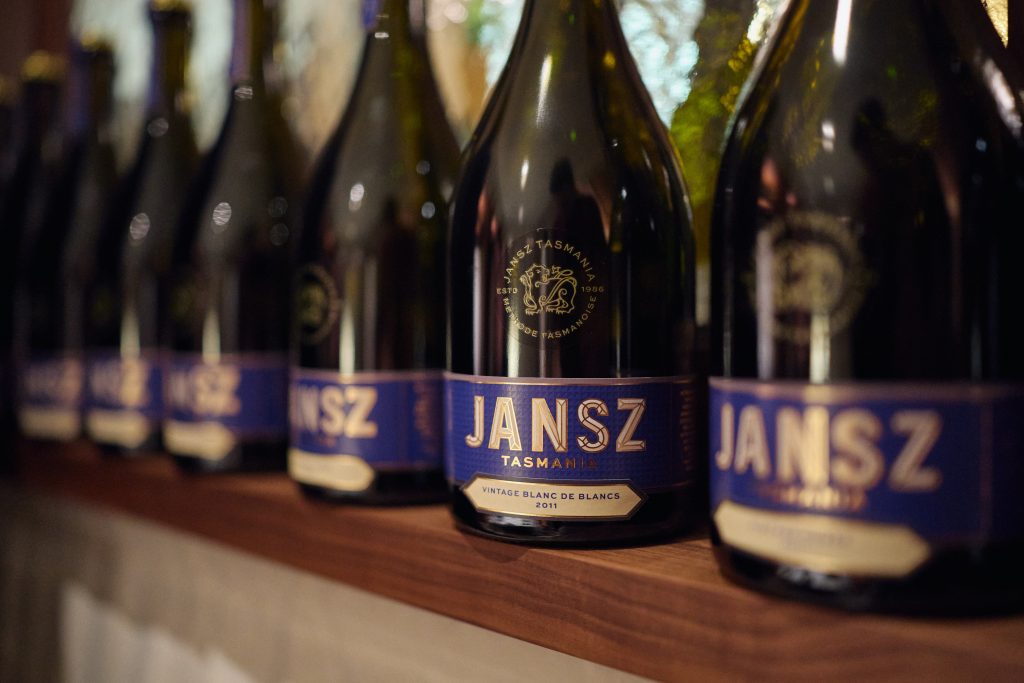
While the anniversary releases demonstrate the transformative role of time, the house’s latest wines offer a more immediate expression of place.
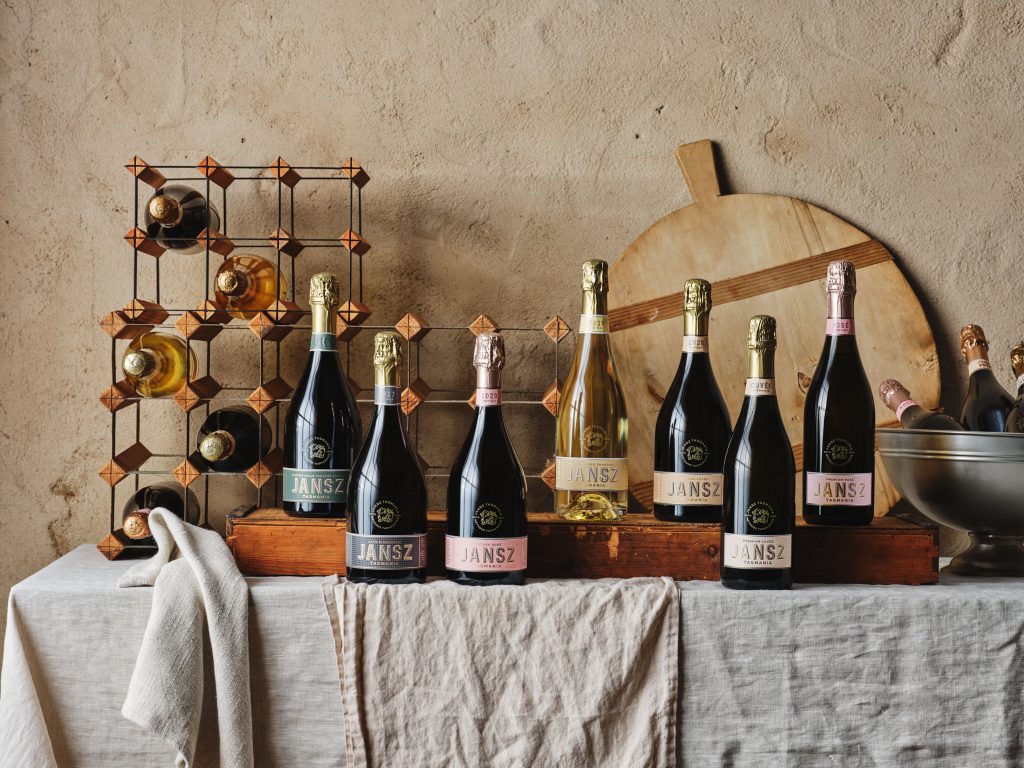
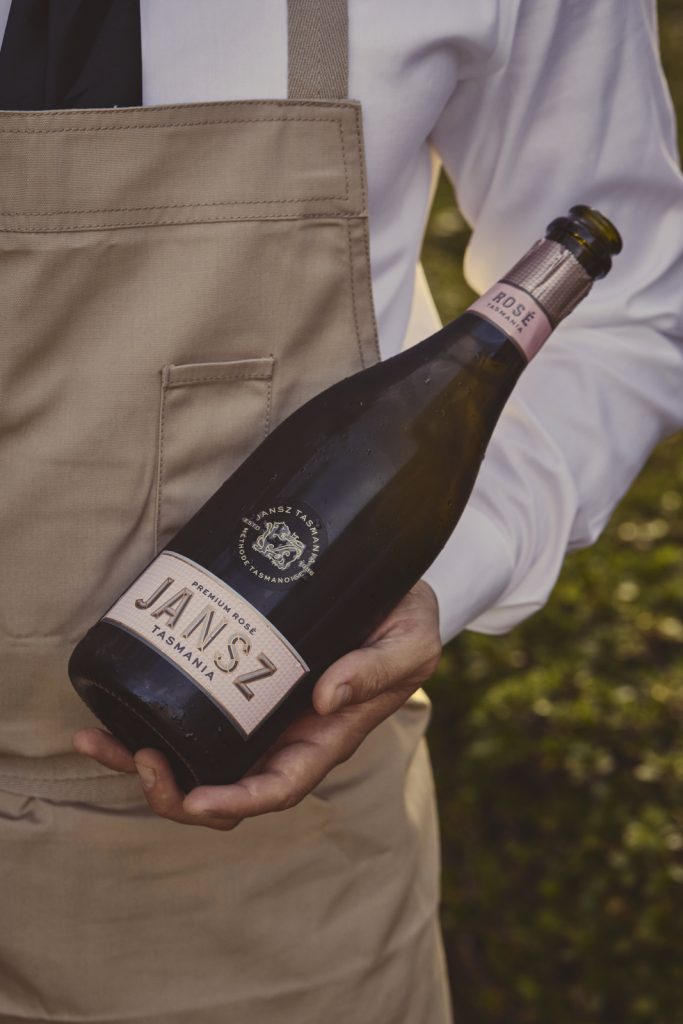
The Jansz Tasmania Vintage Cuvée 2022 is crafted from Chardonnay and Pinot Noir from the original Pipers River vineyard and spent more than three years ageing on lees. The Jansz Tasmania Vintage Rosé 2020 is made entirely from Pipers River Pinot Noir while the Jansz Tasmania Single Vineyard Vintage Chardonnay 2020 is rarer still, produced from select estate-grown Chardonnay, with just 3,960 individually numbered bottles made.
A distinctly Australian expression
Forty years on, Jansz Tasmania’s evolution also reflects a broader confidence in Australian design and craftmanship: an ability to learn from established traditions without being constrained by them.
Drawing on the traditions of Champagne, the house has developed its own identity, grounded in Tasmania’s climate, landscape and fruit. It is something Heuzenroeder sees as a strength of Australian sparkling wine more broadly.
“We have the freedom to create wines with unique and distinct expressions from regions and sites specifically suited to producing high-quality sparkling,” she says.
And while the technical craft behind sparkling wine can be complex, Heuzenroeder’s philosophy around drinking it is refreshingly uncomplicated.
“I try not to overanalyse wines and just be in the moment,” she says. “For me, that is what wine is meant to be about, whether it’s enjoyed over a meal, with friends or during any of life’s special moments.”
It is perhaps a fitting sentiment for Jansz Tasmania at 40: a sparkling wine house shaped by place, craftsmanship and patience, but ultimately created to be celebrated and enjoyed.
Photos: Supplied.
For more information visit Jansz Tasmania.

© Niche Media 2026