

Gray Puksand comes aboard as a 30UNDER30 practice partner
Gray Puksand comes aboard as a 30UNDER30 practice partner

Share
For over 35 years, Gray Puksand has been a stalwart in the Australian architecture industry, shaping people-centric places across the country. Founded in Melbourne by Robert Puksand, the firm has grown and expanded into Canberra, Sydney and Brisbane.
This year Gray Puksand has signed on to become a practice partner for ADR‘s 30UNDER30 program. Nik Tabain, national managing partner at Gray Puksand, speaks to ADR about the practice’s motivation for joining the program, what he values in emerging designers and how his own journey as a ‘sponge’ for knowledge has shaped his practice.
Australian Design Review: You’ve come on board as a practice partner for 30UNDER30. What made you want to get involved?
Nik Tabain: Fundamentally, while we’re a design practice, we’re actually a people business. Clients engage us not only for our design expertise, but also for the way we work with people. If we’re not investing in our teams, we risk stagnating as a profession. We need to continually be training, advancing and supporting young professionals.
Strong communication, collaboration and the ability to learn from others are just as important as technical capability. Those skills directly influence how we work with clients because, at its core, architecture is a service industry. Design is what we deliver, but people are what make it possible.
We’ve had team members involved in the program over the years, so we already understood the value it brings. What really stood out to us was the calibre of mentors and peers that participants gain access to. The opportunity to learn from some of the best in the industry can be genuinely career-defining.
What has the feedback been from those at Gray Puksand who’ve taken part in 30UNDER30?
It’s been incredibly positive. Interestingly, we recently welcomed a new team member in Sydney who had previously participated in the program at another practice. We’ve seen first-hand the long-term value the program creates, and she’s been outstanding.

In your own career, did you have any similar program to this when you were starting out or is it something that you wish you’d had?
I wasn’t aware of programs like this when I was younger. A lot of my development came through wanting to continuously prove and improve myself. I wouldn’t say I was overtly ambitious, but I always knew I needed to keep learning.
If a program like 30UNDER30 had existed back then, I absolutely would have embraced it. Most of my learning came through observation – listening to people, watching how leaders operated, learning on the job. I’ve always approached my career like a sponge, constantly absorbing knowledge and looking for ways to improve.
What would have been especially valuable is the broader network. Early in your career, your professional circle can be quite limited, so having access to a wider cohort of peers and mentors would have been incredibly beneficial.
This attendees at this year’s Creative Retreat in Bali are quite diverse because it’s also the Reunion year – with the 2026/2027 cohort also meeting alumni from previous years. How important do you think it is for emerging designers to interact with all the different professions in the industry at an early stage in their career?
It’s incredibly important. I was actually talking to our founder, Rob Puksand, the other day about this issue, that architects can sometimes become quite insular, because we’re so focused on delivering projects. But the reality is, you don’t know what you don’t know. The best professionals are the ones who continue learning from others throughout their careers.
Everyone faces different challenges, and understanding the perspectives and experiences of others gives you a much broader understanding of the industry and your role within it. Spending time with peers and like-minded professionals is critical because it helps build perspective, empathy and a collaborative approach.
Anything that expands your network, your knowledge base or your understanding of the broader ecosystem is valuable – not just professionally, but personally as well.
What sorts of skills or traits do you look for in young designers? I’m guessing the sponge effect is one?
Curiosity and willingness to learn are huge. If I’m comparing someone who’s highly talented but overly confident with someone slightly less experienced who demonstrates strong work ethic, humility and a willingness to grow, I’ll almost always lean towards the latter.
Graduates already come with a solid foundation of skills. What really matters is attitude – being open to learning, collaborating and contributing to a team. That’s what creates long-term success.
The industry is evolving rapidly, particularly with technology, so people who continue investing in themselves and developing new skills will be much better positioned for the future.
I’ve also learned a tremendous amount from younger team members myself. Graduates bring different perspectives, different technological skills and new ways of thinking. That cross-generational exchange is incredibly valuable and strengthens the practice as a whole.
The other thing with these sorts of programs, whether it be 30UNDER30 or a graduate program, is the cross-generational learning. As you were saying, having the younger people come in with new skills and new ideas is just as beneficial for the experienced practitioners who can learn from them and then also provide the mentorship. It goes both ways.
Absolutely, it does.
That relates to my next question – how does Gray Puksand balance new technology and traditional design skills. How do you have both?
Technology is a tool – it supports the design process, but it doesn’t replace design thinking. The critical thinking, creativity and human understanding behind good design remain essential.
We know technology will continue to improve efficiency and productivity, particularly around repetitive tasks. But thoughtful design outcomes still rely on human insight, curiosity and intent. AI can help test ideas and support workflows, but it doesn’t replace the core sensibility behind meaningful design.
Two of our core values are ‘people first’ and ‘design excellence’. At the end of the day, the spaces we create are for people, and that human-centred approach will always remain central to what we do.
I suppose this comes back to what you were saying before about upskilling and staying ahead of the curve, but what do you think are the main challenges facing young designers, especially at the moment?
The first challenge is simply getting that first opportunity. I’ve heard stories of graduates searching for work for more than a year, and that can be incredibly difficult. But once people get their foot in the door, many thrive.
Another challenge is gaining practical, on-site experience. As procurement models evolve, some designers have less exposure to how projects are actually built. Understanding construction and buildability makes you a stronger designer, so finding opportunities to engage with site experience is really important.
I also think the profession needs a stronger understanding of business. Most architects and designers aren’t taught much about the commercial side of practice. I’ve learned most of that on the job myself. Understanding business fundamentals is essential because without a sustainable business, there’s no opportunity to design.
Is there any advice you would give your 30-year-old self now, if you could go back?
I’d probably tell myself to have more confidence in my abilities. When you’re younger, you can spend a lot of time questioning yourself or hesitating to back your instincts. I’ve always worked hard, but I think stronger self-belief earlier on would have made a difference.
Would you change anything?
Not really. Architecture has given me a very rewarding career and a great life. It’s a challenging profession, but also an incredibly meaningful one.
So what advice would you have for people who are unsure if they should apply?
You have to put yourself forward. If you don’t try, opportunities simply don’t happen. Programs like 30UNDER30 help people build confidence, relationships and visibility within the industry. The connections formed early in your career often become the professional networks you grow alongside for decades. Those relationships can shape your career in incredibly positive ways.
We don’t work in isolation; we operate within a much larger ecosystem. The more connected and informed you are, the better professional you become.
What are you most excited for about being involved in the program?
Seeing the development of emerging designers. Design has an enormous impact on people’s lives, and I don’t think the profession always communicates that strongly enough.
If the program helps participants better understand the value of design and gives them the confidence to advocate for it, then that’s incredibly important.
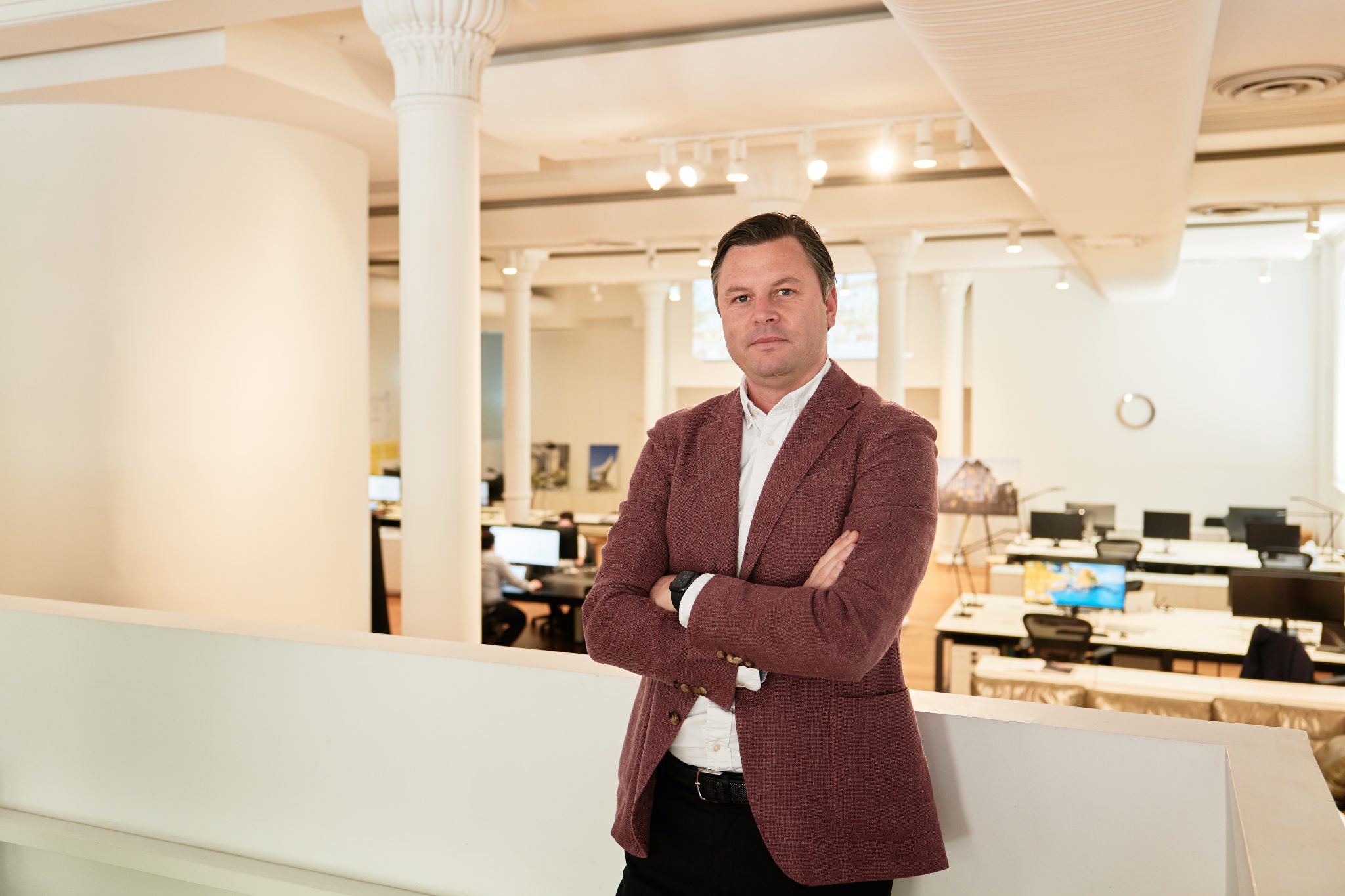
Top image: Nik Tabain. Supplied.
ADR’s 30UNDER30 program is brought to you by co-major sponsors Neolith and King Living, alongside partners Designer Rugs, LAUFEN, Krost, Miele, Signature Appliances powered by Miele and Tongue & Groove.
ADR is also grateful to our 30UNDER30 practice partners AJC Architects, BVN, Cera Stribley, COX Architecture, Design by WBL, DKO, Genton, Gray Puksand, GroupGSA, Hare + Klein, Hassell, HDR, Lawless & Meyerson, Luchetti Krelle, Made For, Mim Design, Richards Stanisich, RIZEN Atelier, Rothelowman, SJB, T. Black and Tom Mark Henry for helping us foster the future of Australian design.
Follow @ausdesignreview and @adr30under30 and subscribe to ADR’s newsletter to stay up-to-date with the program.
You Might also Like


Related Stories

© Niche Media 2026