

Designer Selects: Streifen’s historic reference points
Designer Selects: Streifen’s historic reference points

Share
For Streifen founders Frances Normoyle and Madeleine Murdoch, there are a number of key moments in design and fashion history that have come to serve as inspirational touchpoints for their process-driven design practice.
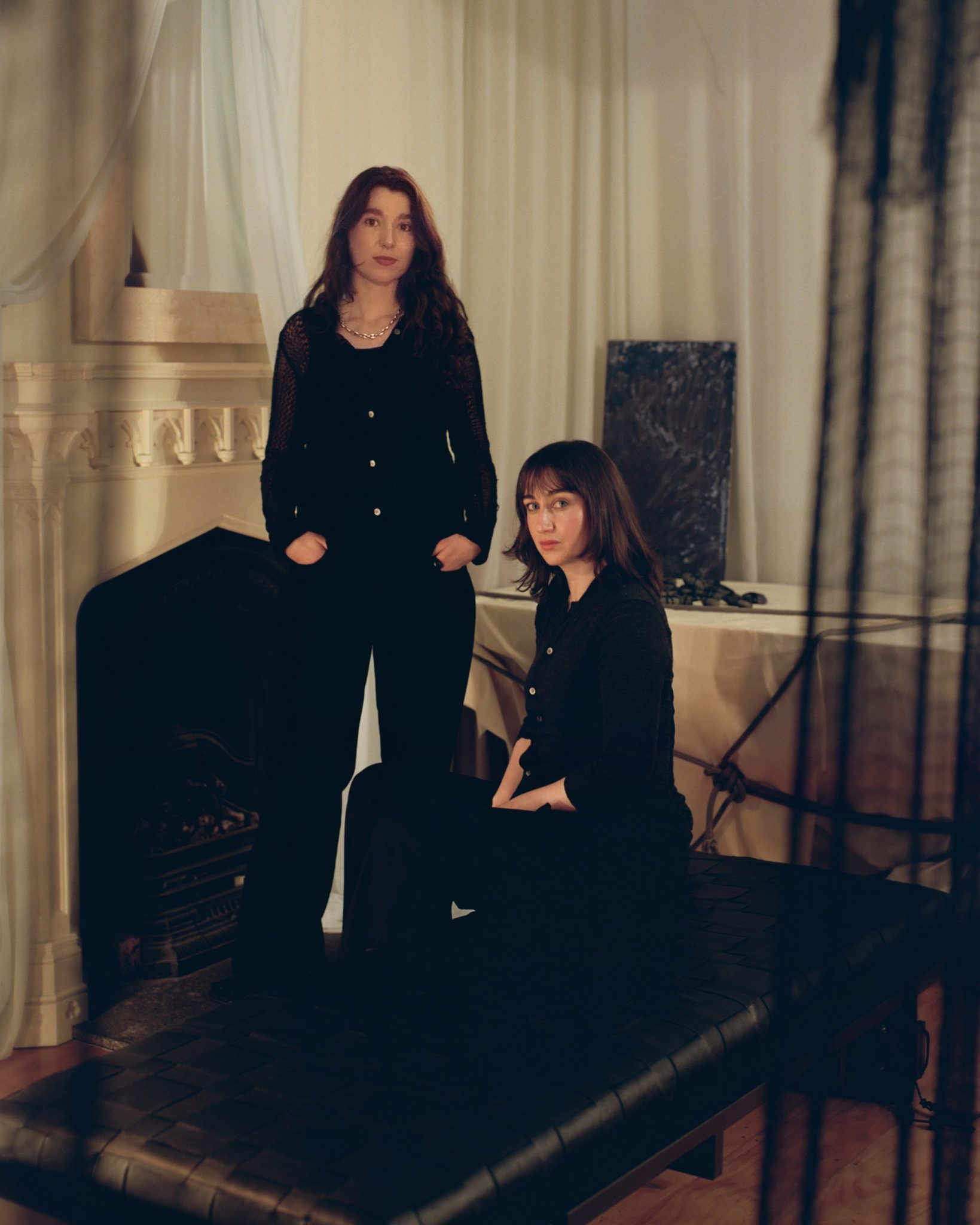
Given the duo’s predilection for poetry, philosophy and creating work that expresses a slightly gothic, borderline brutalist tension distilled through the lens of their relative youth, it’s not surprising that these influences range from Eileen Gray, Alexander McQueen, a carnal scent by Alessandro Gualtieri, and everything in between.
Here, Normoyle and Murdoch take us inside their creative minds through the objects and moments that have shaped their design approach.
Philosophical Sofa by Franz West
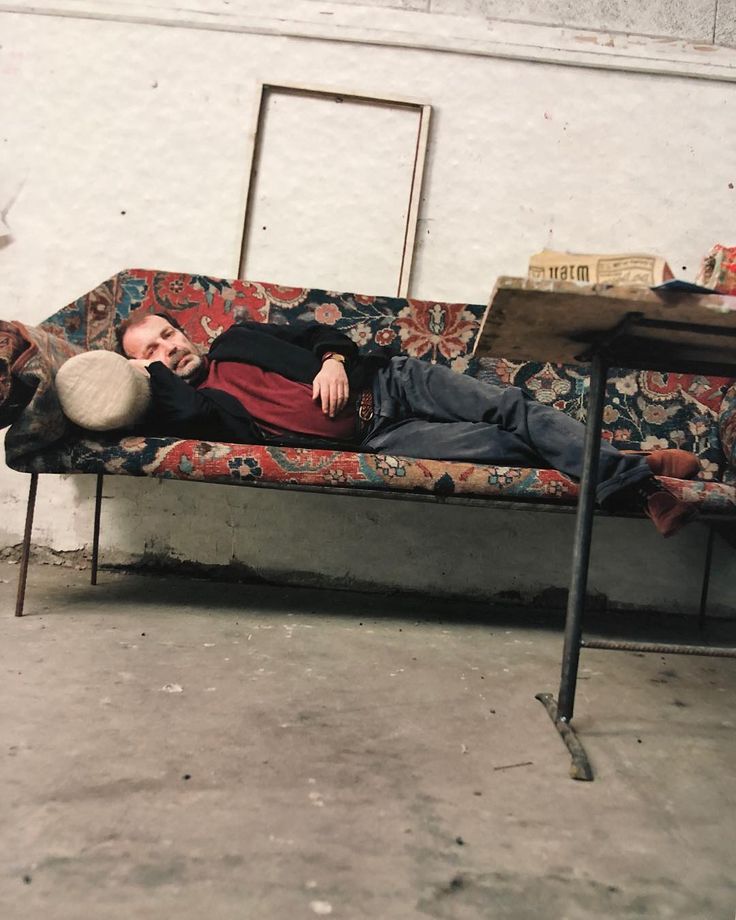
In our view, Franz West’s Philosophical sofa reads more like a sculpture, albeit a comfortable, functional one. West wanted people to interact with his work, not just look at it. The odd shapes, use of materials more typically seen on the floor and playful colours turn sitting into an experience, reminding us that furniture doesn’t have to be serious to be meaningful.
Vanessa 1950s bed by Tobia Scarpa

The Vanessa bed, designed by Italian designer Tobia Scarpa, belongs to a more intimate canon of modernism that places delicacy and simple refinement at the forefront of the design concept. It can also be completely dismantled and its lightweight materials make it easy to transport.
Even though they’re hidden from view when the bed is actually in use as a bed, the exposed bed brackets stand out to us. They have a geometric clarity that verges on brutalism. We draw so much inspiration from the way Scarpa allowed structure to become ornament. Even when the mechanics are obscured, they remain the details we remember.
Alexander McQueen 2001 VOSS Spring/Summer runway show

Alexander McQueen’s 2001 VOSS runway stings with relevance to the world we aim to create with Streifen. A performance of fashion that was claustrophobic, confrontational and achingly beautiful. It gave new significance to the notion that beauty is pain.
This iconic show, which famously left the audience waiting for two hours staring at their own reflections, gouged an indelible mark on almost every aspect of design that stretched far beyond fashion. It also demonstrated that fashion shows are about so much more than the garment. They’re a hybrid space where performance, vulnerability and spectacle collide.
For Streifen, McQueen’s influence is less direct than it is atmospheric. We look to McQueen and his deeply layered concepts to remind us that objects can be emotional, and the way an object is staged can amplify the power of the object itself.
Reliquary by Streifen

Part shrine, part storage, Reliquary echoes a forgotten family cabinet that houses crystal glasses, dusty spirits and memory-laden objects kept just out of reach. Grounded by Streifen’s door boss motif, reimagined here as a tactile, functional detail, it creates a contemporary container with visceral presence; a shelter for objects already steeped in life. Details include a handwoven waxed-thread shelf, reclaimed rocking horsehair tassels, antique beads and hand-finished patinated shelves in a deep, blood-like red.
Eileen Gray, Screen, 1922

More sculpture than room divider, Eileen Gray’s lacquered wood screen is a study in movement and opacity. Conceived in 1922, its bold, rhythmic geometry draws on Art Deco elegance and De Stijl rigour to create a work that is intentional in form and function.
For us, Gray’s ability to design pieces that leverage the properties inherent to the materials themselves and deploy them precisely as she wants is inspiring. This work in particular is the perfect example of solidity and porosity coming together to alter how space is seen and perceived.
The Africa chair by designed by Afra and Tobia Scarpa, 1975

Designed by award-winning postmodern Italian architects and designers Afra and Tobia Scarpa in 1975, we’re drawn to the way this chair successfully and succinctly distils the language of craft into an architectural form at human scale. The dark brown leather, thick with patina and story, held taut over the strong, geometric timber frame, is the perfect expression of severity contrasted with softness.
Veldt by Streifen

A chainmaille light suspended in contradiction, Veldt is made from fine steel mesh that falls with unexpected softness, treading a fine line between delicate drape and protective armour. Light slips through its folds, catching and scattering in shifting patterns. Brutalist in origin but sensual in effect, it holds its form while loosening its grip. We created this piece intentionally to look unintentional, as if the mesh had just been thrown over and left to settle in place.
Victorian Face Screens

This delicate and elegant shield-like accessory was used by Victorian women to protect their faces from the heat of the fireplace. Some believed it kept their wax-and-flour makeup – applied to hide scars or pockmarks – from melting in front of guests. Others say it simply helped their skin stay pale and composed.
We love how this small object carries so much quiet drama. It’s a reminder that design often serves hidden rituals and small anxieties. In our work, we are often drawn to pieces that balance function and emotion in this way.
Bergamask perfume by Orto Parisi
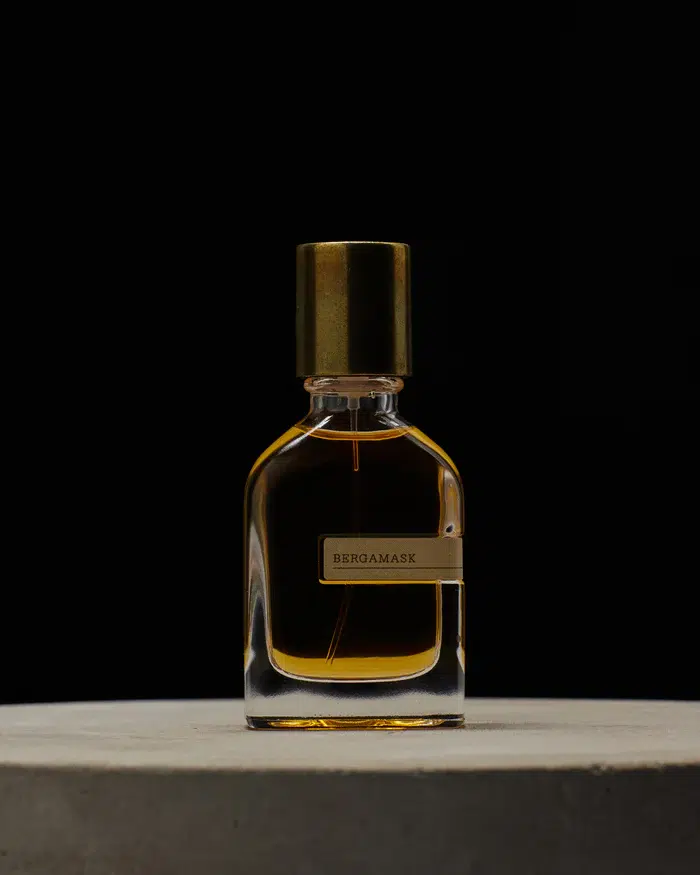
There’s something carnal about Orti Parisi’s Bergamask, like citrus left out in the sun too long. Created by Alessandro Gualtieri, the scent doesn’t attempt to be charming. With its strange blend of bergamot and musk, it develops into something feral and unnerving, exuding a sense of decay and desire. The way it lingers in a room, leaving an impression of the wearer long after they’re gone, is something we aspire to achieve with our work. We want our work to be embedded in people’s psyche.
For more Designer Selects inspiration, check out the designer Selects archive.
You Might also Like


Related Stories

© Niche Media 2026