

Craft, colour and the considered interior: dispatches from 3daysofdesign 2026
Craft, colour and the considered interior: dispatches from 3daysofdesign 2026

Share

3daysofdesign takes place across Copenhagen every June, drawing together the full breadth of Scandinavian and European design culture into a loosely structured, citywide event that is difficult to describe to anyone who hasn’t attended.
It is not a trade fair. It is not a festival in the conventional sense. It happens in brand showrooms and converted apartments, on the ground floors of historic buildings and inside purpose-built installations that disappear after 72 hours. The conversations it generates, however, tend to shape the industry for the following 12 months.
The 2026 edition felt like a decisive moment. Several emerging directions that have circled the periphery of design discourse over recent seasons arrived this year with a clarity that made them impossible to dismiss. The post-minimalism question – what comes after a decade of restraint? – found a coherent and consistent answer: warmth, layering and craft. What follows is a distillation of the most significant directions to emerge from three days on the ground.
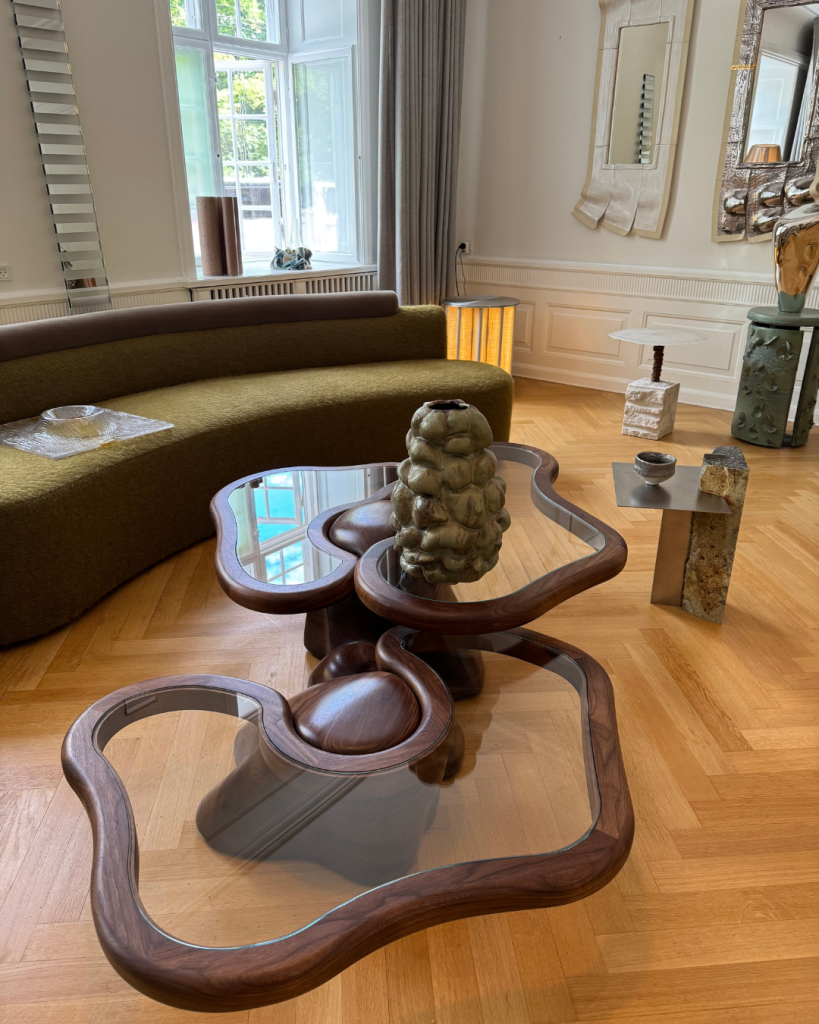
The palette arriving across Copenhagen in 2026 represents a meaningful departure from the light, pared-back neutrals that have defined Scandinavian interiors for most of this decade. Oxblood and burgundy, which appeared tentatively in 2025, are now confirmed directions, anchoring room settings at Gubi, Fritz Hansen, &Tradition and Ferm Living with a confidence that suggests these are not transitional tones. Alongside them, a warming of the broader neutral register: chocolate, tobacco, rust and caramel have displaced blond timbers and pale greys as the foundational colours of choice.
Green continues to evolve. The sage moment has passed; what replaced it is a richer, more complex spectrum spanning olive, moss and deep forest tones that reads almost as a neutral when paired with dark walnut or stone. Sky blue appeared repeatedly as a compositional counterpoint. At Norr11, deep chocolates and greens were anchored by caramel and champagne, with rust and chrome used as some kind of punctuation.
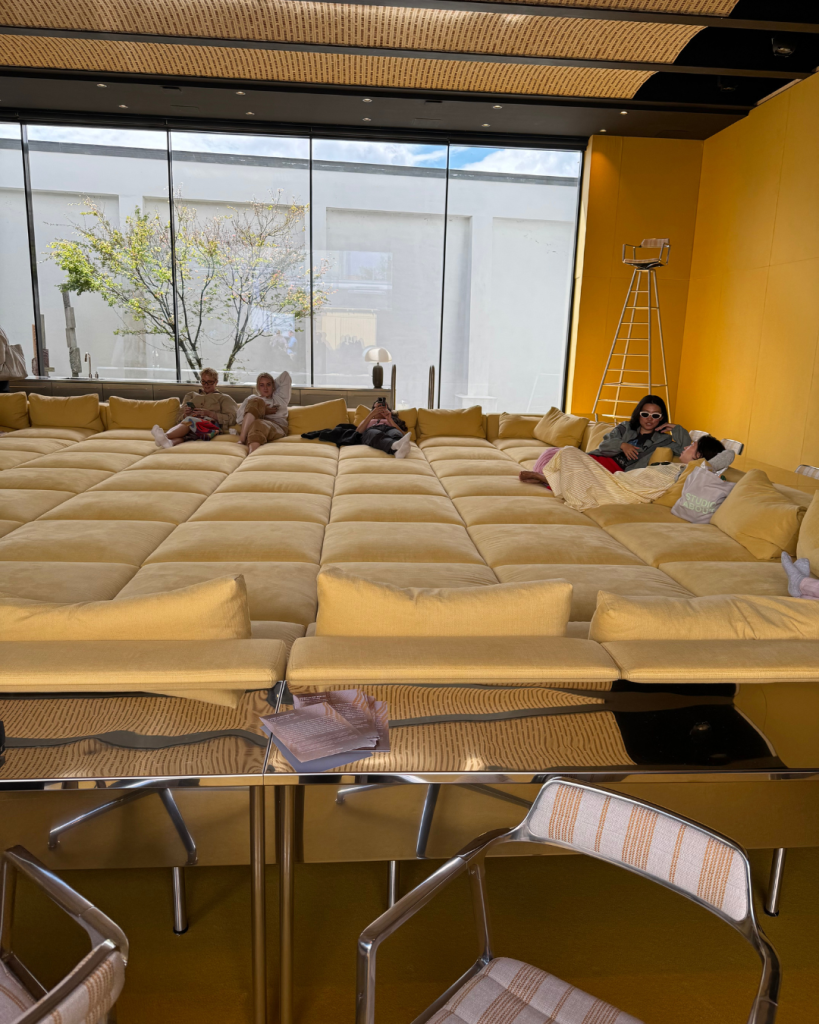
Colour in a more expressive register also found its place. Purple made a confident appearance at several presentations. Iittala‘s installation positioned colour as a tool for self-expression and emotional resonance rather than simply coordination – amber, cobalt and smoky lilac in glass made a strong case for collecting with intention. Hay explored colour blocking and primary tones with an accessibility that brought these directions within reach of a broader audience. The signal is clear: deeper, richer palettes are now the mainstream direction, not the adventurous exception.
How to apply it? Introduce richness through a single dominant piece – an armchair, a sofa, a textile – before committing to larger architectural decisions. The interiors that worked best this year built colour slowly, using one strong tone against a neutral ground and allowing the rest of the room to respond gradually.
Across the festival, a clear and deliberate move away from the highly edited interior marked almost every significant presentation. In its place: spaces that felt built over time rather than delivered complete. Eilersen shaped its entire showroom around the concept of inhabitation, the idea that furniture’s primary function is to shape how people actually live, move through and occupy their homes. The result was quietly radical: a showroom that felt more like a home than most homes do.
Ferm Living presented immersive room settings that felt residential rather than staged, with layered styling incorporating artwork, ceramics and personal objects. &Tradition offered perhaps the clearest articulation of this direction: vintage-influenced forms, rich colour and layered materiality creating spaces with a strong sense of having evolved. Normann Copenhagen framed the shift philosophically, furniture as a way of connecting people and spaces, with design that adds meaning rather than simply fills a brief.
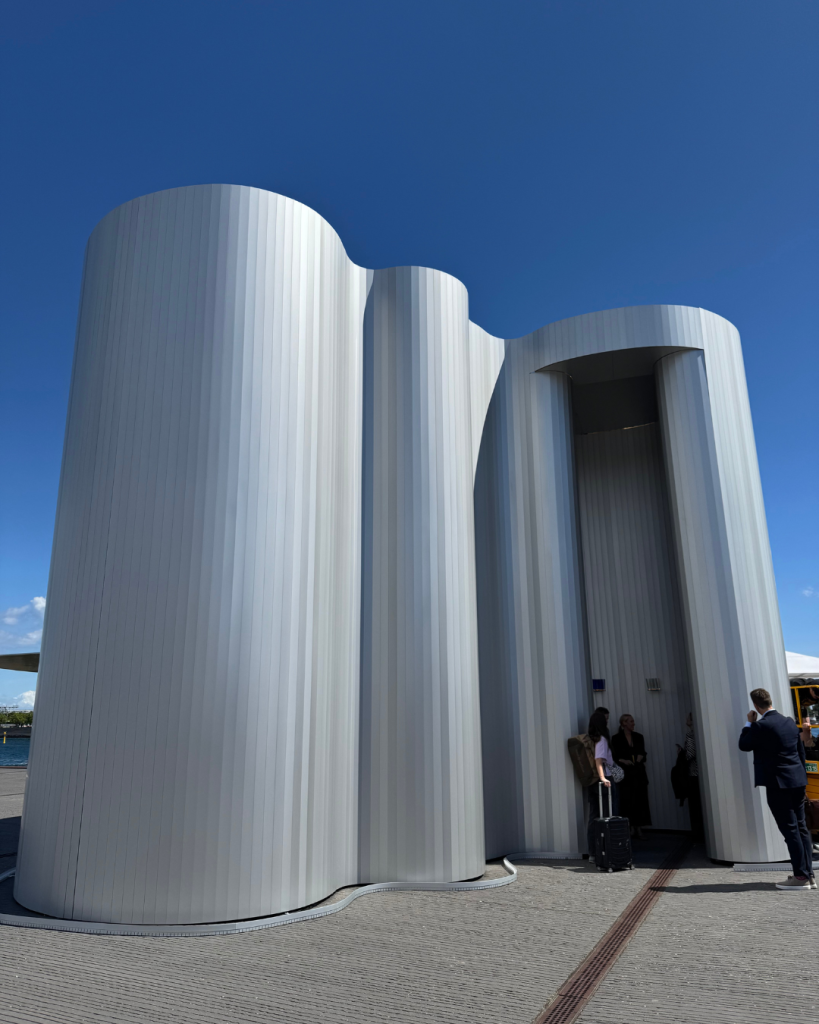
Karimoku Case brought a Japanese-Scandinavian lens to the same values: deeply considered proportion, material honesty and an atmosphere of calm that felt restorative rather than decorative. The interiors that stopped people were not the most immediately impressive; they were the ones that invited you to sit down.
How to apply it? Resist the complete scheme. Introduce furniture, objects and textiles over time and allow the room to build its own logic. A space that looks collected – mixing styles, periods and scales – will almost always feel more resolved than one that was designed in a single brief.
Craftsmanship and longevity were not simply talking points at 3daysofdesign 2026, they were structural to the most compelling presentations. Carl Hansen & Son positioned its exhibition around the enduring relevance of skilled making: solid oak and walnut, woven paper cord, leather and wool bouclé in pieces explicitly designed to age well. The language was confident and specific. This furniture is not designed for a moment. It is designed to outlast the people who buy it.
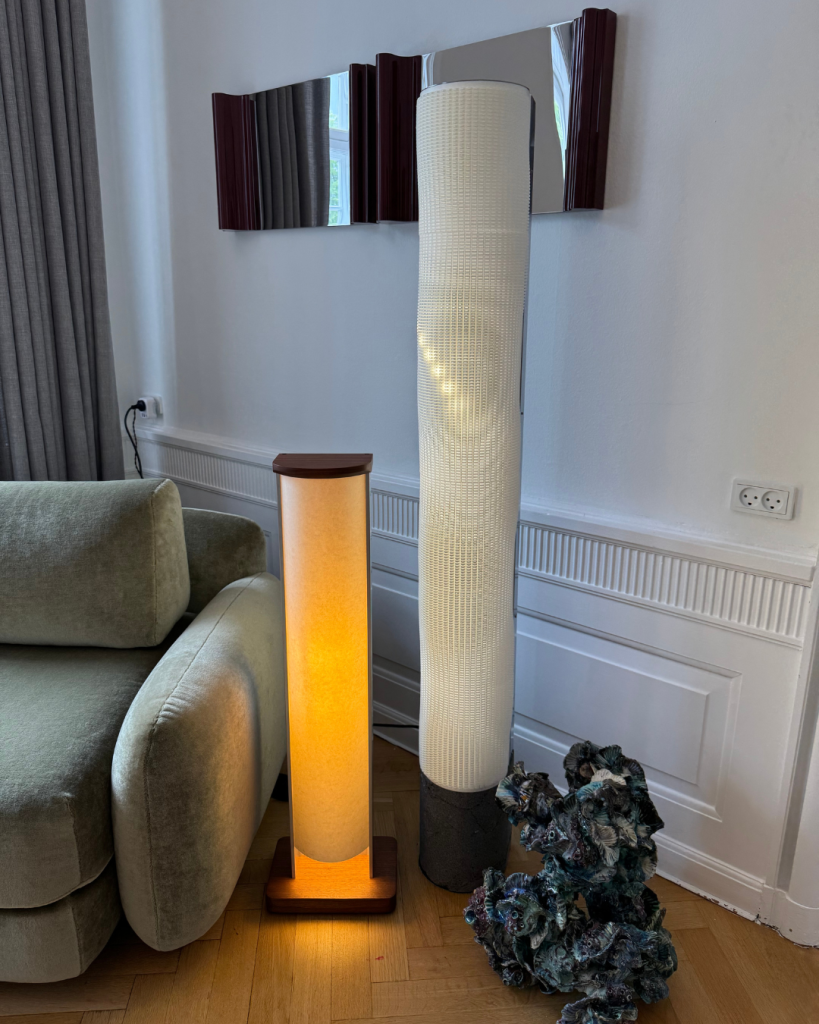
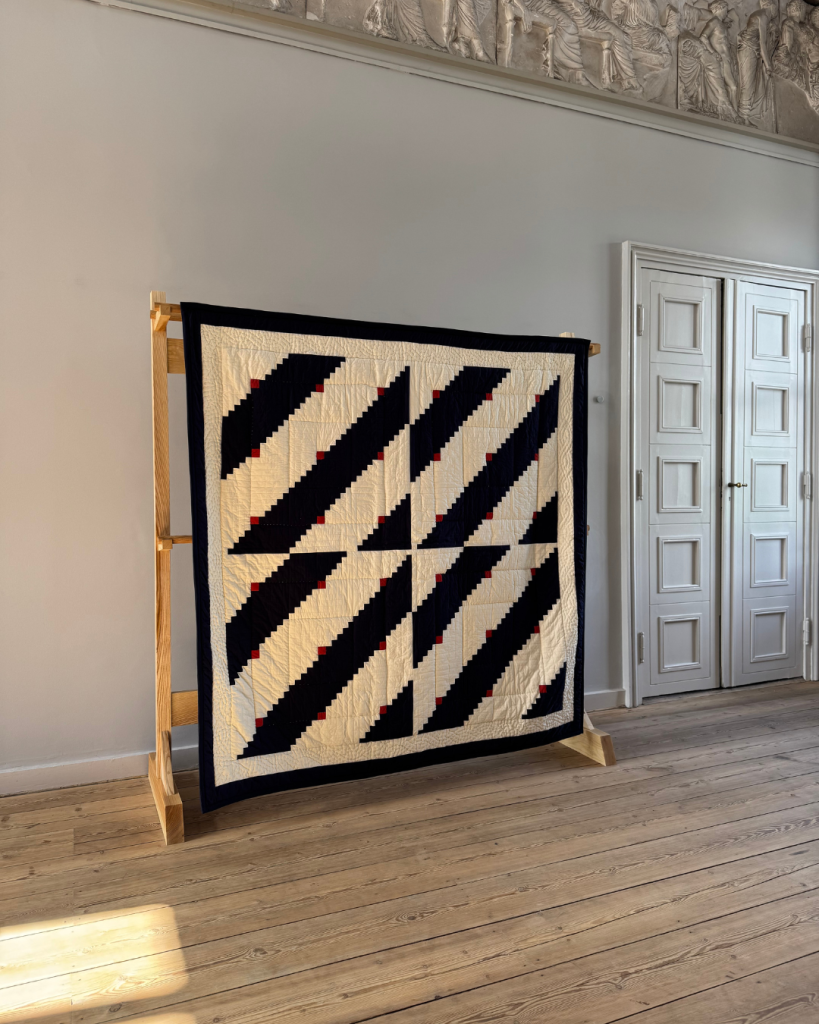
FDB Møbler, a heritage Danish brand, partnered with textile artist Lærke Bagger (known for her colourful, expressive approach to knitting and upcycling) to bring a sense of spontaneity and individuality to the brand’s furniture. The collaboration demonstrated how craft can inject warmth, character and emotional connection into modern interiors . Tekla presented archival cotton repurposed into patchwork quilts displayed in antique box-beds, a reinterpretation of humble textile craft that was both historically literate and entirely current. Claire Delmar and Origin Made worked in a similar register: handwoven fibres, ceramic and stone, objects carrying a visible sense of maker identity.
The conversation around sustainability has shifted noticeably. The language of recycled content and material certifications, while still present at Normann Copenhagen and others, has been overtaken by something more fundamental: a belief that buying less and choosing better is a more meaningful position than buying sustainably-sourced equivalents at the same frequency.
How to apply it? Focus specifications on solid timber, stone, wool, leather and linen materials that develop character with use. Introduce one handcrafted ceramic or artisanal object as a focal point and allow it to carry the room’s sense of intention.
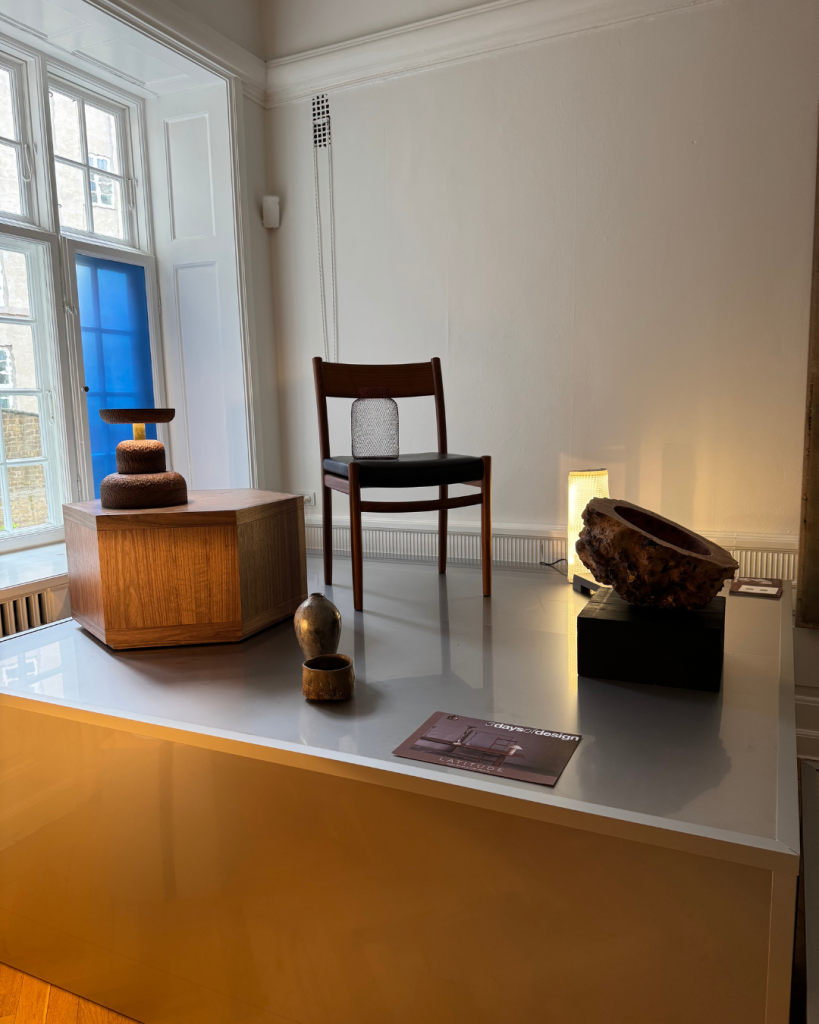
Dark timber dominated the material landscape of the festival, with walnut and smoked oak appearing across nearly every district and used in increasingly confident ways – richer finishes, carved textures, pieces mixing light and medium tones that would previously have been kept separate. Stone and coloured marble featured consistently, with travertine’s moment clearly having passed in favour of darker, more dramatic options. Aluminium and steel were used architecturally rather than as a decorative choice. Notably absent was brass, which has quietly stepped back after several years of dominance.
Textiles evolved meaningfully. Bouclé has run its course as a leading trend and has been replaced by a broader category of highly tactile, artisan-influenced fabrics: brushed wools, heavy linens and textured weaves that prioritise sensory experience over visual novelty. Craft-led ceramics were everywhere, functioning as both stand-alone objects and as compositional anchors within room settings.
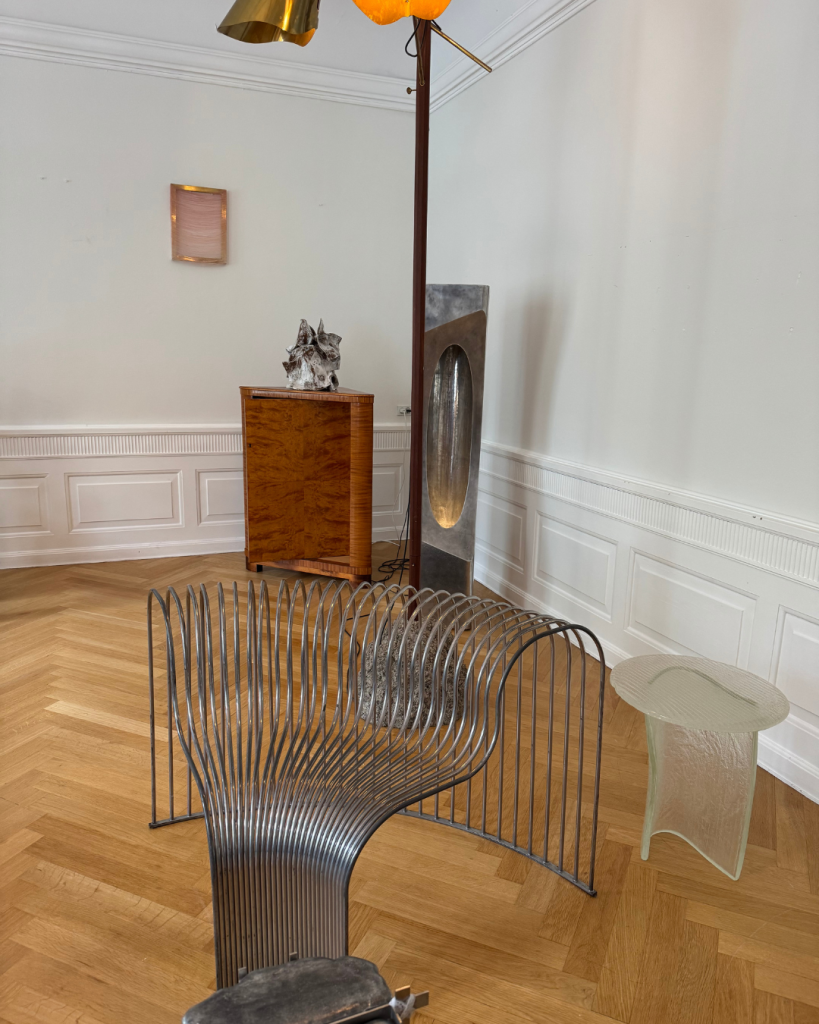
How to apply it? Texture is the most accessible material update available right now. A single highly tactile element, a heavy linen throw, a rough-glazed vessel, a timber surface with real grain, can lift an interior that is otherwise well-resolved but lacks physical warmth.
Vibia presented one of the most architecturally serious lighting installations at this year’s festival, positioning sculptural pendants and integrated LED systems not as decorative objects, but as tools for defining spatial experience. The broader festival reinforced this: lighting was used consistently to create atmosphere and direct attention, pools of warm light framing a ceramic, a surface, a corner, rather than simply to illuminate. At Gubi, layered lighting made its richly material interiors feel cinematic rather than busy.
The functional object as focal point, a development running through Iittala’s installation and Royal Copenhagen‘s immersive tablescaping presentation, underscored a wider shift in how decorative objects are being positioned. Accessories, ceramics and lighting are increasingly treated as primary design decisions rather than finishing touches.
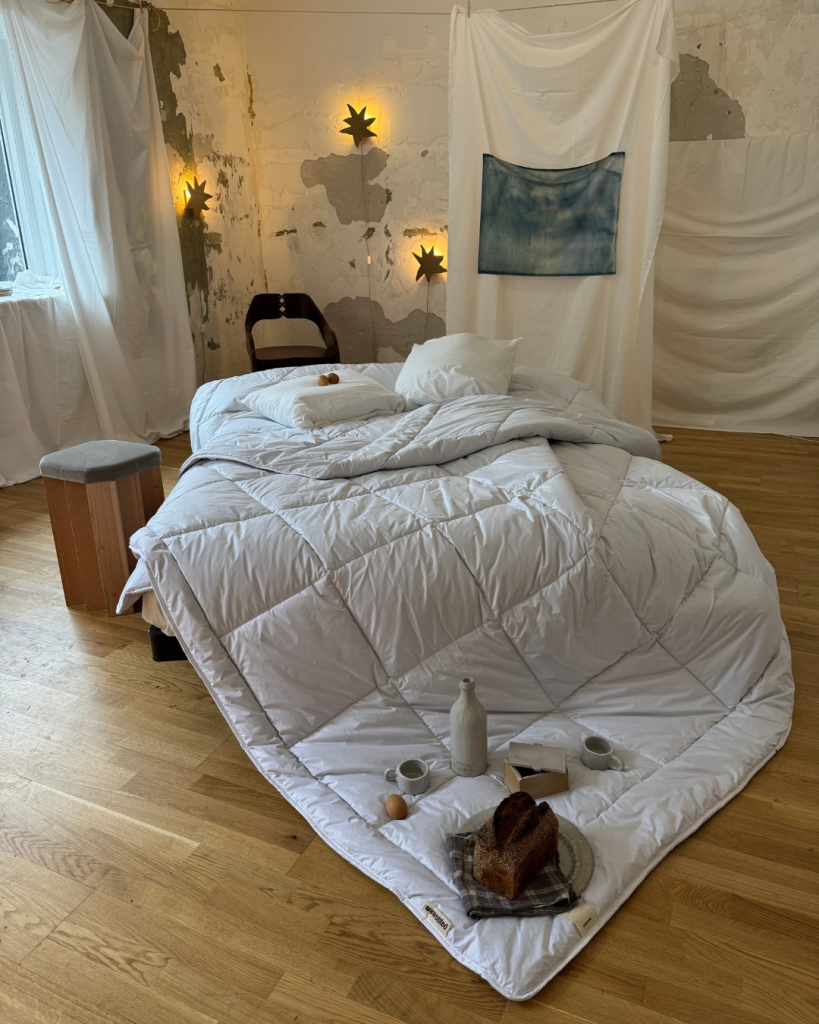
How to apply it? Layered ambient, task and accent lighting with dimming capability throughout will do more to define the quality of a space than almost any other single specification decision.
The overarching signal from Copenhagen in 2026 is not a single trend, but a philosophy: design that is built for the long term, selected with intention and allowed to develop meaning through use. Move away from the language of trends entirely, and toward the kind of careful, considered practice that the festival’s best presentations modelled so compellingly.
Hannah Middleton is head of Design at Baya.
You may also like:
At 3daysofdesign 2026, Arper invites a fresh perspective on how we inhabit space.
‘A serious industry platform’: what to expect from 3daysofdesign 2026

© Niche Media 2026