

The art of design stewardship

Share

When Williams Burton Leopardi rebranded as Design by WBL in 2025, the change signalled more than a refresh, it gave a name to an approach the Adelaide studio had been developing across more than four decades of practice: design stewardship.
At its heart is the idea that every project begins with something worth understanding – the history and character held within a building or site, but equally the hopes, ambitions and vision a client brings to it. Design by WBL sees its role as stewarding those things through the complexity of a project, understanding what should endure, what can evolve and where something new can add meaning.
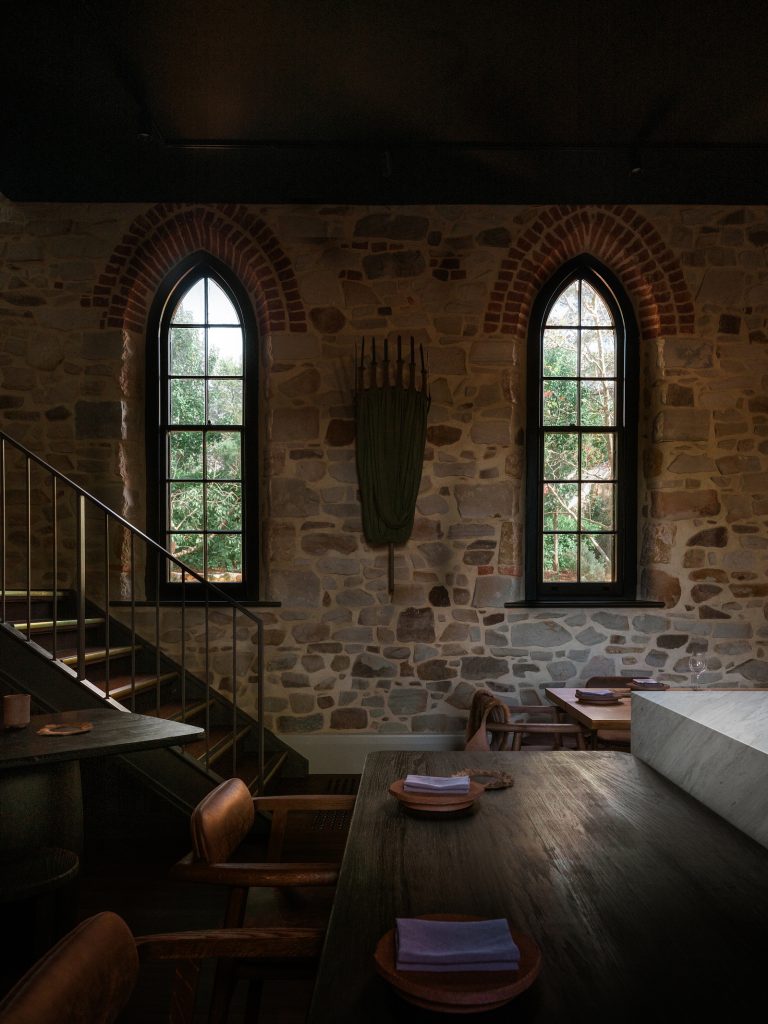
That stewardship extends beyond completion, helping buildings retain their design integrity, hold value and continue to serve the people who inhabit them long after handover.
For the Adelaide-based studio, which opened in 1982 as a pure architecture practice, the approach is one of considered continuity – keeping sight of the original intent as a project evolves through countless decisions, conversations and refinements.
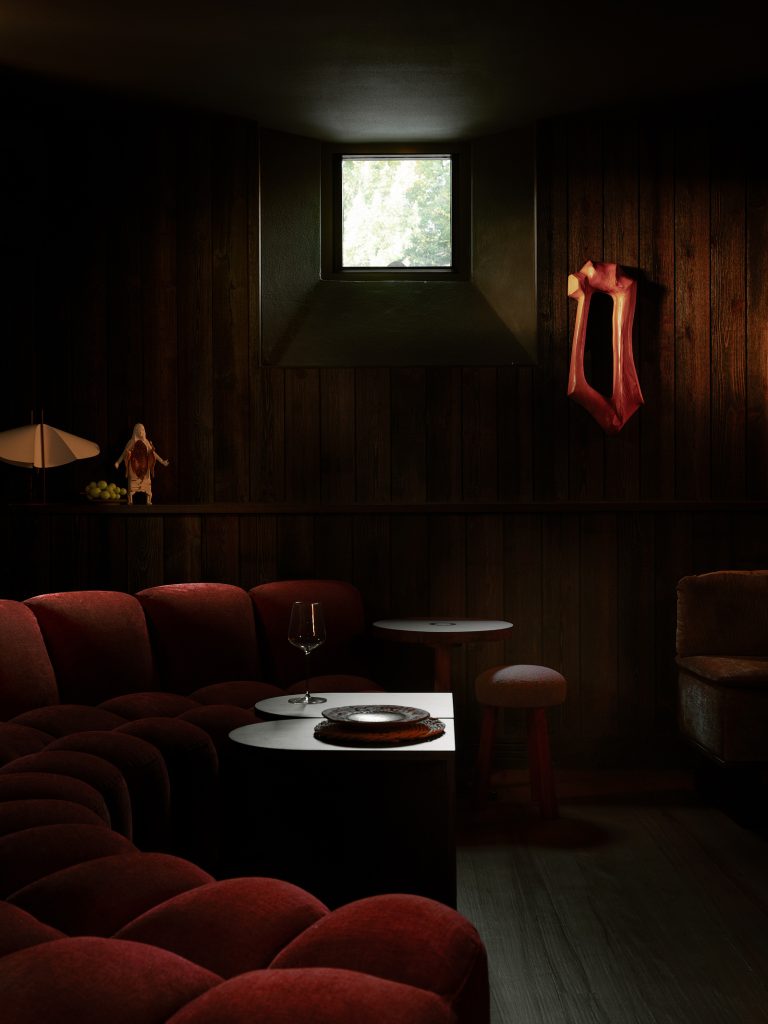
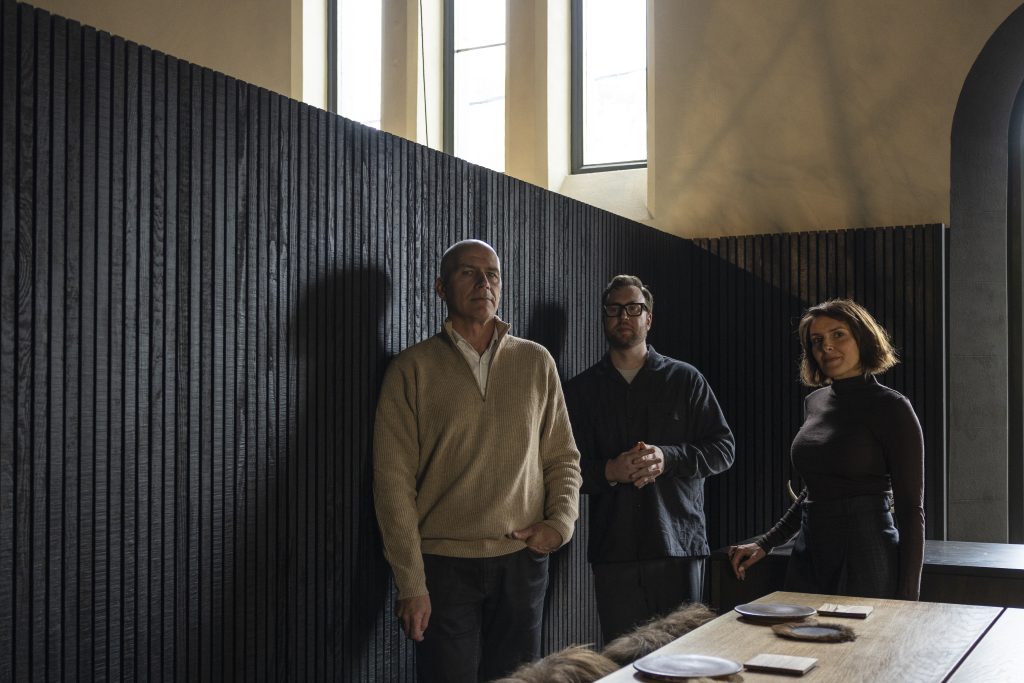
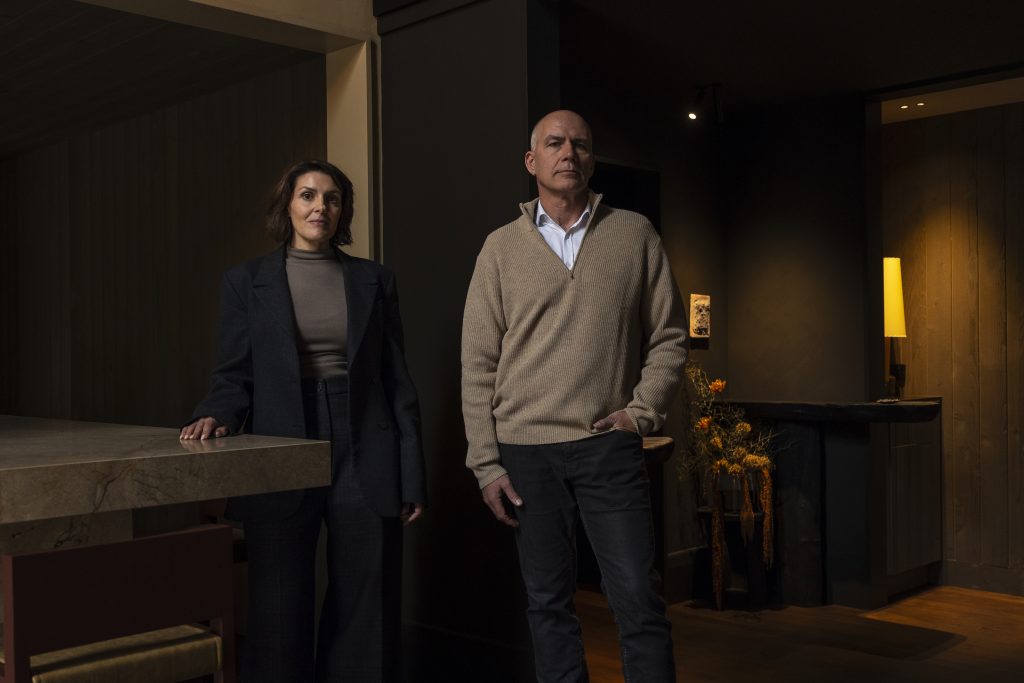
This approach spans residential, hospitality and commercial projects. Whether working on a heritage restoration in Adelaide’s CBD or reimagining a 1980s Barossa Valley homestead, the studio – led by directors David Burton and Sophia Leopardi – applies the same methodology.
“For us, stewardship is about taking responsibility for the whole,” says Leopardi. “Architecture, interiors, furniture, art and the smallest details aren’t separate exercises; they are part of one continuous idea. Our role is to hold that idea as a project evolves, from the first conversation to the final detail. When you maintain that continuity, the result doesn’t feel overly designed. It just feels right – like it couldn’t have been any other way.”
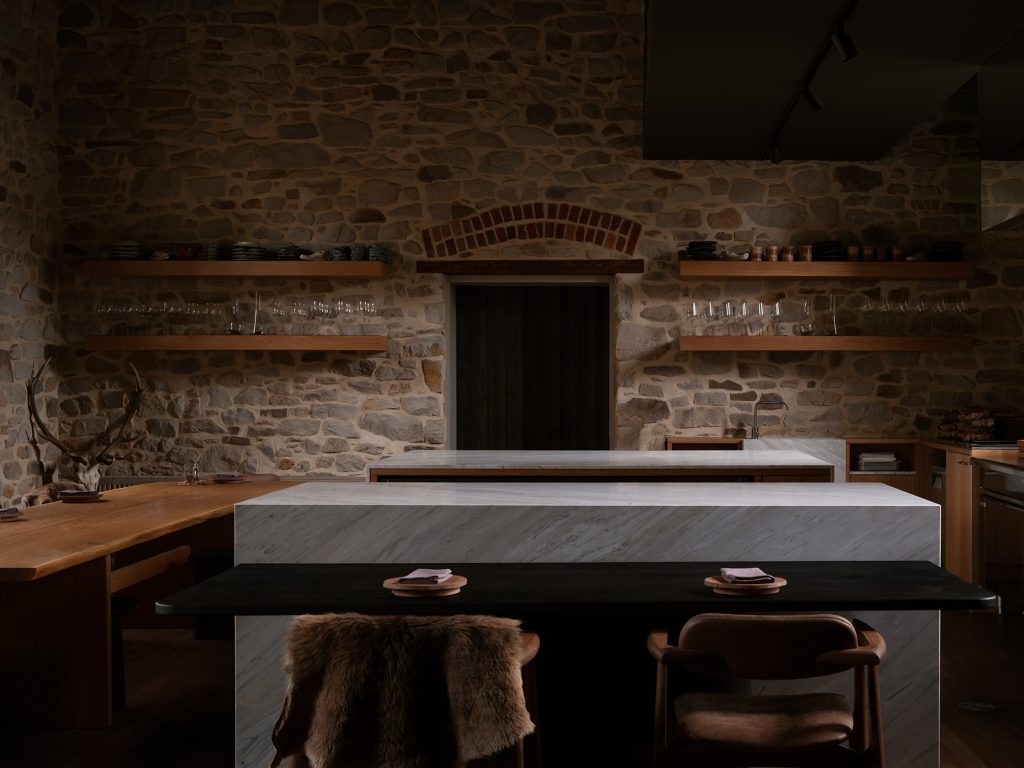
Heritage, Burton says, is where this approach is really tested.
“Older buildings ask harder questions,” he says. “They demand that you understand everything that already exists before a single decision is made – the way the building holds light across a century of mornings, the proportions that have always been right, the character that belongs to the place before it belongs to anyone living in it. But stewardship isn’t about being deferential to all of it. It is about understanding a building well enough to know what deserves to endure, what can evolve and where a confident new intervention can add another meaningful layer to its story.”
The studio’s most recent hospitality project puts that philosophy under its sharpest pressure yet. Restaurant Aptos, which opened in June 2026 inside a 168-year-old Adelaide Hills church, required Design by WBL to navigate four decades of cultural history – the building was home to Aptos Cruz, a design and creative institution – while building something entirely new within it.
For Aptos, the team drew on the spiritual quality of the original church at every turn, letting the iconic arched windows hold moments of stillness within the dining experience and allowing the ritual and symbolism of the church’s architecture to quietly shape every detail. But rather than treating that history reverentially, the design also responds to chef-patron Justin James’ desire to flip the conventions of fine dining, introducing informality, humour and moments of surprise. The gravitas of the architecture and the playfulness of the hospitality experience exist in deliberate tension.
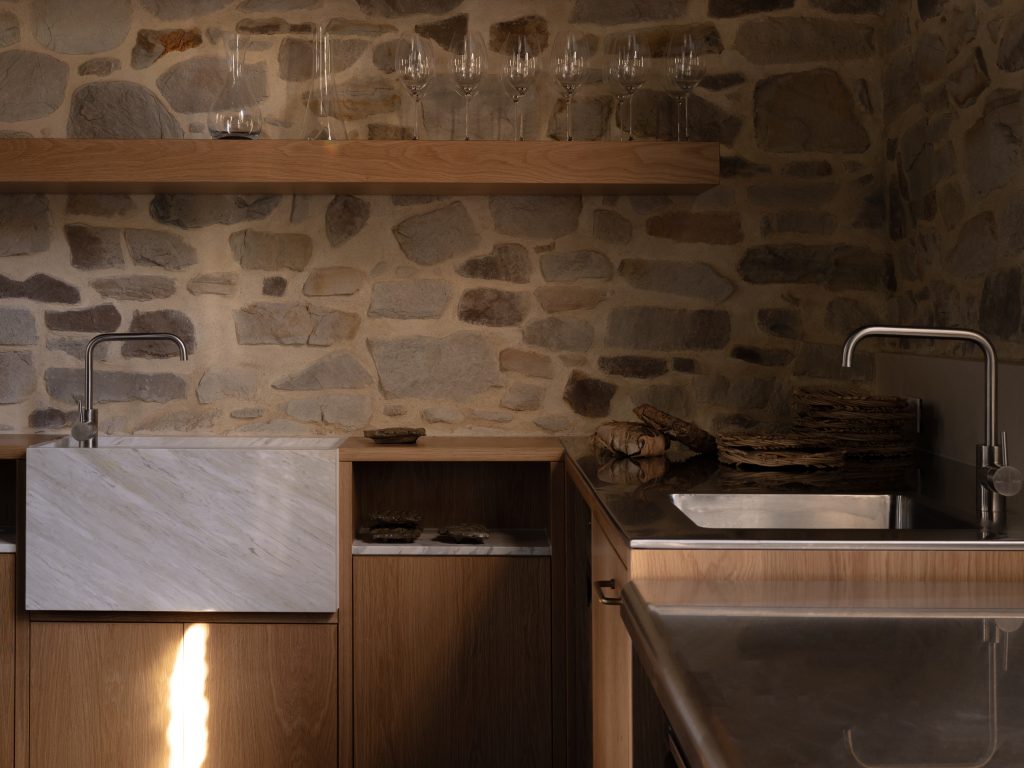
Across architecture, interiors, furniture, styling and art curation, Design by WBL gave each space its own distinct character, while binding the project into a cohesive whole. Material, proportion, light, recurring details and carefully considered transitions provide continuity through that complexity – allowing the experience to shift from intimate to theatrical, playful to contemplative, without feeling fragmented.
“For us, stewardship begins with understanding – the history and character of a place, but equally the hopes and ambitions a client brings to it,” says Leopardi. “Our role is to hold those things as the project evolves: to understand what should endure, what can change and where something new can add meaning. Done well, you create continuity without sameness – work that feels deeply connected to its place and the people it was created for, but confident enough to become the next chapter.”
Top image: Restaurant Aptos. Photo: Caroline Cameron.

© Niche Media 2026