

Play deserves a place in Brisbane 2032 Olympic and Paralympic legacy, says collective
Play deserves a place in Brisbane 2032 Olympic and Paralympic legacy, says collective

Share
Play 32 Collective, a coalition of health, design and educational bodies, is calling for play to be a long-lasting legacy of the Brisbane 2032 Games. The group says it’s a pathway to the future.
The Brisbane Olympic and Paralympic Games mark the third time that Australia has hosted the global sporting event, and one organisation is seeking a unique way for the Queensland capital to leave its mark on the country.
Composed of a diverse cross-section of academics, health practitioners and industry leaders across Queensland, the Play 32 Collective wants play for children from birth to 24 years old to be a distinct and lasting legacy of the 2032 Games.
The collective emphasises the importance of play as a secure pathway toward a healthy future for generations to come. All athletes begin as children who actively play and move in their earliest years, the collective’s Position Paper states.
“Without play, there is no pathway to sport, and without investment in children’s play, we risk missing the most powerful, preventative and equitable legacy the Games could leave,” the group argues.
A legacy of active change
The Olympics are a shining opportunity for their respective hosts to present the country in the best possible light. Play 32 Collective wishes for Brisbane to pave the way for a fitter, more active future.
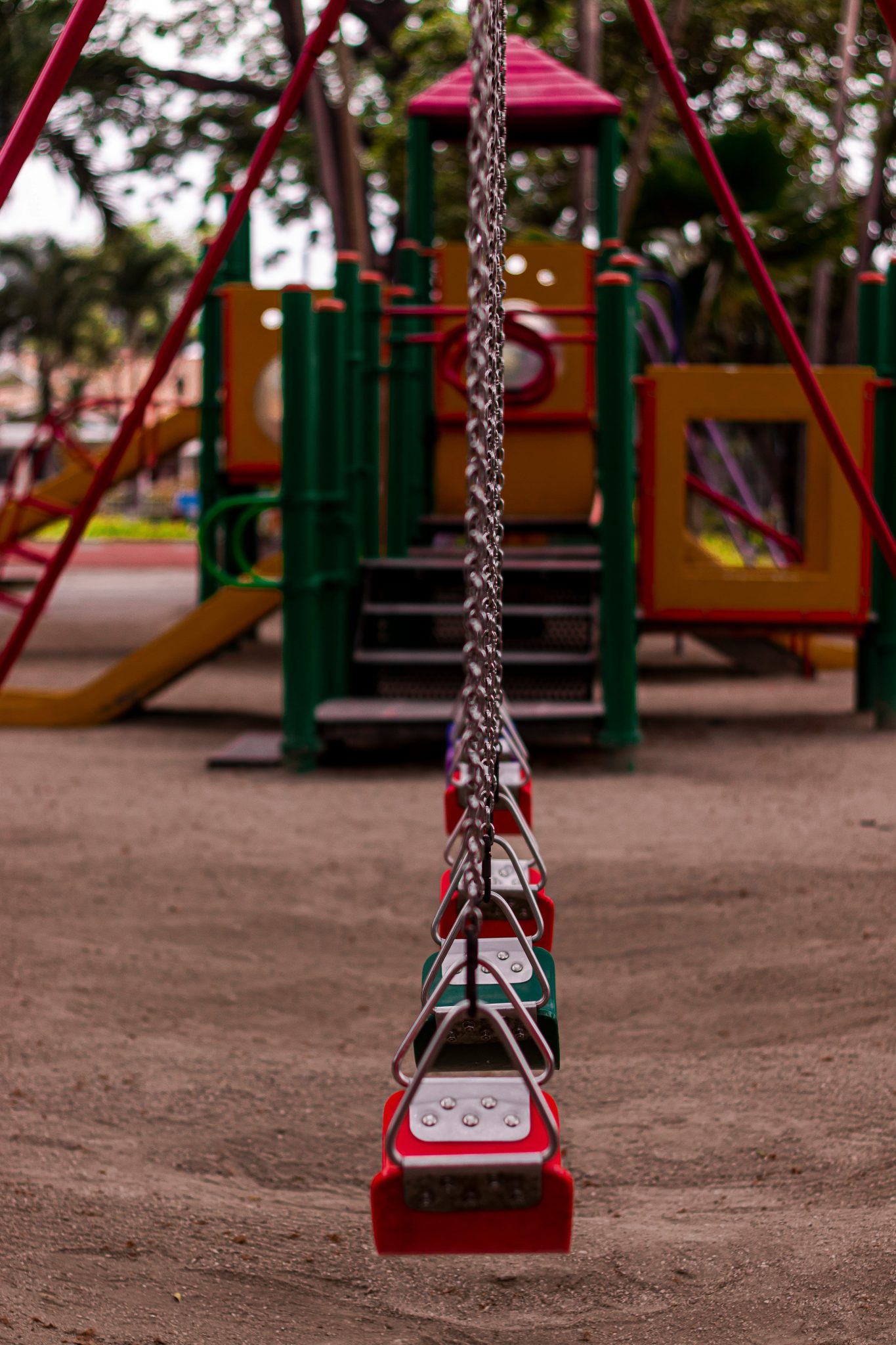
Public play areas are not always closely accessible, marking a need for change in civic architecture policy
The organisation stipulates that prior Olympic hosts have not set their sights on sports participation beyond the closing ceremonies. Brisbane has the opportunity to impart a legacy of active change across Queensland and the rest of the country.
“This is our chance to do something bigger than sport,” the paper outlines. “Let’s make Brisbane 2032 a Games that honours every child’s right to play – and leaves a legacy of wellbeing, belonging and bold ambition for the generations who follow.”
Specifically, the collective calls upon community leaders across the country to implement play on a policy level within the following parameters:
• Investing in community-led, culturally grounded and inclusive play initiatives
• Ensuring co-design with children is central to all legacy projects
• Strengthening the workforce across early childhood, education and community sectors
• Making equitable access to play a measurable and visible legacy outcome
Health and developmental benefits of play
The correlation between physical exercise and mental wellbeing is well-studied, with regular physical activity aiding blood flow that also assists with cognitive functions.
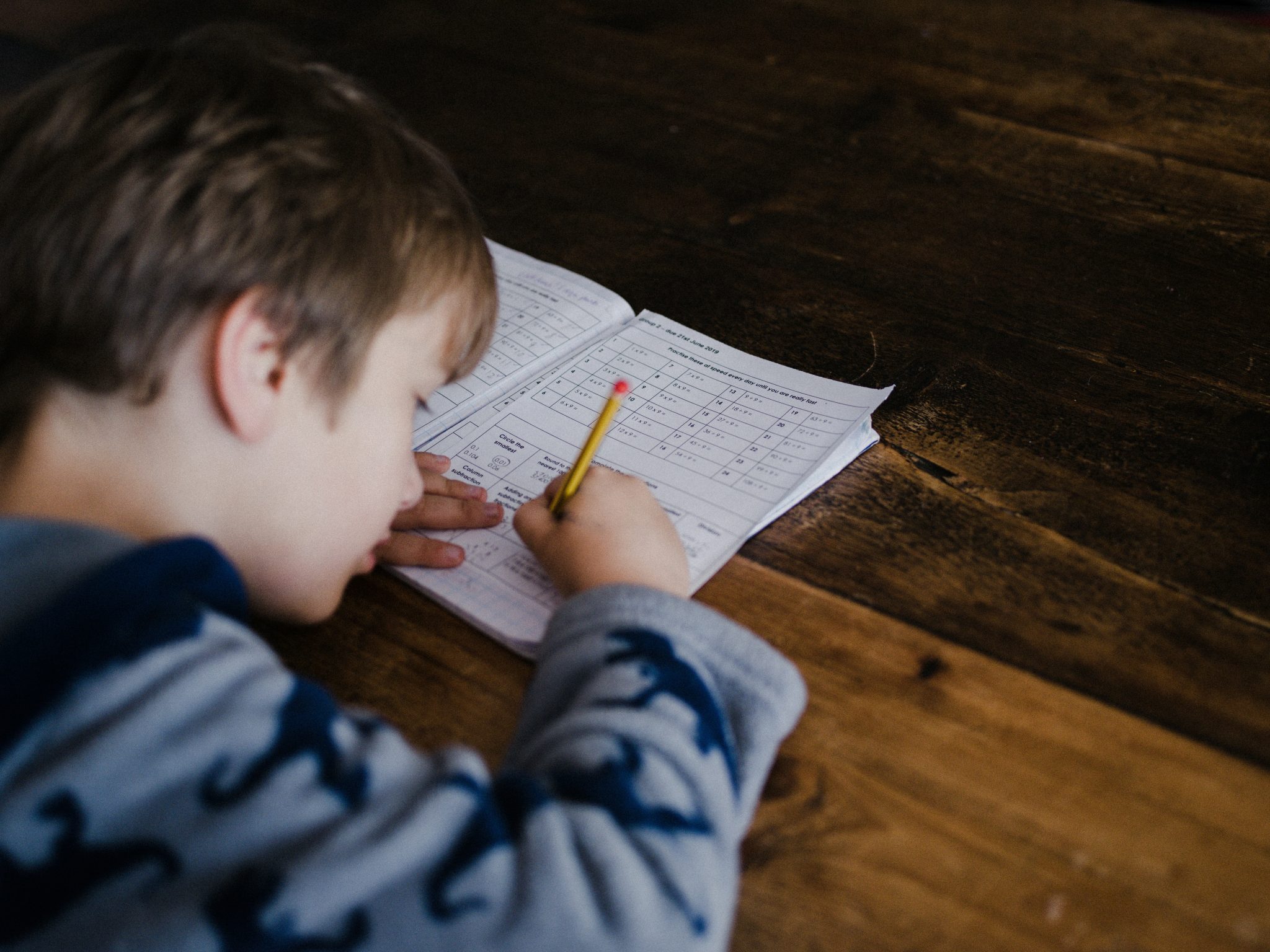

Exercise and outdoor play is a vital part of a child’s development in their school years
As children’s wellbeing advocacy group Play Matters CEO Penny Creamer says, “play supports brain development, physical health and social skills”. “It contributes to school readiness, emotional regulation and lifelong learning. Meanwhile, outdoor play increases physical activity, enhances motor skills and fosters resilience, curiosity and problem-solving.”
However, the challenges of supporting a more active and physically dynamic future need to be resolved at ground level. Dr Geoff Woolcock, senior research fellow from the University of Southern Queensland’s Institute for Resilient Regions, identifies that many children do not have access to safe play areas in their homespaces or local communities.
The 2032 Brisbane Games are a vital opportunity for this challenge to be surmounted, he believes.
“Playable cities, towns and regions must be embedded in planning, transport design and infrastructure delivery,” Woolcock says. “This will ensure the wellbeing of our young people, the strength of our communities, and environmental sustainability through nature-based experiences.”
Related: How Brisbane can design its Olympic legacy through place.

© Niche Media 2026