

Adelaide Design Week asks what happens when design stops being a solo act

Share

This year’s Adelaide Design Week puts collaboration, conversation and community ahead of the cult of the individual designer – positioning design culture itself as the thing worth celebrating.
Design festivals can easily become exercises in looking at things: the finished building, the polished object, the installation, the designer standing beside it explaining the thinking. Adelaide Design Week is taking a different tack.
Returning from 14-18 October 2026, the independent South Australian platform is putting people – rather than objects or outcomes – at the centre of its second edition. Titled everyone, the five-day program asks what happens when design is understood not as an individual act, but as a product of relationships, exchanges and collective knowledge.
It is an important distinction. At a time when design culture can be dominated by personalities, awards and increasingly polished images of completed work, everyone makes the case for the less visible forces behind design: conversation, collaboration, disagreement, mentorship, observation and the meeting of different disciplines.
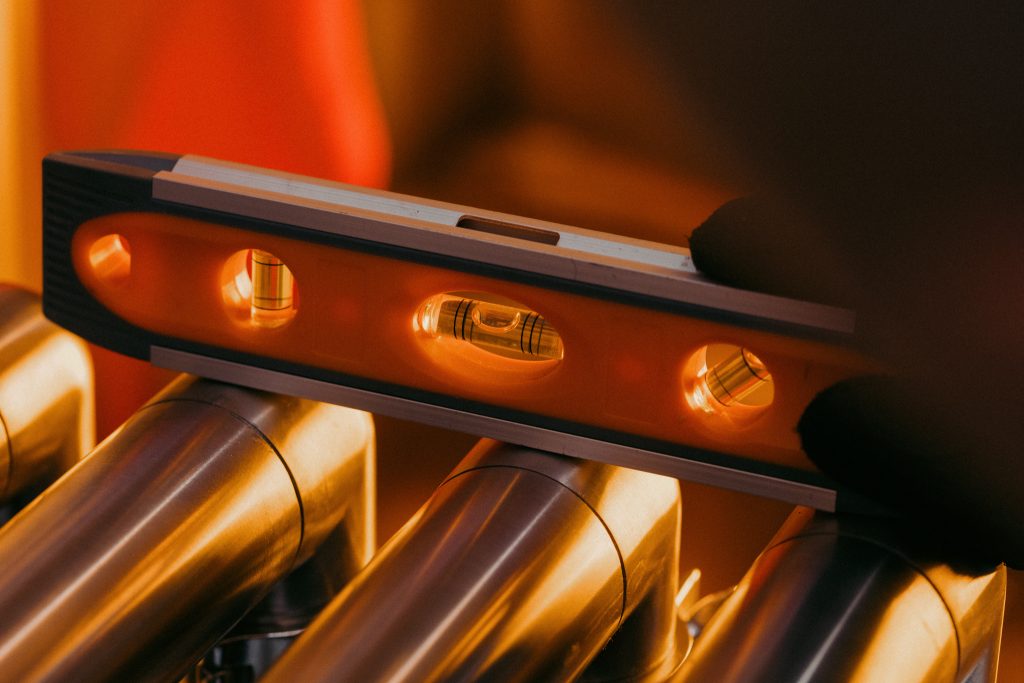
“Design does not happen in isolation,” say the festival’s organisers. Instead, it emerges through exchange – between people and place, thinking and making, disciplines and generations.
That proposition gives everyone a more expansive ambition than a conventional design week. Across 80 events and activations, the program will bring together designers, architects, makers, artists, thinkers, students and the wider community across more than 20 Adelaide neighbourhoods and locations.
The format is deliberately broad. Exhibitions and installations sit alongside conversations, tours, workshops and open studios, while venues extend from galleries and universities to retail and public spaces – including places not traditionally associated with design.
The approach builds on Adelaide Design Week’s inaugural 2025 program, everywhere, which saw more than 100 designers and makers open their practices to the city. Studios, galleries, laneways and pop-up spaces became points of encounter, creating opportunities for practitioners and audiences to cross paths.
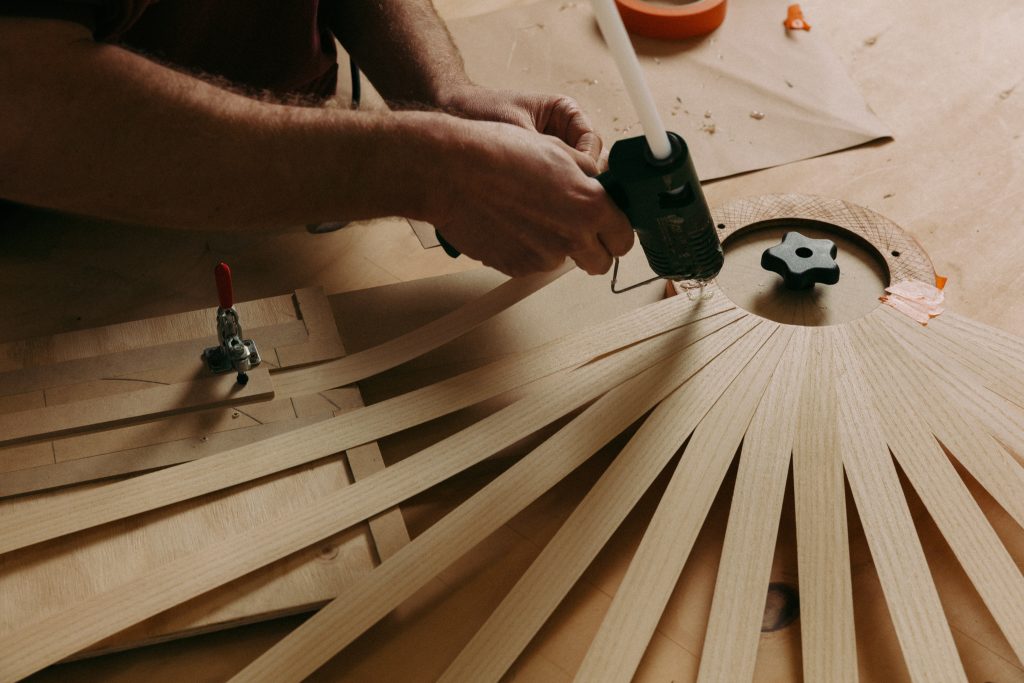
If everywhere was about opening the doors, everyone is about what happens once people walk through them.
The festival’s emphasis on exchange also reflects a broader understanding of how design practice actually develops. Ideas are rarely formed in isolation or arrive fully resolved. They are tested through discussion, challenged by other perspectives and refined through making. Sometimes, importantly, they are changed by disagreement.
This makes the festival’s focus on people more than a feel-good proposition. It suggests that the health of a design culture depends on its capacity to create spaces for dialogue between generations, disciplines and levels of experience.
For Adelaide, that conversation is also about geography. The 2026 program stretches from the CBD to Port Adelaide and across metropolitan Adelaide, creating a distributed festival rather than one concentrated around a single cultural precinct. In doing so, it continues Adelaide Design Week’s ambition to embed design within the city rather than simply present it to an industry audience.
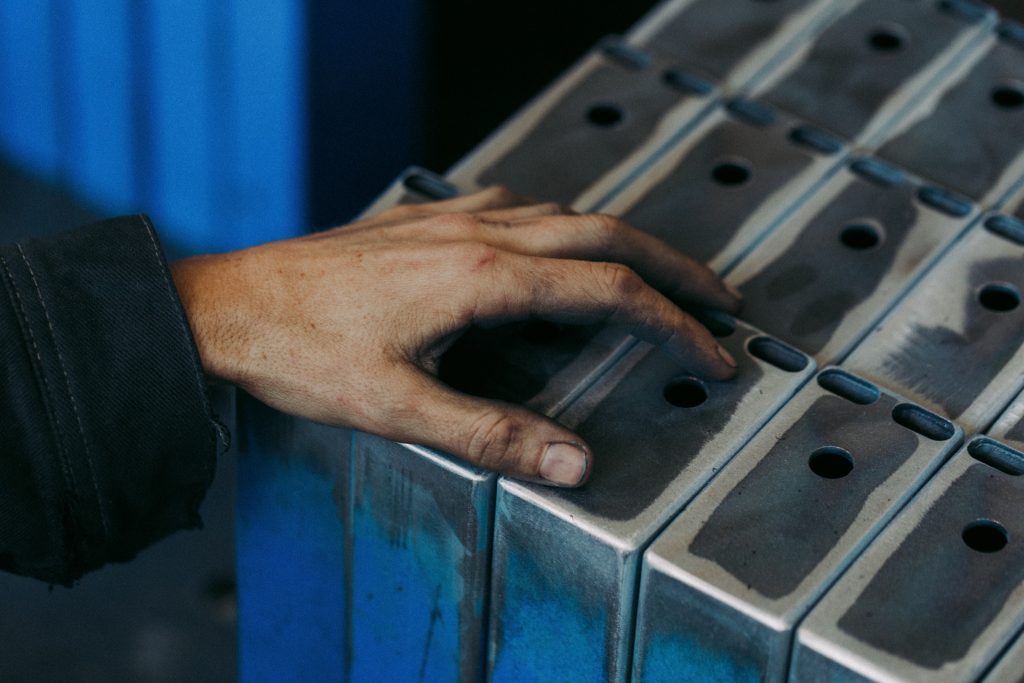
The result is a program that positions design as something to be experienced collectively, rather than consumed at a distance.
There is, inevitably, a tension in any design festival built around community: can a program of 80 events genuinely create meaningful exchange, or does the sheer scale of activity risk becoming another item on the cultural calendar? Adelaide Design Week’s answer appears to be that the value lies precisely in creating the conditions for encounters – allowing ideas and people to collide and seeing what emerges.
That makes everyone an interesting proposition for 2026. Rather than asking only what Australian designers are making, it asks how a design community is made – and who gets to participate in it.
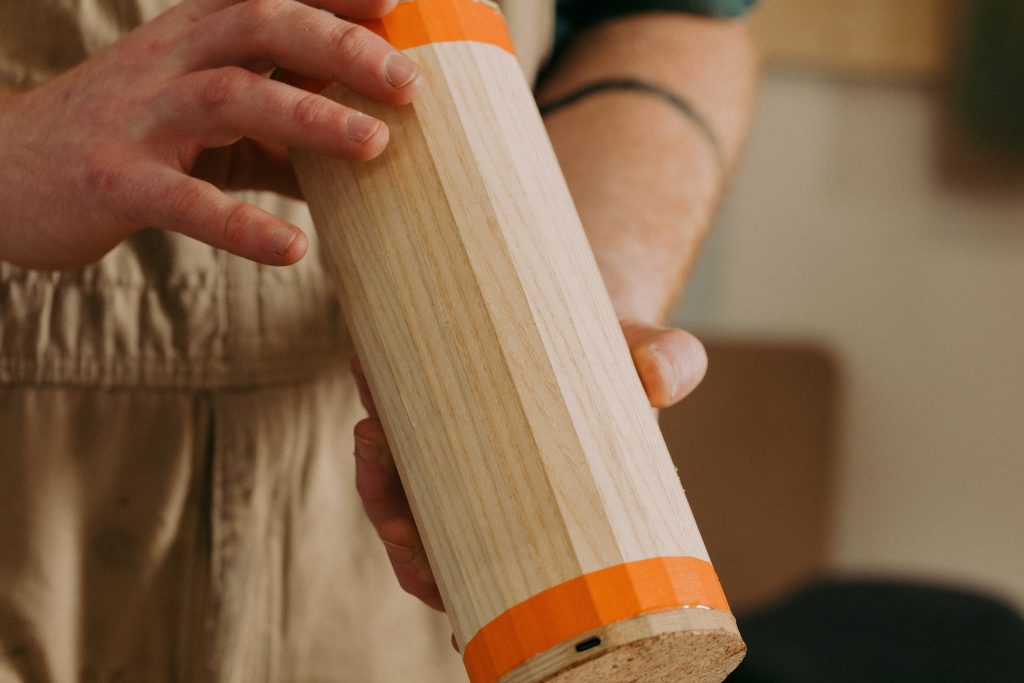
Grounded in South Australia but looking beyond it, Adelaide Design Week is positioning itself as a platform for experimentation and connection. Its most compelling contribution may therefore not be any single exhibition, installation or talk, but the relationships that continue after the festival ends.
Because ultimately, the future of design culture may depend less on who gets the spotlight and more on who is in the room.
Adelaide Design Week 2026: everyone runs from 14-18 October 2026 at various venues across Adelaide. Visit the website for more details.
All images from 2026 Maker Spaces: Supplied.

© Niche Media 2026