

The dual identity workplace is the new reality for professional services
The dual identity workplace is the new reality for professional services

Share
Australian architectural firm Cox has identified an increasingly common duality facing the workplace design sector, writes director and interior designer Brooke Lloyd.
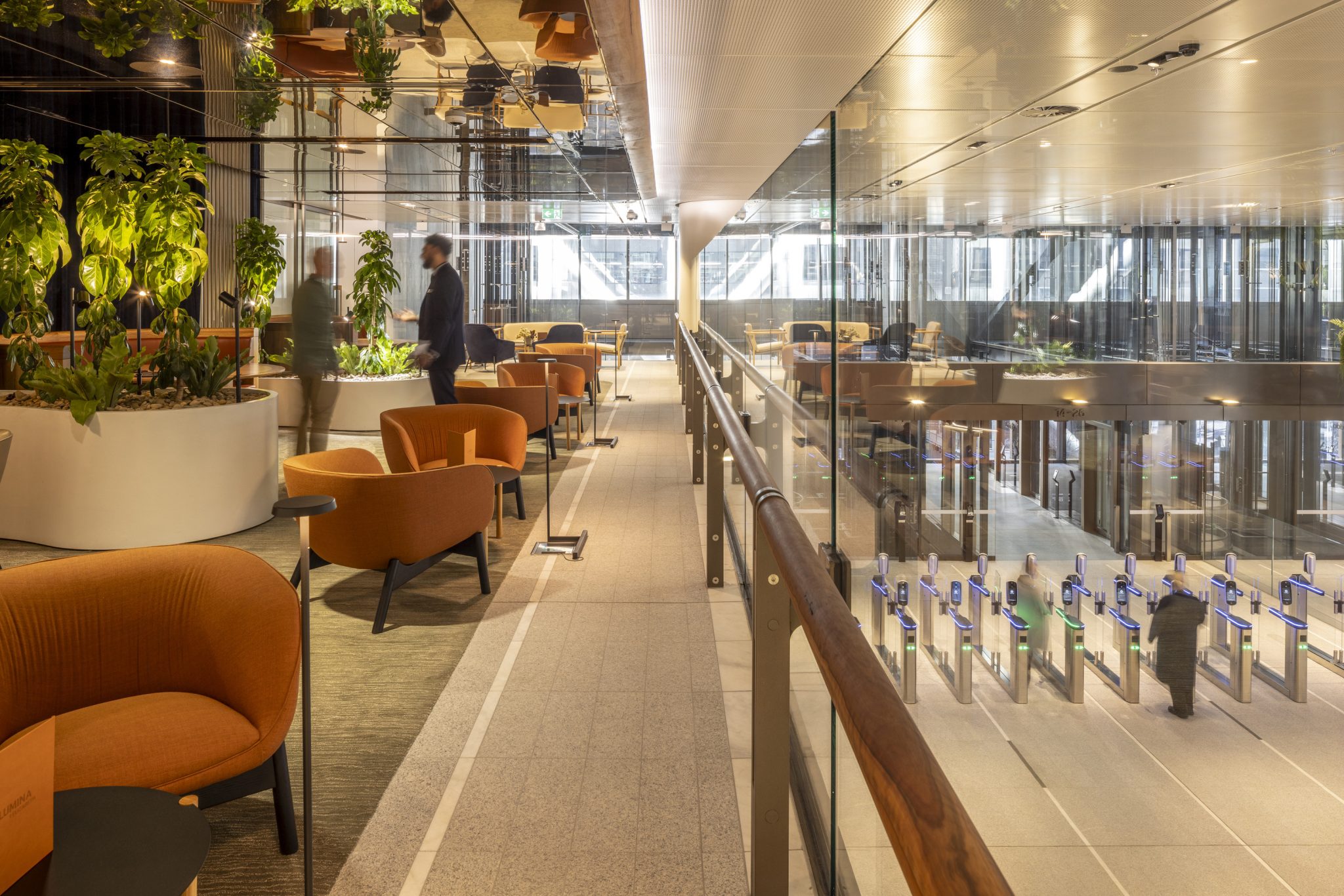
Macquarie Group’s global headquarters by Cox. Photo: Brett Boardman.
Workplace design for professional services has always carried symbolic weight. More than places of work, offices are also instruments of reputation, carefully calibrated to signal trust, authority and identity.
Increasingly, however, firms are grappling with a new tension: how to create environments that reassure conservative, legacy clients while also energising progressive, younger ones.
At Cox, we call this the challenge of the dual identity workplace. It’s not about choosing one audience over another. Instead, it’s about design that can flex to create spaces that express gravitas and agility in equal measure.
Cox’s set of principles for workplace design
Our recent projects reveal a set of principles that can help place workplaces in good stead when it comes to using their environment to confidently communicate with a diverse set of client preferences.
1. Select timeless materials that express gravitas
Traditional clients often seek reassurance in the physical expression of weight, craft and permanence.
At Phillip Street, the heart of Sydney’s legal precinct, we deployed robust materials including stone, glass and timber, each carrying a sense of integrity and rigour. These were offset by light-filled planning and transparent edges, avoiding the trap of austerity. The outcome is a workplace that projects authority, without being closed off.
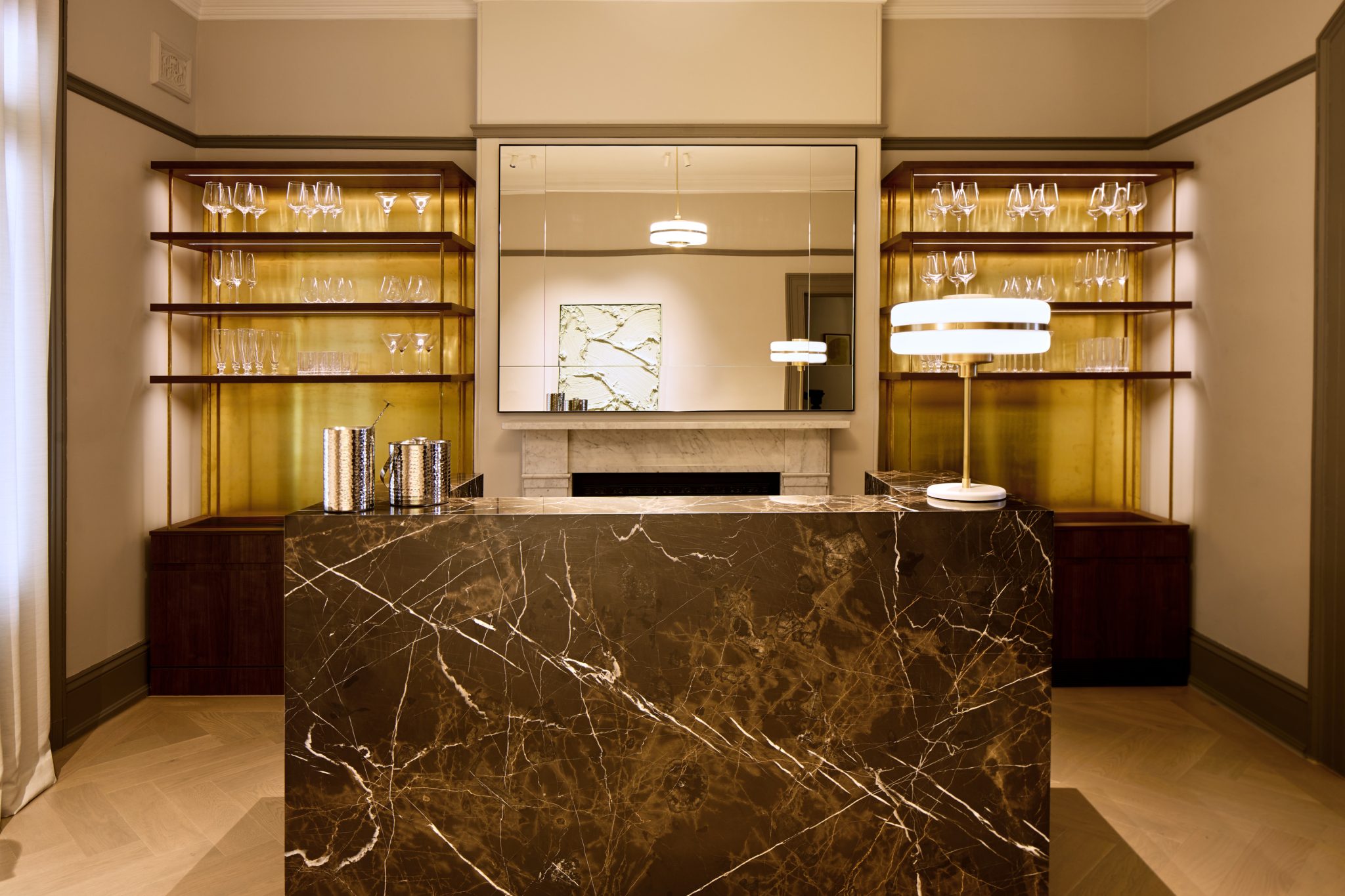
Phillip Street Workplace by Cox. Photo: Alec Bruce-Mason.
2. Create expansiveness to signal innovation, connection
The essence of an organisation must be both seen and felt to be truly understood. For progressive audiences, this means looking for tangible signals of the intangible – energy, permeability and collaboration.
One way to create this is through spatial generosity. At Macquarie Group’s global headquarters, we pioneered activity-based working at scale, anchored by a vast central atrium. This introduced vibrancy and connectivity into a financial institution, enhancing a heritage brand with an atmosphere of openness and innovation.
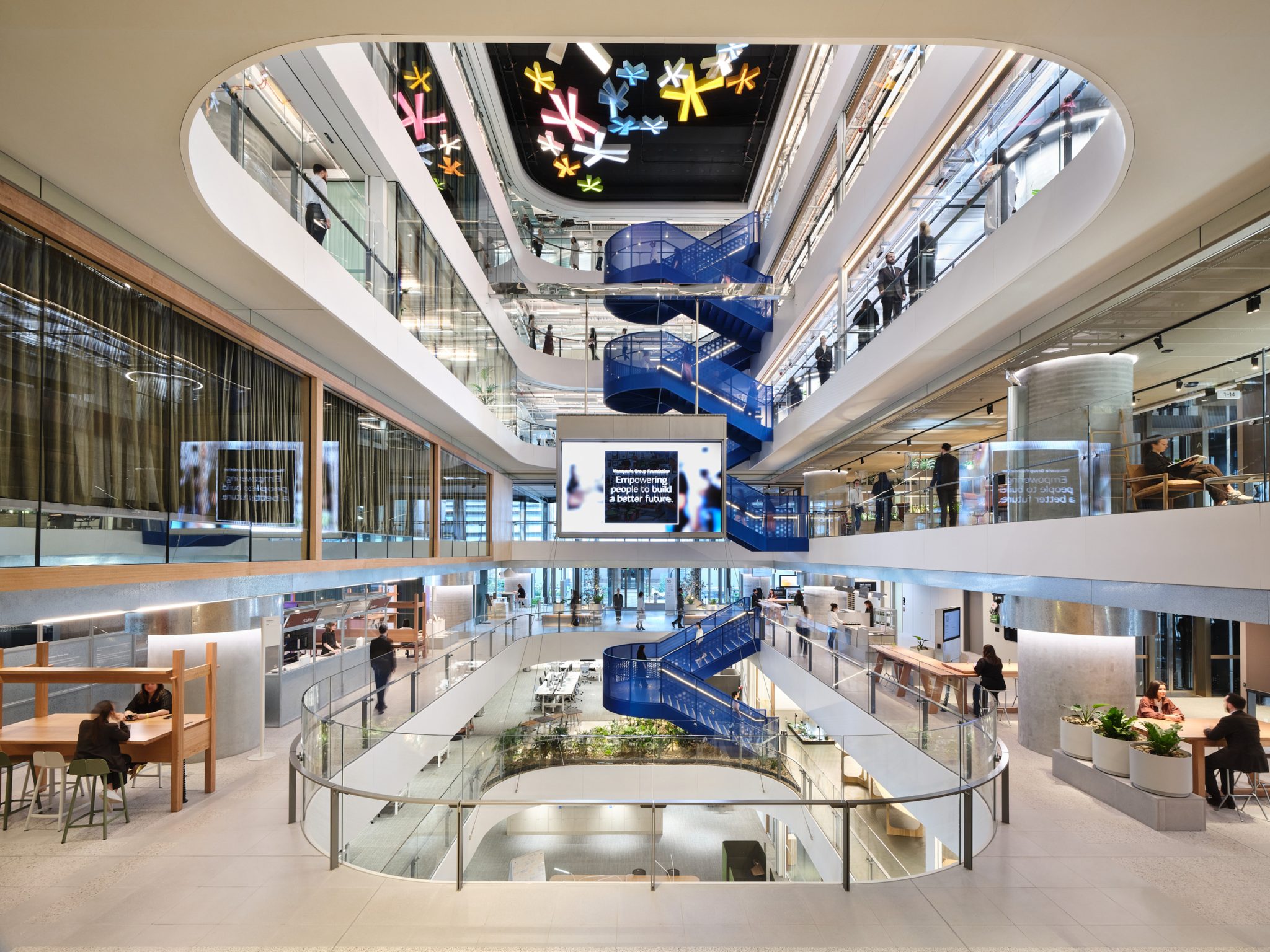
Macquarie Group’s global headquarters by Cox. Photo: Brett Boardman.
3. Elevate subtle design details as expressions of culture
Designing a workplace identity can’t simply be painted on, it must be deeply embedded. For Ray White, we translated an entrepreneurial culture into the workplace through subtle cues like colour accents and crafted joinery. We also highlighted the founder’s deep ties with the arts, by celebrating the story behind their art collection.
For professional services, this principle applies through art, detail and local materiality: subtle but powerful expressions of culture that resonate with employees and clients alike.
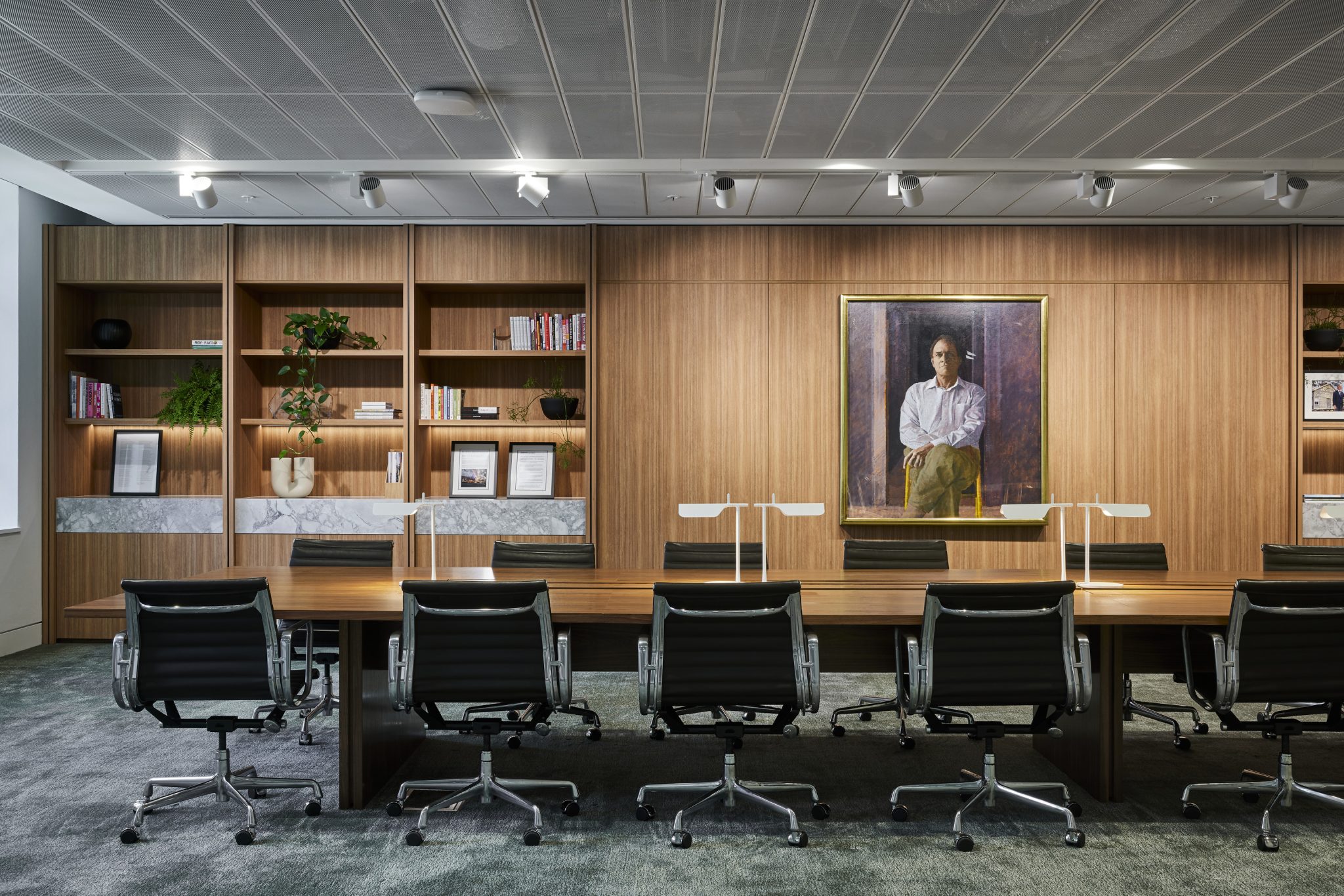
Ray White by Cox. Photo: Pablo Veiga.
4. Design bespoke settings to suit different client preferences
Client floors are often where dual identities come into sharpest focus. Borrowing from hospitality, we create environments that flex between formality and ease. At Phillip Street, designing spaces for different clients meant that conservative clients could meet in traditional, private settings, while younger clients were equally at home in more open, social ones. Both felt the environment was designed for them.
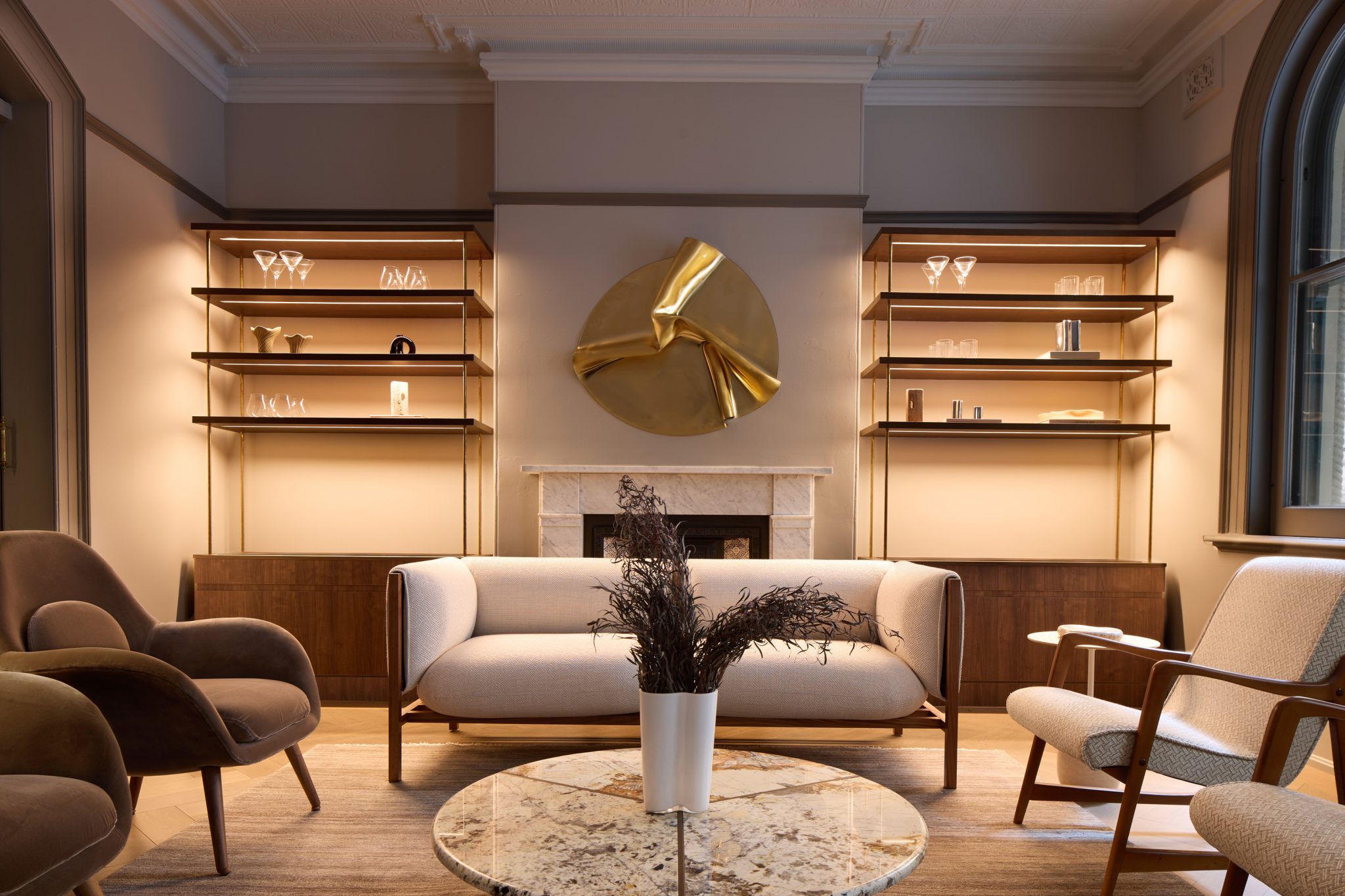
Phillip Street Workplace by Cox. Photo: Alec Bruce-Mason.
5. Technology and wellness at the fore to reinforce capability
Confidence is also about signalling capability. Today, that means integrating technology and wellness. Younger audiences demand it; traditional ones respect it. Across projects, we have embedded smart systems, wellness facilities and flexible planning in ways that reassure all audiences the institution is both current and resilient.
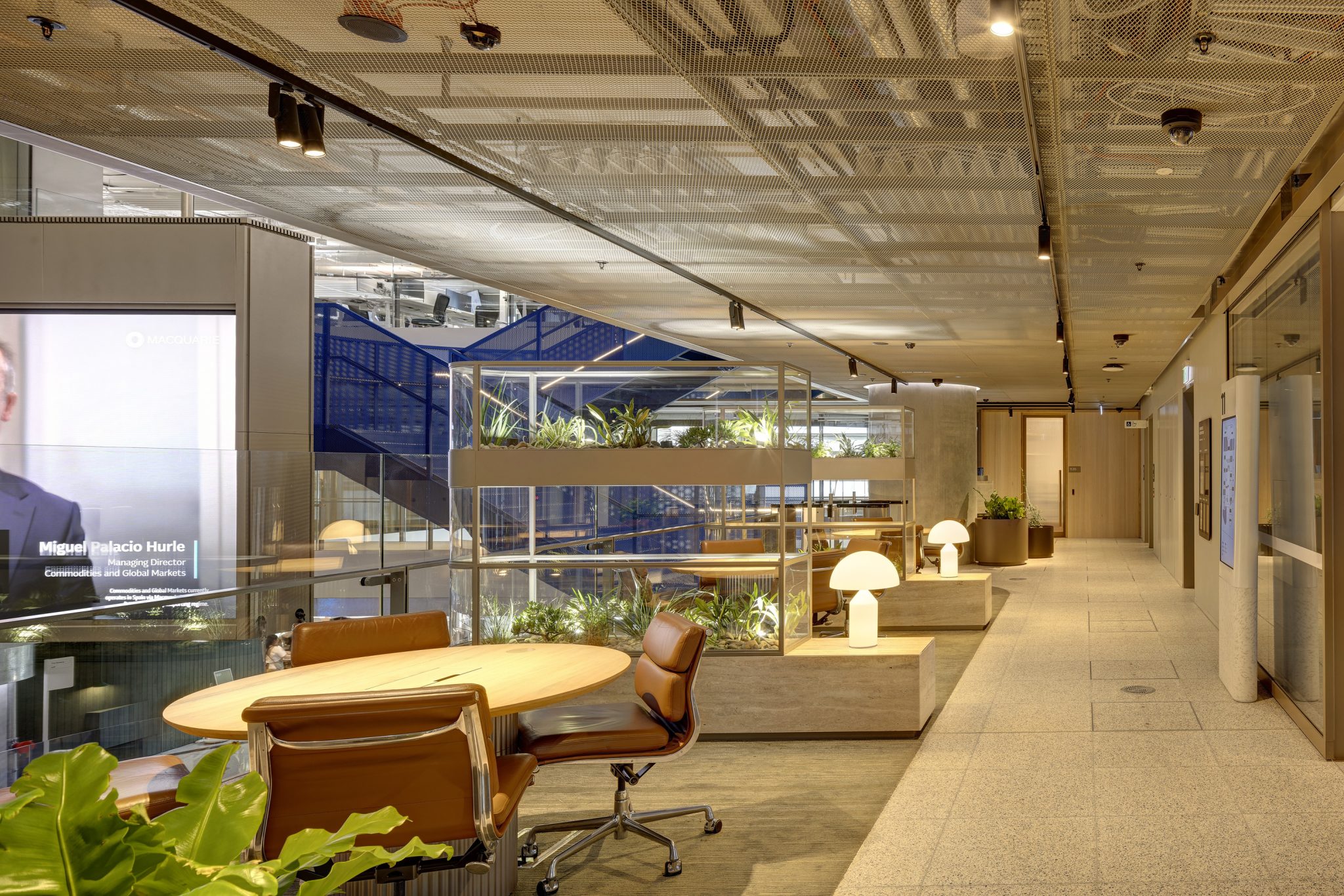
Macquarie Group’s global headquarters by Cox. Photo: Brett Boardman.
A growing shift
The dual identity workplace is no longer rare. It is increasingly essential for firms that must be both formidable and nimble, established and progressive.
The best workplaces are layered and intentional, where conservative clients feel assured, progressive clients feel energised and employees of every generation feel they belong.
You Might also Like



Related Stories

© Niche Media 2026