

30UNDER30 mentor Chris Stribley on how old wood and saplings benefit each other
30UNDER30 mentor Chris Stribley on how old wood and saplings benefit each other

Share
Cera Stribley’s co-founding and managing principal, Chris Stribley believes mentorship is a two-way street, with both young designers and the ‘old wood’ having plenty to teach each other.
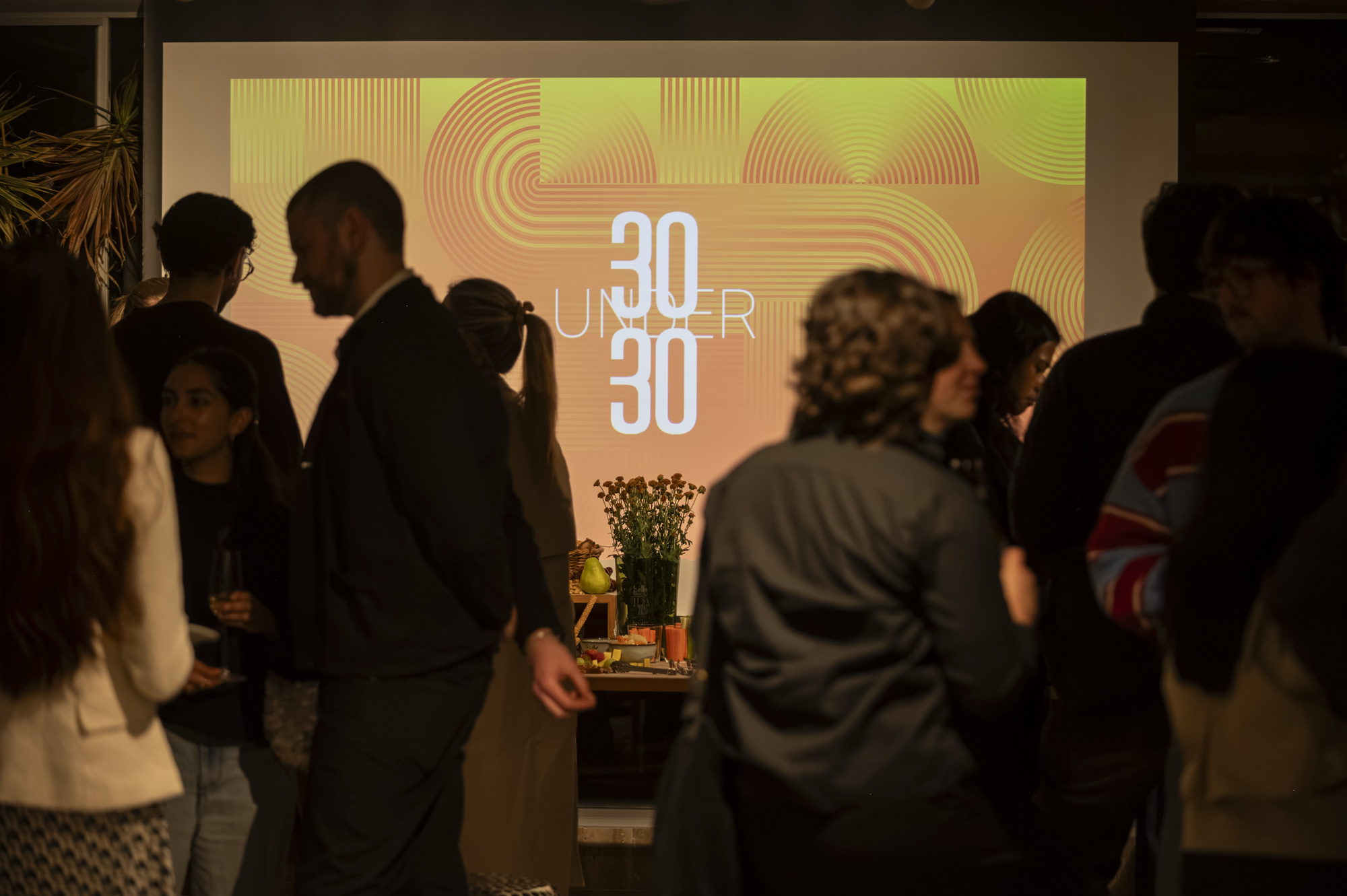
Australian Design Review (ADR)’s 30UNDER30 program provides mentorship and career development in the architecture and design industry, bringing together game-changers, industry leaders, practice founders, product manufacturers, suppliers and sponsors to highlight and empower young architects and innovators of the future.
Ahead of the selection of the 2025/26 finalists of ADR’s 30UNDER30 program, mentor Chris Stribley, co-founding and managing principal at Cera Stribley, talks to ADR about why he has come on board and how the ethics and passions of the next generation are keeping their predecessors on their toes.
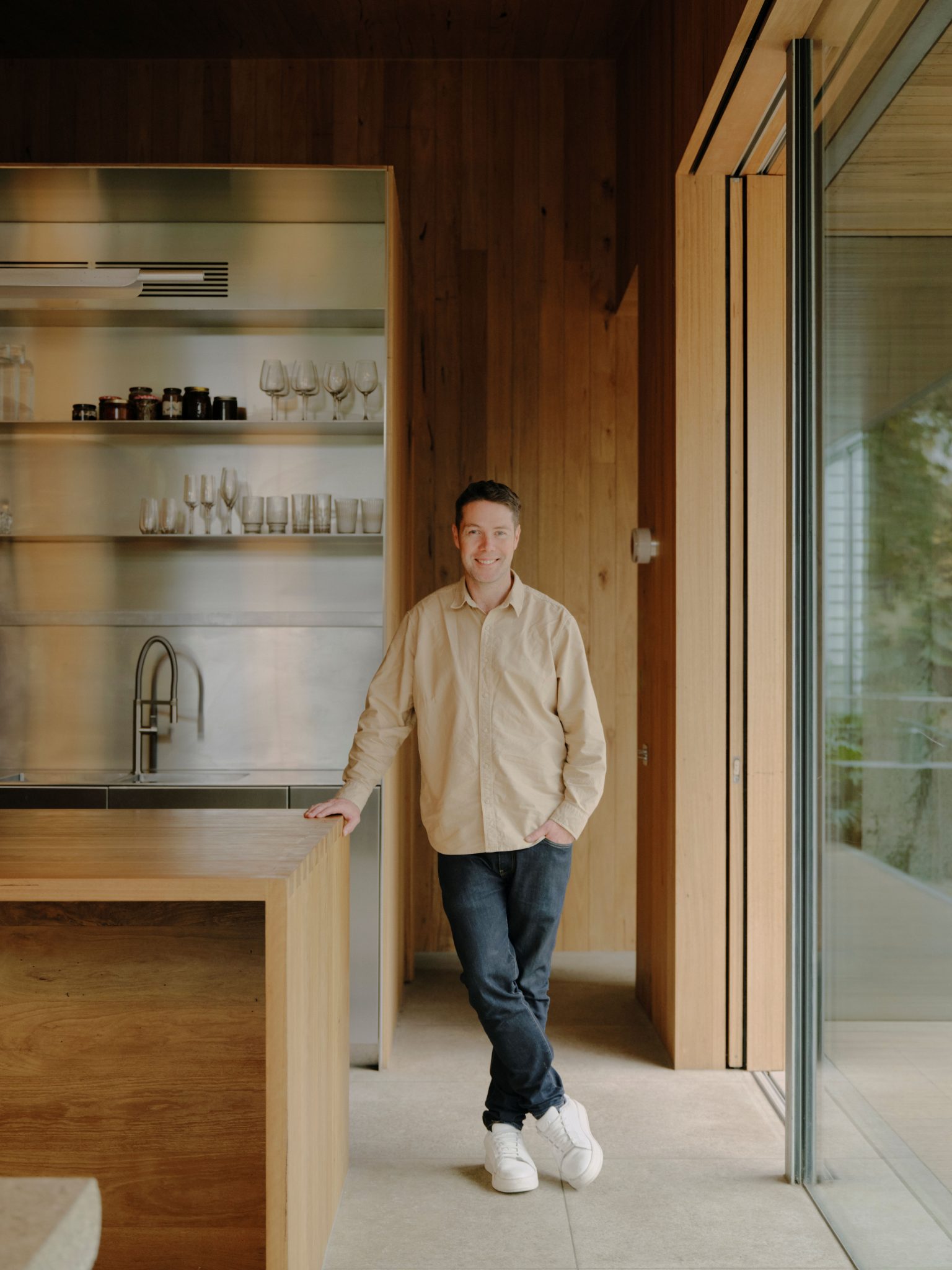
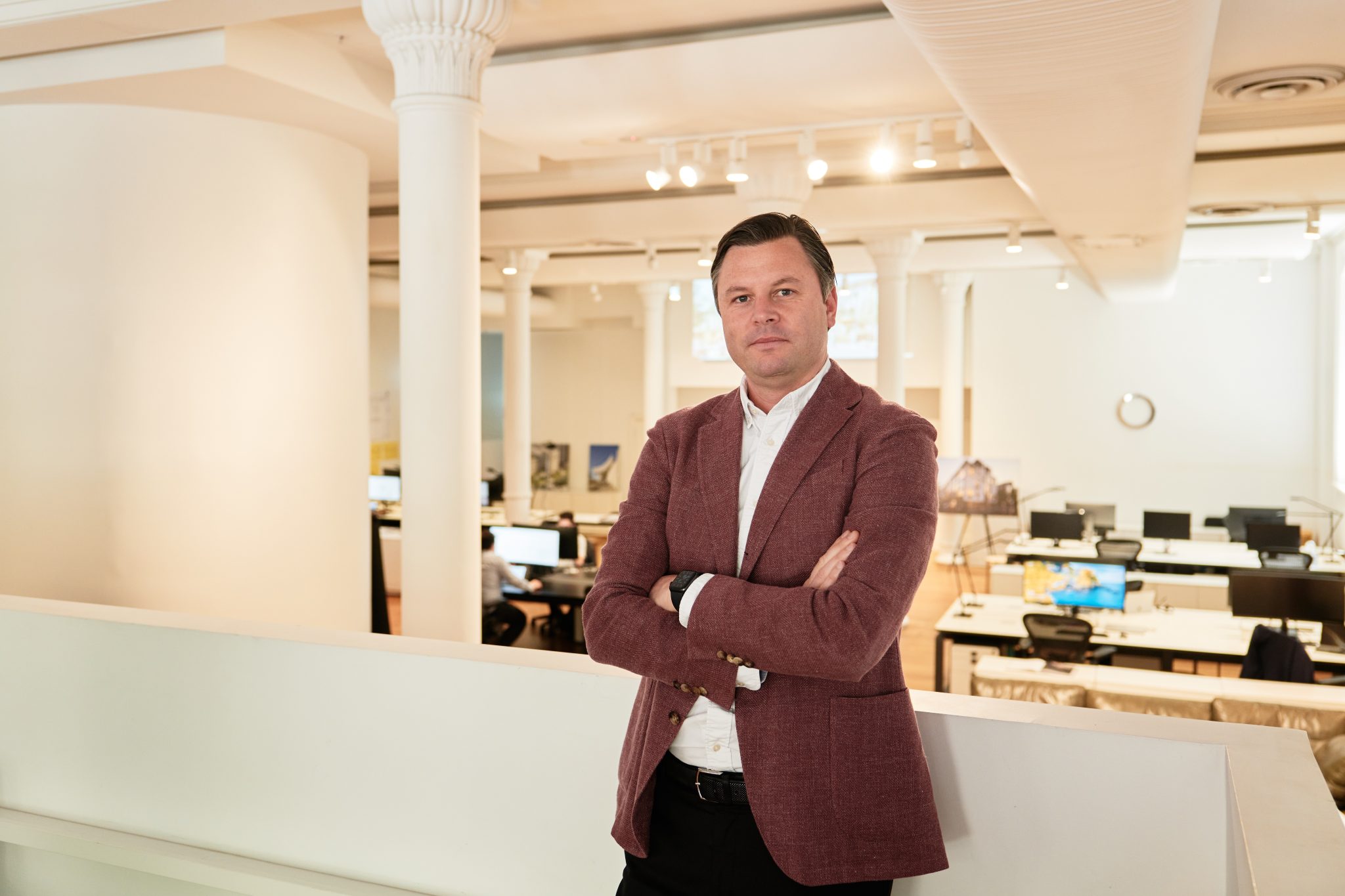
Chris Stribley. Photo: Tom Ross.
Australian Design Review: What was it that attracted you to the 30UNDER30 program?
Chris Stribley: We’ve had two Cera Stribley employees go through the program over the past few years, and they’ve raved about it. They said it gave them the confidence that they wanted to be in the industry. I think, too often, in those early years of your career it’s easy to get stuck drawing door schedules. It can be a bit uninspiring. But I think programs like 30UNDER30 invite next generation designers to push themselves professionally in a way that can get overlooked in the day to day.
I also had a great mentor when I was younger, which made a big difference.
ADR: Can you talk about that mentor? Who was it? How did that relationship begin and how long did it last?
CS: Neil Clerehan. He was a famous Australian architect that I had been ‘matched’ with through the mentor program that they had at Melbourne University, back in the day. I think he would have been about 85 at the time, and I was at uni. I remember being told that Neil had done it [the mentor program] before but it hadn’t worked out, because he was a bit elderly. But she [the program coordinator] thought I’d be a good fit because I was… what’s the word? I wasn’t shy! And we got on quite well.
He was just really engaging. He took me to a lot of his buildings or just to his office, and explained some old school principles of design and things like that. It was great. He took me out to the Melbourne Club and introduced me to people. I remember he called me – he thought I was so young – and he asked, “Do you even own a jacket?” I said, “I’ve got a jacket, don’t worry, I can come to the Melbourne Club!”
Having that relationship with Neil has definitely had an influence on the architect I’ve become, in a subtle but meaningful way.
We stayed in contact for probably two or three years before it petered off after a while when I got to my final projects. But he said I could always call or just come to his office and work from there. He was really generous with his time.
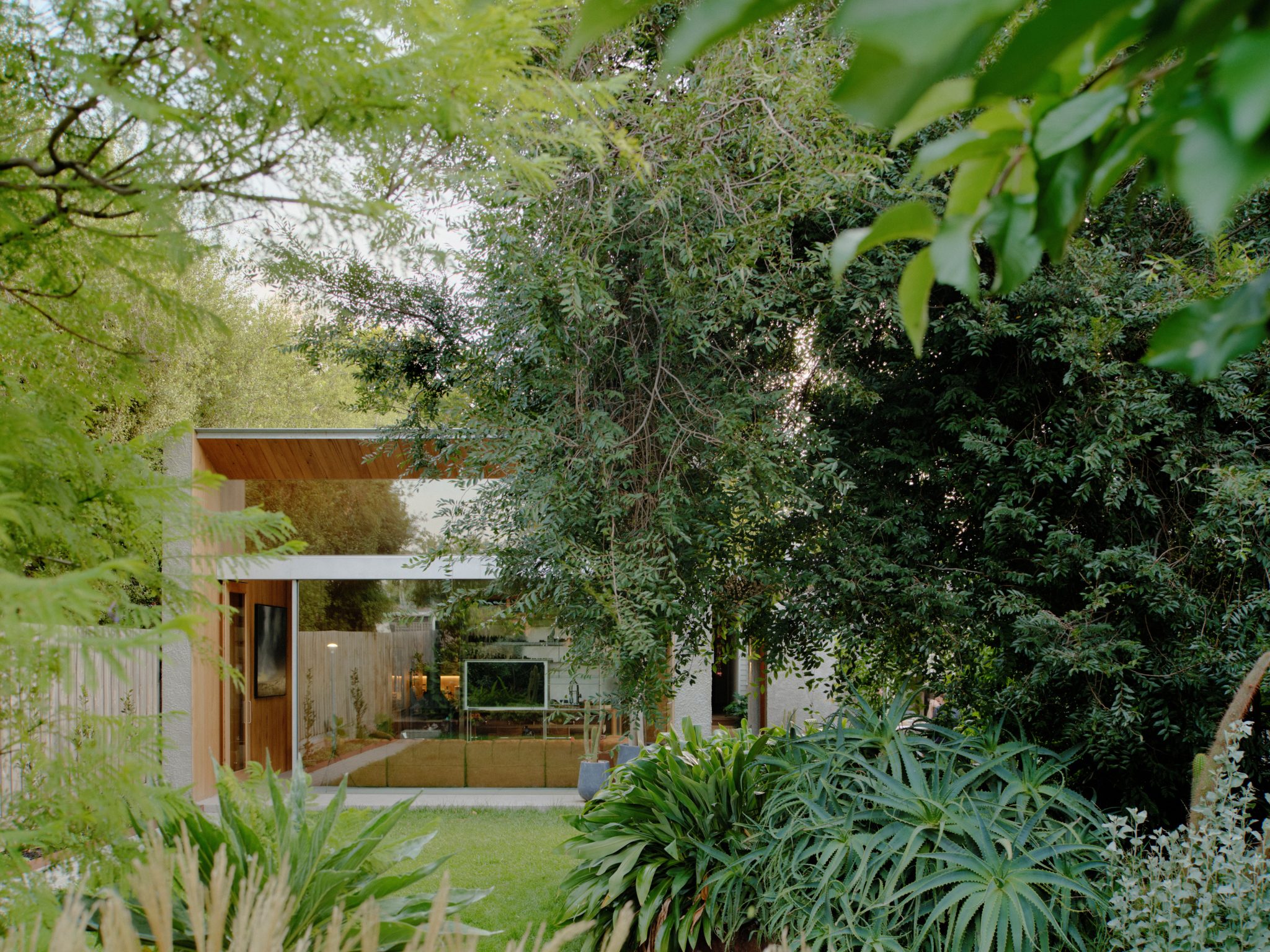
Harvest House by Cera Stribley, Chris Stribley’s own home. Photo: Tom Ross.
ADR: What are the main elements of the program that you’re looking forward to getting involved in?
CS: What I’m most looking forward to is meeting fresh talent. It’s inspiring on a personal level, but it’s also valuable from a business perspective to see who’s out there, make those connections, and build relationships that might carry forward.
I’m also keen to connect with the other practice leaders involved. It’s always interesting to see how people are approaching things across the industry, and this year, with the program spanning different sectors, there’s even more to take away. You’ve got industrial designers and innovators, as well as architects and interior designers, which makes it a great chance to cross-pollinate ideas.
Rather than just talking within our own echo chamber, there’s a lot to learn from how other professionals tackle problems in completely different contexts. Those perspectives often spark the kind of insights you can bring back into your own practice.
ADR: With the next cohort of designers coming through at your practice, do they have very different approaches to the work, or does it seem quite similar to how you felt when you were coming through?
CS: No, there are definitely changes. Some of the students and graduates coming into our practice are doing great things, even with AI. That’s always been the way. There are, however, probably some deficiencies, I think, from how university works compared to when we were there.
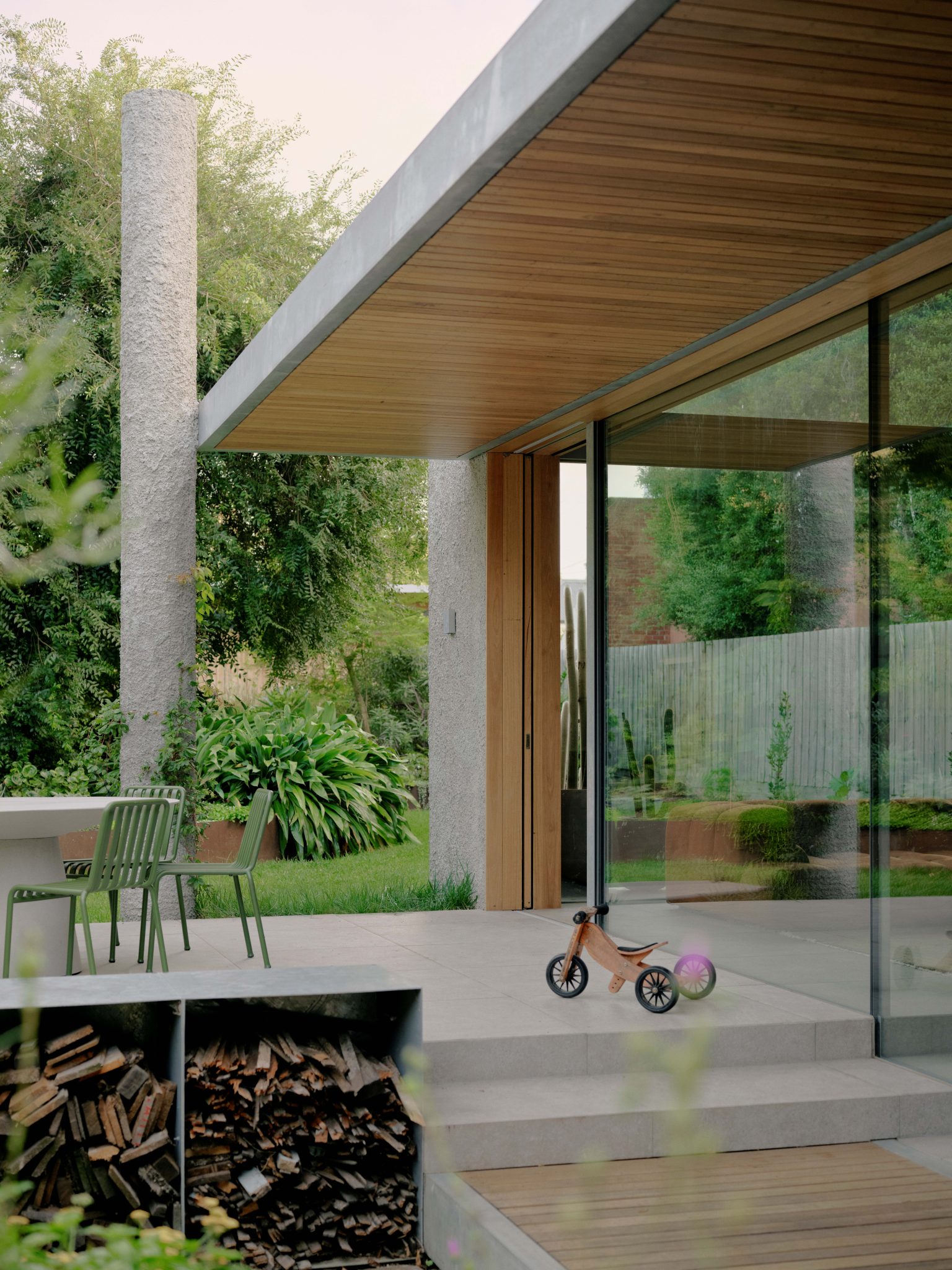
Harvest House by Cera Stribley. Photo: Tom Ross.
ADR: Can you elaborate?
CS: I think there’s an increasing emphasis on general architectural theory, and a lot less on developing the practical skills – you know, the part where you’ve got to actually build the thing. At the end of the day, we are here to create physical places and spaces, not just design them, and I think that’s getting overlooked in the curriculum.
In our business, I deal with a lot of delivery building side stuff. I guess that’s another reason I wanted to be involved in the program, to have the opportunity to impart some of that knowledge to early career designers who might not have had much exposure to that side of practice yet. Because having that practical knowledge of how things are built, and how materials perform can only strengthen you as a designer. I can’t emphasise that enough.
ADR: Do you think they’re getting a lot of theory, but not much practical advice?
CS: Yes. It’s one of the things they took out of the curriculum at Melbourne University, which I think is a terrible thing. We used to have to do a year off between third and fifth year, or third and fourth year, and go work in a practice, which was great. You don’t want to get to the end of a five-year degree and then you start your job and think, ‘Actually, I don’t like this’.
ADR: Younger people coming through obviously have more knowledge of AI and there are always going to be technological advances, but what else excites you about the next generation about their ideas and the way they approach the discipline?
CS: Probably their ethics. When you look at sustainability and even social ethics and things like this, I don’t think any of our seniors have ever spoken back to us on, for example, ‘is this a product we want to be doing?’ Whereas the younger generation definitely challenges us on that front. It’s something that’s developed in our business. We know that if we want to attract talent, we want to be doing work that inspires people and aligns with their values. It’s made us really hone in on our values as well, which has been a great thing for the business. And that’s come from the youth, it’s not from the old wood.
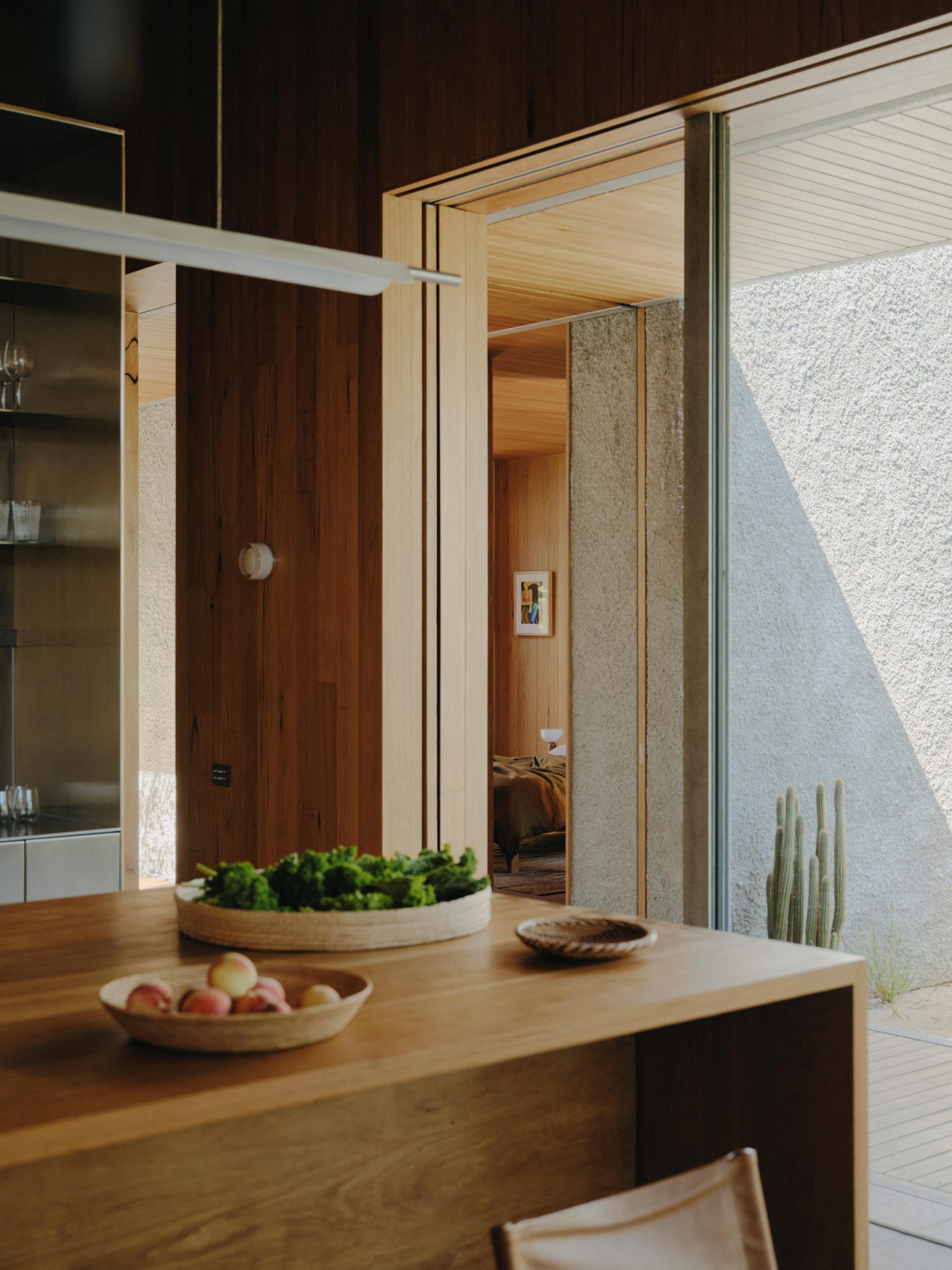
Harvest House by Cera Stribley. Photo: Tom Ross.
ADR: Are there any other areas where you think their education or skills are lacking?
CS: Oh, absolutely, picking up the phone is probably the big one!
I think a lot of younger designers find that hard, whether it’s a confidence thing or just the nature of the world we live in now. That’s where mentorship really helps – having that one-on-one dialogue and building those skills in a safe environment.
In our own studio, we actually run CPD sessions just on communication, because it’s that important. We get senior staff to lead one-hour presentations, and one of the key topics is always communication. It’s something we’re really conscious of instilling in the next generation.
ADR: And on a personal level, what sort of advice and practical tips do you think you’ll be able to offer from your experience?
CS: I think one of the big things I can bring is insight into starting and running a business, and the realities of that journey. But more than that, I’d really emphasise the value of collaboration. And not just with your immediate peers, like architects or interiors teams, but with the whole spectrum of practitioners we get to work with – engineers, landscape architects, you name it.
When you lean into that, your career becomes so much more enjoyable. It’s not just about running your own race; it’s about being part of something bigger. And honestly, it just makes coming to work a lot more fun.
ADR: How long is it since you set up your practice?
CS: We have been going for 11 years.
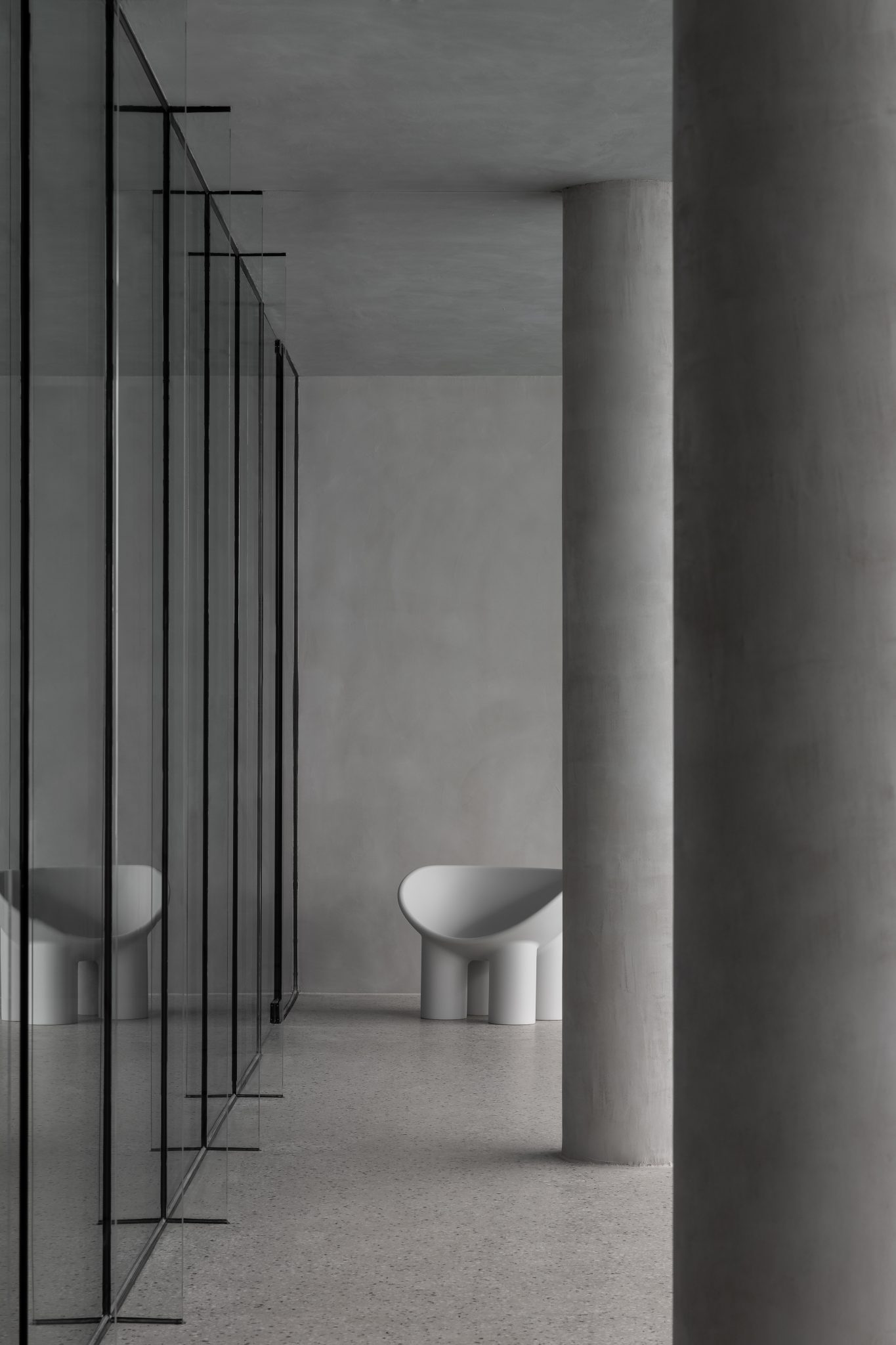
Hideaway House by Cera Stribley. Photo: Tom Ross.
ADR: And what do you personally hope to get out of the mentorship program?
CS: For me, it’s just as much a learning opportunity. They say you get more out of giving than receiving, and I think this program will be no different. It’s a chance to have some fun and get a lot of joy out of the process.
I’m also looking forward to meeting fresh talent and hearing how they see the world and approach design. Bringing that perspective back into the office is invaluable. I wouldn’t call it selfish, but it’s definitely something you benefit from as much as they do.
ADR: How do you foresee working with the other mentors?
CS: Because the program spans different sectors, I think there’s a huge opportunity to learn from the other mentors. Just chatting with them about how they do things, sharing a few war stories, you pick up a lot from that.
ADR: When it comes to pairing off each mentor with a mentee, what are you looking for or hoping to be paired with? Are there any particular qualities that you have in mind?
CS: When it comes to being paired with a mentee, I’m hoping for someone who’s candid and open. I’d much rather be challenged and have a real back-and-forth than feel like I’m preaching at them. For me, it’s about genuine engagement, not a one-way street. Ideally, I’d love to work with someone who reaches out often. I’d rather be there for them in smaller, ongoing ways than just a set, formal catch-up every now and then. More like someone they can lean on when challenges come up.
ADR: And finally, any thoughts about the Bali retreat? Is there anything you’re looking forward to particularly there?
CS: Honestly, I didn’t even know I was going until a couple of days ago! But I think it’s fantastic. Being out of Melbourne, out of Australia, gives you that shift in headspace. It’ll be a great setting for the program.
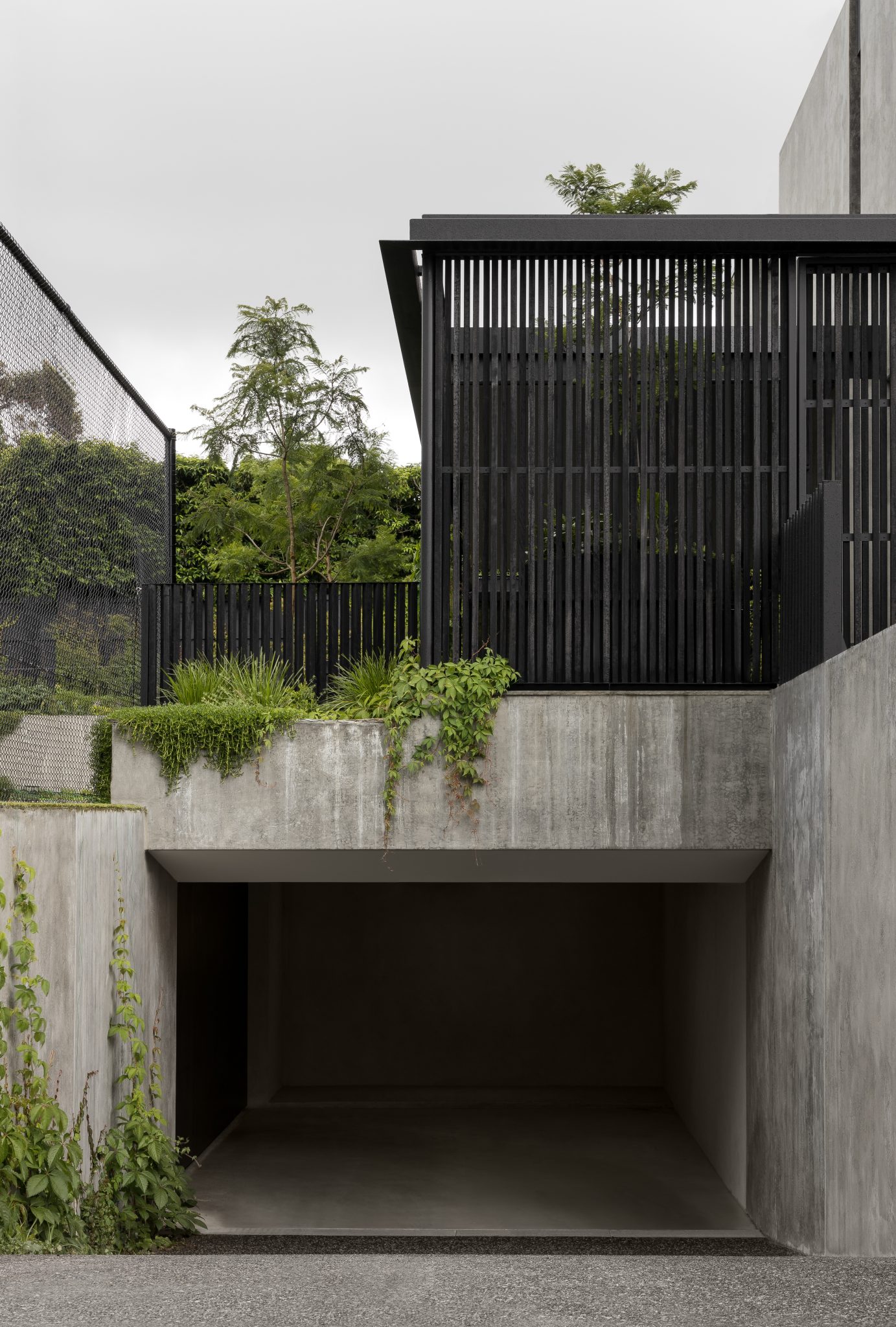
Hideaway House by Cera Stribley. Photo: Tom Ross.
Australian Design Review’s 30UNDER30 is brought to you by major sponsor Neolith, alongside partners Miele, Krost, Signature Appliances powered by Miele and Tongue & Groove.
Australian Design Review is also grateful to our 30UNDER30 practice partners AJC Architects, BVN, Cera Stribley, COX Architecture, Genton, GroupGSA, HDR, Richards Stanisich, Rob Mills Architects, Rothelowman, SJB and Design by WBL for helping us foster the future of Australian design.
Photography supplied. Lead image by Aaron Puls.
You Might also Like


Related Stories

© Niche Media 2026