

Nyaal Banyul opens its doors ahead of Geelong Design Week

Share

The team behind Nyaal Banyul explains the collaboration, culture and vision shaping Geelong’s waterfront landmark.
A surface car park servicing Deakin University sat on Geelong’s waterfront for years before three organisations, a state advocacy office and Wadawurrung Traditional Owners turned the site into Nyaal Banyul, the convention and event centre now opening its doors ahead of Geelong Design Week and the Victorian Regional Design Fair. Plenary executive director Damien Jaipaul, along with Victorian Government Architect Jill Garner and Woods Bagot director Bruno Mendes, speak to ADR about the collaboration behind the project and what they hope it comes to represent for the city.
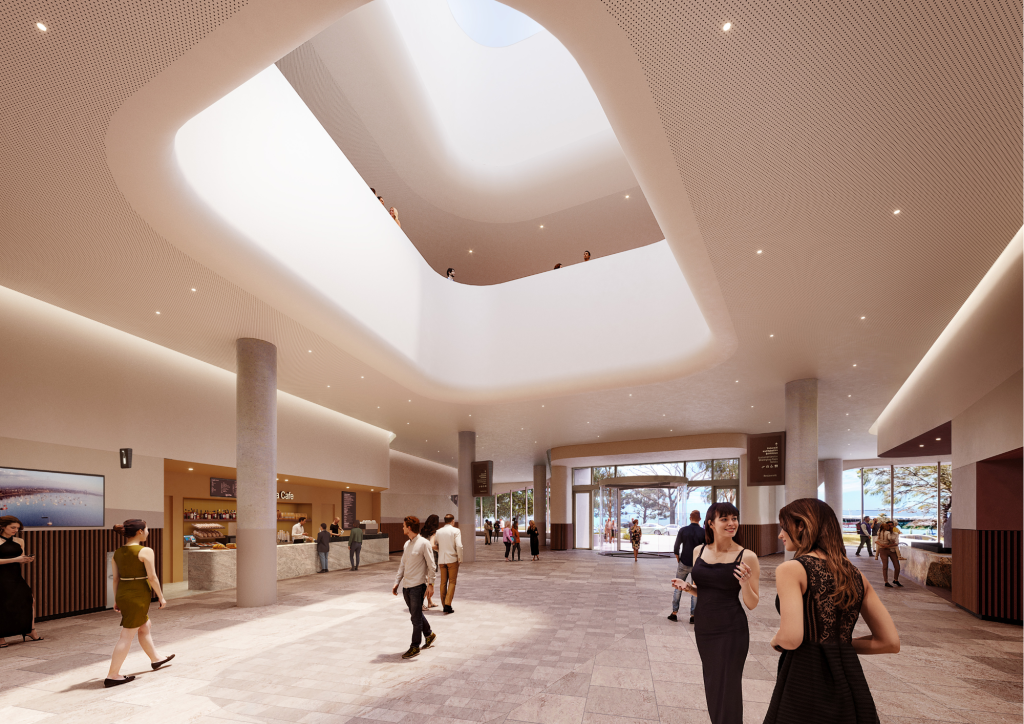
Garner was involved before any design team existed, shaping the brief and the site selection itself. Her role, she explains, is advocacy rather than regulation. “I get involved in the discussions about what the project is, what the brief is, what the site is, what the challenges of that site are, and then also what the vision or the ambition for a project like this might be,” she says.
The site posed an immediate design challenge, since a convention centre is typically enclosed, built for visitors who sit in a seminar room for hours without needing a view, yet this site sat against an important city street and the waterfront. “How do we insert a new layer into an existing place, an existing context, in a way that makes an incredibly positive contribution to the future networks, connections and buildings that go into that particular place,” Garner says, of the brief that pushed the design team towards permeability between the city and the water.

Testing ideas before settling them
Jaipaul describes the process as genuinely iterative, built through separate meetings between Plenary, Woods Bagot and the Wadawurrung Traditional Owners to test and refine ideas rather than lock them in early. “We don’t take a superficial approach to Country and, in everything we do, we try to be very aware of what the touch points are and the ways that we can make architecture respond,” he says.
He adds that early proposals were always treated as a starting point. “That’s what it is, it’s an idea, and we have to challenge it, we test it, we pull it apart, we put it back together.” Achieving that, he says, meant accepting risk. “You need to take a little bit of risk in these projects, because otherwise you’re just covering old ground rather than making things that are innovative, that provoke thinking, that cater to the region and the space.”

Mendes, closer to the design response itself, describes a project shaped by years of prior collaboration between Woods Bagot and Plenary on precincts such as Melbourne’s South Bank. “It’s about place, not about the architecture. How do you create destinations?” he says. The design team worked directly with Wadawurrung Traditional Owner Corrina Eccles and a wider group of local artists, translating narratives about the site’s former cliffs and views of the You Yangs and Corio Bay into ceramic cladding, interior artwork and more than 200 carpet samples tested for a single room.
“It’s really successful when it’s not ornamental. It’s actually embedded in the architecture, in the way that the building’s been designed and the place has been designed,” he says.
A precinct built for the long term
Garner recalls one detail that concerned her throughout the bidding process – the ceramic tiles the design team proposed for the cladding. “That was constantly a worry for me, that, the day before the bid goes in, Bruno is going to say we can’t have the tiles, so we’re going to do this instead,” she explains. Once terms were agreed between government and the winning consortium, the detail stayed locked in.
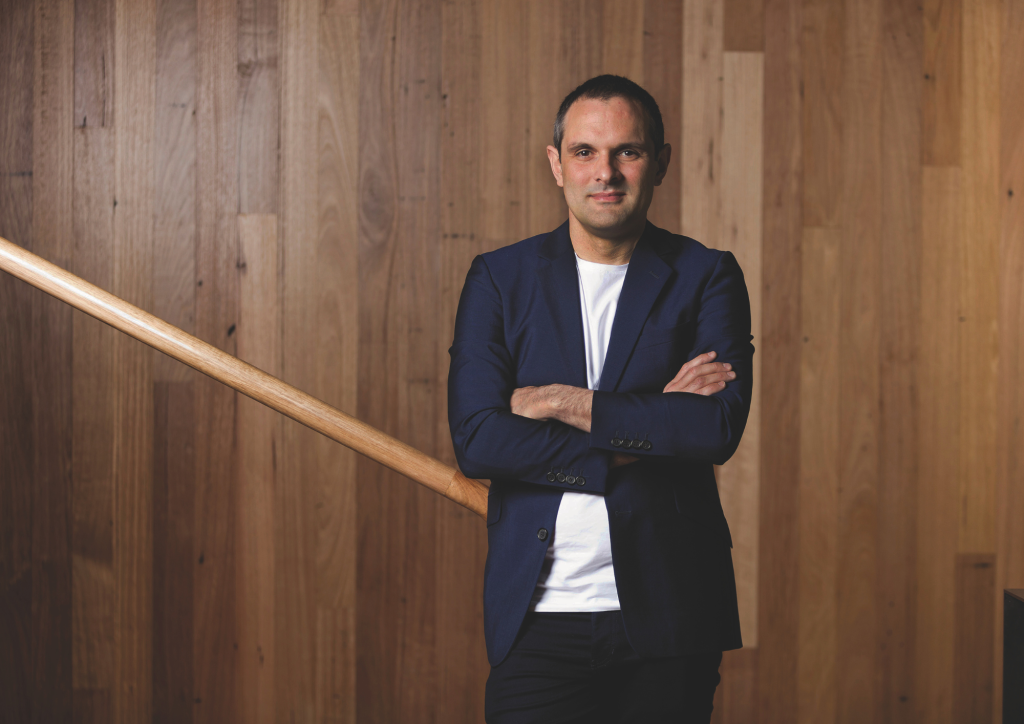
Success, for Jaipaul, sits well beyond opening day. Plenary holds a 25-year contract on the convention centre and a 99-year contract on the hotel component. “We have a fairly vested interest in the long-term outcomes in those precincts, and we know that day one is not the definition of what that legacy is,” he says. He measures success as “an active and invigorated precinct that extends Geelong city to the waterfront”.
Mendes believes it reflects a broader change in how conference organisers choose venues. “They’re always looking for an experience. So convention centres are really incredible vessels to actually sell the place, the city, what’s unique about the city,” he says.
Garner’s measure of success looks further outward still, to the housing and streetscapes she expects to be around the site over the next decade. “This being a catalyst, not just for good architecture or for place-specific architecture, but for activity and for interactions and for networks… and also to just give Geelong a sense of incredible pride in what the city can be,” she concludes.
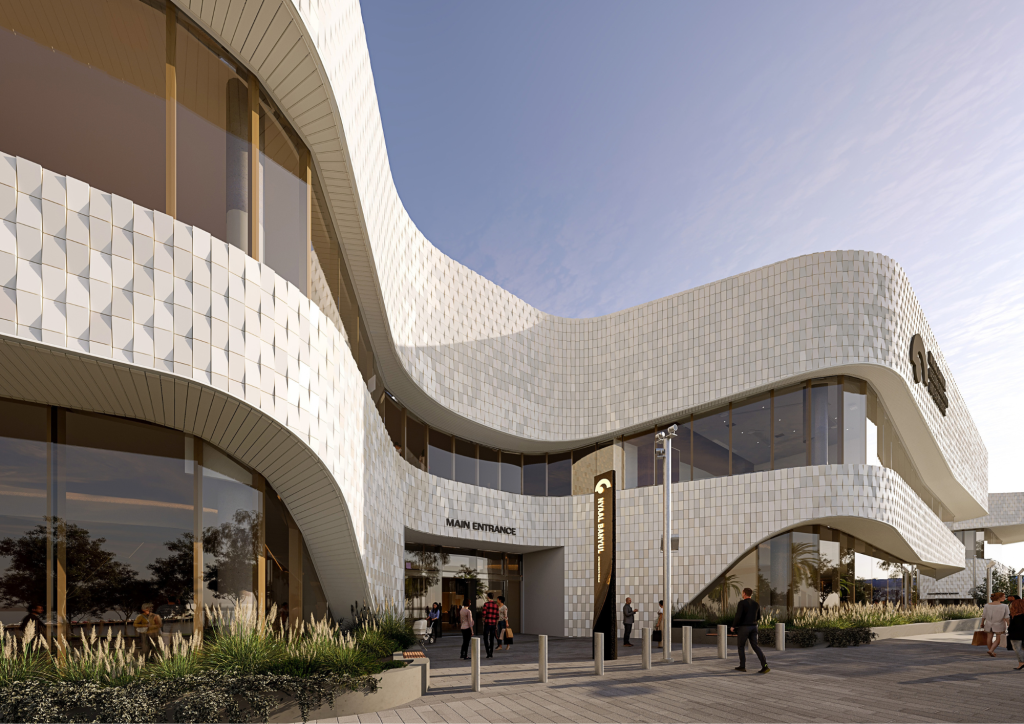
Nyaal Banyul opens its doors as one centrepiece among more than 80 events across 11 days of Geelong Design Week, a program that positions the city’s UNESCO City of Design status as a lived commitment rather than a plaque on a wall. The festival, alongside the Victorian Regional Design Fair, gives residents and visitors direct access to the people and processes shaping Geelong’s built environment, from civic landmarks to grassroots exhibitions in the northern and western suburbs.
For a regional city setting its own agenda rather than following Melbourne’s, that visibility matters: it turns design into something Geelong argues about, celebrates and claims as its own.
Renders Supplied.

© Niche Media 2026