

Australian solar innovation takes top honour at 2026 Good Design Awards

Share
Melbourne-based Allume Energy’s SolShare has been named Australian Good Design Award of the Year, leading a diverse field of projects recognised for their contributions to sustainability, healthcare, engineering, the built environment and social impact.
An Australian-designed technology that enables apartment residents to access the benefits of rooftop solar has taken the top honour at the 2026 Australian Good Design Awards, held at the International Convention Centre (ICC) Sydney on Friday 9 October.
SolShare, developed by Melbourne-based Allume Energy, received both the Australian Good Design Award of the Year and the Australian Good Design Award for Sustainability, recognising a design-led response to one of the persistent challenges of the clean energy transition: making rooftop solar accessible to people living in multi-residential buildings.
While rooftop solar has become increasingly commonplace in Australian homes, apartment buildings present a more complex proposition. SolShare addresses this by dynamically distributing electricity generated by a shared rooftop solar system between individual apartments according to their instantaneous energy needs.
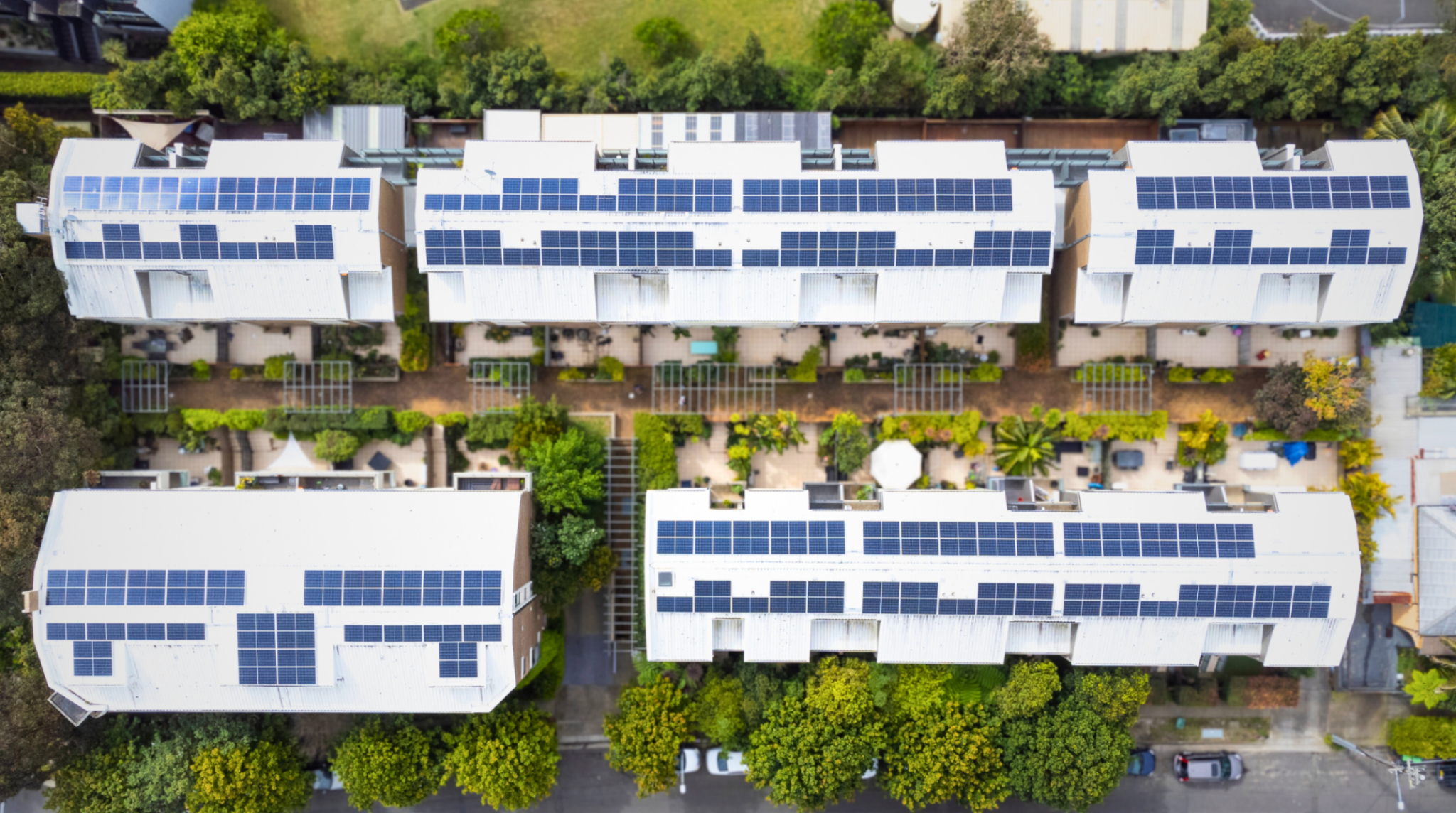
The technology is already connecting more than 10,000 apartments across three continents, having delivered 23 gigawatt hours (GWh) of solar energy globally and helped residents save an average of 30 to 40 percent on their electricity bills.
Good Design Australia chair Dr Brandon Gien said the project demonstrated how thoughtful design could translate a complex problem into a practical solution with measurable benefits.
“Great design starts with deeply understanding a problem and finding a better way to solve it. SolShare does exactly that,” Gien.
“Millions of people live in apartments, and many have had limited access to the benefits of rooftop solar. SolShare is a clever Australian design innovation that addresses that problem in a practical way, and it is already delivering benefits at significant scale.”
Established in 1958, the Australian Good Design Awards are Australia’s longest-running international design awards program. The 2026 edition spans 13 design disciplines and more than 30 categories, reflecting the increasingly broad application of design across products, services, infrastructure, policy and technology.
This year’s winners highlight how design is being deployed beyond traditional product development and aesthetics, with projects addressing energy affordability, healthcare environments, biodiversity, climate resilience, artificial intelligence and community wellbeing.
“The quality of this year’s Award winners is exceptional,” added Gien. “We are seeing designers, engineers and architects working in energy, healthcare, biodiversity, artificial intelligence, climate resilience, public policy and helping address some very complex social, environmental and commercial challenges.”
Design for people, place and the environment
Among the major Australian winners, the Best in Discipline Award for Built Environment went to City Square Ceremonial Gathering Space in Melbourne. Designed by Greenshoot Consulting in collaboration with Wurundjeri Elders, the project establishes a place for cultural gathering and recognition within the city’s new City Square.
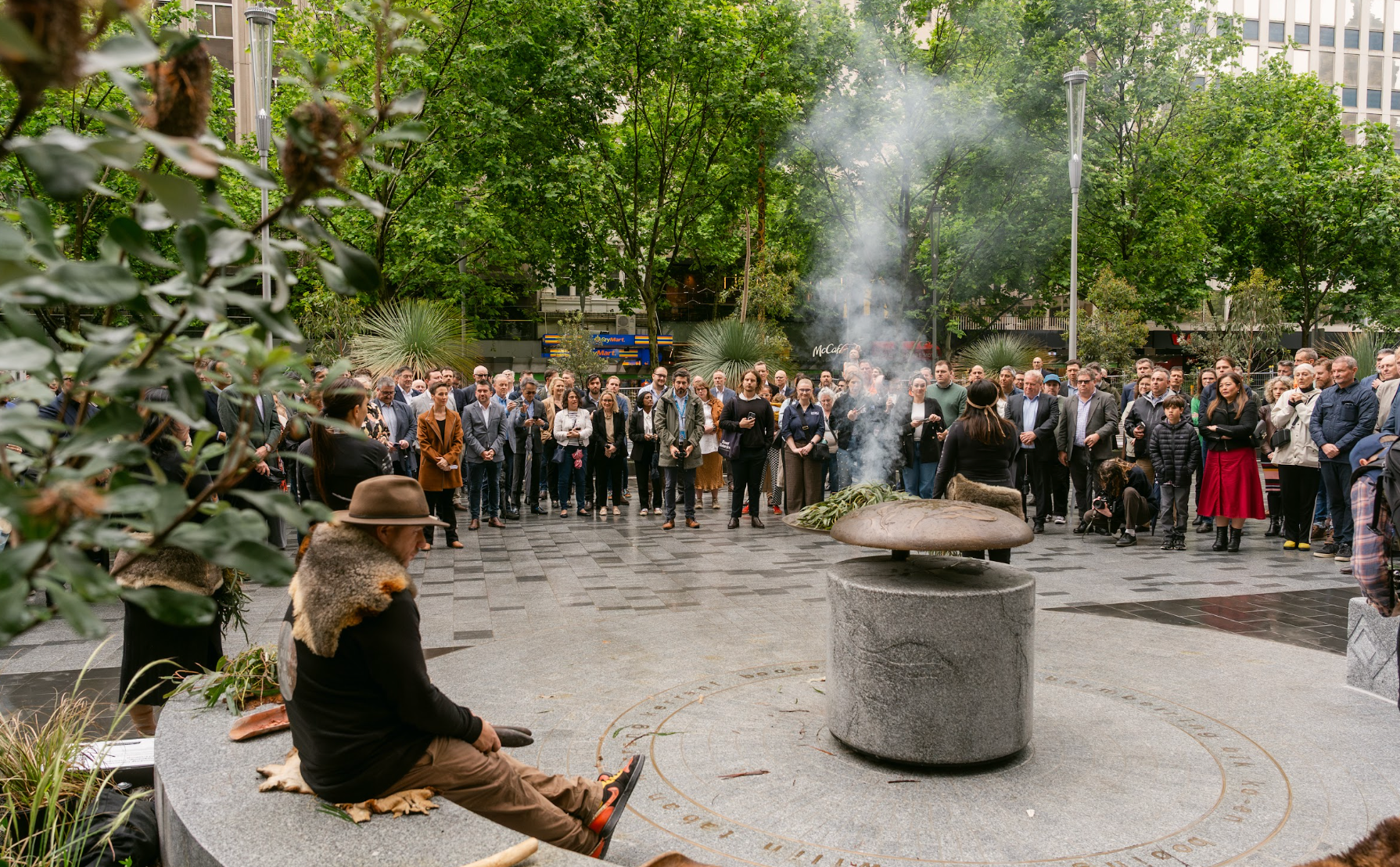
The space is intended to welcome visitors to Country, sustain Wurundjeri knowledge and cultural practices, make Woi-wurrung language visible and acknowledge First Peoples as the Traditional Custodians of the land. Its recognition highlights the role of the built environment in supporting cultural continuity and creating public spaces that carry meaning beyond their physical form.
In healthcare, Frost*collective received Best in Discipline for Communication Design for Sydney Children’s Hospital Placemaking & Environmental Graphics. Developed for children, families, carers and staff at Sydney Children’s Hospital Randwick, the system combines wayfinding, information and storytelling to make navigating the hospital more intuitive, reassuring and engaging.
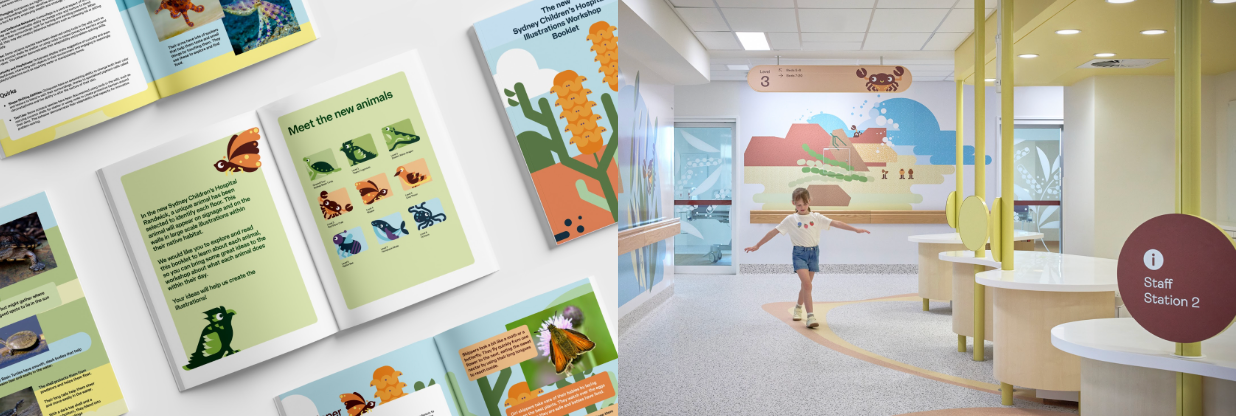
The project demonstrates how communication design can influence the experience of complex institutional environments, using visual language and environmental cues to help people feel more confident in unfamiliar surroundings.
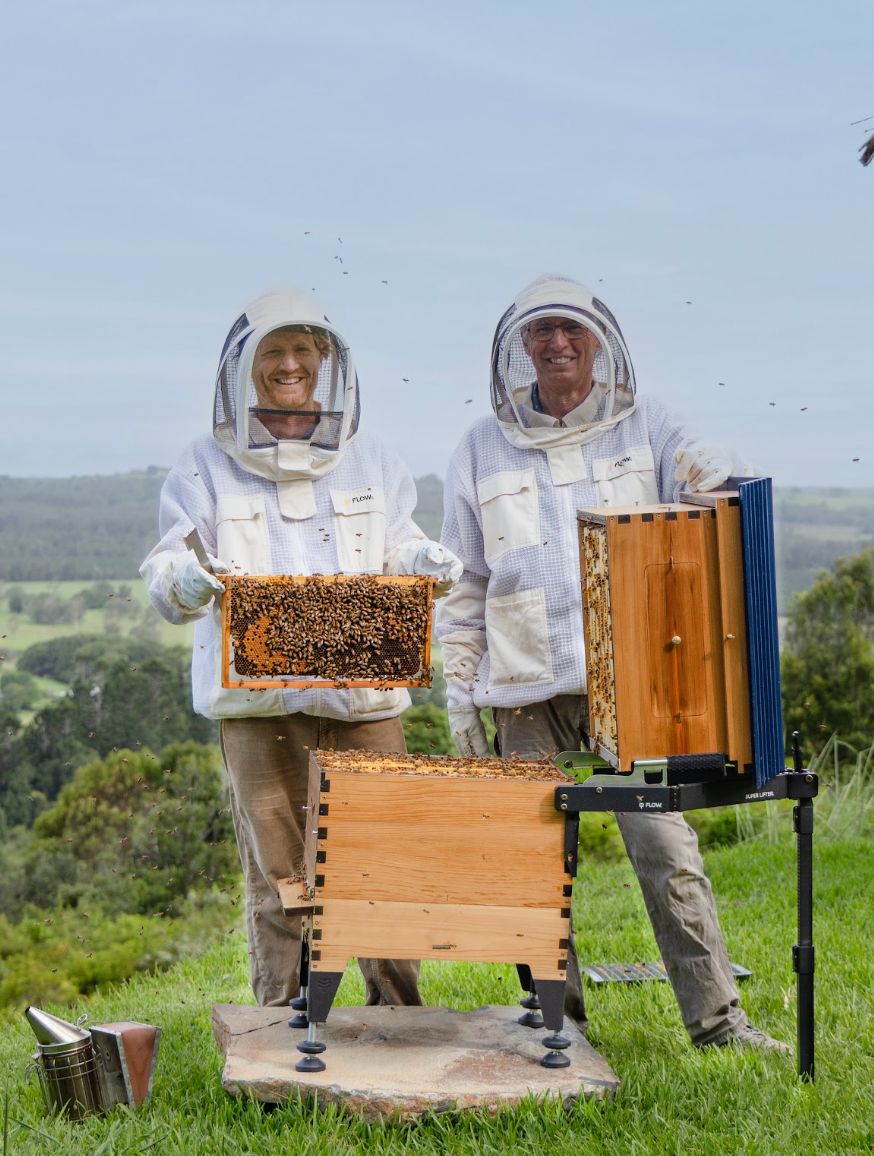
Elsewhere, Australian company Flow Hive received Best in Discipline for Engineering Design for the Flow Super Lifter. Designed to make opening and inspecting beehives easier, the system reduces the physical effort involved in moving heavy hive components while minimising disturbance to bees.
The Best in Discipline Award for Next Gen went to Xavier Earls for Bush Cradle, a modular habitat system designed to provide refuge for vulnerable native animals. Made from organic hempcrete, its four tiles can be arranged in different configurations to create habitats suited to different species, combining material innovation with a focus on biodiversity.
From responsible AI to climate resilience
The awards also recognised design’s expanding role in addressing systemic challenges, including the responsible implementation of emerging technologies.
Taiwanese designer Liu Chia-Yi received Best in Discipline for Concept Design for SoilRevive, an AI-powered bioremediation station designed to treat farmland contaminated by heavy metals. Drawing inspiration from plant root systems and mycorrhizal networks, the concept autonomously cultivates and releases targeted microbial strains into polluted soil.
In Policy Design, MAVlab at the Municipal Association of Victoria was recognised for Advancing Responsible AI Innovation in Local Government. The project developed an adaptive framework to support responsible AI adoption across Victorian local government, including procurement guidance, a procurement panel, a use-case library and a cross-sector AI taskforce.
Design strategy was represented by Karla Straker’s Designing the Intellectual Edge: A Strategy for Future Defence Learning, developed for the Australian Defence College. The initiative applies design-led thinking to the relationship between pedagogy, technology and learning environments, with the aim of preparing Defence personnel to operate in complex and rapidly changing conditions.
ThirdStory received Best in Discipline for Design Research for Collaborative Research, Learning and Action with the DFV Specialist Support Field, commissioned by the Paul Ramsay Foundation. Bringing together 31 specialist domestic and family violence services, the project sought to build collective knowledge and strengthen the sector’s shared voice with funders and policymakers.
Internationally, the Vanuatu National Warning System: A Sovereign Digital Lifeline, designed in Australia by What Works and commissioned by SPREP, received Best in Discipline for Social Impact. The climate resilience system serves approximately 314,000 people across 83 islands, combining contemporary meteorology with Indigenous knowledge to improve access to national safety information and warnings.
The award reinforces the importance of designing systems around the specific needs, knowledge and circumstances of the communities they serve.
Other international winners included New Zealand’s Te Matapihi ki te Ao Nui, Wellington Central Library, by Journey Digital, recognised for Digital Design; and Finnish company FabPatch, the rub-on textile repair system of which received Best in Discipline for Fashion and Textiles for its potential to extend garment life and reduce textile waste.
A broader measure of design excellence
The diversity of this year’s winners reflects a wider understanding of design as a strategic capability: one that can shape how organisations operate, how communities access services and how industries respond to environmental and social pressures.
Among the additional projects recognised were BioShelter, an artificial reef research project developed by UNSW Arch_Manu and commissioned by Multiplex to support marine biodiversity in Sydney Harbour; the Oasis Shower Chair by Ennova Design, which brings clinically informed support into contemporary furniture design; and the Breville Eye Q Auto Range Toasters, which use optical sensors to monitor browning and automatically stop when the selected colour is reached.
Other award-winning initiatives included Clean Up Cam, a digital platform designed to capture litter data from Clean Up Australia’s volunteer events; No Wrap, a reusable alternative to single-use pallet stretch wrap; and Holy Carp, a home-compostable, plastic-free soy sauce container developed by Australian studio Heliograf.

Good Design Australia managing director Rachel Wye said the breadth of the program reflected design’s growing influence across the economy and wider community.
“Design is an important economic and social capability. It influences the products we create, the services we rely on, the policies we develop and the way organisations respond to complex problems,” Wye said.
“This year’s award-winners are addressing energy costs, healthcare, environmental degradation, artificial intelligence, disaster preparedness, accessibility and community wellbeing.”
For Australian designers, the results offer a picture of a discipline increasingly measured not only by the quality of its outputs, but by the problems it can solve and the impact it can deliver. From making renewable energy more accessible to strengthening public infrastructure and restoring natural habitats, the 2026 Australian Good Design Awards demonstrate how design can connect technical innovation with tangible public benefit.
“Australia has an extraordinary design community and an opportunity to use that capability to strengthen our economy, improve lives and build industries that can compete internationally,” Wye said.
All the winners
AUSTRALIAN GOOD DESIGN AWARD OF THE YEAR
SolShare
Designed by Allume Energy, Australia
AUSTRALIAN GOOD DESIGN AWARD FOR SUSTAINABILITY
SolShare
Designed by Allume Energy, Australia
BEST IN DISCIPLINE, BUILT ENVIRONMENT
City Square Ceremonial Gathering Space
Designed by Greenshoot Consulting in collaboration with Wurundjeri Elders, Australia
BEST IN DISCIPLINE, COMMUNICATION DESIGN
Sydney Children’s Hospital Placemaking and Environmental Graphics
Designed by Frost*collective, Australia
BEST IN DISCIPLINE, CONCEPT DESIGN
SoilRevive
Designed by Liu Chia-Yi, Taiwan
BEST IN DISCIPLINE, DESIGN RESEARCH
Collaborative Research, Learning and Action with the DFV Specialist Support Field
Designed by ThirdStory, Australia
BEST IN DISCIPLINE, DESIGN STRATEGY
Designing the Intellectual Edge: A Strategy for Future Defence Learning
Designed by Karla Straker, Australia
BEST IN DISCIPLINE, DIGITAL DESIGN
Te Matapihi ki te Ao Nui, Wellington Central Library
Designed by Journey Digital, New Zealand
BEST IN DISCIPLINE, ENGINEERING DESIGN
Flow Super Lifter
Designed by Flow, Australia
BEST IN DISCIPLINE, FASHION AND TEXTILES
FabPatch
Designed by FabPatch, Finland
BEST IN DISCIPLINE, NEXT GEN (UNDER 30s)
Bush Cradle
Designed by Xavier Earls, Australia
BEST IN DISCIPLINE, POLICY DESIGN
Advancing Responsible AI Innovation in Local Government
Designed by MAVlab, Municipal Association of Victoria, Australia
BEST IN DISCIPLINE, PRODUCT DESIGN, JOINT WINNER
SolShare
Designed by Allume Energy, Australia
BEST IN DISCIPLINE, PRODUCT DESIGN, JOINT WINNER
ICONS
Designed by Industrial By Nature, Australia
BEST IN DISCIPLINE, SERVICE DESIGN
Making Nature Count
Designed by Seabin Pty Ltd, Australia
BEST IN DISCIPLINE, SOCIAL IMPACT
Vanuatu National Warning System: A Sovereign Digital Lifeline
Designed by What Works, Australia
Further projects given recognition
A selection of entries were also noted as being standouts by the judges:
Space technology: The Omnidirectional Wide-Angle Locator (OWL), developed by Australian Astronomical Optics and commissioned by the Defence Innovation Network, received Best in Class for Concept Design. The lightweight optical system uses an elliptical mirror and two small motors to rapidly redirect a camera or telescope without moving the host system, with applications for spacecraft, satellites and lunar rovers.
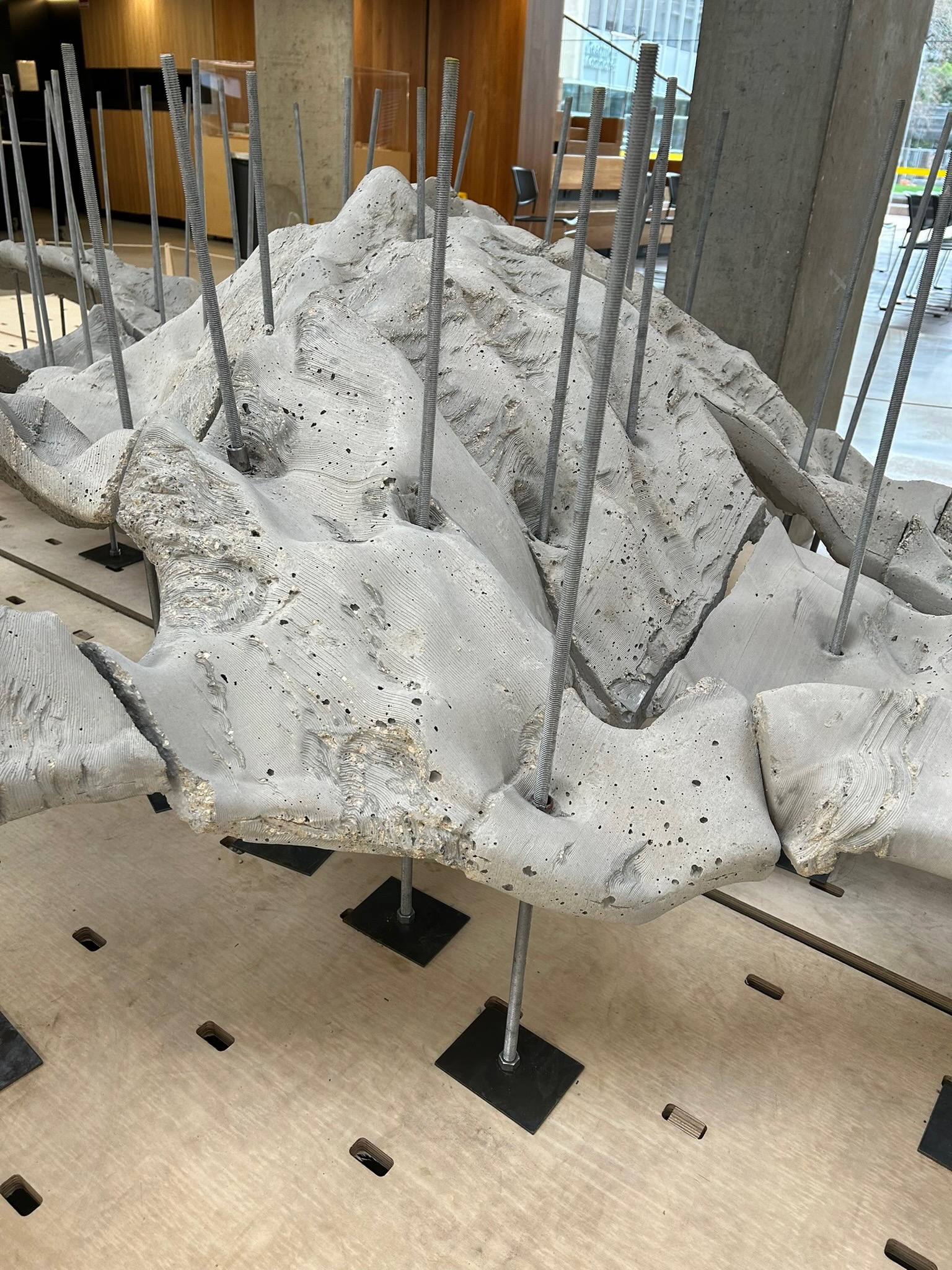
Sydney Harbour biodiversity: BioShelter, Designing an Artificial Reef to Restore Marine Diversity in Sydney’s Harbour, designed by UNSW Arch Manu and commissioned by Multiplex, received Best in Class for Design Research. The project uses site-specific marine biology data and robotic fabrication to create artificial seawalls designed to help restore marine habitats and biodiversity.
Automotive design: The Polestar 5, designed in Sweden by Nahum Escobedo and Polestar Design, received Best in Class for Product Design, Automotive and Transport.
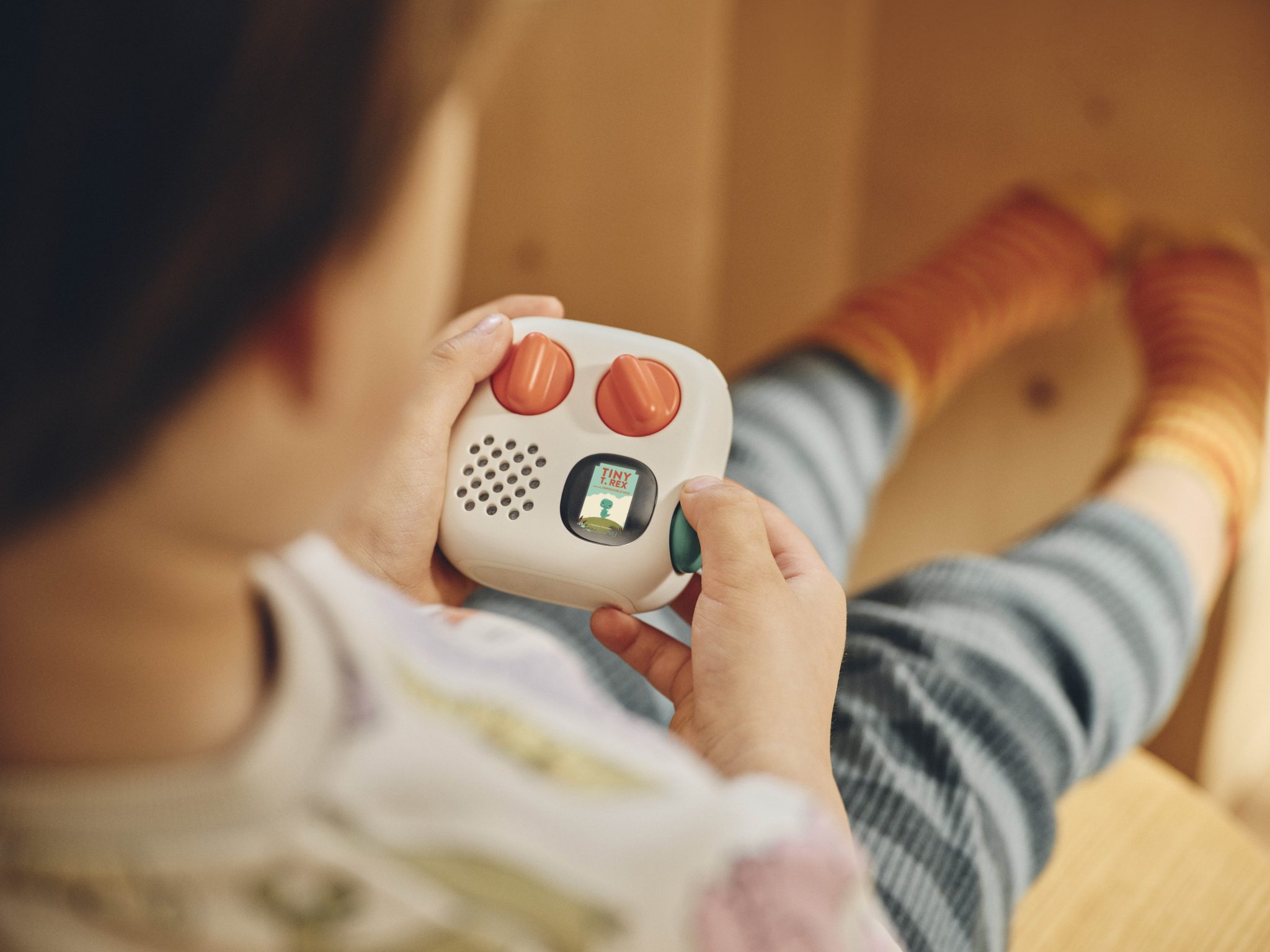
Children’s technology: The Yoto Mini, designed in the United Kingdom by Heirloom, received Best in Class for Product Design, Consumer Electronics. The portable children’s audio player has no screen, phone or AI and allows children to independently choose and listen to stories and music.
Inclusive design: Australian-designed The Oasis Shower Chair by Ennova Design received Best in Class for Product Design, Furniture and Lighting. Created for people requiring greater stability in the shower because of age, injury or disability, the chair combines clinically backed support with contemporary furniture design.
Plastic-free packaging: Holy Carp, designed by Australian studio Heliograf, received a Gold Award for Communication Design, Print and Packaging. The world’s first plastic-free, home-compostable soy fish was created as an alternative to the familiar single-use plastic soy sauce container.
Clean Up Australia: Clean Up Cam, designed by Conduct for Clean Up Australia, received a Gold Award for Digital Design, Apps and Software. The technology captures litter data generated through Clean Up Australia’s more than 26,000 annual litter collection events involving approximately one million volunteers.
Eliminating pallet wrap: Australian-designed No Wrap received a Gold Award for Product Design, Commercial and Industrial. The reusable system replaces single-use LDPE stretch wrap used to secure palletised freight.
Domestic appliances: The Australian-designed Breville Eye Q Auto Range Toasters received a Gold Award for Product Design, Domestic Appliances. Optic sensors monitor browning in real time and automatically stop the toaster when the selected colour is reached.

© Niche Media 2026