

Loose leaf opens the archive and the imagination
Loose leaf opens the archive and the imagination

Share
An intimate exhibition at Walsh Street traces Tract’s early years and the restless thinking that shaped a national design practice.
Within the intimate rooms of Robin Boyd Foundation’s Walsh Street residence in South Yarra, a new exhibition will unfurl like pages lifted from an architect’s folio, revealing the formative decades of one of Australia’s most influential landscape practices. Titled Loose Leaf, this archival presentation charts the foundations of Tract, revisiting the 1970s and 80s through drawings, photographs and working documents that capture a profession in the act of defining itself.
Running from 12 to 22 March 2026 at 290 Walsh Street, Loose Leaf situates Tract’s early projects within the broader cultural shift that reshaped Australian cities and suburbs during that period. Garden design blurred into landscape architecture. Urban design and planning entered the conversation. Interdisciplinary thinking gained traction. The exhibition draws on observational material and archival fragments to sketch out how professional practice evolved from intuition and experimentation into a confident design discipline.
A practice takes root
Founded in 1973, Tract emerged from within Merchant Builders, carrying with it a spirit of collaboration and a belief that landscape could shape social experience as powerfully as architecture. Over five decades the practice has grown into a national presence, with more than 230 people working across Melbourne, Geelong, Adelaide, Sydney, Brisbane and the Sunshine Coast. The firm’s contemporary portfolio, documented through projects such as those featured on its official site, reflects an ongoing commitment to sustainable environments that connect people with place.
Loose Leaf turns back to the earliest chapters of that journey. Landmark commissions sit alongside lesser known works, revealing the testing ground from which today’s methodologies emerged. Hand drawings sit at the centre of the narrative. Sketches carry the energy of first ideas. Annotations expose the push and pull between client aspiration and environmental responsibility. The material reveals a generation of designers grappling with density, shared space and the character of Australian landscapes.
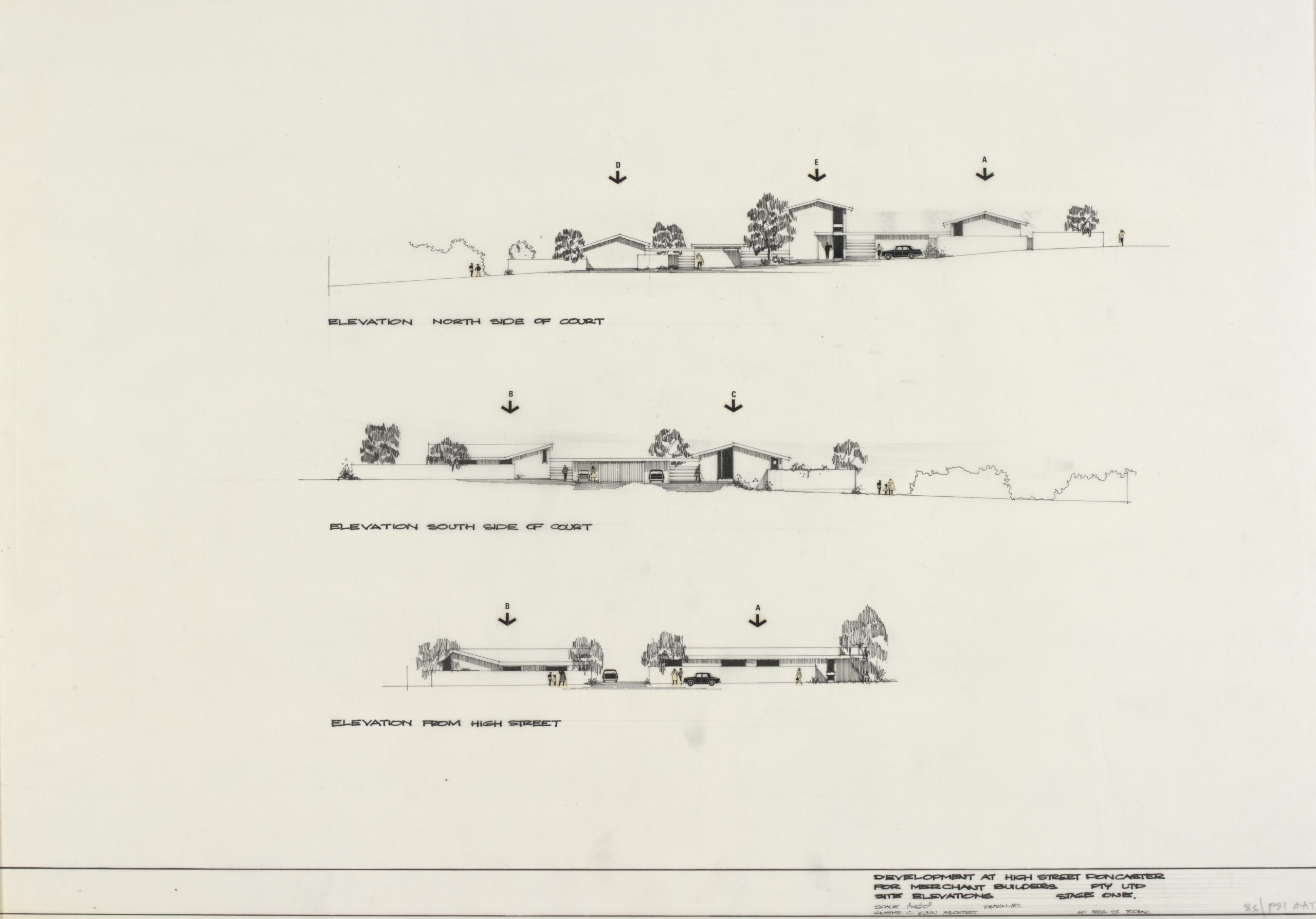
In a statement accompanying the exhibition, Tract managing director Deiter Lim describes Loose Leaf as a rare opportunity to see the people and ideas that shaped the practice in its infancy, calling it a glimpse into the melting pot of innovative thinking and sustainable approach that continues to guide the firm today. That sense of continuity runs throughout the exhibition. The past feels alive rather than preserved.
Walsh Street as living archive
The choice of venue deepens the dialogue. The Walsh Street house, designed and inhabited by Robin Boyd, operates as both domestic space and cultural landmark. Since its establishment in 2005, the Robin Boyd Foundation has stewarded Boyd’s legacy through public programs that foster dialogue around Australian architecture and design. Hosting Loose Leaf within these walls creates a conversation across generations.
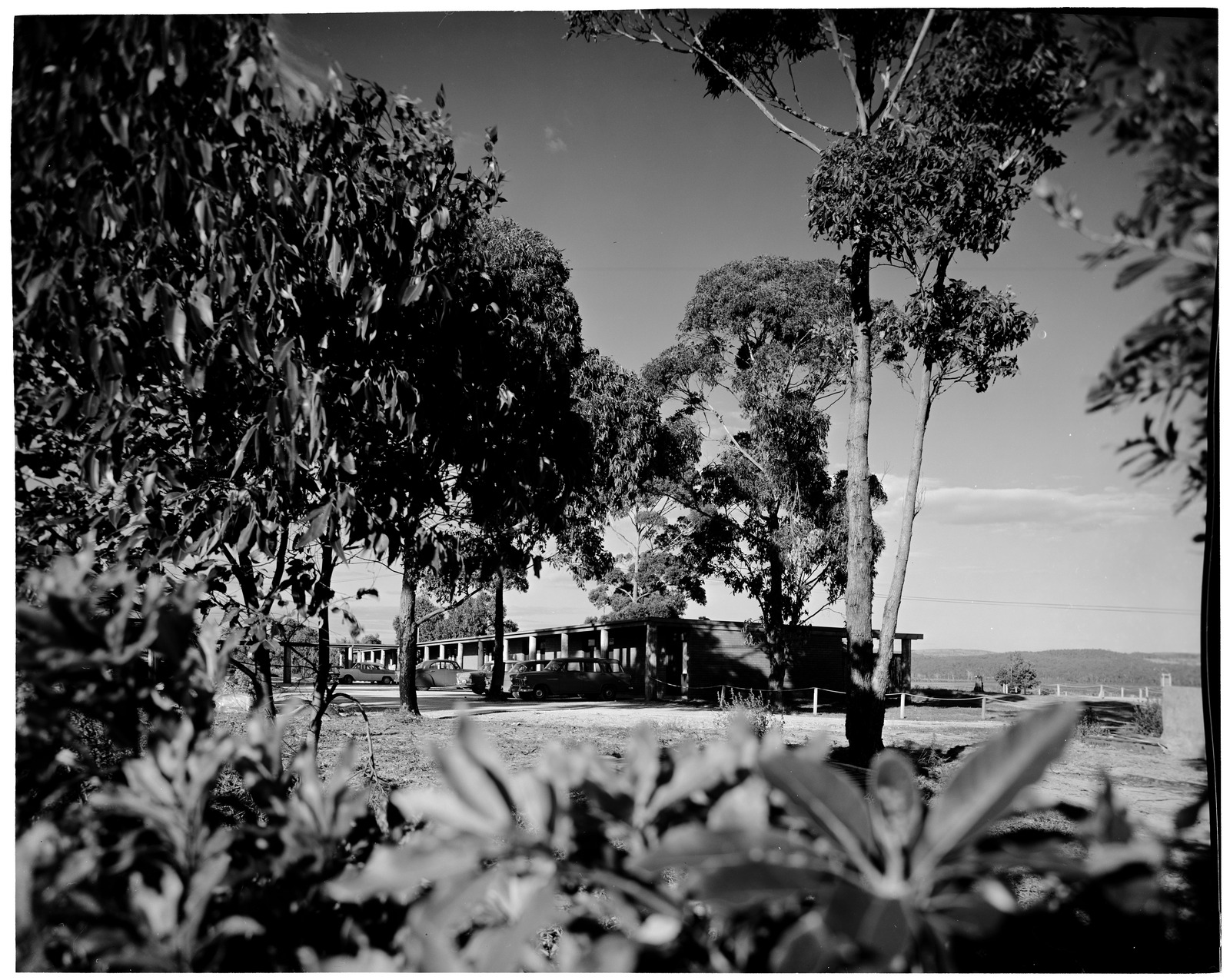
Accompanying the exhibition is a public program that extends the archival focus into contemporary debate. Alan Pert and Emergent Studio will reflect on early and current cluster housing projects, tracing ideas of density and community from the 1970s to the present. Kerstin Thompson and Mark Jacques will speak about their work restoring the Black Dolphin Motel, originally conceived by Robin Boyd and David Yencken, further anchoring the program within Australia’s modernist lineage.

In the courtyard, drop-in drawing sessions led by Tract senior principal landscape architects Mariano Lopez and Emma Stevens, alongside illustrator Oslo Davis, invite visitors to engage directly with the act of hand drawing. The gesture feels deliberate. In an era dominated by digital rendering, the exhibition asserts that the pencil remains central to the discipline’s intellectual life.
Loose Leaf stands as a collaboration between Tract and the Robin Boyd Foundation, supported by Brickworks Building Products. For a practice now recognised nationally, this return to origin feels both reflective and catalytic. The exhibition does more than display artefacts. It frames the archive as an active design tool, reminding the profession that innovation often begins with a loose sheet of paper and a restless idea waiting to take root.
For more information and booking.
Lead image: Newcastle Foreshore team at the Tract office in the early 1980s. Image: Supplied.
You Might also Like
Related Stories

© Niche Media 2026